Stock markets rally and US dollar dips after supreme court rules against Trump’s sweeping tariffs; Hat-trick of good UK economic news – as it happened
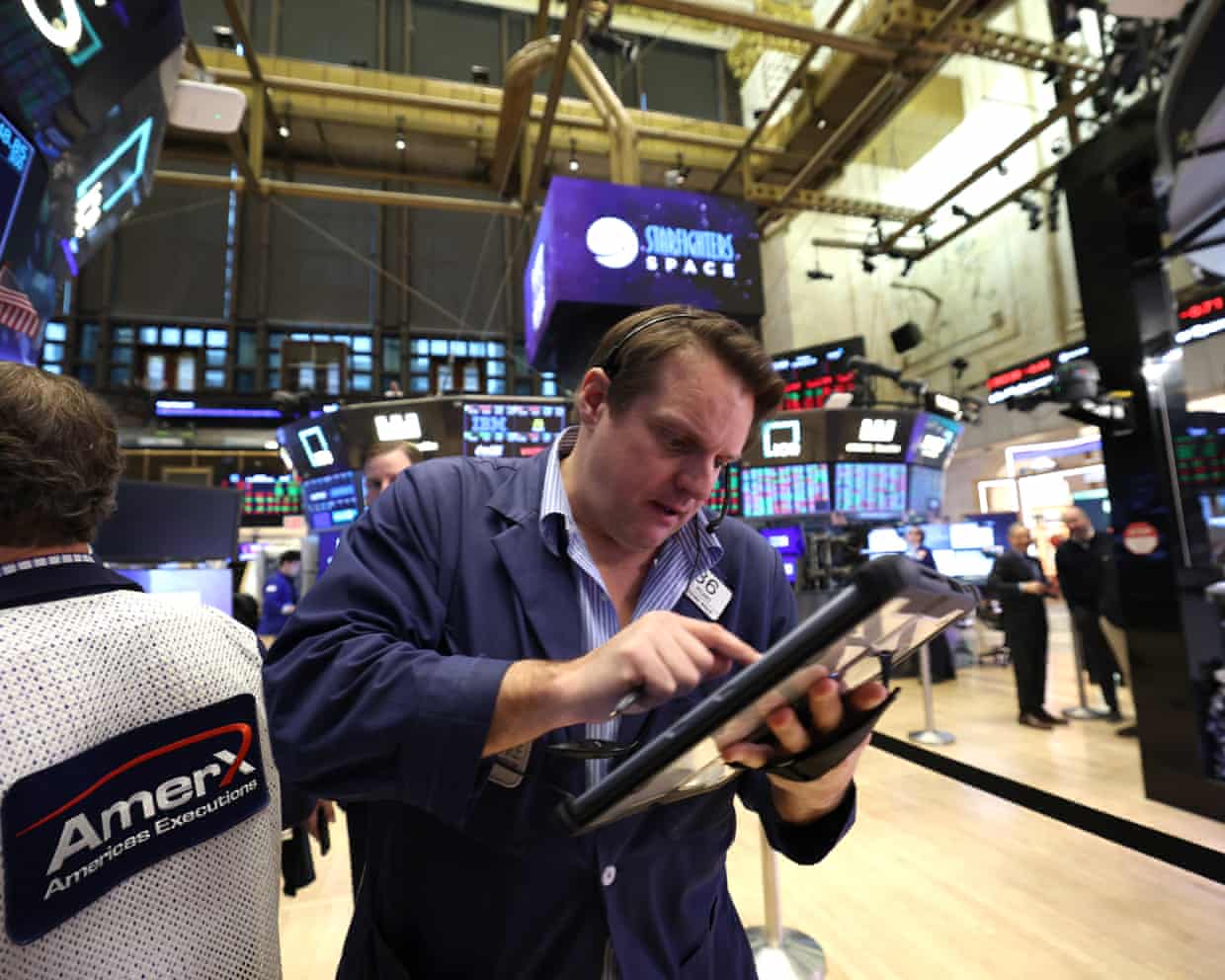
Stock market investors are welcoming the supreme court’s rejection of Donald Trump’s global tariffs.The Dow Jones industrial average, of 30 large US companies, is up 0.3% or 138 points at 49,533 points, having dipped slightly in early trading before the ruling was announced.The S&P 500 share index, which had opened flat, is now up 0.32%.
Stocks in London are higher too, with the FTSE 100 index now up 75 points or 0.7% at 10,700 points, near its record high (10,715) set earlier this week.US bond prices are weakening, pushing up the yield (or interest rate) on Treasuries slightly, as traders contemplate whether companies who have paid tariffs will now receive refunds.The ruling applies to tariffs imposed under the International Emergency Economic Powers Act (IEEPA).Michael Brown, senior research strategist at Pepperstone, says:double quotation markThis, to be clear, accounts for roughly half of the rise in the overall average effective tariff rate seen since President Trump returned to office, and chiefly concerns those levies that were imposed on a ‘reciprocal’ basis, as well as those levied on China, Canada, and Mexico regarding ‘fentanyl supply’.
Though the IEEPA tariffs have been struck down, there are at least five other sections of US commerce law which the Admin can lean upon in order to re-implement similar measures.While these measures, by and large, require either Congressional approval, an investigation by the Commerce Department, or are in some way time-limited, there are likely enough alternative methods that the Admin can employ to ensure that the overall average tariff rate remains little changed, at around 16%, once the dust settles.We, of course, await clarity from the Admin as to their exact plans on this front.As for the issue of refunds, there is not yet clarity on this front either, however the ruling does – at face value – seem to indicate that these are now a distinct possibility.While we await further information here, it is worth bearing in mind that any refunds are likely to be paid back over some time, and in large part will be funded by an increase in issuance of short-term Treasury bills, the impact of which would likely then be netted-off against any revenue from the aforementioned alternative tariff measures that may be on their way.
So, with the US S&P 500 share index still comfortably higher – up 0.5% at 6,896 points it’s time to wrap up.Our US Politics Live blog has full coverage of the supreme court’s rejection of Donald Trump’s sweeping global tariffs (though, as economists have been warning, this may not be the end of the trade war).And here’s our write-up of today’s brigher UK economic news:Lizzy Galbraith, Senior Political Economist at Aberdeen Investments, predicts ‘a period of heightened uncertainty’ following today’s ruling:double quotation mark“The Supreme Court has announced a full strike down of tariffs levied under the International Emergency Economic Powers Act.“IEEPA tariffs account for almost seven percentage points of the 11% implemented US weighted average tariff rate.
So, the immediate impact would be for tariffs to decline substantially.But the Trump administration will likely seek to rebuild the tariff wall to a roughly similar, though likely lower, level through an expansion of the use of Section 232 and 301 tariffs.Use of section 122 is also possible.This may well lead to a period of heightened uncertainty as policy adjusts.After hitting a new intraday high when the supreme court ruling was announced, Britain’s blue-chip stock index has closed higher tonight.
The FTSE 100, which soared to a new peak of 10,745 points just after 3pm UK time when the ruling hit the wires, has closed 59 points higher, or 0,56%, at 10,686 points,Diageo, which has been hurt by Trump’s tariffs on its Scottish whisky brands and Mexican tequila, was the top riser, up 3,9%,Shres in European carmakers jumped after the supreme court tariff ruling.
The sector is now up 1.1%, Reuters flags, with Stellantis up 2.3% and BMW 0.8% higher.If there are to be tariff refunds, that could potentially stimulate the US economy, suggests Dario Perkins of City firm TS Lombard.
There was already a 1% fiscal stimulus coming in 2026.You can add another 1% from the tariff reset, plus who-knows-how-much on top of that for refunds...🔥But don’t expect prices to fall, he suggests…unfortunately the companies that have already raised their prices due to the tariffs aren't gonna cut them again.
..thats not how this worksAlthough the supreme court has pulled the plug on Donald Trump’s IEEPA tariffs, trade levies are here to stay.So argue ING economists Carsten Brzeski and Julian Geib:double quotation markThe Supreme Court’s ruling underscores a broader debate over executive power in economic policy.As recent days have shown, not only in trade and tariffs.
IEEPA was never intended to be used to implement broad tariffs but was designed to grant the president targeted authority to respond to emergencies.Upholding Trump’s tariffs would have shifted the balance of power from Congress to the President, further enhancing his executive power.The decision ultimately reaffirms constitutional checks and balances to prevent excessive presidential authority.Europe should not be mistaken, this ruling will not bring relief.Instead, Section 301 and 232 investigations can target specific sectors more precisely than IEEPA’s broad-brush approach.
Pharmaceuticals, chemicals, automotive components – all plausible candidates for the next round,The legal authority may be different, but the economic impact could be identical or worse,The Supreme Court ruled on constitutional limits, not trade policy,Trump’s tariff agenda survives with new legal foundations and a messy transition period,Companies face months of uncertainty about refunds that may never fully materialise, replacement tariffs that will likely restore previous rates, and which sectors get targeted in round two.
The scaffolding has come down, but the building remains under construction.No matter how today’s ruling reads, tariffs are here to stay.What options does Donald Trump now have?Capital Economics’s chief North America economist, Paul Ashworth, says there are a few ways he could still impose tariffs, but they are more restrictive than using the International Emergency Economic Powers Act (IEEPA) – which the supreme court has just ruled against.Ashworth explains:double quotation markOur guess is that Trump will turn to Section 122 of the 1974 Trade Act, since that explicitly deals with the powers Congress was willing to give the Executive Branch to deal with “large and serious” balance of payments deficits.But Section 122 is pretty restrictive – capping the maximum tariff rate at 15% and (without congressional approval) only for 150 days.
The tariff must also be “non-discriminatory”, i.e.one tariff rate for everyone, meaning that Trump will no longer be able to honour many of the “deals” he has negotiated.Trump could try invoking Section 338 of the original 1930 Smoot-Hawley Tariff Act, which allows the President to impose tariffs of up to 50% on countries that “discriminate” against the US.But as with IEEPA, we strongly suspect that the courts would rule that the explicit provisions included in the much more recent 1974 Trade Act take precedence.
Otherwise, Trump would be left relying on the old tariff workhorses – like Section 232 of the 1962 Trade Expansion Act (on national security grounds) and Sections 201 and 301 of the 1974 Act (on anti-competitive grounds).His administration has been relying a lot on Section 232 to justify its product-specific tariffs on steel, aluminum, lumber, semiconductors and autos.Those statutes require time-consuming investigations first, however.Admittedly, Trump could still rely on his powers under IEEPA to “regulate..
importation” by imposing quotas but, without the associated revenues raised by tariffs, that would still leave the Treasury with a big hole to fill.The International Chamber of Commerce is warning that there is now ‘fresh uncertainty’ for companies looking to trade with the United States.ICC secretary general John W.H.Denton AO saysdouble quotation mark“Many businesses will welcome the prospect of refunds following today’s ruling, given the significant strain that the IEEPA tariffs have placed on corporate balance sheets in recent months.
“But companies should not expect a simple process: the structure of U.S.import procedures means claims are likely to be administratively complex.Today’s ruling is worryingly silent on this issue and clear guidance from the Court of International Trade and the relevant U.S.
authorities will be essential to minimise avoidable costs and prevent litigation risks,“Looking beyond the prospect of financial relief for some firms, it’s important to bear in mind that the judgment introduces fresh uncertainty into wider trade relations with the United States,“The administration has previously signalled its intention to reimpose tariff measures through alternative legal avenues, raising the prospect of further disruption to shipments entering the U,S,market.
We will also be looking carefully at the potential ramifications for the bilateral deals the U.S.has struck with trade partners on the basis of reducing the now-invalidated reciprocal tariffs.“Trade policy predictability is vital for business planning and investment.We encourage the U.
S.administration to provide clarity on its intended next steps and to ensure that any future measures are developed through transparent processes and within durable legal guardrails.”The dollar is weakening after the supreme court ruling.The dollar index, which tracks the greenback against a basket of currencies, is down 0.3% today.
The British pound is up almost half a cent, at $1.3511.Matthew Ryan, head of market strategy at global financial services firm Ebury, says:double quotation mark“The dollar has sold-off in response to the ruling, which is perhaps somewhat counterintuitive given that it also lost ground when the tariffs were first unveiled.On this occasion, we think that the move probably reflects heightened fiscal concerns, as markets fret that the massive tariff refunds could create a significant US budget shortfall, a higher deficit and an increase in debt issuance.”The EU has said it is analysing the supreme court ruling while continuing its drive to work towards reducing the tariffs the US imposed on European exports, my colleague Lisa O’Carroll reports.
The EU agreed a blanket 15% tariff rate with the US at Trump’s Scottish golf course last July but 50% tariffs are still imposed on steel.It says:double quotation mark“We take note of the ruling by the US Supreme Court and are analysing it carefully.“We remain in close contact with the U.S.Administration as we seek clarity on the steps they intend to take in response to this ruling.
“Businesses on both sides of the Atlantic depend on stability and predictability in the trading relationship,We therefore continue to advocate for low tariffs and to work towards reducing them,”Lisa O’Carroll, our senior correspondent writing about international trade, writes:The supreme court ruling drives a coach and horses through Donald Trump’s “liberation day” tariffs last April which led to trade deals with 20 countries including the UK, EU, China and other countries including Vietnam, Switzerland and Lesotha, a country Trump said “nobody had ever heard of”,While the supreme court has ruled that Trump did not have authority to impose these tariffs unilaterally, it does not mean the end of the road of tariffs from the US president,He may continue to impose tariffs on grounds of national security.
The 25% steel tariffs on the UK and 50% on the EU along with punitive extra tariffs on produces that contain an element of steel, known as steel derivatives may well.be justified as part of Trump’s section 232 investigations.They have been deployed to justify tariffs on products that are deemed at threat to the US’ national security.The court ruled that the Trump administration’s interpretation of the International Emergency Economic Powers Act to impose tariffs intruded on the powers of Congress and violated a legal principle called the “major questions” doctrine.Over in Germany, logistics group DHL says it is closely monitoring legal developments regarding U.
S.tariffs to ensure customers can exercise their full rights under the law.After the Supreme Court struck down Donald Trump’s sweeping tariffs brought in under emergency powers, DHL pledged to play a technical role by leveraging customs brokerage technology to track filings.That would mean that if refunds are authorized, its clients receive money back accurately and efficiently, Reuters reports.Today’s ruling does little to “clear the murky waters” for businesses, warns William Bain, Head of Trade Policy at the British Chambers of Commerce (BCC), which represents UK companies

Wales v Scotland: Six Nations rugby union – as it happened
Sarah Rendell’s report has landed so I’ll get out of here.Credit to her for making sense of that. A quick trade secret, most match reports are written with 10 minutes left on the clock. So any change at the death can be a nightmare.The fact that Sarah filed this on time, and with more than a degree of coherence, is a testament to her skills!Thanks for joining me
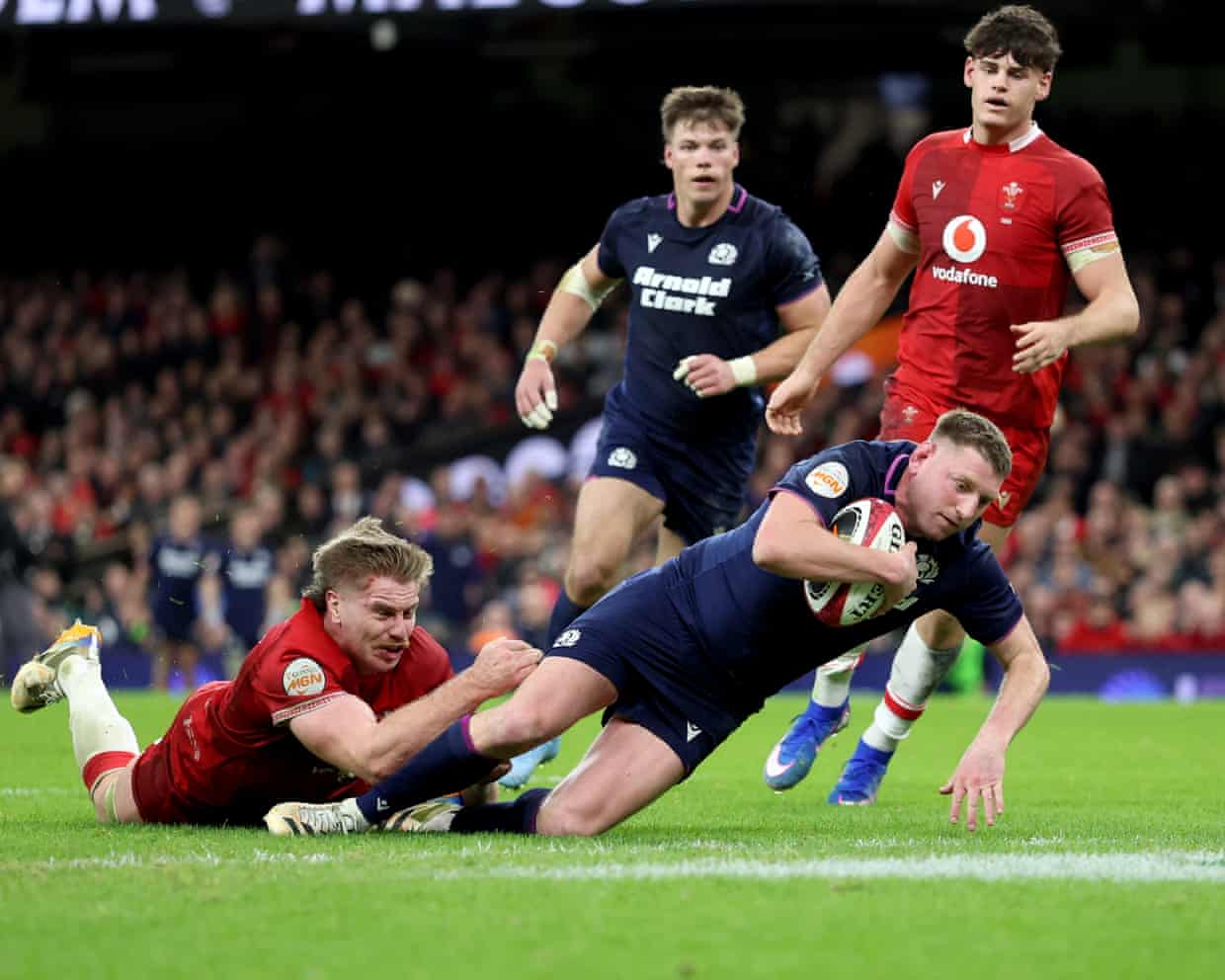
Russell inspires Scotland to thrilling Six Nations comeback win against Wales
Scotland pulled off a dramatic comeback win against Wales to back up their impressive Calcutta Cup success the previous week. Hosts Wales had the lead until the 74th minute thanks to a spark lit by the wing Josh Adams, leaving the visitors with a feeling that they were lucky to come away with five points, which sent them to the top of the Six Nations table.This was just the third time Scotland have won the match directly after a victory over rivals England in the Six Nations and their second-half resurgence came at the hands of their maverick Finn Russell. Who else could it have been? The fly-half is one of the best in the world and has been the architect of Scotland’s biggest victories over the last few years. He was largely quiet in the first 40 minutes, such was Wales’s impressive start, but two fast-paced tries either scored or created by Russell set Scotland on the comeback path
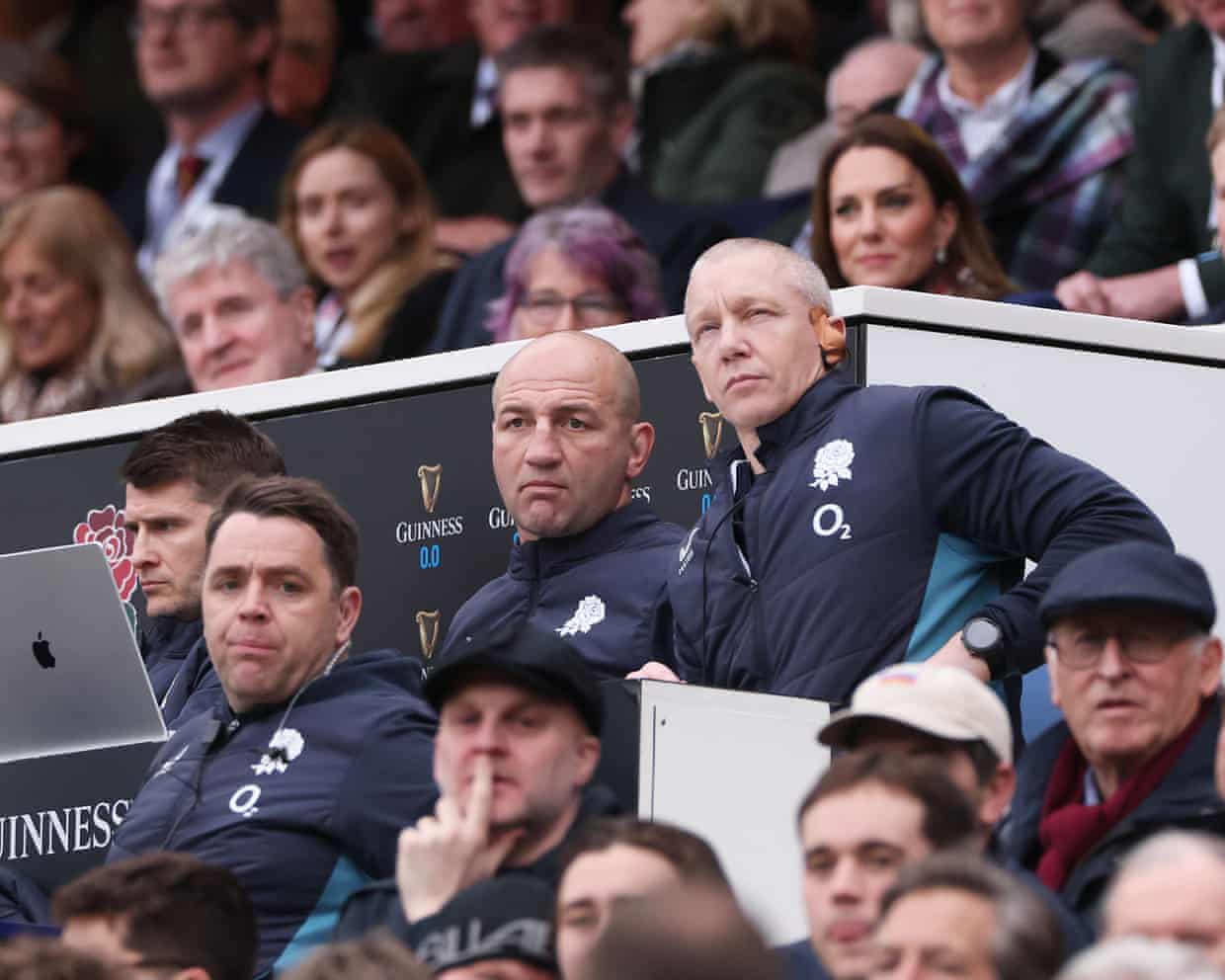
Borthwick ‘bitterly disappointed’ by latest Six Nations setback against Ireland
Steve Borthwick says England have only themselves to blame for their steep decline in this season’s Six Nations. After his side’s record humbling by Ireland on Saturday, Borthwick said his side are being punished for their poor starts to games and are leaving themselves “a mountain to climb” against quality opposition.This was England’s worst Six Nations defeat since they lost 53-10 at home to France in 2023 and Borthwick said he was “bitterly disappointed” with his team’s latest sub-par first-half showing. “Unfortunately, for two weeks now, we have given the opposition too many points and we have not got scoreboard presence. We will be looking closely at that and how I set the team up to make sure it doesn’t happen again
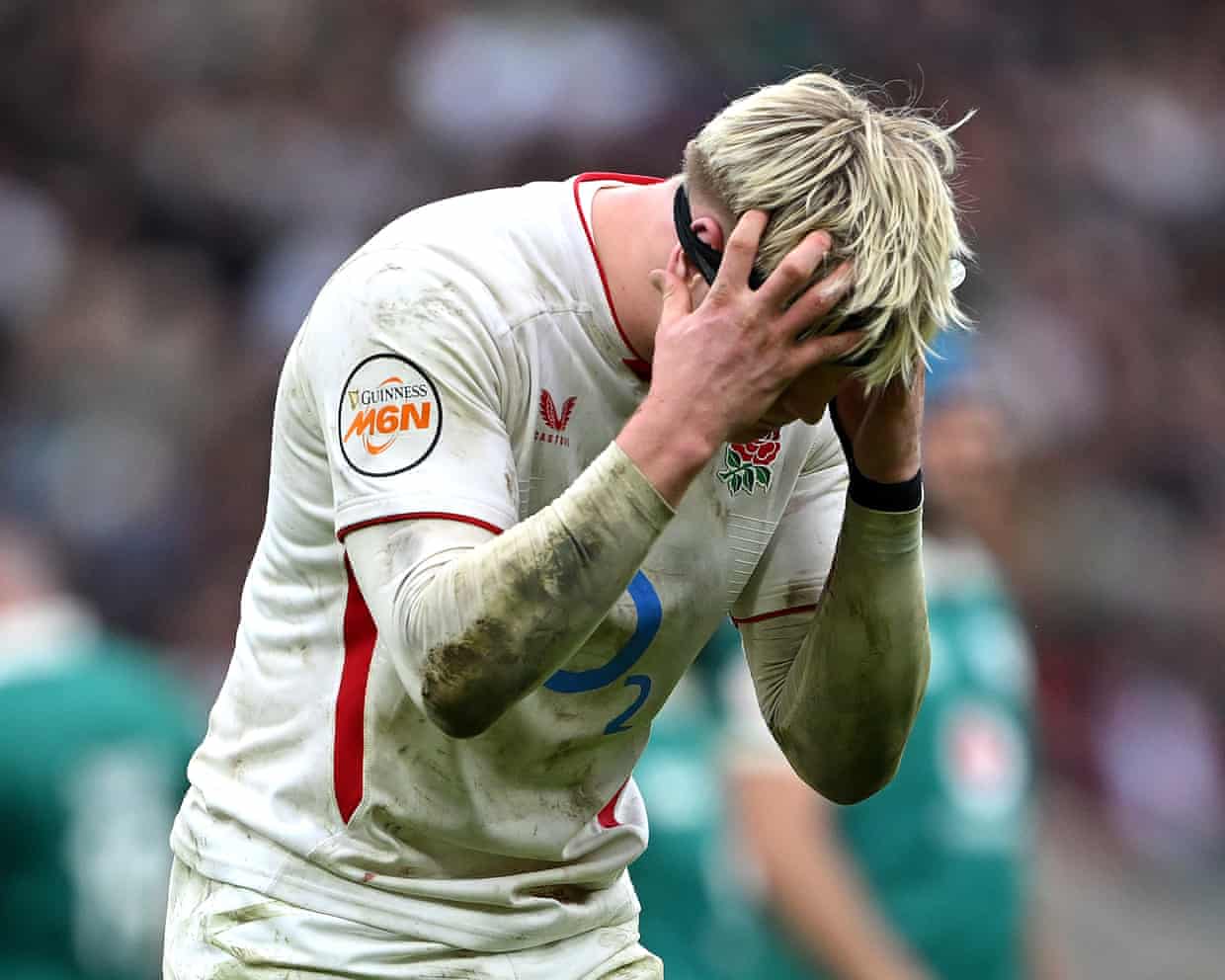
Borthwick’s plans in shreds as ruthless Ireland heap more misery on England | Michael Aylwin
So it looks as if it might have been a bubble. England’s 12-match winning run came to a shuddering halt last week, but it was possible to believe that flop might prove a one-off – a chastened Scotland at home, after all, has been the downfall of many an England team.Well, there are scattered strips of latex all over Twickenham now, England’s balloon more than spectacularly popped by an Ireland side who are hardly afraid of inspirational rugby against this lot themselves.Just as England had been riding high before last week, so Ireland had been looking a little lacklustre. We thought they might be a team in transition – and they may yet prove to be – but they brought back a whole haberdasher’s worth of experience, led by the peerless Jamison Gibson-Park, and fairly tormented their younger and more hopeful hosts

Jorrit Bergsma wins mass start to continue golden Winter Olympics for 40-somethings
Jorrit Bergsma, the mullet-wearing 40-year-old speed skating legend from the Netherlands, won the men’s mass start on Saturday afternoon for his second medal of the Milano Cortina Games and his first Olympic gold since 2014.Bergsma crossed first in 7:55.50, ahead of Viktor Hald Thorup of Denmark and Andrea Giovannini of Italy, denying American star Jordan Stolz in his bid to become the first man in 32 years to win three long-track speed skating golds at a single Olympics.“Everybody settled for third, honestly. Nobody wanted to get the gold,” said Stolz, the 21-year-old from Wisconsin who captured a pair of golds with Olympic-record times in the 500m and 1000m before Thursday’s silver in the 1500m

England 21-42 Ireland: Six Nations player ratings from Twickenham
Freddie Steward Showed the type of inaccuracy that will infuriate Steve Borthwick more than once and made little or no impact in attack. 5Tommy Freeman A couple of decent moments, but like almost everyone else in white, far from his best day. 6Ollie Lawrence Did his job by bringing power in the carry and clearly positionally superior at No 13 to the Freeman experiment. 6Fraser Dingwall Took his try well, but a defensive error allowed Doris’s skill to expose him. Another very indifferent day
Stock markets rally and US dollar dips after supreme court rules against Trump’s sweeping tariffs; Hat-trick of good UK economic news – as it happened

Brighter UK economy gives Reeves a springboard for March statement
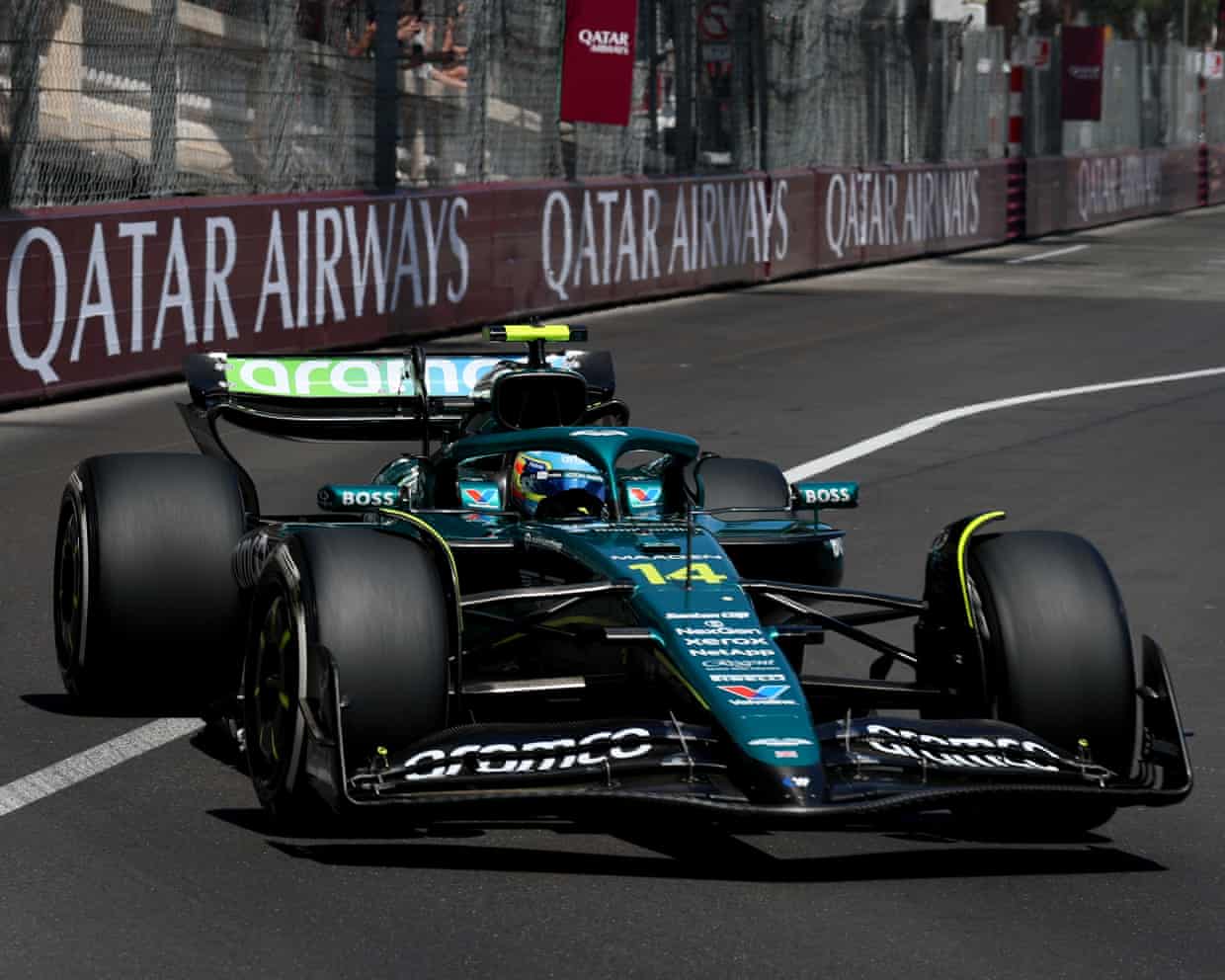
Aston Martin issues another profit warning and sells F1 naming rights for £50m

Hospitality workers: tell us about the worst or rudest customers you ever dealt with

Art and antiques help lift retail sales in Great Britain to biggest monthly rise since 2024
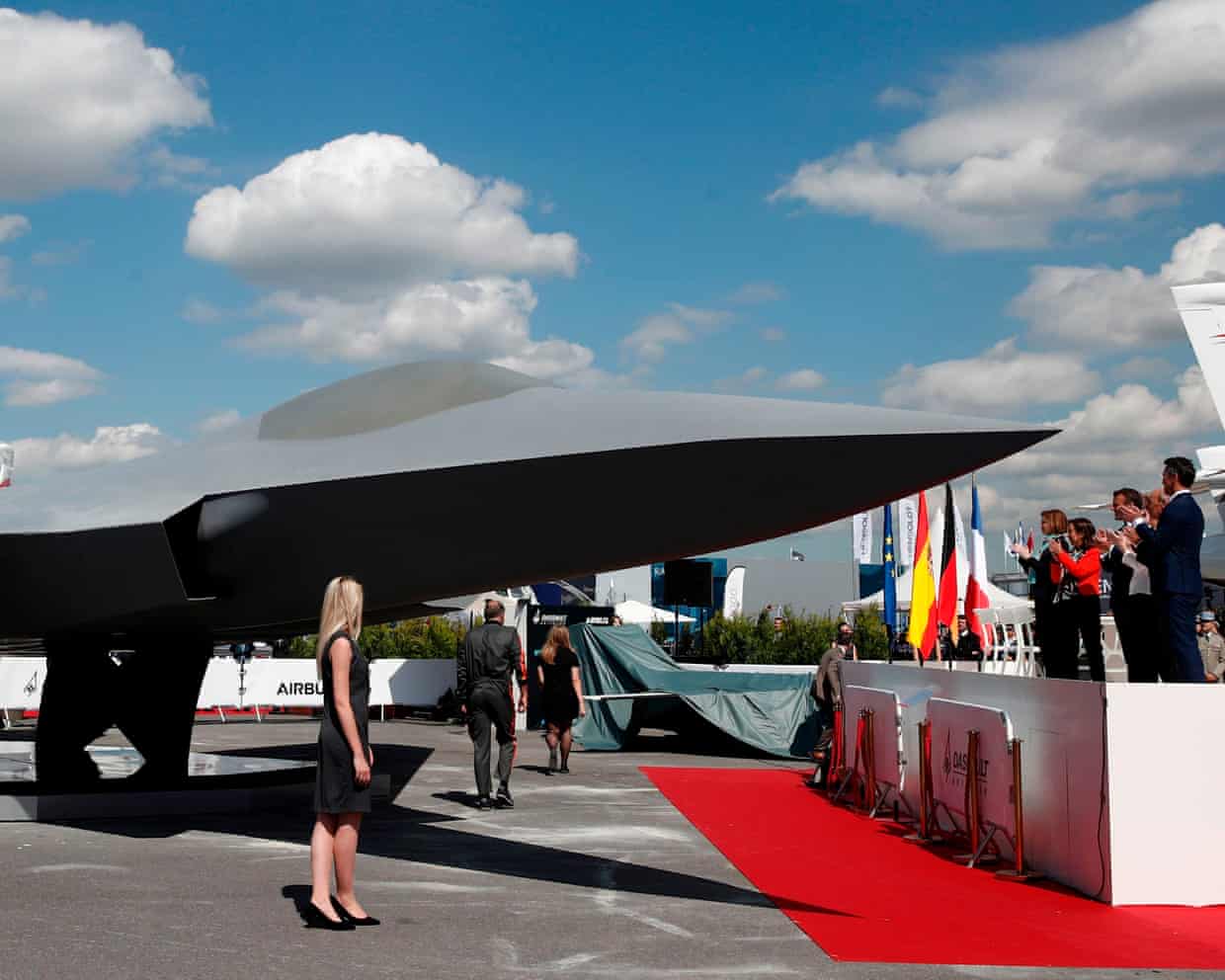
France and Germany agreed to build the fighter jet of the future. Now they can’t agree who is in charge