Over-75s drive levels of physical activity in England to record high but inequalities remain

Levels of physical activity in England have broken new records, with more than 30 million adults now meeting the recommended 150 minutes of moderate activity a week, the latest Active Lives survey has revealed.The 10th edition of the gold standard report finds a striking rise in activity among older people with 11% growth among the over-75s in the past decade.There is also a consistent improvement among people with disabilities.But other inequalities have proven stubborn, with no change among black and asian communities in 10 years and a decline in activity among the least affluent over that period.“It’s great to see continued growth in the number of people taking part in physical activity, with more adults than ever enjoying the benefit of playing sport and moving”, said the chief executive of Sport England, Simon Hayes.
“It is testament to the incredible work of so many people across the sector, including the millions of volunteers without whom the system could not operate.“But today’s report also shows this progress is still not being felt equally.Where you live, your socioeconomic circumstances, your gender, and your ethnicity, all still have a significant impact on how likely you are to be active.”The data shows disparities in activity between ethnic groups, between different levels of affluence and among geographic regions have continued to grow over the past decade.While activity levels for white British people have risen 3% to 66%, levels among black adults and Asian adults (excluding Chinese) have stayed at 57% and 56% respectively.
For the least affluent in society, while levels of activity have risen since the pandemic, only 53.8% of the poorest adults hit the 150 minute target, compared to 54.8% a decade ago.In terms of place, the West Midlands remains the least active part of the country, and has recorded only 1.7% growth in activity over a decade compared to 3.
5% in the south-west, the most active region,Overall, however, there are now 3,3 million more people who are regularly active in England than when the Active Lives survey began,In the past 12 months, another 859,000 adults have joined that cohort, the biggest rise since 2021-22 when the UK was emerging from the Covid pandemic,In demographic terms, the rise has been driven by older people, with a 7% increase over a decade in the number of active 55 to 74-year-olds and the striking 10.
9% growth among those aged 75 or above.Improvements have also been facilitated by changing habits.A pandemic spike in the number of people regularly walking for leisure may have dropped off in intervening years but Active Lives records that there are still 1.3 million more people walking than there were before 2020.Equally, those engaging in “fitness activities”, such as attending the gym or exercise classes, have grown sharply in every year since the pandemic and stand at a 10-year high of 15.
3m,Nick Pontefract, Sport England’s chief strategy officer, said this showed “a nation that is increasingly aware of the huge benefits that being active brings across physical health, mental wellbeing and both individual and social development, and that people are finding new and different ways to incorporate activity into their daily lives,”
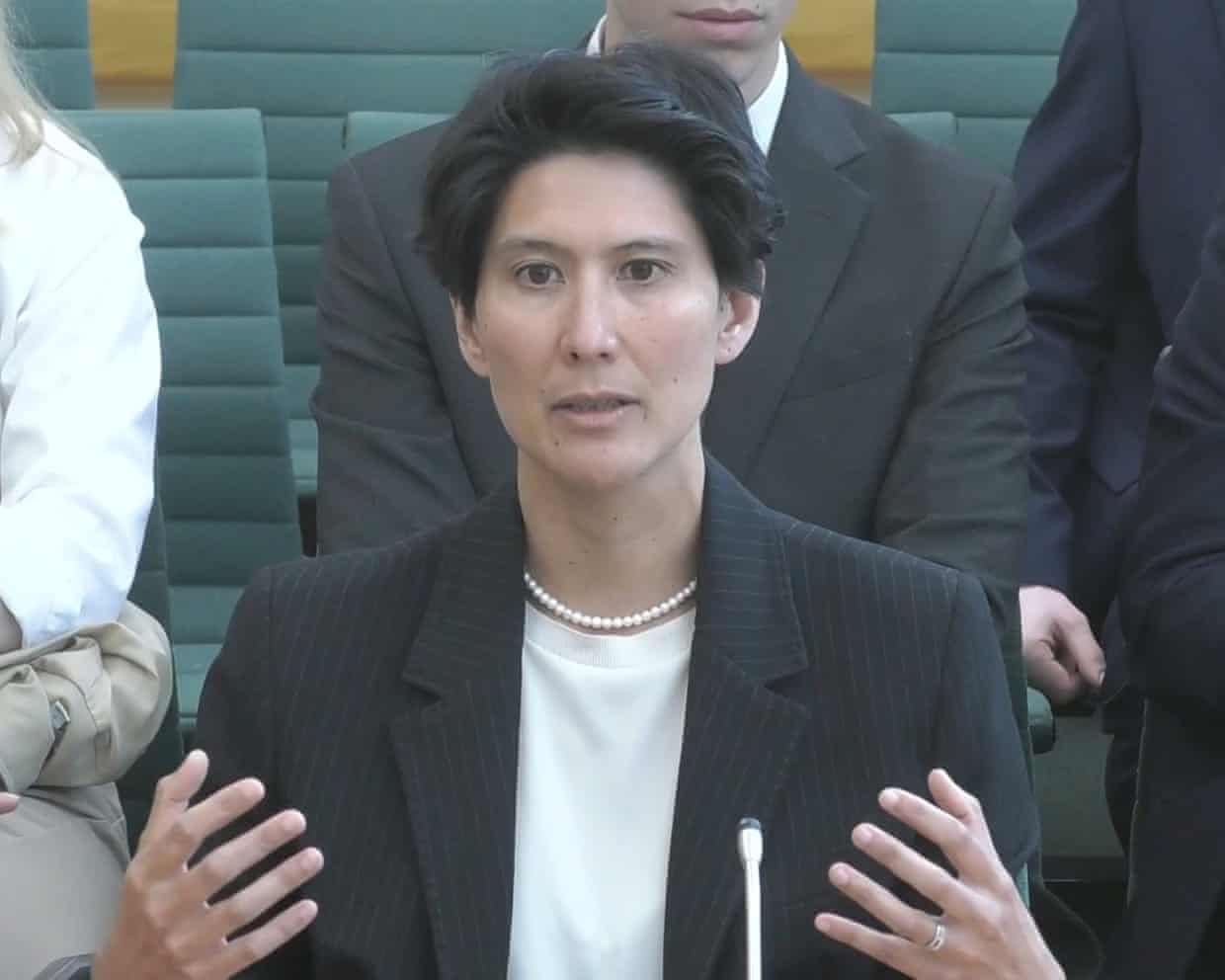
Five things we learned from Cat Little’s evidence to MPs about the Mandelson saga
In more than 90 minutes of evidence to the foreign affairs select committee about the Peter Mandelson scandal, Cat Little, the head civil servant in the Cabinet Office, was low key and often cautious.But she did reveal several pieces of new information – or at times information different from that given to the same committee by Olly Robbins, the former permanent undersecretary at the Foreign Office.Little said her then Foreign Office counterpart had resisted sending her a summary of why Mandelson was initially refused vetting clearance, which she sought as part of her efforts to gather all relevant documents in line with a Commons “humble address” motion.“At the time, it was made clear to me that that information would not be forthcoming,” Little said. She thus “took the very unusual judgment” to ask UK Security Vetting (UKSV), which sits within the Cabinet Office, to provide it directly
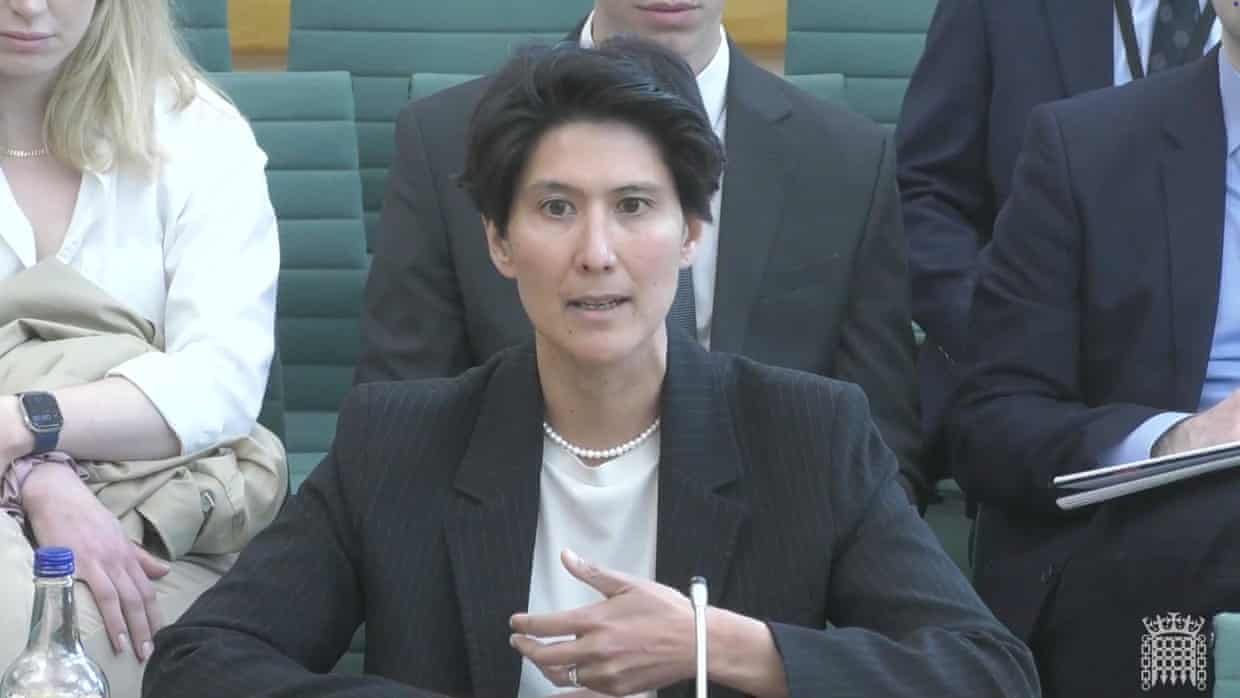
Olly Robbins refused to give Mandelson vetting summary to Cabinet Office, says Cat Little
Olly Robbins refused to hand Peter Mandelson’s vetting summary to the Cabinet Office, the civil servant who leads the department has said.The summary – which would have revealed that Robbins, the now-sacked Foreign Office head, had granted Mandelson clearance against the advice of security officials – was instead provided to Cat Little by UK Security Vetting (UKSV), she told MPs.Giving evidence to the Commons foreign affairs committee, Little, the permanent secretary at the Cabinet Office, disputed the claim by Robbins that her department had suggested Mandelson might not need vetting at all.Citing “a number of emails” that she had reviewed, she said it had actually been the Foreign Office that raised the possibility of Mandelson not needing to be vetted given he was a member of the House of Lords.Little backed Keir Starmer’s insistence that normal processes were followed over how Mandelson was checked, saying: “So my view is that due process was followed

‘This is not the country I moved to’: the British Indians showing support for Nigel Farage
Savitha Prakash, an NHS doctor living in the London borough of Harrow, believes there are similarities between the Reform UK leader, Nigel Farage, and India’s prime minister, Narendra Modi. “He’s [Modi] one of those people, like Nigel, he walks the talk. He made [a] difference to the country,” said Prakash, who chairs Reform UK’s branch in Harrow.In particular, the 47-year-old said Farage and Modi – who have each been accused by their critics of scapegoating marginalised communities – were focused on putting the needs of the majority first.“There was a time before [Modi] came into power that minority appeasement was normal,” she said

Mapped: the elections that could deliver ‘unprecedented’ losses for Labour
Labour is on track for its worst local election performance, data analysed by the Guardian shows, in a blow that will pile further pressure on Keir Starmer’s leadership.Barring a drastic change in fortunes, Labour’s vote-share could fall to historic lows across elections for councils in England and devolved parliaments in Wales and Scotland on 7 May, with big gains for Reform, the Greens and nationalist parties, according to recent polling.The collapse in support is particularly existential in the race for the Welsh parliament, the Senedd, which Labour has dominated since its creation in 1999.Polling shows Labour’s vote share falling by more than half in Wales, enough to push the party into third place, with Reform and Plaid Cymru vying for first.Labour’s long-term decline in Scotland is expected to continue, with the Scottish National party likely to remain in power in Holyrood and Reform headed for second place
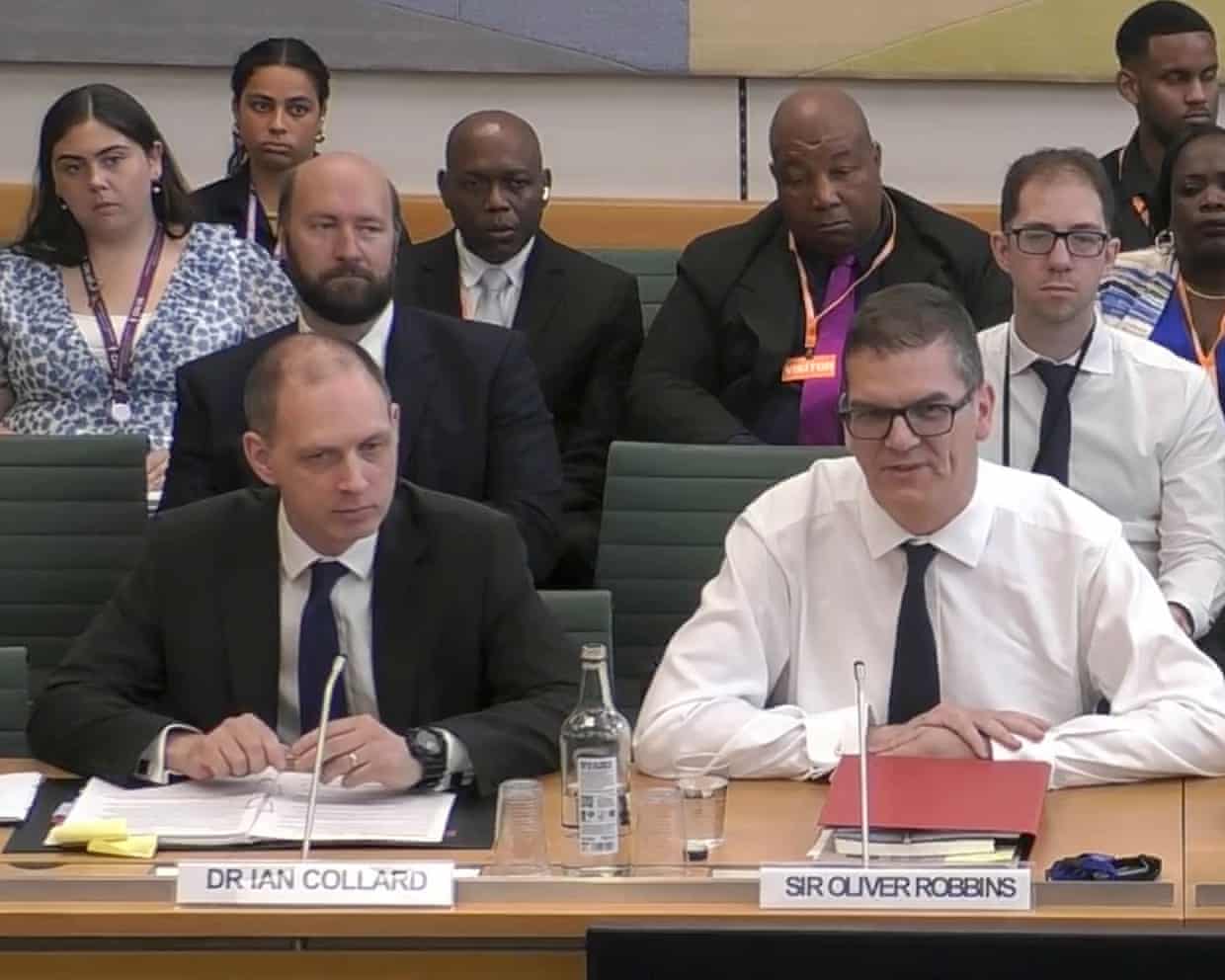
Ian Collard: the Foreign Office insider who may be key to Mandelson scandal
His name was only mentioned twice – and the meeting he had with Olly Robbins may have only lasted 10 minutes.But Ian Collard is a central – and perhaps the key – figure in the scandal over how Peter Mandelson ended up receiving the security clearance to become Britain’s ambassador in Washington.According to Robbins’s evidence to the foreign affairs committee on Tuesday, it was Collard, head of the estates, security and network directorate in the Foreign Office, who gave him an oral briefing on 29 January 2025.Robbins explained Collard had been having a “live dialogue” about Mandelson with the separate UK Security Vetting (UKSV) team, based in the Cabinet Office.Collard had then asked to speak to Robbins for what turned out to be a critical meeting: it concluded with Mandelson being granted vetting clearance

Divisions emerge in Keir Starmer’s cabinet over his sacking of Olly Robbins
Keir Starmer is looking increasingly isolated over his handling of the Peter Mandelson scandal with divisions emerging in cabinet over his decision to sack the Foreign Office civil servant Olly Robbins.On another difficult day for the prime minister, the Guardian learned of concerns around the cabinet table, a senior minister refused to say the dismissal was fair and several mandarins called for him to be reinstated. One Labour MP called on Starmer to quit.The scrutiny will continue on Thursday as MPs grill Cat Little, the permanent secretary at the Cabinet Office, over the decision to install Mandelson as Washington ambassador contrary to the advice of vetting officials.Some senior Labour MPs say the prime minister is now living on borrowed time as he continues to come under fire over his decision to appoint the former Labour peer

UK undershoots annual borrowing target by £700m
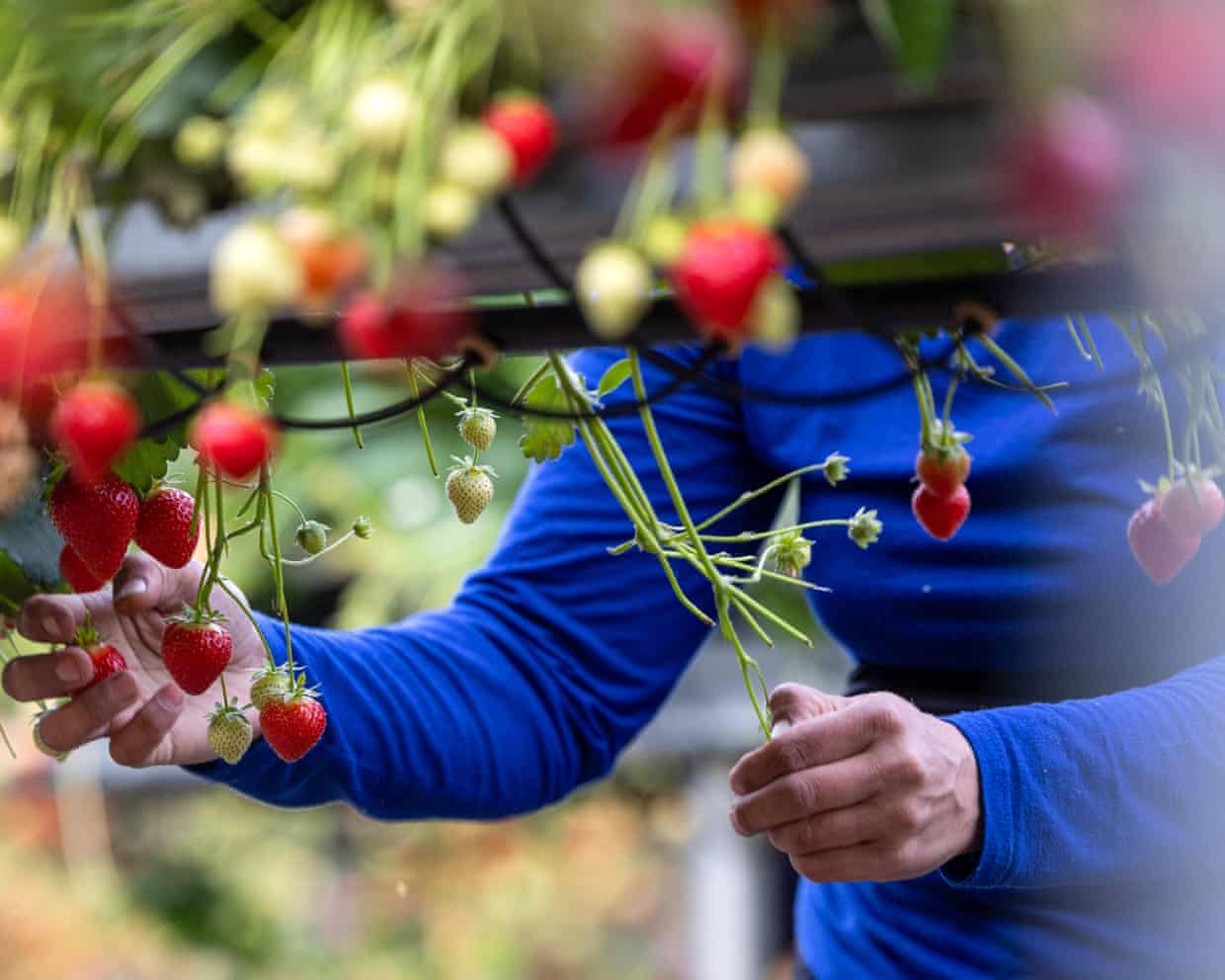
Sainsbury’s boss urges government to help ease rising energy costs for food producers
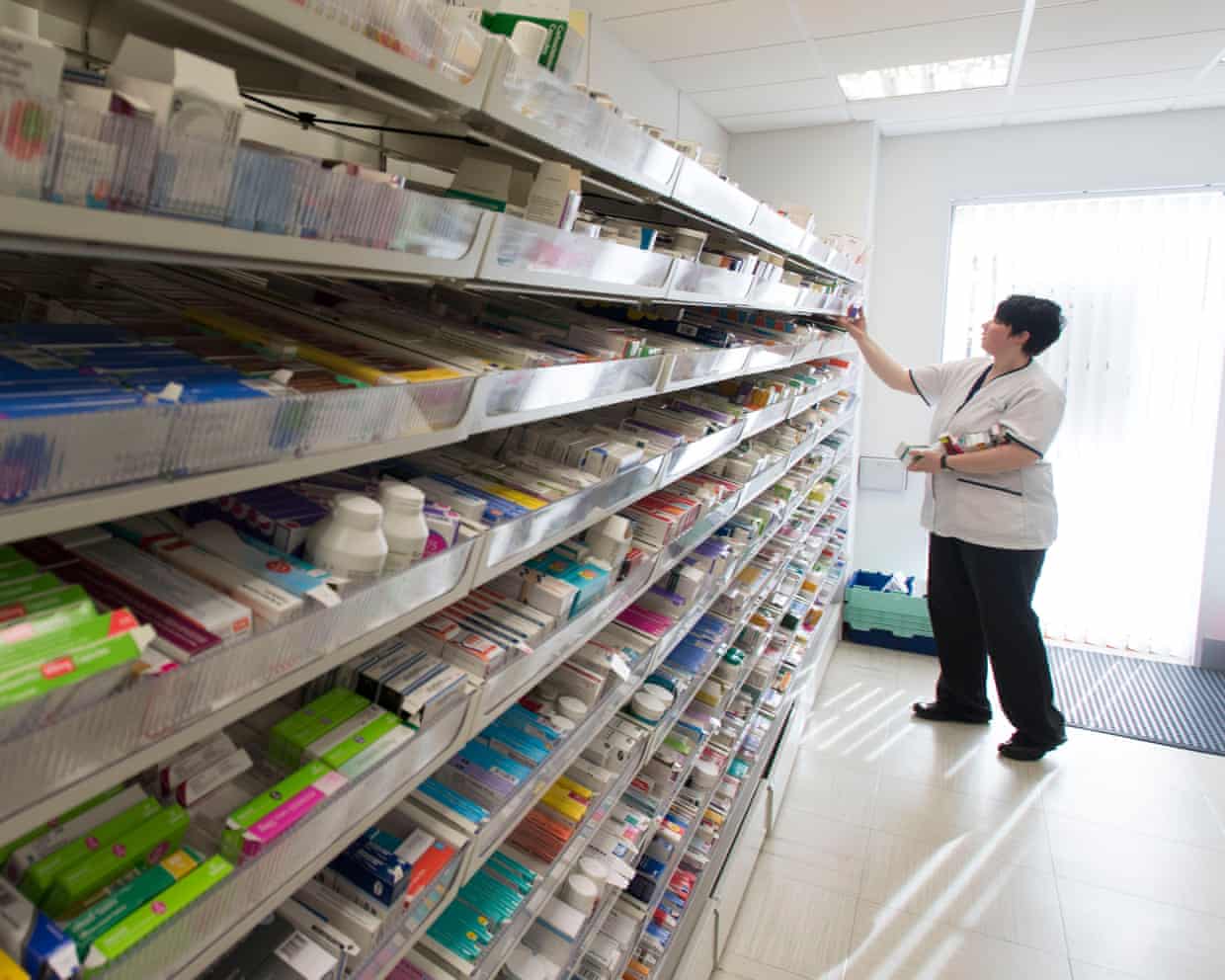
Iran war pushing up till price of some drugs by up to 30%, pharmacies warn
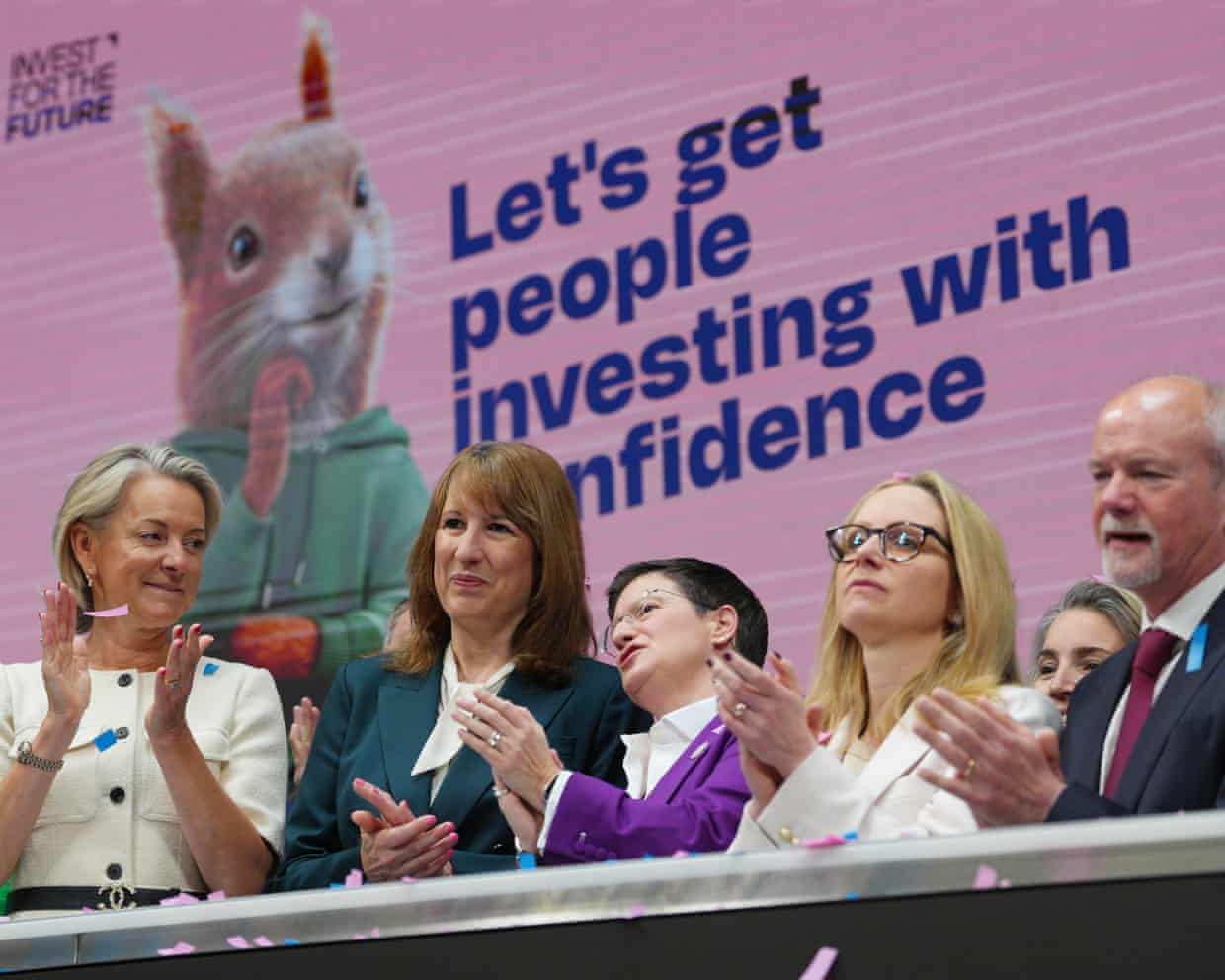
Yes, retail investment needs a boost – but the squirrel looks too tame | Nils Pratley
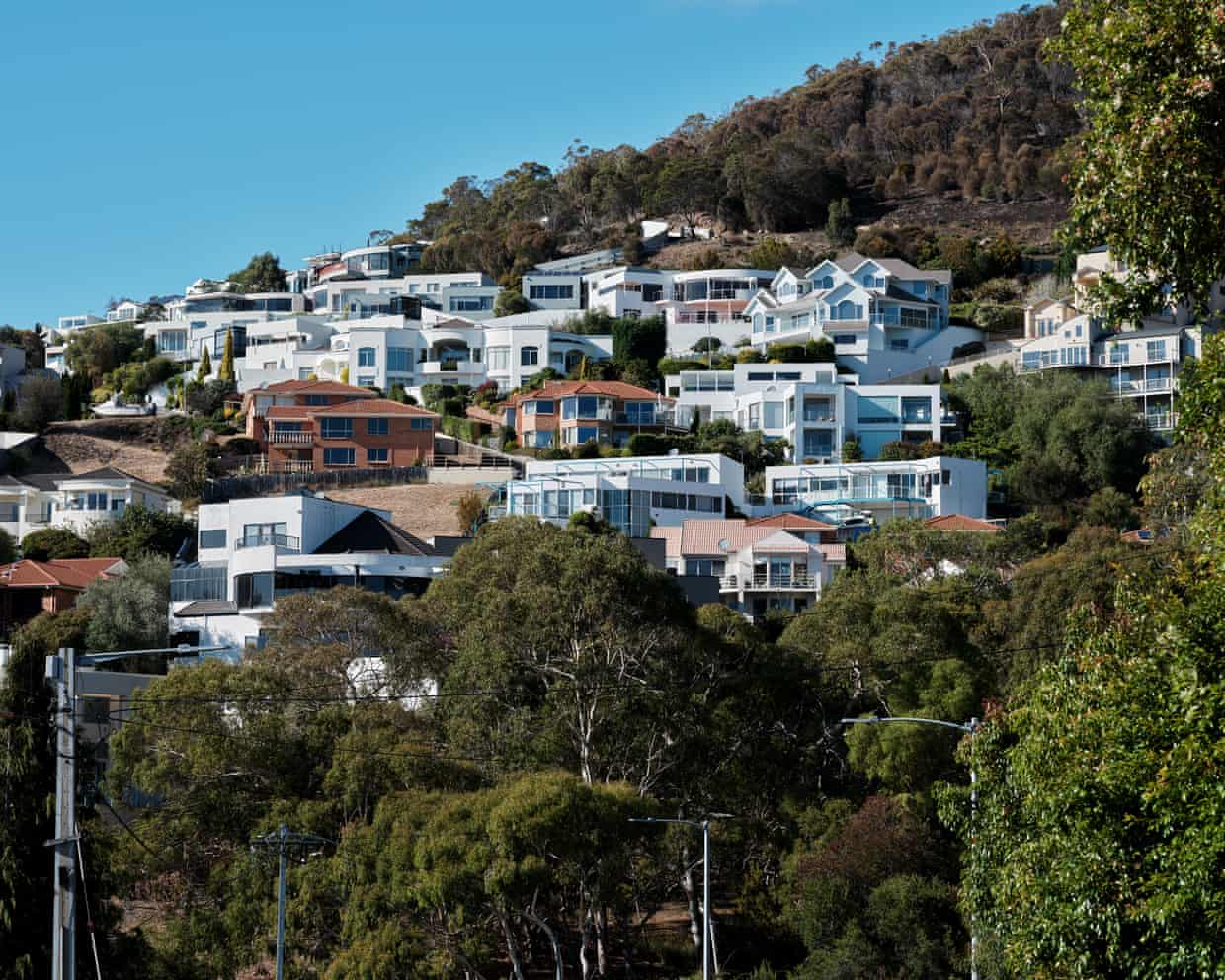
Capital gains tax changes are on the table, and yet Armageddon has not arrived. Has the tide on housing turned at last? | Greg Jericho
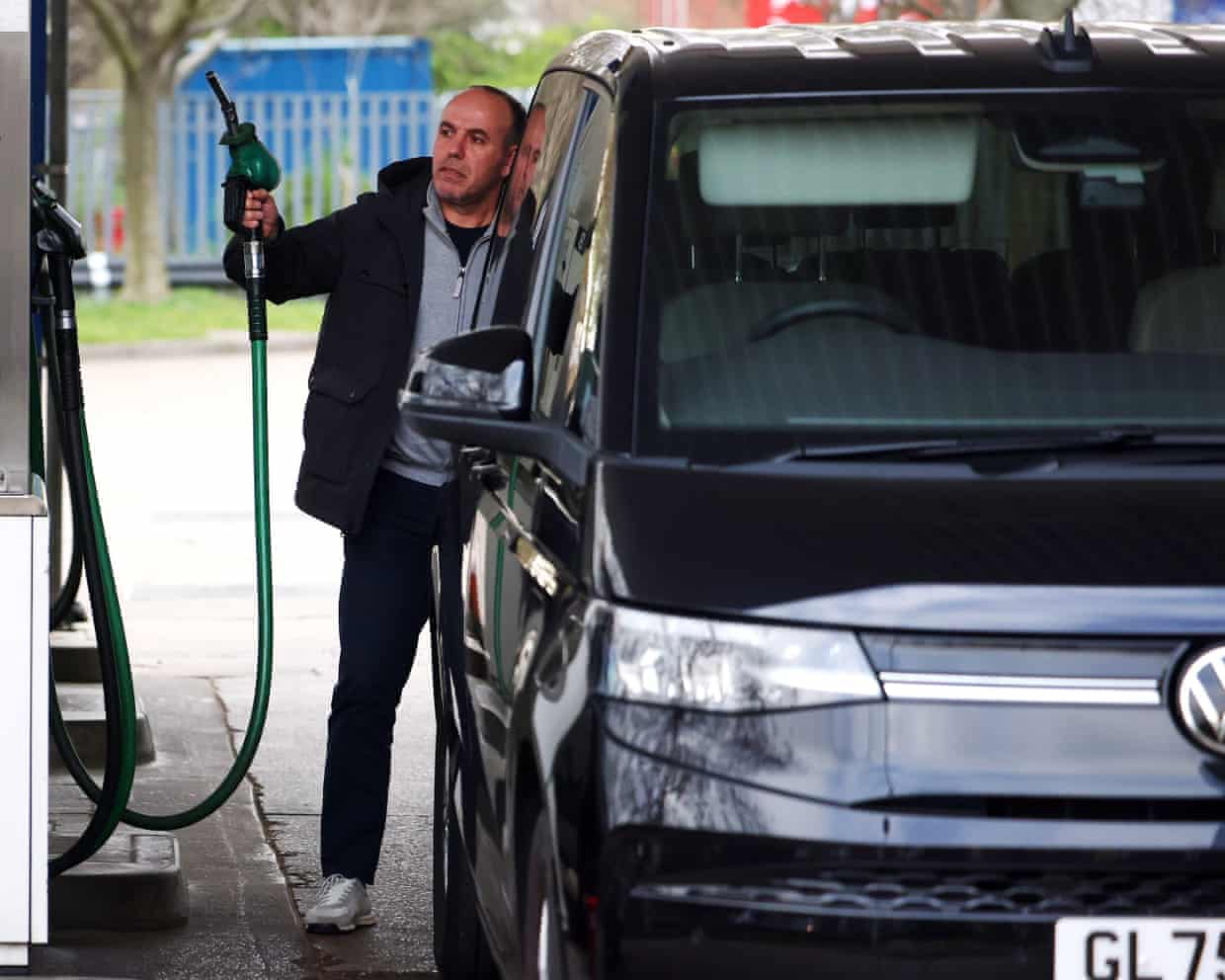
Middle East war ‘could wipe out 75% of chancellor’s budget headroom’; UK inflation climbs to 3.3% – as it happened