Unhappy Verstappen ‘has to be listened to’ over new rules, says F1 chief Domenicali

Formula One must listen to Max Verstappen’s grievances about the sport’s new regulations and their effects on racing, according to F1’s CEO, Stefano Domenicali.His intervention comes as key players hold meetings to consider adjusting the rules for the remainder of the season.Verstappen has been outspoken in his dissatisfaction with the new formula and the part energy management now plays in preventing being able to race flat-out.The four-time champion is not alone in his feelings with other drivers also critical of the deployment and recharging of electrical energy.Verstappen, one of F1’s biggest names, has been so disenchanted, however, that he has repeatedly suggested he is considering his future in F1 and Domenicali confirmed he had been speaking to the Dutchman and other drivers about their concerns.
“He’s the best driver, he’s a world champion, multiple world champion, and his voice has to be listened to,” Domenicali said in an interview with Autosport.While the Italian conceded F1 was taking drivers’ opinions into consideration, he cautioned that repeated criticism was not good for the sport.“With Max, we have spoken many, many times,” he said.“So we understand that I understand his comments and he understands the bigger picture.“Even today he has been in a meeting where he was very keen to give suggestions.
I don’t want to fall into the trap of trying to create an antagonism because that’s not me.It’s not the way we want to see that.“He knows his voice has a weight and he needs to respect that weight.Sometimes, some people can take it the wrong way and this is something we should not allow to happen.”Talks on the regulations are taking place this month between the sport’s governing body, the FIA, the teams, power-unit manufacturers and the commercial rights holders, Formula One Management.
Technical and sporting considerations from the opening three rounds and potential changes were discussed last Thursday with another technical meeting set for Thursday.This will be followed by a further meeting on 20 April for the senior representatives, including team principals and their CEOs, the power-unit manufacturers and Domenicali.Changes to the regulations will be decided then, subject to ratification by the world motorsport council.It is expected this will be in time for the next round in Miami on 3 May.There will be no adjustment to the engines, but it is expected the changes will focus on the parameters of energy recovery and deployment.
These can be adjusted to influence the effects of energy management in racing and safety.The latter was brought sharply into focus when Oliver Bearman suffered an accident at Suzuka because of the differing closing speeds of cars managing electrical energy in different modes at the same point on track.
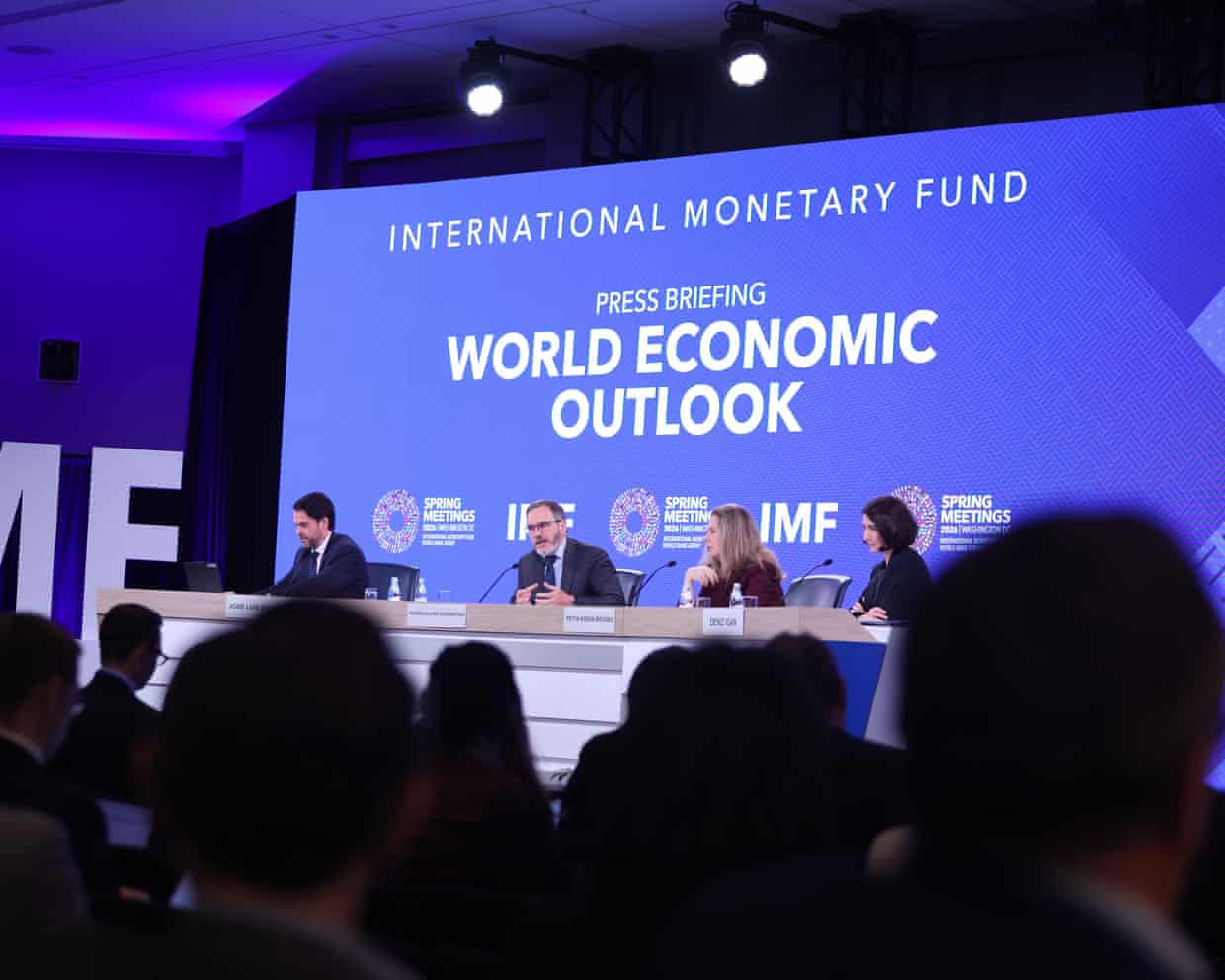
The IMF refuses to name the cause of this global chaos. It starts with ‘Donald’ and ends in ‘Trump’ | Greg Jericho
The IMF’s latest World Economic Outlook has forced it to admit that things have changed since its previous update in January when it blissfully hoped things would be OK. Now there is mostly darkness and despair.The IMF’s January report was titled “Steady amid Divergent Forces”; whereas the latest outlook is headlined “Global Economy in the Shadow of War” and begins “the global outlook has abruptly darkened following the outbreak of war in the Middle East on February 28, 2026.”Far be it for me to gloat, but my suggestion in January that “steady” was not a word to describe the global economy unless you were desperately trying to make the madness of Donald Trump seem normal has aged quite well.If the graph does not display click hereAs ever, the IMF remains unwilling to name Donald Trump
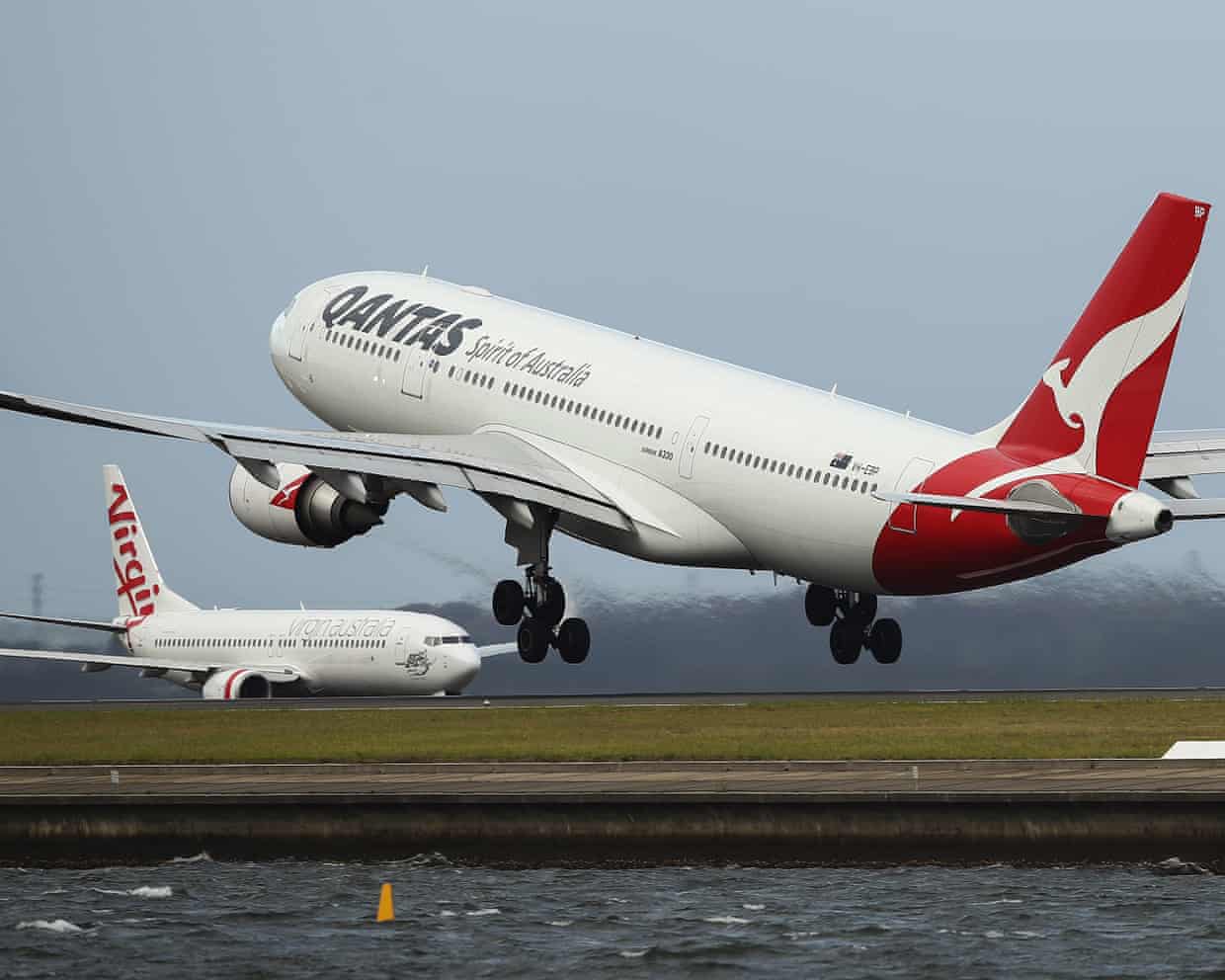
This chart on oil prices shows why Qantas and Virgin are cutting flights and raising fares
Thanks to the US-Israel war on Iran, filling up your car with petrol costs about 40% more than it did in February, and for diesel vehicles it’s closer to 80%.But even those painful increases pale in comparison to the extraordinary rise in the price of jet fuel, which has climbed by a 125% since the start of the Middle East conflict.This increase dwarfs the last global energy shock that followed Russia’s invasion of Ukraine in early 2022. Jet fuel peaked at about $US155 a barrel in June of that year; now it’s trading at $US210.Johnathan McMenamin, a senior economist at Barrenjoey, said the explosion in refining margins – the difference between the price of jet fuel and crude – was due to the big Asian refiners struggling to operate with falling oil supplies
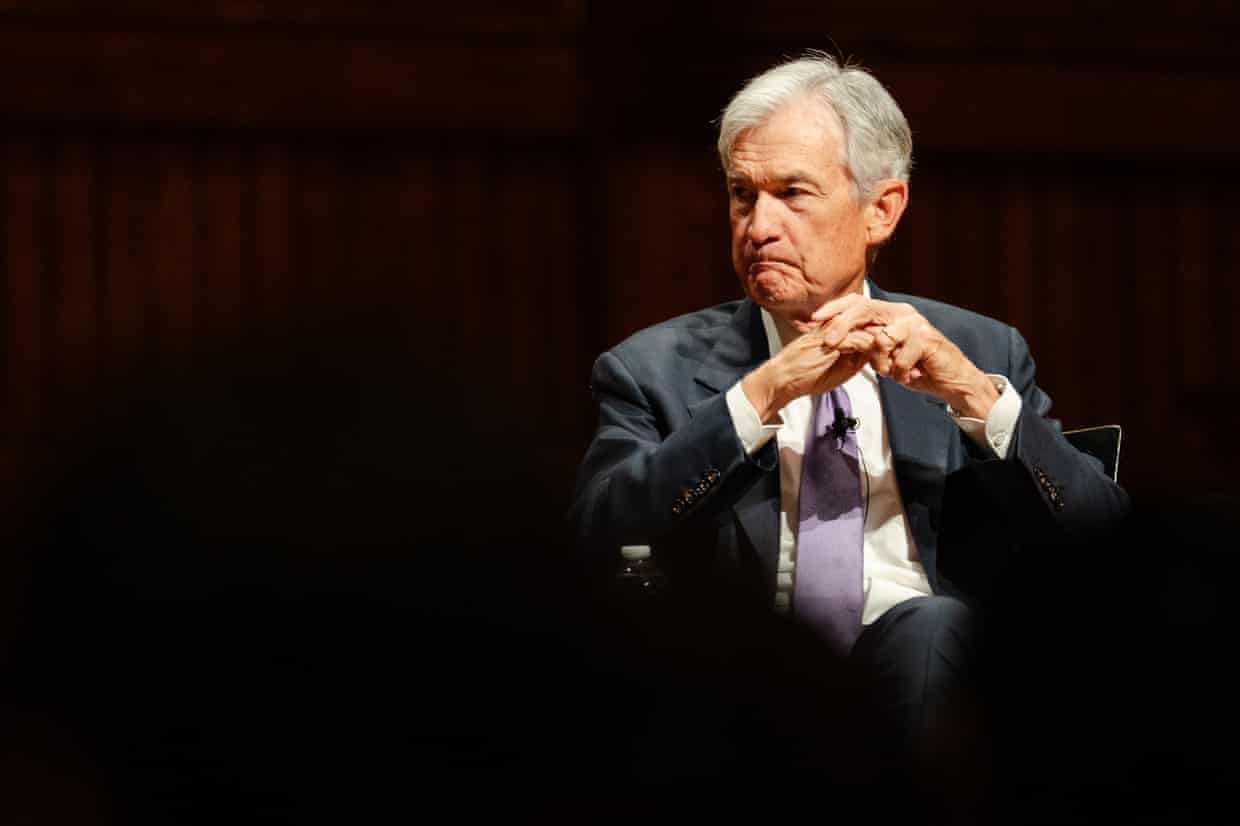
Trump threatens to fire Fed chair Jerome Powell amid pressure campaign
Donald Trump threatened to fire Jerome Powell if he stays on as US Federal Reserve chair past the end of his tenure and doubled down on a criminal investigation into renovations of the central bank’s headquarters.As the White House pushes Trump’s new nominee to take charge of the Fed, Kevin Warsh, Powell has a month left in the role. The possibility of Powell staying on as chair past 15 May, the official end of his term, has grown amid mounting scrutiny of Trump’s approach to the Fed in the Senate, which is required to approve Warsh’s nomination.“I’ll have to fire him, OK, if he’s not leaving on time,” Trump said of Powell during an interview on Fox Business. “I’ve held back firing him

Economic shock from Iran war risks driving up global debt levels, says IMF
The Iran war risks triggering a rise in global debt levels, forcing governments to choose between cushioning a cost of living shock and maintaining sound public finances, the International Monetary Fund has warned.Against a volatile backdrop of the Middle East conflict, the Washington-based fund said the war could add to the already strained position of government finances throughout the world.In its half-yearly fiscal monitor, the IMF said global debt levels were on track to increase because the war was pushing up the price of energy and food, fuelling higher government borrowing costs, and hitting economic growth.After a rise in gross government debt levels to almost 94% of GDP last year, it warned this figure was on track to reach 100% by 2029, a level previously reached only in the aftermath of the second world war.“The outbreak of war in the Middle East has added a new source of fiscal pressure to an already strained global landscape,” it said in the report
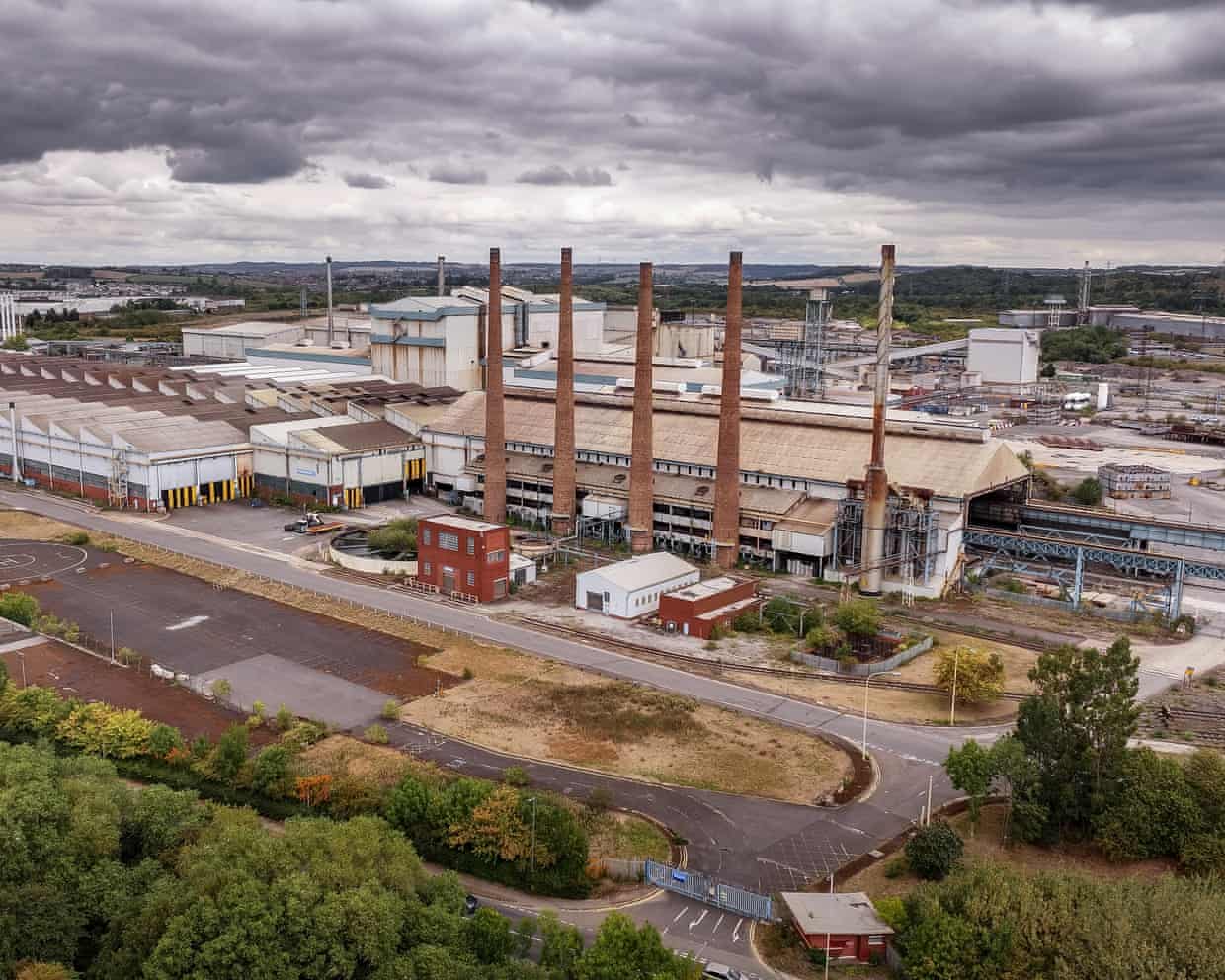
Norwegian group in talks to buy former Liberty Steel works in South Yorkshire
UK officials have entered exclusive talks with a Norwegian startup to buy the former Liberty Steel works in South Yorkshire, in a significant step towards its rescue.Norwegian-owned Blastr is understood to be the bidder preferred by the government’s official receiver to take on ownership of the UK’s largest existing electric arc furnace in Rotherham and other works in Stocksbridge, both in South Yorkshire.The business, formally named Speciality Steel UK (SSUK), has been under the official receiver’s control since August, after the previous owner Sanjeev Gupta lost the ownership in London’s high court.Finding a new buyer would remove a headache for the government, which also a year ago took control of the Chinese-owned British Steel blast furnaces in Scunthorpe, Lincolnshire. Ministers are understood to be looking at fully nationalising that plant
$30m an hour: big oil reaping huge war windfall from consumers, analysis finds
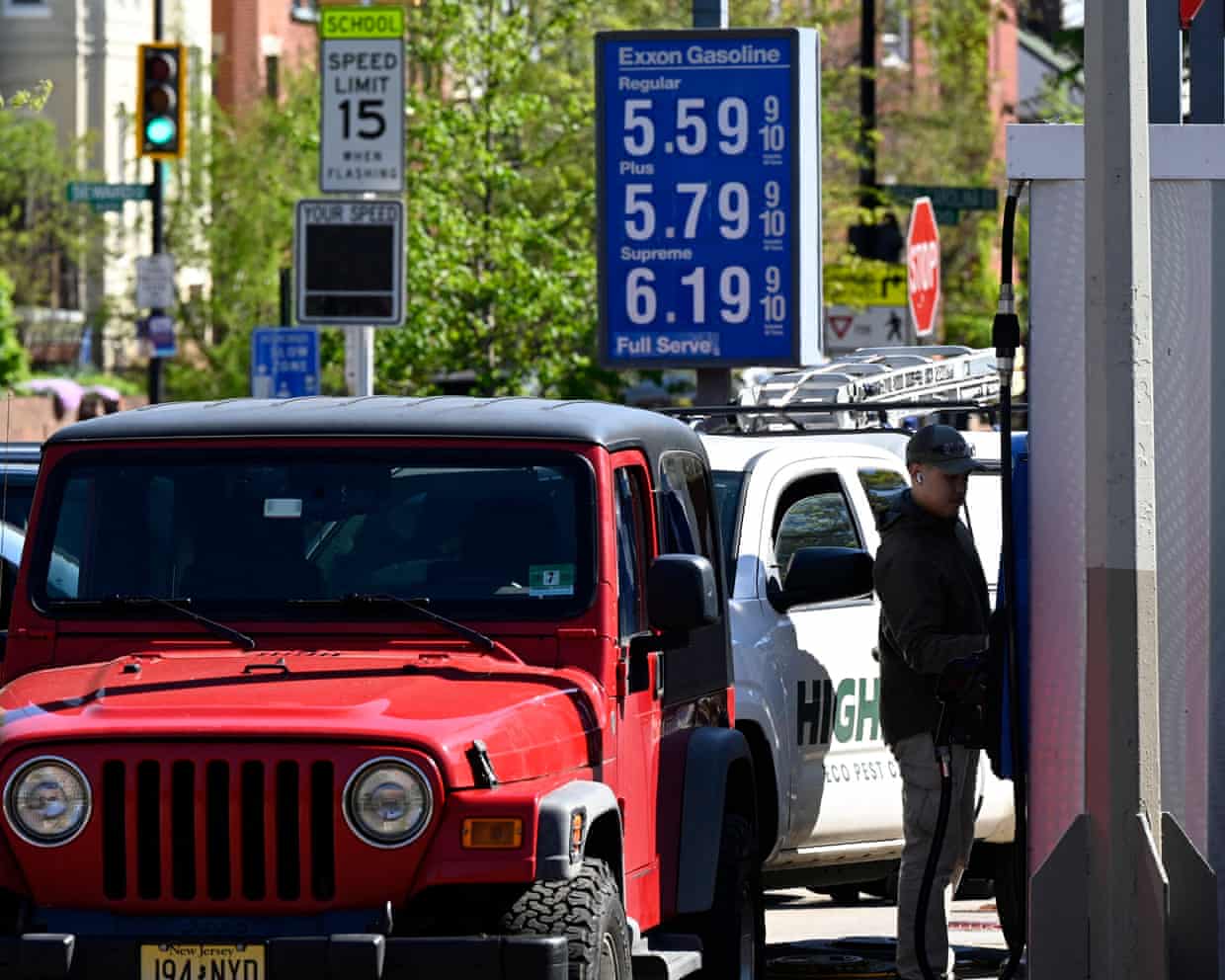
The world’s top 100 oil and gas companies banked more than $30m every hour in unearned profit in the first month of the US-Israeli war in Iran, according to exclusive analysis for the Guardian. Saudi Aramco, Gazprom and ExxonMobil are among the biggest beneficiaries of the bonanza, meaning key opponents of climate action continue to prosper.The conflict pushed the price of oil to an average of $100 (£74) a barrel in March, leading to estimated windfall war profits for the month of $23bn for the companies. Oil and gas supplies will take months to return to pre-war levels and the companies will make $234bn by the end of the year if the oil price continues to average $100. The analysis uses data from a leading intelligence provider, Rystad Energy, analysed by Global Witness

José Pizarro’s recipe for nettle (or wild garlic) and goat’s cheese tortilla

Gone from shop shelves, but not forgotten | Letters
Cornichon shortage leaves British sandwich shops in a pickle

Rukmini Iyer’s quick and easy recipe for chilli eggs with miso beans and spinach | Quick and easy

The US small town coffee shop that created a viral drink: ‘I still don’t understand how it went so far’

How to make Southern fried chicken – recipe | Felicity Cloake's Masterclass