Election results timeline: when do key battlegrounds in England, Scotland and Wales report?
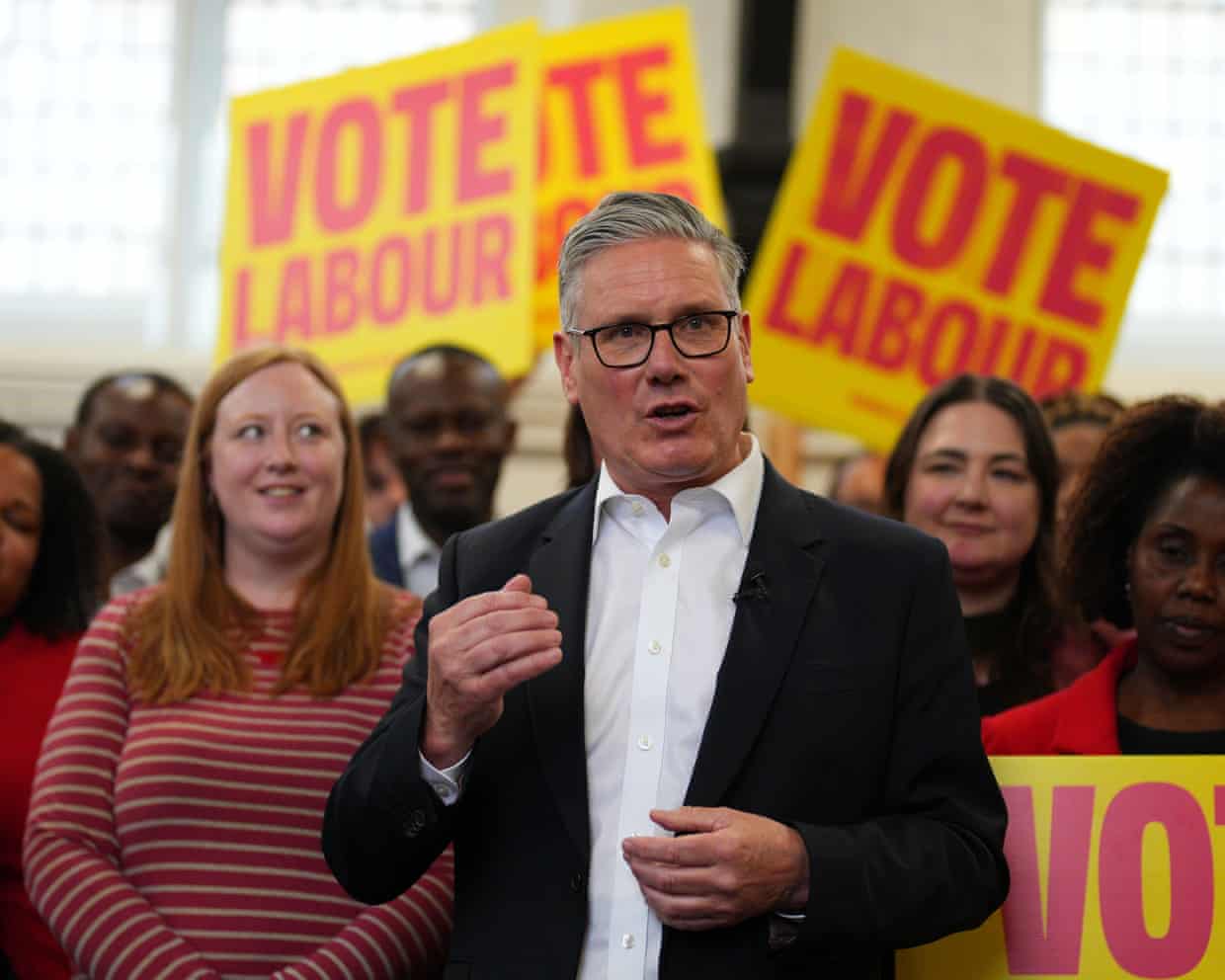
Labour is braced for a brutal set of local, Scottish and Welsh election results that will define either the next phase of Keir Starmer’s prime ministership or bring about the end of it.Party strategists expect losses of close to 2,000 seats across England, Wales and Scotland but the damage could be a lot worse.The danger for the prime minister is not whether Labour loses heavily but where those losses come from and who those voters turn to.Across England, Reform UK is hoping to turn public anger over immigration, living standards and distrust of Westminster into local power.In progressive cities, the Greens believe voters are ready to punish Labour from the left, while in parts of Blackburn, Birmingham and east London the independents are continuing to capitalise on anger over Gaza.
In Wales and Scotland, huge losses have been predicted and could trigger a deep political crisis within Labour, given the party has been able to rely on the support of its voters there for decades.The results will arrive in waves on Friday into Saturday.Here is a guide to the key declaration windows and what the results could mean for Britain after less than two years of a Labour government.The early hours of Friday morning will produce only a handful of declarations but they could shape the mood of the entire elections.Hartlepool is one of the first major tests of whether Reform UK can convert polling momentum into real council gains.
The declaration guide itself flags the possibility of Reform making significant advances there as one of the key storylines of the night,If Reform performs strongly, Labour strategists will worry less about isolated local setbacks and more about the emergence of a durable anti-establishment challenger capable of eating into Labour’s old coalition in towns the party once considered safe,Oxford could offer an early sign of how fragmented progressive and anti-Tory voters have become, with Labour, the Greens and Liberal Democrats all competing for similar voters,The declaration guide refers to “a mess of different liberal winners in Oxford”,Dudley matters because it sits in politically volatile Midlands territory where Labour faces pressure from Reform amid frustration over immigration, living standards and distrust of Westminster politics.
This is the point at which the elections start to become nationally reflective,Hampshire is one of the most important Conservative stress tests of the entire cycle,If the Tories struggle badly there, it will reinforce the sense that their decline extends far beyond Westminster and into the local political structures that once sustained the party across southern England,London will also begin to reveal its increasingly fragmented politics,Wandsworth remains symbolically important after Labour’s breakthrough there in recent years, while Bexley and Havering are outer-London battlegrounds where Reform hopes to test whether its message can resonate beyond its traditional target areas.
For Labour, these boroughs expose the tension inside Starmer’s coalition.The party is trying to hold together progressive urban voters, socially conservative suburban voters and former Labour supporters drifting towards Reform, often all at the same time.Manchester is unlikely to produce an existential result for Labour, but the scale of any protest vote will matter.A poor showing there would suggest dissatisfaction among younger and progressive voters is deeper than ministers publicly admit.Blackburn and other northern authorities with large Muslim populations will be closely watched for signs Labour continues to suffer politically over Gaza.
Independent candidates and local groupings have increasingly targeted Labour-held areas where anger towards the government remains high,Sheffield may be among the most politically revealing declarations of the day,The Greens have steadily built strength there over several election cycles, and the council will be watched closely for signs they can translate years of local growth into broader influence,If Labour performs badly in Sheffield, the result will deepen concerns inside the party that Starmer is simultaneously leaking support to Reform on one side and the Greens on the other,Scotland will add another layer of uncertainty to Friday afternoon.
Unlike England, Scotland is not holding local council elections, but counting votes in the Scottish parliament elections.Seats including Rutherglen & Cambuslang and Motherwell & Wishaw will be watched closely for signs of whether Labour’s recovery in Scotland has stalled.For Starmer, a weak Scottish performance would matter politically even if Labour remains competitive overall.One of the central arguments for his leadership has been that he restored Labour’s credibility in Scotland after years of decline.Any sense that the recovery is already faltering would deepen wider anxieties inside the party.
This will be the busiest and politically most dangerous phase of the elections.Most Welsh declarations are expected during this period, with the guide showing the bulk of Welsh seats reporting on Friday afternoon.For Labour, poor results in Wales would carry heavy consequences in a region that has long been one of its political anchors, with the party facing major losses in the Senedd.Plaid Cymru hopes to benefit from anti-Westminster frustration, while Reform UK believes it can exploit economic frustration in former Labour areas.Elsewhere, Essex and Norfolk are key Reform battlegrounds.
Farage’s party has targeted both heavily as part of its attempt to establish itself as the primary anti-establishment force in England.Sunderland and Barnsley are equally important for Labour because they represent exactly the kind of working-class areas Reform believes it can penetrate.If Labour performs badly there, Starmer’s leadership will face renewed criticism from MPs who already fear the party lacks emotional connection with parts of its former base.London also becomes politically volatile during this period.Hackney, Harrow, Barnet and Barking and Dagenham each represent different forms of pressure on Labour, from Green advances in inner London to Reform testing support in outer boroughs.
At this point, the national narrative is likely to have been formed.But some of the most politically symbolic declarations will arrive late.Camden and Lambeth will be closely watched for Green advances against Labour in progressive inner London.Labour MPs privately worry that younger urban voters increasingly see the party as too cautious and insufficiently ambitious, particularly on climate and housing.Newham matters for different reasons.
It reflects Labour’s growing vulnerability to independents and hyperlocal campaigns in diverse urban areas where traditional party loyalty has weakened.Birmingham is politically important because it encapsulates many of Labour’s wider vulnerabilities at once, strained public services, distrust in local institutions and fragmented opposition politics.Meanwhile, Bromley remains a marker of whether the Conservatives can still dominate parts of outer London.If the Tories lose heavily there as well as in Hampshire and Essex earlier in the day, the scale of Conservative decline will become difficult for even party loyalists to dismiss.The final declarations arrive on Saturday afternoon, including Bradford, Lewisham and Tower Hamlets.
These elections are unlikely to produce one neat national verdict.Instead, they may reveal a country fragmenting into different political blocs.Reform doing well in towns and areas Labour once dominated, Greens growing in progressive cities, independents challenging Labour in Muslim communities and Conservatives struggling to defend even traditional heartlands.For Starmer, the most dangerous outcome would not necessarily be catastrophic losses in one place.It would be evidence of simultaneous erosion almost everywhere.
Labour strategists know governments almost always lose support in local elections.But if the results suggest the party is bleeding voters to multiple rivals at once, while also weakening in Wales and failing to build decisively in Scotland, questions about the strength of Starmer’s coalition and ultimately his leadership will become much harder to suppress.The headline and text of this article were amended on 7 May 2026.An earlier headline wrongly suggested there were local elections in Scotland and Wales.Also, Senedd elections are taking place this year and a reference to next year’s elections was incorrect.
Lacunar strokes caused by widening of arteries in brain, study suggests
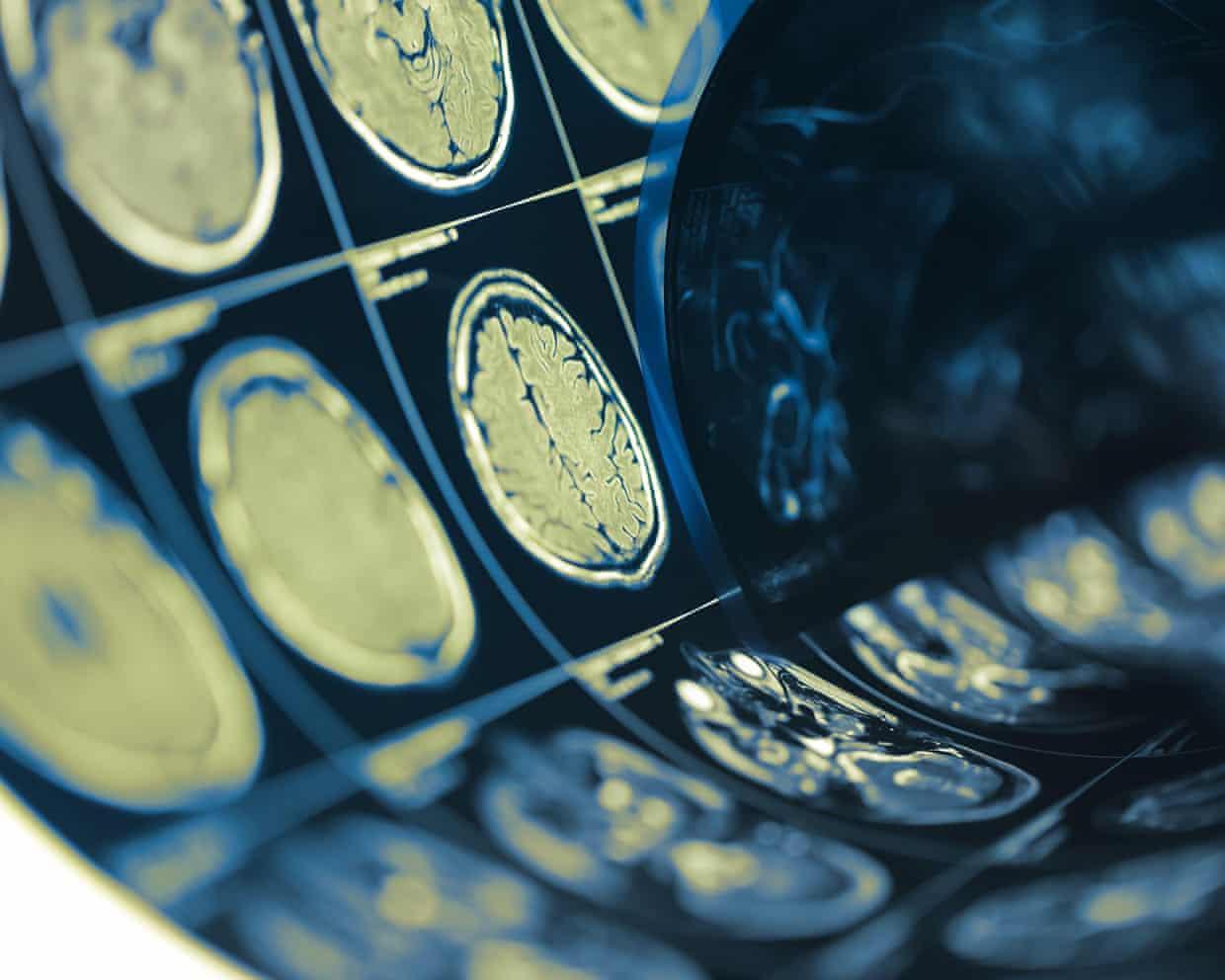
The cause of a type of stroke that affects about 35,000 people across the UK each year has been uncovered by researchers and may explain why some medications are ineffective as treatment.Lacunar strokes, which account for a quarter of all strokes in the UK, had been linked to the blockage of arteries in the brain by fatty deposits.However, a study published on Wednesday suggests they are not caused by blocked arteries but by the enlargement and widening of arteries in the brain.This would help to explain why aspirin and other blood thinners, commonly used to prevent ischaemic strokes, are not as effective in preventing lacunar stroke.The research by academics at the University of Edinburgh and the UK Dementia Research Institute analysed 229 patients who had experienced either a lacunar or mild non-lacunar stroke
Attempts to stop prison drone drug deliveries hampered by crumbling Victorian walls
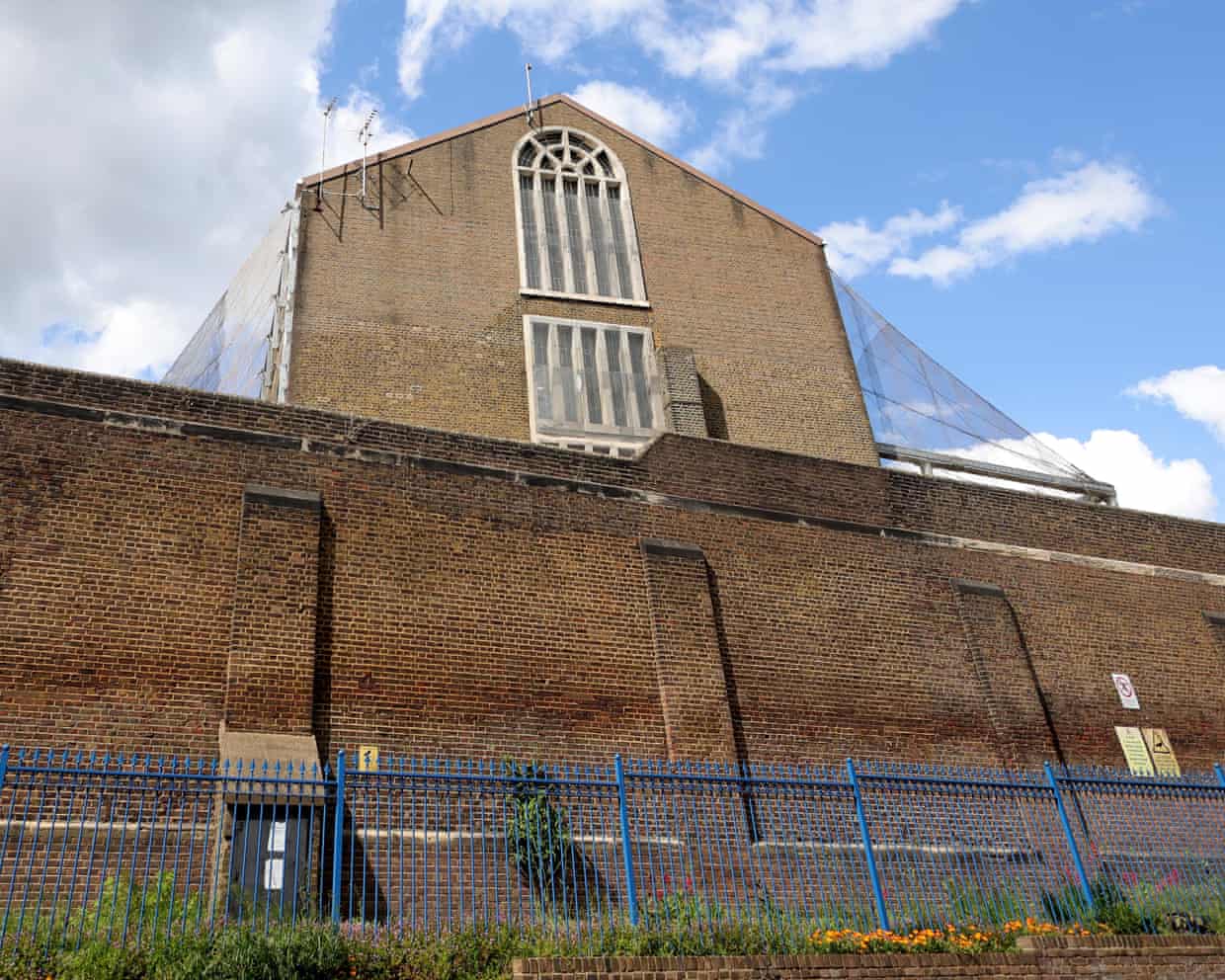
Weak and crumbling walls in Victorian prisons are hampering attempts to halt drones from delivering drugs and weapons to inmates.Plans to install tougher netting and window grilles to stop drones from entering have been hampered because the walls have been unable to take the extra weight, prison governors said.Recent attempts to fix anti-drone netting at HMP Pentonville, the Victorian prison in north London, were stalled after they found that the bricks were too soft, sources have said.Charlie Taylor, the chief inspector of prisons for England and Wales, said last month that the Prison Service had “ceded the airspace above many of our prisons to serious organised crime”, resulting in a “national security threat”.The number of incidents at prisons involving drones has risen by more than 1,000% over four years, with gang members able to fly packages carried by drones direct to cell windows
MPs v the manosphere: ministers battle misogyny as they take a different message to men and boys across Australia
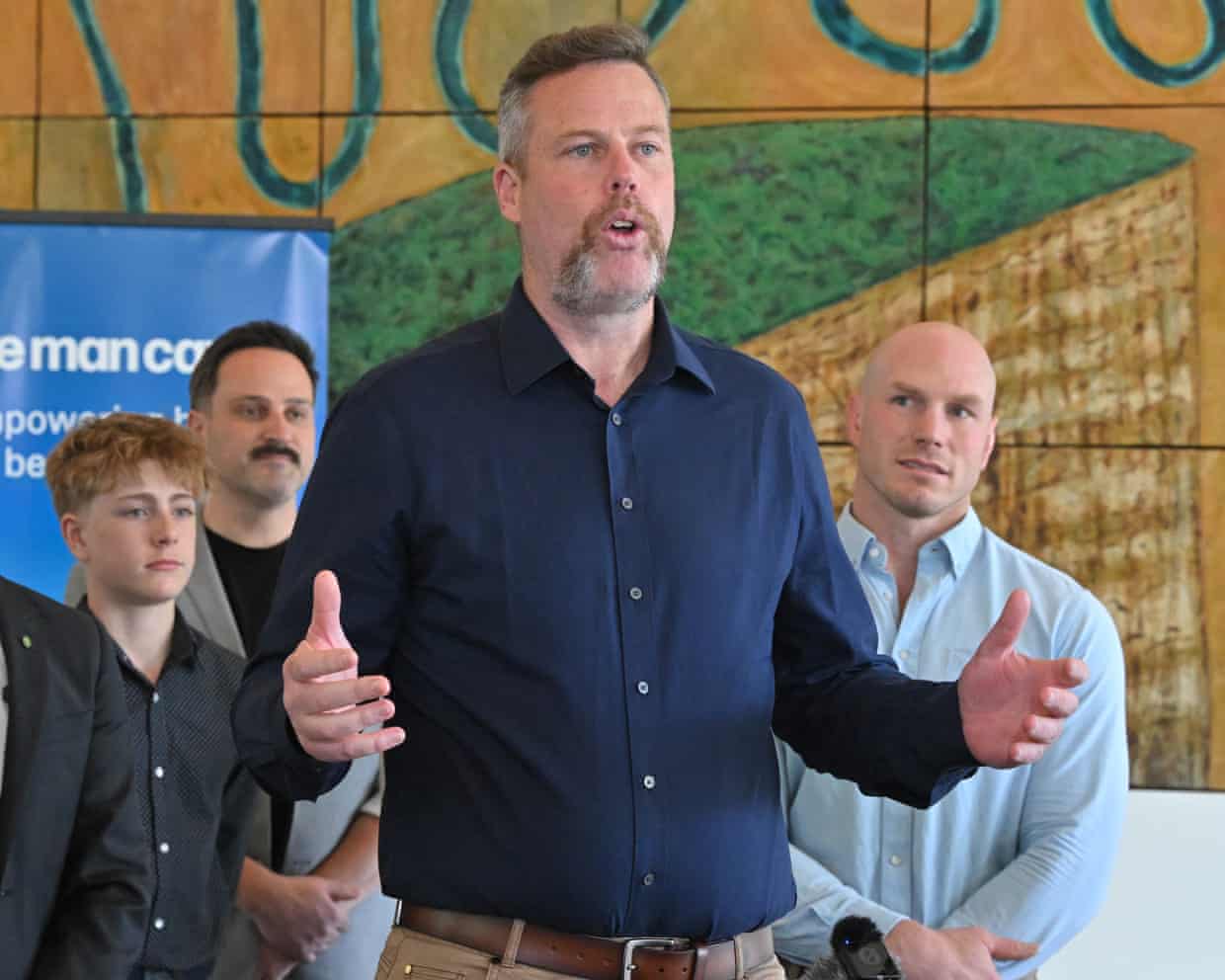
“Gender equality isn’t women versus men or a zero-sum game,” Ged Kearney says.“It delivers better outcomes for everyone. It’s important that, as we engage with men and boys, we make that really clear.”But as the assistant minister for the prevention of family violence sets off on a national listening tour with the special envoy for men’s health, Dan Repacholi, they are up against a pervasive and very different conception of how men and women relate, fostered by the loud voices of the manosphere and men’s rights activists.For decades, those activists have called for Australia to have a minister for men
Black people in England twice as likely to suffer stroke as white counterparts
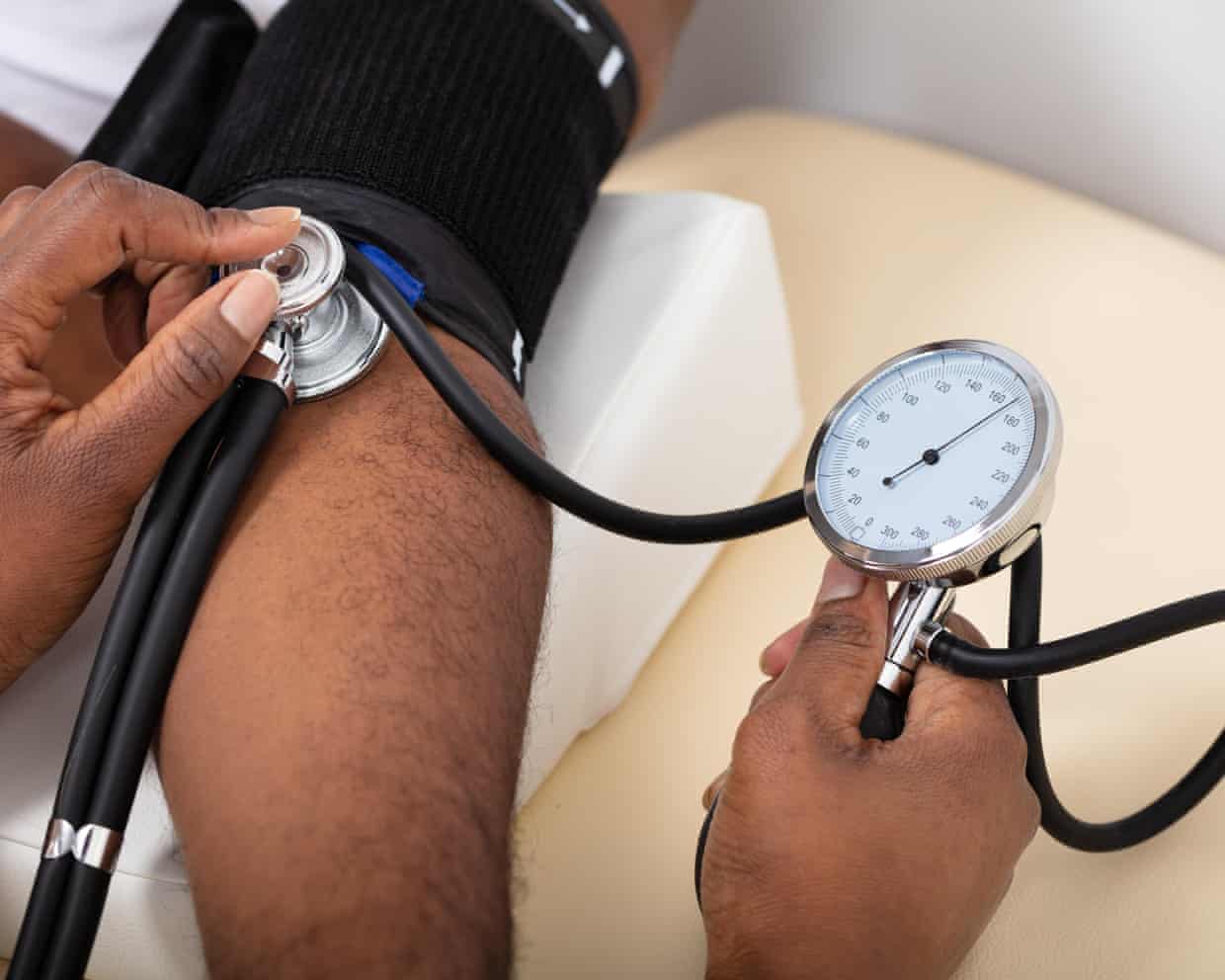
People from black backgrounds in England are twice as likely to experience strokes as their white counterparts, while also being less likely to receive timely care, according to the largest study of its kind.The study, conducted by researchers at King’s College London and presented at the European Stroke Organisation conference, analysed 30 years of stroke incidents from the South London Stroke Register, one of the longest-running population-based stroke registers in the world.The register is unique due to the fact that unlike clinical trials, it recruits every single person who has had a stroke in a defined area.Within a population of 333,000 people, according to the analysis, 7,726 strokes occurred. And while stroke incidence fell by 34% between 1995-99 and 2010-14, the rate rose again by 13% between 2020 and 2024
Prosecutors to ‘fast-track’ hate crime cases in England and Wales after spate of attacks
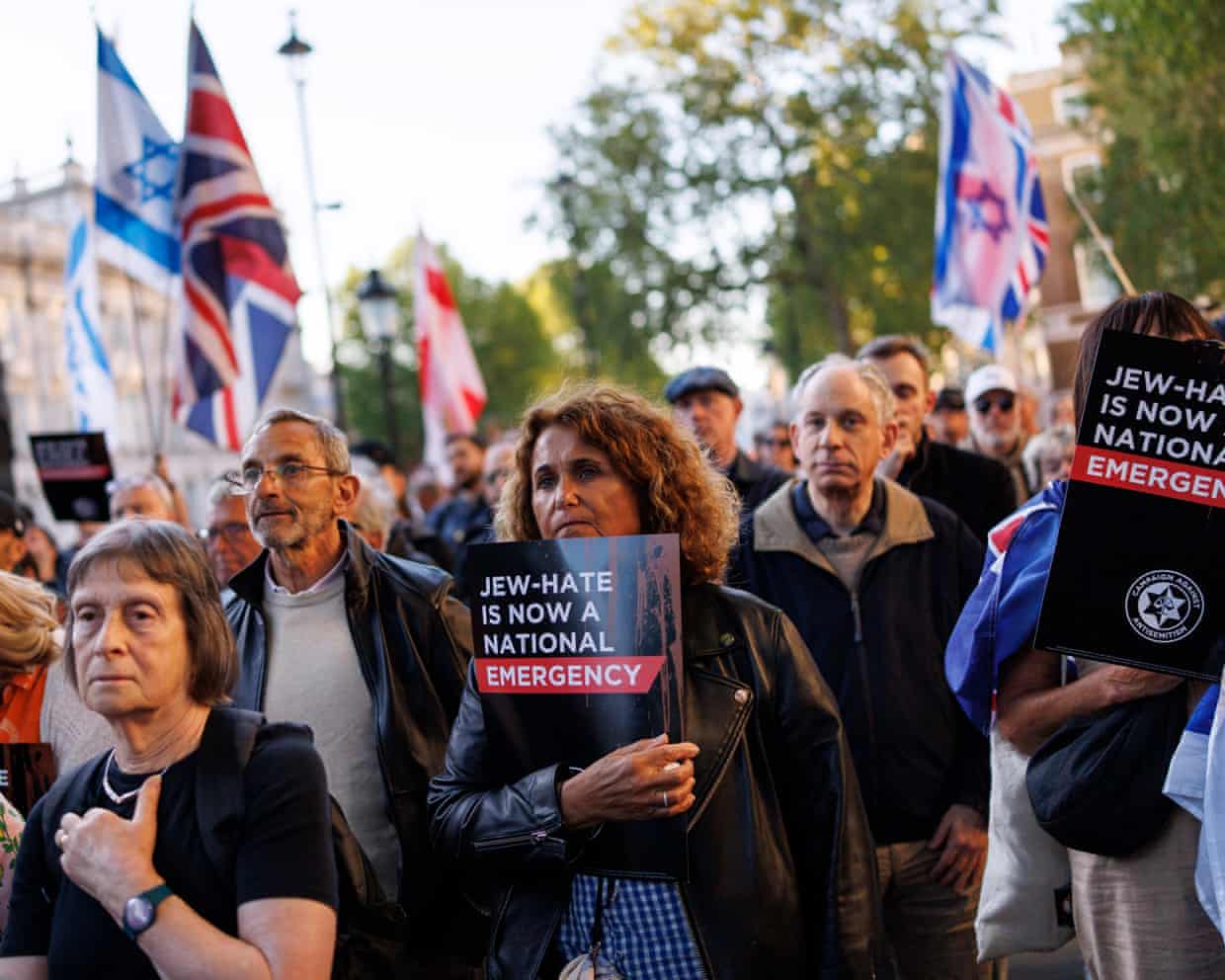
Prosecutors in England and Wales have been told to “fast-track” hate crime prosecutions after a spate of antisemitic attacks that the prime minister on Tuesday called a “crisis for all of us”.Stephen Parkinson, the director of public prosecutions, issued guidance to his staff on Tuesday telling them to bring forward prosecutions against any sort of hate crime as quickly as they could, rather than waiting until they had gathered all possible evidence.Keir Starmer urged groups including universities, arts groups and charities to do more to tackle antisemitism during a summit in Downing Street.As well as imposing new reporting requirements on universities and the Arts Council, the prime minister threatened “consequences” against Iran if it was found to have been behind last week’s stabbing in Golders Green, north London.Parkinson said in a statement on Tuesday: “The acts of extreme violence and criminal damage that we have seen against the Jewish community in recent months have been deplorable
Ann Barrett obituary
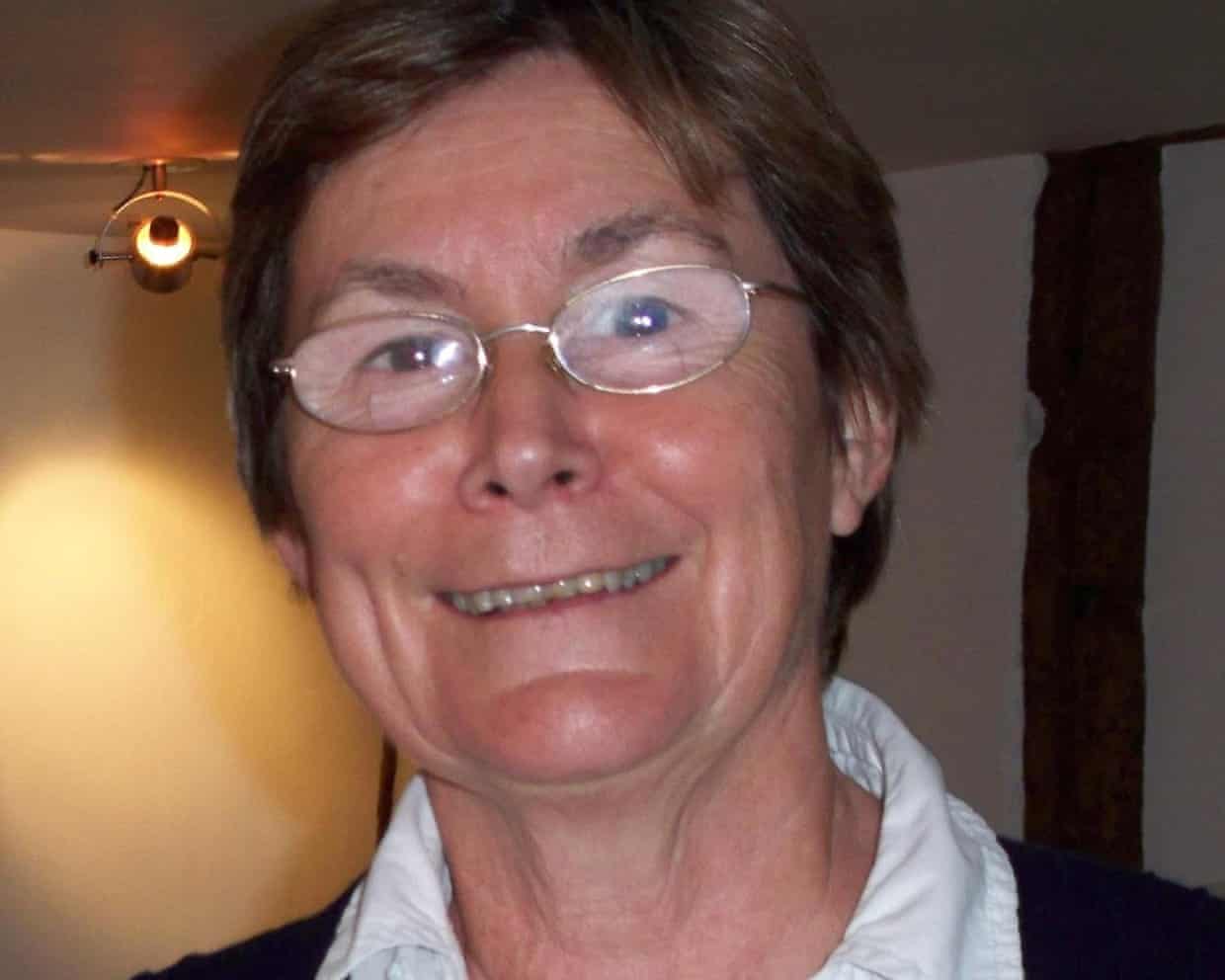
In 1968, when Ann Barrett qualified in medicine, the fast-changing specialty of oncology was a magnet for young doctors as new drugs and technology were beginning to nudge up survival rates. In her distinguished 40-year oncology career, Barrett, who has died aged 83, played a key part in improving cancer outcomes, particularly for children, becoming a world authority on paediatric radiotherapy.As chair of radiation oncology first at the University of Glasgow and then at the University of East Anglia, she was highly influential in the profession with more than 150 published academic papers. She had a significant impact on student education and was a leading contributor to several textbooks that are still “go-to” classics, including Practical Radiotherapy Planning (1985, now in its fifth edition, 2023), and Cancer in Children: Clinical Management (1975, now in its seventh edition, as the Oxford Textbook of Cancer in Children, 2020).After training at St Bartholomew’s hospital in London and various junior doctor posts, in 1977 Barrett became a consultant at the Royal Marsden hospital, a world leader in cancer research; Barrett specialised in brain tumours in children and in irradiating the central nervous system (the brain and spine)
‘The three of us are the next’: Fabio Wardley on Dubois, Itauma and boxing’s heavyweight future
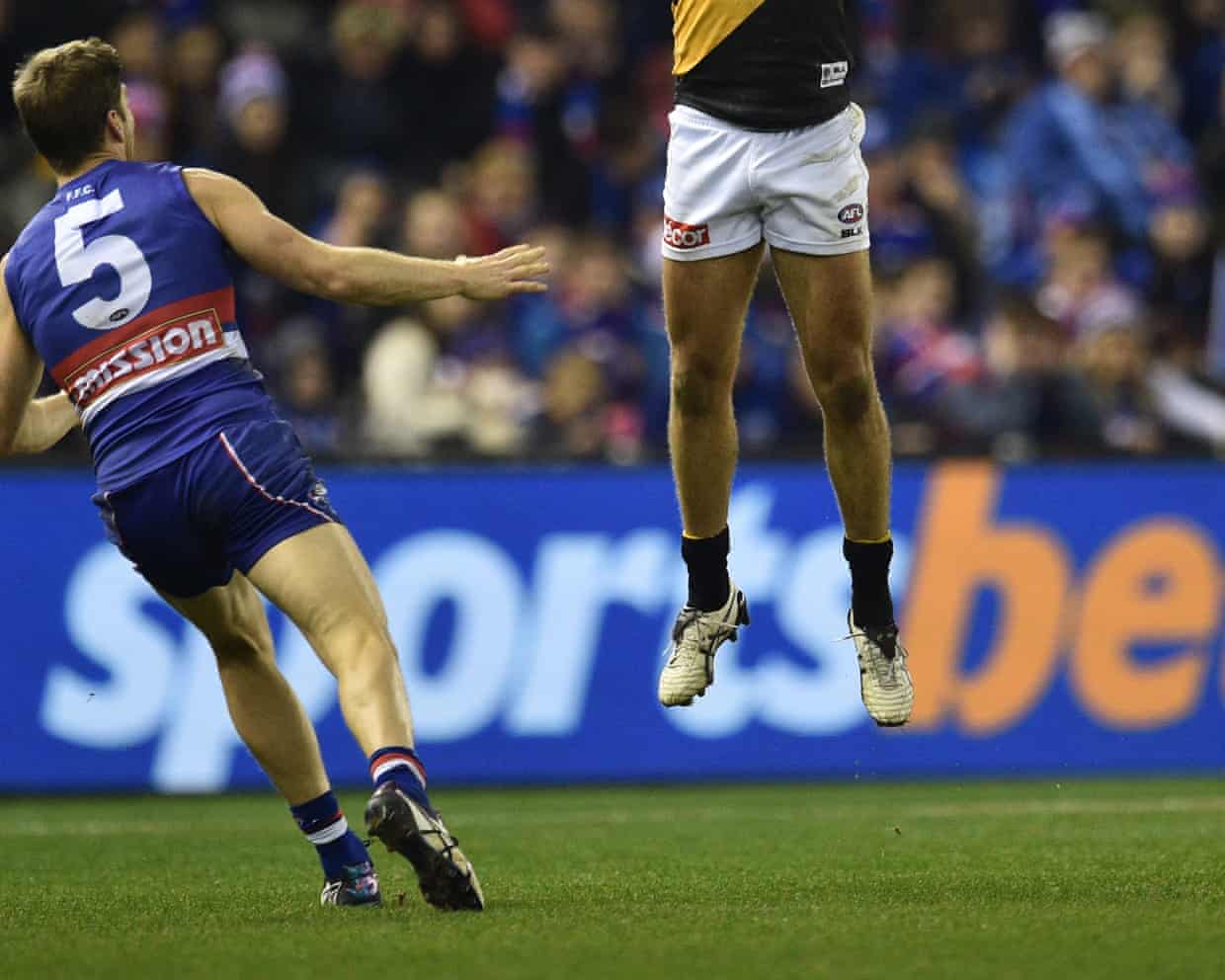
Change in Sportsbet policy engulfs AFL identities amid scrutiny of gambling links

Cornish Pirates boosted by ‘milestone’ seven-figure deal with US private equity firm

Runner dies after medical emergency during 253-mile ultramarathon in Arizona

A UConn reunion and Caitlin Clark’s return: WNBA storylines to follow in season 30 | Jordan Robinson

Raducanu’s road leads from Rome to a French Open fitness race and questions beyond