What can I do with leftover rice? | Kitchen aide
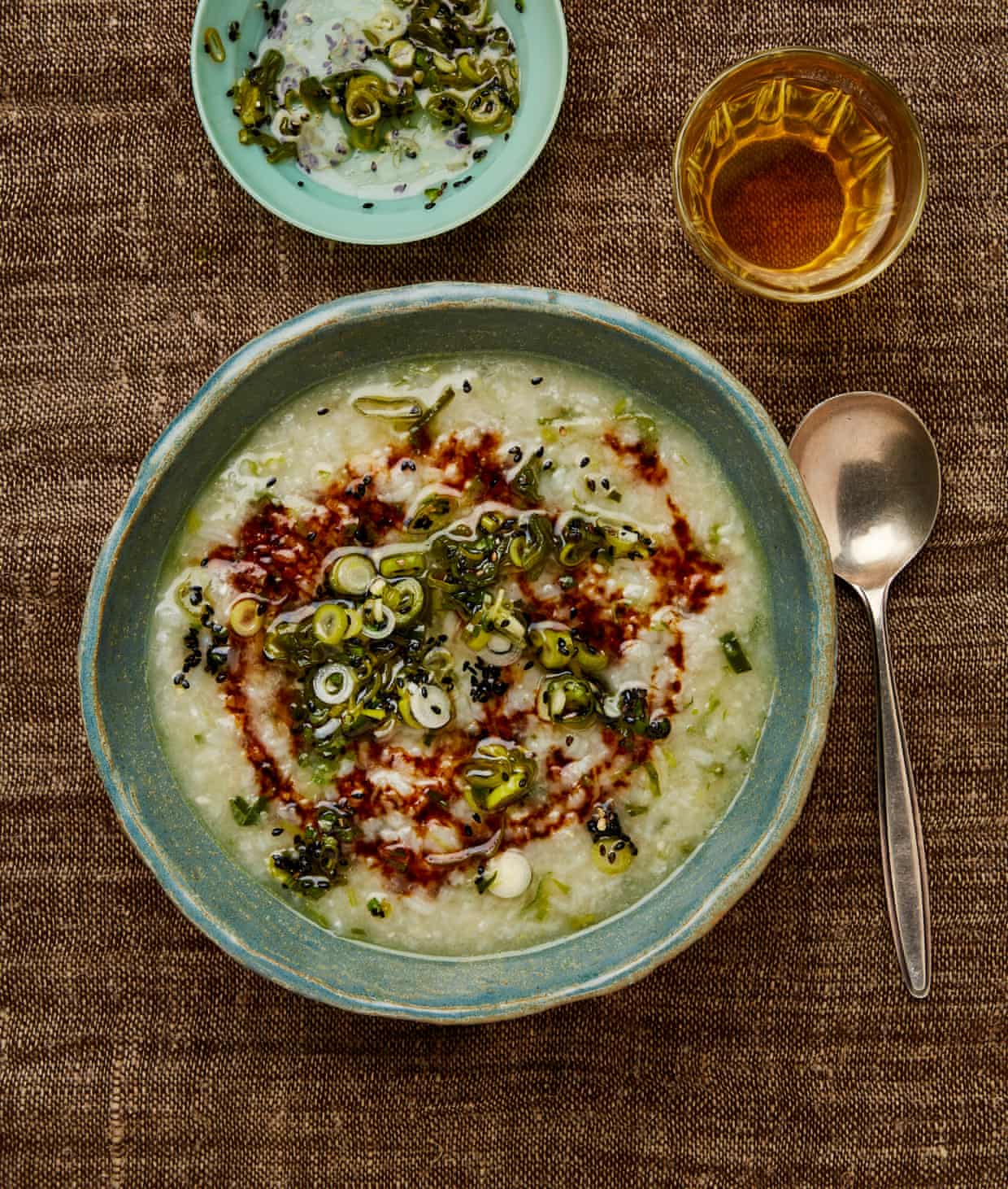
How do I store cooked rice safely, and what can I make with it the next day?Michael, by email“It’s a bit of a running joke with rice, because I think of all the people in China who aren’t spreading their leftover rice immediately on to a tray to cool and are still alive,” says Amy Poon, of Poon’s at Somerset House in London.“But I have to be responsible and say: cool the rice as quickly as possible, within the hour, and put it in an airtight container and pop it in the fridge [or freezer] straight away.” The reason being, as food science guru Harold McGee notes in his bible On Food & Cooking, “Raw rice almost always carries dormant spores of the bacterium Bacillus cereus, which produces powerful gastrointestinal toxins.The spores can tolerate high temperatures, and some survive cooking.” In short: good storage practices will prevent bacterial growth, not to mention open a whole world of dinner opportunities.
“Rice is the most versatile grain to have around as extras,” confirms Ping Coombes, author of Rice, but there’s another benefit, too.“When rice cools, the molecules rearrange into tighter bonds in a process called retrogradation.” This, Coombes continues, creates resistant starch, and the more resistant the starch, the slower the release of energy.“Eating chilled, pre-cooked rice makes it release sugar molecules into the blood stream more slowly, promoting the feelings of fullness for longer and preventing big variations of blood sugar.” But back to Michael’s prospective meals.
There’s fried rice, sure, which is always a good excuse for a Sunday fridge clear-out, Poon says, otherwise cooked rice could be a shortcut to congee,“Making congee from scratch takes hours, whereas if you have leftover rice, just pour over some boiling water and cook down to a similar consistency,” Poon says,It won’t have that same silkiness, but it will comfort and cosset, nonetheless,Or there’s soupy rice: “Pour boiling water or stock over cooked rice grains, then add chopped spring onions, ginger and vegetables [pak choi, say], and eat topped with toasted peanuts,”Of course, arancini are a wonderful use for yesterday’s risotto.
“The colder it is, the easier it will be to shape,” reckons Michael Lavery, head chef and co-founder of Forza Wine in London.“Typically, this is done in the round Palermo style, but if you’re feeling ambitious, go for the coned Catania shape, which works particularly well if you have plenty of risotto and want to experiment with fillings.” Let’s stick with Italy for a second: “I like turning leftover cooked rice into a frittata or riso al salto, a classic Milanese rice cake,” says Em Brightman, head of food for Angela Hartnett restaurants.“It’s all about that golden, caramelised crust.”A similar tactic could be pop-able rice-cake canapes, because, well, drinks without snacks is criminal behaviour.
“If you want to be all neat and tidy, press the rice into a cake tin, let it set a bit, then slice and pan-fry or roast,” says Poon, although you could just as easily roll the rice into balls and flatten them with your palm,Topping-wise, try chilli sauce or Poon’s daughters’ go-to: Philadelphia or grated cheese,“Just think of them as rice crackers,” Got a culinary dilemma? Email feast@theguardian,com
The IMF refuses to name the cause of this global chaos. It starts with ‘Donald’ and ends in ‘Trump’ | Greg Jericho
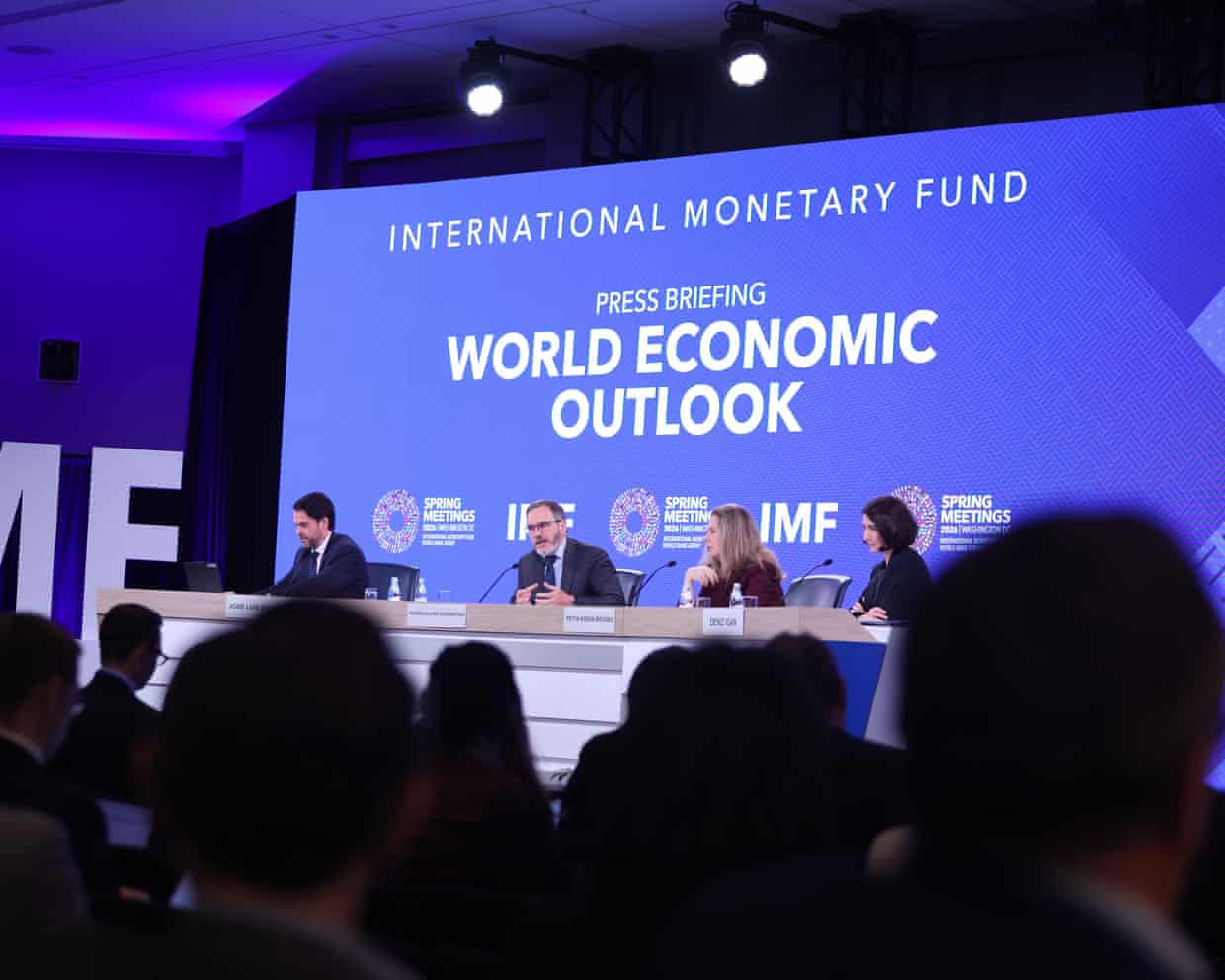
The IMF’s latest World Economic Outlook has forced it to admit that things have changed since its previous update in January when it blissfully hoped things would be OK. Now there is mostly darkness and despair.The IMF’s January report was titled “Steady amid Divergent Forces”; whereas the latest outlook is headlined “Global Economy in the Shadow of War” and begins “the global outlook has abruptly darkened following the outbreak of war in the Middle East on February 28, 2026.”Far be it for me to gloat, but my suggestion in January that “steady” was not a word to describe the global economy unless you were desperately trying to make the madness of Donald Trump seem normal has aged quite well.If the graph does not display click hereAs ever, the IMF remains unwilling to name Donald Trump
This chart on oil prices shows why Qantas and Virgin are cutting flights and raising fares
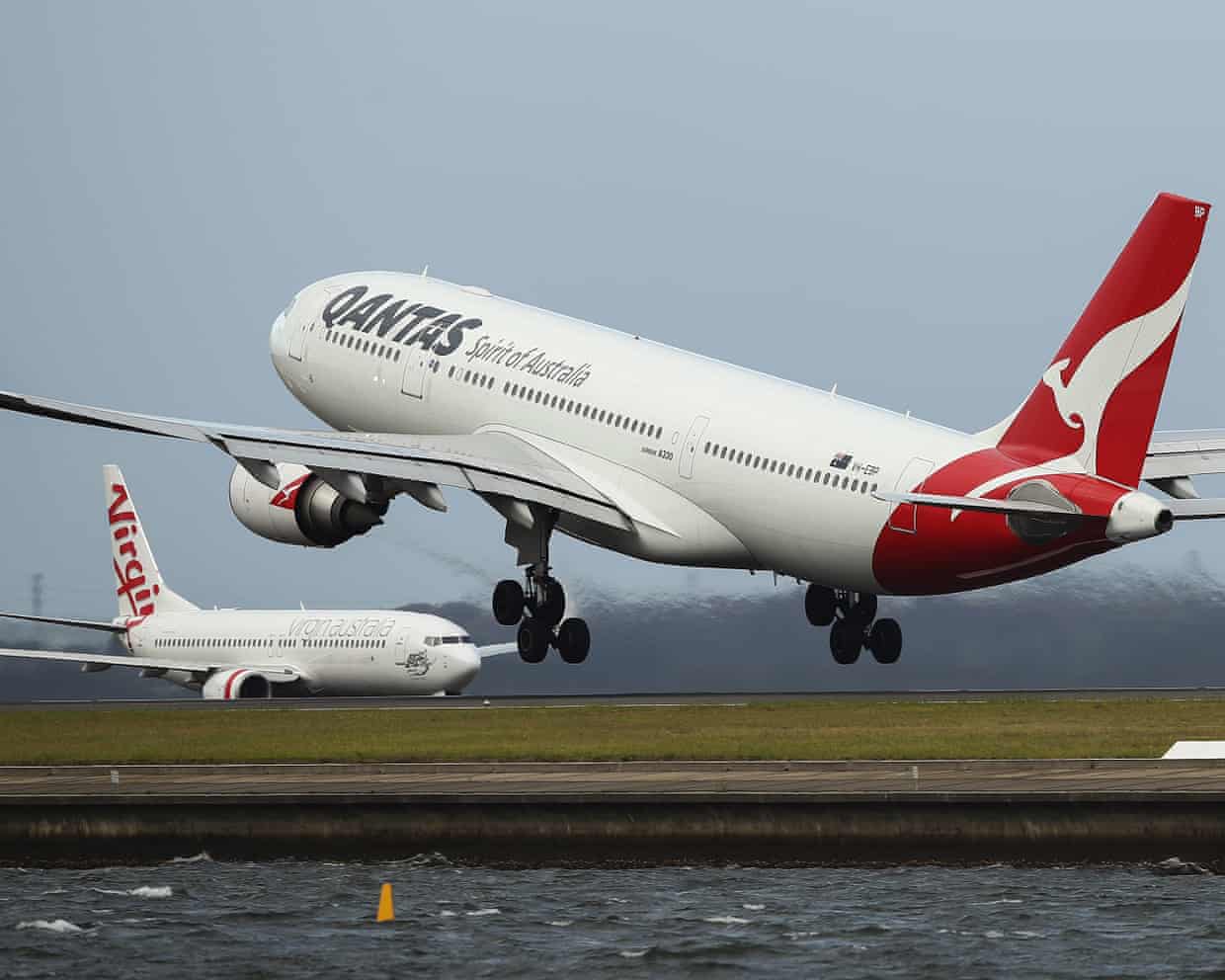
Thanks to the US-Israel war on Iran, filling up your car with petrol costs about 40% more than it did in February, and for diesel vehicles it’s closer to 80%.But even those painful increases pale in comparison to the extraordinary rise in the price of jet fuel, which has climbed by a 125% since the start of the Middle East conflict.This increase dwarfs the last global energy shock that followed Russia’s invasion of Ukraine in early 2022. Jet fuel peaked at about $US155 a barrel in June of that year; now it’s trading at $US210.Johnathan McMenamin, a senior economist at Barrenjoey, said the explosion in refining margins – the difference between the price of jet fuel and crude – was due to the big Asian refiners struggling to operate with falling oil supplies

Trump threatens to fire Fed chair Jerome Powell amid pressure campaign
Donald Trump threatened to fire Jerome Powell if he stays on as US Federal Reserve chair past the end of his tenure and doubled down on a criminal investigation into renovations of the central bank’s headquarters.As the White House pushes Trump’s new nominee to take charge of the Fed, Kevin Warsh, Powell has a month left in the role. The possibility of Powell staying on as chair past 15 May, the official end of his term, has grown amid mounting scrutiny of Trump’s approach to the Fed in the Senate, which is required to approve Warsh’s nomination.“I’ll have to fire him, OK, if he’s not leaving on time,” Trump said of Powell during an interview on Fox Business. “I’ve held back firing him
Economic shock from Iran war risks driving up global debt levels, says IMF
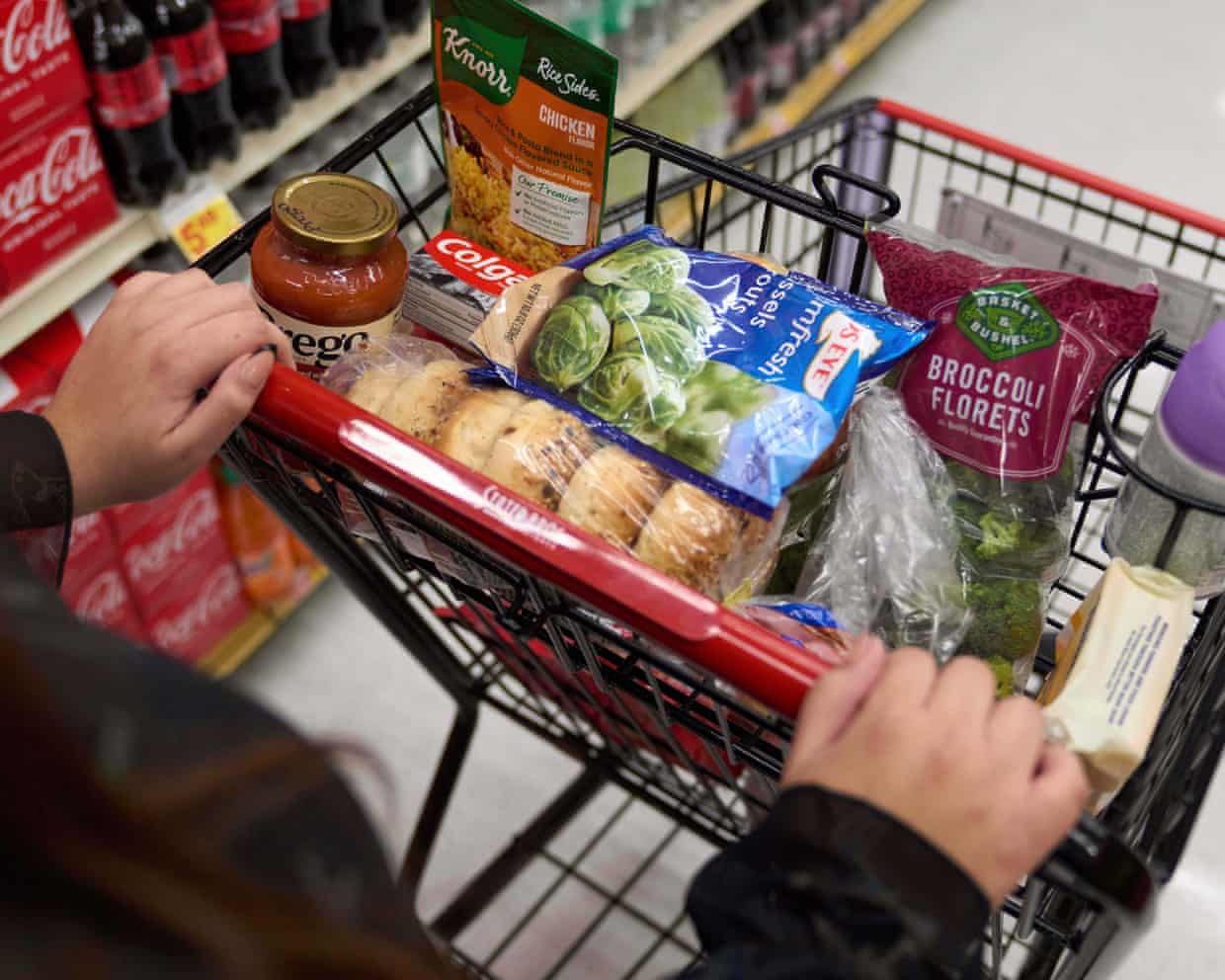
The Iran war risks triggering a rise in global debt levels, forcing governments to choose between cushioning a cost of living shock and maintaining sound public finances, the International Monetary Fund has warned.Against a volatile backdrop of the Middle East conflict, the Washington-based fund said the war could add to the already strained position of government finances throughout the world.In its half-yearly fiscal monitor, the IMF said global debt levels were on track to increase because the war was pushing up the price of energy and food, fuelling higher government borrowing costs, and hitting economic growth.After a rise in gross government debt levels to almost 94% of GDP last year, it warned this figure was on track to reach 100% by 2029, a level previously reached only in the aftermath of the second world war.“The outbreak of war in the Middle East has added a new source of fiscal pressure to an already strained global landscape,” it said in the report
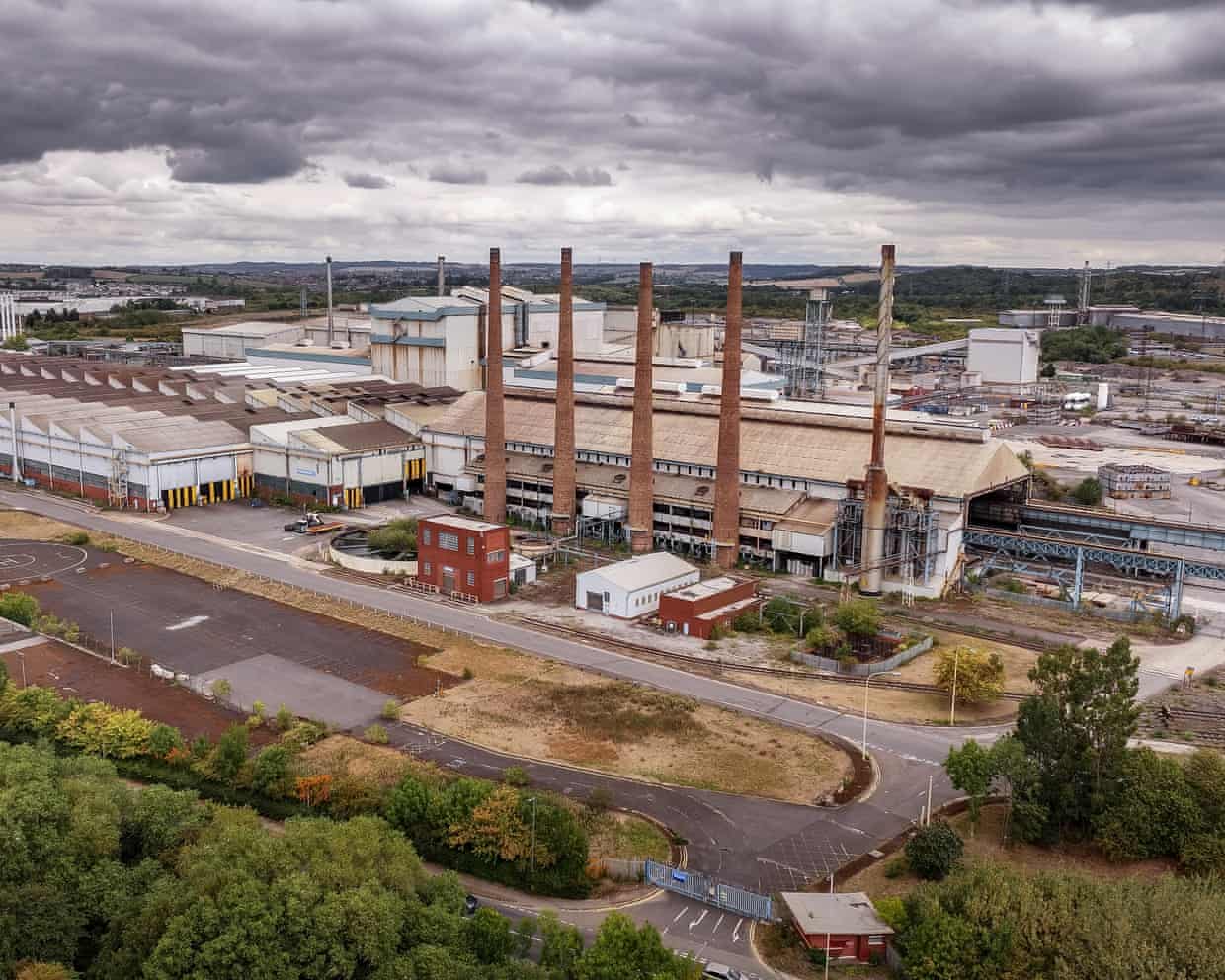
Norwegian group in talks to buy former Liberty Steel works in South Yorkshire
UK officials have entered exclusive talks with a Norwegian startup to buy the former Liberty Steel works in South Yorkshire, in a significant step towards its rescue.Norwegian-owned Blastr is understood to be the bidder preferred by the government’s official receiver to take on ownership of the UK’s largest existing electric arc furnace in Rotherham and other works in Stocksbridge, both in South Yorkshire.The business, formally named Speciality Steel UK (SSUK), has been under the official receiver’s control since August, after the previous owner Sanjeev Gupta lost the ownership in London’s high court.Finding a new buyer would remove a headache for the government, which also a year ago took control of the Chinese-owned British Steel blast furnaces in Scunthorpe, Lincolnshire. Ministers are understood to be looking at fully nationalising that plant

$30m an hour: big oil reaping huge war windfall from consumers, analysis finds
The world’s top 100 oil and gas companies banked more than $30m every hour in unearned profit in the first month of the US-Israeli war in Iran, according to exclusive analysis for the Guardian. Saudi Aramco, Gazprom and ExxonMobil are among the biggest beneficiaries of the bonanza, meaning key opponents of climate action continue to prosper.The conflict pushed the price of oil to an average of $100 (£74) a barrel in March, leading to estimated windfall war profits for the month of $23bn for the companies. Oil and gas supplies will take months to return to pre-war levels and the companies will make $234bn by the end of the year if the oil price continues to average $100. The analysis uses data from a leading intelligence provider, Rystad Energy, analysed by Global Witness
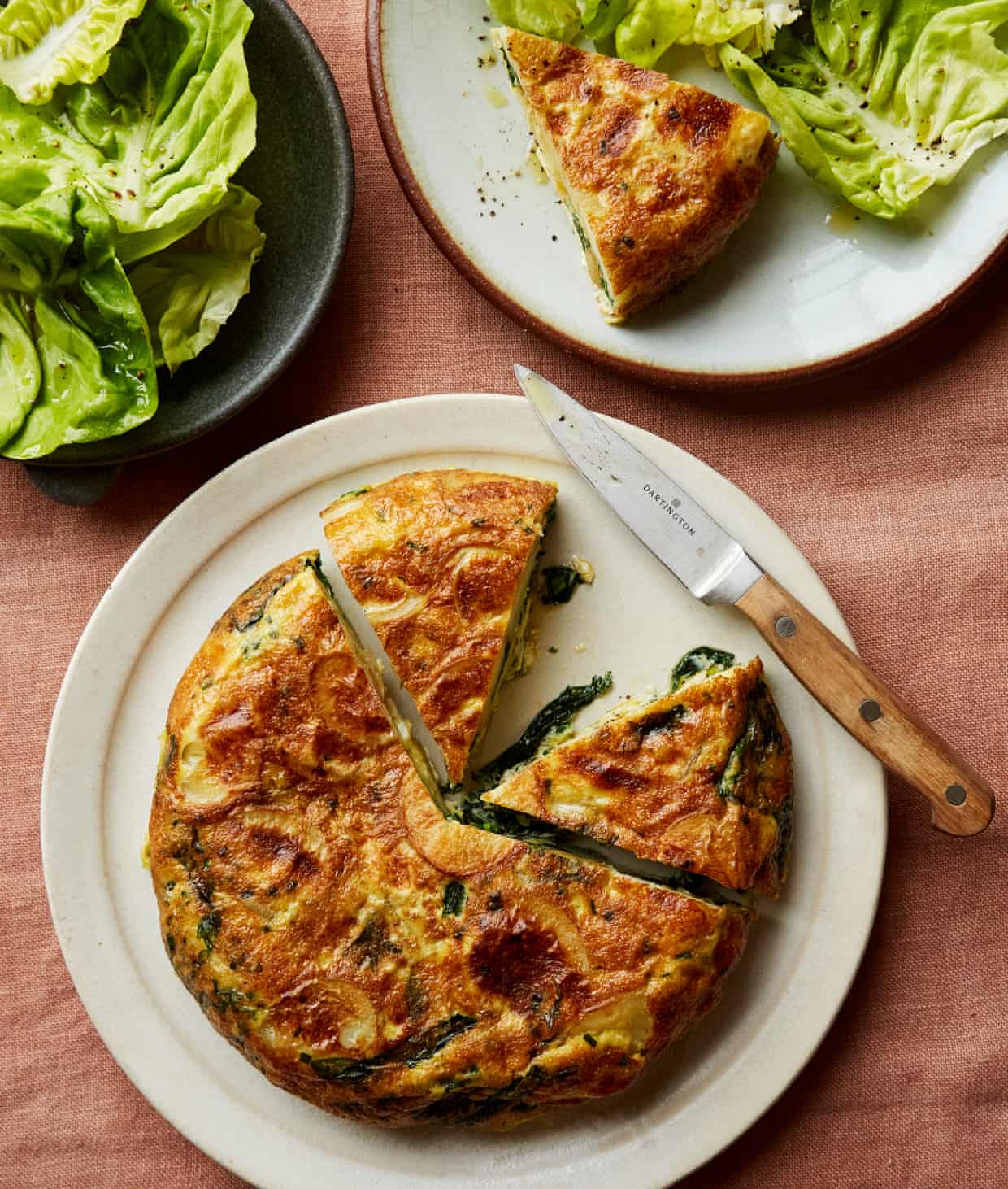
José Pizarro’s recipe for nettle (or wild garlic) and goat’s cheese tortilla

Gone from shop shelves, but not forgotten | Letters
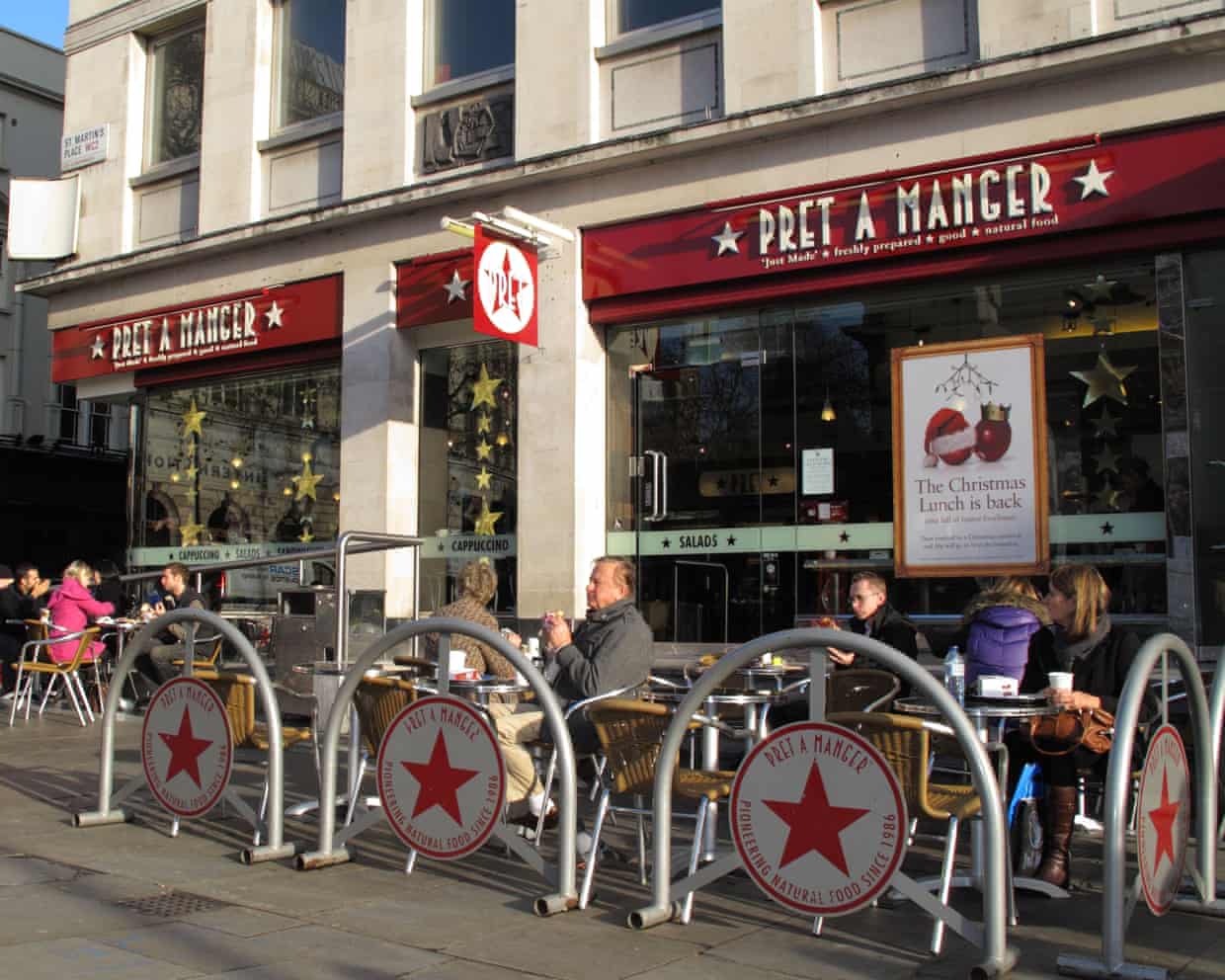
Cornichon shortage leaves British sandwich shops in a pickle
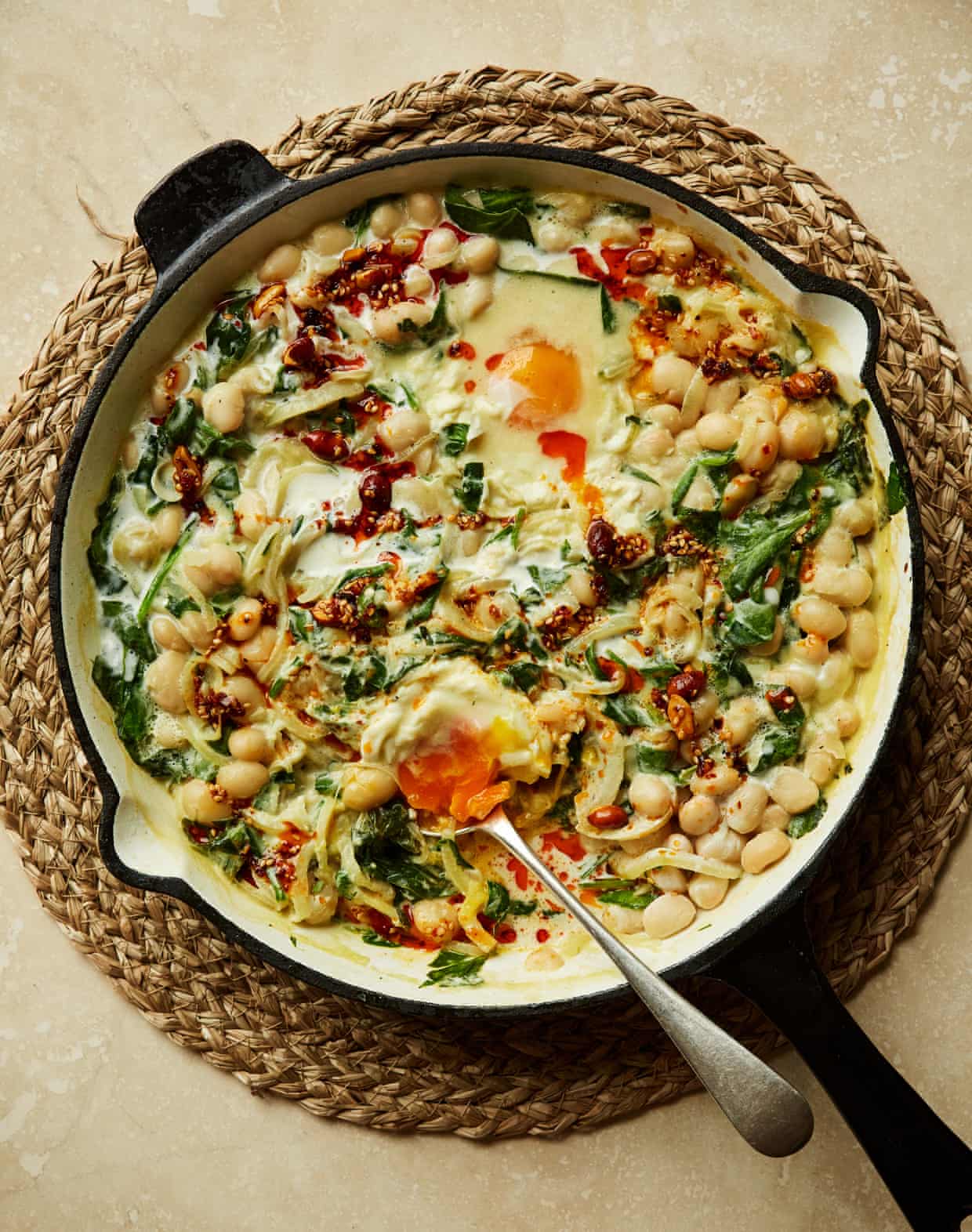
Rukmini Iyer’s quick and easy recipe for chilli eggs with miso beans and spinach | Quick and easy

The US small town coffee shop that created a viral drink: ‘I still don’t understand how it went so far’
How to make Southern fried chicken – recipe | Felicity Cloake's Masterclass