The Parallax View: remember when Hollywood made potent political cinema?
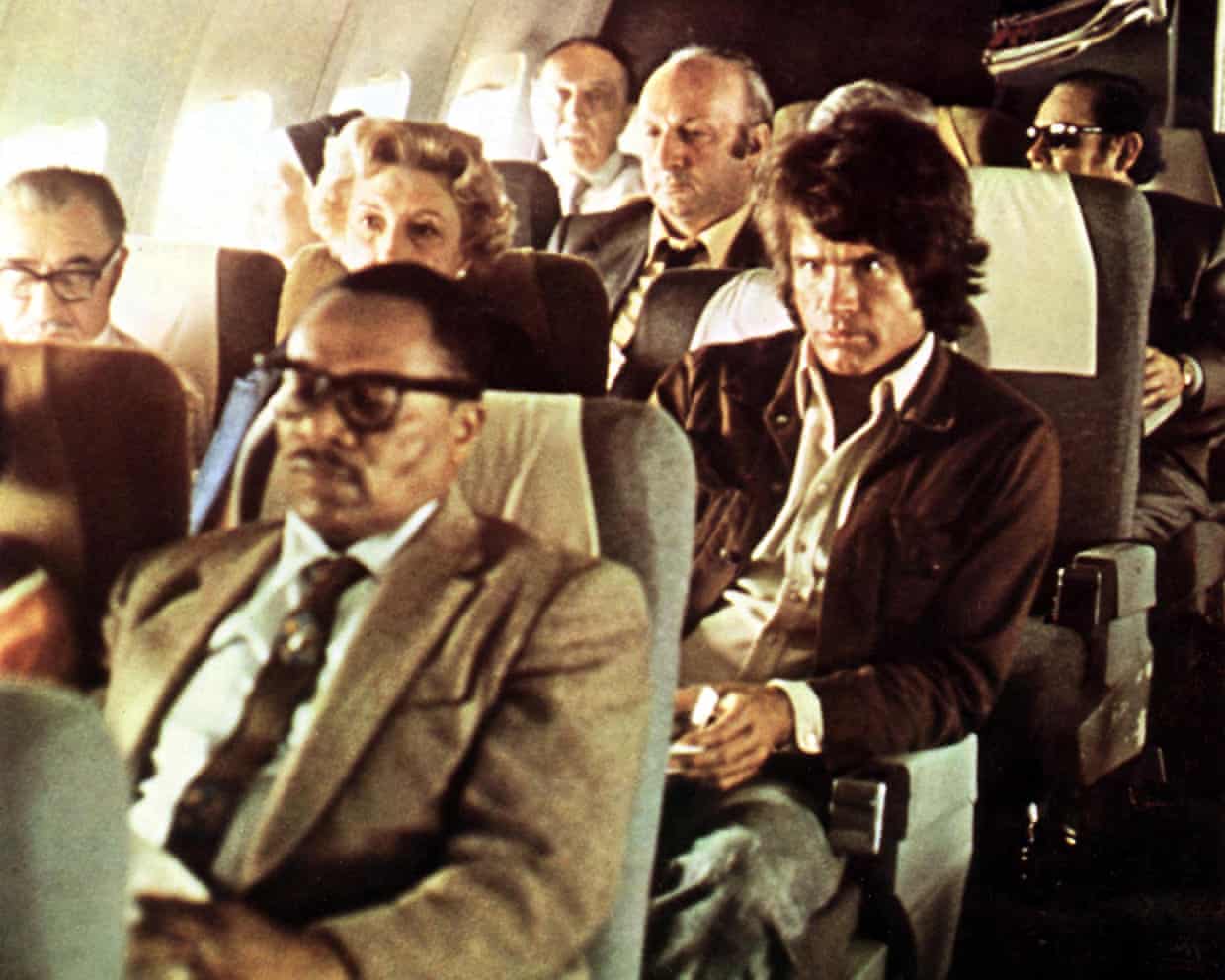
Watching Hollywood cinema in 2026 can make for a curious experience.Take a look out the window and you’ll notice that the US, and indeed the world, is in a polycrisis – though you’d hardly know it from the films at the multiplex.The odd timely picture aside, Hollywood today directly engages with the present moment only rarely; more Minecraft Movie than One Battle After Another.In the 70s, when things were arguably last in a comparably sorry state – Kent State, Vietnam and Watergate for the US, economic crises and violent acts of world revolution globally – popular cinema responded very differently.Out of the establishment-sceptical New Hollywood that emerged after the demise of the Hays code, there came a wave of confronting social and political dramas, strongly allegorical sci-fi and paranoid thrillers, including one of the most deliriously entertaining examples of the latter ever made: The Parallax View.
It plays like an airport novel that’s been deep-fried in conspiracy theories and post-counterculture cynicism,While investigating the murder of an RFK-like presidential hopeful, reporter Joe Frady (Warren Beatty) discovers that a mysterious corporation, Parallax, is operating seemingly in league with or even above the government, recruiting political assassins through psychological tests with shades of mind control experiments like the CIA’s MKUltra,Along the way, our hero survives explosive acts of terrorism, has a run-in with a murderous bent cop and gets into a fistfight with a good ol’ boy,It’s a potent brew that puts all the anxieties and tensions of the day into a blender,Using its pulp mystery plot as a Trojan horse, The Parallax View takes a good, hard look at the US in the Nixon age, and the roots of the corruption, aggression and malaise that defined the country.
The film abounds in images rich with suggestion: sparkling pageants and towering US landmarks framed alongside totem poles, tacky Tiki trinkets and US frontier iconography.The point is crystallised in the film’s disturbing centrepiece montage, the Parallax training film, in which images of smiling Americans and sunlit farmsteads, of presidents and Uncle Sam are contrasted with pictures of police brutality and lynched bodies, of atrocity in Vietnam and beyond: the US built on violence at home and abroad.In every frame, The Parallax View challenges the apple pie myth of the US.Cinematographer Gordon Willis drowns the film’s parade of Americana in sinister shadow, or shoots it in the visual language of fascist cinema – the compositions precise, and the characters made to appear almost insignificant next to imposingly vast structures – as though this were the US viewed through the diseased lens of Leni Riefenstahl herself.It’s hard to imagine that Hollywood could again plug into the moment and offer up the kind of penetrating commentary that it so freely did in the New Hollywood era, at least not soon.
US studios today produce relatively little mid-budget cinema – traditionally Hollywood’s home for stories for adults and about contemporary concerns – as they instead court dwindling audiences with reheated IP and broad-appeal blockbusters.Many of Hollywood’s power players seem set on appeasing the current US administration.Paramount, the studio that made The Parallax View, is now owned by Hollywood’s chief Trump supplicant, David Ellison, whose moves to suppress critical voices and pander to the president bode ill for US cinema, should he succeed in taking over Warner Bros next.Thankfully, we still have The Parallax View – a relic of a different kind of US cinema, and a film made for another turbulent period in history, perhaps, but all the same a film frazzled by conspiracy theories and soaked in the threat of political violence, with bubbling fascism, the erosion of democracy in an increasingly corporate age and America’s legacy of brutality all on its mind.A film, then, which still speaks to us in 2026, as it spoke to audiences who looked to the film to help process the moment five decades ago.
The Parallax View is available to rent in Australia, the UK and the US.For more recommendations of what to stream in Australia, click here
Norwegian government attacked over decision to reopen North Sea gasfields
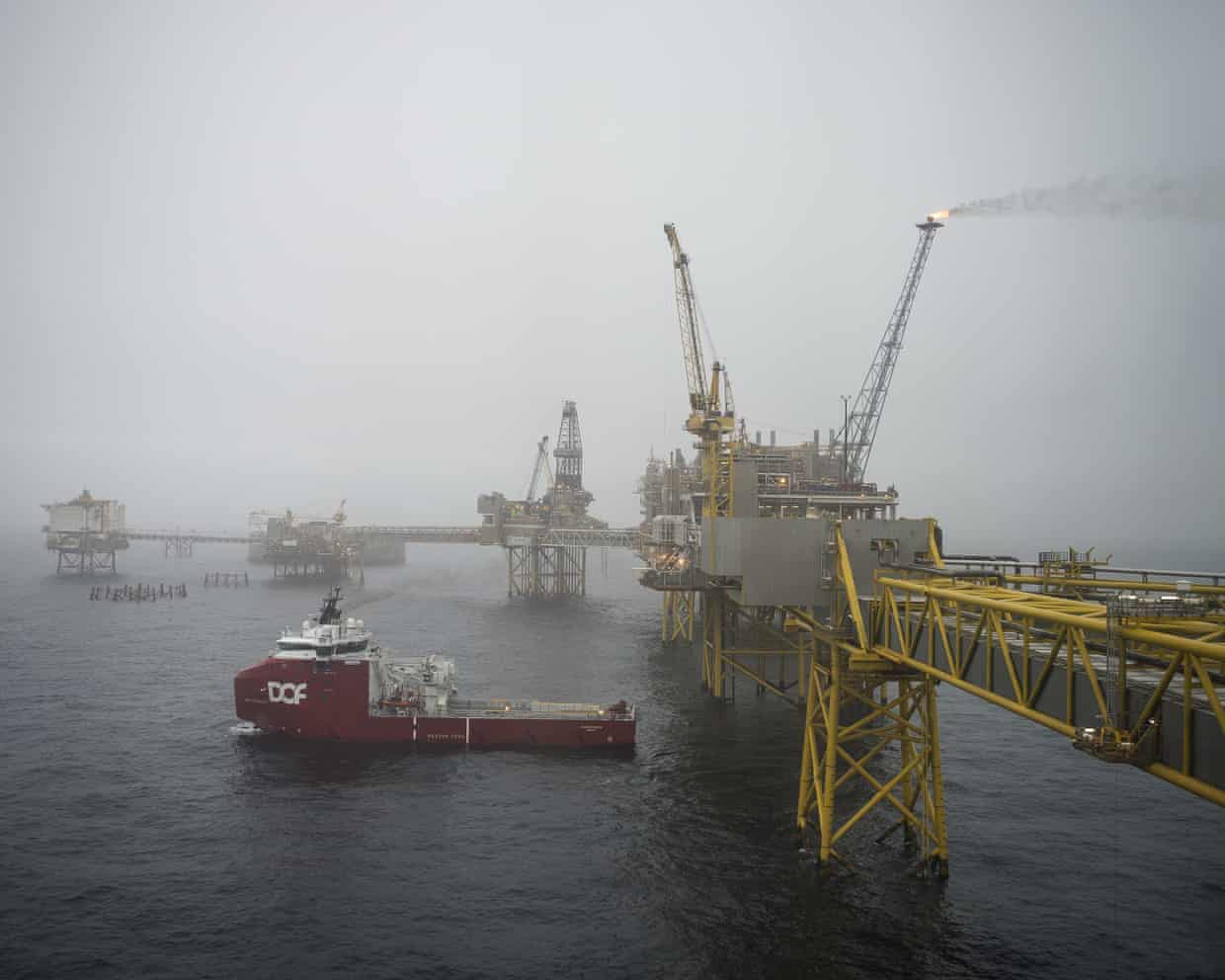
The Norwegian government has been heavily criticised for approving plans to reopen three North Sea gasfields nearly three decades after they were closed to help fill the gap in energy supplies created by the Middle East war.Amid sharp price rises in oil and gas since the US and Israel’s attack on Iran in February, Oslo has also given its approval for oil and gas companies to explore in 70 new locations in the North Sea, Barents Sea and Norwegian Sea.The decision by the Labour-run government goes against the advice of the country’s environment agency and has infuriated left-leaning parties.“We live in troubled times,” the prime minister, Jonas Gahr Støre, said as he announced the decision, which would “create great value for the community, lay the foundation for good jobs throughout the country, ensure our common welfare and contribute to Europe’s energy security and safety”.The Albuskjell, Vest Ekofisk and Tommeliten Gamma gasfields in the North Sea were closed in 1998

In this budget, all eyes are on CGT. But Labor’s rumoured family trust tweaks might also help fight tax inequality | Greg Jericho
When it comes to how wealth and high income is taxed in this country, it is not hard to agree with F Scott Fitzgerald’s line that “the rich are different from you and me”.The difference between the rich and the rest is abundantly clear when you look at how most people make money. Whereas most of us get money from salary and wages, those who earn $1m or more a year generate most of their income through capital gains, dividends and partnerships and trusts:If the graph does not display click hereUnsurprisingly, the way millionaires make money makes it much easier to avoid tax – whether through the current 50% capital gains tax (CGT) discount or the complex tax arrangements of trusts.But the government finally seems ready to address the gross inequality in the tax system. As I wrote two weeks ago, the strong rumour is that the CGT 50% discount will be abolished and replaced with the pre-1999 system of only taxing real gain

‘Your craft is obsolete’: WiseTech staff in limbo as AI touted as better than humans
Staff at WiseTech have been waiting almost three months to be told if they’re among the 2,000 people the logistics software company is to cut due to advances in AI, with workers criticising the wait as stressful and “ridiculous”.The comments come as its founder on Tuesday told investors an AI agent could learn a human’s job in just 15 minutes, according to the Australian Financial Review.The Australian Stock Exchange-listed company announced in late February that it would lay off almost 30% of its workforce across 40 countries, with 2,000 of the 7,000 jobs set to go over the next 18 months.Some areas would be hit harder than others, with product and development and customer service teams expected to be reduced by up to 50%, chief executive Zubin Appoo told an investor briefing in February.“The era of manually writing code as the core act of engineering is over,” Appoo said
New Mexico proposes $3.7bn fine for Meta and sweeping changes to its social platforms
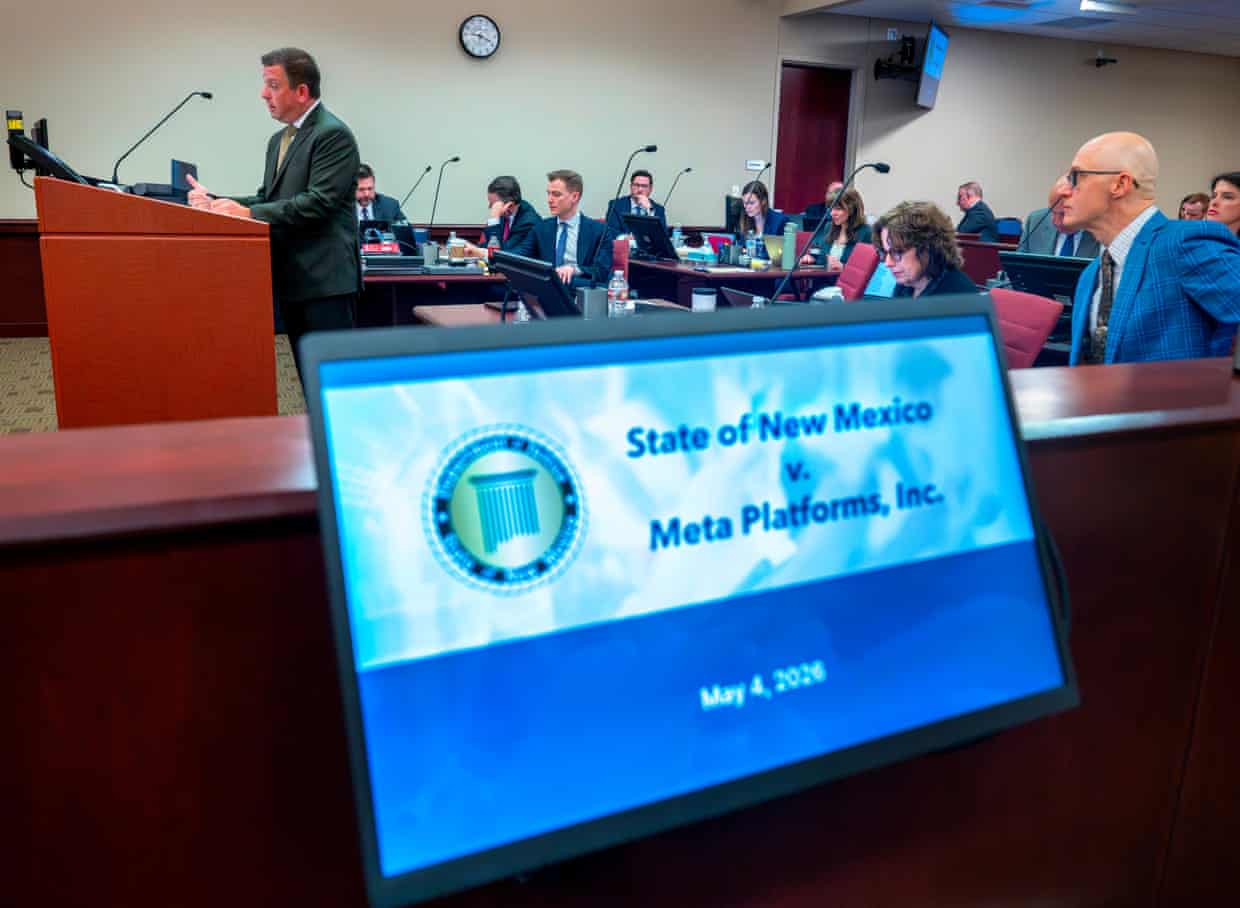
Meta has returned to court in the US this week for the second phase of a lawsuit brought by Raúl Torrez, New Mexico’s attorney general, following a March verdict that found the company liable for child safety failures and imposed a $375m fine. On Monday, the state petitioned for a legal sanction against the company, a monetary penalty 10 times the original amount, and a sweeping, drastic overhaul of Meta’s child safety protocols.In the second part of the landmark case, known as the remedies phase, the state is asking for Meta to be declared a public nuisance and for the judge to order the company to pay $3.7bn in an abatement plan. The money would fund programs for law enforcement, mental health services and educators
Rugby union’s Pacific heartlands threatened by NRL spree after Moana Pasifika’s collapse
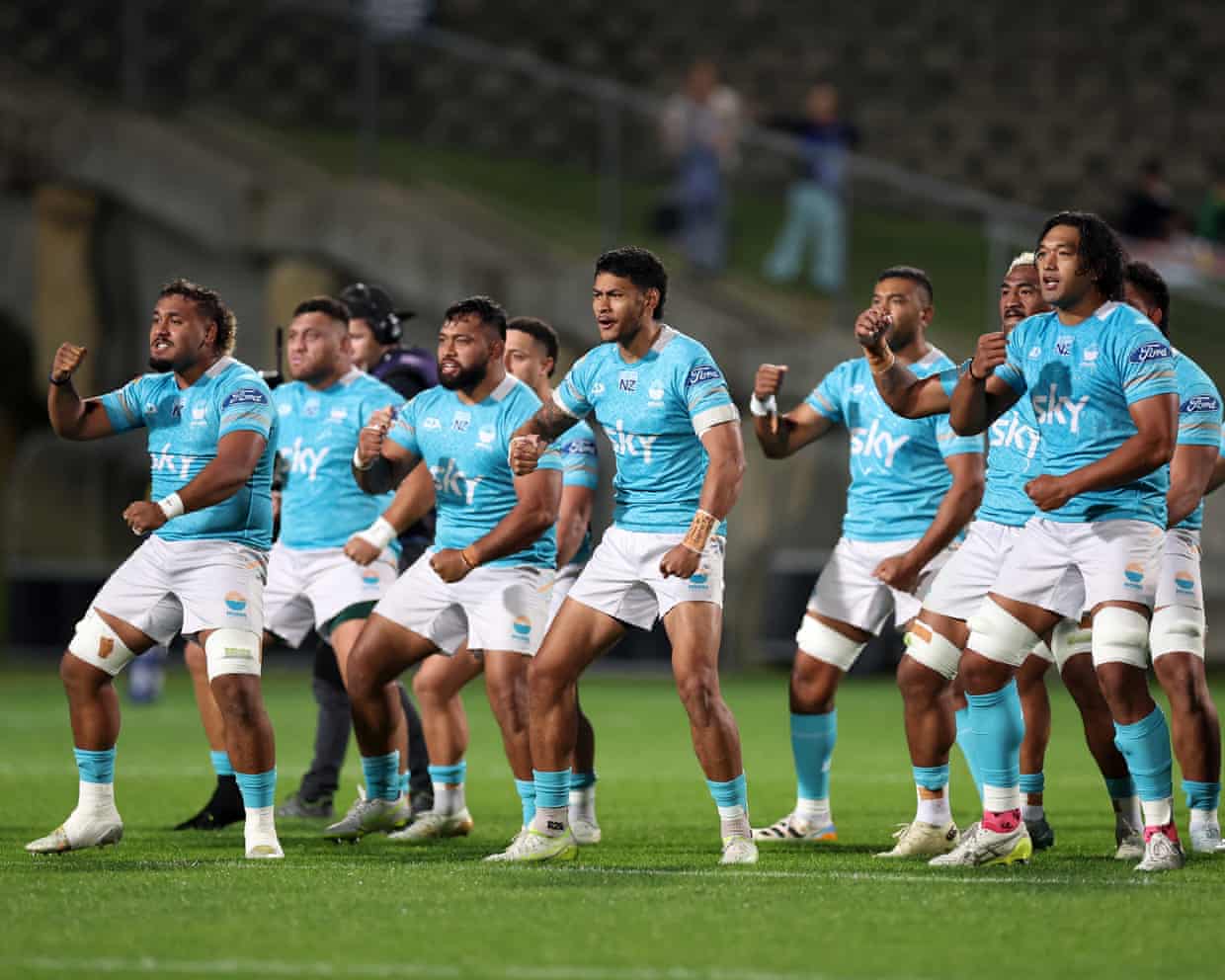
There’s a new war in the Pacific brewing, with the Super Rugby side Moana Pasifika collapsing and rugby league on a new signing spree in union’s traditional heartlands.The conflict spells trouble for Rugby Australia (RA), whose federal government is funding a $600m NRL franchise in Papua New Guinea, $240m of which will go into poaching talent and creating pathways throughout Fiji, Tonga, Samoa and the Cook Islands.For more than a century, since British soldiers introduced it to further the Empire, rugby union has been the national sport of all four Pacific countries. Fiji have led the way with two Olympic gold medals in sevens (2016 and 2020) and a 15s side are now neck-and-neck with Australia in the world rankings. Players with Pacific and Polynesian blood are now an invaluable part of almost every international side

‘I’m getting my mama a new house’: what happens when a huge pay boost changes WNBA players’ lives?
The WNBA is entering its 30th season, a milestone worthy of as big of a celebration as its players could muster – and this year, they mustered up a lot. The Women’s National Basketball Players Association (WNBPA) negotiated a landmark collective bargaining agreement (CBA) with the league that, among other things, introduces a revenue sharing system and an estimated average salary of $583,000.This season, all players will make the minimum of $270,000, up from $66,000; others may make as much as $1.4m. It’s money that Alysha Clark, a veteran forward for the Dallas Wings and vice-president of the WNBPA, describes to the Guardian as “amazing”
Oil and gas prices fall sharply, driven by hopes of strait of Hormuz reopening – as it happened

Dozens of former WH Smith stores face closure, putting thousands of jobs at risk
US and tech firms strike deal to review AI models for national security before public release
OpenAI president’s ‘deeply personal’ diary becomes focus in Musk’s case against Altman
The Spin | Dangerous, decadent, depraved: cricket’s love affair with the cover drive
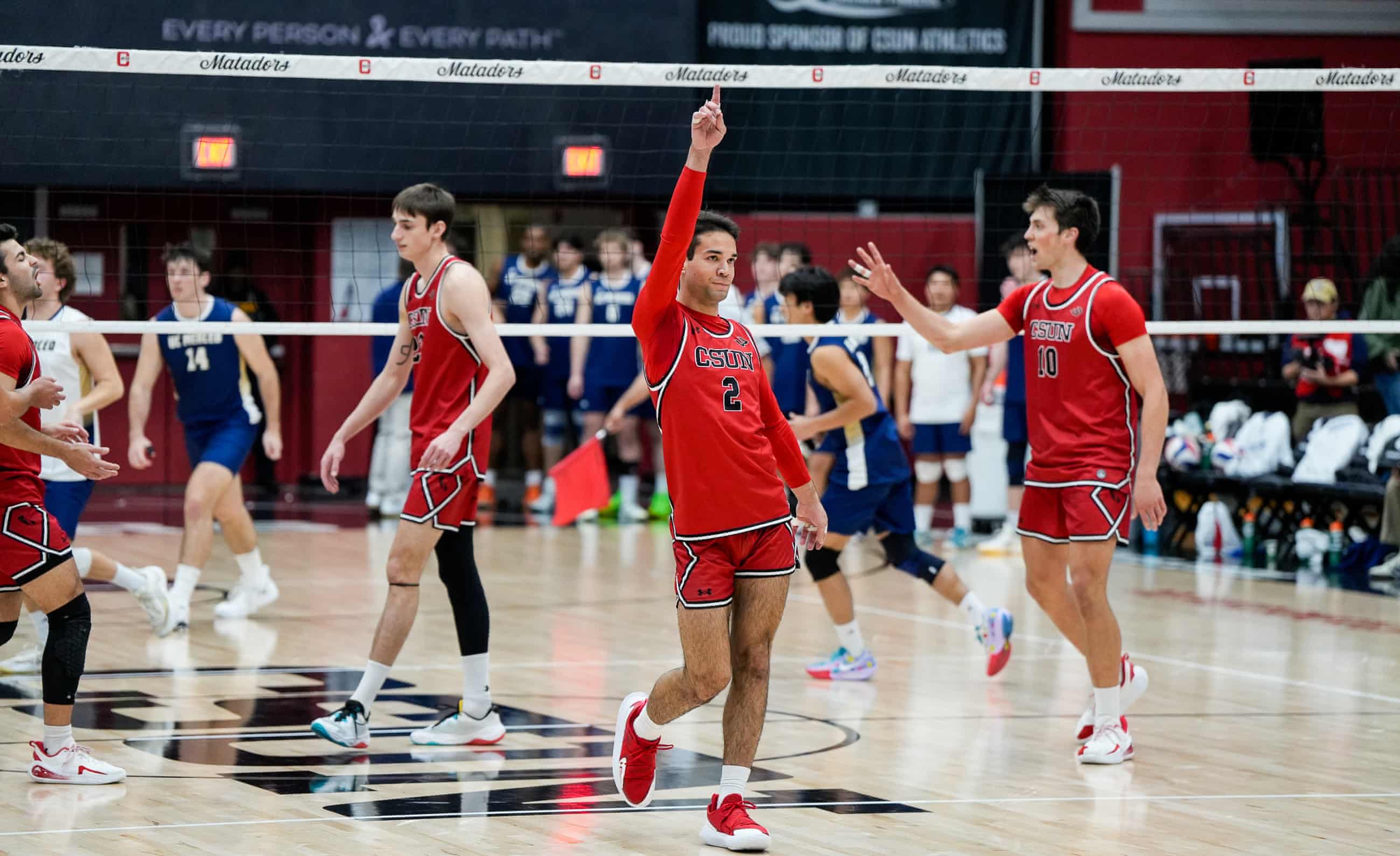
Viral volleyball star Jordan Lucas: ‘I’m celebrating like NFL players, just in a more feminine way’