A statue of Queen Victoria, memorial trees and a swimming pool: Judi Dench’s garden – in eight poignant items
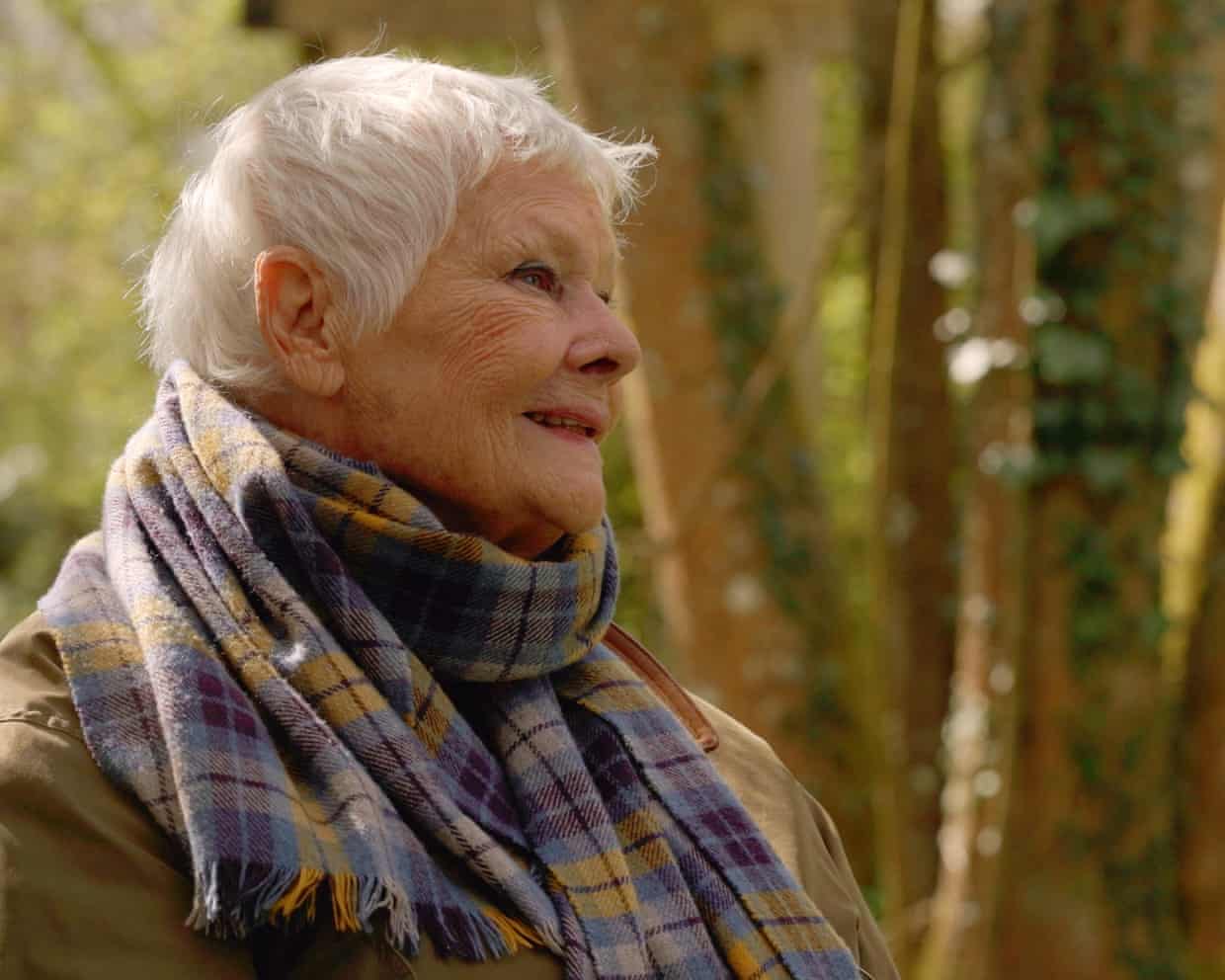
A visit to Dame Judi Dench’s garden in Surrey is bittersweet,The 2,4-hectare (six-acre) plot contains enough trees – about 100 – to count as an arboretum,Among them is a carpet of wild garlic and a wildlife pond from which rabbits like to sip,But each of these trees represents someone she knew who has died.
As her eyesight has nearly gone, Dench, who features in the latest episode of the Royal Horticulture Society’s new podcast, Roots, navigates her way around the garden via memories and smell.Here, she shares her stories of the garden and discusses the items that mean the most to her.Dench was married to the actor Michael Williams for 30 years before he died of lung cancer in 2001.She is about to plant a young oak tree, sent to her by her daughter, Finty, and her grandson, Sammy, in commemoration of their wedding anniversary.“It was just a little kind of stick when it arrived.
And now it’s full of buds at the top,” she says.“So, when we’re all together, probably in the next few weeks, we’ll choose a place to plant it.”All her family are keen swimmers, Dench says, and they “make great use” of the pool on the lawn.She takes laps regularly.An area of the garden comprises white flowering plants, which is another way in which the actor remembers her husband.
“He would plant things and he decided that should be the white garden,” she says.“He’s present in the garden.” The space also contains beautifully scented white lilac trees, which are her favourite.Dench is passionate about trees; one of her earliest memories is lying in her pram looking up at the leaves of an oak.She has spent years campaigning to protect trees and woodlands.
Each tree has personal meaning.“This magnolia is Dingo, who was a friend of my brother’s who was at school with him,” she says.“He was always in our house.“There are so many people here.I have over 100.
That’s a lot of people to have lost, but that’s what happens when you get to 91, I guess.”Dench says it’s wonderful to watch the wildlife in her pond.“We see a lot of it in this garden,” including water voles and “a great many ducks”, deer, rabbits and a badger.Dench loves the wild garlic that carpets her garden.“I can smell garlic around me at the moment,” she says.
“In a few weeks, it’s just one mass of white flowers,It’s very, very beautiful,I went out to our local farm shop last year and saw a packet of it for quite a price,And I thought: oh, hello, I’ve got a business!”A severe-looking statue of the monarch rises imposingly from a hedge,Dench says she took it home as a souvenir from the set of the 2017 film Victoria & Abdul, in which she played the queen.
“After the film, the film company said: ‘Would you like her?’ And I said: ‘Do you know, I think I would.I’ve got a very good place for her.’ And indeed I have, because she’s not seen by anybody.She’s very private.”Dench refuses to garden, as she has a phobia of worms.
“It comes from being at my kindergarten school in York.A worm jumped into my sandal and I couldn’t get it out.” She has a gardener called Joe, “who does it beautifully”.
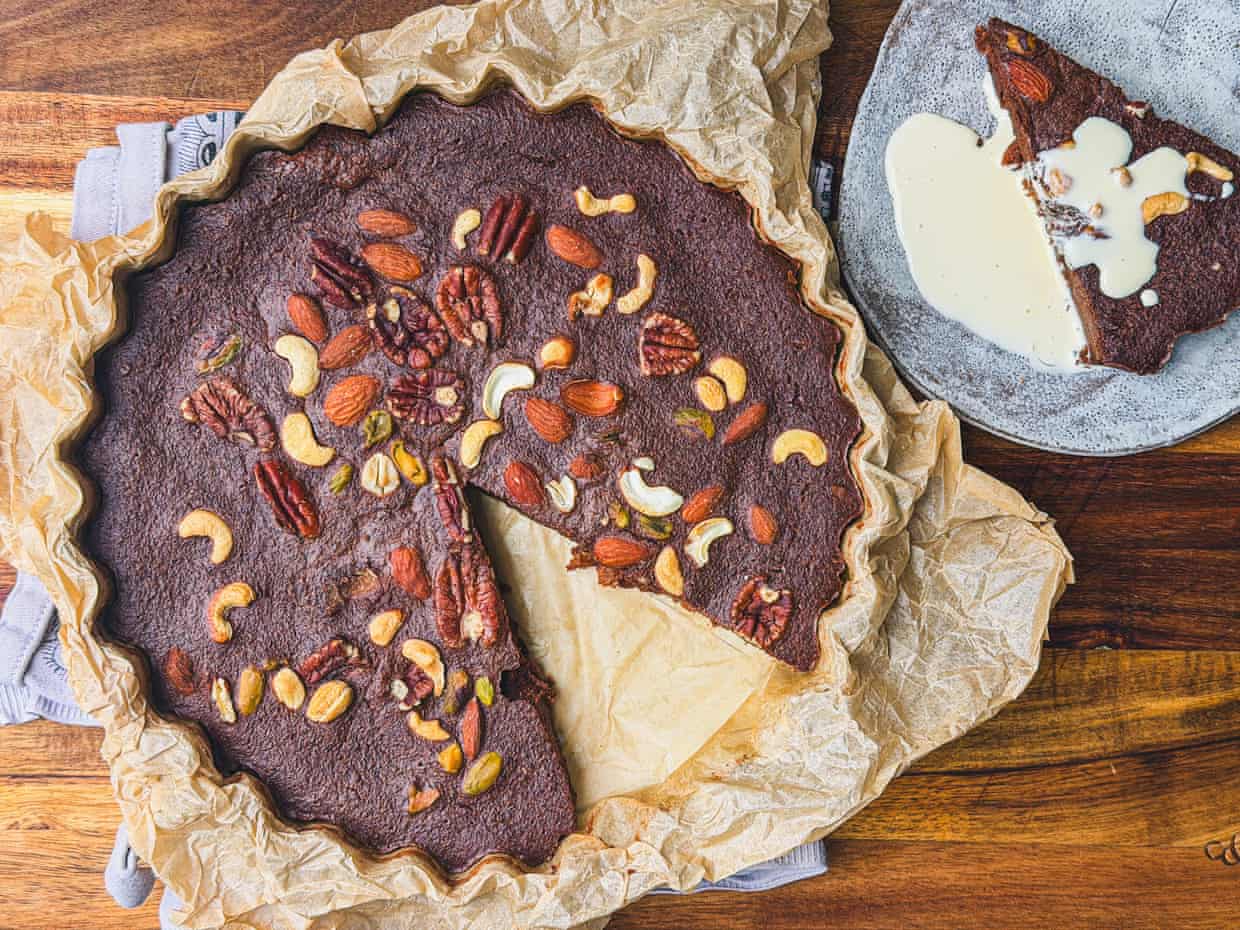
How to turn old bread into a brilliant Italian cake – recipe | Waste not
Old sourdough is my secret ingredient. To stop it going mouldy, I take it out of any plastic packaging and keep it in the bread bin with plenty of airflow around it – that way, it will dry out slowly, rather than turning mouldy. Any odds and ends, meanwhile, I store in a cloth bag to use in various dishes, from pangrattato (or poor man’s parmesan) to strata, a savoury bread-and-butter pudding.My new favourite recipe discovery for using up stale bread is today’s torta paesana, or village cake, from Lombardy. The best way I can come up with to describe it is that it’s a bit like a firm baked custard
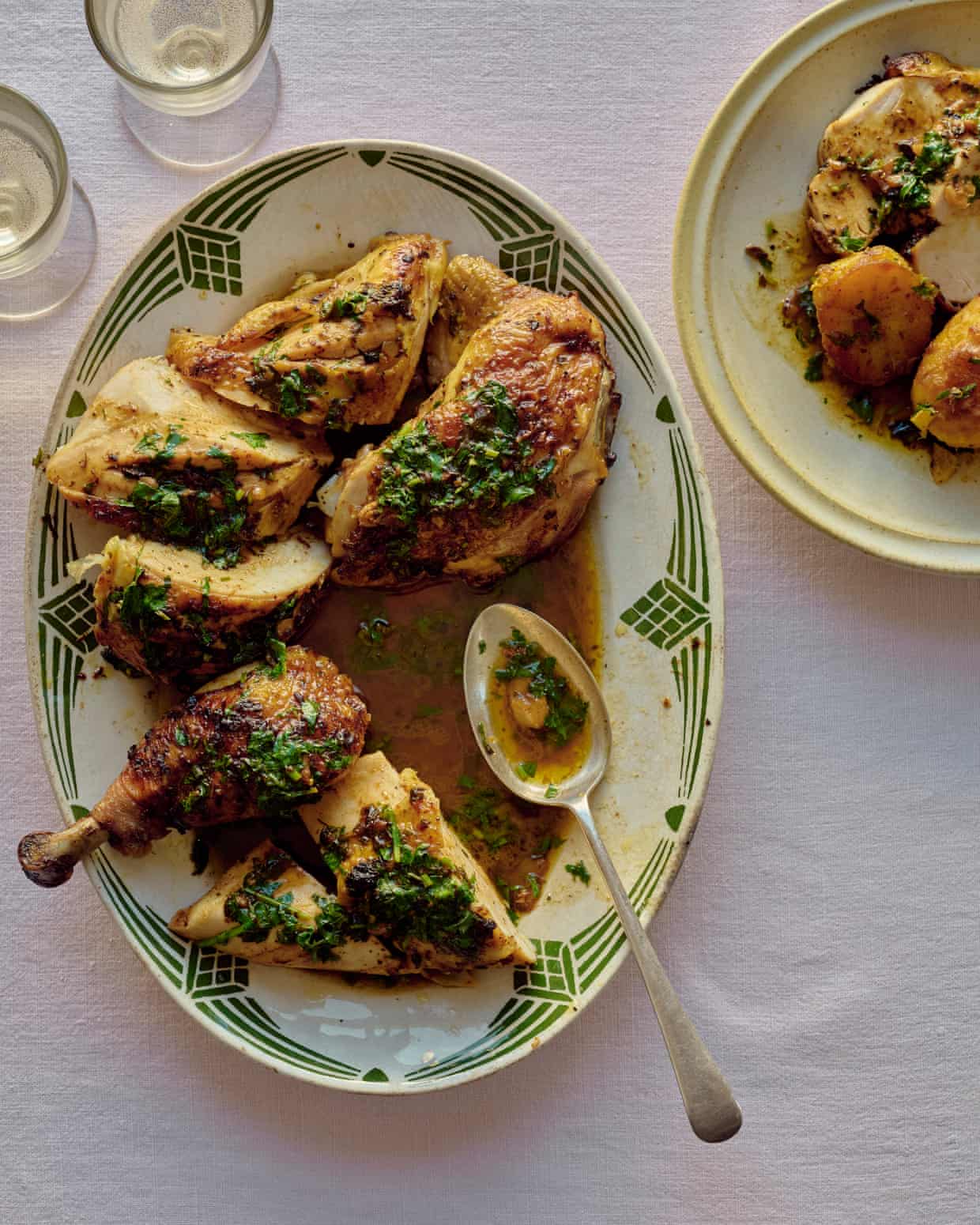
Roast chicken, cheesy scones and a genius cocktail: Ravinder Bhogal’s recipes for cooking with lime pickle
I’m obsessed with lime pickle. It’s savoury, sour, funky, spicy and full of bold personality that enlivens anything it’s smeared on. It’s made by salting and fermenting limes with chillies and spices for a fierce, flavour-packed condiment that’s traditionally eaten as a side to poppadoms or with simple dal and rice. Over the years, I have also folded it into grilled cheese toasties, marinades for fat prawns to barbecue in the summer or made compound butters with it to smother over sweet potatoes before roasting. It’s an instant flavour bomb and my pantry is never without a jar

Vegemite is recognised globally – but how many people know Milo was invented in Australia?
The chocolate malt powder is sold in more than 40 countries, and Australian cafe owners say there’s ‘jingoistic pride’ in serving it on their menusGet our weekend culture and lifestyle emailWhen I order the jumbo-sized Milo Godzilla at Ho Jiak in Sydney’s Haymarket, it arrives as advertised – it’s comically large. The Malaysian restaurant prepares the drink by swirling Milo powder with hot water, adding sweet drizzles of condensed milk then chilling the mix with ice. Scoops of ice-cream are added and extra choc-malt powder is showered on top. Served in a one-litre jug, it’s so big I can’t finish it solo: staff hand me three takeaway cups to transport the leftovers.Like many beloved Milo drinks, the Godzilla is native to south-east Asia
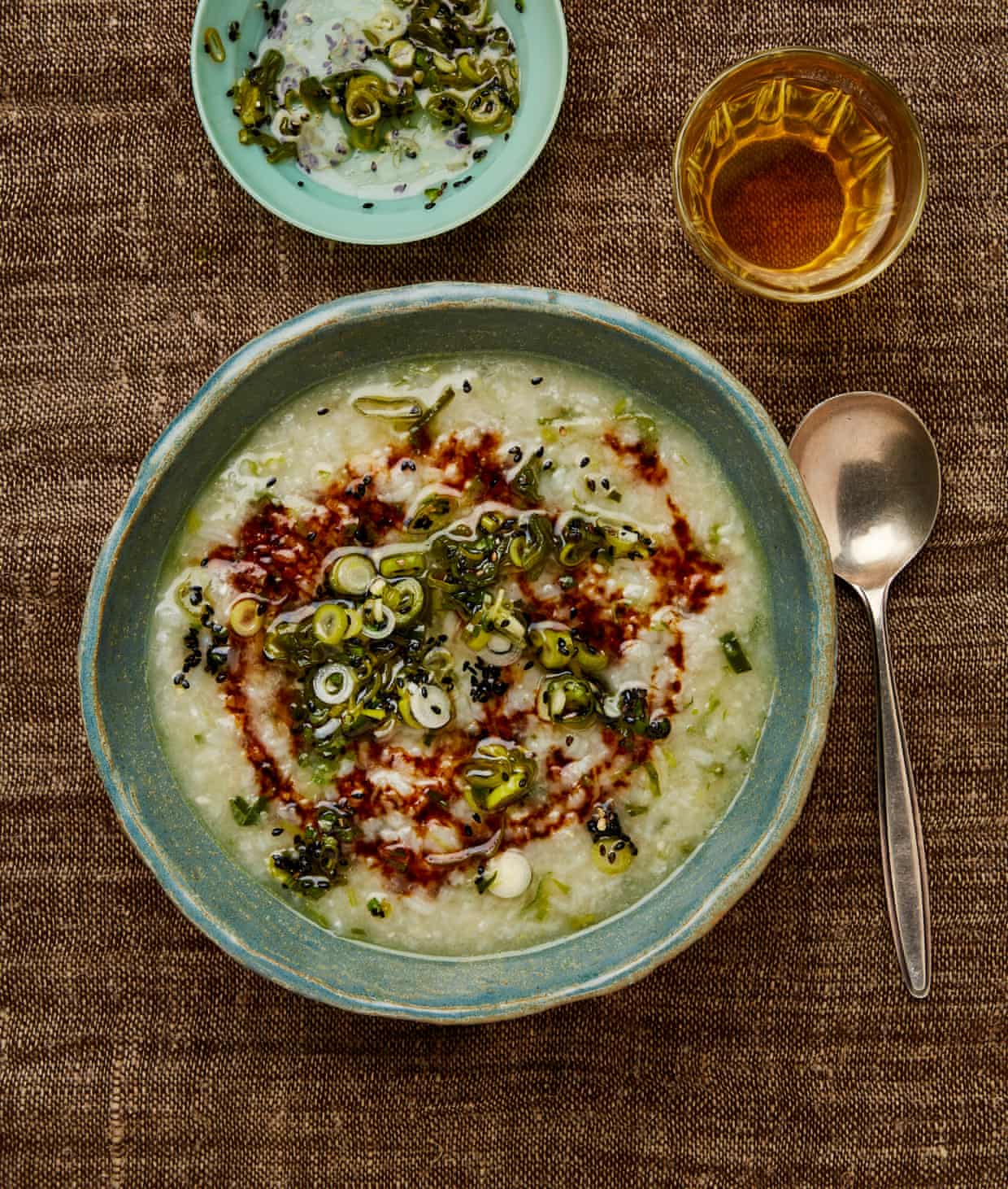
What can I do with leftover rice? | Kitchen aide
How do I store cooked rice safely, and what can I make with it the next day?Michael, by email“It’s a bit of a running joke with rice, because I think of all the people in China who aren’t spreading their leftover rice immediately on to a tray to cool and are still alive,” says Amy Poon, of Poon’s at Somerset House in London. “But I have to be responsible and say: cool the rice as quickly as possible, within the hour, and put it in an airtight container and pop it in the fridge [or freezer] straight away.” The reason being, as food science guru Harold McGee notes in his bible On Food & Cooking, “Raw rice almost always carries dormant spores of the bacterium Bacillus cereus, which produces powerful gastrointestinal toxins. The spores can tolerate high temperatures, and some survive cooking.” In short: good storage practices will prevent bacterial growth, not to mention open a whole world of dinner opportunities
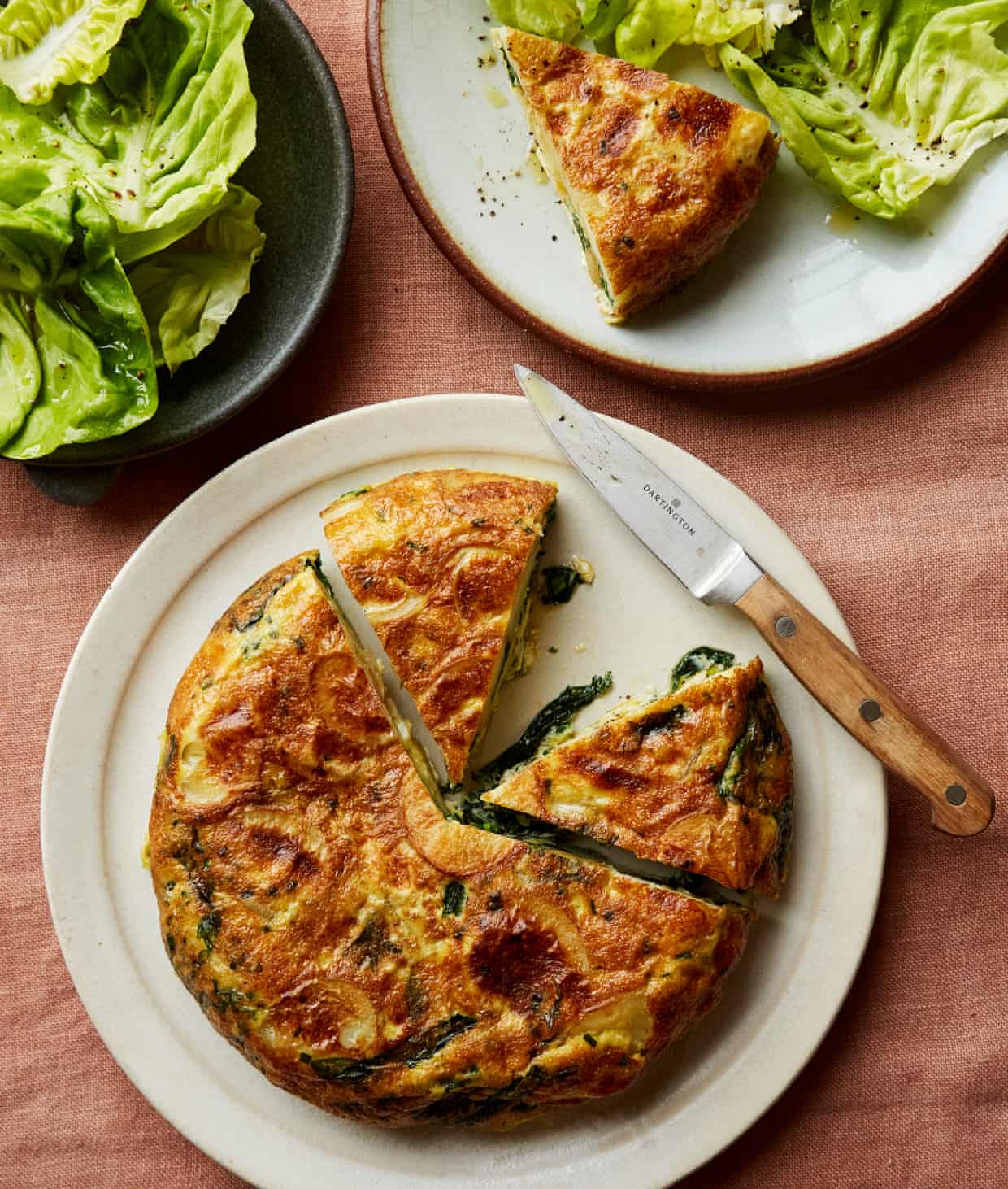
José Pizarro’s recipe for nettle (or wild garlic) and goat’s cheese tortilla
When I was growing up in the small village of Talaván in Extremadura, Spain, we never ate nettles. They were wild plants that grew along the edges of the fields, and the sort you tried to avoid: like many children, I learned about them the hard way, brushing against them while playing and getting stung. It was only when I came to the UK that I first saw nettles used in cooking, which surprised me: suddenly, this wild plant had a place in the kitchen. Now, whenever I visit my mum, Isabel, I see them everywhere. It makes me smile to think that at this year’s Spring Garden at the Chelsea flower show, I will be cooking among a world of magnificent plants and gardens
Gone from shop shelves, but not forgotten | Letters
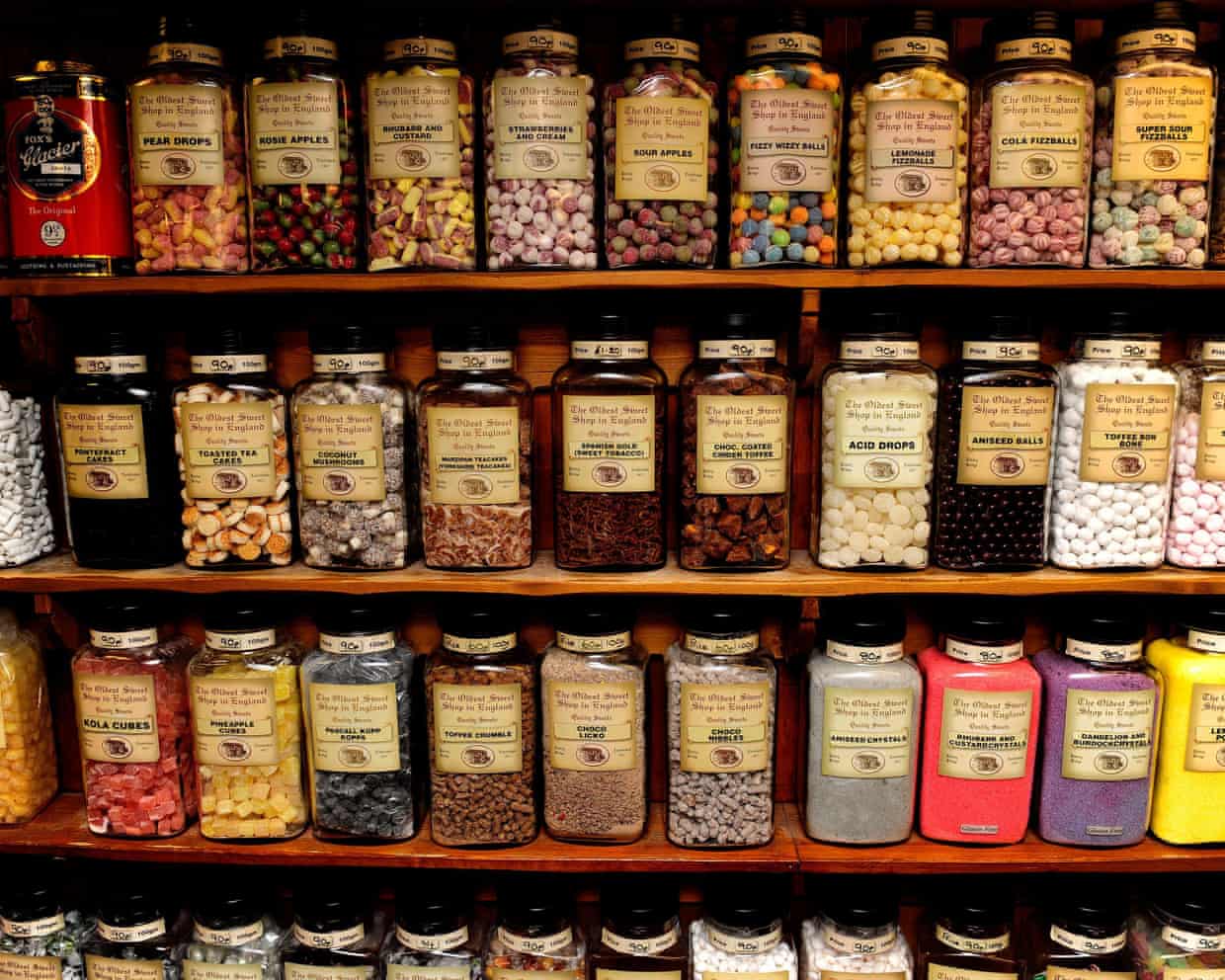
How lucky for Adrian Chiles that he didn’t live in the German Democratic Republic (Rose’s Lime Marmalade? Gone. Dark chocolate Bounty? No more. But what about their heartbroken fans?, 8 April). After reunification, there were street markets selling the last of products from the old days, and there was an exhibition in a national museum – memorably called “They’ve even taken our tomato ketchup” – lamenting the loss of many food products and other features of former times, such as children’s TV programmes.Derek JanesDuns, Scottish Borders Can Adrian Chiles tell me where to find Halls’ chocolate sour lemons? Maybe they stopped being made because they turned your tongue black, but they tasted great

Oil tumbles 10% and stock markets rally as Iran declares strait of Hormuz ‘completely open’ – as it happened

Employees at first ever Starbucks store seek to unionize amid fight for contract
Finance leaders warn over Mythos as UK banks prepare to use powerful Anthropic AI tool

US tech firms successfully lobbied EU to keep datacentre emissions secret

San Diego Padres reportedly set for MLB-record $3.9bn sale to Chelsea co-owner

Dan Skelton targets bogey track as rivals jockey for Scottish Grand National glory