Finance leaders warn over Mythos as UK banks prepare to use powerful Anthropic AI tool

British banks will be given access in the next week to a powerful AI tool that was deemed too dangerous to be released to the public, as a series of senior finance figures warned over its impact.Anthropic, which has so far limited the release of the new model to a small clutch of primarily US businesses, including Amazon, Apple and Microsoft, said it would expand that to UK financial institutions.“That is in the very near term, in the next week,” Pip White, Anthropic’s head of UK, Ireland and northern Europe operations, said in a Bloomberg TV interview.“As you would expect, the engagement I have had from UK CEOs in the last week has been significant.”Anthropic, which is the company behind the Claude family of AI tools, has said that its latest model, Mythos, poses an unprecedented risk because of its ability to expose flaws in IT systems.
“AI models have reached a level of coding capability where they can surpass all but the most skilled humans at finding and exploiting software vulnerabilities,” Anthropic said in a blogpost earlier this month.“The fallout – for economies, public safety, and national security – could be severe.”Finance ministers, executives and regulators have discussed the potential threats as they gathered in Washington this week for the IMF and World Bank spring meetings, while also handling concerns over the global ramifications spilling over from the US-Israeli war with Iran.The Canadian finance minister, François-Philippe Champagne, told the BBC: “Certainly it is serious enough to warrant the attention of all the finance ministers … The difference with the strait of Hormuz is that we know where it is and we know how large it is.“The issue that we’re facing with Anthropic is that it’s an unknown unknown.
It requires a lot of attention so that we have safeguards, and we have processes in place to make sure that we ensure the resiliency of our financial system.”Andrew Bailey, the governor of the Bank of England who also chairs the Financial Stability Board of global regulators, said: “It is a very serious challenge for all of us.It reminds us how fast the AI world moves.”However, he said regulators were having to consider whether, and how hard, to clamp down on the technology, as governments seek to reap AI’s economic rewards.“What is the optimum moment to frame the rules of the road?” Bailey asked.
“If you go too early you a) risk missing the target and b) you risk distorting the evolution, and if you go too late things can get out of control.”The European Central Bank’s president, Christine Lagarde, said: “The development we’ve seen with Anthropic and Mythos is a good example of a responsible company that is suddenly thinking: ‘Ah, that could be really good’ – but if it falls in the wrong hands, it could be really bad.“Everybody is keen to have a framework within which to operate,” Lagarde told Bloomberg TV.But she added: “I don’t think there is a governance framework that is there to actually mind those things.We need to work on that.
”The US treasury secretary, Scott Bessent, summoned US bank bosses to Washington last week to discuss the Mythos model.That meeting focused on systemically important banks – where regulators believe that a major disruption to their operations, or their potential collapse, would put financial stability at risk.UK regulators are due to raise the issue of Mythos’s risks with bank bosses and government officials in the coming weeks.Dan Katz, deputy head of the IMF and former chief of staff to Bessent, said: “The evolution of digital technology is posing immense risks from a cybersecurity perspective … this is really going to be absolutely essential on the international agenda for the next few months.”
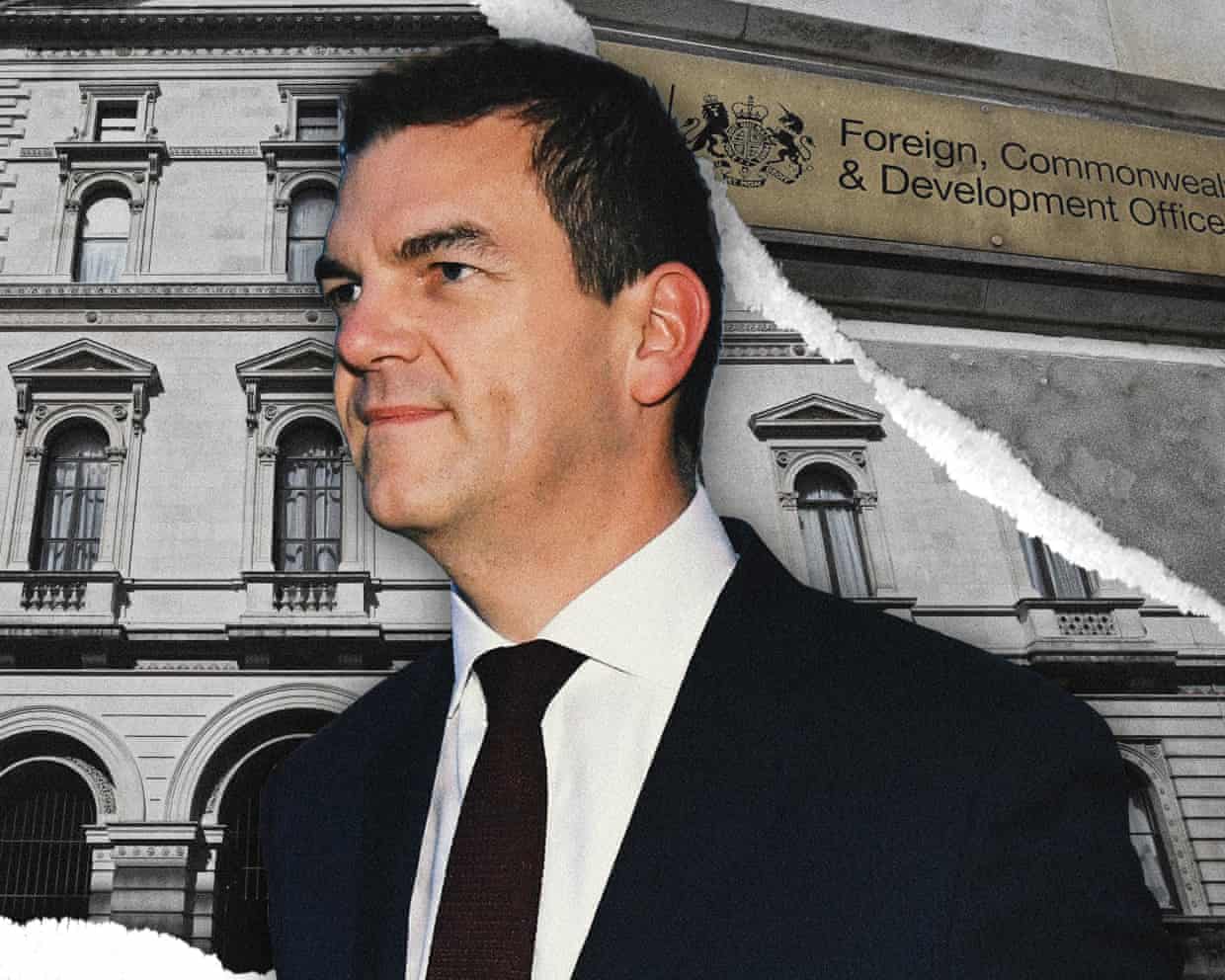
Olly Robbins and Mandelson’s vetting: what did he do, why – and who knew?
Fiddling with his reading glasses, the then cabinet secretary, Sir Chris Wormald – sitting alongside the most senior civil servant in the Foreign Office, Sir Olly Robbins – suddenly appeared a little tense.The bonhomie evident in earlier answers had quite disappeared.It was 3 November 2025, and Peter Mandelson had been removed from his post as ambassador to the US two months earlier, after the disclosure of Jeffrey Epstein’s emails.MPs on the cross-party foreign affairs select committee were grilling the most senior civil servants involved in Mandelson’s appointment about the vetting and due diligence.Just over an hour in, Fleur Anderson, the MP for Putney, asked what can now be seen as a crucial question about the process: “In general, what is the end product of all that vetting? Does it all get put into one report? Who receives that report?”“The report is received by the employing department and employing line manager – in this case, that would be Sir Oliver,” Wormald responded, looking to his left towards Robbins
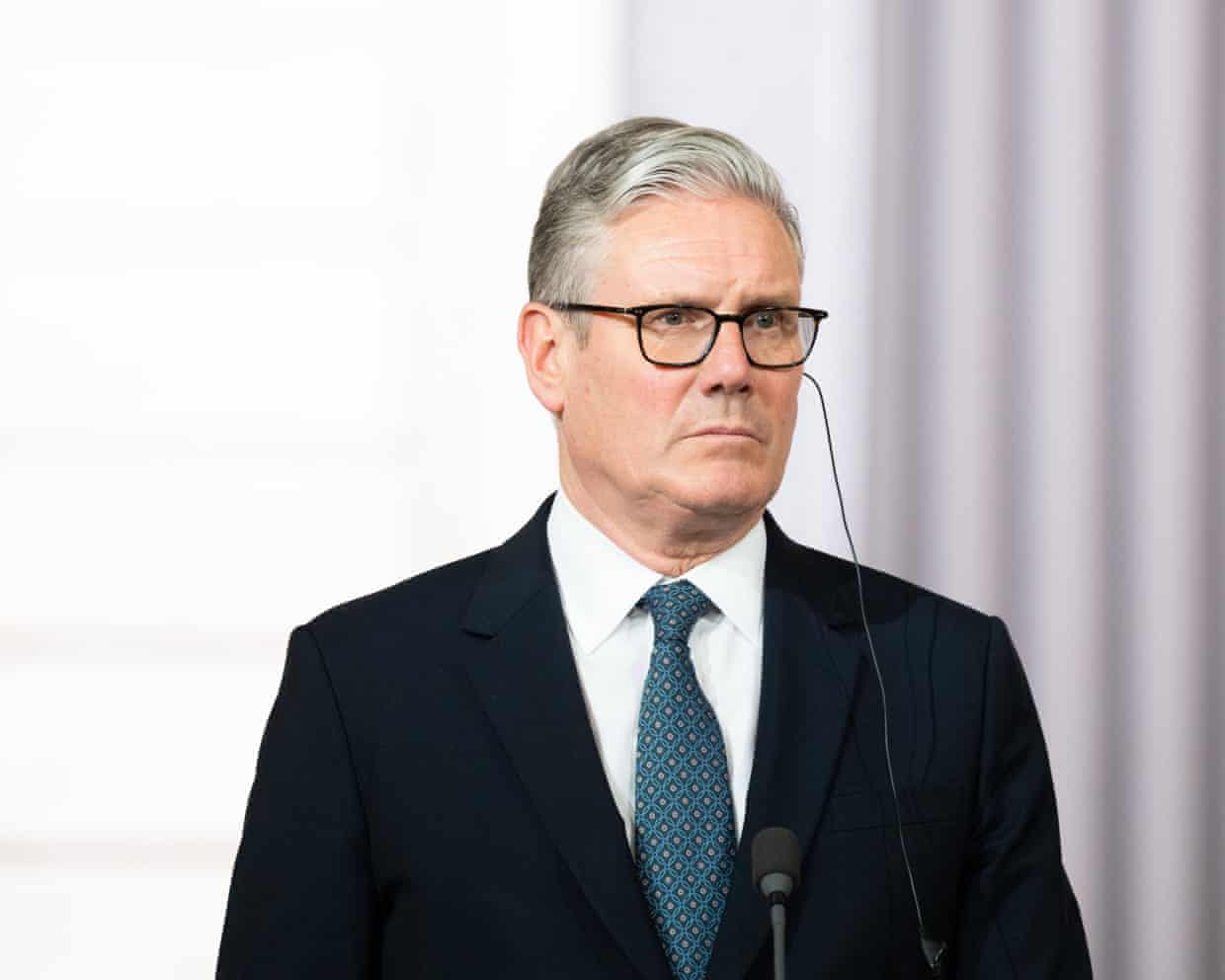
Five unanswered questions on Keir Starmer’s Mandelson debacle
Downing Street has tried to do a lot of explaining, as has Keir Starmer himself. But there are still plenty of things we do not know about how Peter Mandelson failed security vetting, and what the prime minister did or did not know about it.A fairly key question. Downing Street is clear: it is “staggering” that Mandelson failed vetting, and that the Foreign Office not only overruled this but told no one in No 10.However, Ciaran Martin, a former top civil servant with past involvement in vetting work – and a close friend of the ousted Olly Robbins – said this was an oversimplification
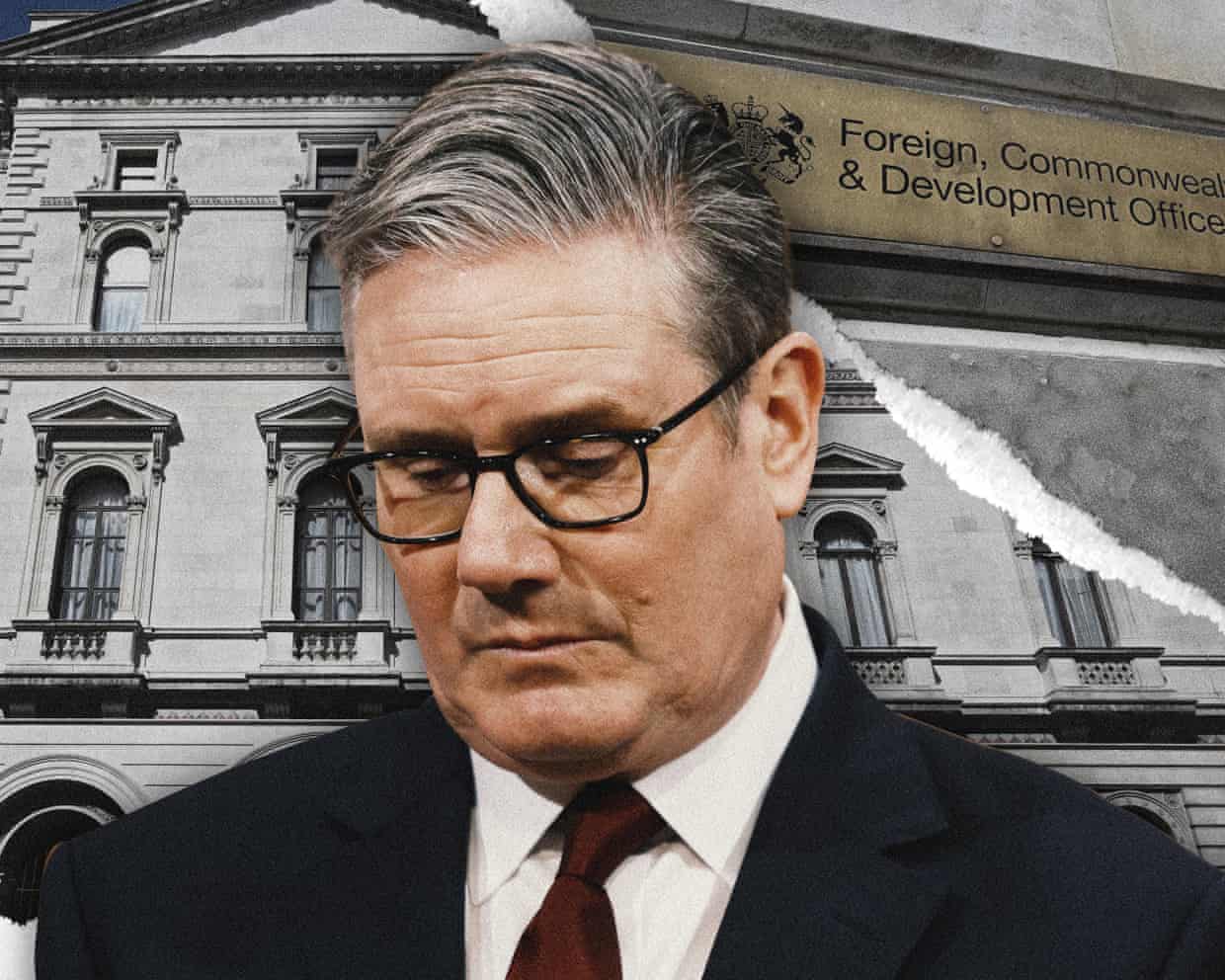
‘Almost like a Bond villain’: why Labour MPs expect Starmer to cling on as PM
It still feels improbable that the UK prime minister, Keir Starmer, will face a formal challenge even if, as assumed, his Labour party performs disastrously in next month’s local elections. But for many of his MPs, the latest revelations about Peter Mandelson have emphasised that the question is simply one of when, not if.“It does seems incredible that he didn’t know, but the problem is that it’s quite possible as well,” was the summary of one backbencher, in response to No 10’s insistence that no one had told the prime minister that his pick to be the UK ambassador to Washington had failed his security vetting.Some MPs believe the Mandelson vetting fiasco could be terminally damaging for a prime minister who, as one said, had painted himself as “whiter than white”. “I can’t see how he survives this,” one said

Starmer says it is ‘staggering’ and ‘unforgivable’ he was not told Mandelson failed vetting – as it happened
The prime minister has spoken to reporters in Paris this morning, saying it is “unforgivable” and “staggering” he wasn’t told Peter Mandelson was denied security clearance.He said:double quotation markThat I wasn’t told that he’d failed security vetting when I was telling parliament that due process had been followed is unforgivable.Not only was I not told, no minister was told and I’m absolutely furious about it.Keir Starmer added:double quotation markIt is totally unacceptable that the prime minister making an appointment is not told that security vetting has been failed.He added he will “set out all the relevant facts in true transparency” to parliament on Monday

Peter Mandelson’s failed security vetting: a timeline of the controversy
Keir Starmer is facing calls to resign after the Guardian revealed that Peter Mandelson failed the developed vetting process over his appointment as US ambassador – but was able to take up the post after the Foreign Office overruled the recommendation.Here is the timeline of Mandelson’s controversial appointment and the fallout it has caused.Labour wins a landslide election victory engineered by Mandelson’s protege Morgan McSweeney, of whom Mandelson once said: “I don’t know who and how and when he was invented. But whoever it was, they will find their place in heaven.” Mandelson said the election win was “an extraordinary achievement for Keir Starmer and his team”
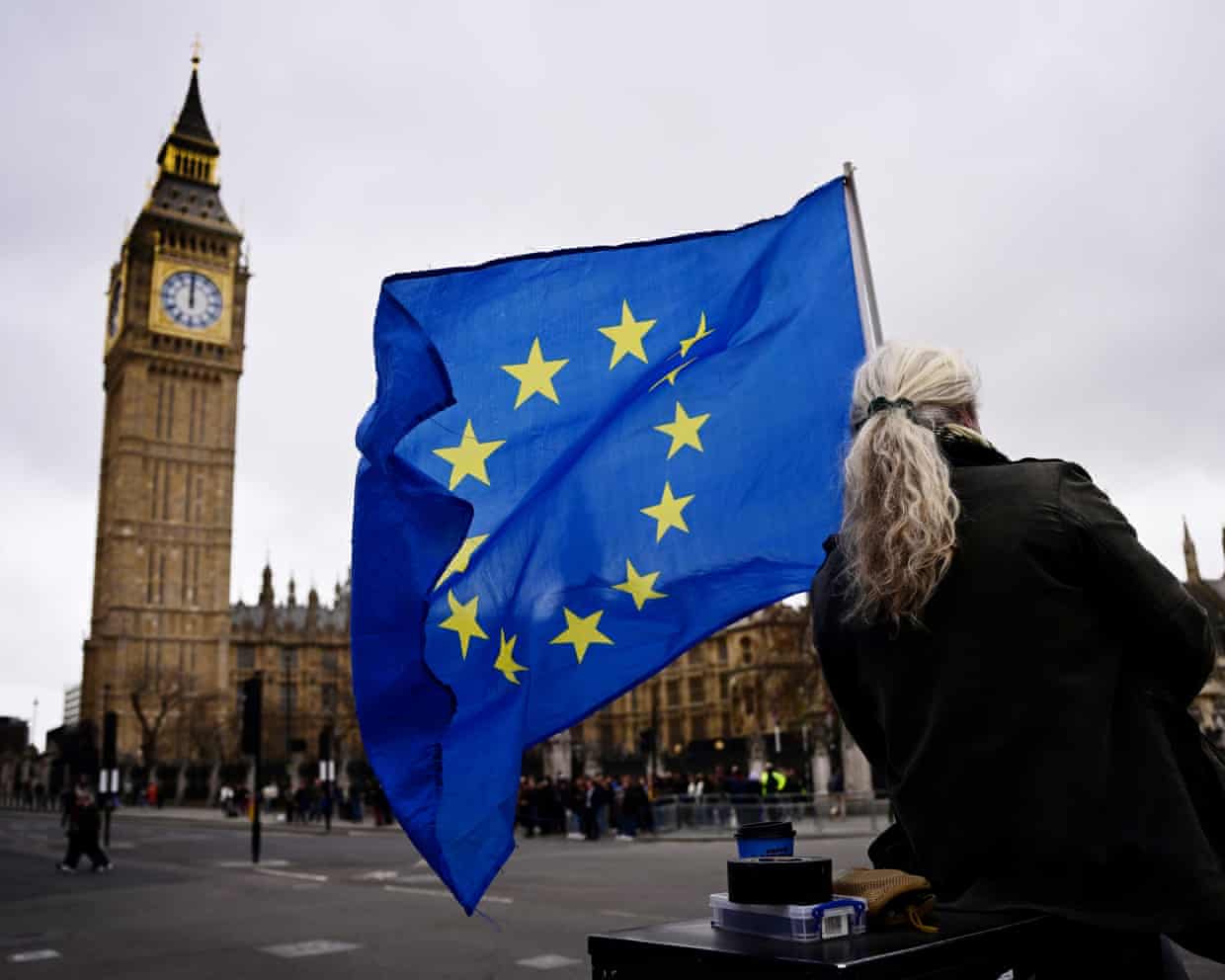
More than half of Britons support rejoining EU 10 years on from Brexit vote
Support for rejoining the EU rather than simply rejoining the single market is growing among British voters, with more than 80% of Labour, Liberal Democrat and Green party supporters favouring this option, according to research mapping voter attitudes 10 years after the Brexit referendum.Labour’s “muted” approach to the issue means it risks losing support among progressive voters and in “red wall” constituencies, experts have said as part of research by Best for Britain.While 61% of all voters supported the government’s current approach to EU relations, only 19% did so “strongly”, the research showed.A full return to the EU was supported by 53% of all voters with support at 83% among Labour voters, 84% Liberal Democrat and 82% Green, the polling found.Of Conservative and Reform voters, 39% and 18% backed the policy respectively, Best for Britain found
Liz Kendall urges UK public to embrace AI as government makes first £500m fund investment

‘How do I end a call?’: the elderly Japanese people determined to master smartphones

Labour and Lib Dem MPs demand ‘shameful’ Palantir NHS contract be scrapped

Man used AI to make false statements to shut down London nightclub, police say
NAACP lawsuit accuses Elon Musk’s xAI of polluting Black neighborhoods near Memphis
Fisa surveillance vote sparks fierce debate as Congress splits on warrantless monitoring