Mysterious Lake District barn joins national treasures on heritage list
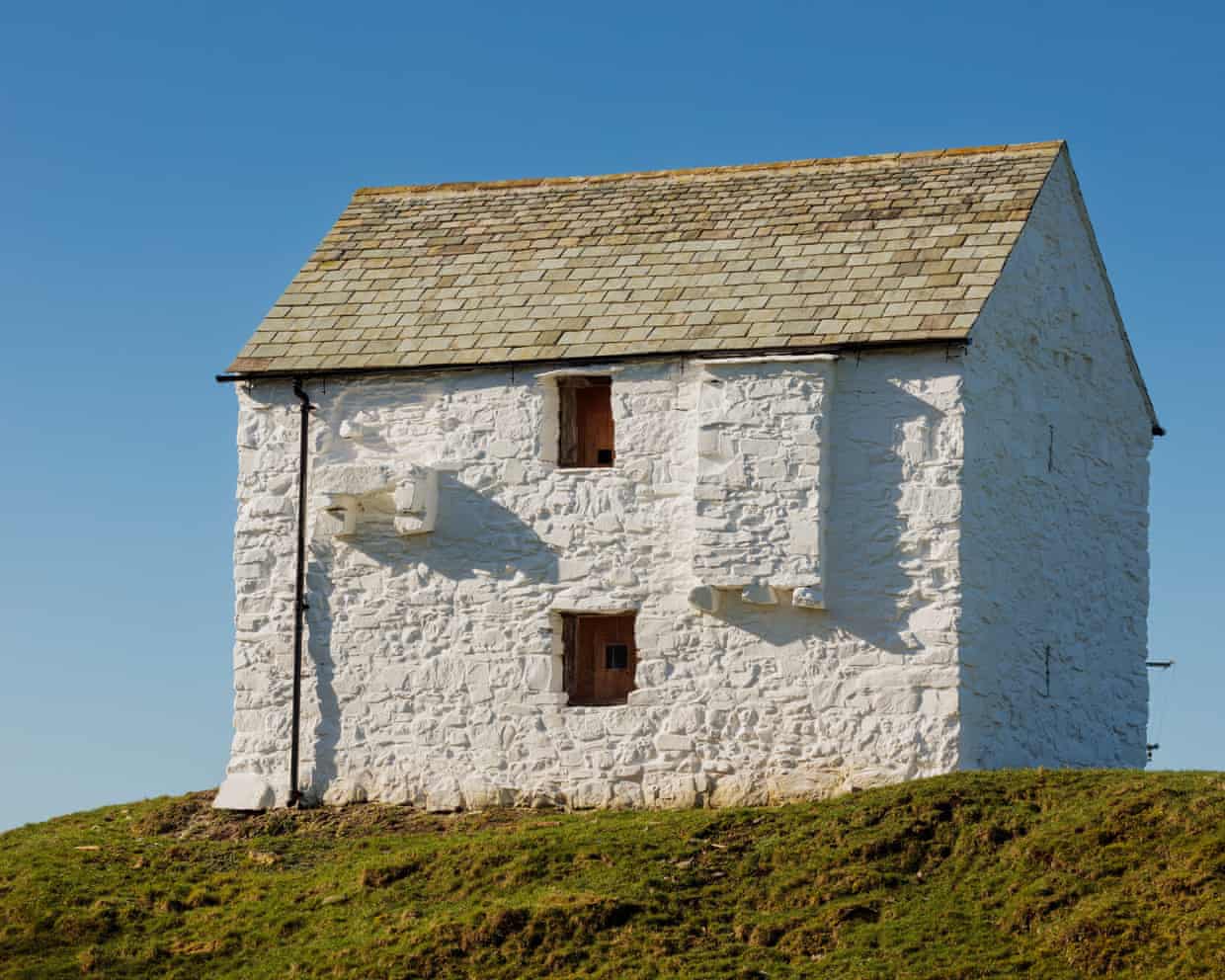
It is an elite list with some of the most significant and beautiful buildings and structures in England, including Battersea power station, Middlesbrough’s Transporter Bridge and the London Coliseum,Now the Grade II* landmarks are being joined by a mysterious, limestone rubble “barn” on a grassy knoll in the Lake District, which was most recently used as a shelter for sheep and cows,The Department for Culture, Media and Sport said it was awarding listed status to a building known as Henry’s Castle on the advice of Historic England,Only 5,8% of listed buildings are at grade II* level, meaning they offer “more than special interest”.
Research has revealed that Henry’s Castle has the hallmarks of a high-status building and could date back as far as the 14th century.It has been used as a field barn but what its original purpose was is not known.“Henry’s Castle is one of those rare buildings that raises more questions than it answers,” said Sarah Charlesworth, Historic England’s listing team leader.“This mystery is part of what makes it so compelling.”Rose Lord, built environment adviser at the Lake District national park authority, visited the building in 2022 and, despite its layers of animal manure, knew it was something “very special – I could tell it was definitely more than just a field barn”.
A corbelled (stepped) chimneystack and corbelled garderobe “even in their deteriorating state” suggested there was more to the barn than met the eye, she said.“The inside was plastered and limewashed and you could tell there had been a fire inside … the whole arrangement of fireplaces, windows, doors was something way different to anything I had ever seen.”Archaeologists, architects and conservation engineers have undertaken four years of work to rescue and repair the building.Its most remarkable feature is the oak roof structure – “a precisely hand-finished, chamfered and pegged central truss of a type associated with high-quality carpentry of the 14th or 15th centuries”.Theories on what role it had include being some sort of lookout dwelling with a defensive purpose.
“Was it a hunting lodge for a deer park?” said Lord,“It could have been a very fancy, glamorous summer house that someone used sporadically,”Historic England said that it shared characteristics with bastles – fortified farmhouses common to the Anglo-Scottish borders and built to protect farming families and their livestock from raiders,But, nestled in a valley near Kendal, a half-hour walk from the village of Underbarrow, Henry’s Castle is too far south of the borders to be classified as a bastle,In the 16th or 17th century it was converted to domestic use and by the 19th century it had become a field barn.
It gets its name from a farmer, Henry Willison, who once owned it.Lord said getting such a high listing was the “cherry on the cake” for what had been a “very rewarding” restoration project.“Most buildings which are that significant have already been picked up in previous surveys,” she said.Interpretation panels are to be installed in the coming weeks and a box has been installed in the hope of encouraging owls to set up home
Iran war leads to biggest jump in global energy inflation in at least 25 years – business live
The Iran war has led to the biggest rise in global energy inflation in at least 25 years, new data suggests.Swiss bank UBS has analysed the latest inflation reports from advanced and emerging economies, and found that energy prices rose by 5.5% on average in March. That exceeds the surge seen after the onset of the Russia–Ukraine conflict in March 2022.UBS tracks inflation across roughly 45 major advanced and emerging economies; 27 have reported March data so far
BP hails ‘exceptional’ trading as oil prices soar in Iran war
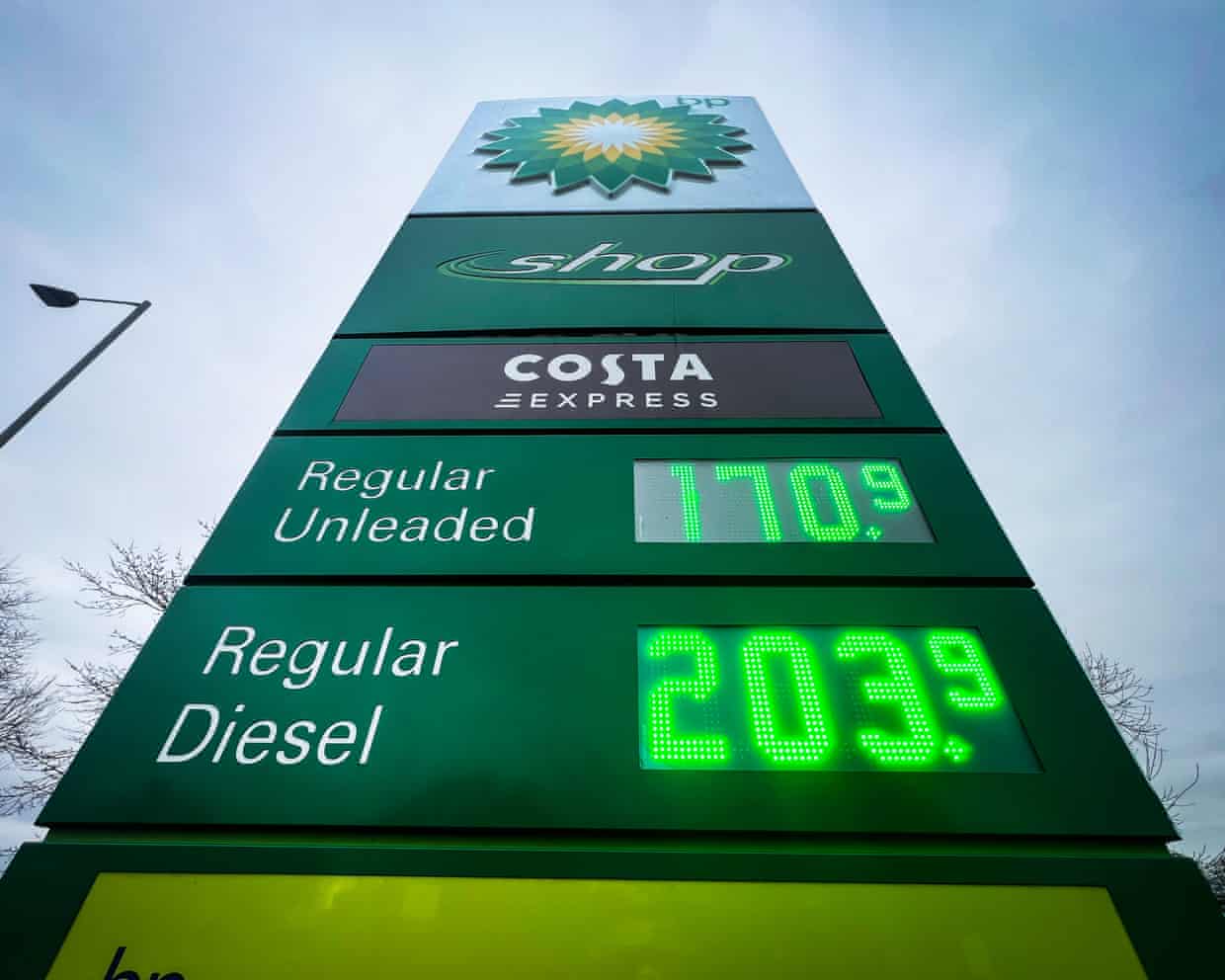
BP expects to post “exceptional” earnings from its oil trading desk, reaping a windfall from choppy energy markets triggered by the US-Israeli war on Iran.Energy traders are navigating significant market volatility after Tehran’s effective closure of the key strait of Hormuz shipping route.BP said on Tuesday that its refining margins had strengthened and that the “oil trading result is expected to be exceptional” in the first quarter of its financial year.Last week, its UK rival Shell said it anticipated “significantly higher” oil trading profits for the quarter.Analysts have been upgrading their profit forecasts, with the US bank Citi raising its estimate for BP by 20% to $2

Don’t make Marshal Foch’s mistake on AI | Letters
Emma Brockes’ article struck a chord (It’s finally happened: I’m now worried about AI. And consulting ChatGPT did nothing to allay my fears, 8 April). I am reading Marc Bloch’s Strange Defeat, in which the eminent French historian and soon-to-be-executed resistance worker gives a first-hand account of the collapse of the French army in 1940. He attributes the debacle at least in part to a failure of imagination on the part of the French general staff, who were incapable of grasping that technology, and war, had fundamentally changed since 1918.Brockes’ article suggests that we, and our leaders, are suffering from the same inability to understand that a technology which is currently amusingly alarming will develop in less amusing ways – the future Marshal Ferdinand Foch had, according to Bloch, earlier dismissed aircraft as being a toy for hobbyists and not of any military interest
Meta creating AI version of Mark Zuckerberg so staff can talk to the boss
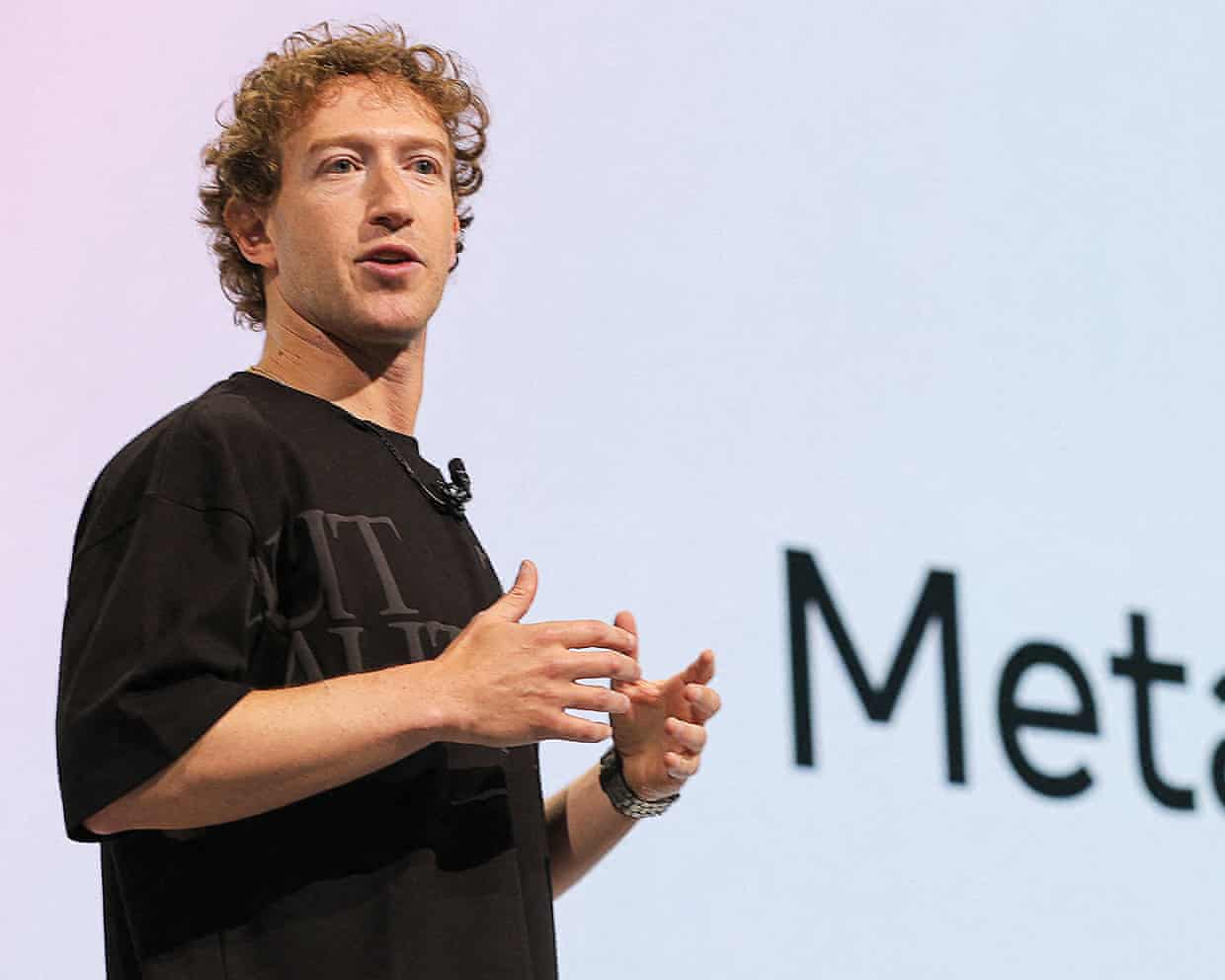
If you are one of Meta’s almost 79,000 employees and cannot get hold of the boss, do not worry. The owner of Facebook and Instagram is reportedly working on an AI version of Mark Zuckerberg who can answer all your queries.The AI clone of Zuckerberg, Meta’s founder and chief executive, is being trained on his mannerisms and tone as well as his public statements and thoughts on company strategy.The rationale behind the project, according to the Financial Times, is that employees could feel more connected to one of the most powerful people in Silicon Valley.The Meta chief has a history of creating and experimenting with digitalised versions of himself

Welcome to The Hotspot, our new newsletter on sport’s relationship with the climate crisis
We delve into the best stories on how sport is changing around the climate crisis, and what can be done to navigate a way forwardNelson Mandela said: “Sport can create hope where once there was only despair.” Too optimistic? In 2026, almost certainly. Sport is still a common language, uniting unlikely groups like an all-powerful Esperanto, but it is in trouble.The pitches we play on, rivers we swim, seas we surf, mountains we climb, parks we run in, air we breathe – all are being degraded by the burning of fossil fuels as the climate crisis turns the sporting landscape upside down.Which is why The Hotspot, the Guardian’s new fortnightly newsletter on sport and the climate crisis, is here

The Breakdown | Will Bath or anyone else stop the Bordeaux Bègles juggernaut in Europe?
Last week Northampton’s director of rugby, Phil Dowson, made an interesting comparison between boxing and rugby. He suggested there was a decent chance his side’s Champions Cup quarter-final against Bath would prove good viewing because of the clubs’ contrasting philosophies around how best to play the game. “Styles make fights” is a familiar ring mantra and the same is increasingly true in top-level rugby.On the one hand you had Northampton, all razor-sharp angles and dextrous hands. On the other was Bath, renowned for their knack of wearing their rivals down and then picking them off in the closing stages
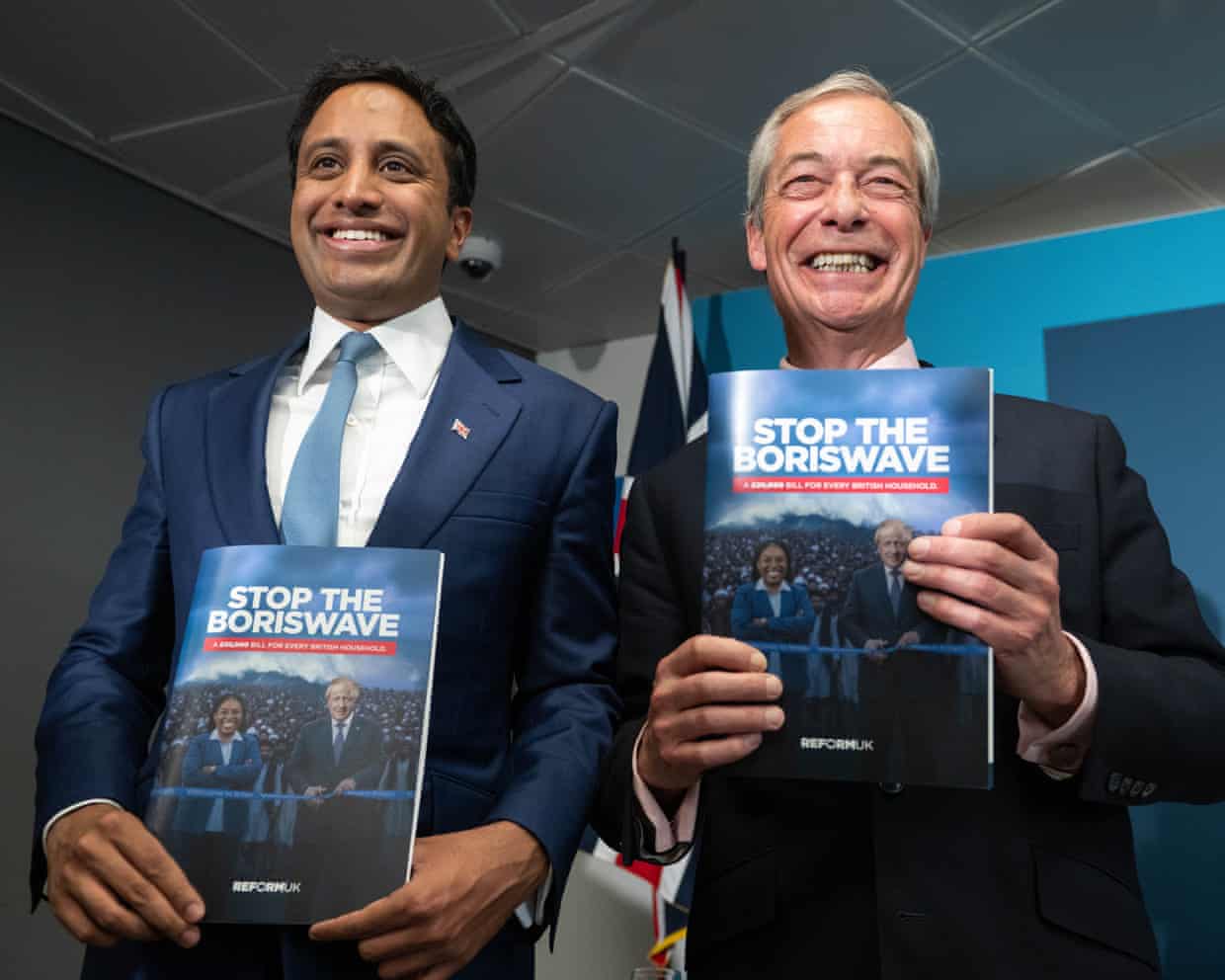
Nige and Zia set out plan to send ‘Boriswave’ traitors to the gulag | John Crace
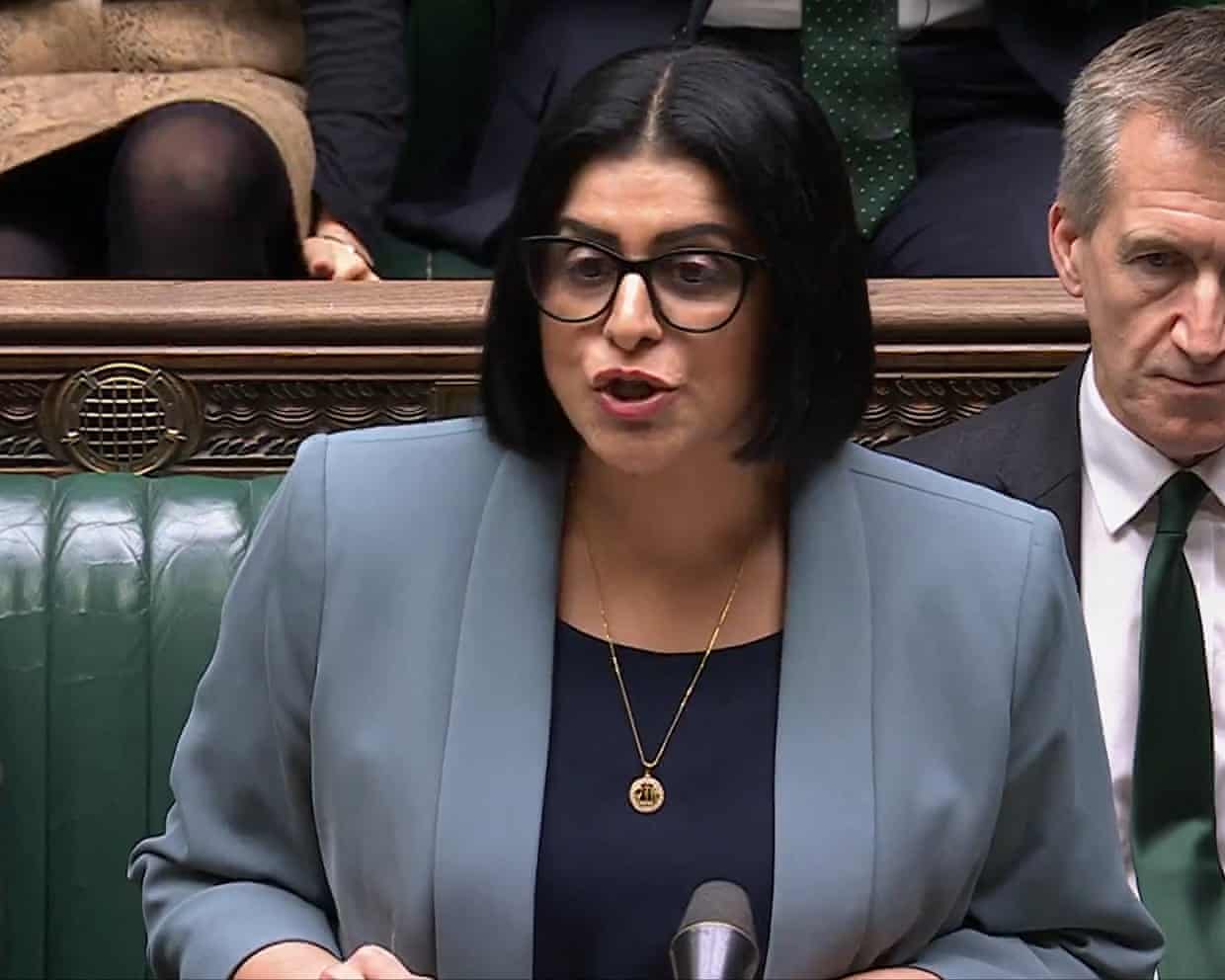
Shabana Mahmood says Southport inquiry report exposed ‘systematic failures across multiple public sector organisations’ – UK politics live
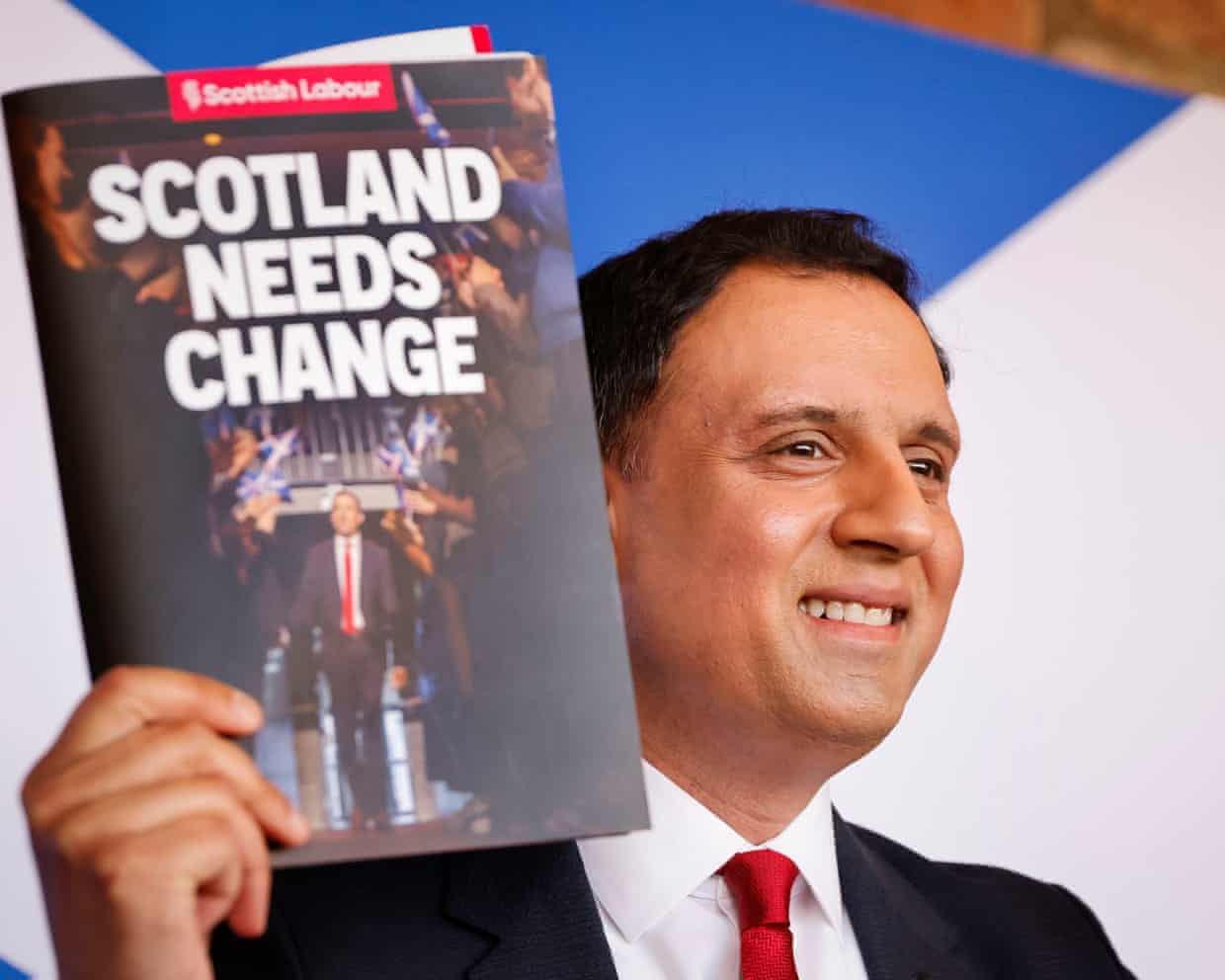
Anas Sarwar asks voters in Scotland to give Labour five years to ‘fix SNP’s mess’

What is the new EU bill and could it give UK ministers Henry VIII-type powers?

UK will not join any Trump blockade of strait of Hormuz
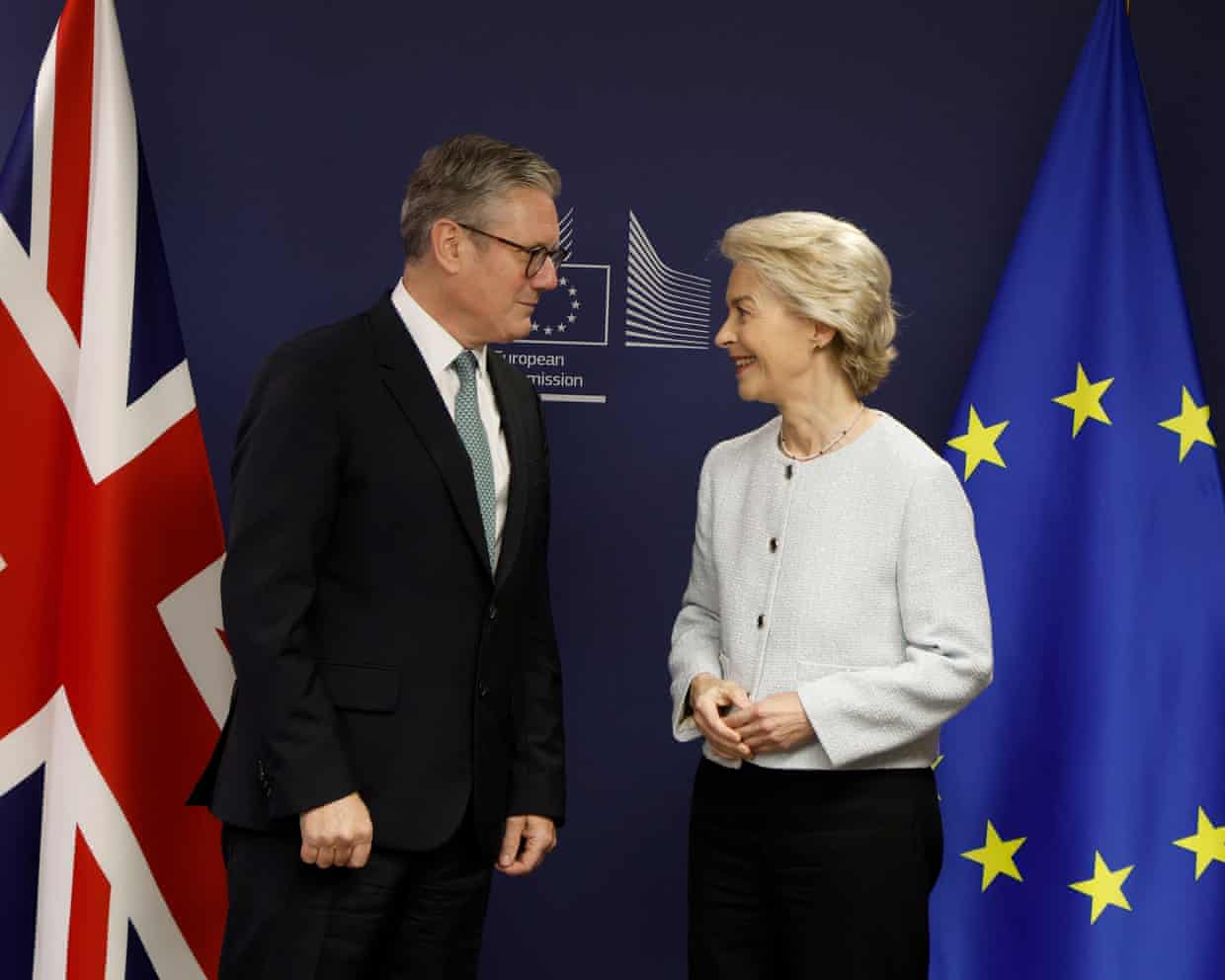
Britain could adopt single market rules without MPs’ vote as part of UK-EU reset