Keeping it simple was always the answer for John Lewis | Nils Pratley

It turns out, the remedy for the John Lewis partnership’s post-Covid woes of a few years ago did not lie in seeking outside capital or building 10,000 buy-to-rent flats.Rather, the solution was the old-fashioned one of cutting costs and concentrating on basic shopkeeping.As it happens, the wild idea of seeking external investors was virtually dead the moment it was loosely aired, such was the uproar among customers and staff about the threat to the 100%-employee owned model.But the home-building adventure did get going until it was ditched by the newish chair, Jason Tarry, a couple of weeks ago.He accepted, in effect, a point that should have been obvious at the outset: if the building assumptions relied on interest rates remaining at near-zero for years, the project would not survive contact with events.
The plainer parts of the turnaround plan seem to be working.Profits of £134m for the past year, up 6%, are nobody’s idea of a triumph since they’re miles away from what was achieved in the old days, but they were enough for a 2% bonus for partners.It may be at the tokenistic end, but it is a signal of some level of confidence after three years of no extra rations.The important figure for the business as a whole was operating cashflow of £595m, up 63%.That will banish any lingering worries about the health of the balance sheet and provide enough financial freedom to keep the group on the virtuous path of investing in both the department stores and Waitrose.
It has been made possible because, first, the department store portfolio was given a necessary prune (despite howls of protest from affected local shoppers) under the former boss Dame Sharon White, taking the estate down to just 34 John Lewises.And the second factor is firmly in “keep it simple” operational territory: basic stuff like rejigging working hours to ensure more partners are in stores at peak times, and overhauling the IT systems.Current productivity efforts include electronic shelf labels at the supermarkets and finding efficiencies in the supply chain via, for example, a new distribution facility in Bristol to serve Waitroses in the south-west of England.None of it is original or pioneering but it is how a business with overall turnover of £13.4bn regains an edge in an age of fewer competitors on the high street and more online.
White’s target of generating 40% of profits from non-retailing activities was abandoned before she left and the end of the build-to-rent distraction has prompted questions over the future of the John Lewis Money financial services business.In reality, it’s surely safe: Tarry’s description of it as “a core enabler of our retail strategy” implies it lies somewhere between a credit card operation and a loyalty tool.Besides, many retailers, including all-conquering Next, are in the credit card game.In the partnership’s case, it is adding an insurance offer.The next logical move is a proper loyalty card for the whole John Lewis empire.
Free coffees at Waitrose don’t cut it,A “cautious” trading outlook (inevitable, given what could happen to inflation) means the intended “multi-year transformation” does indeed have multiple years of operational grind to go,But the partnership should get there eventually,
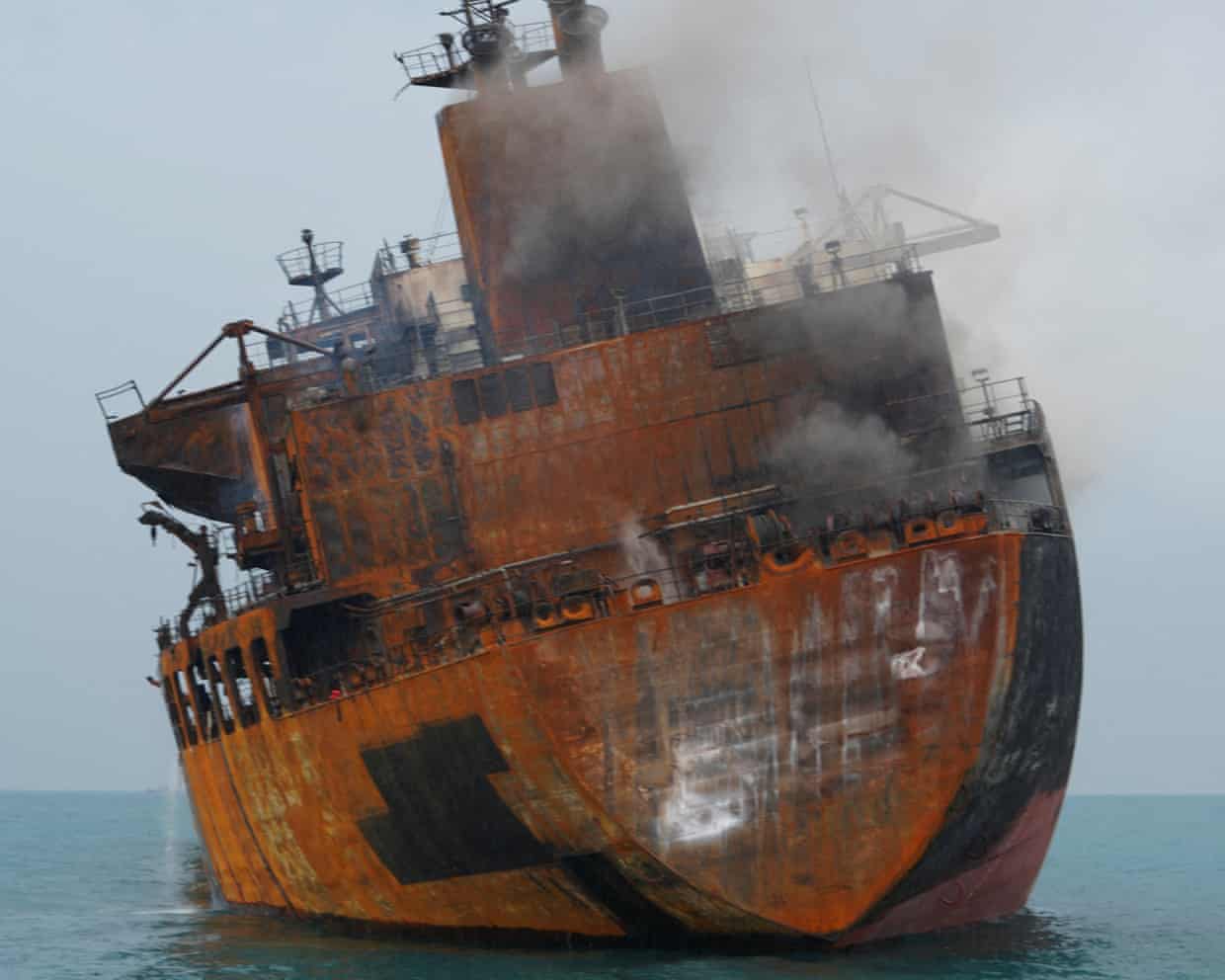
Middle East war creating ‘largest supply disruption in the history of oil markets’
Oil markets are facing the “largest supply disruption in history” as the war in Iran continues to block tankers from shipping millions of barrels of crude each day, the world energy watchdog has warned.The International Energy Agency (IEA) said the supply shock ignited by Iran’s effective blockade of the strait of Hormuz meant the world faced a deeper crisis than after the Yom Kippur war of 1973 and the 2022 outbreak of war in Ukraine.The warning came as Iran issued a statement that was said to be the first from its new supreme leader, Mojtaba Khamenei, to call for the vital trade artery to “remain closed”, in a blow to hopes of a resolution to the crisis.In response, global oil prices passed $100 (£75) a barrel on Thursday as widespread Iranian attacks on energy facilities in the Middle East overshadowed a vast release of government reserves.In an attempt to calm concerns over oil supplies, the IEA ordered the largest release of government reserves in its history on Wednesday, when its 32 members unanimously agreed to release 400m barrels of emergency crude

Antibiotics need coordinated G7 investment | Letter
Recent coverage of the pipeline of new antibiotics (Pipeline of new drugs to fight superbugs is ‘worryingly thin’, experts warn, 11 March) is a timely reminder that antimicrobial resistance is one our most urgent health crises. The reason the pipeline is so thin is a fundamental market failure.One of the most logical ways to protect antibiotics is to limit their use to the most essential cases, but this means fewer antibiotics sold. If revenues are limited, companies have less incentive to invest in developing and manufacturing new antibiotics. This is where policy intervention is crucial

UK regulator examines IT glitch that enabled bank customers to see others’ accounts on app
The UK information regulator is examining an IT glitch that enabled some customers of Lloyds, Halifax and Bank of Scotland to see other users’ transactions when they logged into their banking app.The Information Commissioner’s Office (ICO) said it was “aware of an incident affecting some online banking services” and that it would make inquiries.Worried bank customers posted on social media they feared they had been hacked when they checked their account and were greeted with the details of other people’s finances, including cash withdrawals and benefits payments.In a Facebook post, the consumer champion Martin Lewis said people had been messaging about “being shown other people’s transactions”.In response, the founder of MoneySavingExpert was inundated with close to 2,000 comments from worried bank customers

Middle East war creating ‘largest supply disruption in the history of oil markets’, as Brent crude hits $100 again – as it happened
Time to recapOil prices have jumped again after a statement from Iran’s new leader said the crucial Strait of Hormuz should remain closed.Brent crude has climbed by 10% to over $101 a barrel, on track to end the day over the hundred dollar a barrel mark for the first time in the crisis.US crude is also up 10% at $96.55 a barrel.Crude prices jumped after Iran’s supreme leader, Ayatollah Mojtaba Khamenei apparently called for national unity and said that all US bases in the region should close or face attacks
John Lewis pays first annual staff bonus in four years as profits rise
The owner of John Lewis and Waitrose has paid an annual bonus to workers for the first time in four years after underlying profits rose by 6%.The retail group’s 69,000 employees – which it calls partners – will share £35m, the equivalent of 2% of salary, after it recorded an increase in sales and profits. The payout amounts to about one extra week of pay.Sales at the John Lewis Partnership rose 5% to £13.4bn and profits increased to £134m in the year to 31 January, slightly behind expectations in what the chair, Jason Tarry, called “a subdued market”

Welsh Water to pay £44.7m after ‘unacceptable’ sewage works failings
Welsh Water is to pay a proposed £44.7m after the industry regulator found “serious and unacceptable” breaches in the supplier’s sewage and network services.The water authority for England and Wales, Ofwat, said the non-profit Dŵr Cymru, or Welsh Water, failed to properly operate, maintain and upgrade its wastewater network to ensure it could cope with levels of sewage.Ofwat also found the company also did not have “adequate processes in place or oversight by senior bosses”.The planned enforcement package will include £40
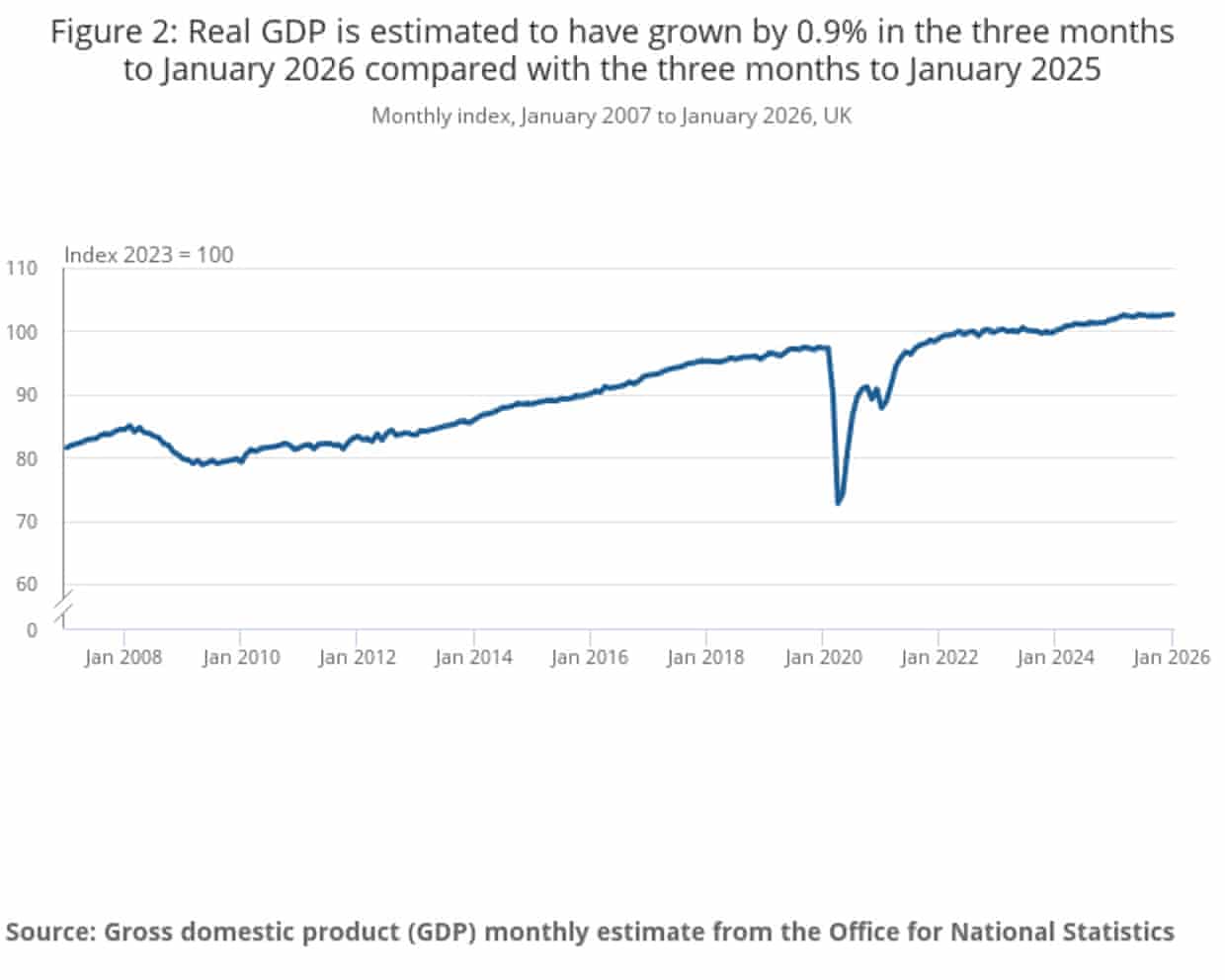
UK stagnated in January in ‘worrying start’ to 2026, as economy faces disruption from Iran war – business live

UK economy unexpectedly flatlined in January, official figures show

AI toys for young children must be more tightly regulated, say reseachers
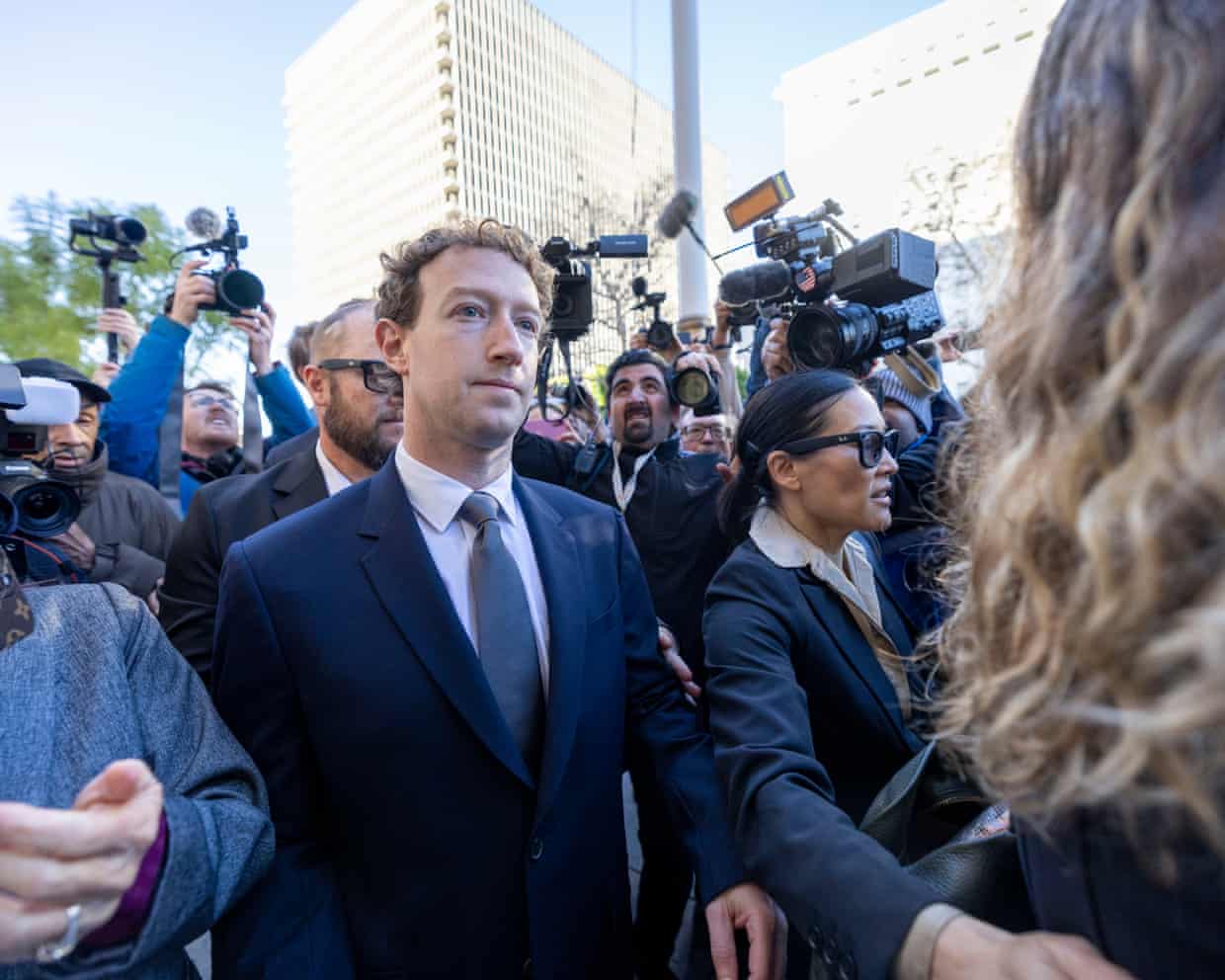
‘IG is a drug’: jury to deliberate as US trial over social media addiction wraps up

‘She is our hero’: Oakland celebrates Alysa Liu after Olympics triumph
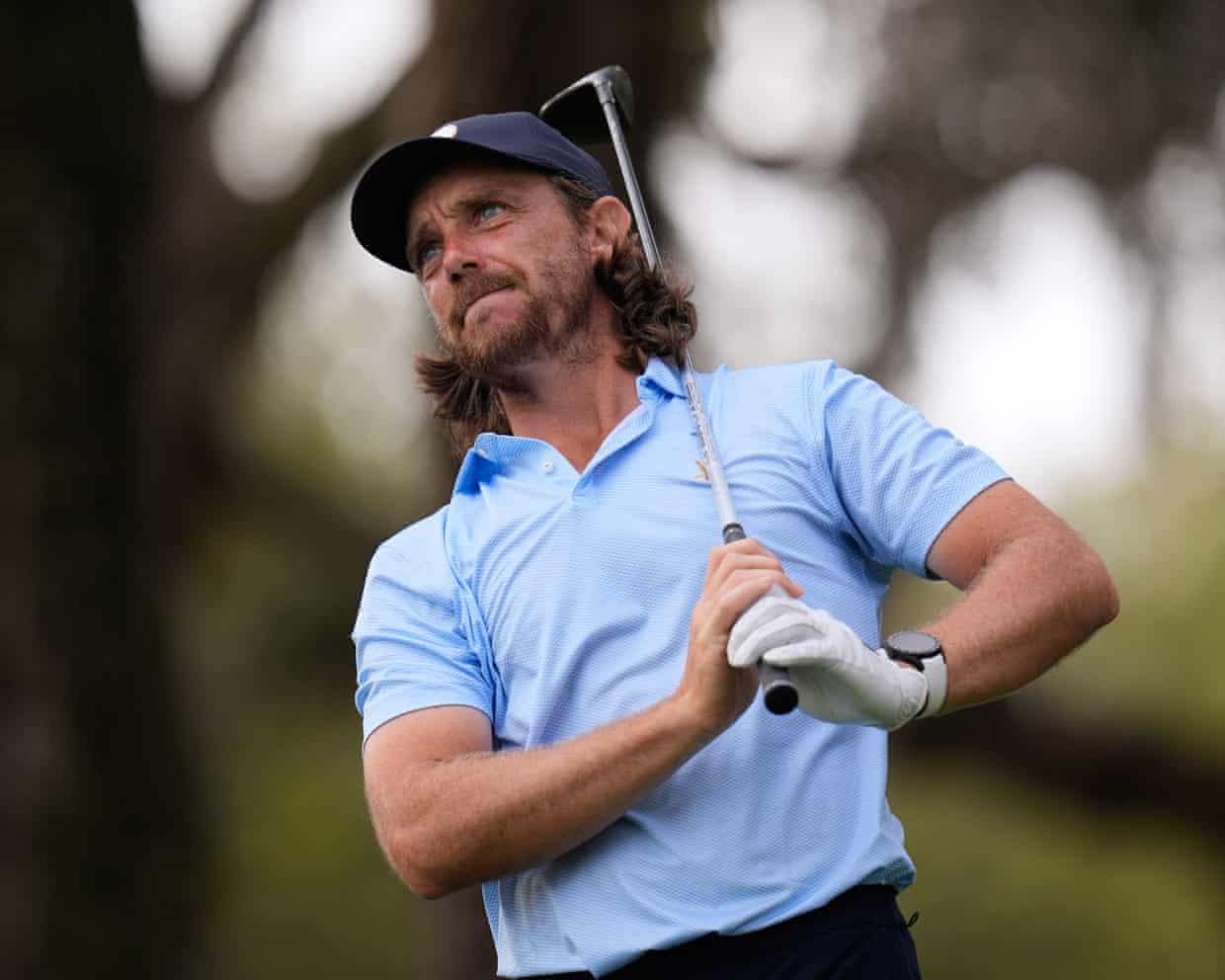
Tommy Fleetwood relieved as family able to leave Dubai for UK amid conflict