UK stagnated in January in ‘worrying start’ to 2026, as economy faces disruption from Iran war – business live
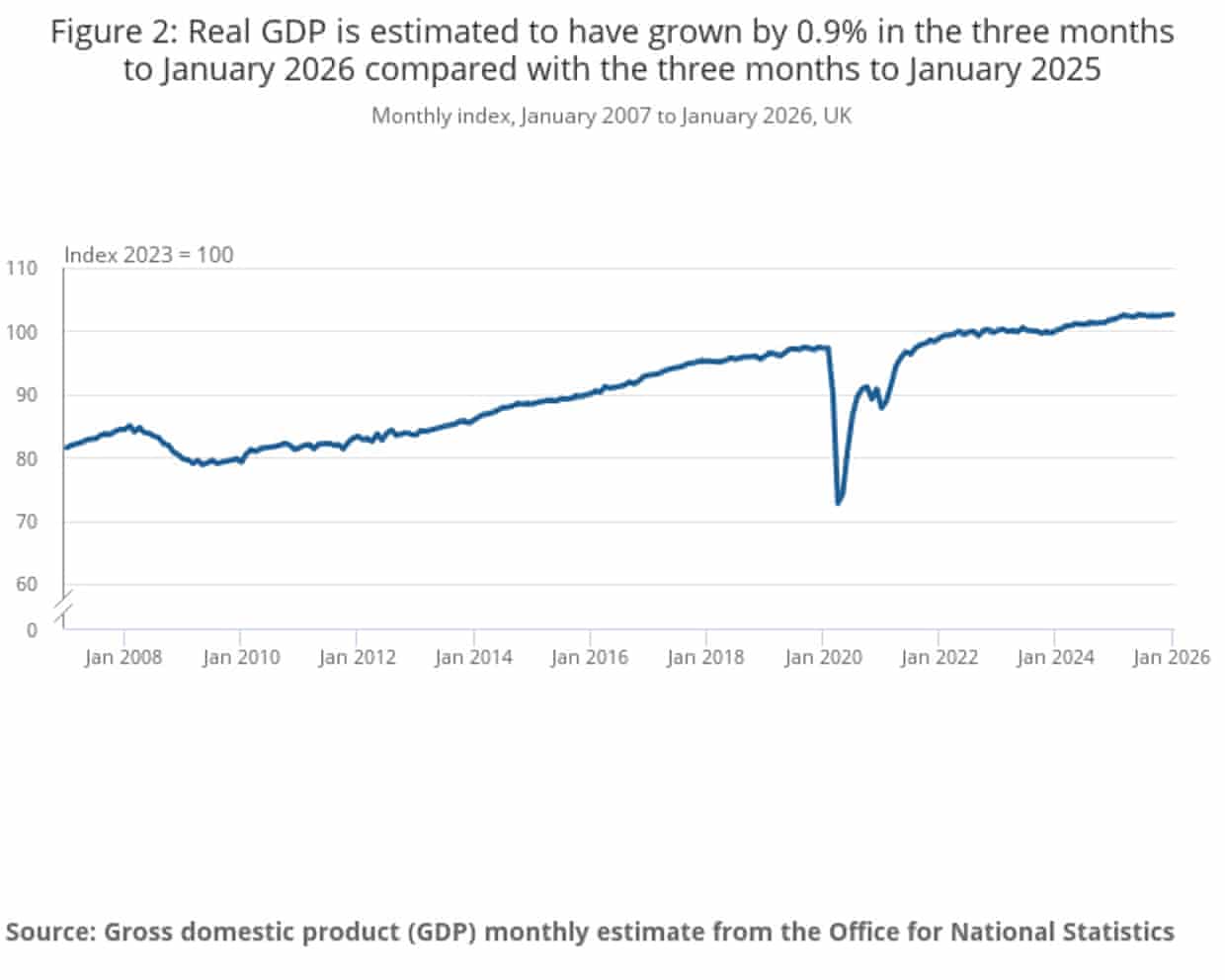
Newflash: The UK economy stagnated in January, stumbling even before the Iranian war drove up energy prices.The Office for National Statistics reports that UK GDP was unchanged in January, dashing hopes of 0.2% growth.It says that in January:Monthly GDP showed no growth, following growths of 0.1% in December and 0.
2% in November 2025.Services showed no growth, production fell by 0.1%, and construction grew by 0.2% in January 2026.That suggests the economy was weaker than thought even before the threat of an energy price shock.
Brent crude oil is still trading over $100 a barrel this morning, having climbed since the Iran war started almost two weeks ago.The Iran war is a “growing downside risk” to the UK economy, warns Andrew Hunter, associate director and senior economist at Moody’s Analytics:double quotation mark“The latest monthly GDP data suggest that the U.K.economy was continuing to struggle at the start of the year, with GDP experiencing no growth in January after only marginal gains in previous months.The improvement in the PMI surveys suggests growth should pick up over the coming months and we expect growth over the first quarter as a whole to be slightly stronger, but there is a growing downside risk that the conflict in the Middle East will drive a sharper rise in inflation and deal a renewed blow to consumer and business confidence.
”The lack of growth in January suggests that Rachel Reeves’s autumn budget has not given the economy a brisk pick-me-up.There had also been hopes for a ‘stability dividend’ after the chancellor’s news-lite spring forecast thi smonth, this seems unlikely too – with the Iran war now threatening the economy.Raj Badiani, economics director at S&P Global Market Intelligence, says:double quotation mark“GDP growth strengthened moderately in the three months to January when compared to the previous three months, led by improving services output, released from the uncertainty that accompanied the 2025 Autumn Budget.However, the outlook has darkened with the hoped for “stability dividend” from a low-key Spring Statement unlikely to materialise.Furthermore, the economy is vulnerable to a growth downgrade for this year because of the war in the Middle East and the resulting spike in energy costs.
“We had previously assumed that economic conditions would improve in the second half of this year but the prospect of higher energy bills, a renewed rise in inflation and a pause in monetary policy easing are likely to hit business and consumer activity,A key risk is that households, fearful of a prolonged spike in energy costs, raise their precautionary saving,Today’s GDP report shows the UK economy entered the energy crisis with no momentum, warns Thomas Pugh, chief economist at audit, tax and consulting firm RSM UK,Pugh explains:double quotation mark“Zero growth in January highlights just how little momentum the economy had coming into the energy crisis,That makes it more likely that growth will dip sharply below 1% this year, even if there is a swift resolution to the crisis.
“Stagnation in January would make us worried about growth this year, even without the energy price shock that will start to show up in the March data.Indeed, the big improvement in survey data at the start of the year doesn’t seem to have carried over into stronger activity.Improved retail sales were offset by a sharp drop in hospitality activity, suggesting consumers are still cautious.And the moribund employment and housing market clearly showed up in a 5.7% drop in employment activities, and a 3.
9% drop in leasing activities,We had been expecting both these factors to improve over the rest of the year, but the sharp rise in borrowing costs and uncertainty makes that unlikely now,The UK’s failure to grow in January is a “worrying start” to 2026, reports Fergus Jimenez-England, associate economist at the National Institute of Economic and Social Research (NIESR),Jimenez-England says:double quotation mark“GDP did not grow in January, despite surveys pointing to a revival in business sentiment early in the New Year,Services stagnated while production entered its second month of contraction.
This is a worrying start to the quarter, given that the early-year improvement in business confidence is likely to be short-lived as global disruption linked to the Iran War hits the UK economy.We expect the impact on growth in the first quarter to be limited, but if energy prices remain elevated for the rest of the year it could reduce GDP growth by around 0.2 percentage points in 2026.”Chancellor of the Exchequer Rachel Reeves has responded to this morning’s GDP report, saying:double quotation mark“Our economic plan is the right one, but I know there is more to do.In an uncertain world, we are building a stronger and more secure economy by cutting the cost of living, cutting national debt and creating the conditions for growth to make all parts of the country better off.
”There was also a worrying decline in recruitment activity in January,The ONS report there was a 5,7% fall in employment activities during the month – suggesting a decline in hiring by UK businesses at the start of this year,The fall in employment activities was the largest negative contribution from a single industry to both services output and real GDP growth in January,Many employment groups have blamed the government’s decision to increase employer national insurance contributions, and the minimum wage, for hitting recruitment.
It might even be a sign that artificial intelligence is now hitting the recruitment market, wiping out some job opportunities….A slump in the property sector hurt the economy over the three months to January.The ONS reports that there was a 7.1% drop in “real estate activities on a fee or contract basis” over the quarter.On an annual basis, UK GDP is estimated to be 0.
8% higher in January 2026, compared with January 2025.That’s quite a poor performance in historic terms.Over the three months to January, the UK economy grew by 0.2%, up from growth of 0.1% in the three months to December.
That’s partly because activity picked up at JLR’s car factories, after a damaging cyber attack that halted production last September.ONS director of economic statistics, Liz McKeown, says: double quotation mark“Growth ticked up slightly in the latest three months, partly reflecting the recovery of car manufacturing, following the cyber incident in the Autumn.Within services, which also increased, wholesale continued to rebound from a weak summer.However, the overall picture remains subdued, with no growth in the latest month.“There was another large fall in the construction industry in the latest three months, with continued contraction in housebuilding.
”Newflash: The UK economy stagnated in January, stumbling even before the Iranian war drove up energy prices.The Office for National Statistics reports that UK GDP was unchanged in January, dashing hopes of 0.2% growth.It says that in January:Monthly GDP showed no growth, following growths of 0.1% in December and 0.
2% in November 2025.Services showed no growth, production fell by 0.1%, and construction grew by 0.2% in January 2026.That suggests the economy was weaker than thought even before the threat of an energy price shock.
Brent crude oil is still trading over $100 a barrel this morning, having climbed since the Iran war started almost two weeks ago.Good morning, and welcome to our rolling coverage of business, the financial markets, and the world economy.A lot has changed since January – with conflict in the Middle East driving oil prices to $100 a barrel, disrupting supply chains and fuelling stagflation fears.So the latest gauge of the health of the British economy may be out of date even before it is delivered to us this morning.The latest UK GDP report, due at 7am, is expected to show a pick-up in growth in the first month of 2026.
Economists predict the economy will have grown by 0,2% in the month, up from 0,1% in December,In more normal times, Rachel Reeves would be able to trumpet this as a sign that the recovery was gaining ground,But fears of an energy price shock means ministers should temper any enthusiasm.
Sanjay Raja, Deutsche Bank’s chief UK economist, explains:double quotation markAfter a disappointing end to the year, we expect the economy to jump to a flying start in Q1-26.Indeed, activity data has thus far been encouraging.And we expect some catch up in the first couple of months of the year, after a weak Q4-25.The upcoming GDP report won’t be front and centre for markets, however.Events in the Middle East continue to overshadow lagged data.
The unfolding energy shock will have important implications for inflation and thus real disposable incomes,Some signs of stabilisation in the labour market now look fragile,The path for interest rate cuts is now also in doubt,In short, uncertainty has picked up yet again,Growth risks are now almost single-handedly skewed to the downside - with inflation risks skewed to the upside.
7am GMT: UK GDP report for January7am GMT: UK trade report for January10am GMT: Eurozone industrial production report for January12.30pm GMT: US PCE inflation measure2pm GMT: US JOLTs Job Openings report2pm GMT: University of Michigan’s survey of US consumer confidence

‘Highly problematic behavior’: Noma residency in LA starts with PR crisis
It was always going to be an indulgence for René Redzepi, the Danish-Albanian chef of Noma fame, to bring his exacting, innovative vision of haute cuisine to Los Angeles and spend several weeks tickling the palates of well-heeled diners at a hilltop estate once dubbed “the most beautiful home in Hollywood”.The Guardian’s journalism is independent. We will earn a commission if you buy something through an affiliate link. Learn more.The timing has certainly been unfortunate, since the US is now fighting a destabilizing war in the Middle East and food prices are climbing so steeply that many ordinary Americans can no longer afford to eat at McDonald’s, much less contemplate the counterintuitive delights of tacinga cactus, bougainvillea petals, mealworms and giant tuna eyes

Before sunrise: while Sydney sleeps, suhoor meals attract a lively social scene during Ramadan
Suhoor – the pre-dawn meal – is typically shared at home. But in Sydney customers also queue outside food trucks, restaurants and cafes with extended trading hoursIt’s just after midnight in an industrial courtyard in Auburn in Sydney’s west and a glow of string lights and the constant sizzle of a grill signal one of Ramadan’s newest late-night rituals. A food truck specialising in halal steak sandwiches has attracted a small crowd and a queue begins to form.The rest of the city is largely asleep but here the courtyard hums with life as young Muslims arrive in waves after evening taraweeh prayers, chatting and checking their phones as the clock edges closer to suhoor – the pre-dawn meal eaten during Ramadan before the day’s fast begins.Inside The Meat Up, a Lebanese husband-and-wife duo move quickly over the grill
How to use up limp herbs in a flavoured butter – recipe | Waste not
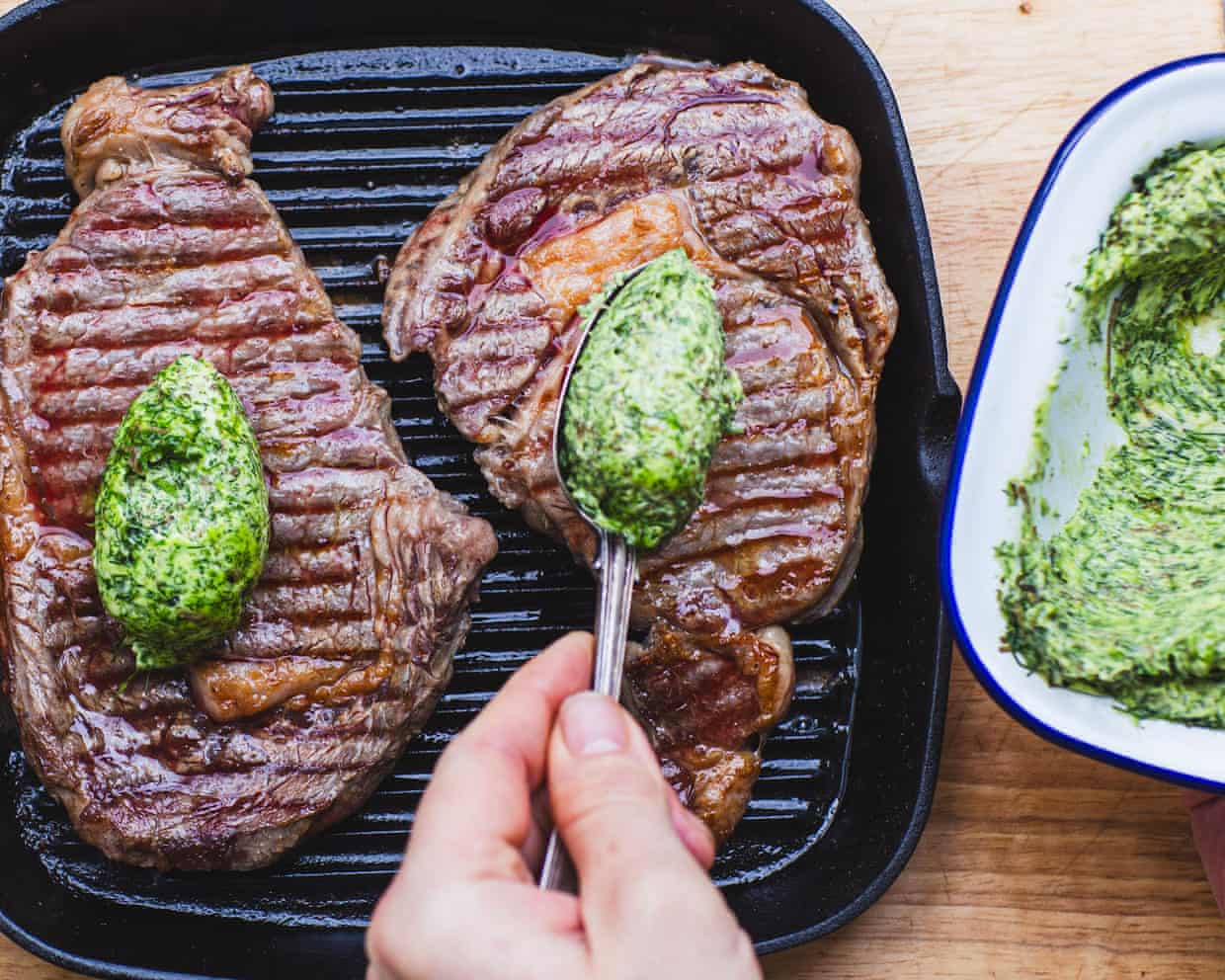
Compound butter is simply butter that’s been mixed with flavourings, both sweet and savoury, and is a tasty and easy way to give a small bunch of tired herbs new life. It can be melted over vegetables, stirred through pasta, grains or pulses, basted over meat or fish, spread on toast, or frozen in slices to use a little at a time. Think of this less as a recipe and more as a framework: taste as you go and decide whether you want something bold and explosive or a more gentle experience.Long before the TikTok revival, compound butter was something most home cooks admired on restaurant plates rather than made themselves. But it’s a really simple way to save a few tired herbs and give a meal a welcome boost, adding both serious flavour and visual impact
Chicken wings and soup: Helen Graves’ spring onion recipes
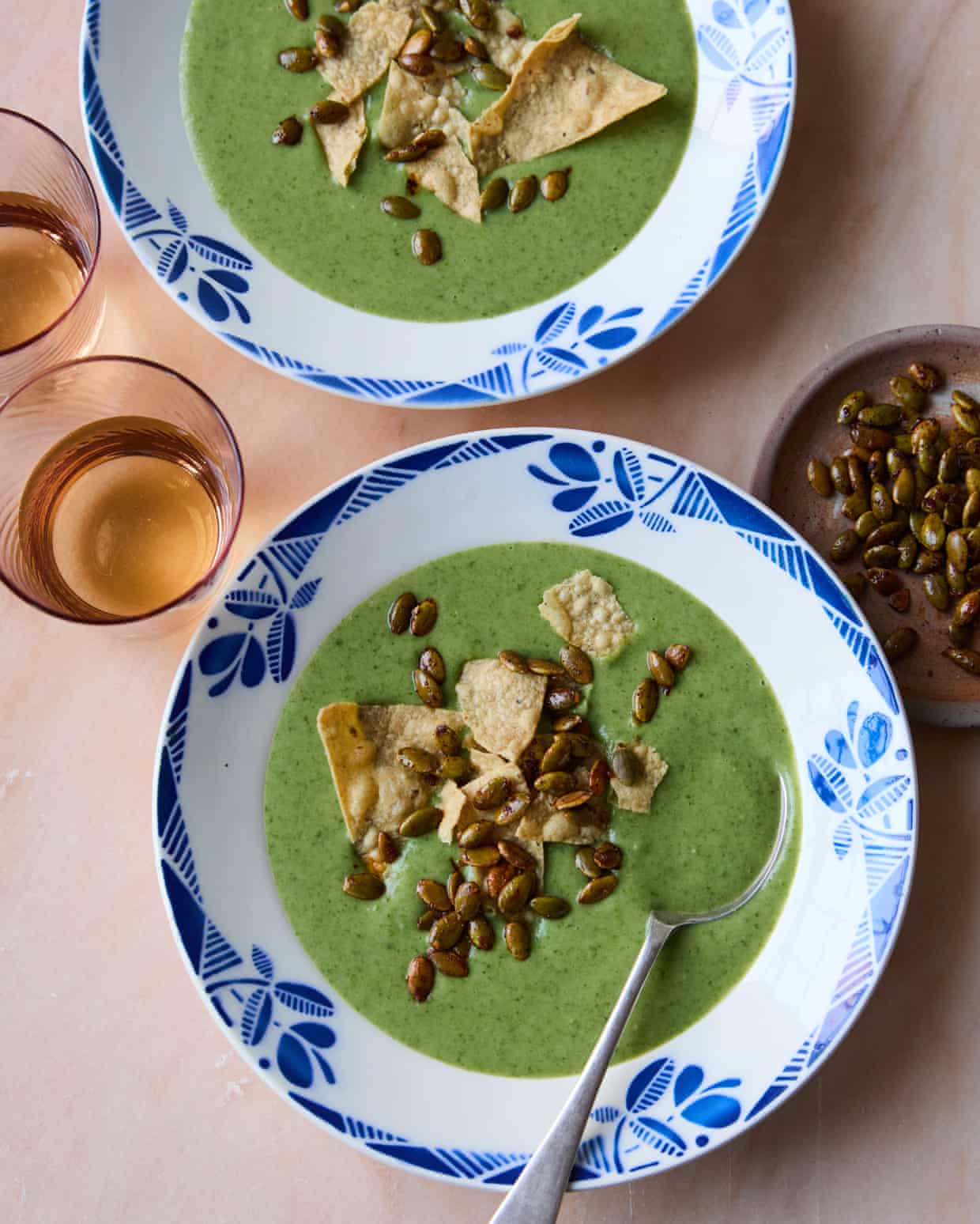
March is a tricky pin in the seasonal calendar, with energising winter citrus fading and spring’s stars yet to emerge. It’s a time when I find pleasure in reappraising ingredients that are routinely overlooked. Spring onions, say, which are often considered a garnish, but which are good for so much more. Their contrasting colourway is a clue to their varying intensity, with the white roots holding pungency and the greens more akin to especially bolshie chives. Today’s recipes harness the properties of both, bridging the gap between the current need for comfort and the warmer weather ahead

Chefs the world over strive for a perfect score from Rate My Chives. Could I achieve one at home?
My goal: a perfect 10 from Rate My Chives, the ‘number one authority on chives worldwide’. Why is this so hard?Get our weekend culture and lifestyle emailChopping chives, I notice my weak wrists for the first time. My knife is connected to my hand which is connected to my wrist, which is flopping about like an overcooked piece of asparagus.“You’ve got to keep them more sturdy,” says chef Trisha Greentree. “Lock in that line
What’s the secret to crisp-skinned fish? | Kitchen aide
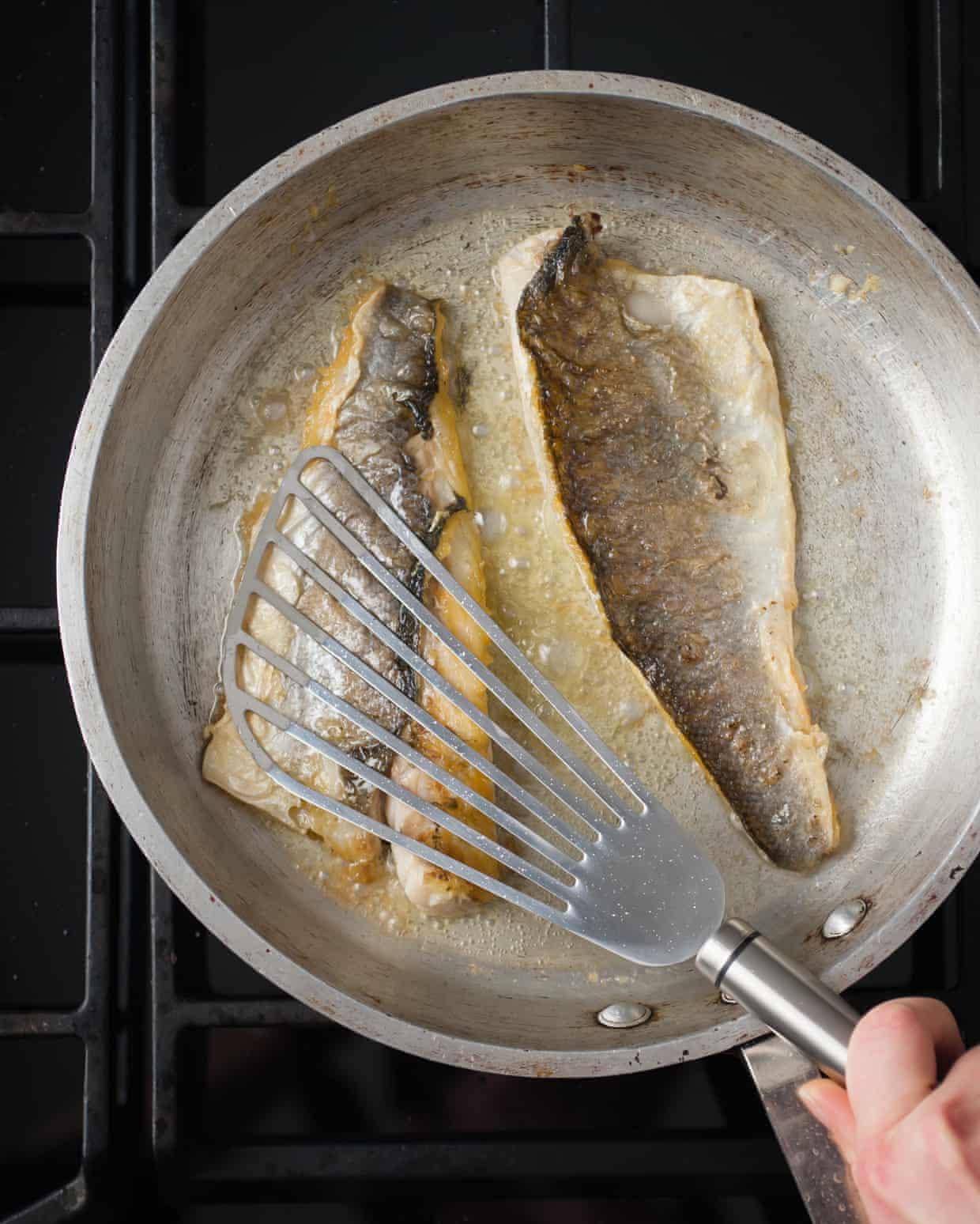
When I fry fish, the skin never goes crisp, and instead either sticks, rips or goes limp. What am I doing wrong?Emily, by email “The secret to perfectly crisp fish skin is heat,” says Mitch Tonks, founder of Rockfish in south-west England. Well, heat plus a little bit of prep. Fish are, of course, moist things, and moisture is the enemy in the quest for that golden-brown crust, so the first thing Emily is going to need to do is dry that skin out. “If the fish has any moisture on it, it will create steam while it’s being cooked, which, in turn, will make the skin go soggy and inedible, rather than crisp and delicious,” says British fish guru Nathan Outlaw, whose latest book, On Fish: A Seafood Handbook, is published next month
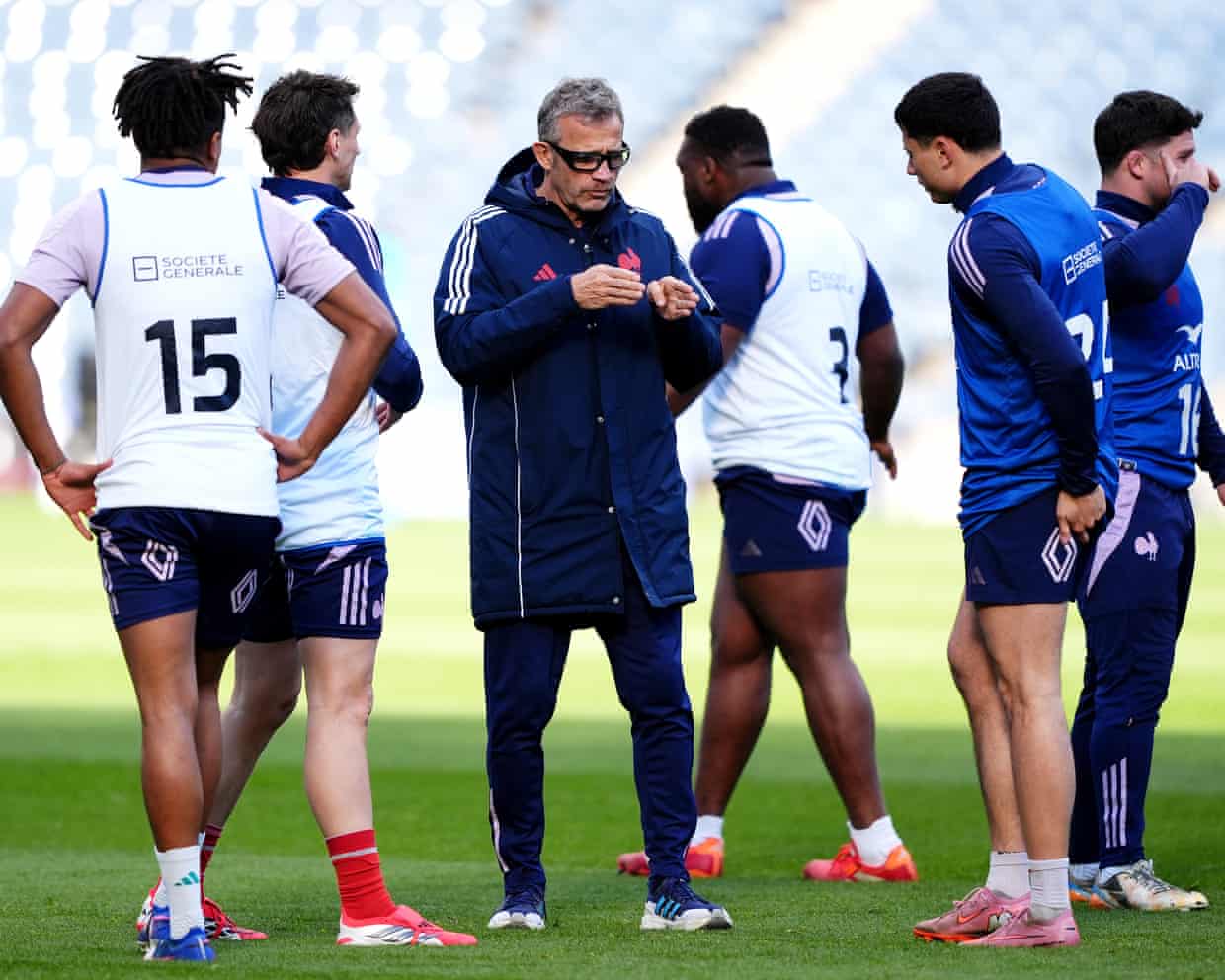
‘Wherefore art thou?’: France look to restore identity with outing to Romeo and Juliet
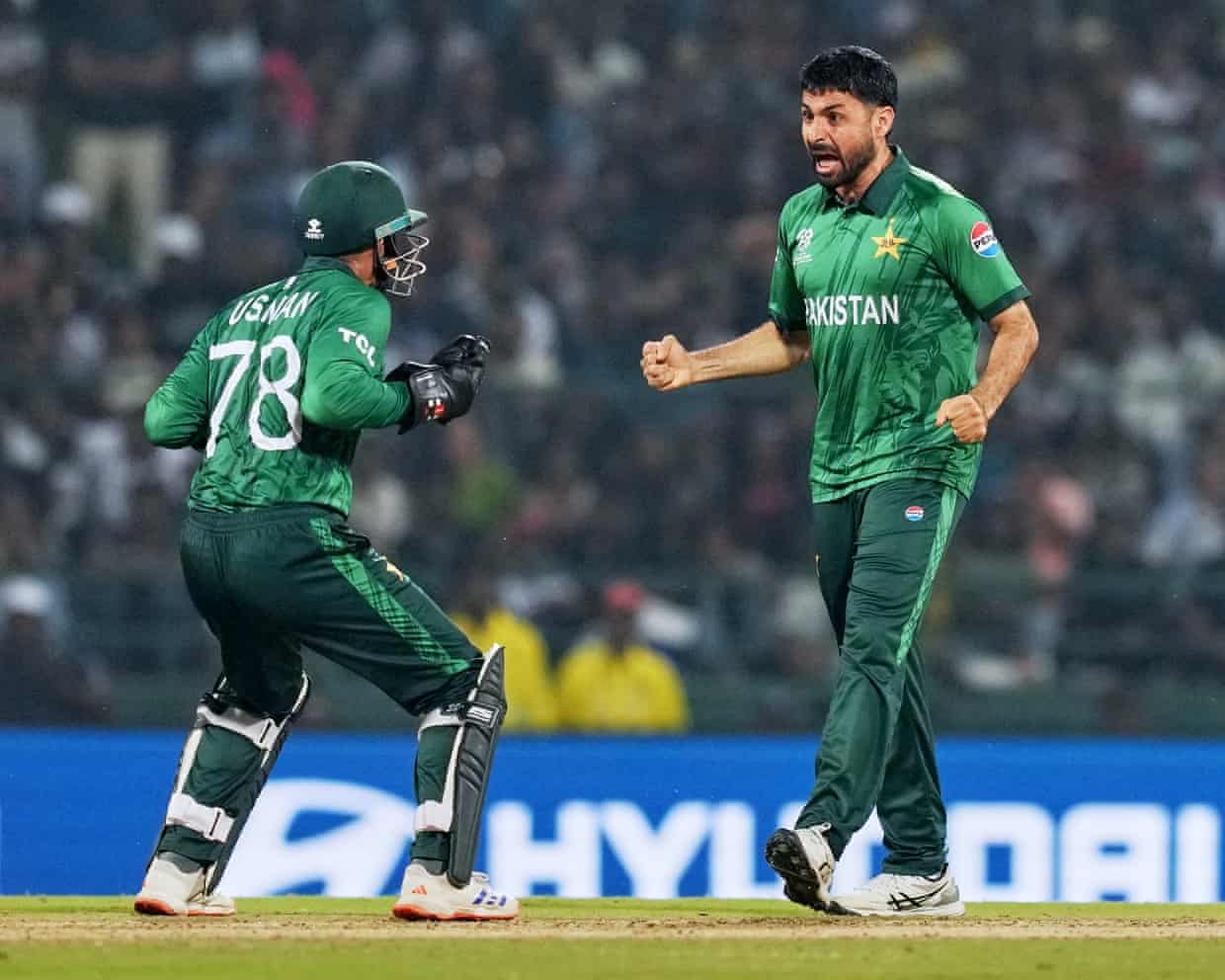
Pakistan’s Abrar signed by IPL-linked team at Hundred men’s auction – as it happened
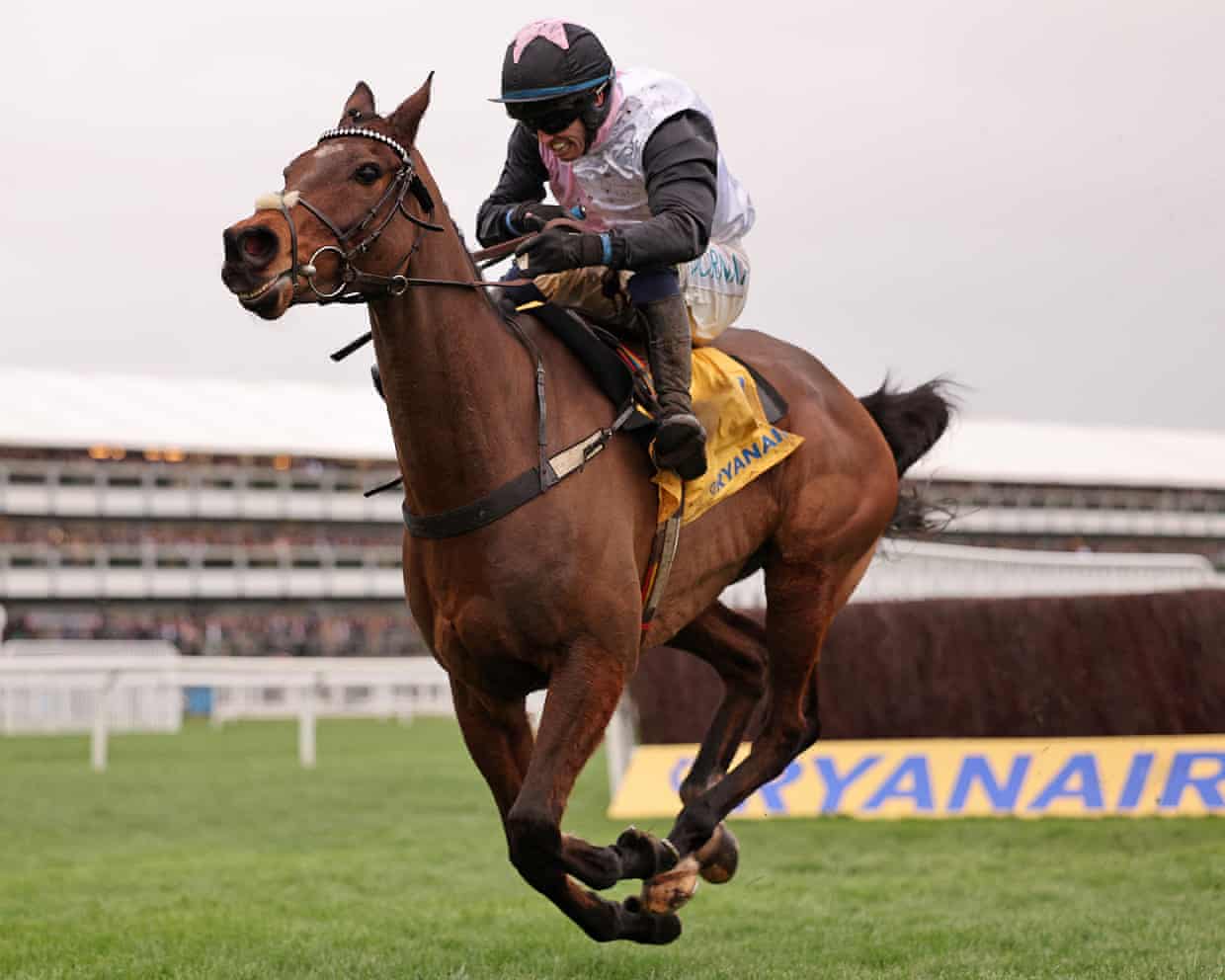
Cheltenham festival day three: Home By the Lee and Heart Wood win big races – as it happened
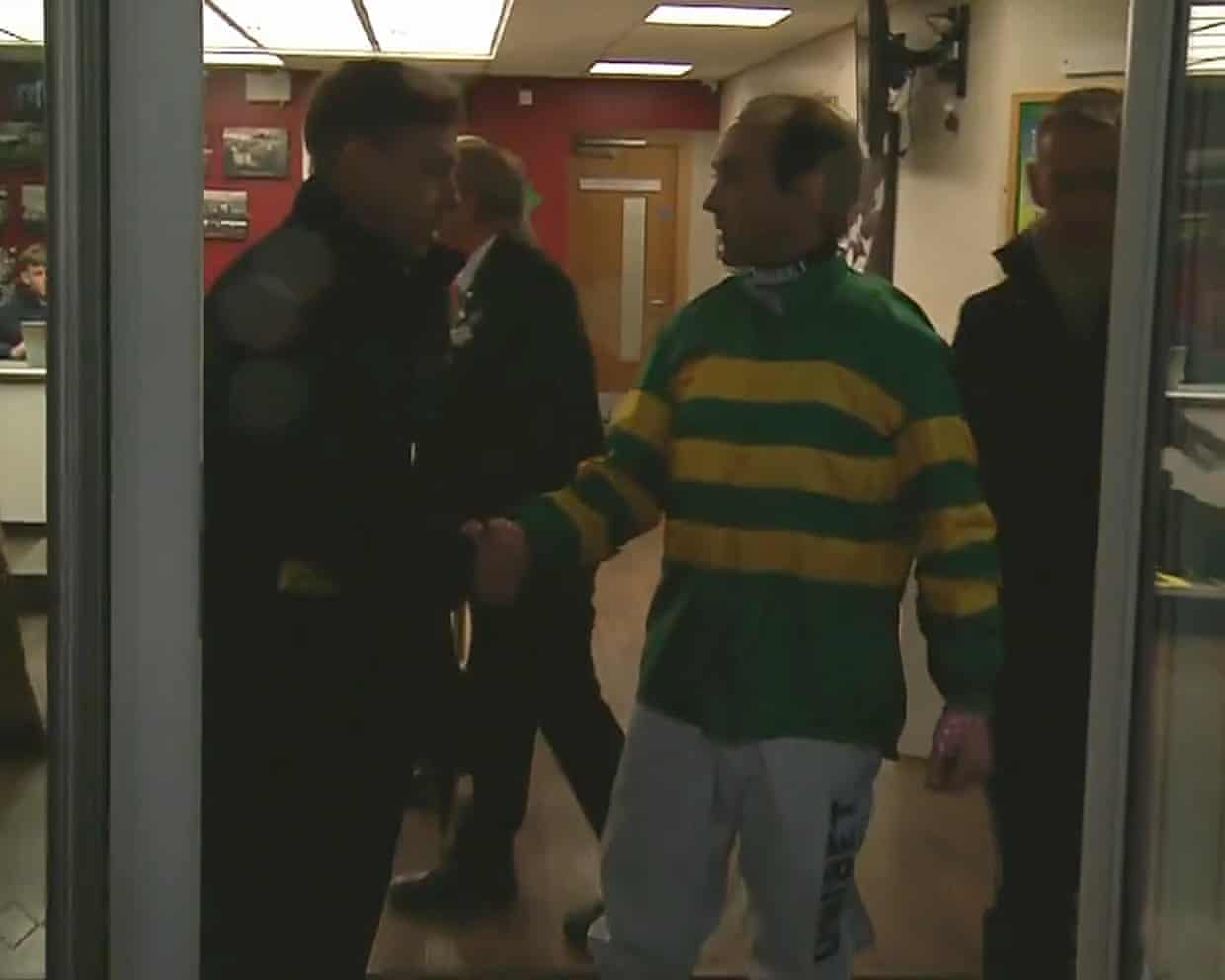
Cheltenham jockeys in alleged racism row bid to bury hatchet but inquiry continues
Snow joke: Winter Paralympics athletes angry at scheduling as big thaw hits

Harry Redknapp dares to dream of Gold Cup glory with The Jukebox Man