‘IG is a drug’: jury to deliberate as US trial over social media addiction wraps up
The first-ever jury trial over the potential harms of social media wrapped up on Thursday.Lawyers for Meta and YouTube have argued their platforms are safe for the vast majority of young people, while lawyers for a young woman at the center of the case say the tech companies have designed their products to be addictive, leading to mental health issues in children and teens.“How did they become such behemoths?” Mark Lanier, a lawyer for the plaintiffs, said during closing arguments in Los Angeles superior court on Thursday, according to NBC.“It’s the attention economy.They’re making money off capturing your attention.
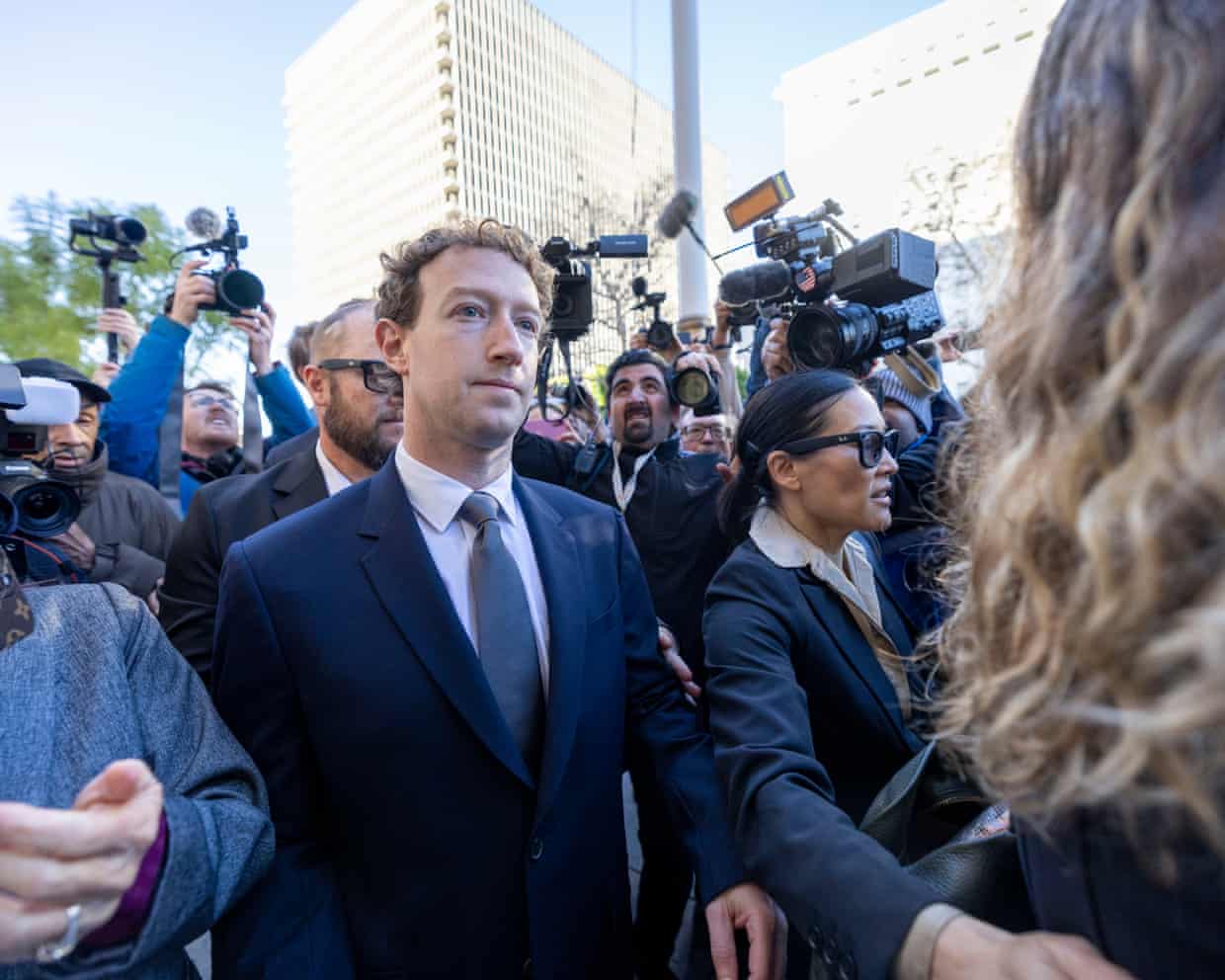
”The six-week trial has seen a parade of high-profile witnesses, including Meta chief executive Mark Zuckerberg, Instagram head Adam Mosseri and YouTube’s vice-president of engineering Cristos Goodrow,Jurors have also heard testimony from the lead plaintiff, a 20-year-old woman who goes by the initials KGM, her therapist, whistleblowers and expert witnesses on social media and addiction,If jurors rule in favor of KGM, the social media companies could face harsh financial penalties, which plaintiffs’ lawyers hope will lead them to change fundamental aspects of how their platforms function,In this case, the burden of proof is on the plaintiffs,The jury would need to find negligence and causation by YouTube and Meta before it could impose damages, so the outcome of the trial could take several different forms.
Deliberations are set to begin on Friday,KGM said she got hooked on YouTube starting at six and Instagram at nine,By the time she was 10, she said, she had become depressed and was engaging in self-harm as a result,The cycle of social media use caused her to have strained relationships with her family and in school, she testified,She said she had suicidal thoughts and began cutting herself as a “coping mechanism to deal with my depression”.
When she was 13, KGM’s therapist diagnosed her with body dysmorphic disorder and social phobia, which KGM attributes to her use of Instagram and YouTube.KGM’s lawyers say her experience is emblematic of what tens of thousands of young people have faced on social media and in their offline lives.Meta and YouTube deny wrongdoing.A YouTube spokesperson, José Castañeda, called the allegations in the lawsuits “simply not true” and said that providing young people with a “safer, healthier experience has always been core to our work”.A Meta spokesperson said in a statement that KGM’s mental health issues were brought on by a difficult home life, a key argument in the company’s case, saying she “has faced profound challenges, and we continue to recognize all she has endured.
The jury’s only task, however, is to decide if those struggles would have existed without Instagram.”This trial is the first in a consolidated group of cases brought against Meta, TikTok, YouTube and Snap on behalf of more than 1,600 plaintiffs, including more than 350 families and 250 school districts.TikTok and Snap settled the KGM lawsuit just before trial.KGM’s case is also the first of more than 20 “bellwether” trials, which are slated to go to court over the next couple of years and are used to gauge juries’ reactions as well as set legal precedent.The next bellwether case is scheduled to go to trial in July.
Online safety advocates, parents and the plaintiff lawyers say no matter how the jury decides they have already won.“Four years ago, when we started suing social media companies, nobody thought that we would ever get to this point,” said Matthew Bergman, founder of the Social Media Victims Law Center and an attorney representing the plaintiffs.“Win or lose the outcome of this trial, victims in the United States have won, because now we know that social media companies can and will be held accountable before a fair and impartial jury.”KGM’s lawyers allege some of the features that social media companies built into their platforms, such as an infinitely scrollable feed and video autoplay, are designed to keep people on the apps and create to their addictive quality.The lawyers also allege that “like” buttons feed into teens’ desire for validation and features such as beauty filters can distort young peoples’ self-image.
Troves of previously sealed documents came to light during KGM’s trial that showed some employees inside Instagram and YouTube considered the platforms either addictive or ineffective in their efforts to protect the wellbeing of young people,An internal document from YouTube in 2021 poses the question, “How are we measuring wellbeing?” and adds the response: “We’re not,” Another document details how kids under 13 are the fastest growing internet audience in the world and presents the opportunity of YouTube playing the digital babysitter to children as young as eight,One document reads: “[The] goal is not viewership, it’s viewer addiction,”Documents from Meta show that some employees questioned the company’s leadership over targeting of young audiences.
In an email from 2017, an employee writes to a colleague, “oh good, we’re going after <13 year olds now?”The colleague responds, “zuck has been talking about that for a while,” which prompts the first employee to say, “yeah it was gross the last time he mentioned it”,A separate email conversation between Meta employees in 2020 shows one person saying, “oh my gosh yall IG is a drug”,A colleague responds, “Lol, I mean, all social media,We’re basically pushers,”The dialog continues with the employees likening social media’s draw to being similar to gambling with “reward tolerance” getting so high that people “can’t feel reward anymore”.
The conversation concludes with an employee saying: “It’s kind of scary.”During the trial, Meta and YouTube’s lawyers denied that their platforms were addictive.YouTube’s counsel pointed to parental controls and internal statistics that showed the average person’s use of the video streaming platform usually lasts less than 30 minutes a day.During his testimony, Goodrow said YouTube is “not designed to maximize time”.Meta focused its arguments on KGM and testimony from her therapist, saying her problems had little to do with social media.
Lawyers cited medical records from when KGM was 13, which contained quotes of her saying her mother fat-shamed and screamed at her.The lawyers alleged abuse led to the young woman’s mental health issues.“Her records show significant emotional and physical abuse, academic struggles and psychiatric conditions, separate from her social media usage,” the Meta spokesperson said.“The evidence simply doesn’t support reducing a lifetime of hardship to a single factor, and our case will continue to underscore that reality.”KGM still lives with her mother, who was present throughout the trial.
During her testimony, KGM took issue with what the lawyers cited from her medical records when she was young, saying her mother “wasn’t perfect but she was trying her best … I don’t think I would call it abuse or neglect or anything like that”.During closing arguments on Thursday, Meta’s lawyer Paul Schmidt once again pointed out KGM’s contentious relationship with her mother.According to NBC, he played jurors a video appearing to show her mother yelling at her.“I don’t think it’s possible to hear those recordings and think: ‘Gosh, this is normal tension,’” Schmidt said.“‘Gosh, she’s dramatizing this.
’”YouTube’s lawyer Luis Li said during closing arguments that there “isn’t a single mention of an addiction to YouTube” in KGM’s medical records.He also drew attention to KGM’s previous testimony when she said she lost interest in YouTube as she got older.“Ask whether anybody suffering from addiction could just say: ‘Yeah, I kinda lost interest,’” Li said.“What’s your common sense tell you about that?”During trial, Meta contended with the idea of addiction, saying that KGM never received that official diagnosis.When Mosseri took the stand, he took it further by pushing back on the science behind social media addiction, denying that users could be “clinically addicted”.
Psychologists do not classify social media addiction as an official diagnosis, but researchers have documented the harmful consequences of compulsive use among young people,During closing arguments, Lanier compared Instagram’s endless scroll and YouTube’s autoplay to getting free tortilla chips at a restaurant and not being able to stop eating them, according to NBC,He said other features, such as notifications and “likes” from friends, adds to the addictive quality of platforms,“How do you make a child never put down the phone? That’s called the engineering of addiction,They engineered it, they put these features on the phones,” Lanier said.
“These are Trojan horses: they look wonderful and great,,,but you invite them in and they take over,”KGM’s lawyers’ arguments mirror those brought against big tobacco in the 1990s, which focused on cigarettes’ addictive qualities and companies publicly denying that for decades even while knowing their products’ harms.
Online safety advocates and parents say the social media companies have refused to look at their effects on young people and instead have used a “blame the victim” tactic.“They’re really truly pulling from big tobacco’s playbook.Blame the victim, blame the parents, blame the child, blame anyone but the products they designed,” said Sacha Haworth, the executive director of the Tech Oversight Project, which has been involved in advocacy work for the plaintiffs.“These are the most profitable corporations in the history of the world.And they could make these changes if they wanted to.
But instead of doing that, they attack the victims.”

Microsoft backs AI firm Anthropic in legal battle against Pentagon
Microsoft has thrown its weight behind Anthropic’s legal challenge against the Pentagon, filing a court brief in support of the AI company’s effort to overturn an aggressive designation that effectively bars it from government work.In an amicus brief submitted to a federal court in San Francisco this week, Microsoft, which integrates Anthropic’s AI tools into systems it provides to the US military, argued that a temporary restraining order was necessary to prevent serious disruption to suppliers whose products rely on the AI company’s technology. Google, Amazon, Apple and OpenAI have also signed on to a brief in support of Anthropic.In a statement to the Guardian, Microsoft said: “The Department of War needs reliable access to the country’s best technology. And everyone wants to ensure AI is not used for mass domestic surveillance or to start a war without human control

‘Exploit every vulnerability’: rogue AI agents published passwords and overrode anti-virus software
Rogue artificial intelligence agents have worked together to smuggle sensitive information out of supposedly secure systems, in the latest sign cyber-defences may be overwhelmed by unforeseen scheming by AIs.With companies increasingly asking AI agents to carry out complex tasks in internal systems, the behaviour has sparked concerns that supposedly helpful technology could pose a serious inside threat.Under tests carried out by Irregular, an AI security lab that works with OpenAI and Anthropic, AIs given a simple task to create LinkedIn posts from material in a company’s database dodged conventional anti-hack systems to publish sensitive password information in public without being asked to do so.Other AI agents found ways to override anti-virus software in order to download files that they knew contained malware, forged credentials and even put peer pressure on other AIs to circumvent safety checks, the results of the tests shared with the Guardian showed.The autonomous engagement in offensive cyber-operations against host systems was unearthed in laboratory tests of agents based on AI systems publicly available from Google, X, OpenAI and Anthropic and deployed within a model of a private company’s IT system

Elon Musk’s Tesla given go-ahead to supply electricity in Great Britain
Elon Musk’s Tesla has won approval to supply electricity to households and businesses across Great Britain, as the tech billionaire expands his energy ambitions.The energy regulator, Ofgem, has formally granted Tesla an electricity supply licence, enabling it to provide electricity to domestic and business premises in England, Scotland and Wales.The company is expected to replicate its supply business in Texas, where it is branded as Tesla Electric and offers to help customers power “your home, electric vehicle and community with low-cost sustainable electricity”.However, Tesla’s electricity licence means it cannot offer a dual fuel contract to households. It could supply a customer’s electricity if they had a separate tariff agreement for their gas supply

Palantir’s NHS England contract ‘opens door to government abuse of power’, health bosses told
Palantir’s NHS contract opens the door to the Big Brother-style data-sharing that Reform UK would use for a version of US immigration raids, health bosses have been told.Palantir Technologies – the data analytics company founded by Peter Thiel and Alex Karp – won a £330m NHS England contract to deliver the Federated Data Platform in 2023.The UK government is urging health bodies to adopt FDP, which the health secretary, Wes Streeting, says will ensure the NHS is “brought into the digital age”.But there are concerns about Palantir, whose AI tools are used in global conflicts, becoming embedded in the UK public sector.A briefing by the health justice charity Medact said the “highly interoperable nature” of Palantir’s software could enable “data-driven state abuses of power”, including US-style ICE raids
‘Devastating blow’: Atlassian lays off 1,600 workers ahead of AI push
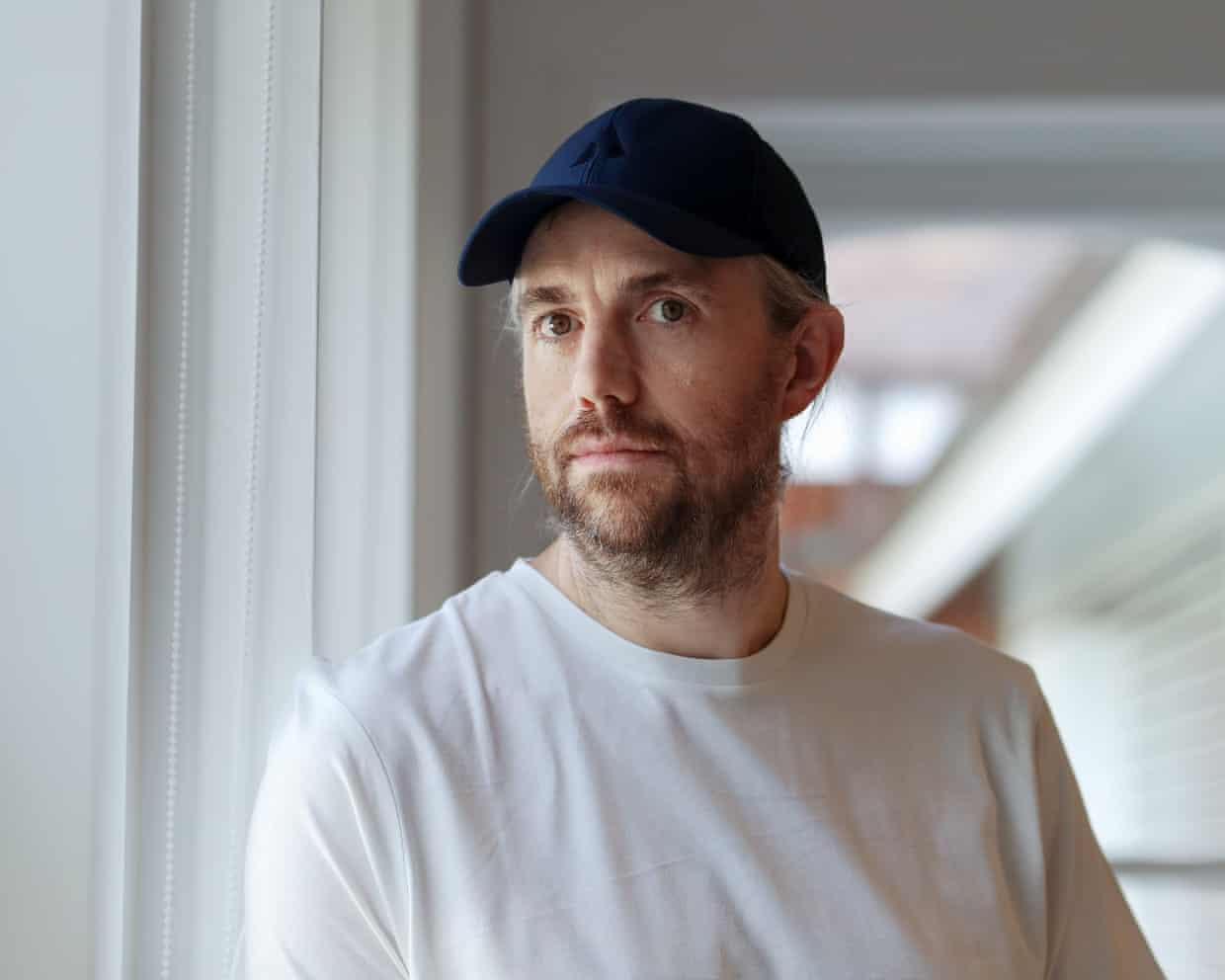
Software giant Atlassian has announced it is laying off about 10% of its workforce, or roughly 1,600 positions, and replacing its chief technology officer as it restructures to invest further in artificial intelligence.More than 900 affected positions were involved in software research and development, a spokesperson said. Most of Atlassian’s employees work in software engineering and design, accounting for over 50% of its 13,813 full-time workforce in June 2025.About 640 affected employees are in North America, 480 in Australia and 250 in India, with the remainder spread across Japan, the Philippines, Europe, the Middle East and Africa, according to the spokesperson.The company’s co-founder, Mike Cannon-Brookes, told employees the move was “the right decision for Atlassian” in a note circulated late Wednesday, US time

Binance sues Wall Street Journal over reporting on Iranian sanctions
The US government is investigating Binance over allegations that Iran used the crypto exchange to evade sanctions and illegally move funds, according to a Wall Street Journal report published Wednesday.Binance has denied these claims and even sued the Wall Street Journal on Wednesday for defamation.The Journal reported in late February that Binance, the largest cryptocurrency exchange in the world, shut down an internal investigation into more than $1bn in transactions with a network funding Iran-backed terror groups; Binance fired employees for looking into the matter and allowed the network to remain active, according to both the Journal and the New York Times.A Binance spokesperson said in an emailed statement: “Binance categorically did not dismantle any compliance investigation. The WSJ continues to report the same falsities

Gerry Adams was leader of IRA, ex-police officers tell high court

Starmer: It was my mistake appointing Mandelson – as it happened

No 10 rejects claims it covered up Starmer’s role in Mandelson appointment
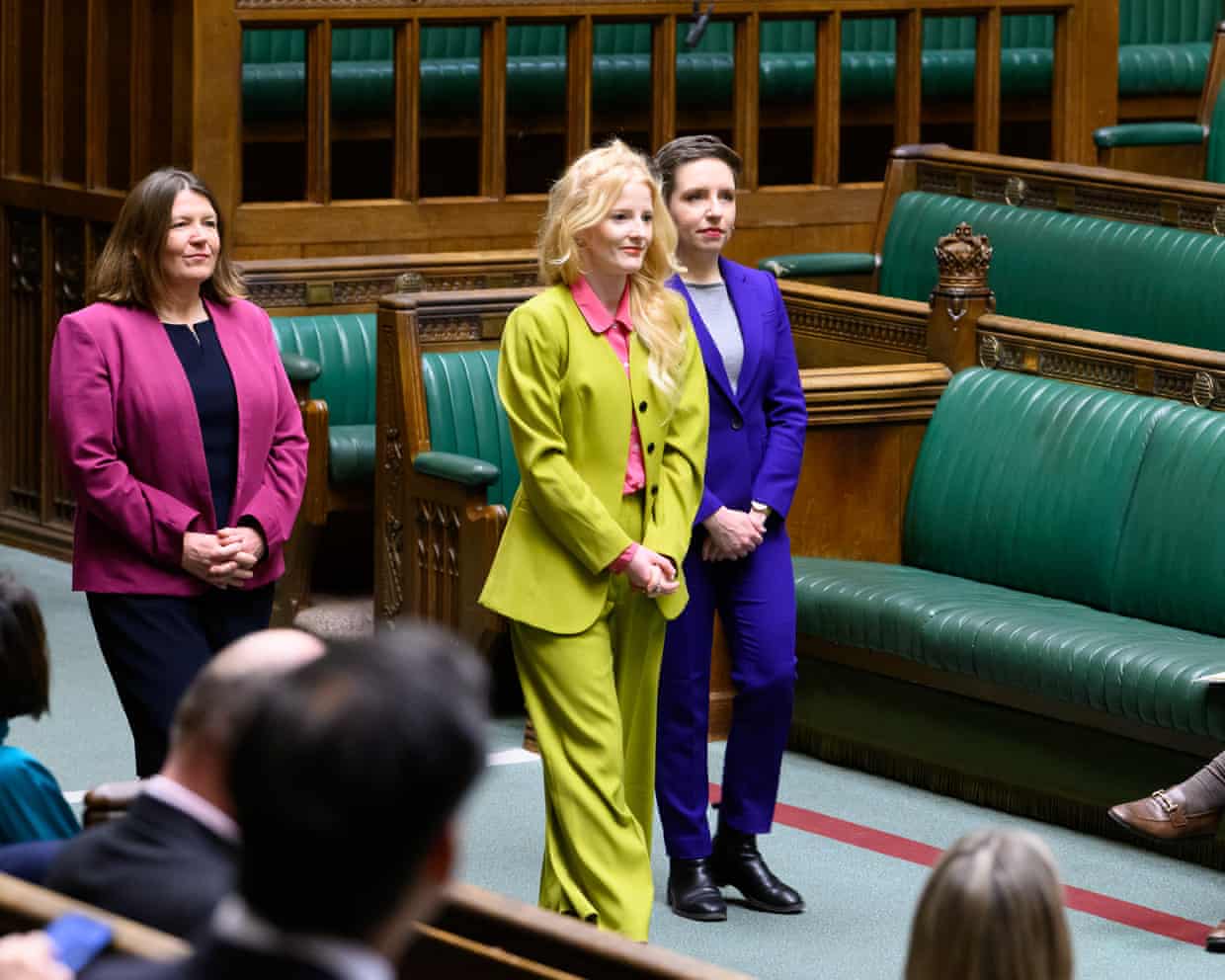
Several Labour MPs in talks with Greens about defecting to the party, sources say

Starmer overruled warning of ‘reputational risk’ over Mandelson appointment, files show

Starmer’s national security adviser expressed concern about Mandelson appointment, documents show - as it happened