UK food halls buck downbeat hospitality trend: ‘In this impossible climate, they shine hope’
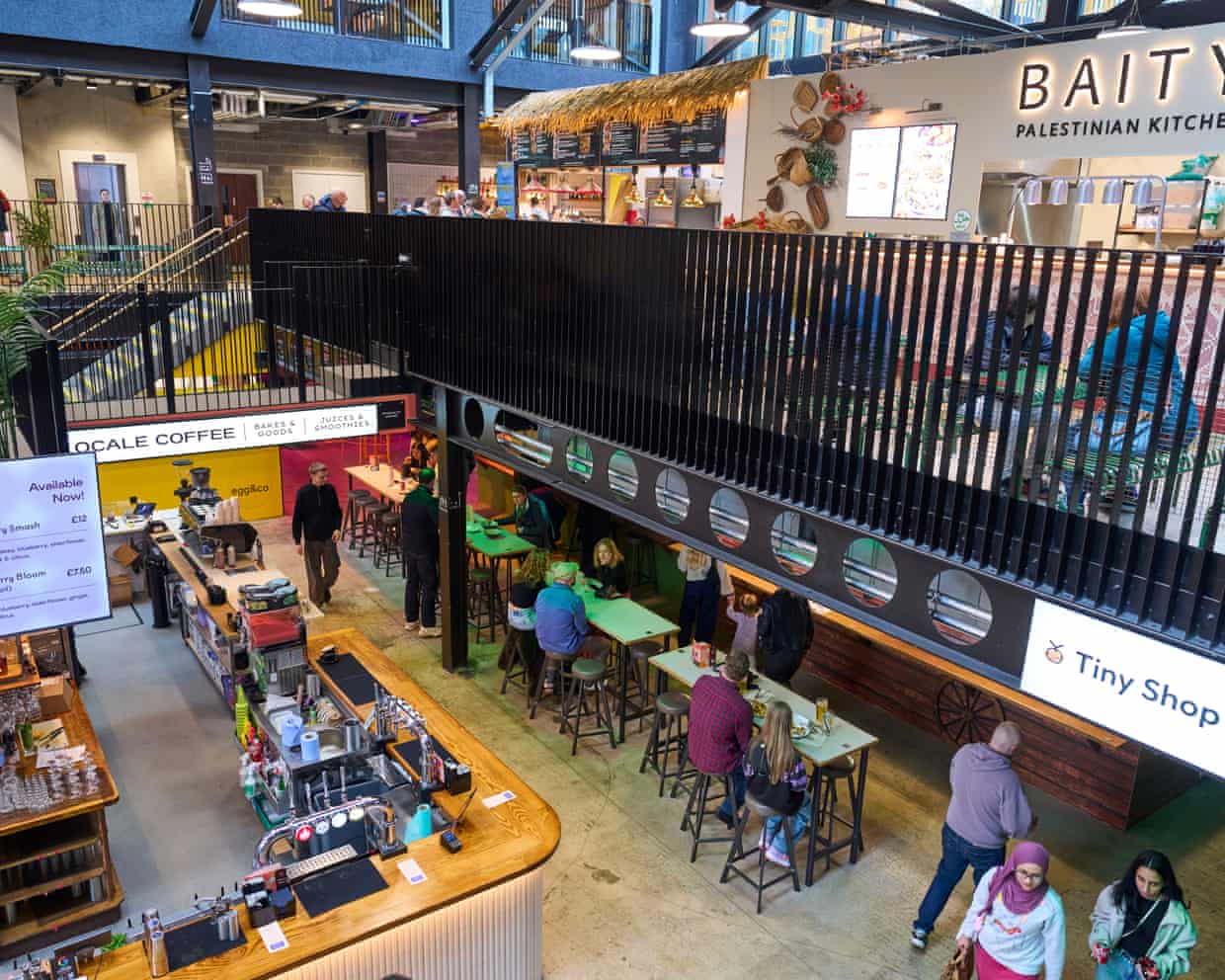
Beeps chirp through the cavernous Cambridge Street Collective on a busy weekday, as buzzers alert the lunch crowd to collect their sushi tacos, rendang curries or Palestinian chicken musakhan.The Sheffield food hall is Europe’s largest purpose-built venue of its kind, at 20,000 sq ft, and arrived in 2024 as part of a major redevelopment of the city, which has brought in businesses including HSBC.Food halls are on the rise as restaurateurs face a challenging economic climate in which rising energy costs have been exacerbated by US-Israeli attacks on Iran ,and labour costs have spiralled as a result of increases to the minimum wage and national insurance contributions for employers.Many diners are also opting to stay at home as the cost of living bites.But while brick-and-mortar restaurants across the UK are closing, food halls are making money; in major UK cities they average £5.
6m in annual revenue, with year-on-year growth of 10.75%.Eating at a food hall is usually a lot cheaper than going to a restaurant.There are 65 new food halls in development all over the country, including a 60,000 sq ft behemoth in Newcastle, in the old Debenhams department store, due to open this June.Manchester already has seven food halls, including the 55,000 sq ft Freight Island complex in an old depot, and Liverpool has a growing scene, including Renshaw Street Market which serves dishes from around the world.
In London, more keep opening, with four from the Market Halls company, which opened its first venue in Victoria in 2018 and boasts big-name vendors including Roti King and Le Bab.“Food halls have become incubators for new businesses and have given opportunities to operators who can’t even entertain the costs of bricks and mortar sites,” said Matt Farrell, founder of Bold Street Coffee, who has a kiosk in Liverpool’s Duke Street Market as well as coffee shops in Liverpool and Manchester.“We have actually seen restaurants close and become traders, and vice versa.In this almost impossible climate they shine some hope for creativity and growth.”In food halls, infrastructure and risk are shared, and in the case of Sheffield’s Cambridge Street Collective, energy costs are paid by the owner, Blend Collective.
The company also employs the front of house staff, supplies plates and crockery, and runs the till system across the venue.Vendors pay the owners a cut of their sales each month.“We try to mainly host local businesses,” said James Cowan, the finance director at Blend Collective.“People want to come and try something new and support local people, it keeps our offering fresh.”Last week, the large, warehouse-style space was packed with people of all ages, including parents with children, who enjoy the sandpit on the top floor.
Customers hunched over laptops appeared to be “working from home” with a bubble tea or a coffee.Cowan said their roof terrace gets very busy in the warmer months.At the Little Penang kiosk, the chef Jack Yeap was chopping fragrant herbs and garlic for his mise en place.“I’m Malaysian, but for over 10 years I worked as a chef at a Cantonese restaurant,” he said.That restaurant shuttered during Covid.
“But now I have opened a Malaysian restaurant here, which is much better, it’s my own place but also it’s my own food,” he said,It may have been difficult for him to get funding for a bricks-and-mortar restaurant to sell his cuisine, which is less well-established in the UK than Cantonese food, so opening a kiosk in a food hall seemed like a perfect low risk option,“We have become popular, I am very happy,” he said,Some of the restaurants have made the leap from the food hall to brick-and-mortar sites after proving their concept is popular,Baity, which first opened in Blend’s Manchester food hall, and now has a kiosk in the Sheffield offering, is Europe’s first multi-city Palestinian chain.
It will be one of the launch restaurants at Blend’s newest food hall, in the former Bird’s custard factory in Birmingham’s trendy Digbeth,Bao, which now has multiple critically acclaimed sites across London, first traded in Netil Market in Hackney,Black Bear Burger has nine restaurants in London, but first operated at the food hall Street Feast, where Michelin-recommended Smokestak in Shoreditch also debuted,Kevin Hong started his career as a chef at what he calls a “standard Japanese ramen restaurant”, but longed to experiment with fusion food so he pitched an idea to Blend, who took it up,Now, he has a ramen bar which marries Japanese and Korean flavours.
He is also extremely excited about his new sushi taco kiosk, which opened a month ago.“We are trying something new, a crunchy fried seaweed shell filled with Japanese filling like chicken teriyaki or prawn tempura,” Hong said.Hong has now also opened a brick-and-mortar restaurant, serving Japanese barbecue and sushi.“I am delighted,” he said.But has the UK reached peak food hall? Cowan disagreed.
“I don’t think it has, there is still a lot of growth, and it depends on the area,” he said.“It is unclear if Sheffield can support more than six, we probably do have enough here, but there are areas around the country which have a lot of growth potential.”In Sheffield’s former industrial stronghold of Kelham, once populated with steel factories, is the Cutlery Works food hall, also owned by Blend.As the name suggests, it is in an old cutlery factory.With exposed brickwork, neon lighting and large windows through which a disused steel factory can be seen, it feels very post-industrial.
Last Wednesday, groups of people were gathered to have lunch, with some indulging in a cheeky afternoon pint from the upstairs bar.“This area is being redeveloped,” Cowan said.“You can see that big digger out the window, that pile of rubble will be flats.”But not everyone is happy with the prospect.A short walk from the Cutlery Works, graffiti scrawled on the side of a derelict building reads “yuppies go home”.
Helen Goh’s recipe for ricotta, rum and raisin cake | The sweet spot
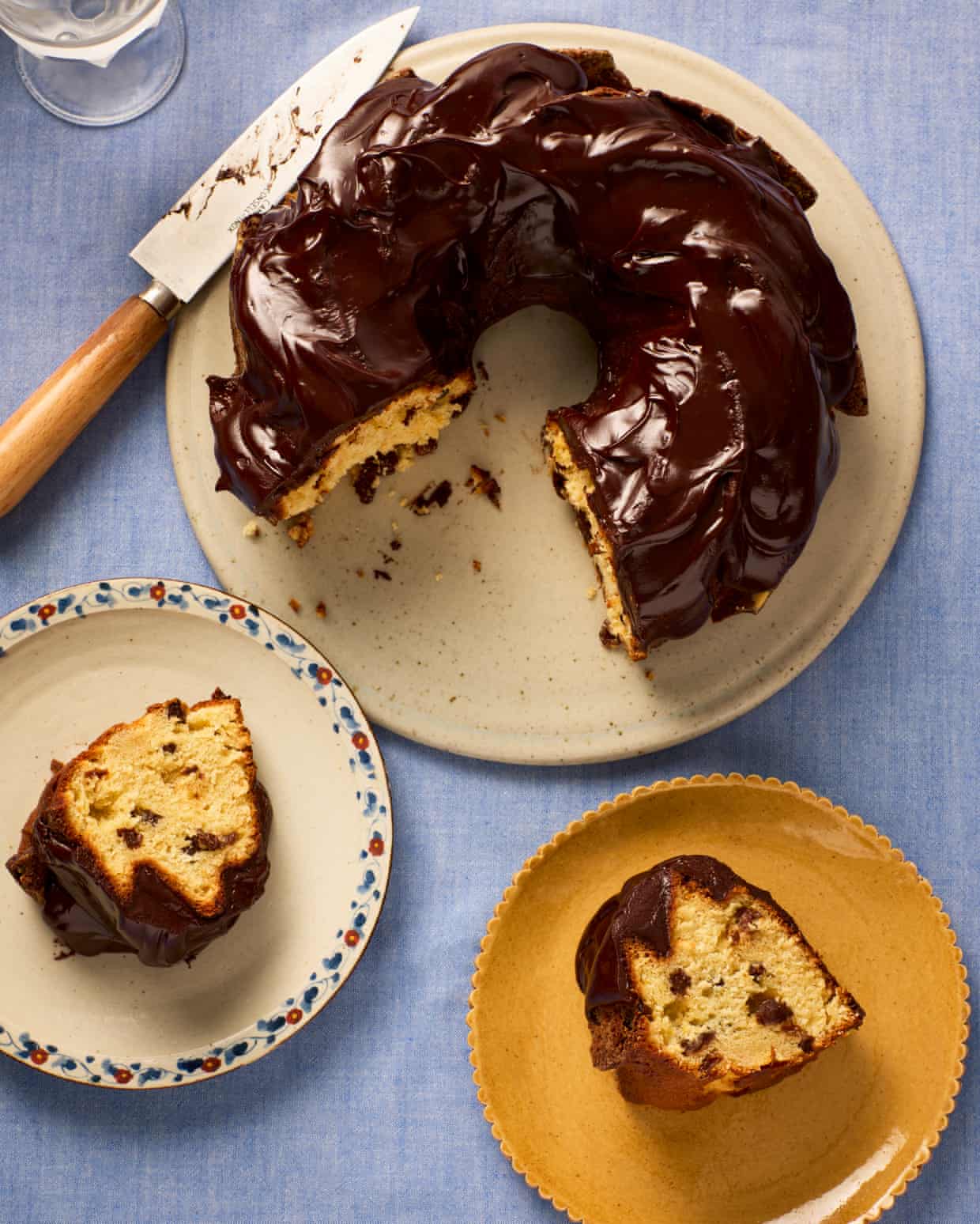
This is a cake for the long, ambling tail-end of an Easter lunch. It’s gently scented with orange and vanilla, lightened by ricotta, and studded with rum-soaked raisins that bring bursts of sweetness to each slice. Ideally, they’d be soaked overnight to plump them into something luscious, but if time gets away from you, take a shortcut: put the raisins and rum in a microwave-safe bowl, zap for 20–30 seconds, then leave to cool and absorb. The chocolate glaze is optional; on days when you want something simpler (or lighter), a generous sifting of icing sugar is all this cake needs. Serve with a small glass of grappa or something similarly warming for a quietly perfect way to bring a feast to a close

Cocoa-crazy: chocolate-infused liqueurs deserve their own moment
Among my minor childhood traumas was the time my dad returned from a business trip to Belgium with a smart box of assorted chocolates (cue tiny violins). Expecting caramel, I bit into a truffle and was met by an explosion of very boozy liqueur. The box seemed to be an exciting change from the usual duty-free Toblerone, but after this incident, truffle assortments have always struck me as deeply unsafe. (I have tried liqueur-filled chocolates since, but still remain flummoxed by them.)The Guardian’s journalism is independent
Baked cheesy smoked haddock and lemon icebox pudding: Henry Harris’ alternative Easter lunch
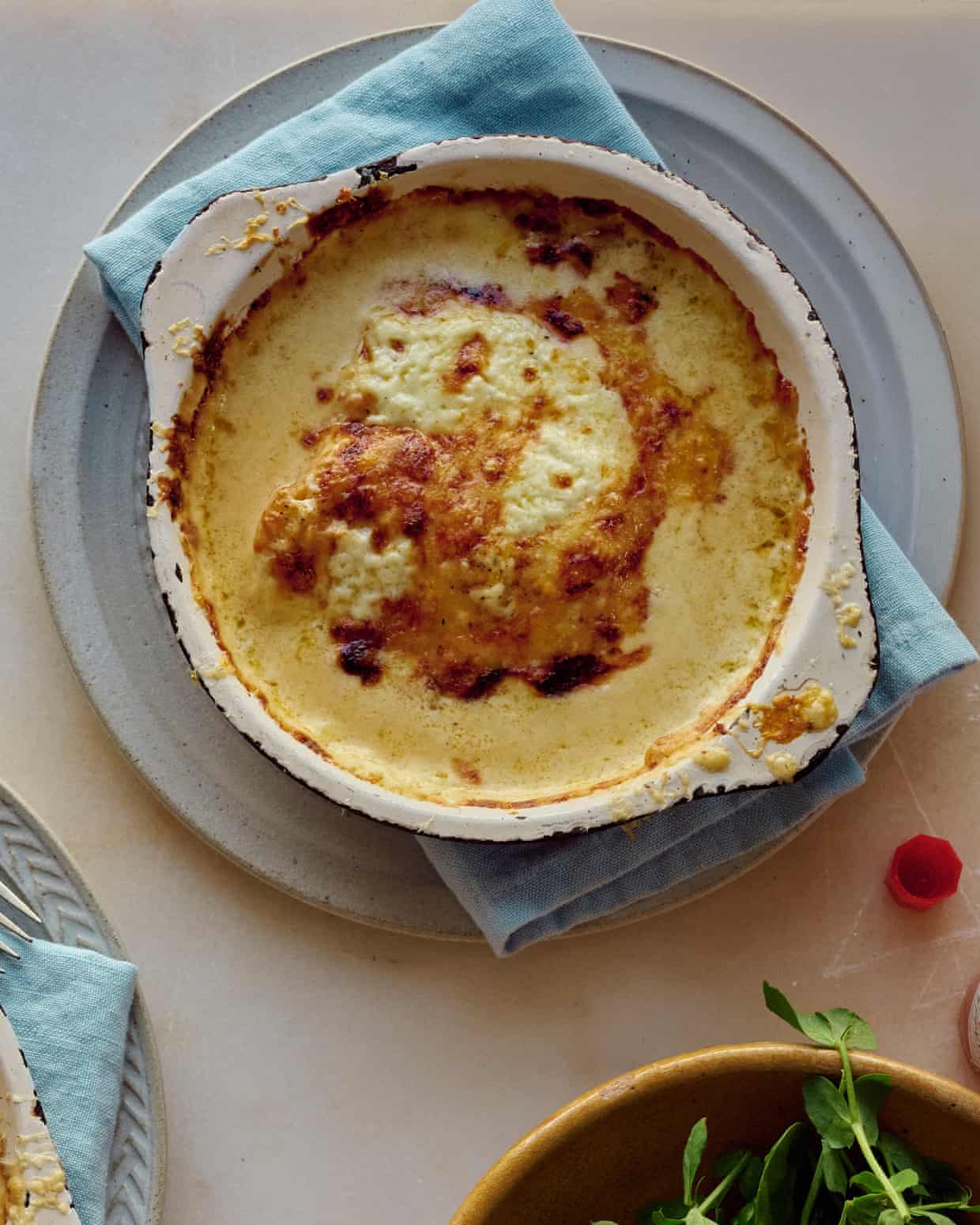
Sometimes all you want is a hot, bubbling dish and a spoon, and for me today’s cheesy haddock is that dish – a 15-minute supper to be enjoyed in front of the telly with a salad or a large bowl of hot buttered peas. Add a lemony, biscuity iced dessert, and you have a light, very easy and enjoyable supper that’s almost the perfect close to a long Easter weekend.Choose your smoked haddock carefully: you want large, thick fillets of undyed fish. Stating the obvious, here, but a good fishmonger will have this; a supermarket never. The creme fraiche must be a French, naturally soured cream, too, becausethe cheaper English versions coagulate when heat is applied, resulting in an unpleasant, watery gunk
Rachel Roddy’s Easter cannelloni with spinach, peas, ricotta and mozzarella – recipe
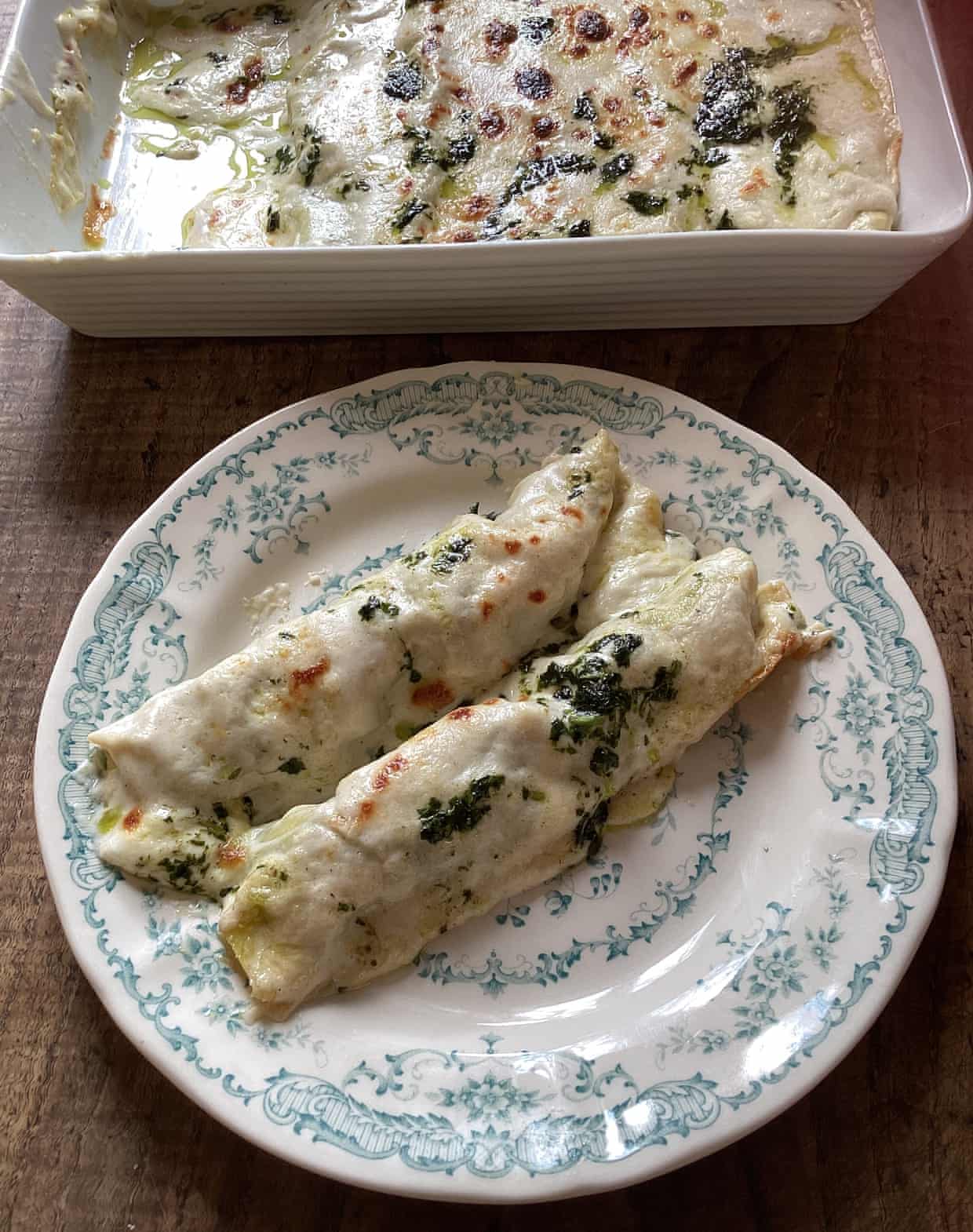
Fresh sheets smelling of fresh air or fabric softener (or both) with hospital corners are one of life’s great pleasures. As are fresh sheets of egg pasta – the sort that comes in squat boxes protected by clingfilm and found in the fridge section alongside ravioli. They are also one of the most useful and certainly the most multi-talented of all the pasta shapes.That they are labelled lasagne is limiting; of course, they can be lasagne, but they could just as easily be numerous other shapes. The most easy-going of which is maltagliati, meaning badly cut, which tells you everything you need to know about the approach required as you cut them (using a knife, pizza wheel or pair of scissors) into uneven bits that are ideal in all sorts of soups, but especially those with beans
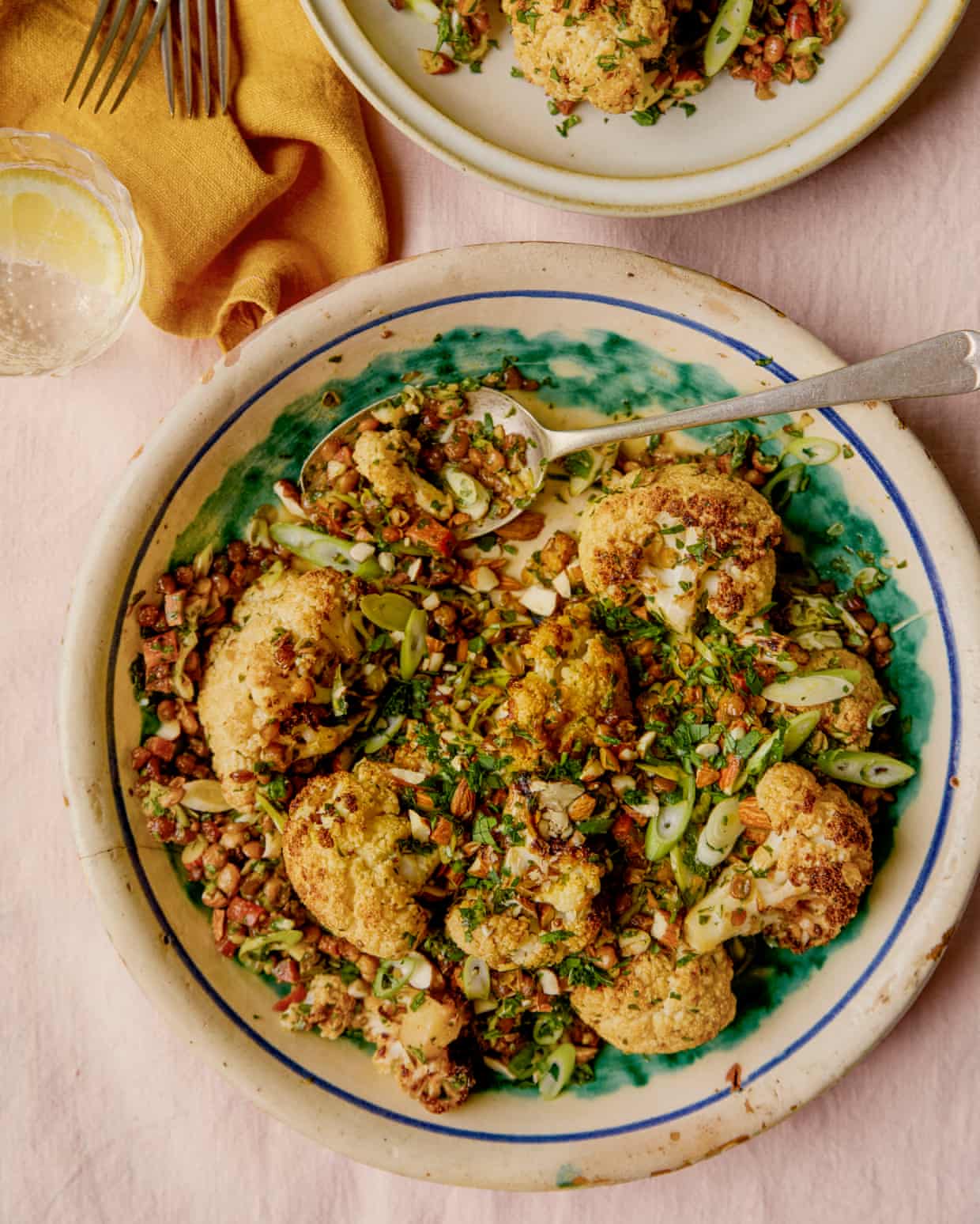
As Australian food prices rise, ‘robust’ cauliflower and cabbage are April’s best value fruit and veg
As roast and soup season starts, it is “a good time for brassicas”, says Graham Gee, senior buyer at the Happy Apple in Melbourne – “cauliflower and broccoli”. “You get a good supply of cabbage, kale, silverbeet and leeks too. All the robust veggies.”While they might not be ultra cheap, he says “a whole cauliflower can go a long way. You can feed a lot of people with them
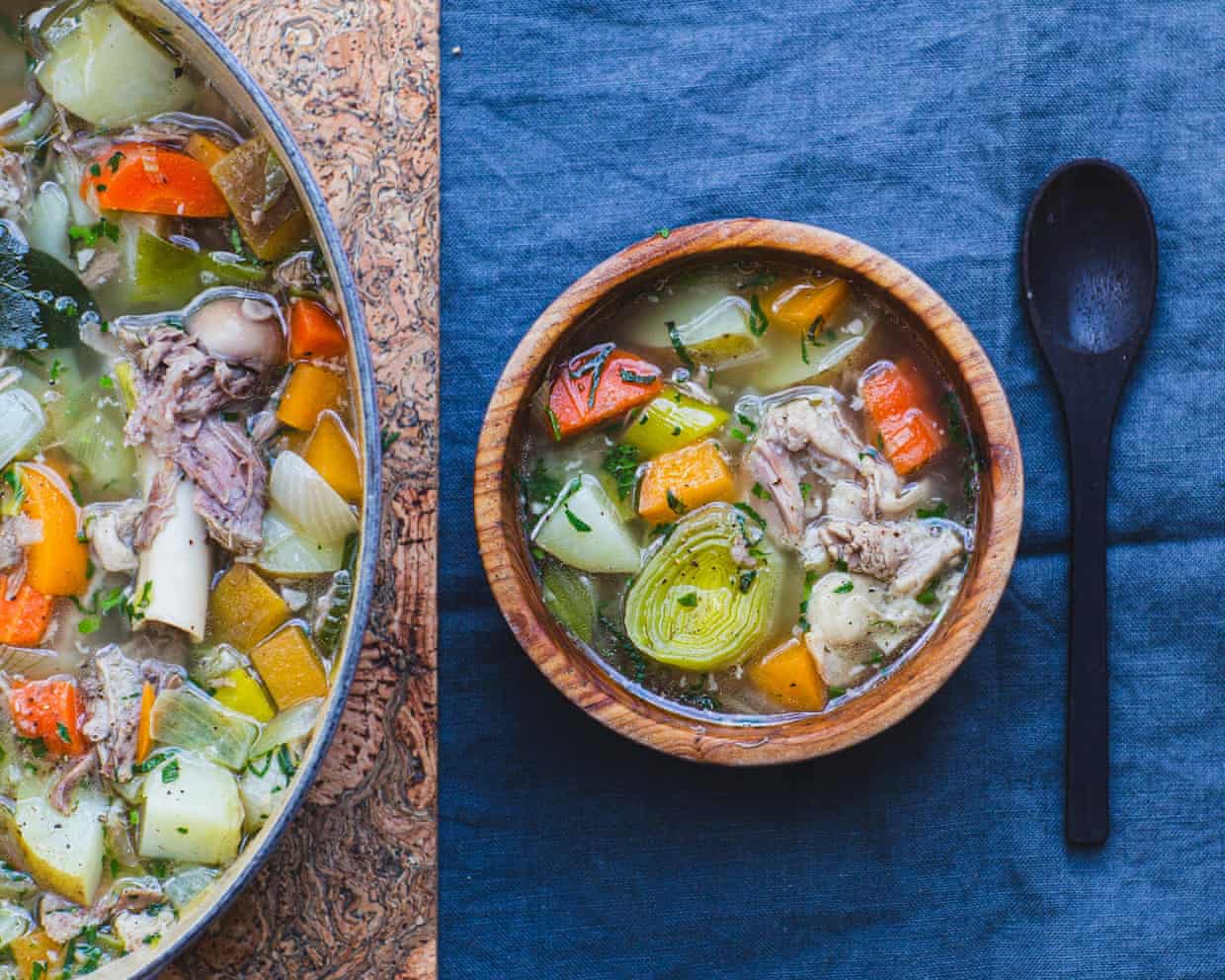
How to turn a leftover roast lamb bone into Wales’ national dish – recipe | Waste not
Cawl is Wales’ gift to the world of thrifty, slow-cooked broths and, like all great peasant dishes, it’s seasonal, versatile and immensely practical. A few years ago, Food & Drink Wales invited me to create two food sustainability toolkits, one for hospitality and one for the public, with both celebrating Welsh produce and recipes. This led me to explore Wales’ national dishes and discover cawl (or lobscows, the northern Welsh name for the dish) properly for the first time. Inspired by Welsh culinary legends Dudley Newbery and Tomos Parry’s recipes, it’s the perfect way to turn lamb leftovers, or even just a bone, into a hearty meal.The magic of cawl lies in its sheer simplicity
UK food halls buck downbeat hospitality trend: ‘In this impossible climate, they shine hope’

Claim sooner rather than later, experts urge, after £7.5bn car loan compensation scheme launched

Google to tap into gas plant for AI datacenter in sharp turn from climate goals

Court dismisses former WhatsApp security chief’s lawsuit against Meta

The Boat Races 2026: Cambridge men cruise to victory, Oxford women end losing streak – as it happened

Oxford women and Cambridge men seal Boat Race triumphs in choppy waters