End of shareholder revolt register ‘will help UK firms bury pay controversies’
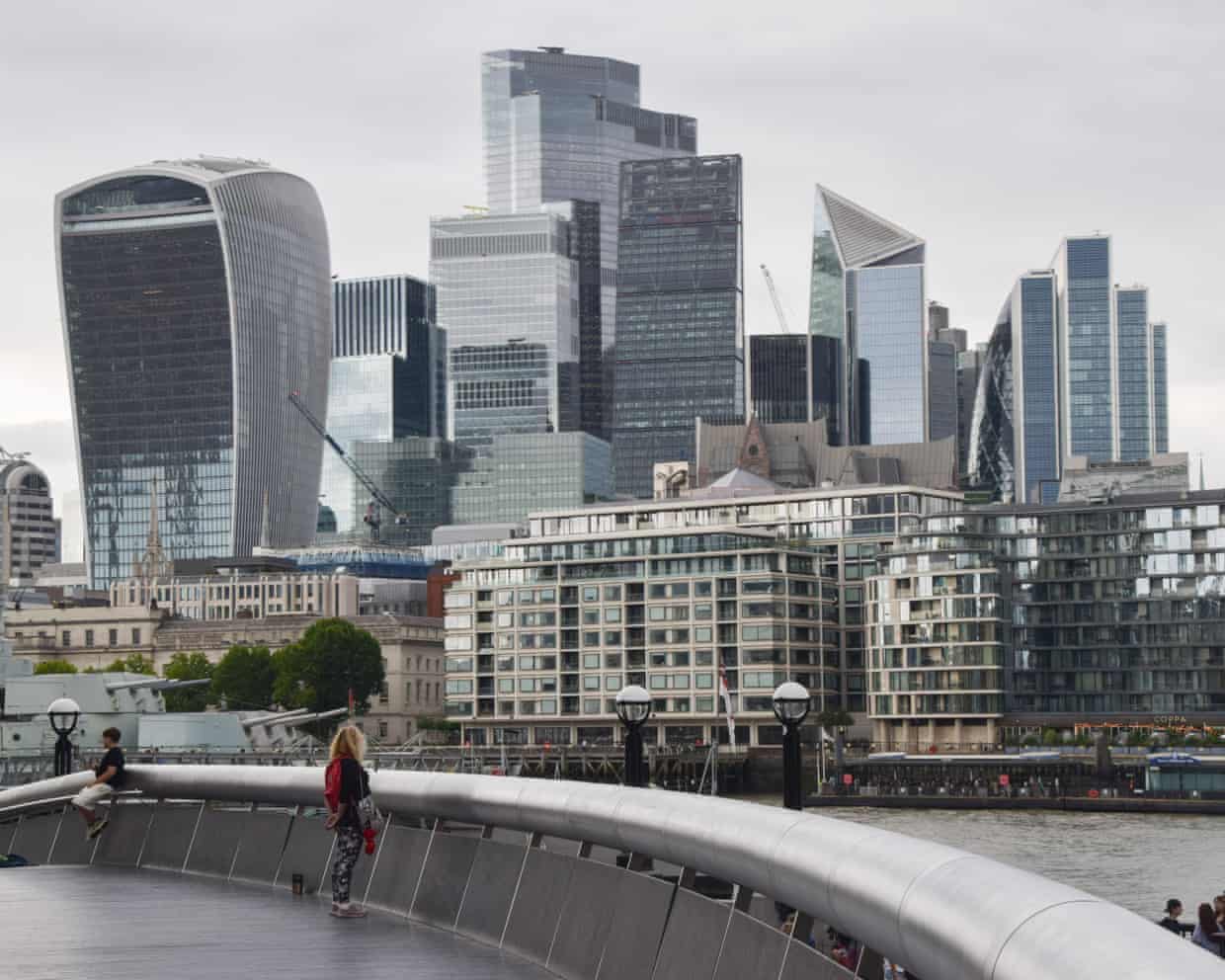
UK-listed companies will be able to bury controversies over executive pay for the first time in eight years, a thinktank has warned, after the Labour government shut down a public tracker meant to curb “abuses and excess in the boardroom”.The public register was launched under the Tory prime minister Theresa May in 2017 to name and shame companies hit by shareholder revolts at their annual general meetings (AGMs).That included rebellions over issues such as excessive bonuses or salary increases for top earning bosses.However, the Treasury – under the chancellor, Rachel Reeves – instructed the Investment Association (IA), the UK asset management trade body that maintained the register, to shut it down this autumn as part of a wider regulation action plan to increase economic growth by cutting “red tape” for businesses.The closure of the public log follows lobbying campaign by companies including the London Stock Exchange, whose bosses claim bad publicity over executive pay is harming the City’s competitiveness and deterring UK listings.
However, the High Pay Centre, a thinktank, is warning the move will harm transparency and make it easier for companies listed on the FTSE All-Share Index to dismiss investors’ concerns, starting in the 2026 annual shareholder meetings season.“This is worrying, from our perspective,” Paddy Goffey, a researcher at the thinktank, said.“This would make it more likely that significant cases of shareholder dissent on issues of pay, governance and wider strategy will go unnoticed.”About 26% of FTSE 100 companies have had a shareholder rebellion against executive pay over the past three years.Dissent is considered a shareholder rebellion if 20% or more of the vote is against a specific resolution.
“This reflects the significant levels of dissent within shareholder votes and how crucial such information is for investors and other stakeholders,” Goffey said.The High Pay Centre acknowledged corporate reporting rules could be burdensome and complex, and should be streamlined.However, that should not include discontinuing tools such as the register that provided genuine value to stakeholders, the thinktank said.The closure added to other “worrying trends” around corporate transparency such as the shift to online-only AGMs.Rather than closing the register, companies should be forced to provide more detailed explanations about the reason for shareholder dissent and how their boards planned to respond in the future, the High Pay Centre said.
“Ultimately, discontinuing the register will make it much harder and more time-consuming to gather the relevant data and information, as such data could be ‘buried’ in complex filings, AGM results or lengthy reports,” it added.The decision illustrates the significant cultural shift that has taken place across the City since the May government launched the world’s first public log of dissenting shareholder votes in order to “restore public confidence in big business”.“It [the register] definitely had a role in holding companies to account in the early years, especially on remuneration, and for a while companies truly did worry about the prospect of being named on the register,” said Yousif Ebeed, the corporate governance lead at the assent managers Schroders.“And at the time, there was a sense that companies were not giving sufficient weight to shareholder concerns.The register helped shine a light on these companies, to an extent kickstarting an environment where transparency and shareholder engagement have become embedded practice.
”Fast forward to 2025, and City campaigners are raising fears that the UK is losing out on investment to the US, where Donald Trump has embarked on a “bonfire of regulation” in an attempt to lure money and business.The UK Treasury said in October tit was “grateful to the IA for establishing the register following a request from government” but that the public log had “served its purpose”.The Treasury added that the corporate governance code “already offered transparency for investors”.Ebeed said most institutional investors would remain “unaffected”.However, at a time when the government is pushing for more of the public to buy up UK shares, there is a fear that small retail investors could be left at a disadvantage.
“The reduction in transparency and knowledge on company practice could reduce the ability of investors to make informed decisions,” Goffey said.“Having all this data in one place also makes it easier to track discontent, identify trends and compare companies or sectors.It is plausible that, with the raising of the barrier to holding companies accountable in this way, they [companies] will be less likely to take such dissent seriously and respond appropriately.”

Midwife leading Nottingham maternity inquiry charging NHS up to £26,000 a month
The midwife leading the biggest inquiry into maternity failures in the history of the NHS is charging NHS England up to £26,000 a month for her advice through her company, the Guardian can reveal.Donna Ockenden, who has been chairing a review into maternity failings at Nottingham university hospitals NHS trust since 2022, is paid an £850 daily rate for every 7.5 hours she works.When asked about her monthly invoices of up to £26,000 for her advice, she said: “I am working long hours.”The monthly charges for “provision of independent advice” in connection with the review do not include the wider costs of the inquiry that are charged to NHS England (NHSE)
Motor neurone disease patients in England die waiting for home adaptations, campaigners say
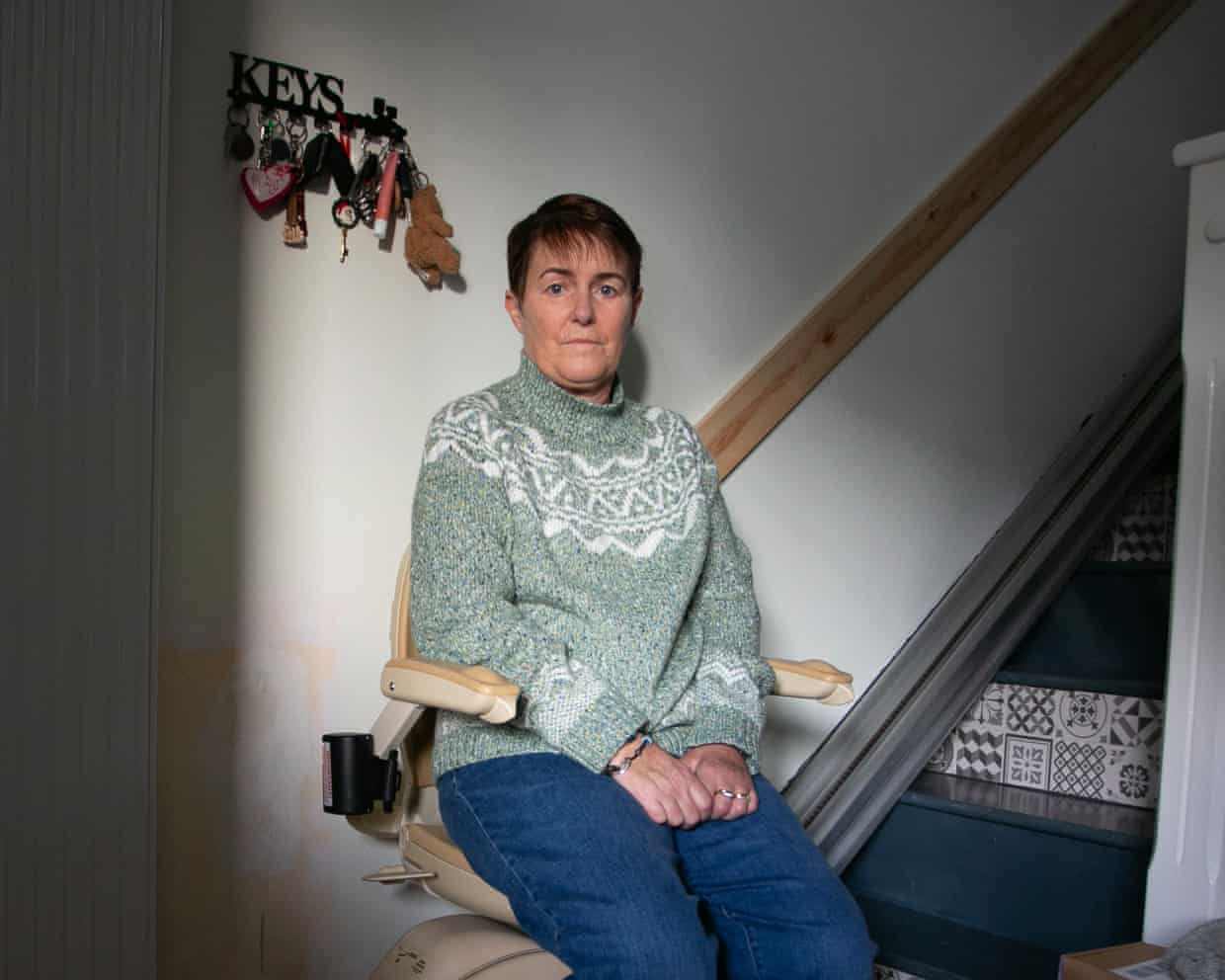
People with motor neurone disease (MND) are dying waiting for grants to make their homes fit to live in due to a huge backlogs in applications, campaigners have said.The MND Association has found it takes an average of 375 days for people in England to get essential home adaptations through the government’s disabled facilities grant (DFG) due to growing delays in the system.But a third of people with MND die within a year of diagnosis, and about half die within two years, meaning they are spending the last months of their lives fighting for support, with many dying in unsafe and unsuitable homes.The charity’s chief executive, Tanya Curry, said: “For someone whose condition may progress dramatically in a matter of months, waiting a year or more for vital adaptations is equivalent to being denied them altogether.”Nicole Foster, 56, was diagnosed with MND in May and has spent her entire life’s savings, as well as money fundraised on her behalf, replacing her bathroom with an accessible one after she was told she faced a two to three-year year wait for DFG funding
People in poorest areas of England ‘more likely to need emergency care for lung conditions’
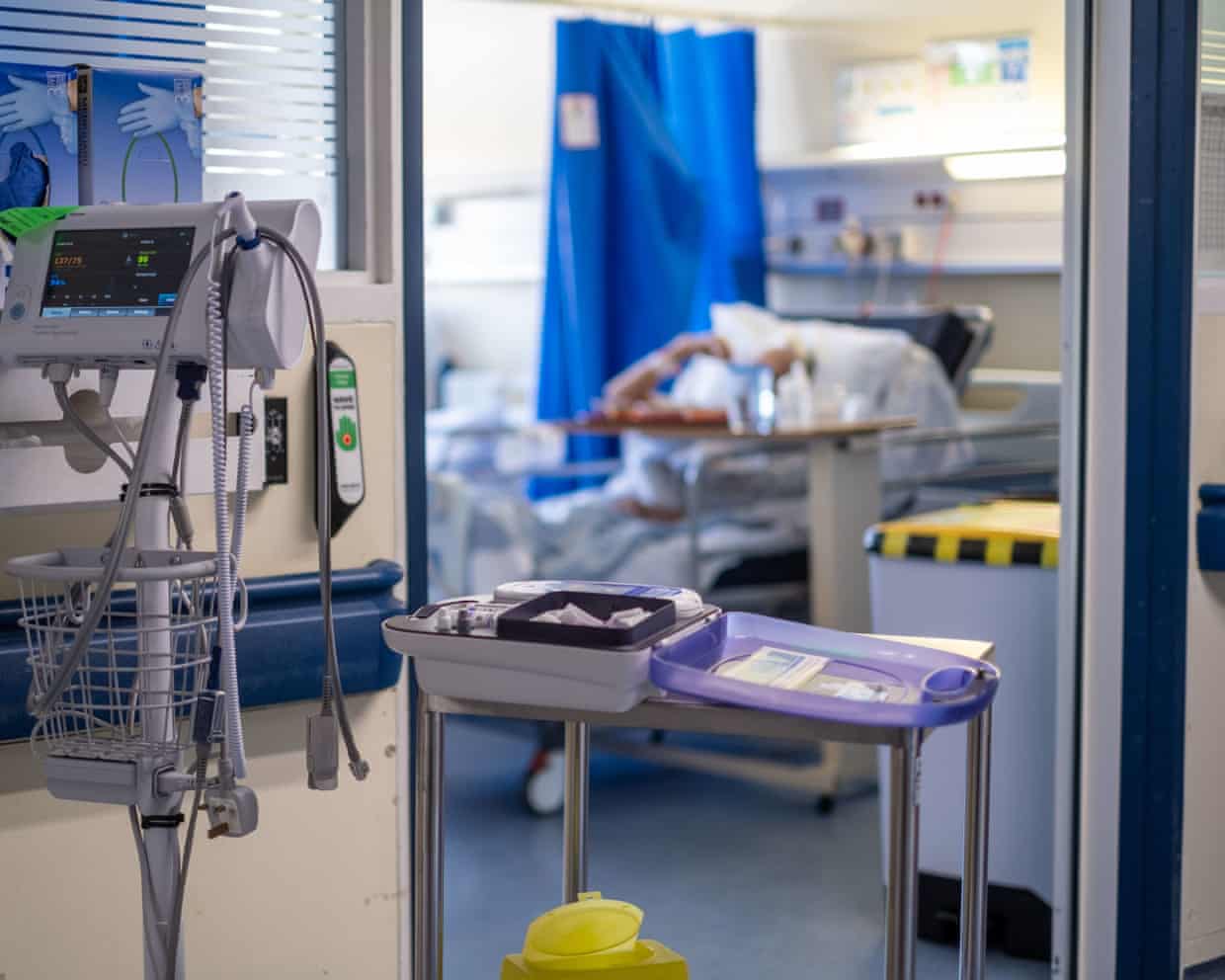
People from the poorest backgrounds in England with serious lung conditions are more likely to be admitted to hospital for emergency care than their more affluent counterparts, according to research.Analysis of NHS admissions data for November by Asthma + Lung UK found people from the most deprived backgrounds in England were 56% more likely to be admitted for emergency care, while 62% were more likely to be readmitted within 39 days of an emergency admission, which is linked with an increased chance of dying.The research also found that people in deprived areas were almost twice as likely to be admitted to hospital for a respiratory condition.One expert said the findings should act as a wake-up call to end the “postcode lottery”.The highest rates of chronic obstructive pulmonary disease (COPD) admissions per population are in deprived areas including Blackpool, Manchester, Hastings and Burnley

One in eight of 14- to 17-year-olds in Great Britain say they have used nicotine pouches
One in eight teenagers aged 14 to 17 have used nicotine pouches, a survey has found, adding to health experts’ concern about their growing popularity.Users hold the small sachets, which look like mini-teabags and are often flavoured, in their mouths to enjoy the release of the nicotine they contain. They are also known as “snus”.Unlike smoking the pouches do not raise the risk of cancer, but they have caused alarm because of the fear that users could become addicted to nicotine and suffer mouth and dental problems.A survey of 500 teenagers aged 14 to 17 in England, Scotland and Wales found that 13% have used a nicotine pouch, of whom 30% said they did so at least once a week

Christmas burnout: why stressed parents find it ‘harder to be emotionally honest with children’
Advent calendars, check. Tree and decorations, check. Teachers’ presents, nativity costumes and a whole new ticketing system for the PTA’s Santa’s grotto, check. But the Christmas cards remain unwritten, the to-do list keeps growing, and that Labubu doll your child desperately wants appears to have vanished from the face of the earth.If you’re feeling frayed in the final days before Christmas, you’re not alone

‘We’ve got more in common than what divides us’: a Muslim-Jewish kitchen in Nottingham counters hate and hunger
As antisemitism and Islamophobia rise, a community centre brings people together over shared meals, offering an antidote to food poverty, social isolation and divisionDonate to the Guardian Charity Appeal 2025 hereCommunities are our defence against hatred. Now, more than ever, we must invest in hopeIt’s 2.30pm on a Wednesday afternoon and the Himmah Hub, a community centre in Nottingham, is abuzz with activity. Crates of leftover supermarket food are being carried inside, trestle tables assembled, and volunteers are arriving to prepare meals that will be served in a few hours’ time to anyone who needs one – a queue has already begun to form outside.This is the Salaam Shalom kitchen, known as SaSh, a joint Muslim-Jewish project set up in 2015, and based on one of the core tenets of both faith groups: bringing people together through food
Unseen Tennessee Williams radio play published in literary magazine

My cultural awakening: Love Actually taught me to leave my cheating partner

The Guide #222: From Celebrity Traitors to The Brutalist via Bad Bunny – our roundup of the culture that mattered in 2025

From Avatar to Amadeus: your complete entertainment guide to the week ahead

Jimmy Kimmel on a tumultuous year: ‘Don’t know what the American way even is any more’

Jimmy Kimmel on Trump’s speech: ‘Surprise primetime episode of The Worst Wing’