NEWS NOT FOUND

Stephen Colbert on Trump’s 22ft gold statue at his golf club: ‘recreational idolatry’
On Monday night, Stephen Colbert gathered his “best television friends” Jimmy Kimmel, Jimmy Fallon, Seth Meyers and John Oliver on the couch after a monologue which focused on the war in the Middle East, Donald Trump’s latest slew of AI images and Sean Duffy’s return to reality TV.On The Late Show, Colbert discussed reports that the US president sent Iran a one-page memo last week outlining his peace plan. “I’m told we have a copy,” he joked, before flashing up a handwritten note in the style of a school kid’s love letter, which read: “Will you go to peace with me? Yes or no.”Over the weekend, Iran responded to Trump’s proposal with a list of demands that included reparations for the war and full control over the strait of Hormuz. Tehran also said that it as willing to suspend development of its nuclear program but for a shorter time than the 20 years requested by Trump

One in seven in UK prefer consulting AI chatbots to seeing doctor, study finds
One in seven people are using AI chatbots for health advice instead of seeing their GP, a UK study has found.The poll of more than 2,000 people found that – of the 15% turning to chatbots – one in four had done so because of long NHS waiting lists.The study analysed by researchers at King’s College London revealed the potential risks of using AI for health advice. A fifth of respondents who did so said the technology did not encourage them to seek a professional opinion and a similar proportion said they decided against seeking a consultation because of something an AI chatbot had told them.The research is the first to quantify the use of AI chatbots for health advice, according to the researchers, and signals how the technology is changing the way people are dealing with health problems
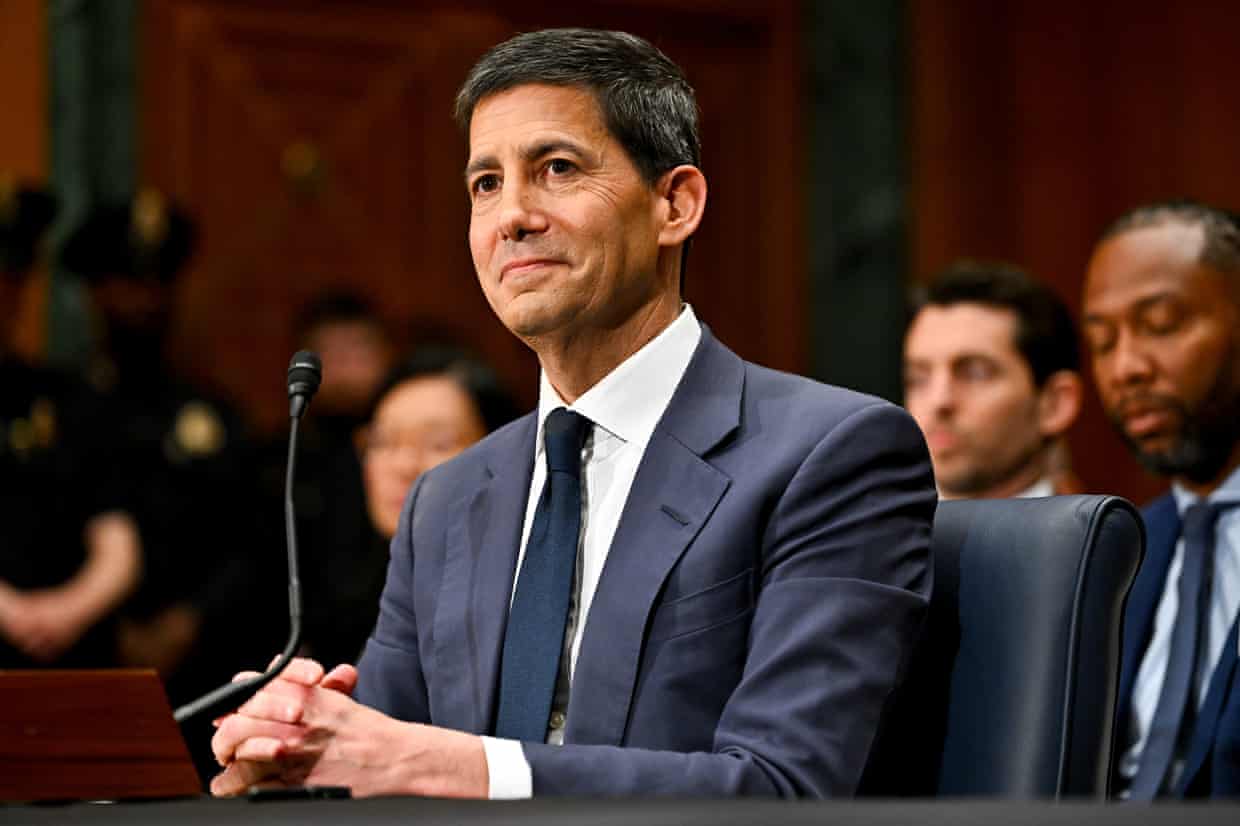
US Senate confirms Kevin Warsh as Federal Reserve chair, replacing Jerome Powell
The US Senate confirmed Kevin Warsh as chair of the Federal Reserve, one of the most powerful roles in the federal government that holds enormous sway over the economy.The 54-45 Senate vote on Wednesday was split along party lines, with the exception of the Democratic senator John Fetterman from Pennsylvania, who joined the Republican majority. It was most divisive confirmation vote for the position in history.Warsh was confirmed for a four-year term as chair and a 14-year appointment on the Fed’s rate-setting board.Warsh will officially step into the role on 14 May, when the term of outgoing Fed chair, Jerome Powell, ends
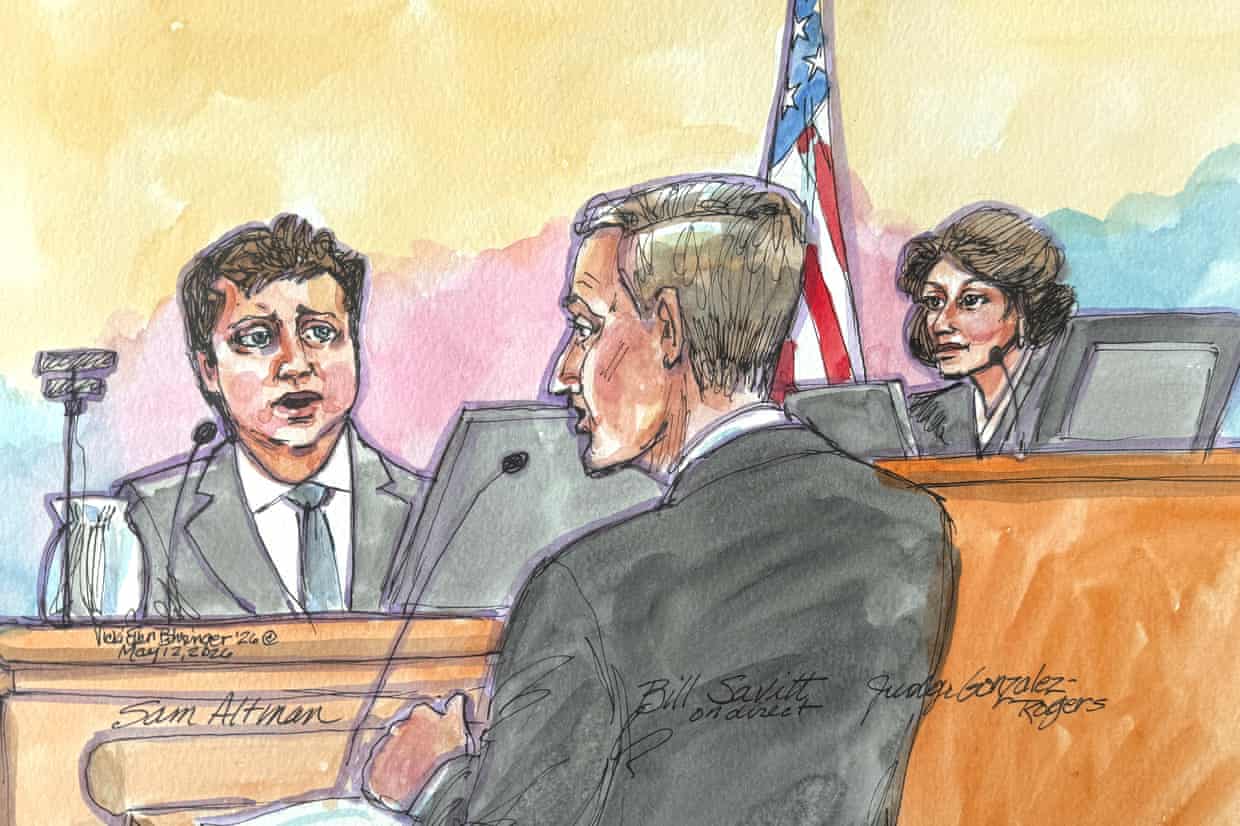
Sam Altman defends OpenAI in courtroom showdown with Elon Musk
The OpenAI CEO, Sam Altman, took the stand on Tuesday to defend himself and his company against a lawsuit by Elon Musk. Altman is set to be one of the final witnesses in the trial, which has pitted two of the tech industry’s most powerful men against each other in a dramatic courtroom showdown.Musk has accused Altman and OpenAI of breaking the AI firm’s founding agreement by restructuring it into a for-profit enterprise, alleging that Altman essentially swindled him into co-founding the company and providing tens of millions in financial backing. Musk also claims Altman unjustly enriched himself in the process and is seeking the CEO’s removal from OpenAI, the redistribution of $134bn to the firm’s non-profit and the undoing of its for-profit conversion.OpenAI and Altman have rejected all of Musk’s claims, arguing that he is motivated by jealousy after a failed bid to take over the AI firm in 2018 and a subsequent departure from its board
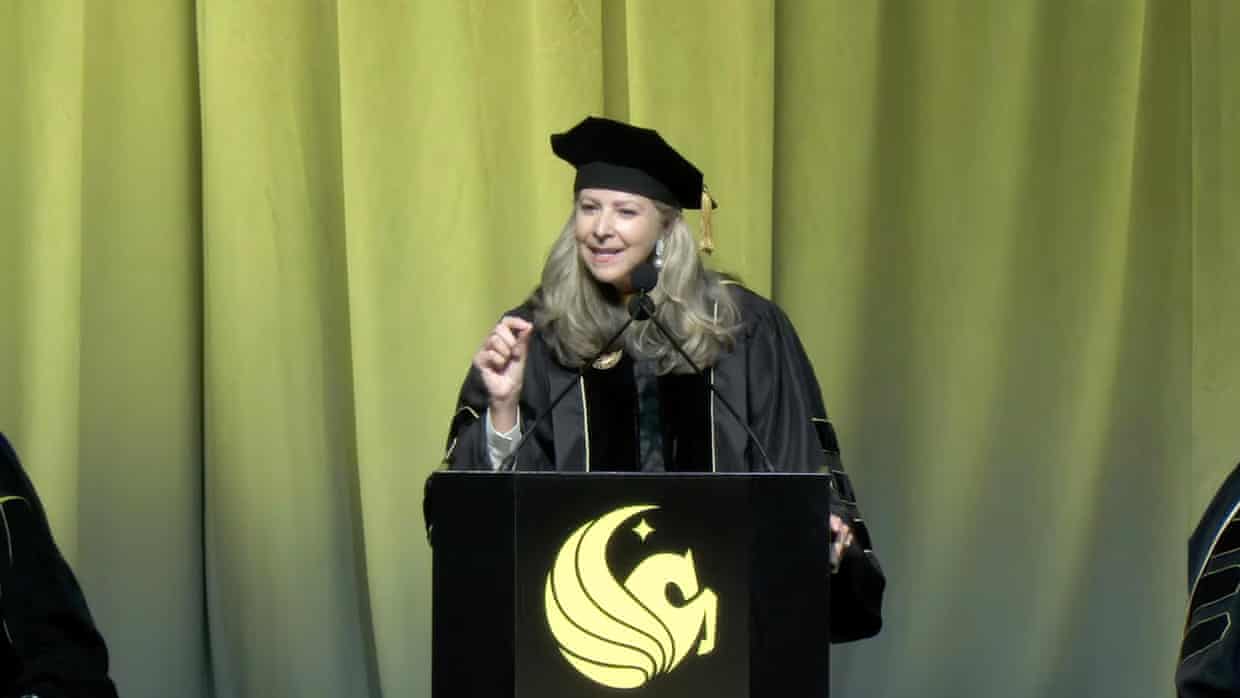
Florida students boo graduation speaker who called AI ‘next Industrial Revolution’
Though college graduations usually consist of a speaker giving advice to students, one recent ceremony featured students giving the speaker their opinions – loudly.The University of Central Florida’s 2026 graduating class booed as a real estate development executive spoke about how “the rise of artificial intelligence is the next Industrial Revolution” and about “living in a time of profound change”.The crowd of students was so loud that Gloria Caulfield paused, turned away from the podium and threw her hands up in the air.“Woop, what happened?” she asked, before letting out a nervous laugh: “OK, I struck a chord. May I finish?”As the crowd calmed down, Caulfield proceeded
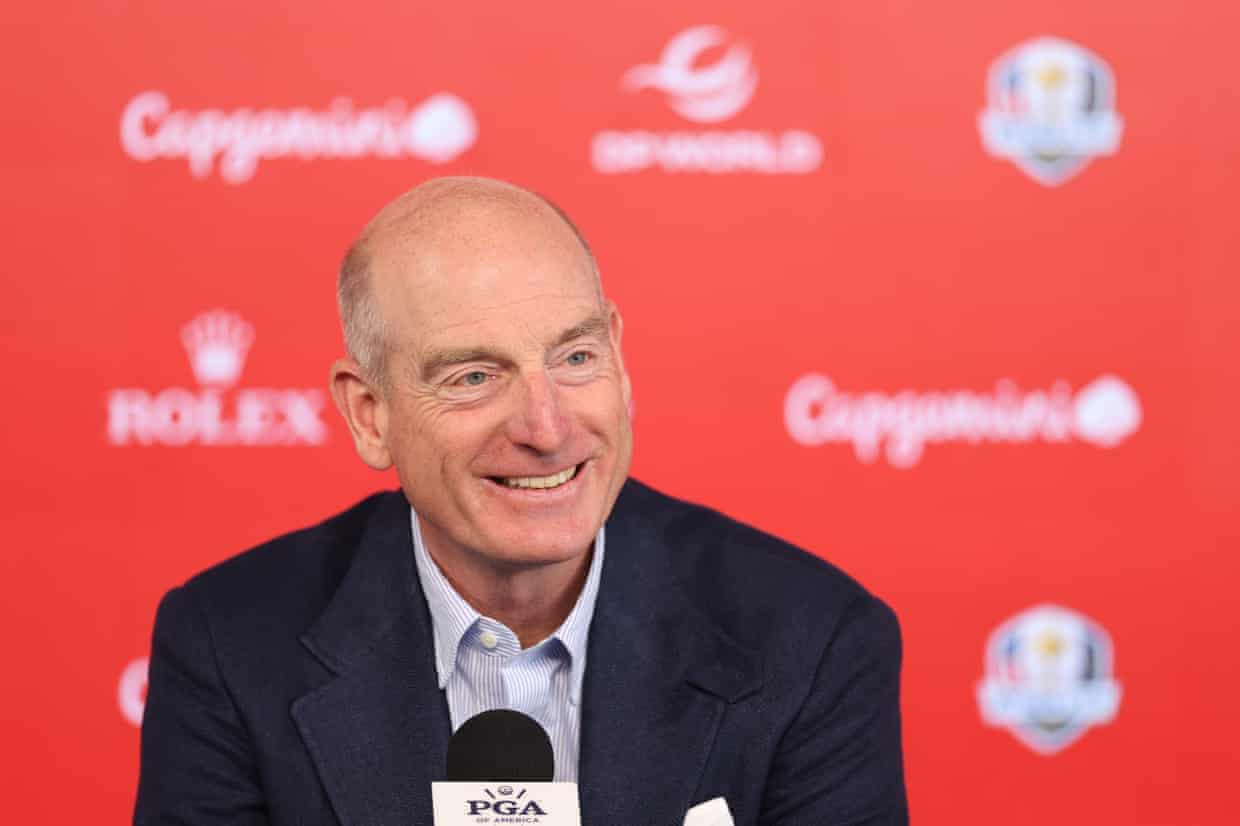
Jim Furyk tells US players they need to make Ryder Cup more of a priority
Jim Furyk has admitted the United States need to make the Ryder Cup more of a priority as the 56-year-old plots a reversal of fortunes at Adare Manor in September 2027.Speaking expansively for the first time since being handed the US captaincy for a second time, Furyk pointed towards an overhaul of approach to the biennial event. He also suggested he will be keen to involve Tiger Woods on his backroom team.Victory for Europe at Bethpage last year means the US have won two of the past eight Ryder Cup stagings. The PGA of America wanted Woods to assume the captaincy for Adare, a scenario that was subject to delay before it was rendered impossible by the 15-time major winner’s Florida car crash in March

Global oil inventories falling at record pace amid Iran war; US producer price inflation hits four-year high – as it happened

Lab testing group Intertek to back £10.6bn takeover by Swedish firm EQT

Fortescue ordered to pay Yindjibarndi traditional owners $150m in record native title payout

British Steel: more questions than answers on the future | Nils Pratley

E.ON agrees to buy Ovo in deal to create UK’s biggest energy supplier

Thinktank calls for ‘double lock’ England private rent cap to ease living costs