NEWS NOT FOUND
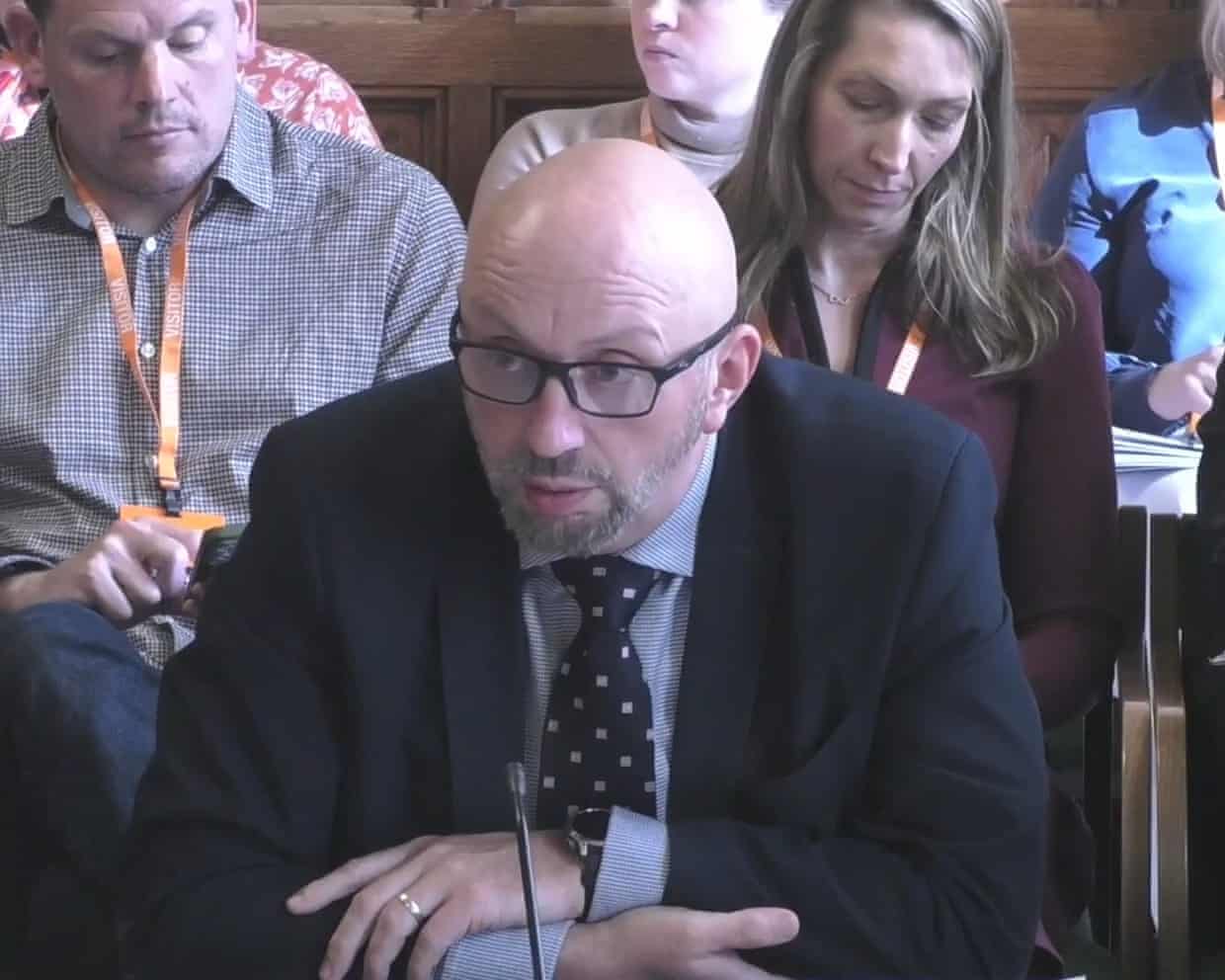
South East Water chief executive to forgo his bonus over ‘unacceptable outages’
The chief executive of South East Water has said he will forgo his bonus in an act of penitence for “unacceptable outages” that left thousands of customers in Kent and Sussex without water.David Hinton told MPs on the environment, food and rural affairs select committee that he had decided not to accept an additional “performance payment” this year. Instead, he will receive only his £400,000 salary.In a statement released after his appearance in parliament on Tuesday, Hinton apologised to customers, half of whom in one town were now stockpiling bottled water in anticipation of future incidents, MPs also heard.South East Water customers in Tunbridge Wells faced significant supply disruptions in November and December
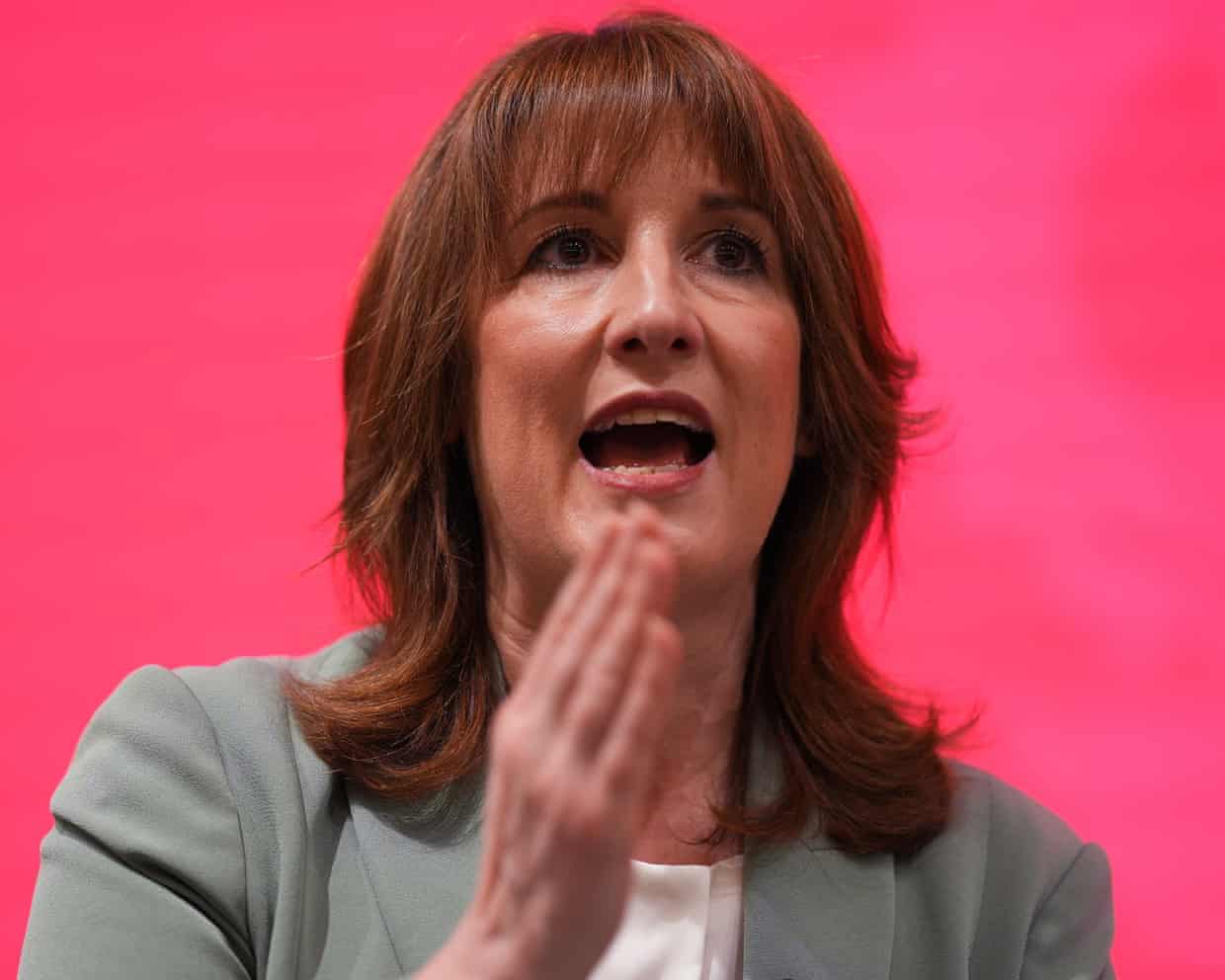
Reeves arrives at IMF with little leeway to prove its UK downgrade wrong
The Iran war is bad news for the global economy. But for some countries, the unfolding conflict is having a bigger impact than for others. The International Monetary Fund’s verdict is that Britain is the G7’s biggest loser.Amid the rising damage from the Middle East war, the Washington-based fund warned UK economic growth rate would be 0.5 percentage points lower this year than it had predicted back in January – the biggest downgrade among the club of wealthy nations
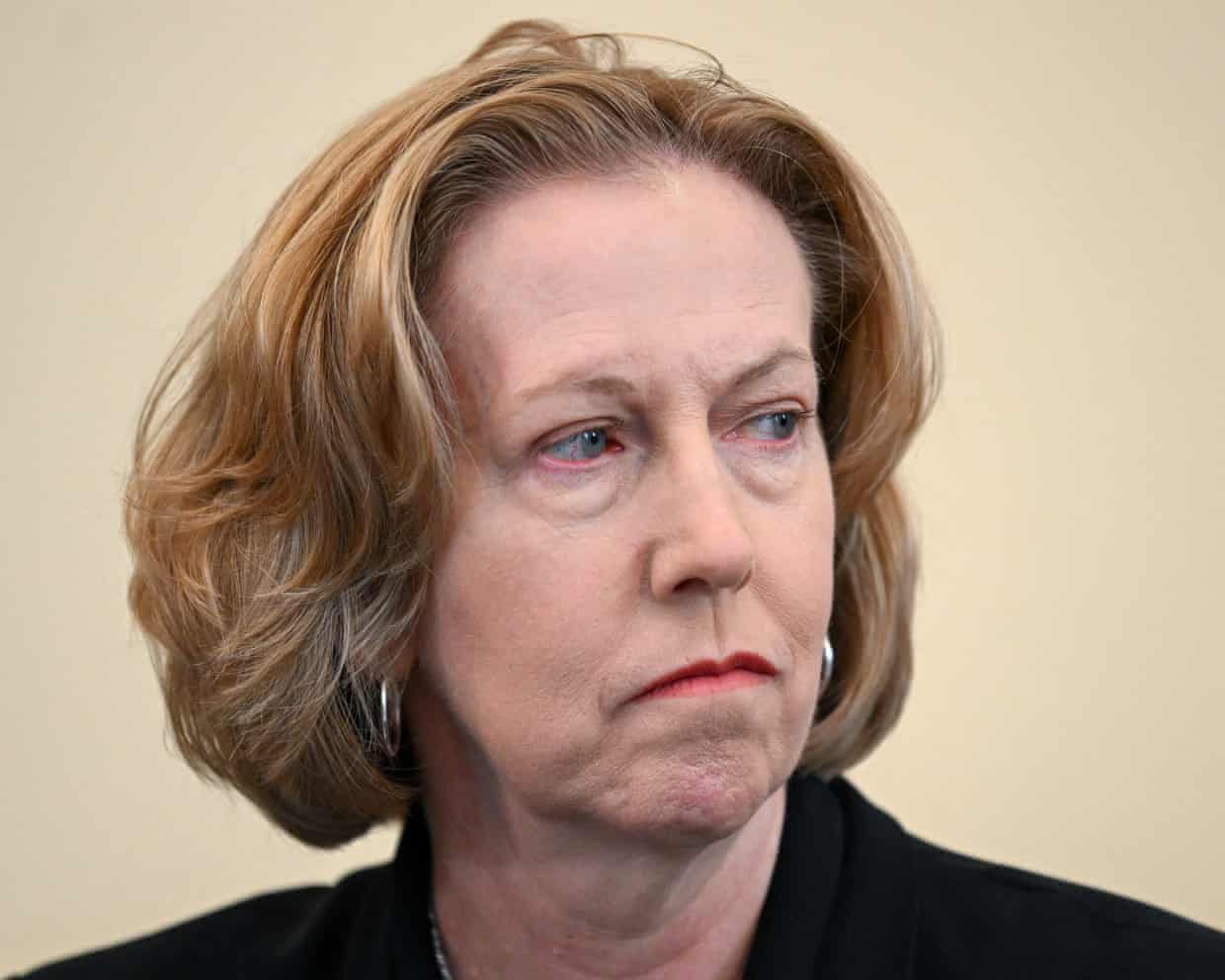
BP’s new boss to overhaul structure after retreat from green strategy
BP’s new boss has set out plans to reinstate the company structure the fossil fuel supermajor ditched six years ago as part of its failed attempt to reorganise the business to pursue a green agenda.Meg O’Neill told staff that the 117-year-old company would return to a “simpler, stronger” two-business arrangement including an upstream oil and gas production unit and a downstream business focused on refining and distributing fuels and retail activities.“In service of becoming a simpler, stronger, more valuable BP, we intend to build an organisation with a clear upstream and downstream,” O’Neill said.The planned overhaul is the latest step in dismantling the legacy of former chief executive Bernard Looney who in 2020 restructured BP to include a gas and low-carbon energy division as part of a wide-ranging mission to “reimagine” BP as a green energy company.The green agenda raised concerns among BP’s investor base, and made the company a target of activist investor Elliott Management, which called for BP to return its focus to fossil fuels and simplify its structure
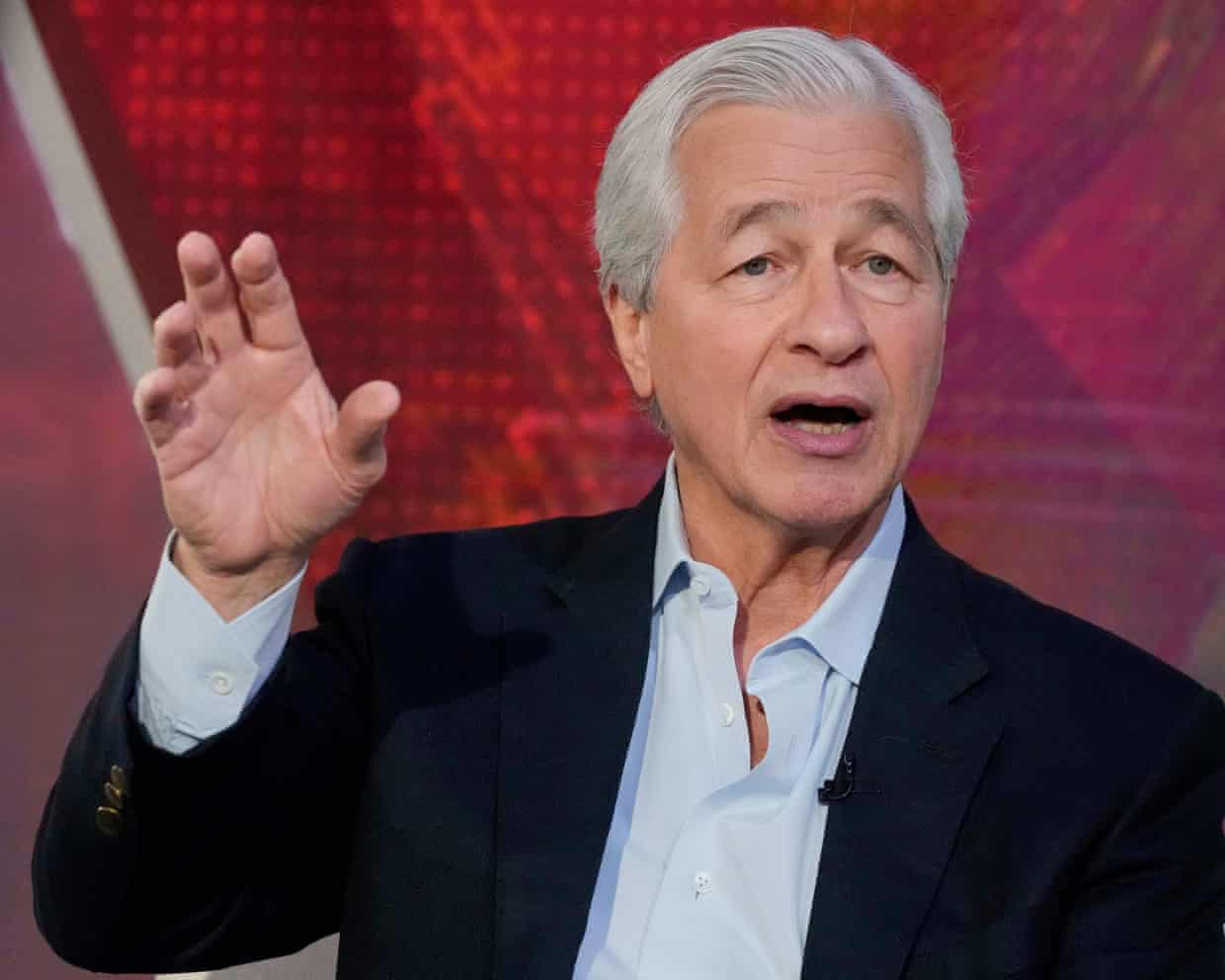
Jamie Dimon says private credit defaults are not threat to major banks
The boss of JP Morgan, Wall Street’s biggest bank, said a downturn across the $3tn private credit market would not put financial stability at risk, adding that losses would have to be “very large” before the pain rippled out to major banks.Dimon played down the potential impact that a series of private credit loan defaults would have on the wider financial system, arguing that while there were some areas of of weakness, the unregulated industry did not pose a “systemic” risk.“The actual credit hasn’t gotten that much worse. There are pockets where it has … so we’ll be watching it closely,” Dimon told analysts during an earnings call on Tuesday. “The big point, to me, is … I don’t think it’s systemic
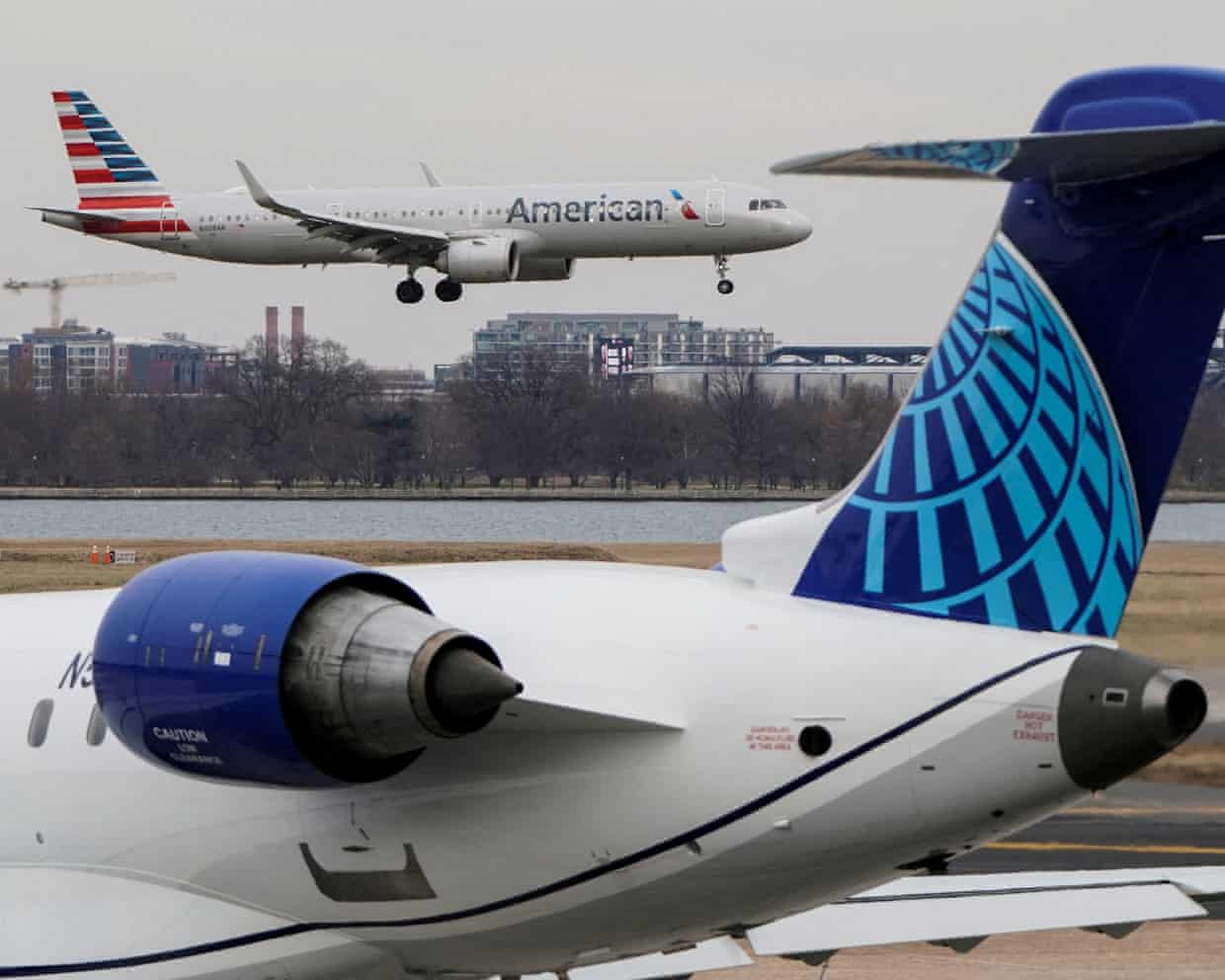
United Airlines CEO reportedly pitched merger with American, sparking competition fears
The CEO of United Airlines is said to have pitched a blockbuster merger with American Airlines during a meeting with Donald Trump, floating the combination of the world’s two largest carriers.Scott Kirby, who leads United, raised the prospect during an encounter with the US president in late February, Reuters reported, citing two unnamed sources. Such a deal would overhaul the global air travel industry – and would likely face intense competition scrutiny.United declined to comment. American and the White House did not immediately respond to requests for comment
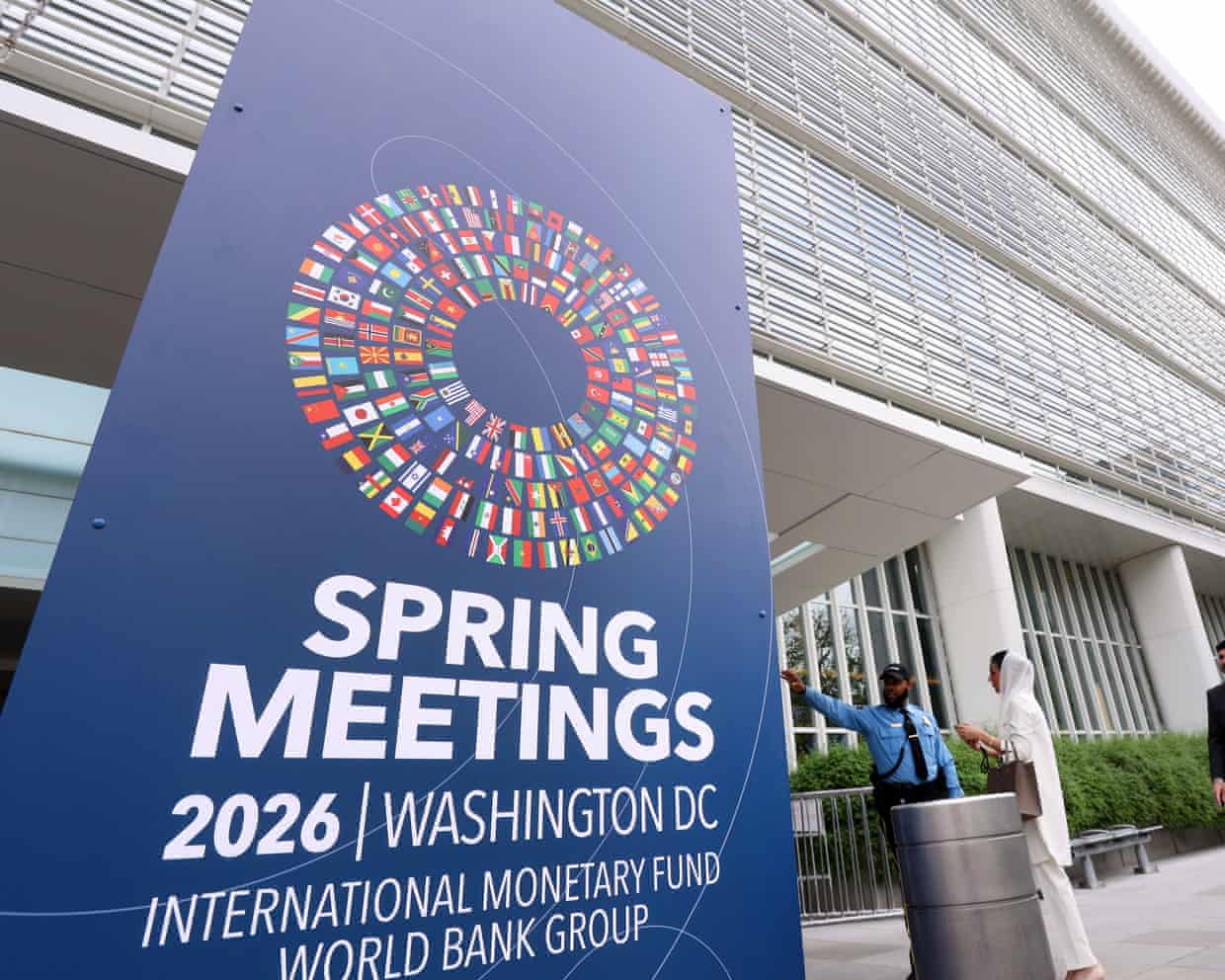
UK growth forecasts slashed by IMF as Iran war hurts global economy – as it happened
Newsflash: The International Monetary Fund has cut its forecast for UK growth this year and in 2026, as the Iran war hurts the global economy.The UK has been hit by the sharpest growth downgrade in the G7 in the IMF’s new economic forecasts, just released, at its spring meeting in Washington DC.UK GDP is now expected to rise by just 0.8% this year, down from a previous forecast of 1.3% – a bigger downgrade than other major economies
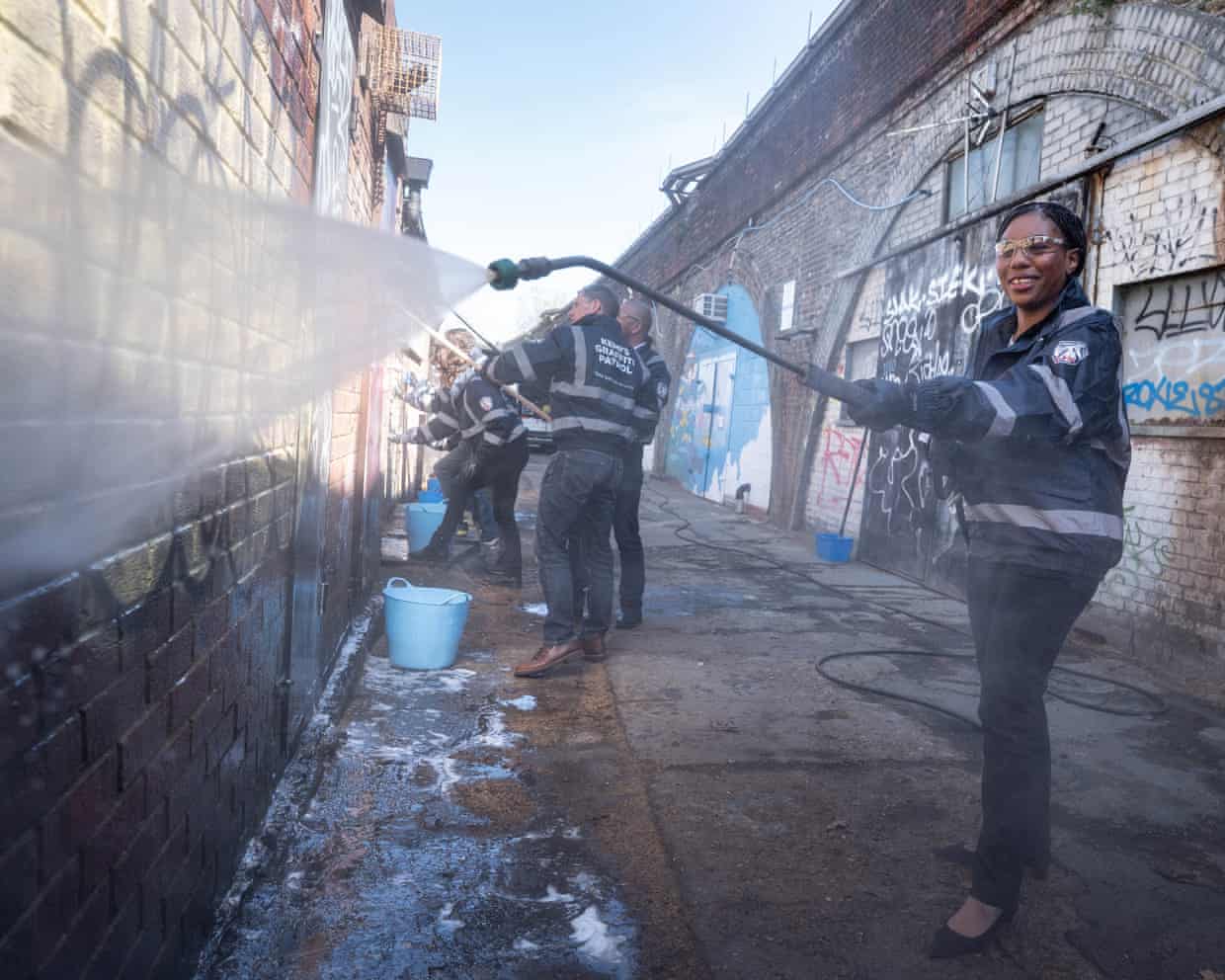
Kemi Badenoch’s memory wipe and the eternal sunshine of the spotless mind | John Crace
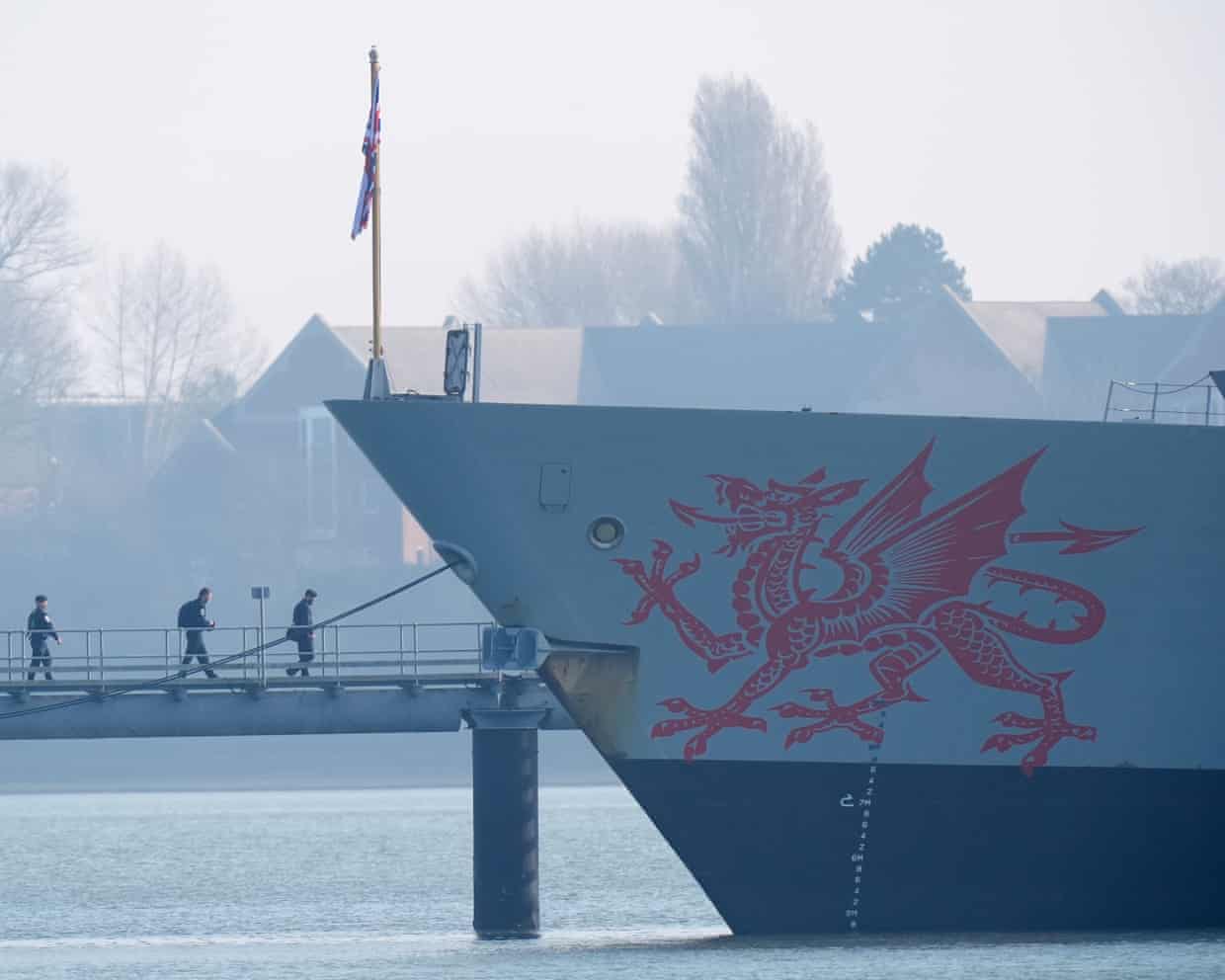
UK’s armed forces are in a sad state – and they have only themselves to blame
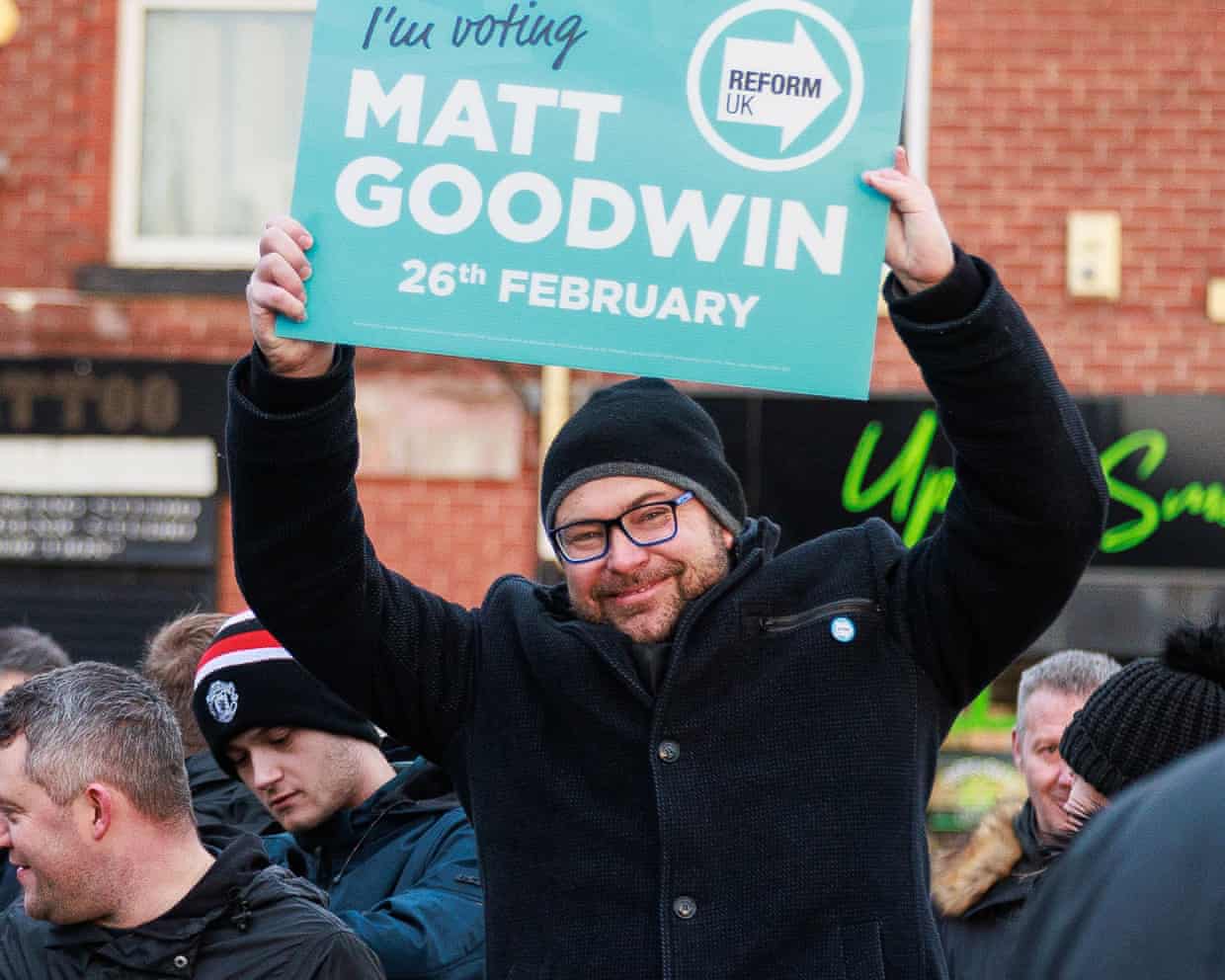
Reform activist suspended over racist and antisemitic comments remains election agent
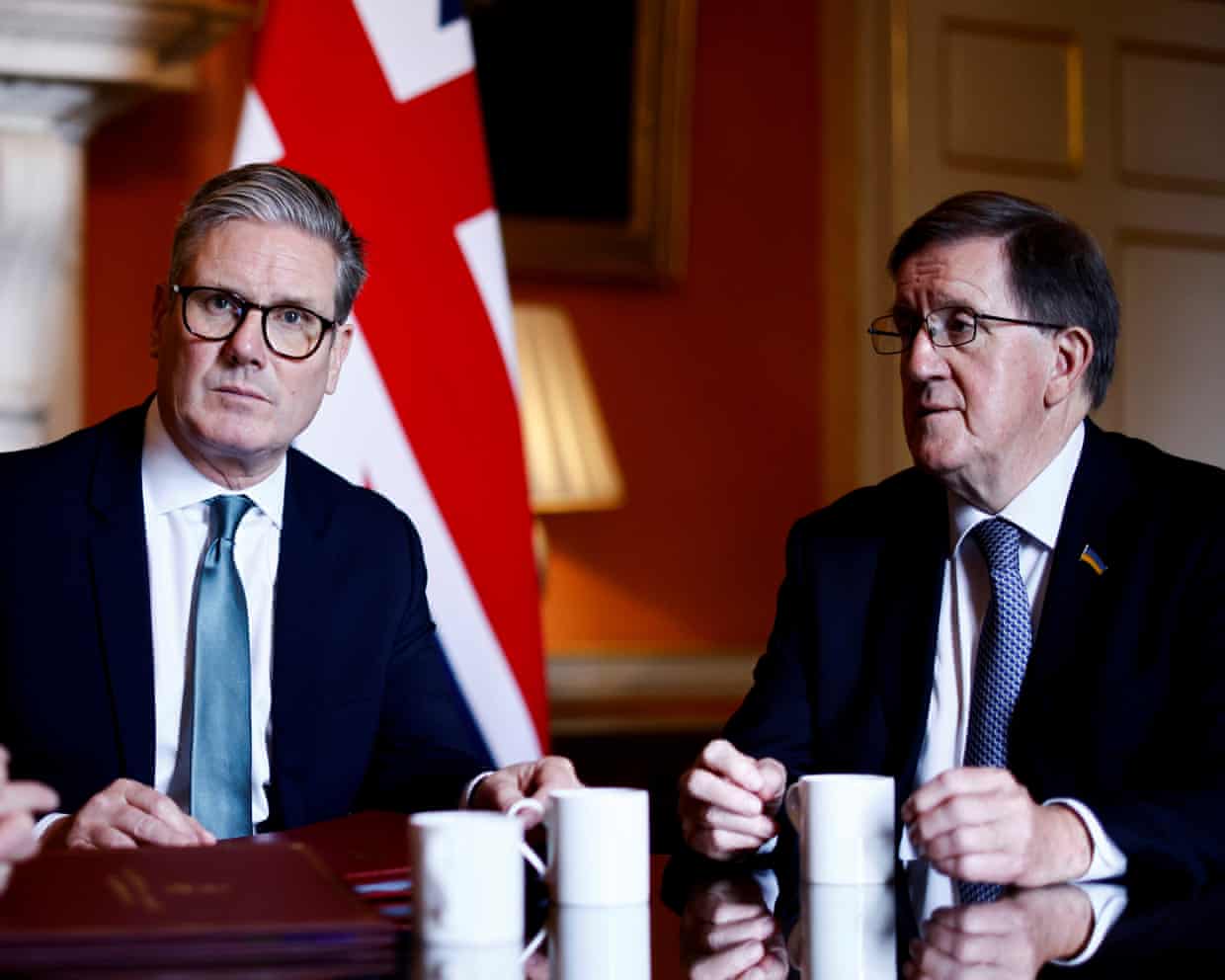
Starmer’s ‘corrosive complacency’ on defence has put UK in peril, says ex-Nato chief

Renewed ties with EU needed to boost UK security and economy, says Starmer
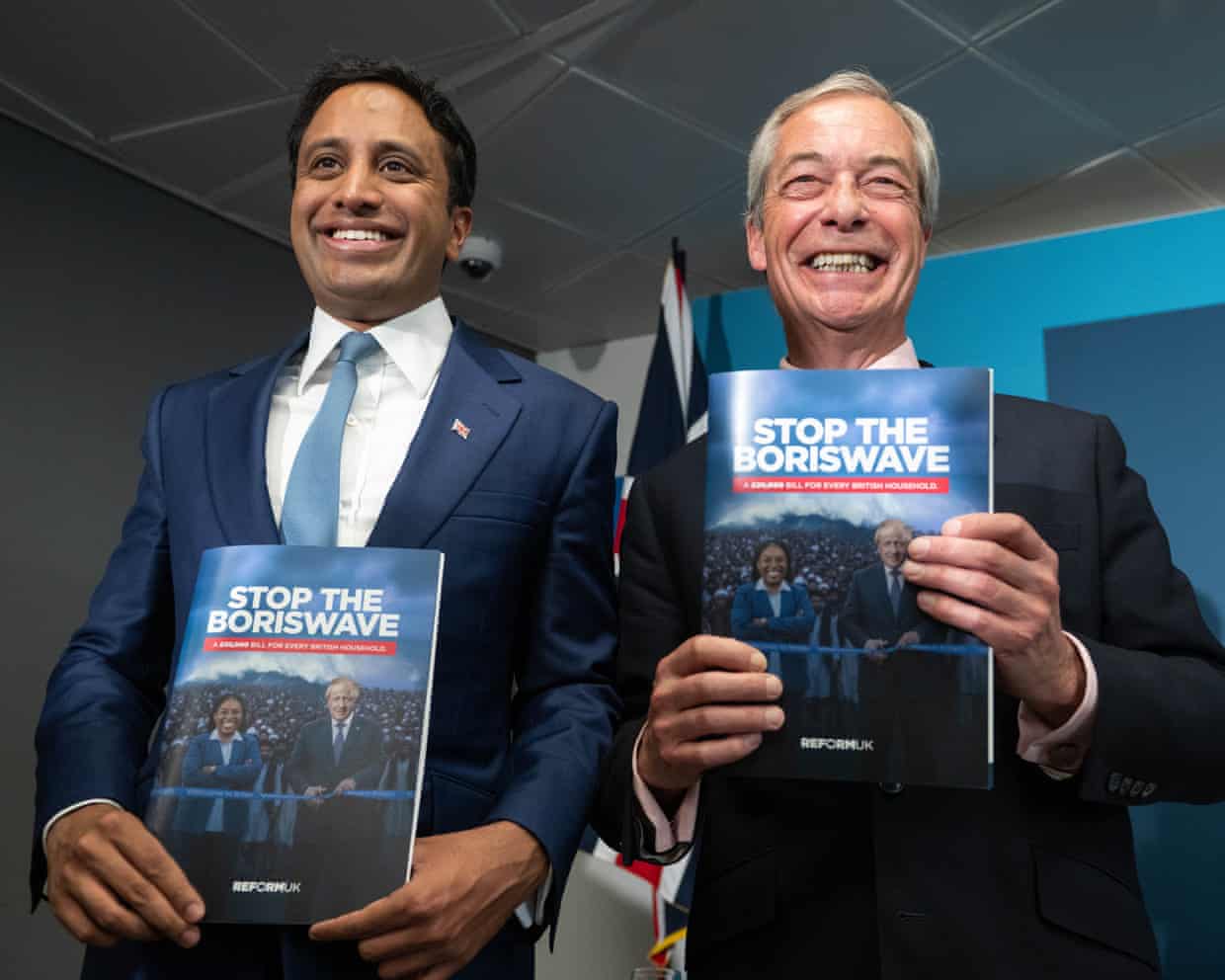
Nige and Zia set out plan to send ‘Boriswave’ traitors to the gulag | John Crace