UK growth forecasts slashed by IMF as Iran war hurts global economy – as it happened
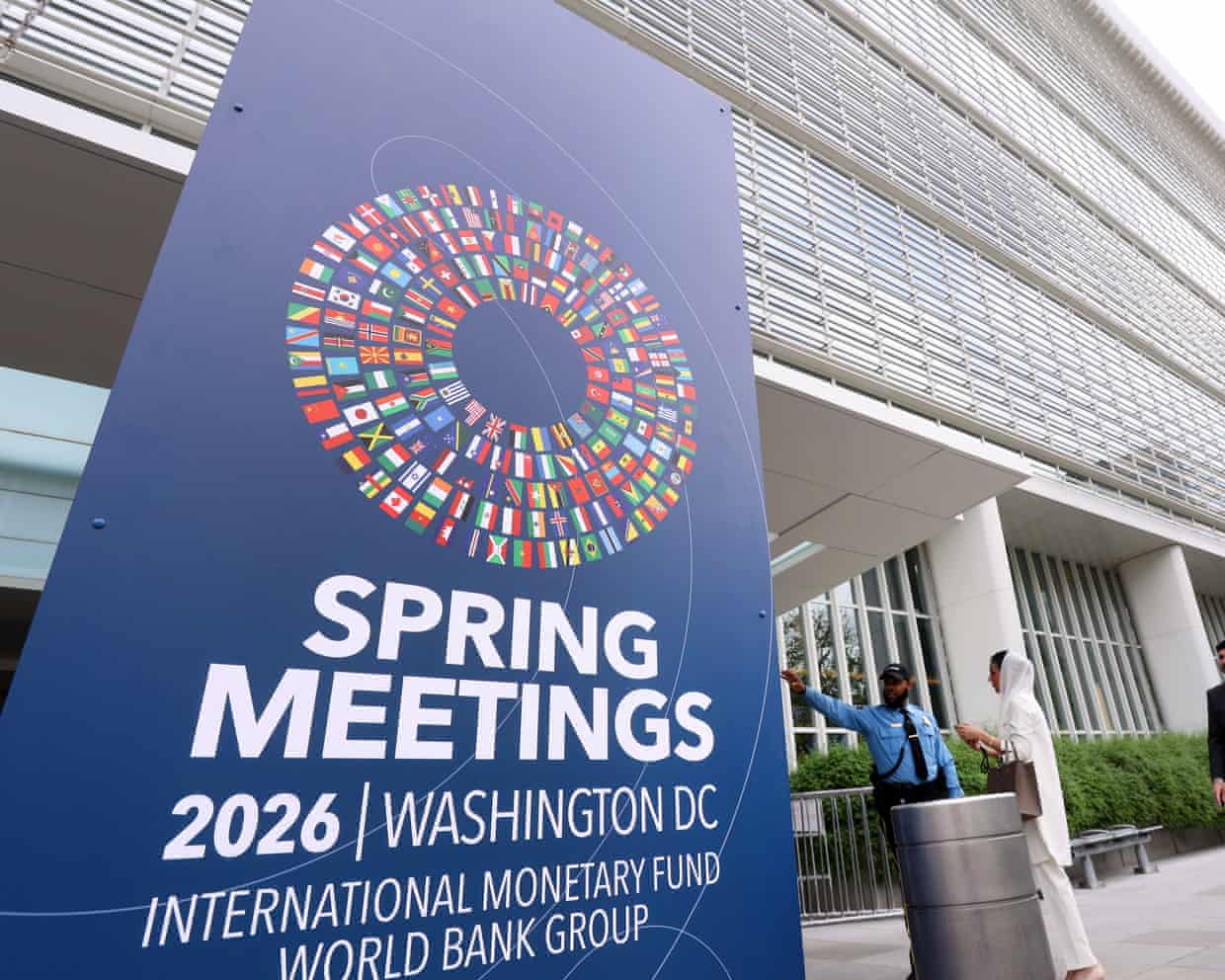
Newsflash: The International Monetary Fund has cut its forecast for UK growth this year and in 2026, as the Iran war hurts the global economy.The UK has been hit by the sharpest growth downgrade in the G7 in the IMF’s new economic forecasts, just released, at its spring meeting in Washington DC.UK GDP is now expected to rise by just 0.8% this year, down from a previous forecast of 1.3% – a bigger downgrade than other major economies.
The UK’s growth forecast for next year has been cut from 1.5% to 1.3%.The Fund says:double quotation markIn the United Kingdom, the war and a slower pace of monetary easing mean that growth is projected to decline from 1.3 percent in 2025 to 0.
8 percent in 2026, a downward revision of 0.5 percentage point relative to the October 2025 forecast.Growth is projected to recover to 1.3 percent in 2027, slower than expected before the war as the impact of higher energy prices linger.In a blow to households, IMF economists also predict inflation will rise towards 4%.
But, inflation is then expected to return to target by the end of 2027 as the effects of higher energy prices fade and a weakening labour market puts downward pressure on wage growth,Time to wrap up, after a day in which the UK suffered the sharpest cut to growth forecasts of the largest global economies from the IMF, as the conflict in the Middle East raised the prospect of a “major energy crisis”,Here’s today’s main stories:Russia is getting a small growth boost from the Iran war!The IMF has raised its forecast for Russia’s economic growth this year to 1,1%, from 0,8% previously, due to higher oil and other commodity prices as a result of the Middle East crisis.
The IMF’s upwardly revised forecast for UK inflation may be more worrying for households than its cuts to growth,Simon Pittaway, Senior Economist at the Resolution Foundation, said:double quotation mark“The IMF’s World Economic Outlook shows why British households are more vulnerable than their peers to the economic fallout from war in the Middle East,“In the run up to the conflict, the UK already had the highest level of inflation and interest rates in the G7,And while many people are focusing on the UK having the biggest downgrade to growth this year, households will be more worried about experiencing the highest inflation of any G7 economy over the next two years, with the IMF revising up its forecast to 3,2 per cent in 2026 and 2.
4 per cent in 2027 (up from 2.5 to 2.0 per cent).“This bleak outlook shows why the Government needs to tread carefully in how they respond to the conflict.Support for households should be temporary, targeted, and timely in order to protect vulnerable households while avoiding stoking inflation and putting the public finances under even greater strain.
”Maritime analytics group Windward has been watching the strait of Hormuz closely today, on the first full day of the US blockade of Iranian ports.They report that early vessel behavior shows “a fragmented response to the blockade”, including “route deviation, and potential blockade evasion”.Windward say that compliance, evasion, and selective movement are all occurring simultaneously today, explaining:double quotation markSanctioned and falsely flagged vessels remain active, with some proceeding through the Strait while others delay, reverse, or shift routing patterns.At the same time, Iranian oil flows continue to rely on indirect distribution networks, with significant volumes accumulating offshore rather than moving directly through the strait.Bank of England policymaker Megan Greene said on Tuesday that the upside risks to inflation were “paramount” to her thinking on the outlook for interest rates as Britain grapples with the economic fallout from the Iran war, Reuters reports.
Greene told an event organised by the Atlantic Council think tank in Washington:double quotation mark“There are definitely downside risks to demand, and I think that’s important.But I think that the upside risks to inflation are paramount.”Greene said, however, it could take months for evidence of second-round effects from the expected increase in headline inflation to appear, and data so far painted a “mixed picture”.The IMF is also warning today that global financial stability risks are “elevated”, due to the Iran war.The Fund’s latest Global Financial Stability Report flags the risk that the inflationary shock from the conflict could cause funding markets to tighten, fuelling volatility in the bond markets.
The report says:double quotation markThe global financial system is confronting the ongoing war in the Middle East, potential inflationary pressures, rising risks of further tightening in financial conditions, and several amplification channels that could lead from market turmoil to financial instability.The IMF also identifies private credit defaults and a slowdown in AI investment as additional risks to stability.A chief executive at an influential UK school trust has warned that the built environment sector is struggling to hire young people, despite the UK’s youth employment crisis.Speaking at a committee meeting in parliament this morning, Terry Watts, chief-executive of the Built Environment School Trust, a charity aimed at improving access for young people to work in the sector, said that awareness around opportunities for young people is “not in a good state”, saying that although “exceptionally good programmes” that generate interest around the built environment exist, he described them as “very patchy,” and “uncoordinated.”Watts also cited the issues that such programmes “tend to be focused around London and the south-east”, as well as how costly they can be to run on a daily basis.
Despite the built environment sector employing 12% of Britain’s workforce, and generating around 17% of the country’s GDP, Watts said of the thousands of students he works with, “94 per cent of them don’t want to work in construction when we meet them.”And although youth unemployment has risen to its highest level since 2014 (16.1%), with concerns mounting over young people finding it harder to be hired across many sectors, they still appear to not be attracted to careers in the built environment.It has a “no one wants to do that” stereotype, Watts said, adding that other industries including finance and tech are increasingly being seen as more attractive career paths.He told a committee of politicians and Lords that there needs to be more work to help the sector appeal to young people, saying:double quotation mark“We need people to aspire to go into this sector where you can start as a labourer on site.
20 years forward, you’re running a £10-20m turnover building company.“There’s lots of social mobility opportunities for this sector.If only people knew they were there, they could aspire to do them.”Professor Costas Milas of the University of Liverpool has spotted an interesting line in the IMF’s World Economic Outlook report, on defence spending and GDP growth:double quotation markIMF’s latest World Economic Outlook (in Chapter 2) pools together economic information from a panel of countries to find that sizeable defence booms are followed by higher real GDP; in fact, real GDP ends up 5% higher over a five-year horizon; at the same time, Consumer Prices increase by 3% but this impact is only transitory.The main channel through which GDP rises is much stronger public investment.
The IMF flags the obvious: how to finance extra defence spending is not straightforward but hints to a combination of higher taxes, lower government expenditure and extra borrowing.A tricky decision for Rachel Reeves in terms of finding the best possible financing mix for additional defence investment to end up at approximately 5% of UK GDP in the medium run.The TUC are calling for a temporary cap on gas prices to help UK businesses through the energy shock.TUC general secretary Paul Nowak also firmly blamed Donald Trump’s decision to trigger conflict in the Middle East for the UK’s growth downgrade:double quotation mark“This is the last thing working families need.“Donald Trump’s illegal war of choice risks making us all poorer.
The longer it goes on, the bigger the threat to our economy and to living standards.“Households and firms are already being hammered by Trumpflation – especially gas-dependent industries like chemicals, ceramics and glass.“That’s why the government must urgently bring forward a temporary targeted gas price cap to stabilise the price of gas for critical industries and protect British manufacturing – and press the accelerator on the energy support scheme making sure it reaches crucial sectors like steel.“And longer-term, ministers must go all out to protect the country from a sustained Trump-slump – and ensure those with the deepest pockets shoulder the cost.”The IMF’s growth downgrades show that the Middle East conflict has ‘blown a hole’ in the government’s economic plan, warns Lindsay James, investment strategist at wealth manager Quilter.
double quotation mark“The IMF has delivered a severe reality check to Rachel Reeves and the rest of UK government, with economic growth forecasts slashed heavily.It now expected economic growth for this year to come in at 0.8%, down from the 1.3% growth that was forecasted at the beginning of the year.The conflict in the Middle East has effectively blown a hole open in the economic plan the Labour government was embarking on, and without a significant calming of the tensions, the UK is expected to fare the worst of the world’s developed economies.
“The government came into this year hoping it would be one of stabilisation, with Budget concerns now out of the picture and the fiscal headroom being largened,The US-Iran war, however, has blown that off course and instead resulted in the UK suffering from increased energy prices and the potential for an inflationary shock,With interest rate cuts now firmly off the cards for now, and the potential for hikes very much live, economic growth is going to be hard to come by,“It is hoped that much of this economic shock will be short-lived, provided the conflict does not drag on,The IMF expects the UK to recover to become the fastest growing G7 European economy in 2027 with growth of 1.
3%, but with inflation also expected to be the highest amongst peers, there remains risk that further revisions could be made,“None of this, of course, is helped by the fact that the longer the conflict goes on, the greater potential there is for an economic recession,The original ceasefire agreed already appears to have broken down, and while the bombing may have calmed, tensions remain ratcheted up,Even with any resolution, things are unlikely to go back to normal and we should now have to get familiar with elevated oil and gas prices for the foreseeable future,”The IMF has “laid bare” the UK’s exposure to global shocks and fossil fuel price spikes by cutting its growth forecasts (see earlier post), says the IPPR think tank.
Responding to the latest IMF World Economic Outlook, Sam Alvis, associate director at IPPR, says:double quotation mark“The IMF’s latest outlook paints a bleak picture and underlines a hard truth: the UK’s economy is still at the mercy of global crises.Our dependence on volatile fossil fuels leaves households and businesses exposed to yet another wave of energy price shocks.We will need to protect people from the effects of this now but to stop us having to do so again in the future we need to invest in electrification and clean, homegrown energy.”Germany has been hit by the biggest growth downgrade among eurozone countries.In its new World Economic Outlook, the IMF expects German growth rates of 0.
8% in 2026 and 1.2% in 2027, down 0.3 percentage points in both years.The euro area is forecast to grow by 1.1% in 2026 and 1.
2% in 2027 is forecast, 0.2 percentage points less in each year than previously expected.Q: Why is the UK’s downgrade bigger than other major economies?There are two main reasons, replies IMF chief economist Pierre-Olivier Gourinchas:Firstly, of course, the war in the Middle East – the jump in energy prices hurts the UK as it is “highly reliant” on gas for its energy mix.Gourinchas explains:double quotation markNow a lot of this gas is produced domestically, but there is still a part of it that is imported.And, the part is imported is at market prices.
It’s much more expensive.And that sets the price for energy in the UK in an environment in which, gas reserves are relatively low, when you compare them to other European countries.So there is more of a pass through of gas prices into wholesale prices of energy, even if households are protected temporarily because there are there are some measures in place.Secondly, the UK economy had a “relatively weak performance” in the second half of 2025, so there is a ‘carryover effect’ into 2026.Q: Do you fear the UK could fall into a wage-price spiral again?Gourinchas argues that the UK economy still has a negative output gap, which is moderating some wage pressures.
He says:double quotation markRight now there is little evidence that there are strong wage pressures in the UK economy and therefore our estimates of core inflation are not increasing too much.The IMF downgrade is a fresh blow to Chancellor Rachel Reeves and the government’s “elusive search for growth”, says Susannah Streeter, chief investment strategist at Wealth Club:double quotation markThe UK is set to be battered by hot oil prices, an energy bill crisis and a tightening of consumer spending.The economy was already flatlining even before war erupted in the Middle East, and now there is little means of resuscitation available given that interest rates look set to ramp up to curb inflation.Hopes of fresh talks to find a resolution to the conflict are providing a balm of sorts.One to two interest rate increases are now being priced into financial markets instead of the scary three to even four hikes temporarily forecast, but it’s still going to be tough going ahead if borrowing costs rise further.
Plans for a big bang of home construction with 1.5 million new dwellings targeted by the government have turned into more of a whimper.Property companies have scaled back ambitions as the Middle East crisis has hurt demand, and high uncertainty lingers.The government’s latest lever to pull is a closer relationship with Europe, but a deal on accepting single market rules will take time to be agreed, so it won’t nudge growth forward any time soon.As companies batten down the hatches and try to wait for the storm to pass, investment plans are being trapped.
The UK is stuck in a stagflation scenario and risks of a recession are rising fast.'’The energy shock from the Iran war is as severe as the 1974 oil price shock, the IMF says, but the world economy is in better shape to cope.Pierre-Olivier Gourinchas, chief economist at the IMF, tells today’s press conference that if the conflict were to stop today, the oil shortfall for the year would be comparable to the shock from the 1970s in terms of how much oil has been withdrawn from the market on an annual average basis.He says:double quotation markSo, the shock is comparable to the 1974 oil price shock.But, there are important differences, Gourinchas says: The first one is that the global economy is much less oil dependent now than it was back then, and it is much more efficient in terms of how much it needs oil to produce GDP.
Secondly, back in the ‘70s, central banks were focused on supporting activity rather than reining in inflation.“That led to macroeconomic instability,”Gourinchas explains.

‘It was life-changing’: the celebrated art historian who spent 46 years sitting for Frank Auerbach
Catherine Lampert is a historian, curator and model who spent much of her time sitting for her famous friends. She tells us what the likes of Auerbach, Lucian Freud and Euan Uglow meant to herLast November, a work titled Potiphar’s Wife by British painter Euan Uglow appeared in a private sale by Christie’s in London. “We were all so excited,” says art historian and curator Catherine Lampert. “I had tried many times to find out where that picture was.” It depicts a woman lying on the ground against a blue wall, legs crossed and arms stretched out behind her to, it seems, stop a man in a T-shirt from leaving
Cultural venues in England to share £130m under Arts Everywhere scheme
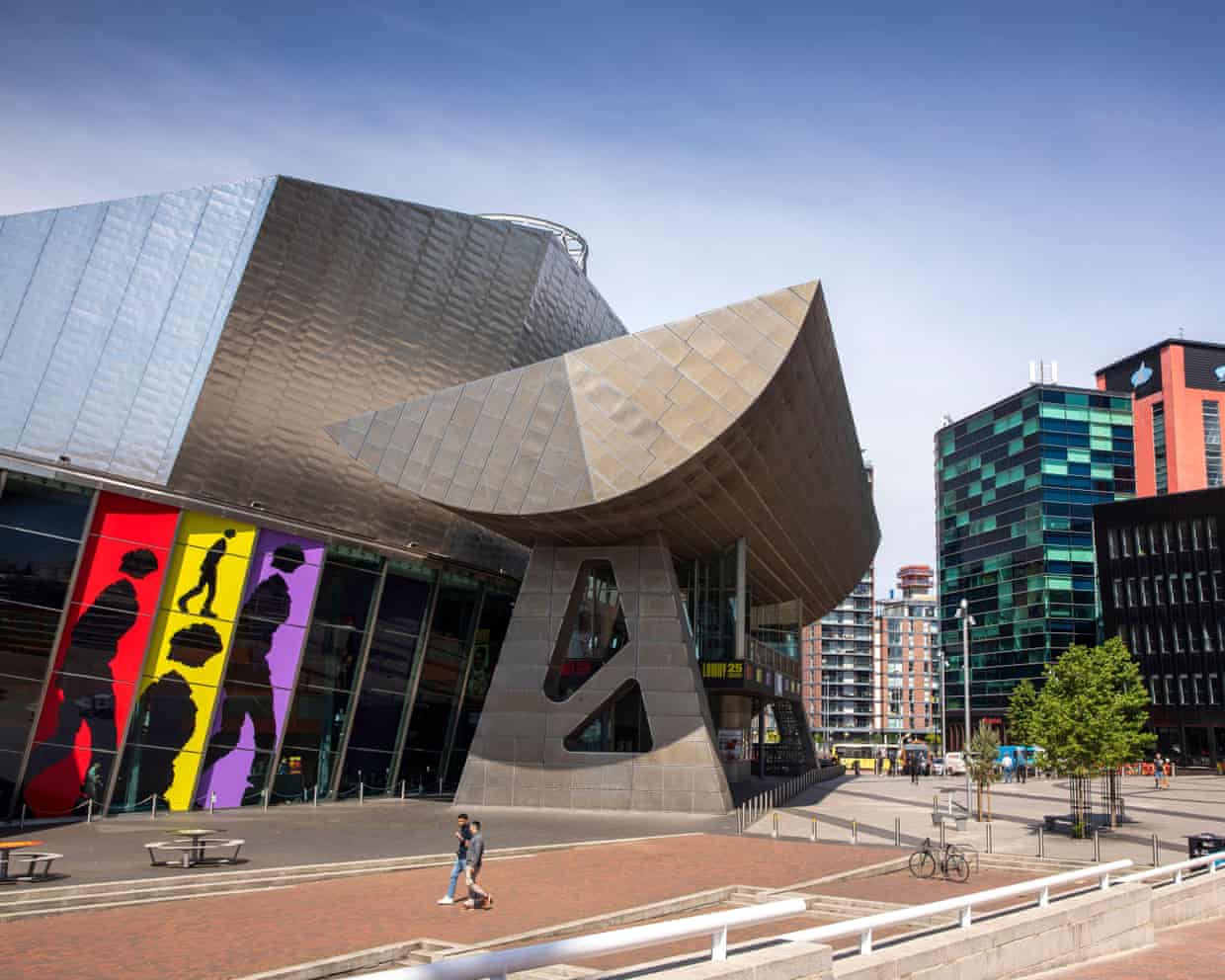
More than 100 cultural venues, museums, and libraries will share £130m extra funding as part of the largest cash injection into the arts for a decade, ministers have announced.The investment forms part of the Arts Everywhere Fund, a £1.5bn package to support cultural infrastructure projects over the course of this parliament, which was announced by the culture secretary, Lisa Nandy, earlier this year. The fund aims to save more than 1,000 arts venues, museums, libraries and heritage buildings across England.On Tuesday it was announced that venues ranging from the Lowry Centre in Salford, the Hexagon in Reading and the Royal Shakespeare Company in Warwickshire will receive funding to help open up access to facilities, complete much needed building projects and upgrade technology on site
Mysterious Lake District barn joins national treasures on heritage list
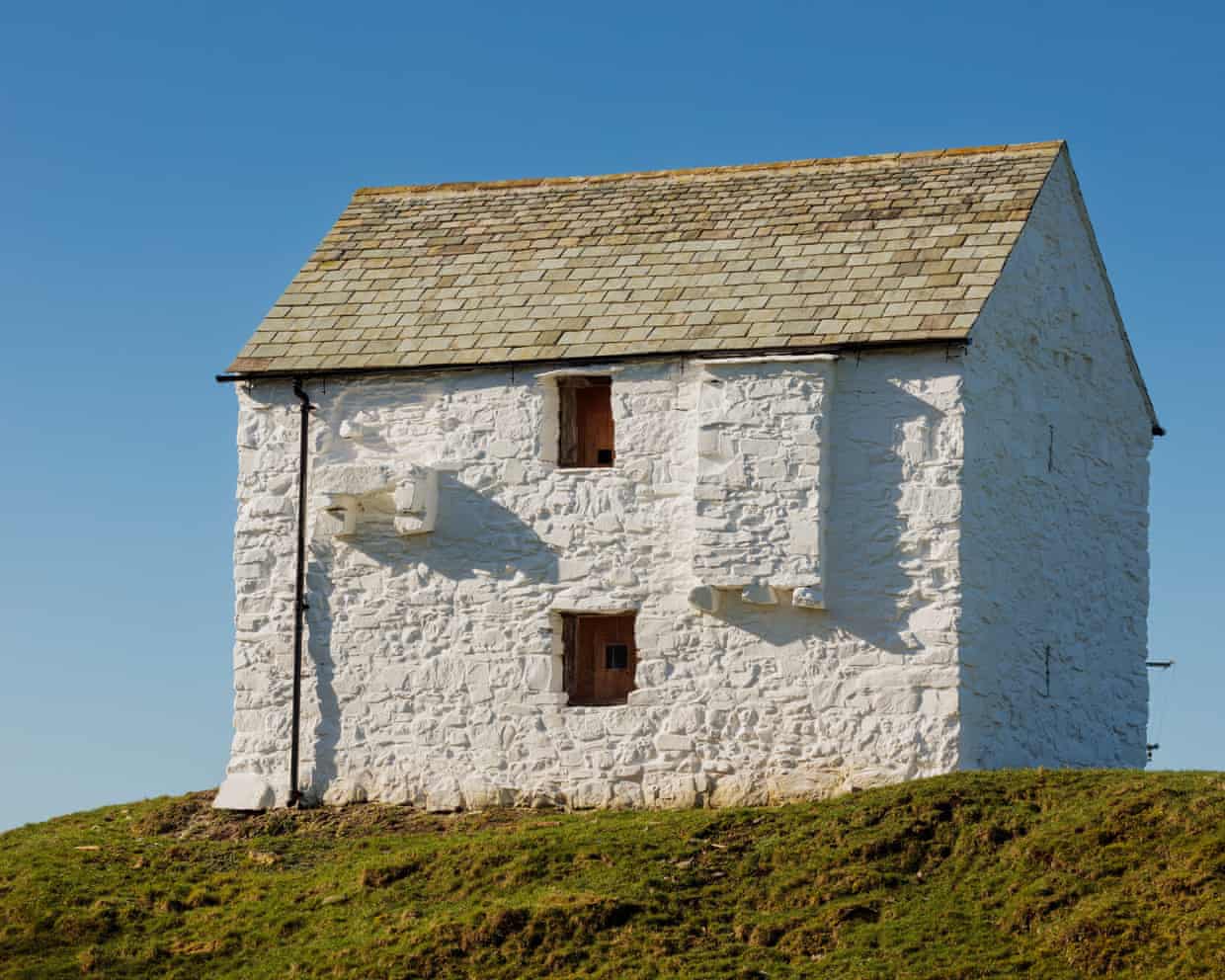
It is an elite list with some of the most significant and beautiful buildings and structures in England, including Battersea power station, Middlesbrough’s Transporter Bridge and the London Coliseum.Now the Grade II* landmarks are being joined by a mysterious, limestone rubble “barn” on a grassy knoll in the Lake District, which was most recently used as a shelter for sheep and cows.The Department for Culture, Media and Sport said it was awarding listed status to a building known as Henry’s Castle on the advice of Historic England. Only 5.8% of listed buildings are at grade II* level, meaning they offer “more than special interest”

‘A cauldron of people with their tops off!’ Goldie, Estelle, Courtney Pine, Flo and more pick great moments in Black British music
For its inaugural show, the V&A’s east London outpost is celebrating 125 years of Black music-making in Britain. We asked top performers to pick their favourite exhibitGoldie: Kemistry and Storm (The Diptych) by Eddie Otchere (1995)I remember riding my bike up Camden High Street and going past Red or Dead. I saw this girl Kemi, or Kemistry. She was mixed race, like me, with blond dreadlocks. Unbelievable! We ended up going for coffee and started dating

Celebrity on celebrity: are we losing the art of the big star interview?
We live in a time where ultra-rich businesspeople have accrued more wealth and power than ever, creating a growing sentiment that they ought to be held to account, no doubt exacerbated by the fact that a wealthy businessman is in his second self-enriching term in the US presidency. So naturally, CNN, Donald Trump’s supposed nemesis, has figured out the best way to use their resources to better interrogate this elevated class: by letting them interview each other about their businesses. The 1 on 1 is named not for an actual journalist going up against a major business leader; they would probably never agree to that. So instead, CEOs can “grill” each other about whatever they mutually agree are the correct things to ask fellow elites. A spokesperson says these conversations will be “refreshingly direct”

The Guide #238: The overlooked underdogs of British quizshows that are still worth a stream
The quizshow will never die. Nuclear war could rid the earth of all living creatures bar the cockroaches and still, a shiny floored half-hourer hosted by Stephen Mulhern will somehow be airing on the emergency broadcast system. Quizshows have been airing on British screens since 1938, when a televised spelling bee was broadcast on the BBC, and they have remained remarkably resilient. Today they seem a good accompaniment to an era where everyone seems to be tapping away at puzzles on their phone.Scroll down the channel guide of your TV and it won’t be long until you find a quizshow (and that one will almost certainly be The Chase)
Reeves arrives at IMF with little leeway to prove its UK downgrade wrong
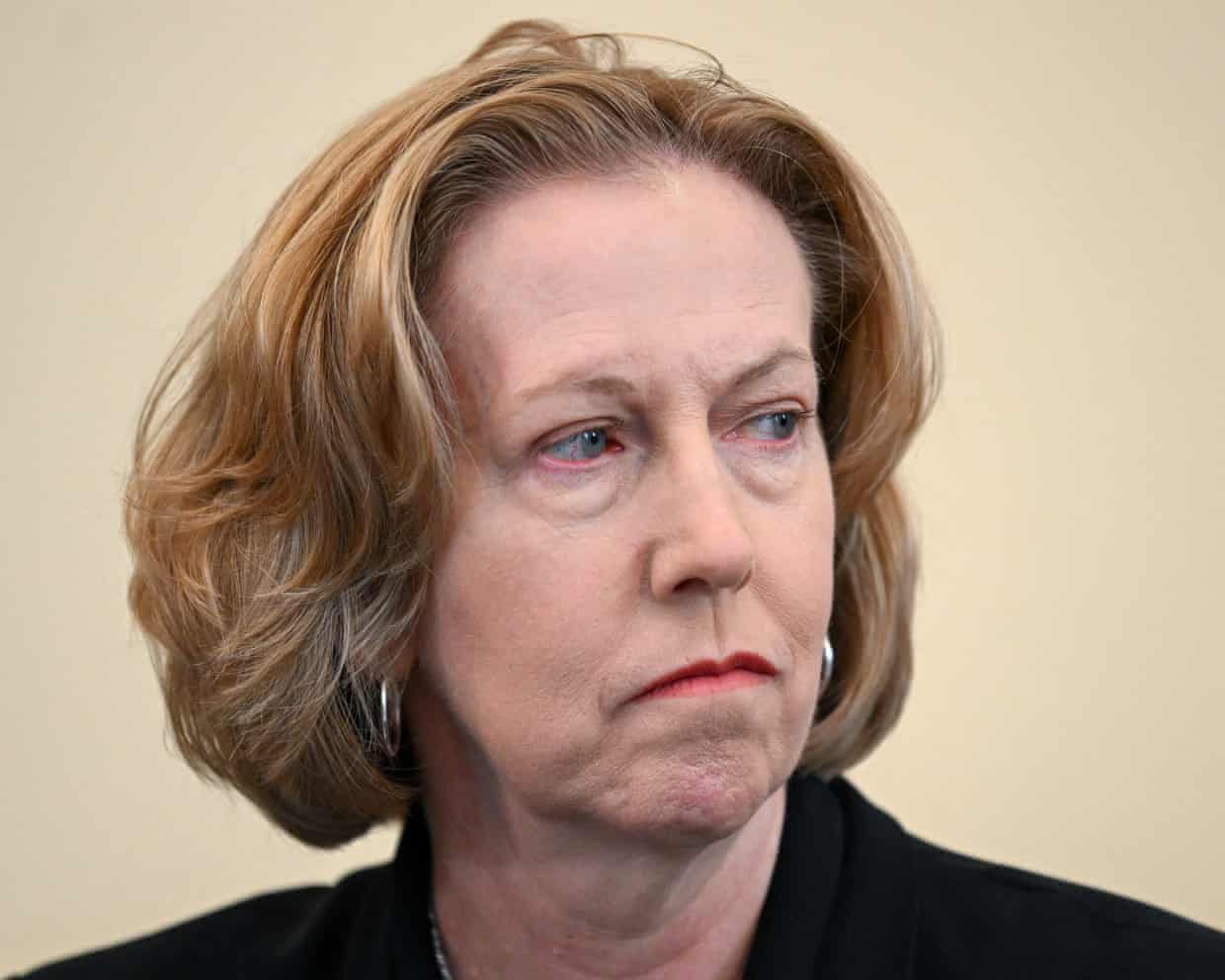
BP’s new boss to overhaul structure after retreat from green strategy

AI companies make powerful tech – but they’re also savvy marketers

Don’t make Marshal Foch’s mistake on AI | Letters
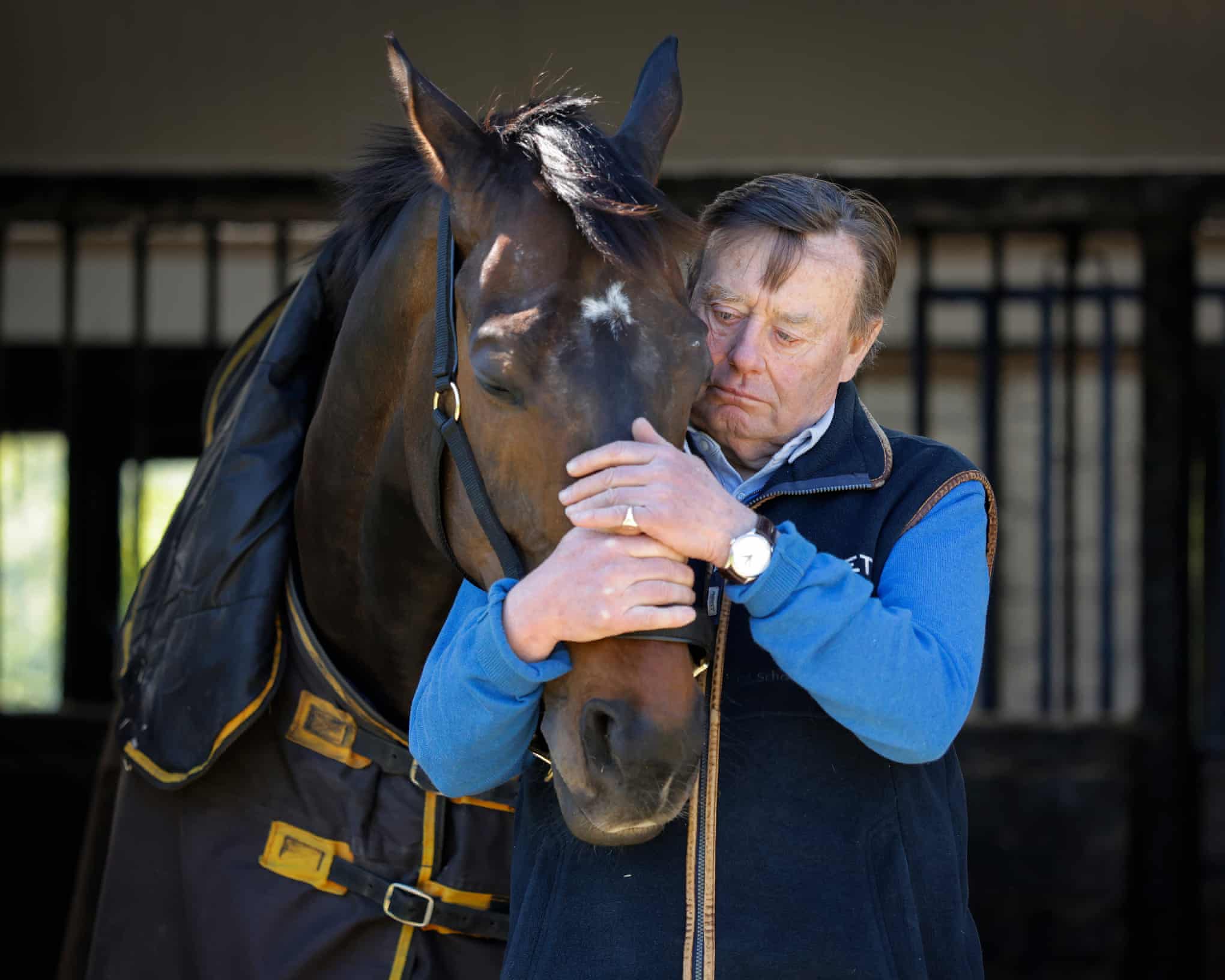
Nicky Henderson on Constitution Hill and the yips: ‘The best jumper you’ll ever see and he lost it’

The Breakdown | Will Bath or anyone else stop the Bordeaux Bègles juggernaut in Europe?