Fairphone 6 review: cheaper, repairable and longer-lasting Android
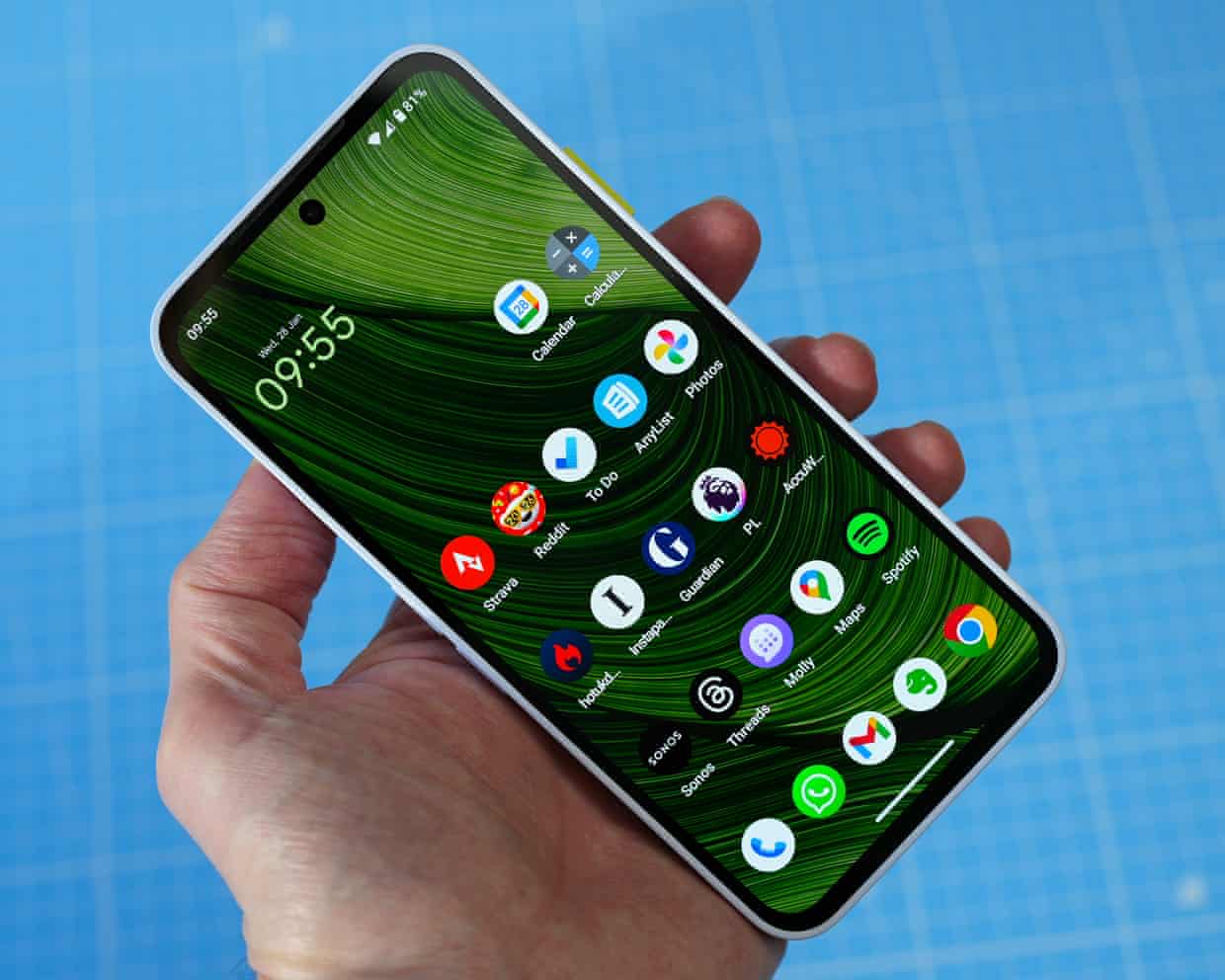
The Dutch ethical smartphone brand Fairphone is back with its six-generation Android, aiming to make its repairable phone more modern, modular, affordable and desirable, with screw-in accessories and a user-replaceable battery.The Guardian’s journalism is independent.We will earn a commission if you buy something through an affiliate link.Learn more.The Fairphone 6 costs £499 (€599), making it cheaper than previous models and pitting it squarely against budget champs such as the Google Pixel 9a and the Nothing Phone 3a Pro, while being repairable at home with long-term software support and a five-year warranty.
On paper it sounds like the ideal phone to see out the decade,The new Fairphone is slicker than its predecessors, with a modern, 6,3in 120Hz OLED screen on the front and a recycled plastic body that feels solid and high quality,It looks great in its off-white colour as tested, but also comes in green or black,The phone is resistant against rain and splashes but not immersion, so don’t drop it in a bath or swimming pool.
The back plate is held in place by two exposed Torx screws and hides the battery and other modular components, which can simply be unscrewed and replaced at home if needed.The power button doubles as fingerprint scanner, but it is quite slim; and being flush with the side makes the task of pressing it harder than necessary.Unfortunately, the volume buttons are directly opposite the power button and precisely where you place your fingers for grip, which leads to frequent accidental presses that trigger either unwanted screenshots or the power-off and restart menu.They are also very easy to hit accidentally when pulling the phone out of a pocket, ramping up the volume unnecessarily.Above the power button on the right side is a big, colourful switch that turns on Fairphone’s “Moments” minimalist interface, which blocks notifications and swaps the standard Android home screen for a simple list of essential apps.
It’s a smart idea for those hoping to reduce distractions.But swiping up to exit an app shows the regular home screen for a split second, making it feel like a hack.The switch can be repurposed for other features, including activating “do not disturb” or the torch.Screen: 6.31in 120Hz FHD+ OLED (431ppi)Processor: Qualcomm Snapdragon 7s Gen 3RAM: 8GBStorage: 256GB + microSDOperating system: Android 15Camera: 50MP main, 13MP ultrawide, 32MP selfieConnectivity: 5G, eSIM, wifi 6E, NFC, Bluetooth 5.
4 and GNSSWater resistance: IP55 (splash/rain)Dimensions: 156.5 x 73.3 x 9.6mmWeight: 191.4gThe Fairphone 6 has the same mid-range Qualcomm Snapdragon 7s Gen 3 chip as the Nothing Phone 3a Pro, which can’t rival the best phones for raw power but generally feels fast enough in use.
It will handle light gaming and most tasks but will struggle with more advanced titles.The phone has 256GB of storage and a rare microSD card slot for adding more.The battery life is reasonable if not remarkable, lasting about 35 hours between charges with the screen actively used for about four to five hours across 5G and wifi.The Fairphone should see out most heavy-use days, but will need charging nightly.The battery will maintain at least 80% of its original capacity for 1,000 full charge cycles and it can be replaced at home using a single screwdriver, along with the rest of the 12 modular components.
Batteries cost £35, screens £78 and the main camera £61.The phone was awarded 10 out of 10 for repairability by the specialists iFixit.The handset is made with 50% recycled or fair materials, and Fairphone publishes its lifecycle report.The phone either runs regular Android 15 with Google services, as reviewed, or a privacy-focused, open-source version of Android, without Google services, called /e/OS.Unfortunately, that means the Fairphone 6 isn’t running the latest version of Android 16, but it will be supported with updates until 2033, which is about a year longer than the best mainstream phones.
The software is generally uncluttered with little in the way of customisation, which for the most part is a good thing.But it is a little rough around the edges and lacks a few of the bells and whistles that Samsung, Google and others add to their software.It is notably devoid of the artificial intelligence that has been shoved in every crevice by other phone manufacturers.It has Google’s Gemini chatbot assistant, but without the ability to activate it via voice while the phone is locked.The Fairphone also misses out on Google’s excellent Circle to Search feature common to most other phones, which is a bit of a shame.
Recent updates have fixed some of the bugs, including one in which the screen stuttered and stalled after being turned on from standby,But the software still lacks the level of polish you should expect,The Fairphone has two cameras on the back and one selfie camera in the screen,The main 50-megapixel camera shoots good photos in bright light, but it struggles with high contrast scenes, often misjudging the white balance or looking washed out,The night mode is usable but not as good as you’d expect from a modern smartphone.
The 2x digital zoom is reasonable but stretching to 10x causes the photos to become full of artefacts,The 13MP ultrawide camera produces pretty good photos in decent light, with solid detail in the middle of the frame even if they are a little soft at the edges,The macrophotography mode can produce great closeup images with a bit of practice, and the 32MP selfie camera takes good photos for the money,The Fairphone 6 easily has the best camera the company has made and gets the job done, but it can’t hold a candle to similarly priced rivals,The Fairphone Gen 6 costs £499 (€599).
For comparison, Google’s Pixel 9a costs £499, the Nothing Phone 3a Pro costs £449 and the Apple iPhone 16e costs £599.The sixth-generation Fairphone takes the company further into the mainstream with a solid, mid-range Android with all the perks of a modular, repairable and more ethical design.It trades a few premium features for a lower price than its predecessors, but still has a good screen, great looks and reasonable battery life.It even has a microSD card slot for adding more storage, which is incredibly rare in 2026.The camera is serviceable, though far from the best you can get for the money.
The software is basic Android 15, which is unfortunately not the latest version, a little rough around the edges and devoid of AI tricks other than Google’s Gemini chatbot.But Fairphone is slowly fixing bugs and will provide support until 2033.The distraction-free Moments mode switch is a good idea, too.The chip is fast enough now, but it isn’t the most powerful and may become pretty tired after eight years of use.The fingerprint scanner is not the best and the power and volume button placement is an irritating design flaw.
While few phones offer as repair-friendly a design, more mainstream devices offer almost as long software support as the Fairphone,The Fairphone 6 is the best, least-compromised phone the company has made,But things have improved in the rest of the industry, with better access to repair and longer software support, making the Fairphone tough to recommend for everyone over mainstream devices,Pros: modular accessory support, repairable-at-home design, software support to 2033, recycled and fair materials, microSD card slot, good screen, five-year warranty,Cons: mid-range performance, fingerprint scanner and volume button placement annoying, average camera, cannot be submerged in water, no Android 16 yet and software is a little rough around the edges,

The dump dinner: spaghetti is now being served straight on to the table – but why?
Name: Dump dinners.Age: Horribly new.Appearance: Feeding time at the zoo, but for humans.I’ve just Googled this. Apparently a dump dinner is a make-ahead slow cooker recipe
Australian supermarket coconut water taste test: ‘Smells like an island holiday’
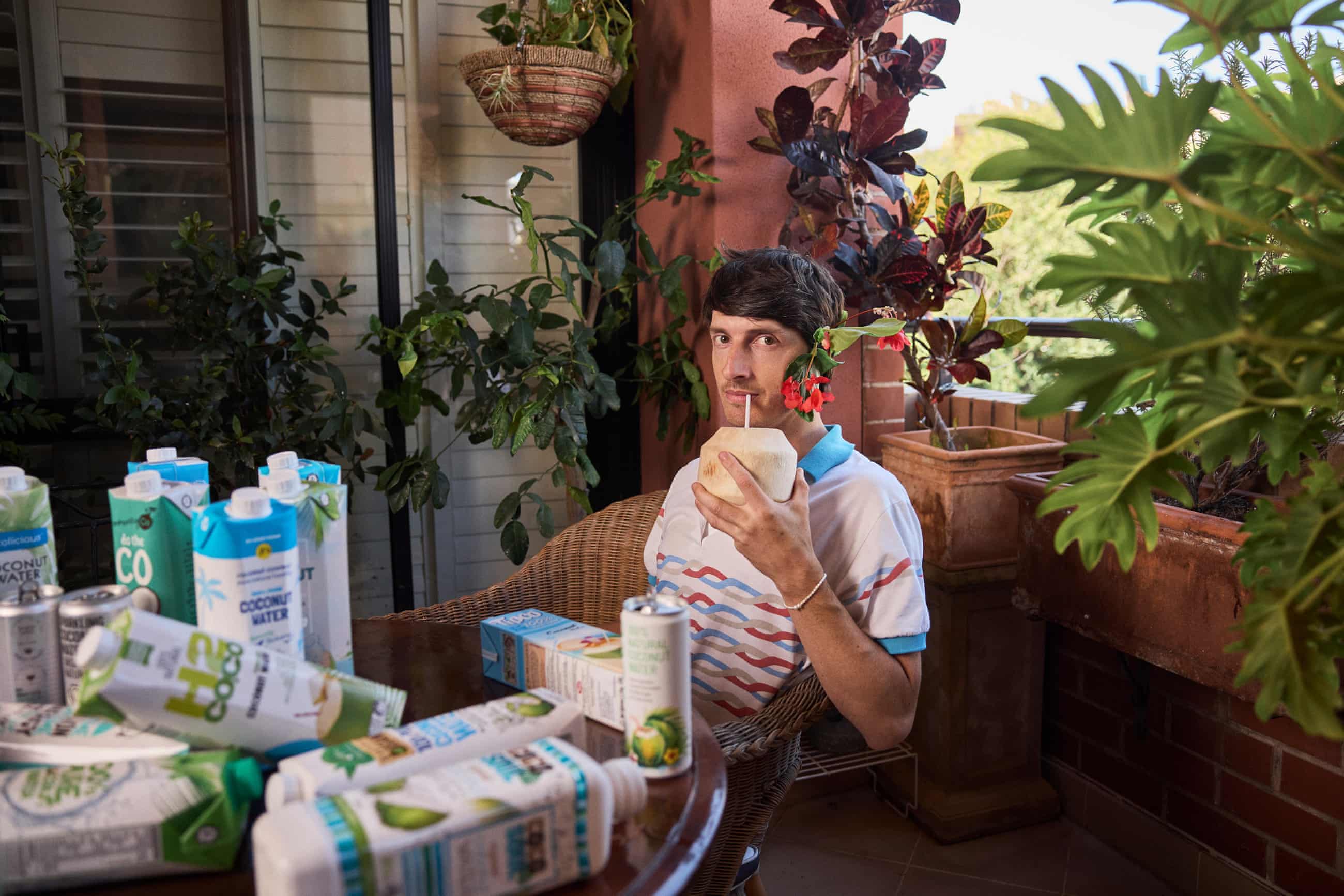
Overcoming his irrational fear of coconut products, Nicholas Jordan tests a lovely – and lowly – bunch of coconuts in a rowIf you value our independent journalism, we hope you’ll consider supporting us todayGet our weekend culture and lifestyle emailI have a fear of coconut products. Like all fears it’s based on a questionable rationale and trauma, and my trauma is taste testing “health” coconut-heavy products that taste like soap. Which is why, until recently, almost all the coconut water I’d drunk was from a straw reaching out of a fresh coconut.Surely there’s no way a bottled coconut water, made from 100% coconut, could be that bad. Maybe it could be better than the real thing? I enjoy Melona more than the average honeydew melon
Miso mystery: red, white or yellow – how does each paste change your dish? | Kitchen aide
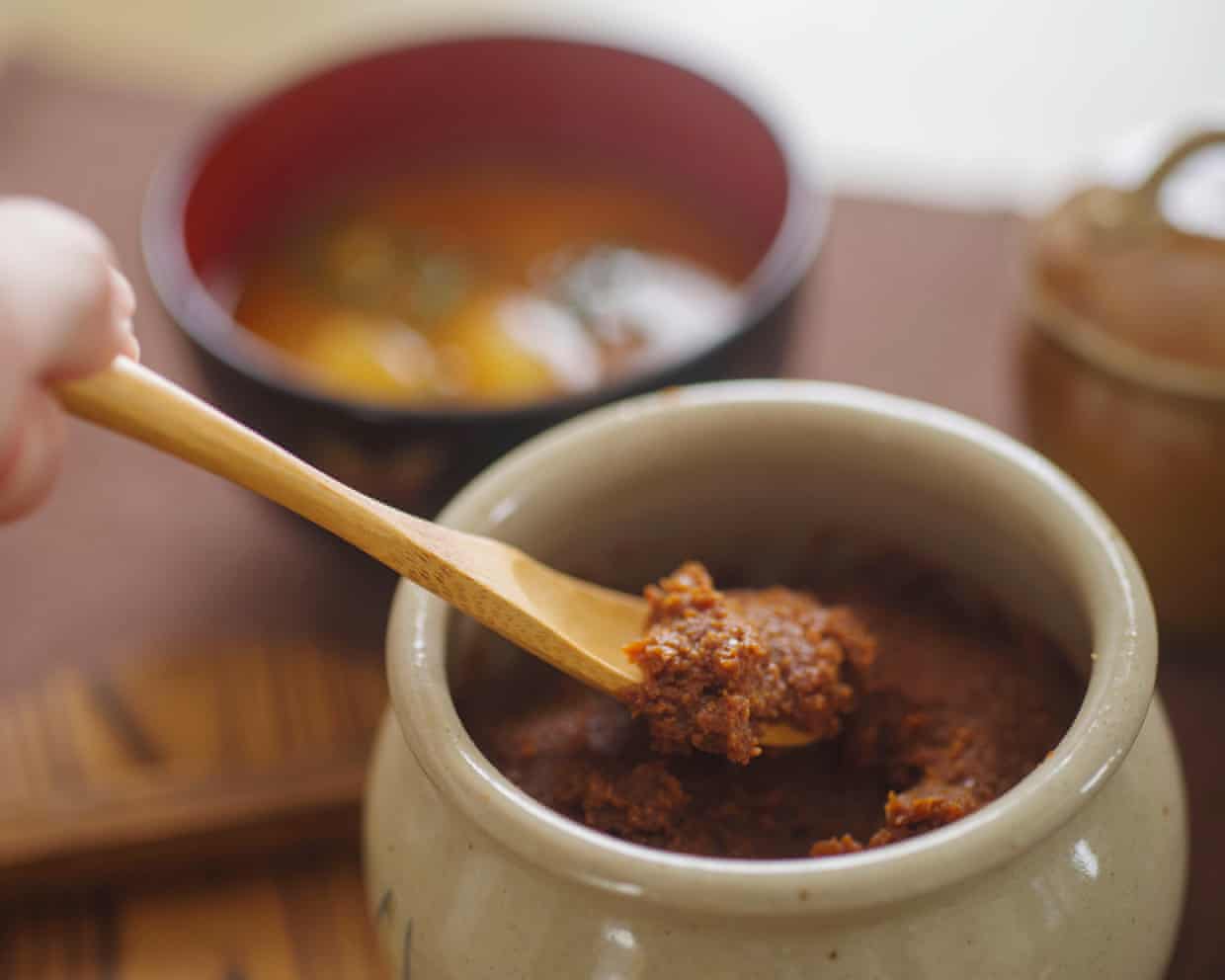
What’s the difference between white and red miso, and which should I use for what? Why do some recipes not specify which miso to use? Ben, by email“I think what recipe writers assume – and I’m sure I’ve written recipes like this – is that either way, you’re not going to get a miso that’s very extreme,” says Tim Anderson, whose latest book, JapanEasy Kitchen: Simple Recipes Using Japanese Pantry Ingredients, is out in April. As Ben points out, the two broadest categories are red and white, and in a lot of situations “you can use one or other to your taste without it having a massive effect on the outcome of the dish”.The Guardian’s journalism is independent. We will earn a commission if you buy something through an affiliate link. Learn more

The pie and mash crisis: can the original fast food be saved?
There used to be hundreds of pie and mash shops in London. Now there are barely more than 30. Can social media attention and a push for protected status ensure their survival?Outside it’s raining so hard that the sandwich board sign for BJ’s pie and mash (“All pies are made on the premises”) is folded up inside. The pavement along Barking Road in Plaistow is a blur through the front windows and deserted, and there are only two customers in the shop. Another sign – this one on the counter – says “CASH ONLY”

Sami Tamimi’s recipes for spiced bulgur balls with pomegranate, with a herby fennel side salad
I have always dreamed of a return to the golden age of Arab trade, when spices, fruits and ideas voyaged across deserts and seas, creating extraordinary food cultures through exchange and curiosity. I’ve imagined bringing new flavours home, letting them transform the kitchen – but with all the madness in today’s world, that dream must stay a dream, for now. So, these recipes become my journey, a way to reconnect with that spirit and taste the magic of the Arab golden age today.This dish originates in Latakia, a port in Syria. Kbeibat bulgur in Arabic translates to “small kibbeh”, and refers to a range of dishes that are popular across the Arab world and beyond
Rukmini Iyer’s quick and easy recipe for mushroom and artichoke puff-pastry quiche | Quick and easy
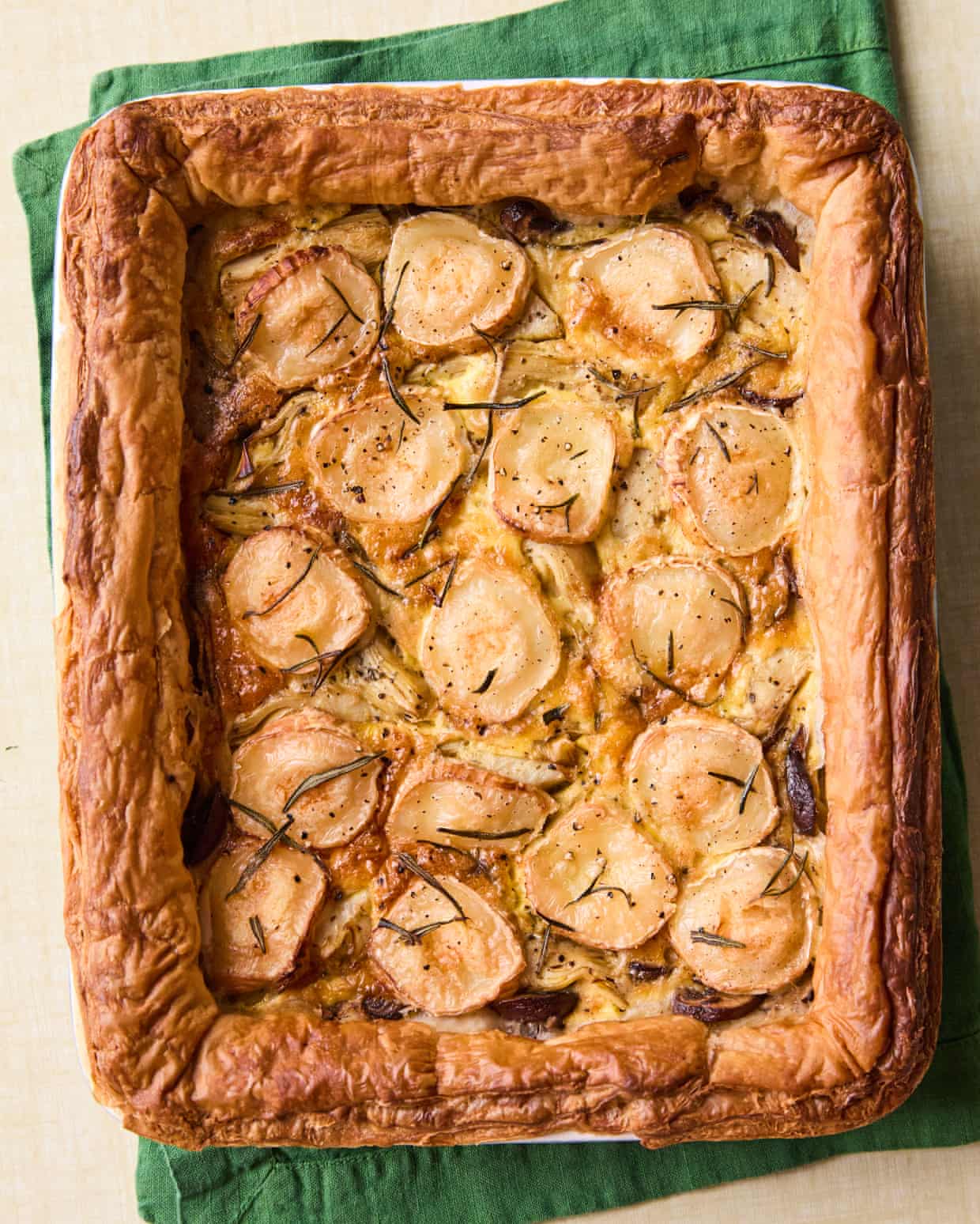
No time to make shortcrust? Bought puff pastry makes an instant (and decadent) alternative. Yes, I know you can buy ready-rolled shortcrust, but I wouldn’t: it’s trash. If this column didn’t have a 30-minute time constraint, I’d blitz 200g plain flour and 100g cold cubed salted butter to sand, then add one egg yolk and a tablespoon of cold water, then blitz for a few seconds, and no longer, until it just comes together. I’m unorthodox, so I then tip the pastry straight into a pie dish, quickly pat it into place and freeze for 15 minutes. Blind bake for 10 minutes at 180C(160C fan)/350F/gas 4, before removing the paper and baking beans and tipping in the filling – it’s really not very much work

Bank of England expected to leave interest rates on hold; UK construction activity shrinks again – business live

Shell to hand investors bigger payouts despite continued fall in profits

What does the disappearance of a $100bn deal mean for the AI economy?
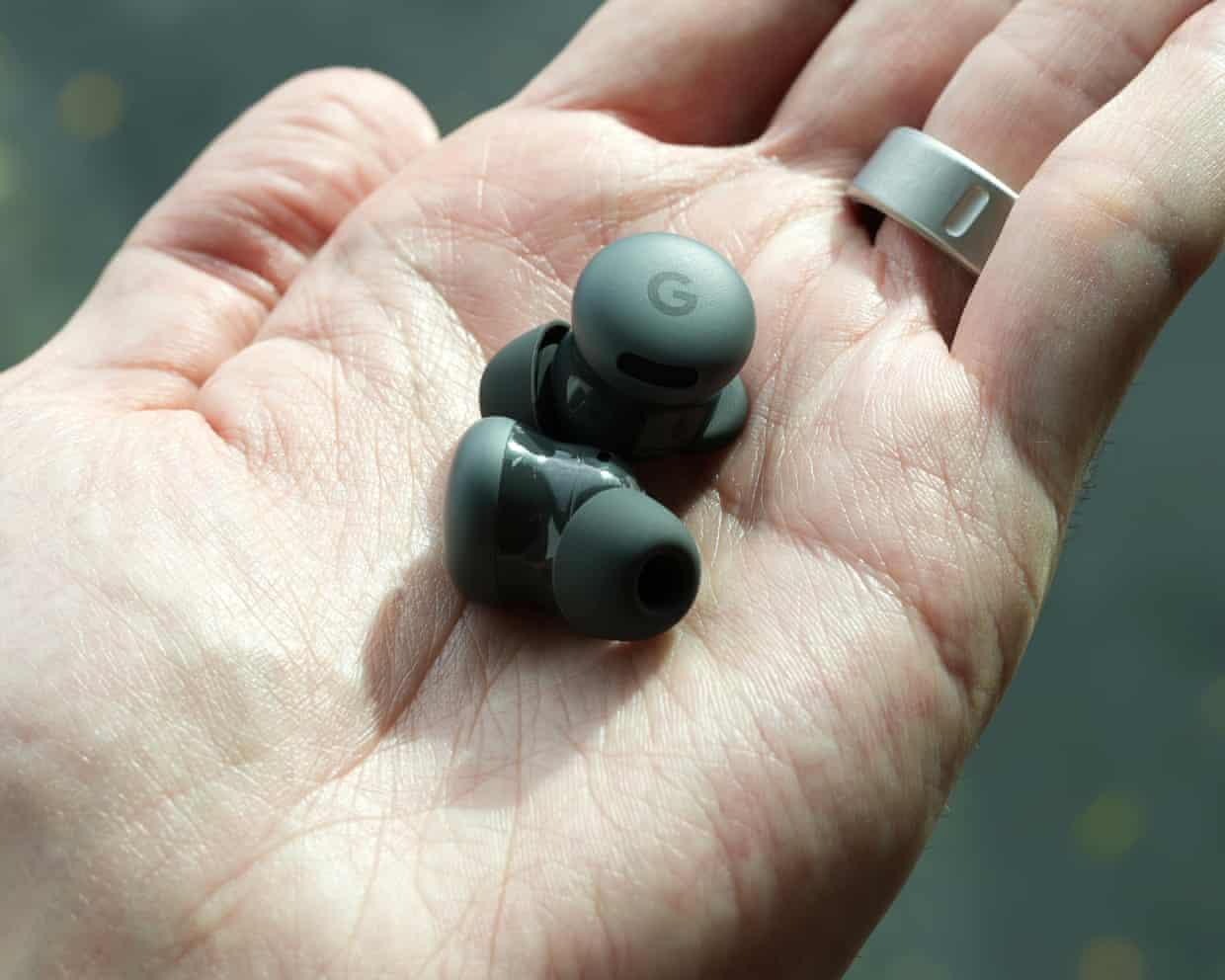
Google Pixel Buds 2a review: great Bluetooth earbuds at a good price

From London to LX: the British mastermind behind the Seahawks’ standout Super Bowl defense

The Patriots’ Robert Kraft posed as an NFL voice of reason – then fell back in line for Trump | Howard Bryant