The Voorhees law of traffic: when overtaken slow cars seem to always catch up at a red light

It is a situation experienced by many motorists: one driver overtakes another only to find the slower car is right behind them when they reach a red light.Now a researcher has used mathematics to reveal why the situation feels inevitable.Dr Conor Boland from Dublin City University has called his work “The Voorhees law of traffic”.The name is a nod to the character Jason Voorhees from the American horror film franchise Friday the 13th.“I always thought of him because he seems to just walk everywhere … His victims are running away, they’re sprinting, but he just catches them,” Boland said.
However, in the case of cars it is traffic lights rather than stones or tree branches that prevent the “escape” of the faster individual.Writing in the journal Royal Society Open Science, Boland explains that as two cars travelling at different speeds encounter a traffic light, the spacing between them can either increase, stay the same, partly decrease or be completely lost, depending on the colour of the traffic light, its duration, the time advantage of the faster car and the overall time it takes for the traffic lights to complete a cycle.Assuming that the traffic light changes colour based on a set time cycle rather than a sensor, and that the cars are travelling on a single-lane road, the results reveal that, taking into account the probabilities of each of the four scenarios, on average the possible gains and losses in spacing between the cars balance exactly.That means, on average, the lead of one car over the other remains the same after the light as before.The results suggest the idea the slower car will inevitably catch up at the lights is something of an illusion.
“Recurrent encounters are known to be disproportionately salient in human perception, particularly when they follow an attempted separation or avoidance,” Boland writes.Put simply, it is probably just more memorable for a driver when the car they overtook catches up with them again.However, when drivers encounter a succession of independent traffic lights – as might occur in towns and cities – the situation is different.As Boland explains, here the eventual catchup of the slower car at at least one of the lights becomes statistically near-certain.That’s because the probability that the slower car never catches up relies on multiplying the probability of no catchup for each traffic light – meaning the more lights, the less overall chance no catchup will occur.
Boland said the results have implications for road safety, suggesting speeding past others does not necessarily give an advantage.Kit Yates, professor of mathematical biology and public engagement at the University of Bath who was not involved in the work, welcomed the study.“It’s something I, as a slower driver, often think about.Was it really worth it for that car that sped to overtake me? When I catch them up at the lights I smugly think, ‘No, it wasn’t.’ So it’s good that someone has sat down and modelled how and when this happens,” he said.
However, Yates added that in his experience, catching up to a faster car does not seem to happen constantly, or to be surprising when it does occur.He also noted that the study made a number of assumptions, among them that cars travel at constant speed between lights with no acceleration when a light changes to green or deceleration when it changes to red.“But as the old adage goes, ‘all models are wrong, but some are useful’ and I think this one is definitely useful to explain why slower cars can often catch up with quicker ones,” Yates said.This article’s subheading was amended on 1 April 2026.An earlier version said that it was a UK researcher who had conceived the Voorhees law of traffic; Dr Conor Boland is from Dublin City University.
UK food inflation ‘could hit 9%’, trade body warns as Reeves meets retail chiefs
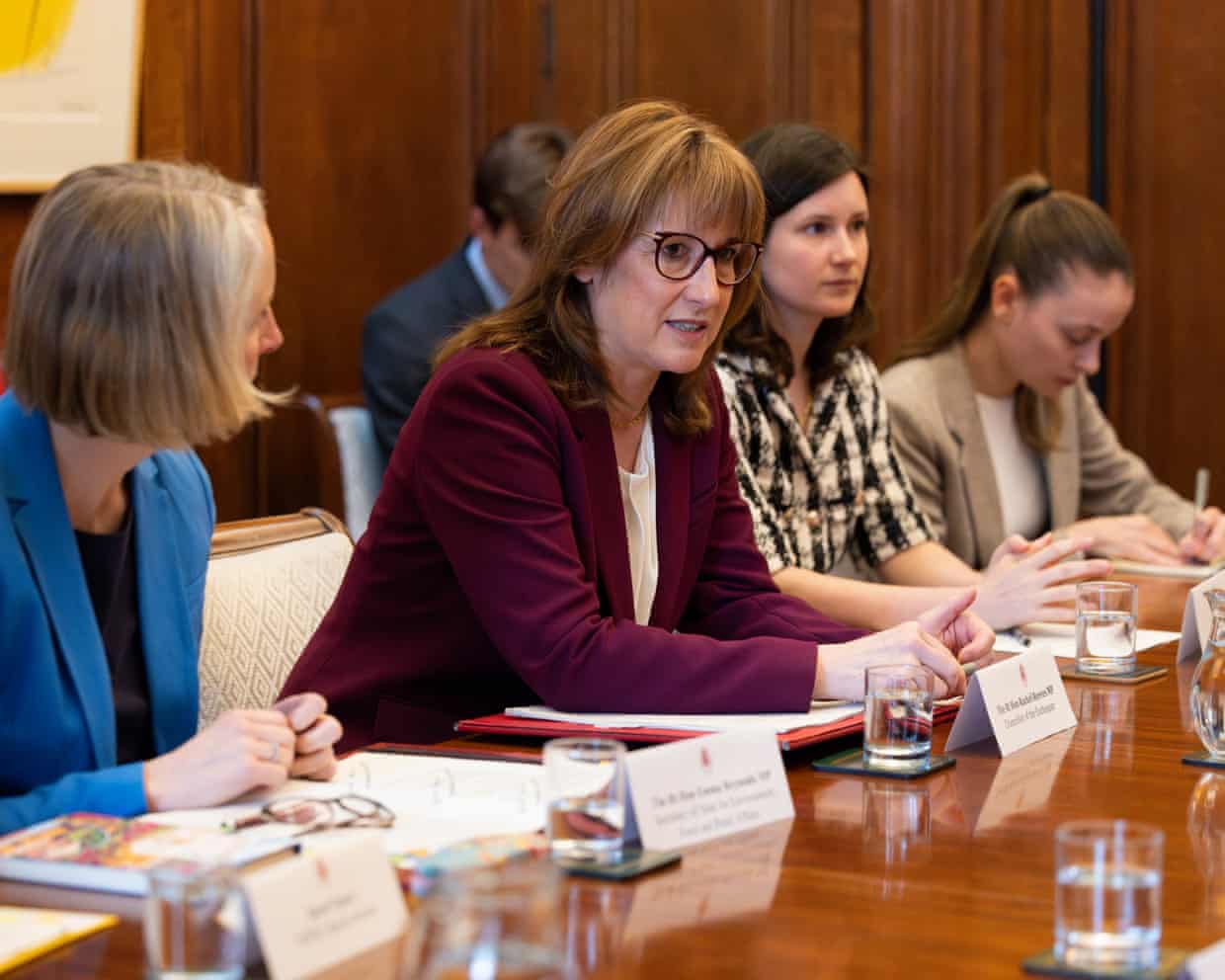
Food inflation could hit 9% in the UK this year even if the strait of Hormuz opens within the next few weeks, figures suggest, as the Iran war pushes up energy prices.The Food and Drink Federation (FDF), which represents 12,000 food and drink manufacturers, has predicted prices will rise by “at least” 9% by the end of 2026, almost tripling a forecast of 3.2% that was made before the Middle East conflict.The chancellor, Rachel Reeves, met supermarket bosses on Wednesday to discuss how to ease any impact of cost inflation on prices at the till, while global markets rallied on remarks from Donald Trump suggesting the war could end in “two to three weeks”.The FTSE 100 shut 1
Starmer’s ‘five-point plan’ was not a plan | Nils Pratley
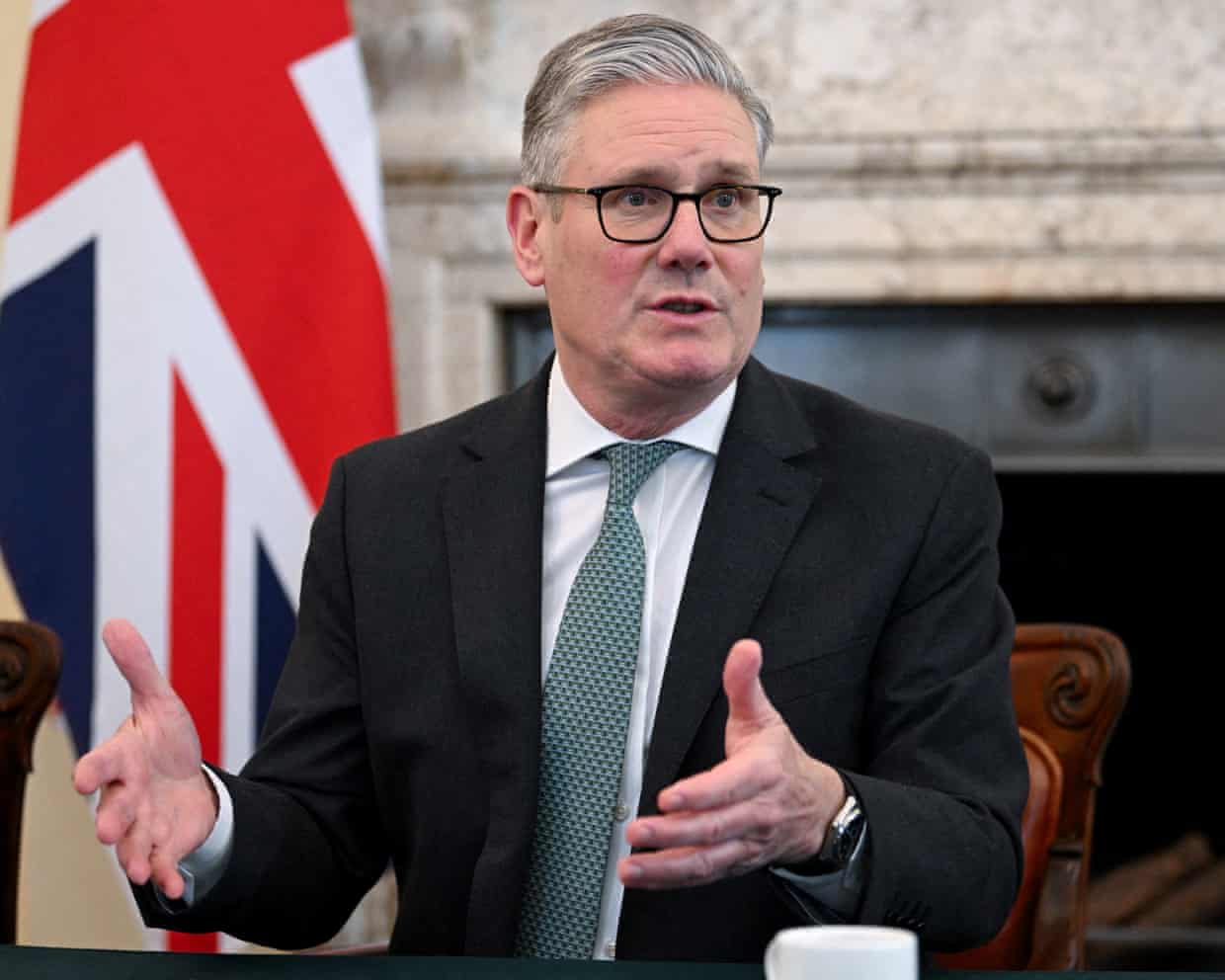
‘We have a five-point plan for the immediate crisis,” declared the prime minister during his remarks from Downing Street on Wednesday. Really? Two of his five points were measures on energy bills that pre-date the Iran war. One was a description of support for a sub-set of consumers but dodged the key question of who else could get help.Another stated the government’s longstanding energy strategy in unchanged terms. The last was a diplomatic policy, presumably shoehorned into the cost-of-living passage because a five-point plan sounds better than a four-point one
Claude’s code: Anthropic leaks source code for AI software engineering tool
Anthropic accidentally released part of the internal source code for its AI-powered coding assistant, Claude Code, due to “human error”, the company said on Tuesday.An internal-use file mistakenly included in a software update pointed to an archive containing nearly 2,000 files and 500,000 lines of code, which were quickly copied to developer platform GitHub. A post on X sharing a link to the leaked code had more than 29m views early on Wednesday, and a rewritten version of the source code quickly became GitHub’s fastest-ever downloaded repository. Anthropic issued copyright takedown requests to try to contain the code’s spread. Within the code, users spotted blueprints for a Tamagotchi-esque coding assistant and an always-on AI agent, per the Verge
SpaceX confidentially files to go public at $1.75tn, reports say
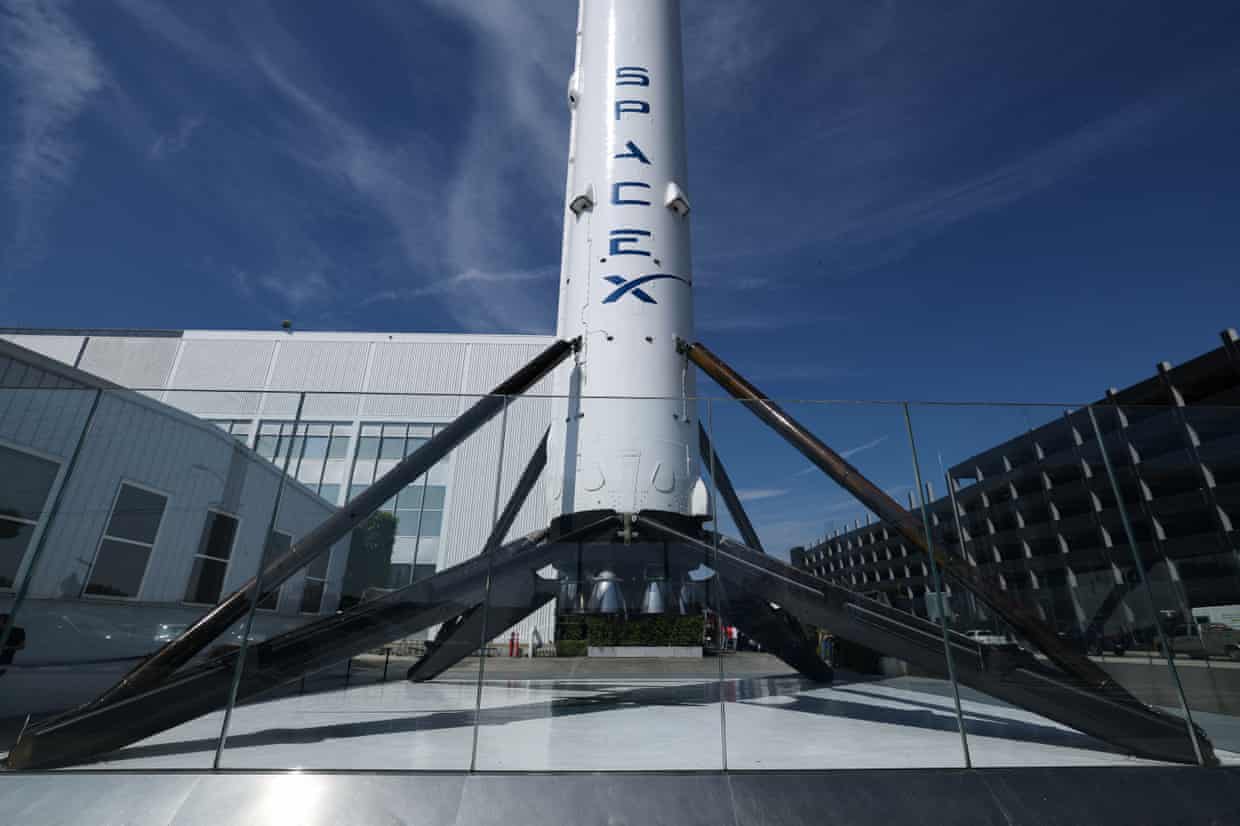
SpaceX has confidentially filed for an initial public offering on the US stock market, according to reports from Bloomberg and the Wall Street Journal. The IPO is set to be one of the most closely watched and highly valued listings in market history.Elon Musk’s company, which has become a dominant power in both space travel and satellite communications, could potentially seek a valuation upwards of $1.75tn. The confidential filing will give regulators a period to review and discuss the company’s financial disclosures before investors and the public are able to view them
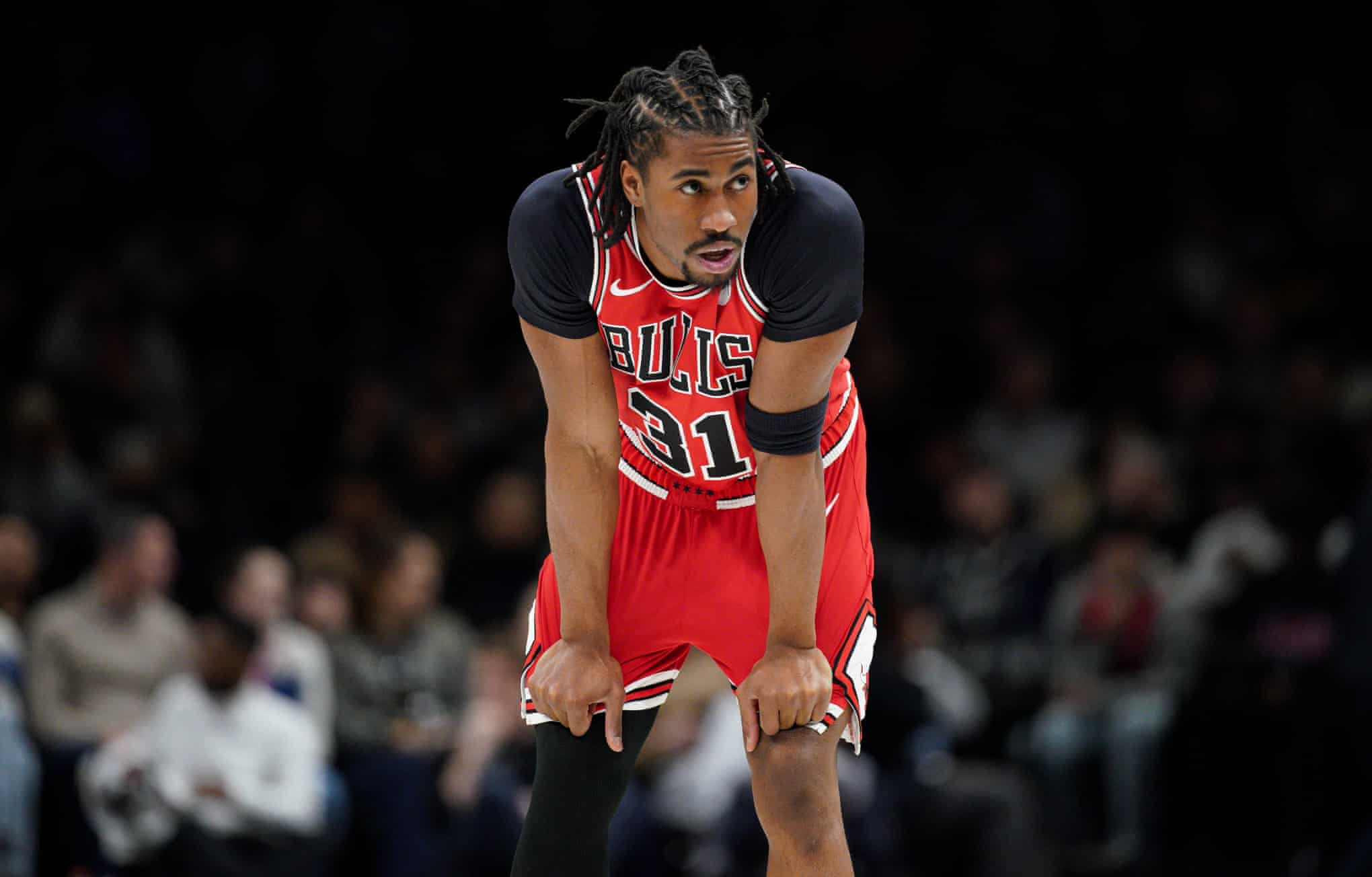
Jaden Ivey’s release isn’t a victory for inclusion. It’s a lesson in athlete expendability | RK Russell
When the Chicago Bulls waived Jaden Ivey on Monday, after he made a series of unprompted anti-LGBTQ and religiously charged comments on social media, the move was framed as a response to “conduct detrimental to the team.” On the surface, the situation appears straightforward: a player said something controversial, and the organization acted.But there’s a version of this story where Ivey is still in the league. Where he and his publicist create a swift and thoughtful apology, where his overnight inclusion education uses all the key buzzwords to prove his newfound allyship, maybe he pays a fine or makes a small donation, and he’s able to go back on to the court and live out his dreams in the NBA, a league which has been pro-LGBTQ+ for more than a decade. Ivey’s words exposed his beliefs
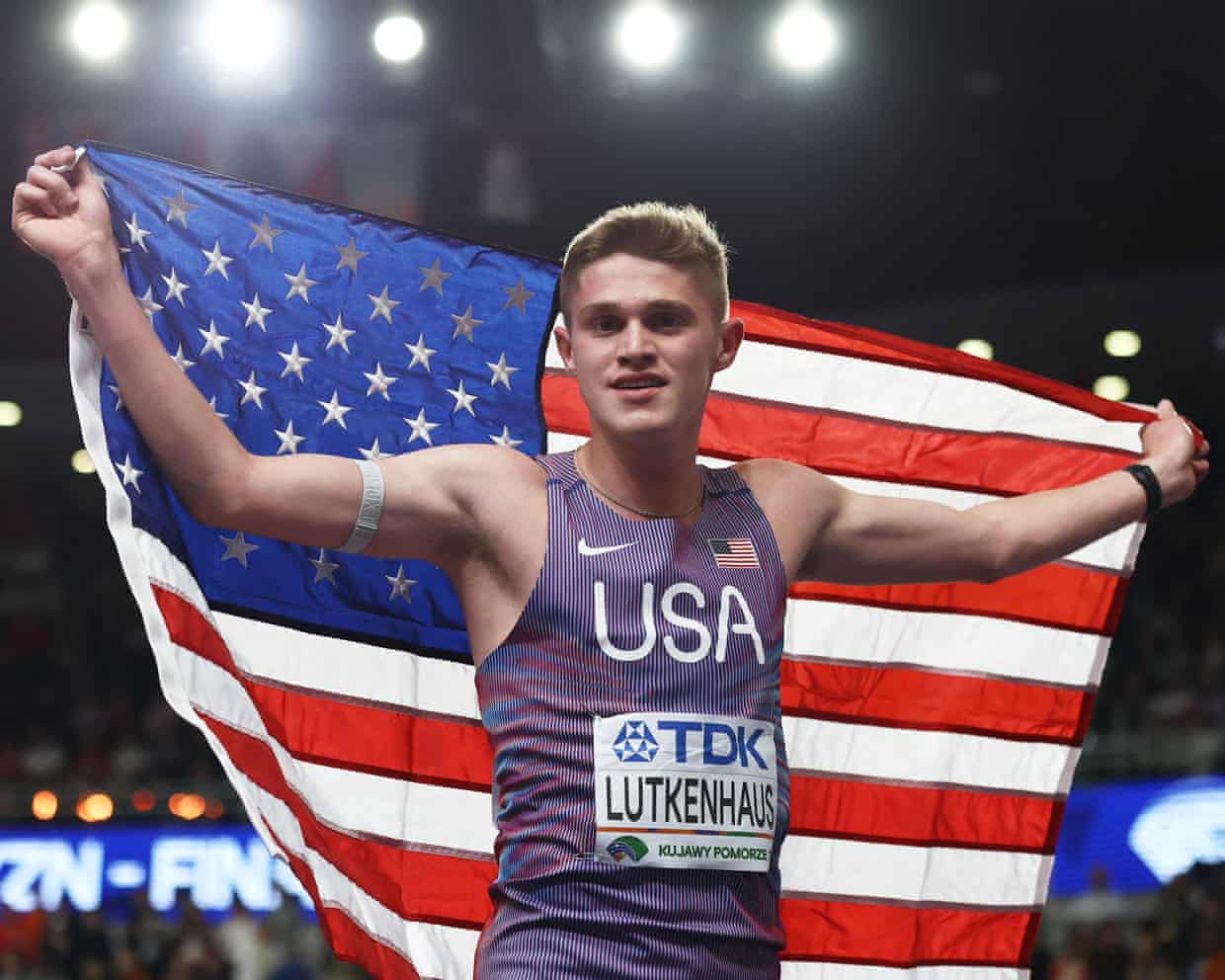
‘He’s phenomenal’: American teen fast becoming athletics’ next big thing
Fire on the boards. Slack jaws off it. Last week, I was fortunate enough to be yards away from the 17-year-old American high school student Cooper Lutkenhaus when he powered away from a strong 800m field in Torun to become the youngest world champion in track and field history. But no sooner had the applause died down than the search for superlatives began.“He’s like David Rudisha,” said Eliott Crestan, the Belgian who took world indoor championship silver behind Lutkenhaus
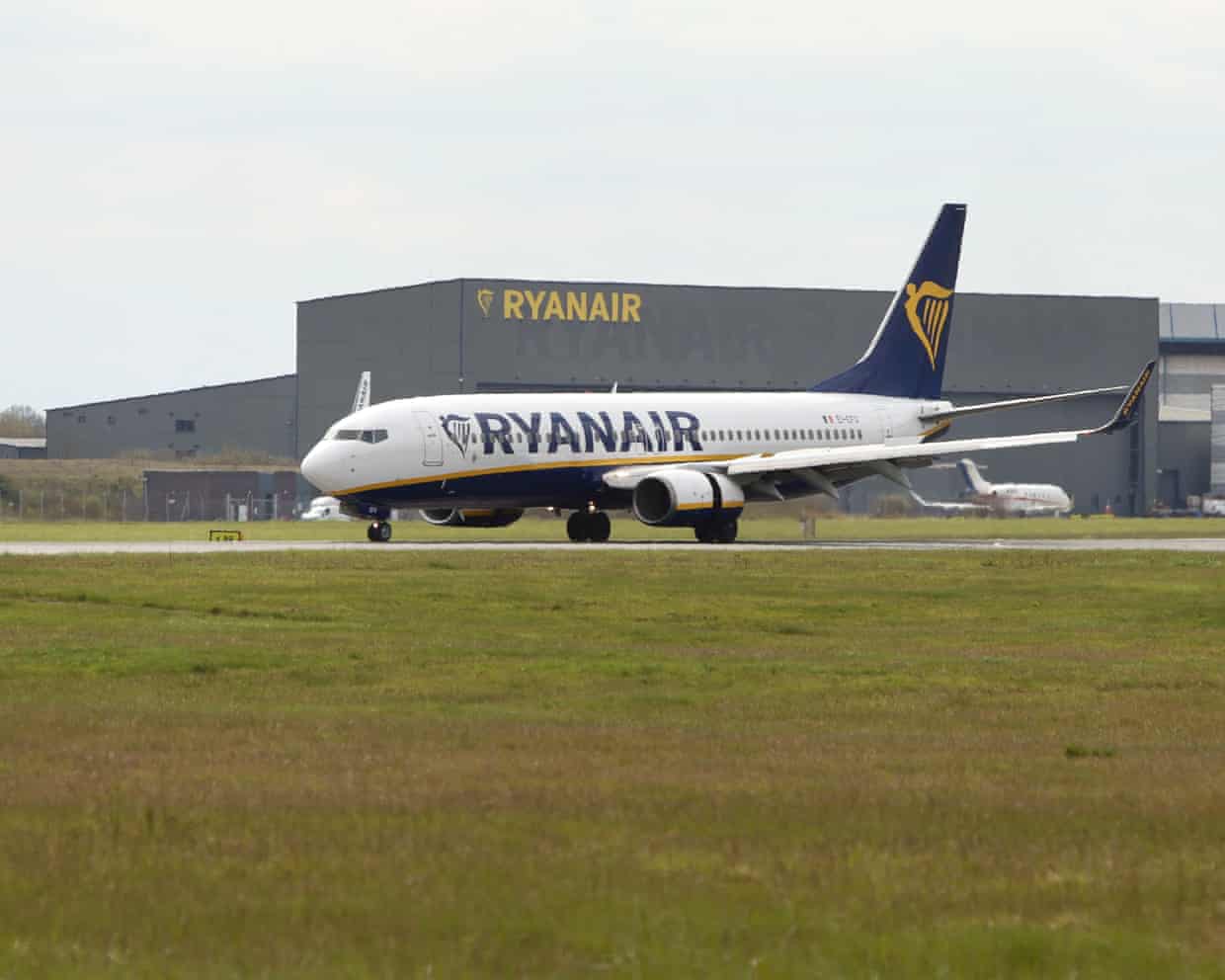
UK is most vulnerable European country to jet fuel shortages, Ryanair boss says
Oil tumbles and UK’s FTSE 100 posts biggest daily rise in a year on hopes Middle East war will end soon – as it happened
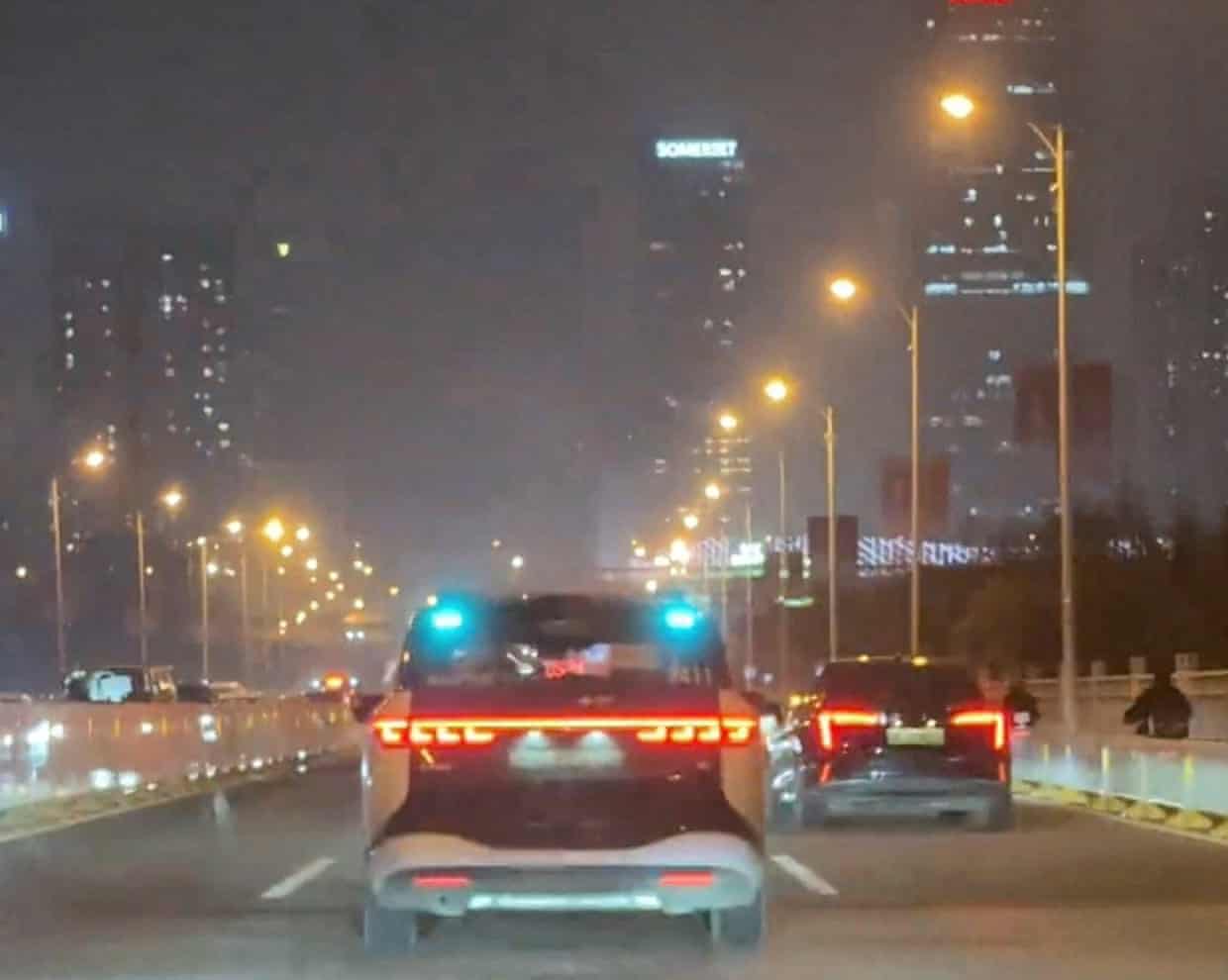
‘System malfunction’ causes robotaxis to stall in the middle of the road in China
Unregulated chatbots are putting lives at risk | Letters
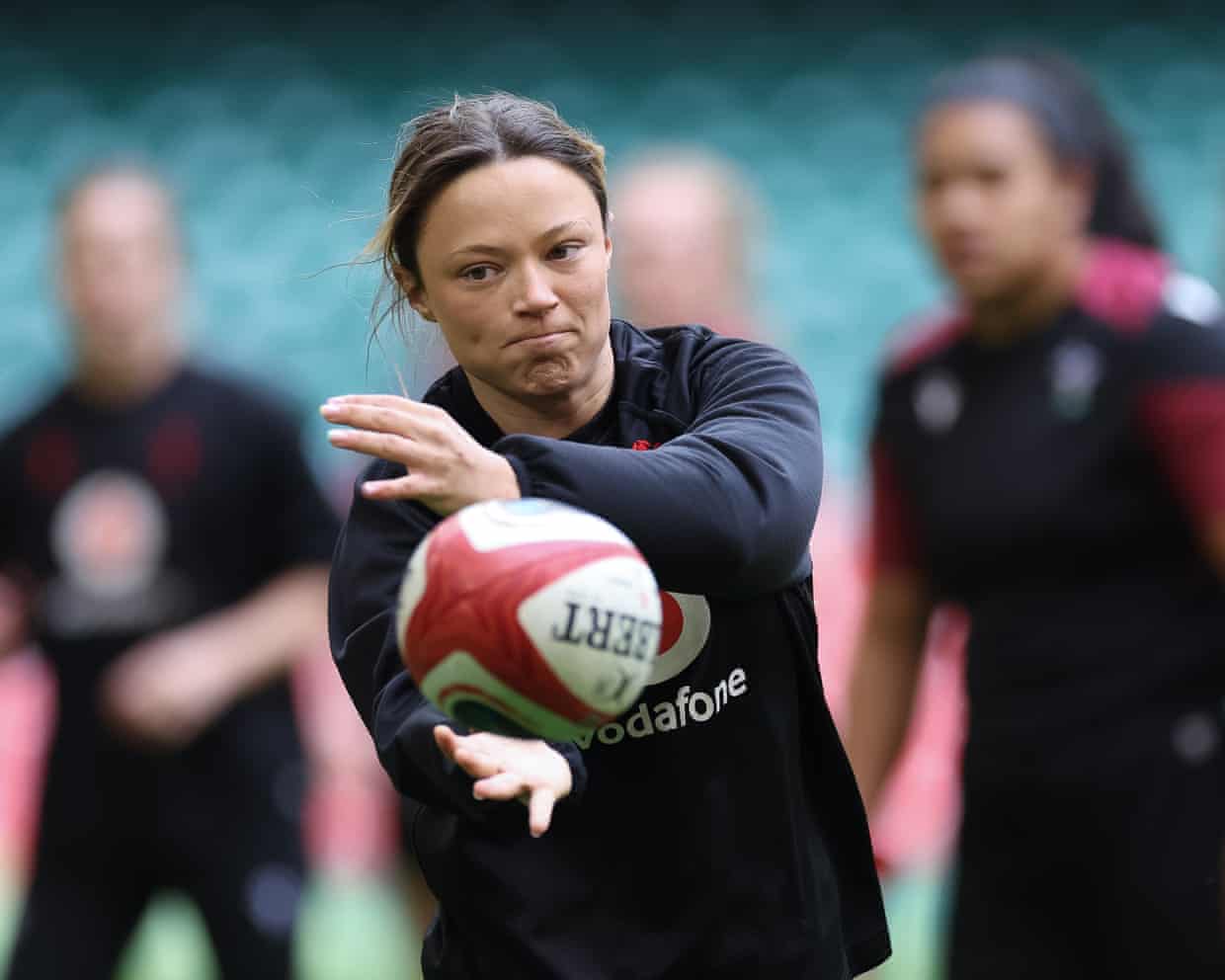
Joyce ‘shocked’ to receive Wales call-up for Women’s Six Nations only months after giving birth
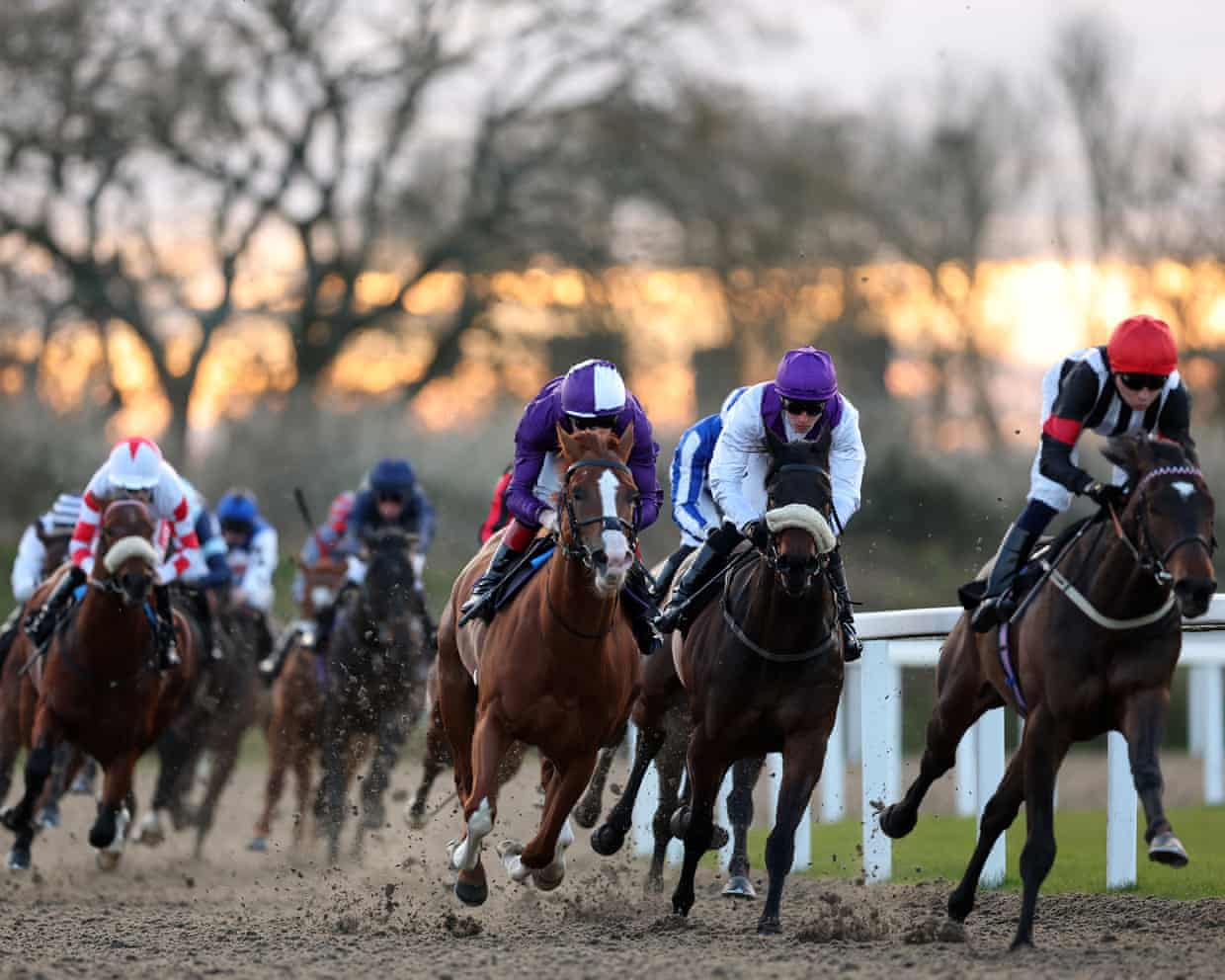
Justin Timberlake’s walk-on part back in spotlight as Chelmsford faces closure fears