Jaden Ivey’s release isn’t a victory for inclusion. It’s a lesson in athlete expendability | RK Russell
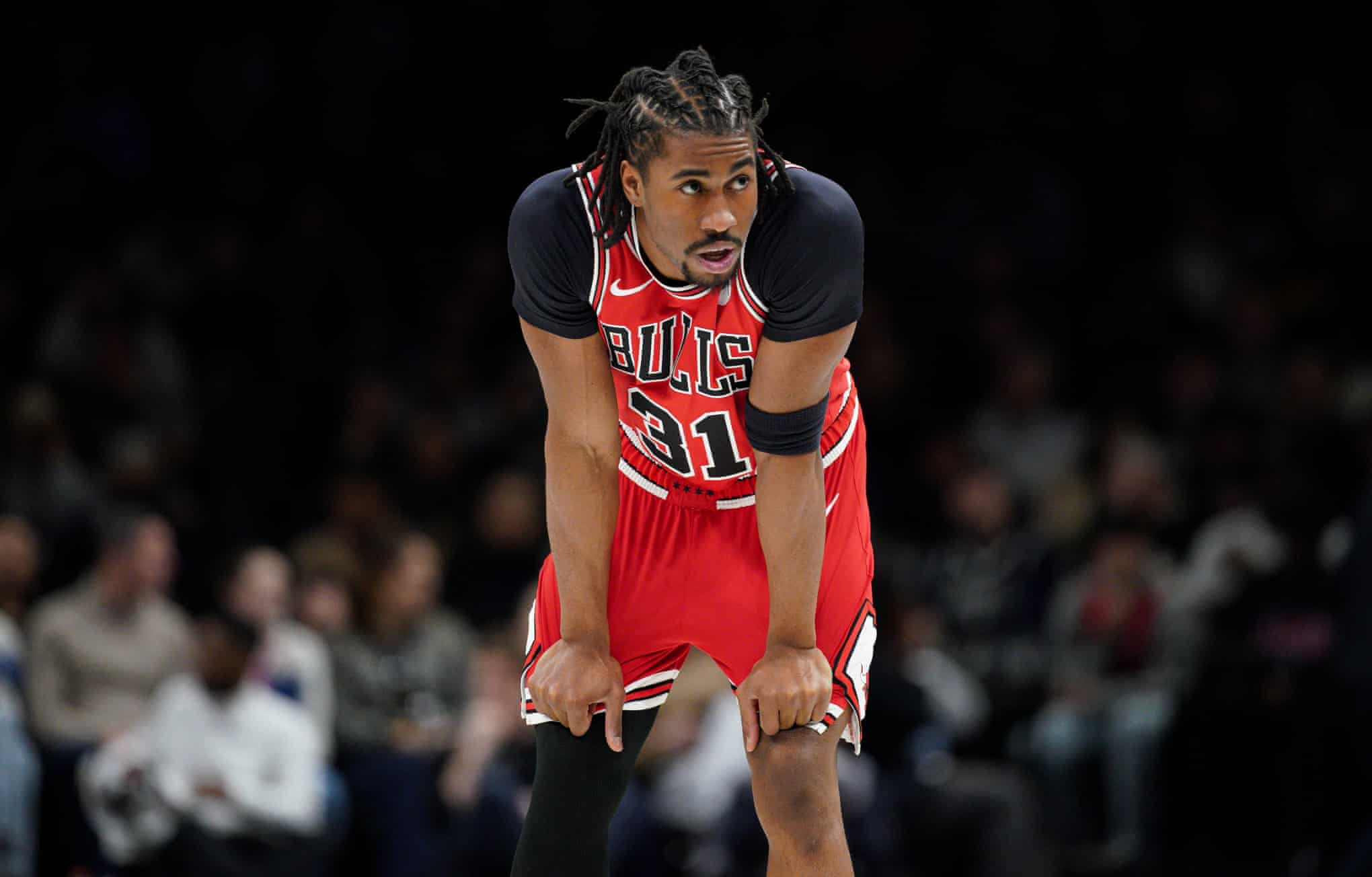
When the Chicago Bulls waived Jaden Ivey on Monday, after he made a series of unprompted anti-LGBTQ and religiously charged comments on social media, the move was framed as a response to “conduct detrimental to the team.” On the surface, the situation appears straightforward: a player said something controversial, and the organization acted.But there’s a version of this story where Ivey is still in the league.Where he and his publicist create a swift and thoughtful apology, where his overnight inclusion education uses all the key buzzwords to prove his newfound allyship, maybe he pays a fine or makes a small donation, and he’s able to go back on to the court and live out his dreams in the NBA, a league which has been pro-LGBTQ+ for more than a decade.Ivey’s words exposed his beliefs.
What followed revealed a lot about NBA teams: not just their stance on inclusion, but how they decide which voices are worth protecting and which are easy to remove.As a former NFL player, I can tell you that locker room talk doesn’t often venture to either queer acceptance or religious beliefs.If religion is discussed, it’s individuals talking about what their faith has done for their life, turning young men into family patriarchs, helping individuals focus on their communities, and making people think about how they contribute to the world outside their sporting prowess.I can attribute that willingness to talk to the safety, vulnerability, and openness that a healthy locker room brings.Having said that, Ivey’s comments weren’t a surprise to me.
Honestly, if he had expressed his ideas on Pride Month in the average locker room many of his teammates would agree with him.I was the NFL’s first openly bisexual player and I’ve been on teams with plenty of players who hold the same views as Ivey, just as I have no doubt he’s been on teams with players like me, whether they are public about their identity or not.I’ve heard plenty of ignorant comments in the locker room but it was through peer conversation arising from those moments – and seeing diverse points of view and life experiences – that I was able to grow and learn; I’m sure the same can be said for many of my teammates.Don’t get me wrong: even conversations among trusted teammates can devolve.I can recall homophobic jokes, speculation about players’ sexuality and misogynistic language.
But the unspoken rule is that what happens in the locker room, for the most part, stays in the locker room and is to be worked out between teammates.What made Ivey’s comments different wasn’t the message but the fact that they were made outside the locker room.There’s also the brutal truth that his swift release was no doubt a direct result of his lack of star power.When, like Ivey, you’ve had a short career riddled with injury and unremarkable performances, teams won’t protect you; they’ll burn you as a liability.There are plenty of examples of players saying things equal to or worse than Ivey and suffering few consequences.
The difference is that they were superstars.When Anthony Edwards, one of the best young players in the NBA, posted an Instagram story in which he called a group of men “queer-ass” before adding: “Look at the world I came to”, he was given the time to apologize.When players such as Rajon Rondo or even the late, great Kobe Bryant used homophobic slurs on the court they issued apologies and were fined by the league.The chances of any of them being cut for their language were infinitesimal.NBA championships and All-Star appearances may not excuse a player’s behavior but they provide him with time to course correct.
The NBA has been publicly supportive of the LGBTQ+ community but business decisions are rarely made on moral values alone.The league does not police its players’ beliefs, only how their image affects the NBA’s bottom line.What happened to Ivey doesn’t prove the NBA has solved homophobia in the locker room – not that it could anyway.It proves the league’s teams know how to respond when something becomes visible, and when the player involved is expendable enough to be made an example of.The culture inside locker rooms won’t shift because one voice is removed, especially when the beliefs behind that voice were never isolated to begin with.
The NBA does not eliminate these tensions,It manages them,And in a league where a player’s value shapes consequence, moments like this don’t show progress as much as they reveal the gap between what is said publicly and what is lived privately,Until that gap closes, these incidents won’t disappear,They’ll just keep finding new ways to surface.
Ways to use mint sauce without having to roast a lamb
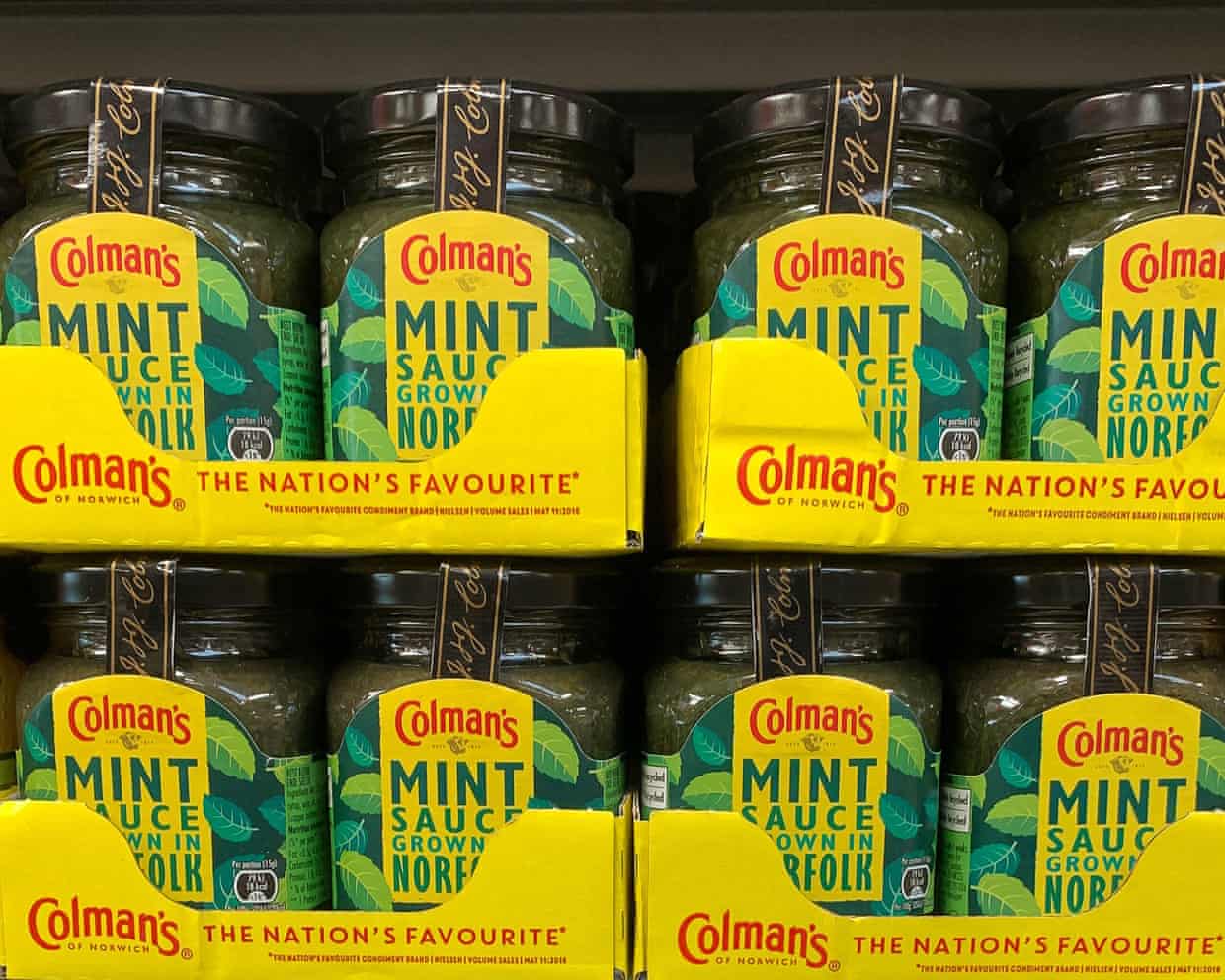
My wife adores roast lamb with mint sauce. However, after an online purchasing blunder, my larder now contains six jars. How can I make use of them apart from serving roast lamb every Sunday from now until the crack of doom?John, by emailAs is so often the case, it all starts with a shift in mindset. “When you see a jar of sauce, there’s a real tendency to think, ‘I must use this as a sauce,’” says Kate Young, author of Dinner at Mine? Start treating that surplus mint sauce as an ingredient instead, however, and your life will be a whole lot easier. “If John is planning on using chopped fresh mint with, say, meat, cheese or veg, then consider how you might use mint sauce in its place,” Young adds
Sami Tamimi’s recipes for slow-cooked lamb with spicy pickled lemon and jewelled Easter rice
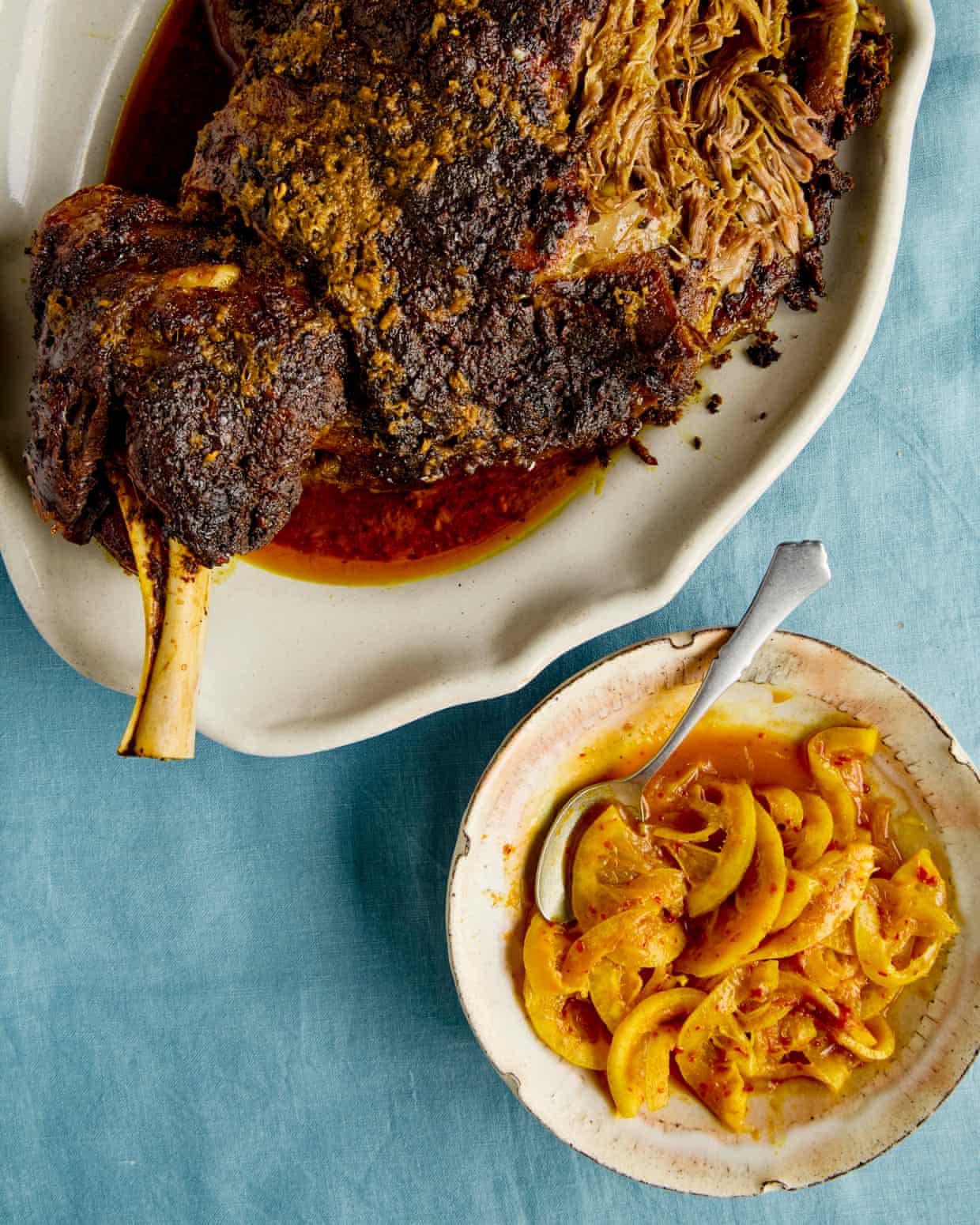
Whenever I’m asked about my favourite dish to serve to friends and family, in most cases I’d say slow-cooked lamb at the centre of the table. After a long, slow cook, the meat becomes tender and rich, and the spices melt into every bite. Served with flatbreads, tahini, fresh herbs and sharp pickles, it invites everyone to build their own perfect mouthful. Across the Middle East and Mediterranean, lamb symbolises generosity and celebration, especially at Easter, when roasting it remains an adored tradition.The lamb is marinated with garlic, olive oil and aromatic spices the night before, to give the flavours time to deepen, then, after luxuriating in the oven, it emerges golden, fragrant and meltingly tender

I can’t believe it’s got butter: this double-dairy ice-cream has gone viral – but how does it taste?
What’s yellow, a new superfood (according to the internet) and essential for hot cross bun consumption? Butter. The once-vilified member of the food pyramid is now the snack of choice for many and liberally slathered on to everything. Not even the humble soft serve has been able to escape its greasy grasp.The butter-dipped soft serve, popularised on Instagram, is characteristic of food made for social media: the questionable flavour pairing enhances its desirability. Soft serves with pale yellow shells are already being sold by Cherry’s Goods and Air Lab in Sydney and Timboon Fine Ice Cream in regional Victoria
Rukmini Iyer’s quick and easy recipe for artichoke, olive and feta pithivier | Quick and easy
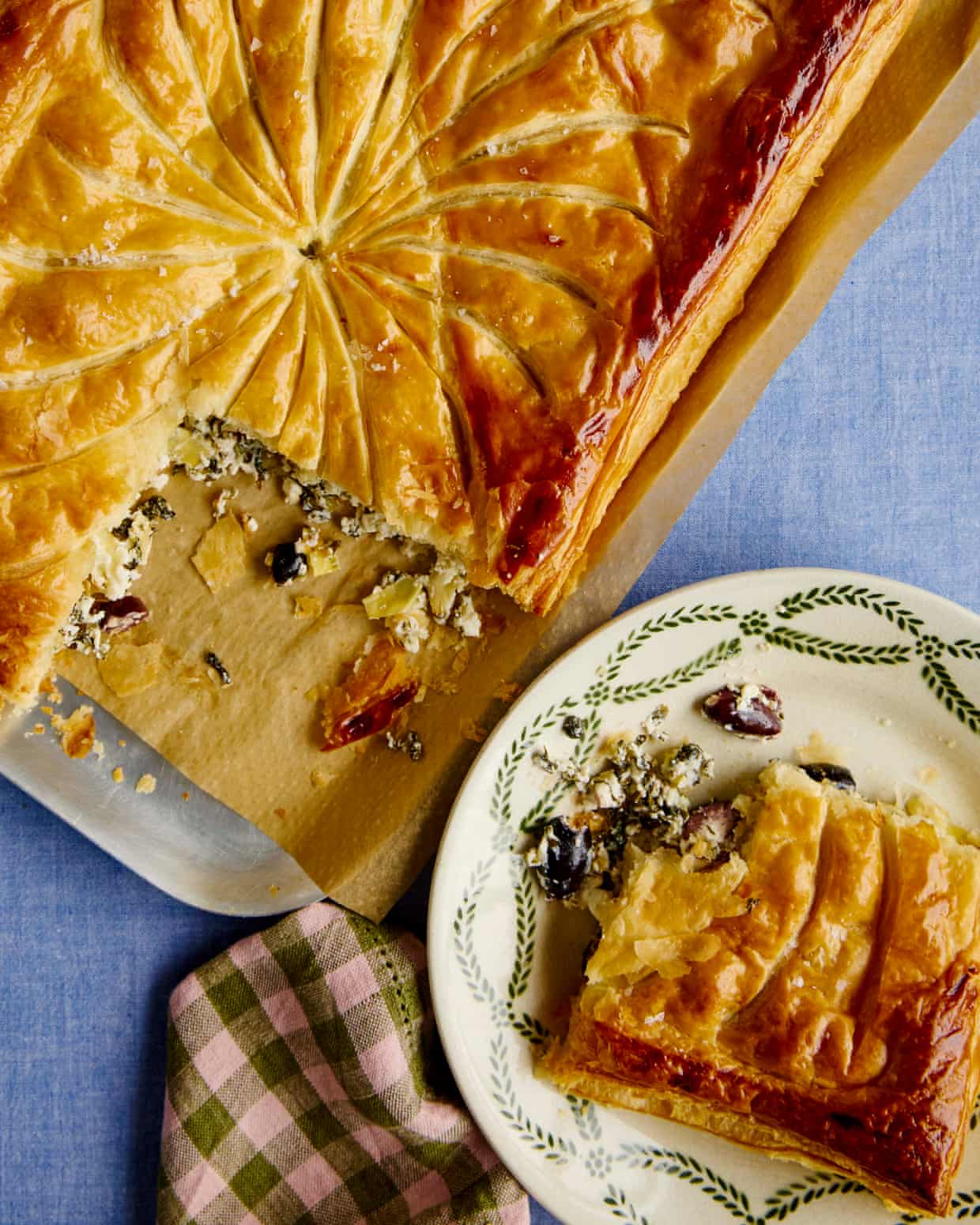
Pithiviers look absolutely beautiful at the table. For the classic shape, you can buy circular all-butter puff pastry (Picard does an excellent one, with two sheets in one packet) or cut regular puff pastry into circles. That said, it’s just as delicious and there’s more bang for your buck with a big rectangle. Either way, it’s filled with moreish artichokes, olives and feta, with fresh lemon and parsley to lift the flavours. It’s 100% the type of meat-free main that everyone else wants to try, too
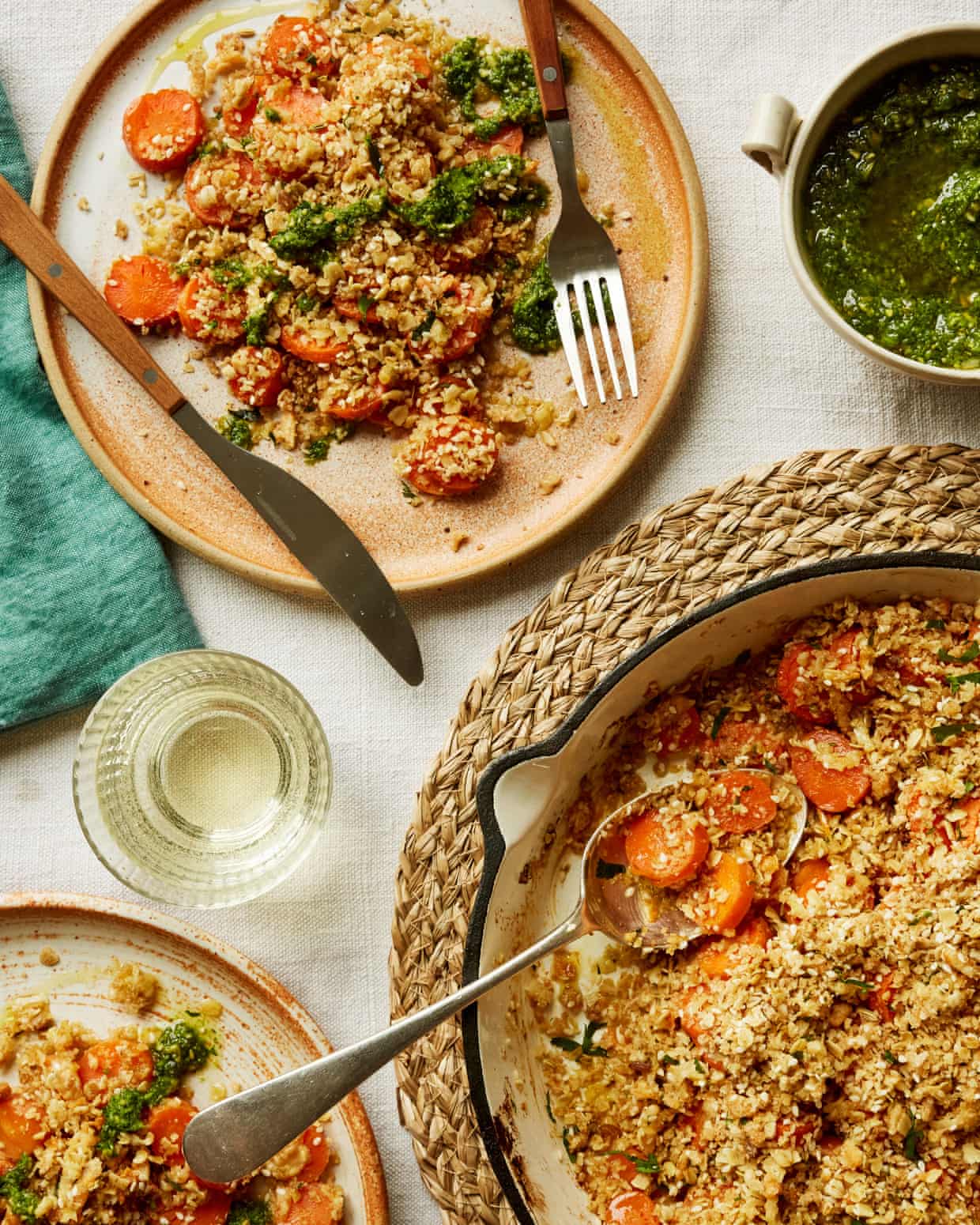
Carrot crumble and sprouting broccoli with almond butter: Chantelle Nicholson’s vegetable recipes for Easter
The intense sweetness that comes from roasting carrots should not be underestimated. And, when that’s topped with a savoury, nutty crumble, it’s a great combination. Add the wonderfully seasonal purple sprouting broccoli on the side, and it’s a luscious Easter celebration. A few low-waste tips, too: always use the parsley stalks, and try pickling the shallots in leftover gherkin brine. Trust me! And it wouldn’t be a spring recipe without our beloved wild garlic, so make the most of that while it’s about

How we can improve food security in Britain | Letters
Although I agree with George Monbiot’s analysis of the serious risks that we face from a breakdown in the UK food supply chain, there are two important points we need to recognise (We’re letting big corporations gamble with our lives. Act now, or the food could run out, 25 March). First, we must seek to increase food production on UK farms because this has been falling for several decades.Food self-sufficiency in the UK fell from 78% in 1984 to 62% in 2024. The decline is largely due to the loss of farmland to non-farming use: buildings, roads and railways, conservation and wildlife schemes, solar farms and recreation

UK is most vulnerable European country to jet fuel shortages, Ryanair boss says

Oil tumbles and UK’s FTSE 100 posts biggest daily rise in a year on hopes Middle East war will end soon – as it happened

‘System malfunction’ causes robotaxis to stall in the middle of the road in China

Unregulated chatbots are putting lives at risk | Letters

Joyce ‘shocked’ to receive Wales call-up for Women’s Six Nations only months after giving birth

Justin Timberlake’s walk-on part back in spotlight as Chelmsford faces closure fears