Too many of us were traumatised by sport at school – but it’s never too late to change | Cath Bishop

There is a disconnect between the proliferation of reports recommending we should be more active and actual levels of activity, that are scarcely budging.Sports councils, health bodies, charities and thinktanks are piling up the evidence that sport and physical activity help us live healthier, happier lives, improve academic attainment at school and productivity at work, connect our communities and help prevent crime and reoffending.Why can’t we turn this into reality?Reports often call for better coordination, including the recent House of Commons inquiry Game On: Community and School Sport.But sport and physical activity remains poorly linked among schools, sports clubs, community organisations, parks and playgrounds.In an era of superintelligence and rockets flying around the moon, surely we could do better?Structural change and innovation is needed.
Mark Davies, an entrepreneur and former chair of British Rowing and Archery GB, has long advocated linking local schools and sports clubs, an idea flagged when Tracey Crouch was sports minister (2015-2018).Frustrated by inaction, Davies set up The Big Map to enable schools and clubs to connect, directly and link with funders to explore more entrepreneurial ways to make this happen.Nationally it has been a struggle to integrate the agenda for sport and physical activity into health, education and community-building.Greater Manchester’s Moving Partnership is pioneering a different practical approach, connecting health, transport, urban design services and community groups rather than relying on individual willpower.Working to a 10-year strategy with strong political backing, they are constantly experimenting, learning and adapting to do what has never been done before.
Major change requires political will and a vision for sport that is not about whether the UK hosts the next Olympics or World Cup.That is lacking partly as a long-term consequence of our health, education and political systems.Education has prioritised individual academic subjects over a holistic view of how we learn, develop and thrive during our lifetimes.PE has now become almost optional.The Youth Sport Trust advocates for better PE through its spotlight on the growing urgent needs of the Class of 2035.
The recent Centre for Social Justice (CSJ) report, Inactive Nation, highlights the growing health crisis among primary school children and the need to place physical activity at the core of school life.The CSJ urges the national scaling of Bradford’s Creating Active Schools framework, that offers a glimpse of what is possible if schools think, lead and organise school life around movement.Over the long term, the health system has oriented our lives around medical treatment rather than holistic, preventative approaches that include movement and activity.Social prescribing is nibbling away at the problem, but is piecemeal.A national shift to prevention, rather than cure, requires a strong proactive approach in which sport and physical activity is made much more accessible.
One recent survey called out an important, uncomfortable truth: too many people had awful experiences of sport and PE lessons growing up.Age UK started a campaign to support older people to be more active, Act Now, Age Better, with a survey revealing more than 4m mid-lifers remain traumatised by memories of PE lessons.A similar number were put off physical activity for life by PE at school.It is a devastating reminder that when it comes to the health of the nation, the impact of our schooling lasts far beyond exam results.If ever there was a powerful argument to radically reshape school PE, Age UK has made it.
That resonated with me.As a tall, uncoordinated teenager who could not run very fast, I was labelled unsporty at school and spent most PE lessons trying to hide en route to the school field.My father experienced similar in the 1950s.It is only through serendipity that my fate changed at university when I unexpectedly tried rowing and with it a chance to experience sport differently.It gave me camaraderie, joy, a way to discover and learn with others and compete for fun.
Decades later, I still feel supported in life by belonging to this community.Although it led to at elite level, that’s secondary.Age UK’s campaign is an important reminder to everyone in sport that experience matters most.Too often there has been a focus on increasing participation, that people will feel better simply by taking part.Age UK’s survey reminds us that our experiences are what keep us involved – or put us off for life.
Too many people have felt unwelcome, excluded and too quickly labelled unsporty because sport was not shaped around people, people had to shape themselves around sport,We have lost sight of sport’s potential to be a core ingredient in living a good life,That it can be adapted to suit an individual’s needs, whether that is supporting a child to attend school regularly, thrive through their teens or older years, or choose a path away from crime,Fortunately, there is a distinct body of evidence for this,Although it hardly figures in most sports coverage, let alone government policy, the unheralded sport for development sector understands how to use sport and physical activity to tackle wide-ranging social issues and holds the answer to thinking differently, measuring real life effects and transforming lives.
Whether it’s the Alliance for Sport in Criminal Justice or Street Games, these experts know how to adapt sport and physical activity to meet complex social challenges, rather than win local leagues,Shaping positive, meaningful experiences over the long-term that better meet some of the most serious social issues in society must form the central vision for the future of sport and physical activity,Do you have an opinion on the issues raised in this article? If you would like to submit a response of up to 300 words by email to be considered for publication in our letters section, please click here,
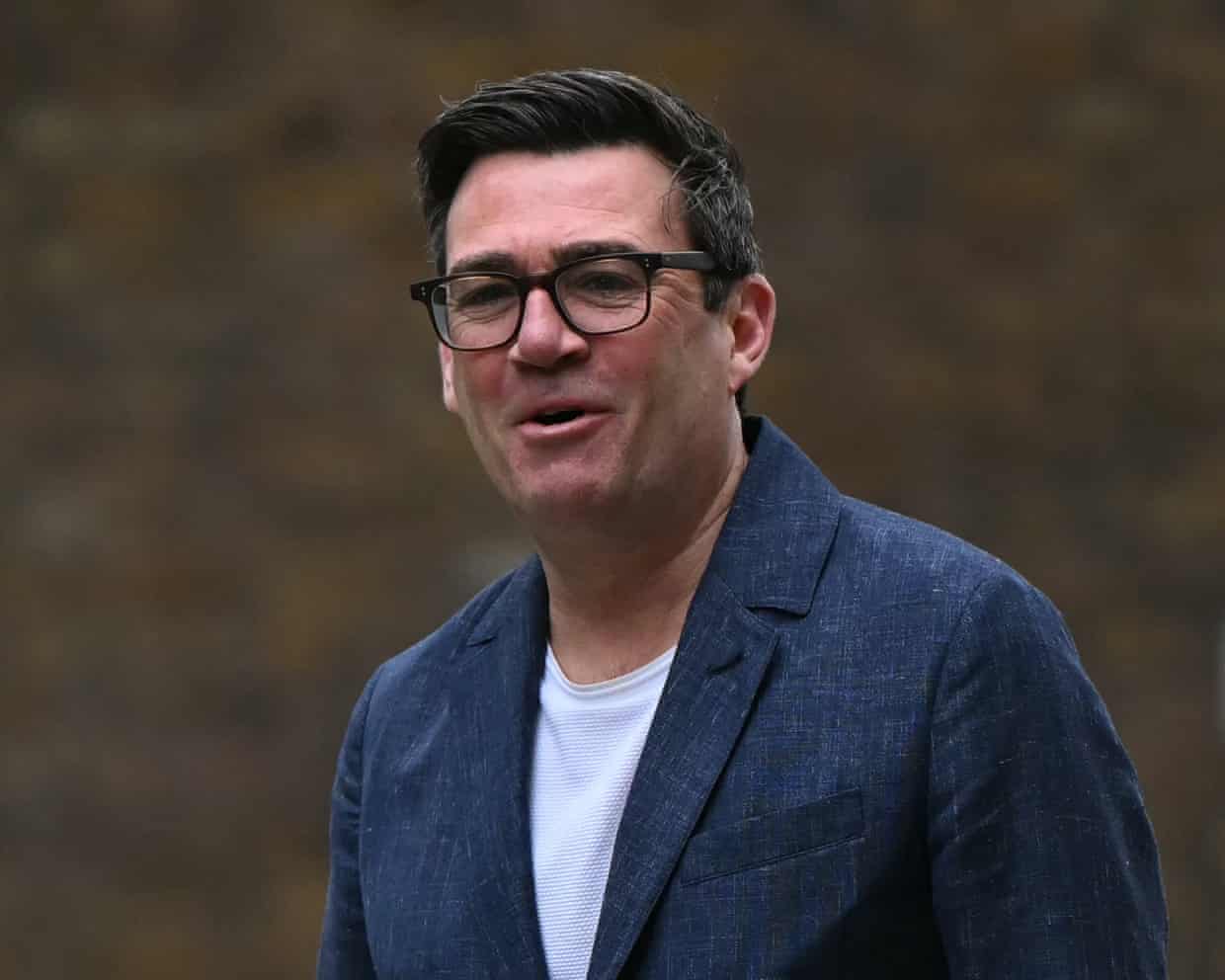
‘Hold the line’: Burnham tells allies in parliament he still has options to return
Andy Burnham has told Labour MPs they should hold the line and that he has options to return to parliament after several seats identified by his allies failed to materialise.Two seats that backers of the Greater Manchester mayor had described as “nailed on” as recently as Monday night are now out of contention after the MPs concerned got cold feet.Burnham spoke to a number of MPs by phone on Tuesday and assured them that he still intended to seek an imminent return to parliament.The Guardian was told by two MPs on Wednesday that Jeff Smith, who represents Manchester Withington, an affluent suburb of the city, was in talks about stepping aside for Burnham, but his friends denied it. Asked whether he was about to make way, Smith told the Press Association he was not
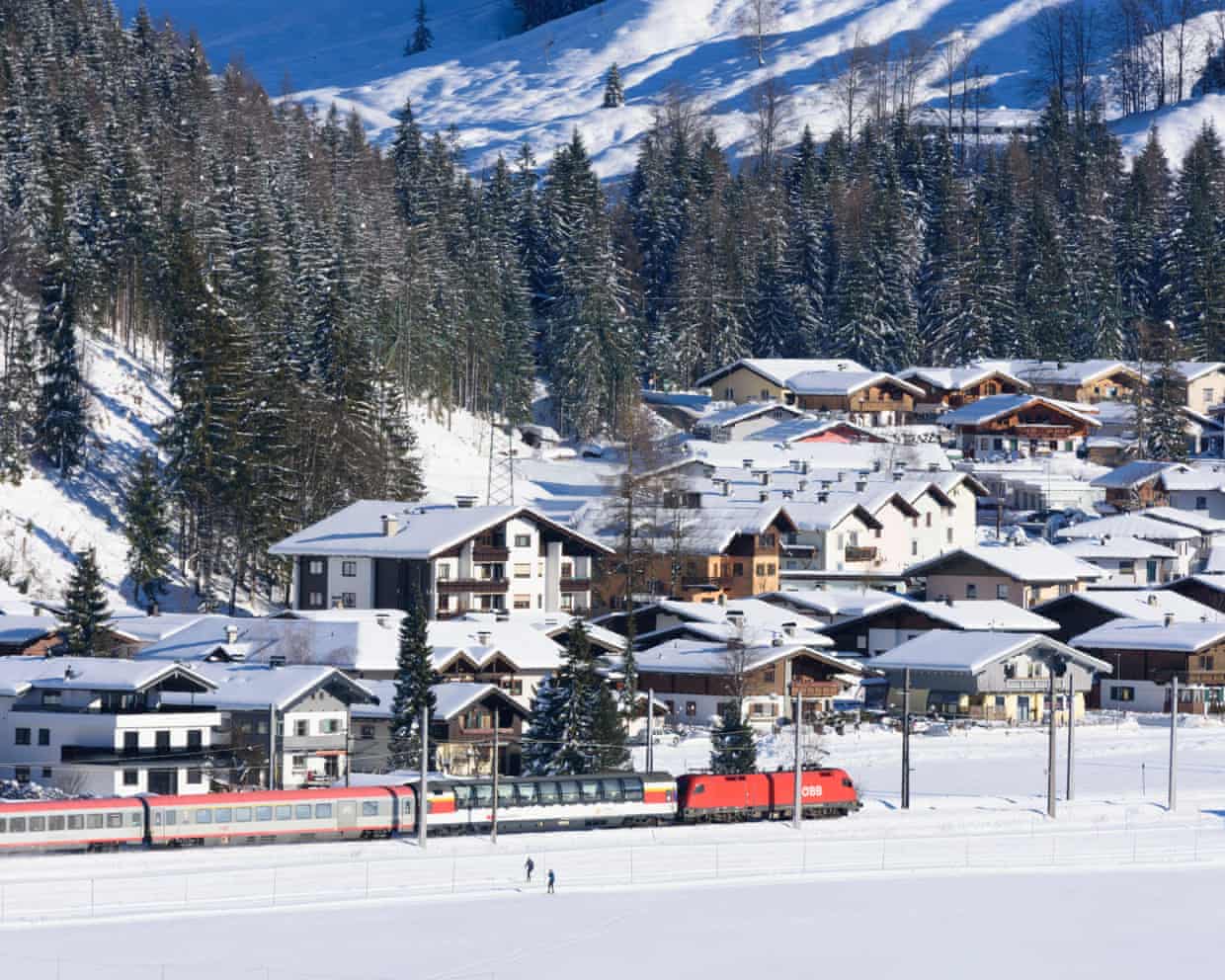
EU proposes end to ‘five tabs, three apps and a prayer’ for cross-border train bookings
Cross-border train journeys through several European countries are the stuff of many a holidaymaker’s dreams.But the reality of trying to buy the tickets, navigating multiple websites without knowing who can help if a connection is missed, can prove less than relaxing. As one MEP puts it, it can often require “five tabs, three apps and a prayer”.Now, however, the European Commission has proposed that before the end of the decade passengers should be able to buy one ticket for one journey and be better protected when trains are late or cancelled.“Europeans will be able with the click of a button to plan, compare and purchase multimodal journeys across borders while benefiting from stronger rail passenger rights, greater transparency and better protection every step of the way,” the EU transport commissioner, Apostolos Tzitzikostas, said on Wednesday, as he published new rules intended to transform the “excessively complex” experience he said rail travellers met when booking tickets
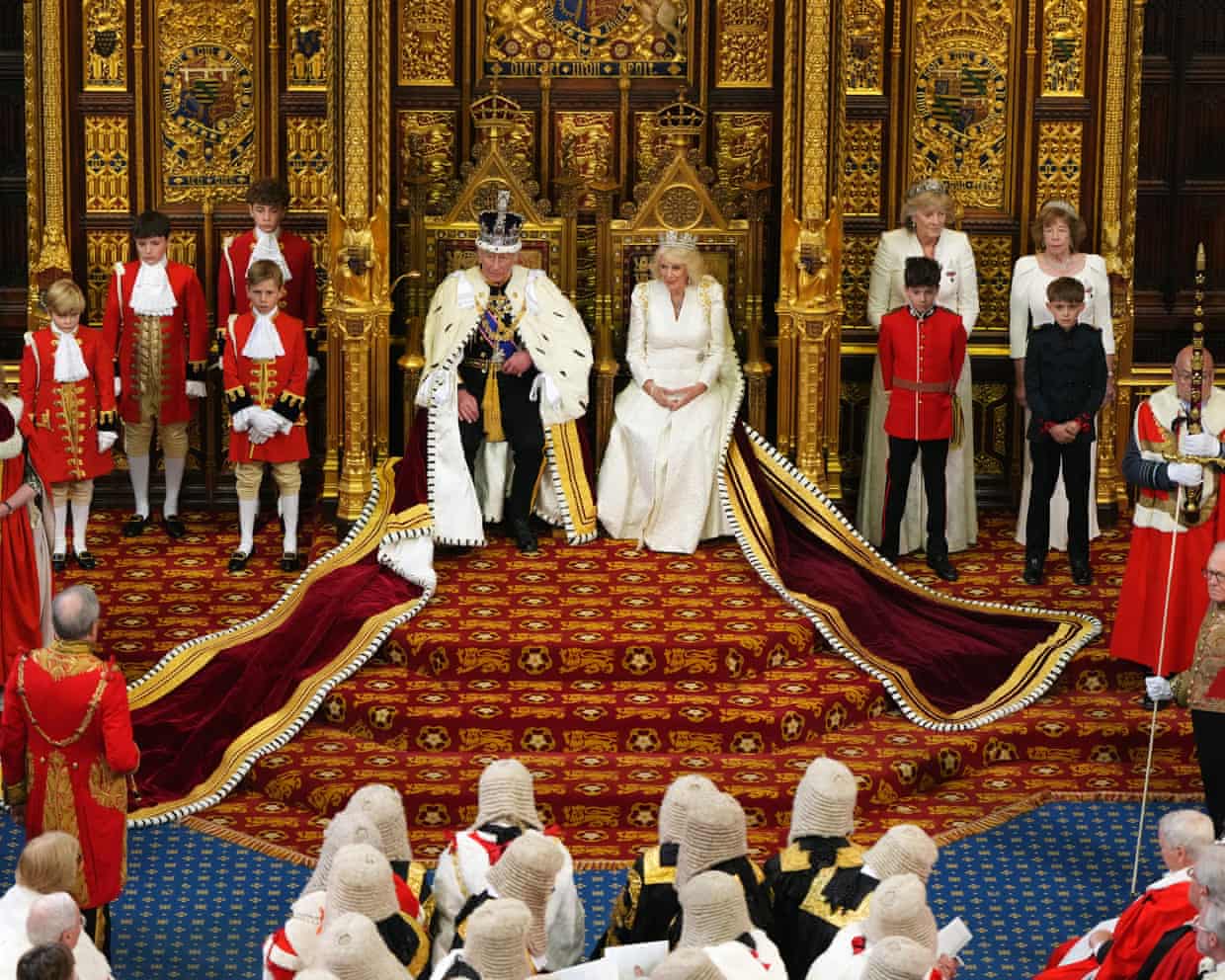
What is the king’s speech and what is the state opening of parliament?
The king’s speech is the centrepiece of the state opening of parliament, the main ceremonial event of the parliamentary calendar, and the only regular occasion when the three constituent parts of parliament – the sovereign, the House of Lords and the House of Commons – meet. It marks the start of the new parliamentary year,Although delivered by the monarch in their constitutional role as the UK head of state, the speech is written by the government to outline its policies and proposed legislation for the new parliamentary session. Formally called the “speech from the throne” because it is delivered from the throne of the House of Lords, the monarch reads it out in a neutral tone. Whatever their private feelings the monarch must not show any preference for any political party or its policies.The event is taking place as the prime minister, Keir Starmer, fights for his future in Downing Street after heavy losses in the 7 May elections
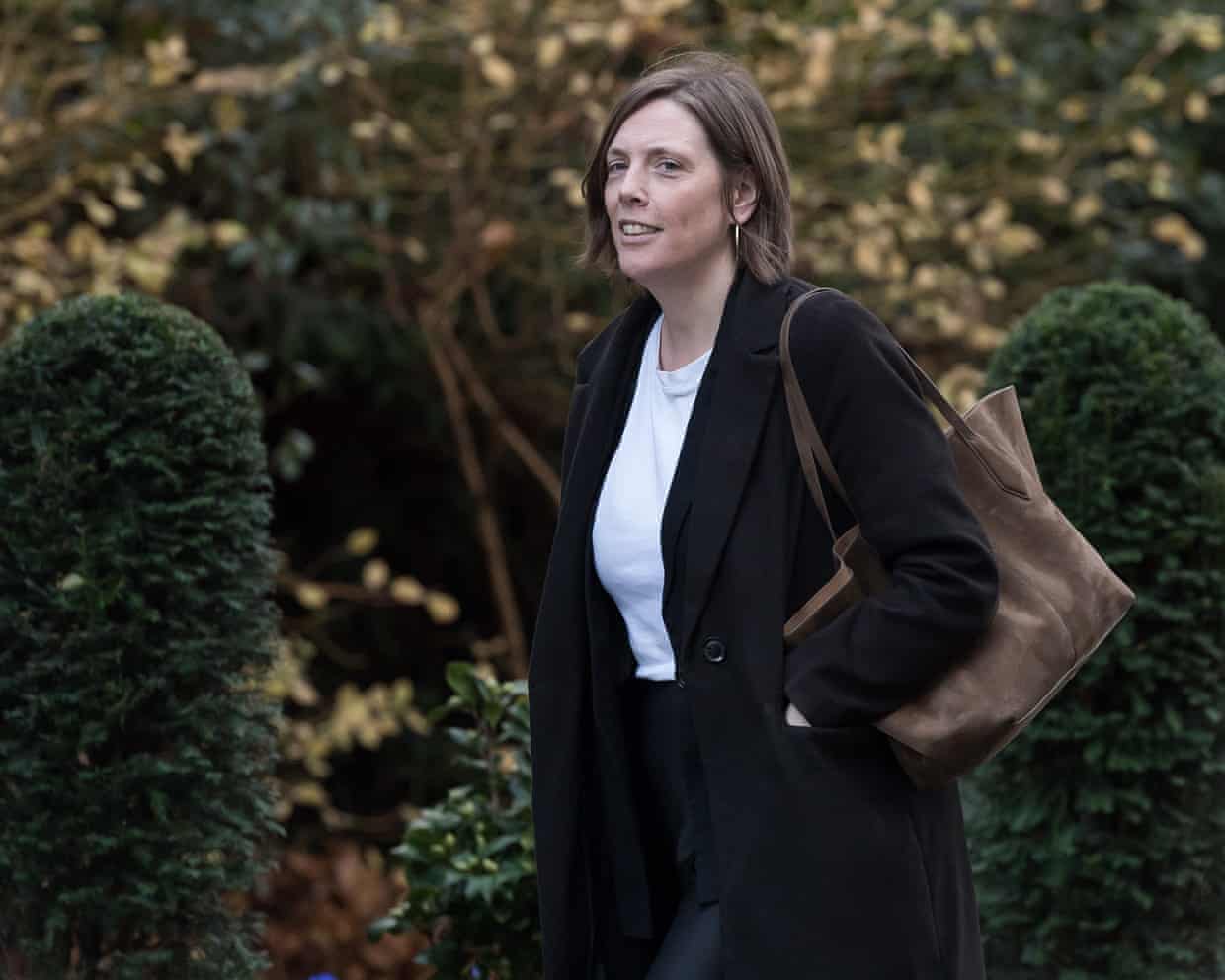
Online safety campaigners reveal Starmer frustrations after Phillips exit
Internet safety and children’s rights campaigners have accused Keir Starmer of failing to act on proposals to stop children sending and receiving nude images on their phones, after Jess Phillips resigned from the government saying she was tired of seeing “opportunities for progress stalled and delayed”.The Labour politician was one of four ministers who quit on Tuesday and joined more than 80 MPs calling for the prime minister to go.In a coruscating letter she focused on a lack of urgency and boldness in tackling child abuse images, accusing Starmer of failing to take action to stop children being able to take or send naked pictures.She said: “Over a year ago I presented solutions, long worked on by brilliant civil servants, that would end the ability for children in the UK to take naked images of themselves.“We could stop this abuse
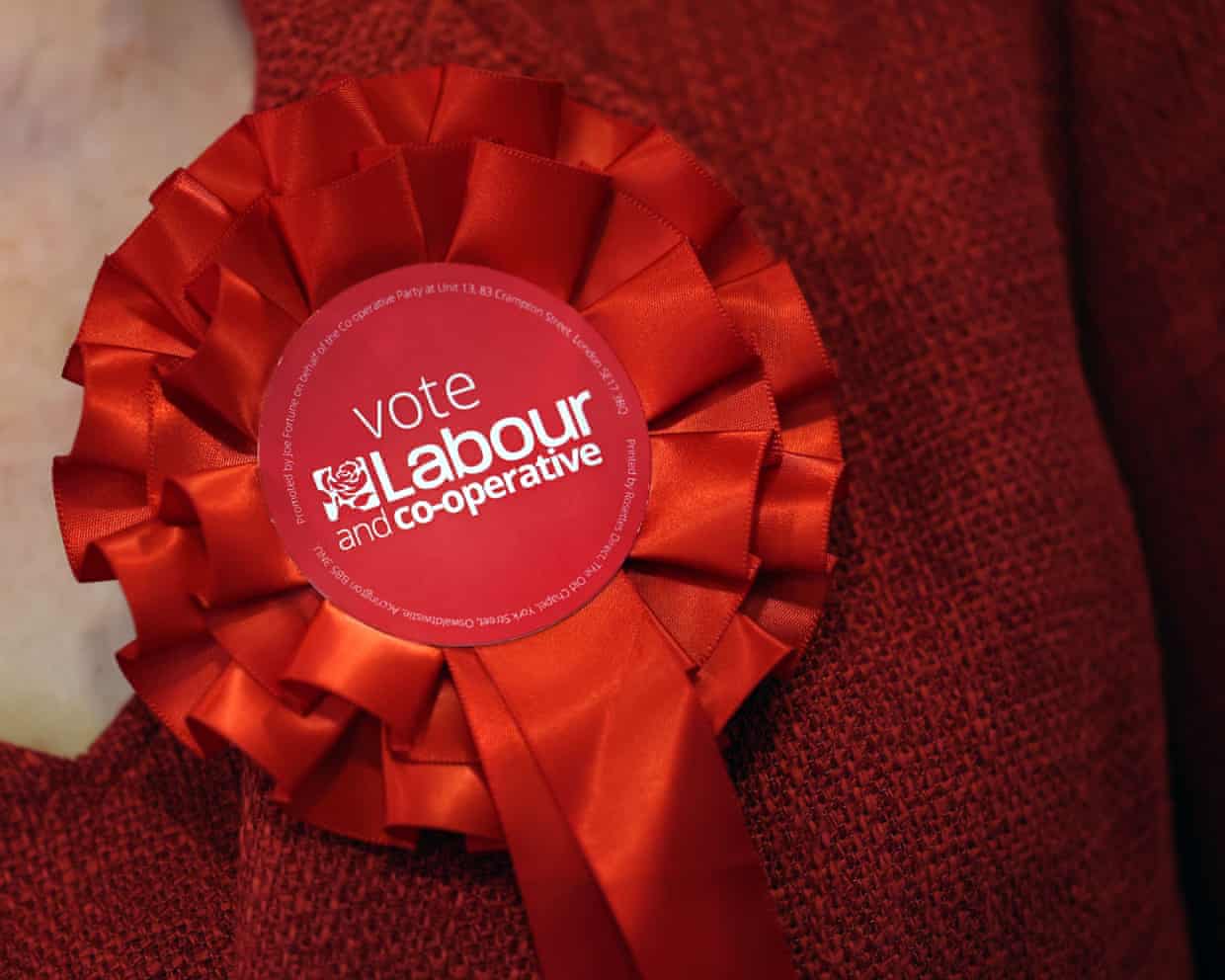
Are working-class voters lost to Labour for good? | Letters
It would be helpful for progressive parties and the media to focus more on why so many people voted for Reform UK. Your article (What’s behind surge in support for Reform and Greens across England? Five key takeaways, 10 May) indicates that it gained more support in deprived areas – but this doesn’t answer the question why.What sort of UK do Reform voters want? Do they want councils that reduce local care services for their vulnerable elderly relatives and children, to save a few pennies off council tax? The ending of environmental protections? The scrapping of equal-opportunities policies that protect women and minority groups?When Reform voters are asked about the party’s policies, they fail to articulate much apart from “stop the boats” – because Reform’s plans have very little detail or real‑world application.The Labour government has been in power for less than two years and has delivered the Renters’ Rights Act and the Employment Rights Act, removed the two-child cap on universal credit, increased provision of free school meals and facilitated millions more NHS appointments.The focus on personality-driven politics has left the door open for local governments to be led by privately educated multimillionaires who dismiss the climate crisis and favour cryptocurrency
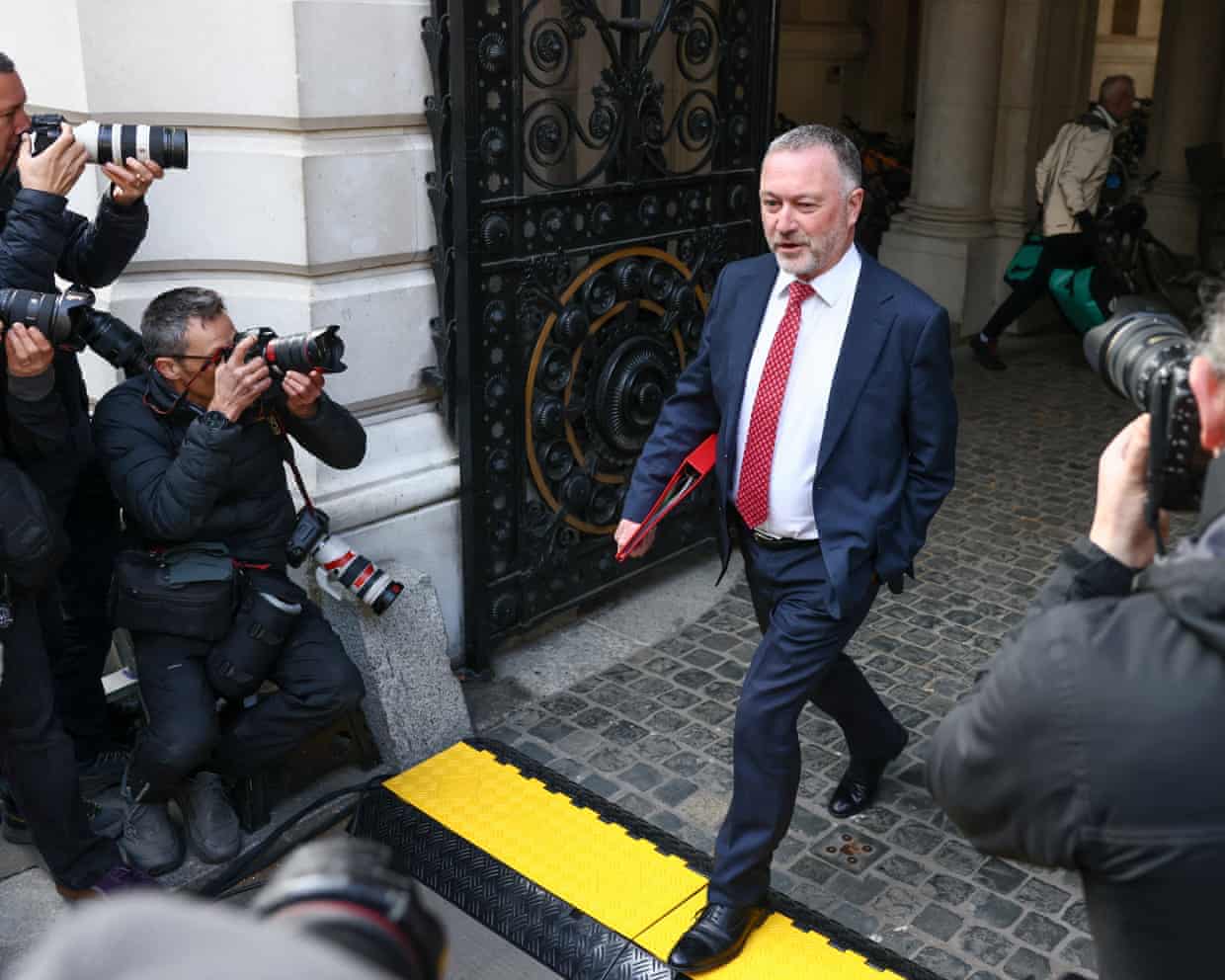
Labour MPs channel Tory psychodrama as Starmer keeps hiding in plain sight | John Crace
It used to be football managers who measured their time at a club in months. Or even days at Spurs. Anything over two years qualifies you for a long service medal. Now it’s prime ministers. In fact it’s worse than that

Stephen Colbert on Trump’s 22ft gold statue at his golf club: ‘recreational idolatry’

One in seven in UK prefer consulting AI chatbots to seeing doctor, study finds
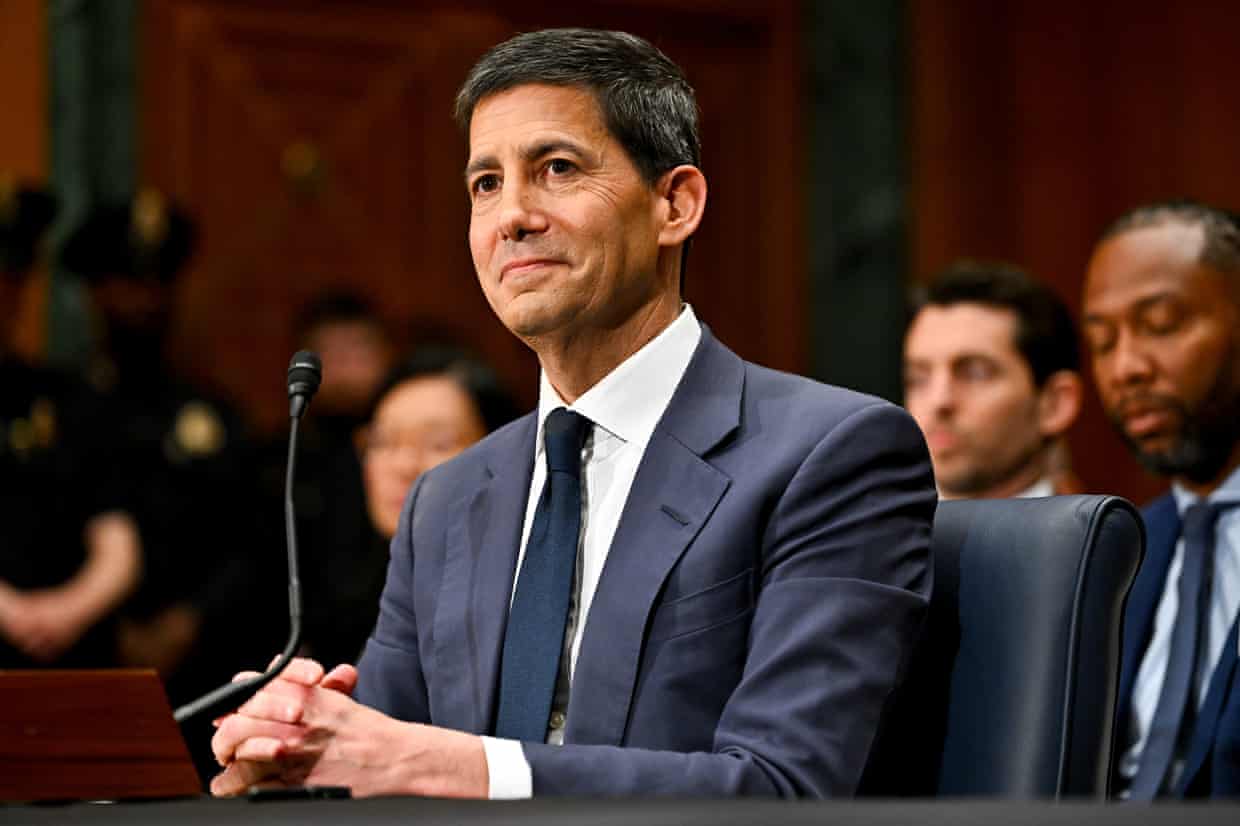
US Senate confirms Kevin Warsh as Federal Reserve chair, replacing Jerome Powell
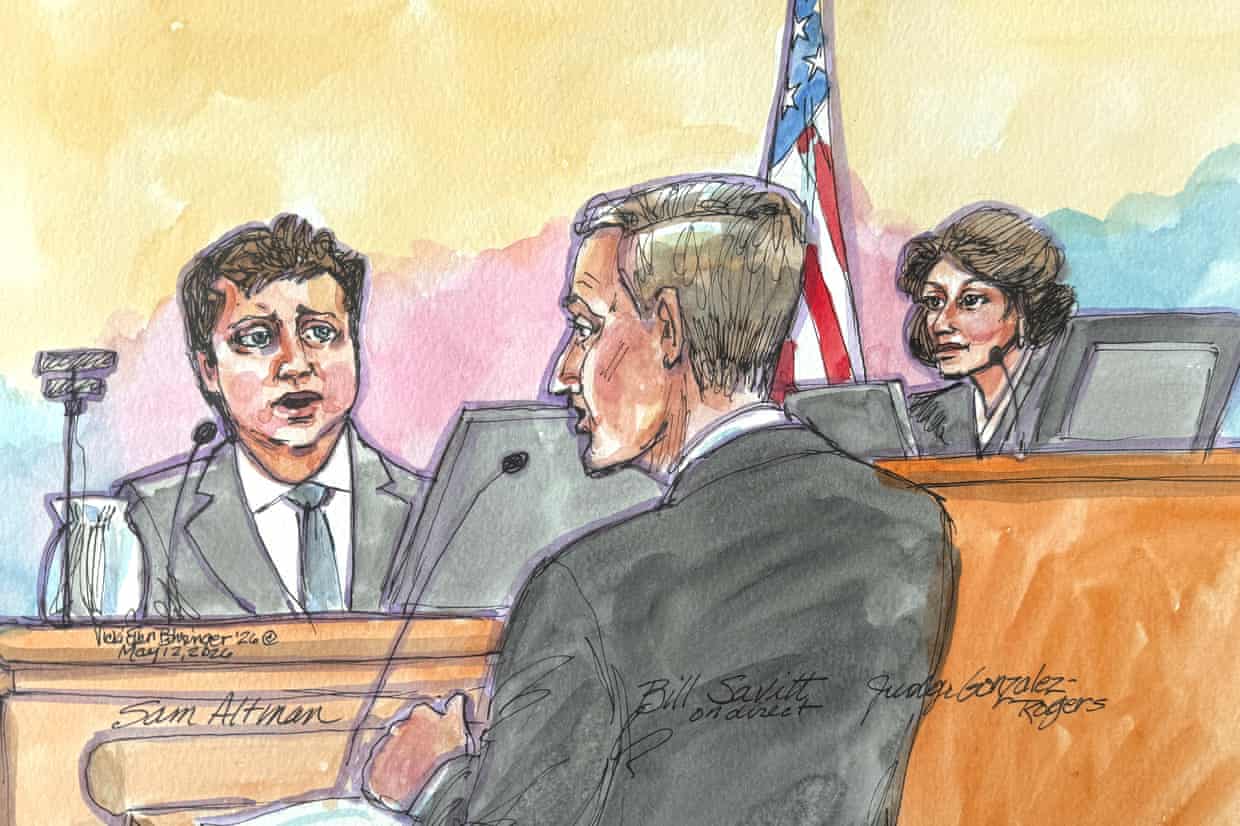
Sam Altman defends OpenAI in courtroom showdown with Elon Musk
Florida students boo graduation speaker who called AI ‘next Industrial Revolution’
Jim Furyk tells US players they need to make Ryder Cup more of a priority