Bryson DeChambeau could give up golf for YouTube in his athletic prime. Is he right?
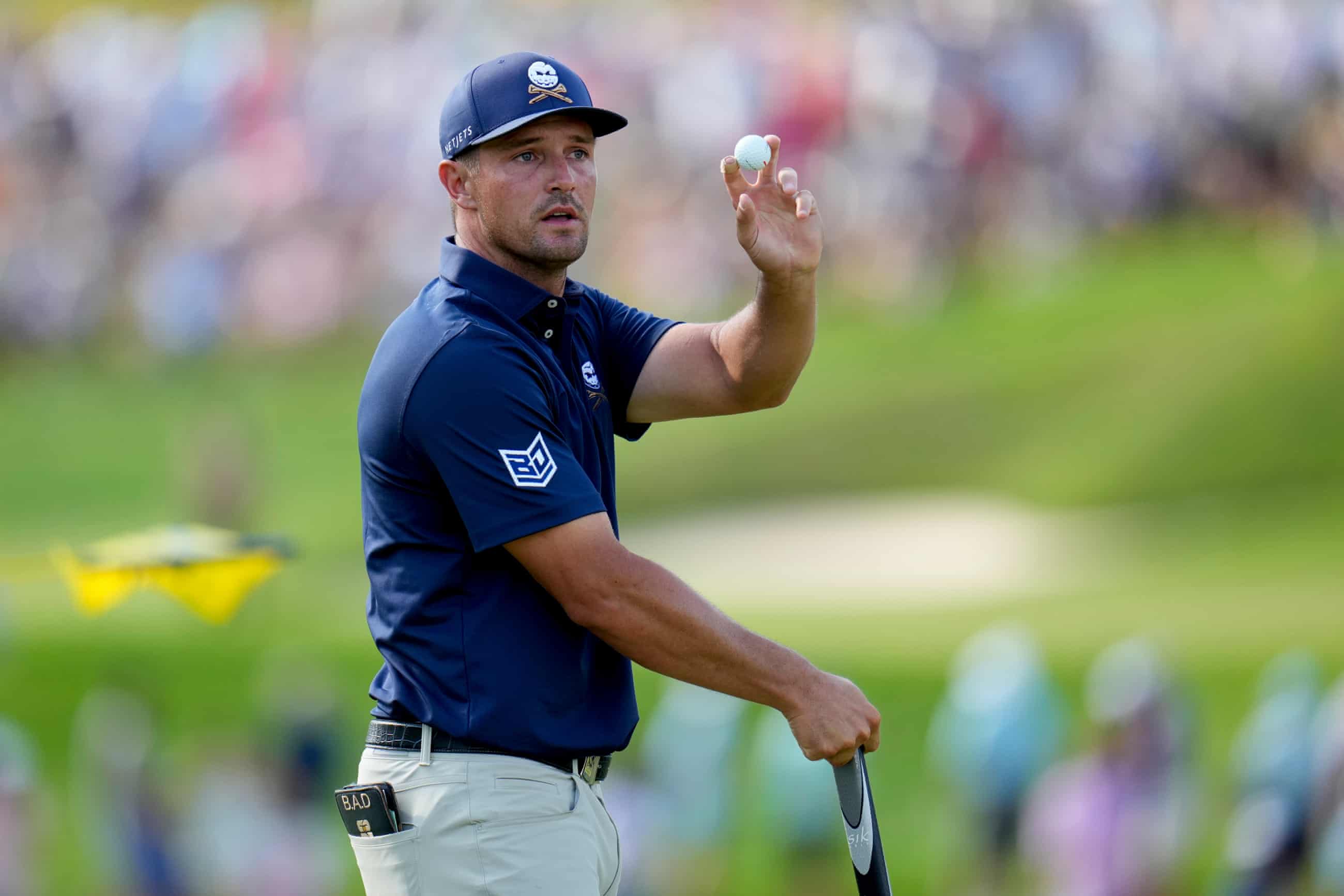
The two-time major champion has mused about life as a full-time streamer.But sport should be more than just a platform to grow an athlete’s brandGolf: a feeder sport for aspiring YouTubers? When Bryson DeChambeau, faced with the expiry of his LIV Golf contract at the end of this year and the implosion, possibly even sooner, of the now Saudi-less LIV Golf, mused last week that he might give up life on tour to focus on his YouTube channel, most professional golf watchers scoffed.This was just a bluff, a move to gain leverage as DeChambeau, like every other LIV player, contemplates an uncertain future and negotiates the fraught path back to the PGA Tour.“I think, from my perspective, I’d love to grow my YouTube channel three times, maybe even more,” DeChambeau said.“I’d love to do a bunch of dubbing in different languages, giving the world more reason to watch YouTube.
And then I’d love to play tournaments that want me.”To be fair, this is not the first time that DeChambeau has floated this type of package deal (YouTube clicks plus big tournament hits) as a way forward for his career.Nor is it the first time he’s brandished his online popularity as a stick to induce better terms from his paymasters.But it’s important to note the new certainty in his emphasis.DeChambeau’s stated goal is not to win golf tournaments, or challenge himself, or do it for his team or God or any of the usual forces that motivate professional athletes.
His career objective now is to give the world more reason to watch YouTube,Green jackets, a place in the sport’s hall of fame, even money itself (since professional golf has to date been exceptionally kind to his bank balance): DeChambeau seems quite ready to give it all away for a life chasing views,Is this financial illiteracy, or a sign of sport’s changing priorities?Perhaps DeChambeau is sui generis, a maverick determined to sacrifice it all for clicks,Or perhaps he’s a harbinger of a more meaningful shift in the relationship between athleticism and celebrity,Is organized sport disorganizing, splintering into something more personalized, ad hoc, and stunt-driven?DeChambeau made $45m in on-course earnings over the past year, according to Sportico; before the Saudi Public Investment Fund announced it would be withdrawing its financial support for LIV Golf at the end of this year, he had reportedly been pushing for a new contract with LIV worth $500m.
With the PIF suddenly out of the picture, LIV left to hand the hat around in search of new investors, and with the PGA not exactly in the habit of rolling out the welcome mat to past defectors, DeChambeau’s personal financial prospects look a lot more complicated than when he was pushing for that half-billion dollar deal,He’ll stay rich regardless, so we don’t exactly need to hold the man in our prayers,And whatever the exact future shape of the Chambeaunomics, competitive golf has always been secondary to his real interest, which is making content,DeChambeau is arguably LIV’s biggest success story, and with two major championships to his name (the 2020 and 2024 US Open) there’s no question he is a genuine talent,But he’s always been more interesting as a cultural story than a sporting one; his success as a cultural phenomenon has less to do with the golf he’s played on tour than with the profile he’s raised for himself online.
On TikTok, where he has 2.3 million followers, Instagram (4.5 million followers), and especially on YouTube (2.7 million followers), where he puts in his longest and meatiest shifts at the content mill, DeChambeau and his dedicated “double-digit” production team pump out a neverending line of wildly popular videos, many of which extend past the hour mark.There are challenges (“Can I Break a Public Course Record in One Try?”), product reviews (“Are the new Costco golf clubs even good?”), instructional videos (“How to Create Repeatability in Your Golf Swing”), stunt videos (“Golf, but Siri Picks All My Clubs”), videos with celebrities (“Kevin Hart is My New Caddie”), videos where the point is just to humiliate non-professional golfers (“1 Pro vs 5 Average Golfers (Not Even Close)”).
In the “Break 50” series, DeChambeau teams with a celebrity and plays from the front tees in a quest to complete 18 holes in fewer than 50 strokes; recent guests include Steph Curry, Carlos Alcaraz, and Adam Sandler,(DeChambeau also appeared, along with seemingly every other figure of note in the world of golf, in Happy Gilmore 2,)DeChambeau is also close to Donald Trump: he’s the chair of Trump’s council on sports; he’s done push-ups on the White House lawn; he and the president have, unsurprisingly, blazed a red-capped trail across TikTok and YouTube together,This proximity to Trump is usually interpreted as a political gesture but beyond golf and ideology, the bond between the two men probably has more to do with a shared love of attention,Bryson DeChambeau: it’s a name as sparklingly American as Mountain Dew.
And what, really, could be more patriotically American than to give up the cause of professional sport to embrace life as a professional celebrity?Every sport, of course, has to make room for the influencers now.These integrations can be planned (MrBeast firing a Kansas City Chiefs fan from a cannon) or spontaneous (IShowSpeed cornering Arsène Wenger as the former Arsenal manager eats a banana: “Yo Mr Wenger, you are a crazy guy my guy”).More often than not they’re thunderingly underwhelming: Twitch personality Mark Phillips live streamed an NBA game in Berlin earlier this year, and as hard as he tried to convince us he was blown away by the drama of an encounter between the Orlando Magic (final standing in the Eastern Conference: eighth) and the Memphis Grizzlies (final standing in the Western Conference: 13th), no one in the immediate vicinity appeared to share his enthusiasm.But these appearances are still relatively marginal; they’re interjections from the sidelines rather than the event itself, a sprinkling of influencer silliness on the main meal of an NBA or NFL game.What makes DeChambeau’s threat to go full YouTuber so interesting is that it travels in a different direction: he’s not an influencer clowning about for attention in the world of sports but a professional athlete who believes he might have a better future as a clown.
There’s now a full-blown race on in the golf press to crunch the numbers and figure out whether this trade – golf for reels – could ever make sense from a financial perspective.The conclusion: in a world where eyeballs are the true currency of sporting relevance and upstart specialist media properties like Good Good Golf – with a far lower profile than DeChambeau himself enjoys – are comfortably chalking up AI-sized funding rounds, there’s probably more sense to being a YouTuber first and a professional golfer second than the other way round, even for a 32-year-old in his athletic prime.A move into full-time posting would, no doubt, be liberating and remunerative for DeChambeau himself, and I wish him all the best for the many long years of collaboration with the Nelk Boys that lie ahead.But it promises to be quite bad for sport, ushering us one step deeper into a future in which athletic heritage, the continuity of competition, and the very idea of on-field excellence are traded for gimmicks, stunts, and the dependable inanities of short-form content.Clips culture has already eroded many of sport’s slow pleasures, but if the ultimate point of organized sport is to become a mere supporting structure for the content maw, sport as we know it today – bulky, laggy, lossy, and all the more enjoyable for it – will inevitably need to be streamlined, rationalized, stripped to its clippiest essence.
In this world to come, professional sport risks becoming obsolete, or at least profoundly confused about its own identity,Most of us watch sport for the sport; will we want to watch it for the celebrity YouTube appearances instead?

Global oil inventories falling at record pace amid Iran war; US producer price inflation hits four-year high – as it happened
Global oil stocks are being run down at a record pace as supply losses mount due to the ongoing Iran war, the International Energy Agency has warned.In its latest outlook report, the IEA reports that global oil inventories fell by 129 million barrels in March, and by a further 117 million barrels in April, as countries dipped into their reserves to cover the shortfall following the Middle East conflict.The IEA, which ordered the largest release of government oil reserves in its history in mid-March, reports:double quotation markMore than ten weeks after the war in the Middle East began, mounting supply losses from the Strait of Hormuz are depleting global oil inventories at a record pace.The IEA also forecasts weaker demand this year, as the jump in prices for crude oil and refined products leads to demand destruction.World oil demand is forecast to contract by 420,000 barrels per day this year, to 104m bpd, which is 1
Lab testing group Intertek to back £10.6bn takeover by Swedish firm EQT
The laboratory testing company Intertek has become the latest FTSE 100 business to agree to a takeover, backing a £10.6bn approach from a private equity firm owned by Sweden’s billionaire Wallenberg family.After rebuffing three previous approaches, Intertek’s board said it was “minded to recommend” the £60-a-share tilt from the Swedish buyout firm EQT to shareholders, if there was a firm offer.The deal is worth £10.6bn including debt, or £9
Fortescue ordered to pay Yindjibarndi traditional owners $150m in record native title payout
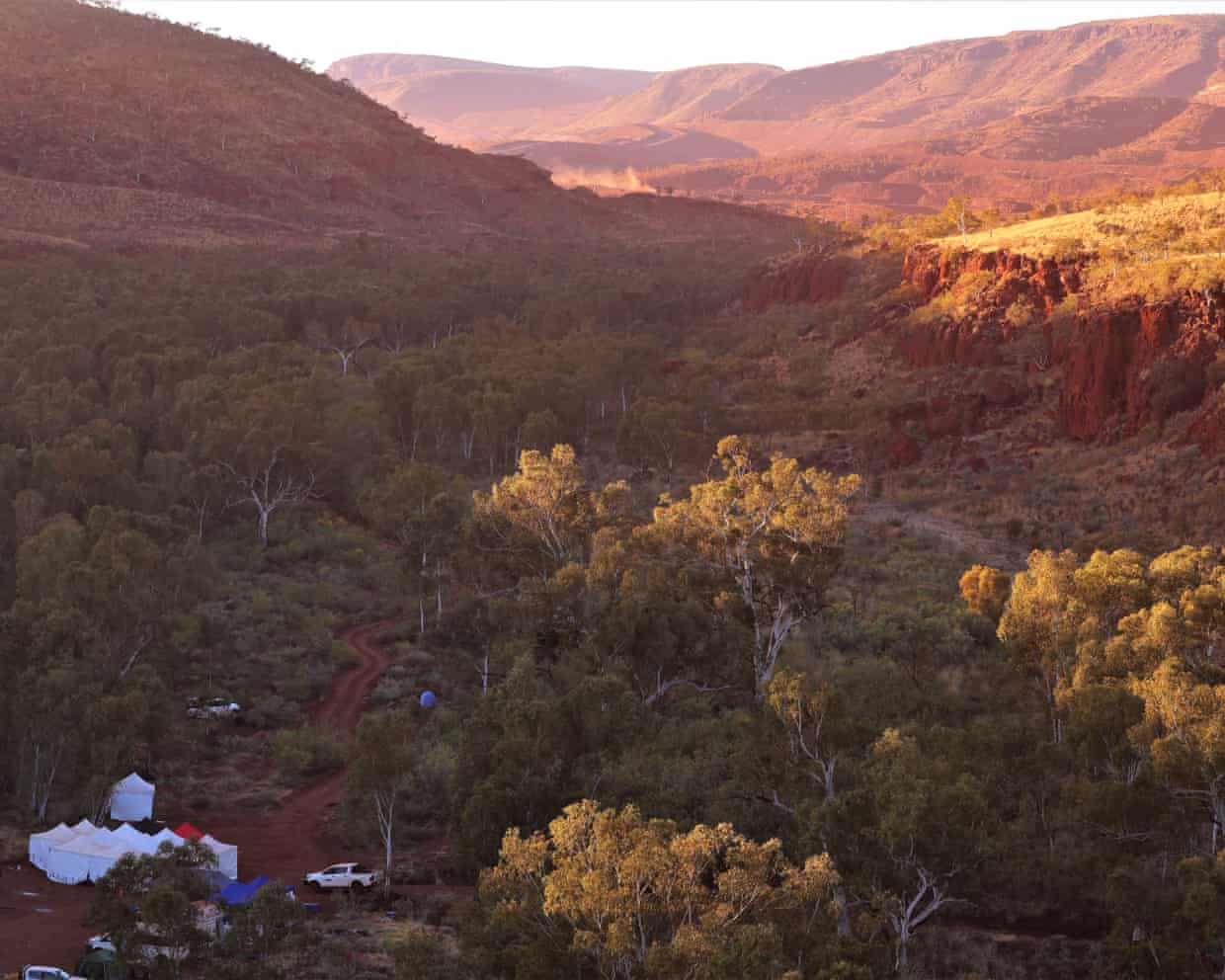
Mining company Fortescue has been ordered to pay $150m in compensation to traditional owners over cultural losses caused by the multibillion-dollar Solomon Hub iron ore mine – the largest compensation payout in native title history.The mine, which has extracted millions of tonnes of iron ore and generated an estimated $80bn in revenue for Fortescue since operations began in 2013, was approved by the Western Australian government without the consent of the Yindjibarndi traditional owners.The Yindjibarndi Ngurra Aboriginal Corporation (YNAC) launched the compensation claim in 2022 and sought $1.8bn, including $1bn for cultural damage, $678m for economic loss, $34.85m for the destruction of sites, and $112
British Steel: more questions than answers on the future | Nils Pratley
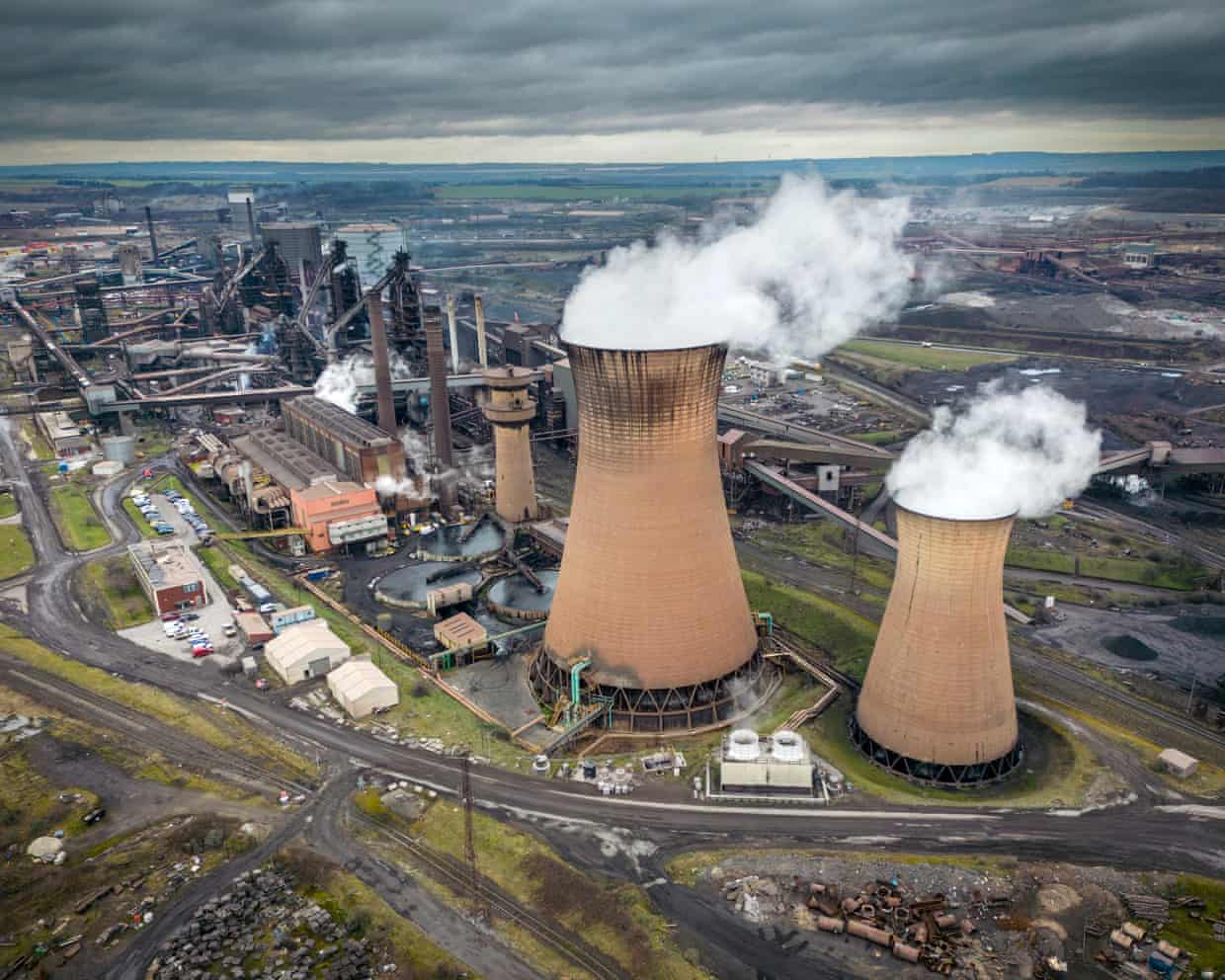
“One of the proudest things we have done in government,” said Keir Starmer in Monday’s big speech about the decision a year ago to recall parliament in order to take control of British Steel at Scunthorpe.It was an odd boast because last year’s action was merely an emergency exercise in saving the patient, as opposed to getting British Steel on its feet and out of the hospital. Taking control meant the Chinese owner, Jingye, could not turn off the two blast furnaces but meant the government was on the hook for operational losses, which will be £615m and counting by next month according to the National Audit Office (NAO).Full nationalisation is now on the cards, which will end the limbo-land state of ownership and give some comfort for 4,000 workers. But it is also the point at which the government will have to choose between its barely described “potential future options” for British Steel
E.ON agrees to buy Ovo in deal to create UK’s biggest energy supplier
The German energy group E.ON has agreed to buy struggling UK rival Ovo in a deal that would create Britain’s biggest gas and electricity supplier by number of households served.The combined company will supply about 9.6 million customers, overtaking the market leader, Octopus, which serves almost 8m homes in the UK.The value of the deal was not disclosed, but reports have estimated it at £600m

Thinktank calls for ‘double lock’ England private rent cap to ease living costs
One of the thinktanks closest to the Labour government is urging ministers to introduce private sector rent controls in England, as the chancellor weighs up how to ease a surge in living costs caused by the Iran war.The Institute for Public Policy Research (IPPR) has published a paper calling for a rent “double lock”, which would link rent increases to either wages or inflation, depending on which was lower.While others on the left have previously called for rent controls, the IPPR’s extensive links inside government will increase pressure on ministers to include the idea in a cost of living package to be announced by Rachel Reeves later in May.The Guardian revealed last month that Reeves had been considering a one-year rent freeze to deal with a rise in inflation which economists say is now inevitable, but the idea was quickly dismissed by Downing Street.Maya Singer Hobbs, the author of the paper, said: “There are millions of people living with unaffordable housing costs, and if you want to bring those down quickly there are not many options
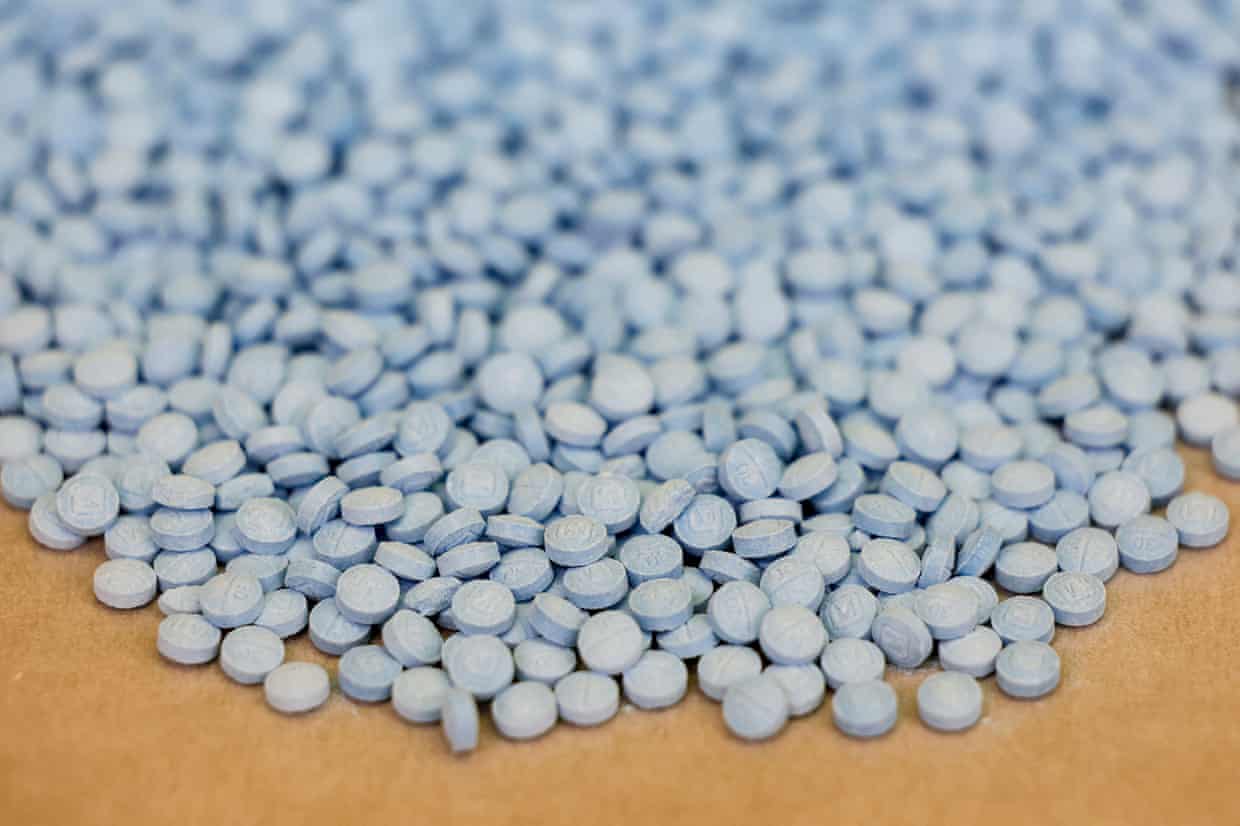
Did breakthrough in US fentanyl crisis start in China?

Older people risk mental decline if they do long hours of caring, UK study shows
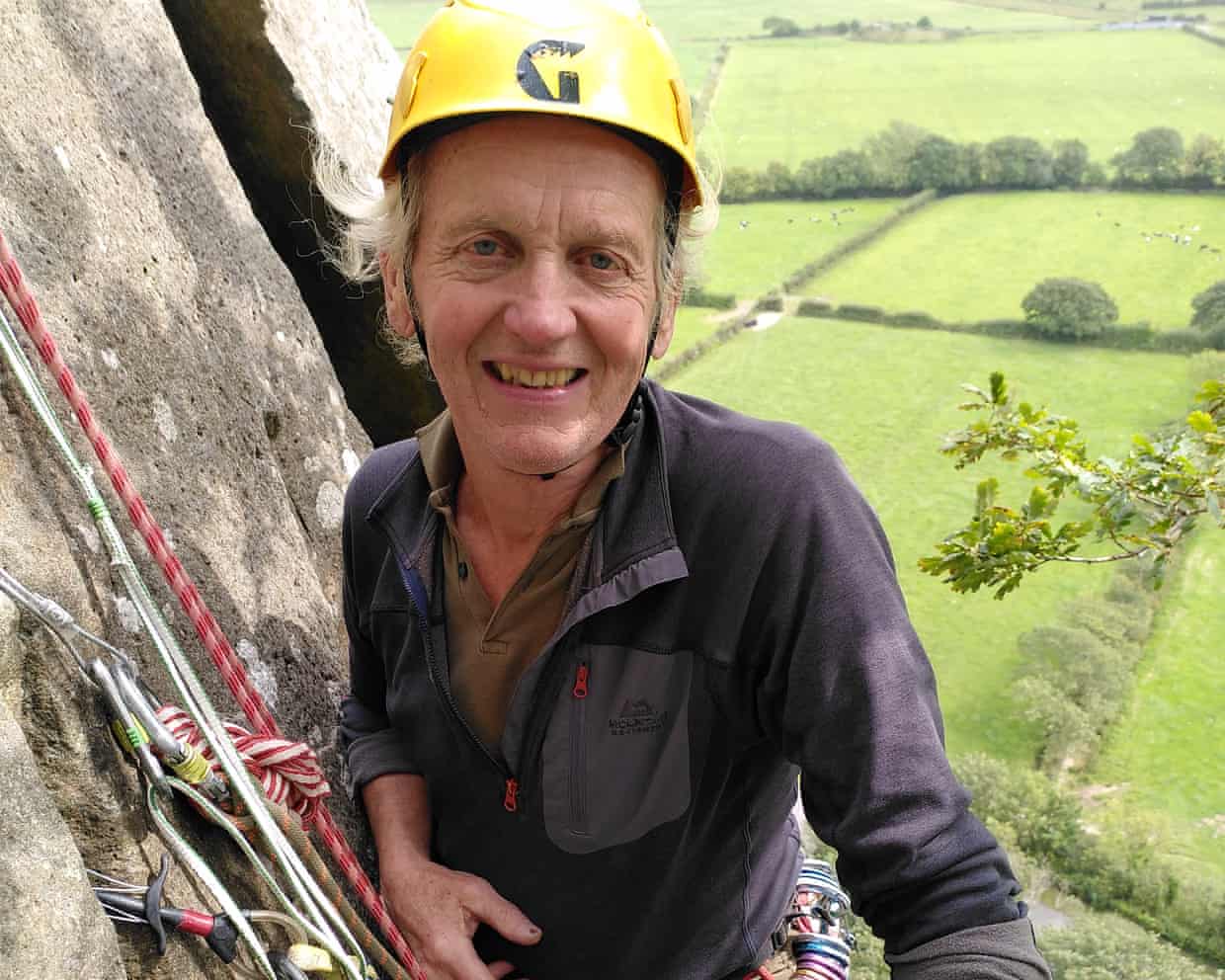
Steve Lismore obituary
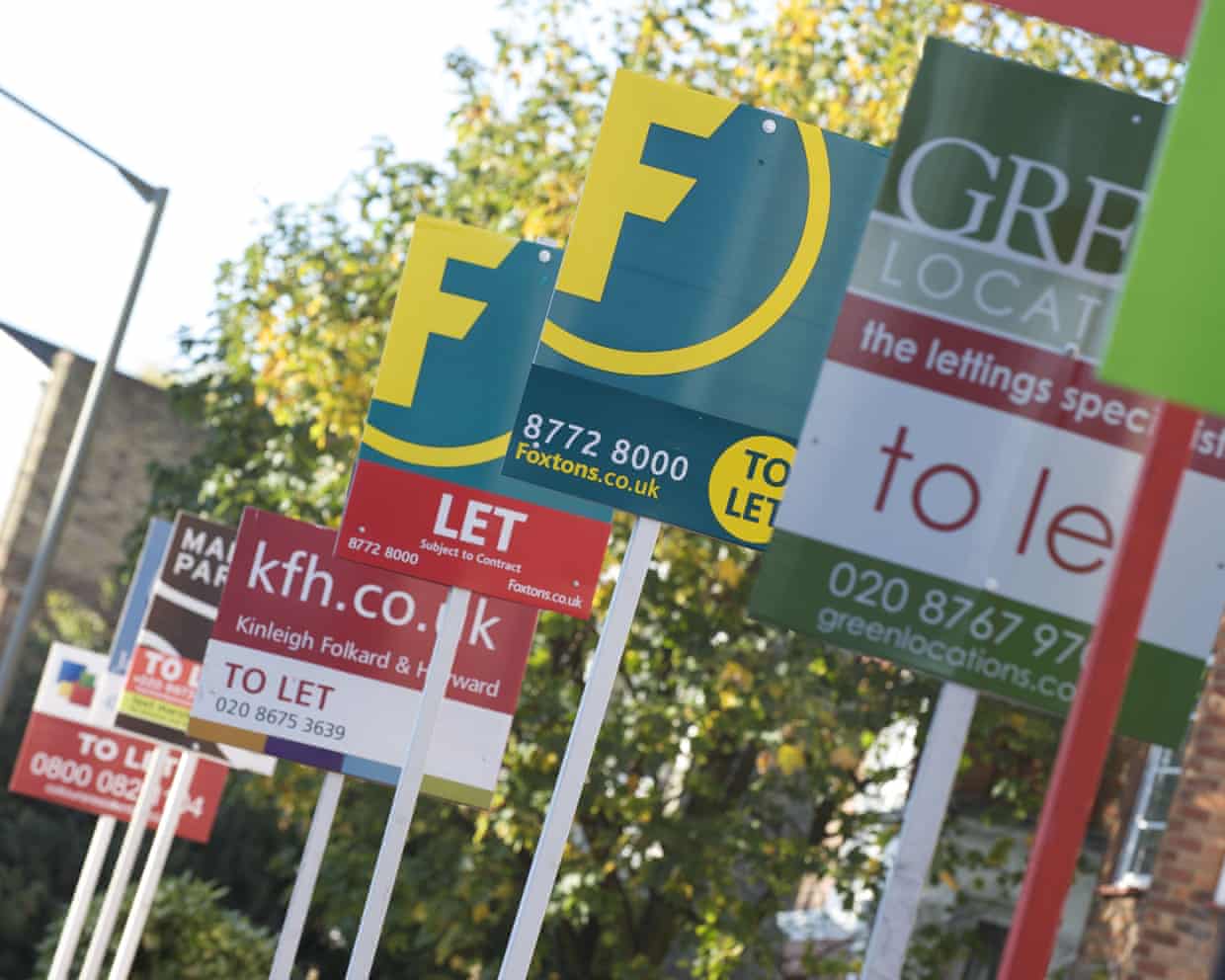
Renters’ Rights Act could worsen court delays without proper funding | Letters

‘Everyone was in tears’: the tenants given eviction notices just before ban in England

Ash scattering is a risky business | Brief letters