Viral volleyball star Jordan Lucas: ‘I’m celebrating like NFL players, just in a more feminine way’
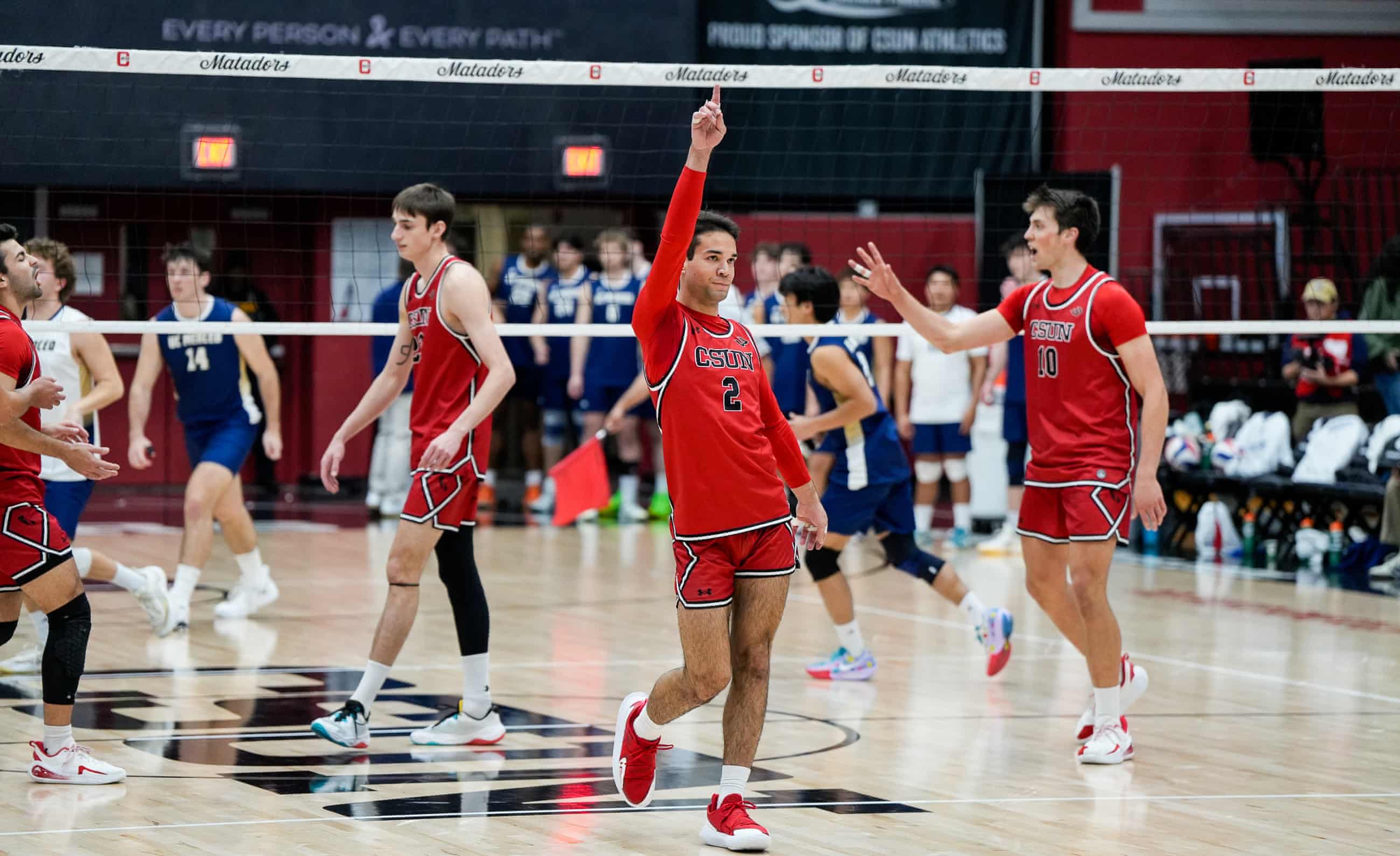
The Cal State Northridge player has attracted millions of views for his hair flicks and dismissive waves.He says navigating the fallout has been a career of its own“I think people are really enamored with me because you don’t often see someone like me – animated, flamboyant – but still able to back it up on the volleyball court,” says Jordan Lucas, the outside hitter for Cal State Northridge’s men’s team.Although college volleyball has a devoted following and can attract big crowds – 92,000 fans went to see Nebraska take on Omaha in 2023 – it doesn’t usually attract the same attention as basketball or football.That changed last month though when clips of Lucas’s “flamboyant” play – he’s fond of celebrating with a flick of his hair or a dismissive wave at his opponents – went viral, amassing millions of views on social media.College athletes enjoying social media fame is hardly new: stars such as Paige Bueckers, Harper Murray, Olivia Dunne and Shedeur Sanders all had their viral moments.
But Lucas’s case is different.It isn’t just about the highlights, it’s about the conversation surrounding them.Lucas is gay, and that fact has become inseparable from how audiences engage with his game.Gay male athletes have always existed, but most of them navigated their careers either by remaining closeted or by conforming to a version of masculinity that preserved their place within the rigid expectations of sport: dominant, stoic, unmistakably “masculine.” Lucas does not.
His flamboyance is not muted for acceptability; it is central to his presence, both on and off the court,And while that draws attention, it also invites scrutiny, something he admits has become difficult to ignore,“I feel like people come for the entertainment and the show, and now they’re starting to get invested in my life outside of the court,It’s taken some getting used to,” he says,The duality is striking: on the court, Lucas is passionate and emotive; off it, he describes himself as more reserved.
That tension came into focus during a broadcast, when UC Irvine announcer Charlie Brande remarked, “I’m amazed Jordan Lucas hasn’t been popped by somebody … The antics he’s making under the net, it’s very distasteful.” Brande issued an apology, acknowledging that violence should never be “acceptable or tolerated.” It was later confirmed Brande will no longer call UC Irvine volleyball games.Lucas’s so-called “antics” were actually celebrations: gestures that are ubiquitous across sports, especially in high-pressure moments.Lucas’s difference lies in how he expresses himself: finger snaps, hair flips, waves to opponents, the occasional sashaying turn.
In another context, he might be praised rather than dismissed.This article includes content provided by Instagram.We ask for your permission before anything is loaded, as they may be using cookies and other technologies.To view this content, click 'Allow and continue'.“I celebrate because it’s fun.
In professional sports – the NBA, NFL, MLB – it’s about talent, but it’s also about what separates you from the pack,” Lucas says.“I’m not going to tone down who I am.That’s why people watch me play.”He adds that teammates, coaches, and staff have been overwhelmingly supportive of his self-expression.Lucas’s path to volleyball wasn’t predetermined.
He was raised in a family of basketball fanatics – his older brother Jarod played for Nevada and Oregon State and the siblings have supported each other’s careers – but Jordan resisted the sport from an early age,“I hated basketball,It was a growing pain, especially for my dad, because it’s all he’s known,” he says,He eventually concentrated on volleyball, a move that proved transformative,“I felt like I could always be myself in volleyball.
It was an escape.I was living two lives: my volleyball life, where I could be myself, and my personal life.”Even before this viral moment, Lucas recalls being a polarizing figure.“People either love or hate the way I play,” he says.“But they’re enamored, because you don’t really see people like me in this sport, or in sports in general.
”The backlash, both online and in person, has been intense at times, but it has also sharpened his resolve.“Being gay, I’ve known who I am for years.When people antagonize me, it just gives me more fire.It’s like, let me show you who I am,” he says.“I’m not going to let anyone disrespect me.
I’m not losing.”Online comments ranged from dismissive to overtly homophobic: “sassy ball,” one reads; “Gayyyyy,” says another.Lucas notes that much of the venom comes from men.“There’s this stereotype that men in sports have to be dominant, brute, hyper-physical.I’m not really like that.
I like antics.I’m more feminine,” he says.For Lucas, the issue is less about criticism and more about inconsistency.“You’re not telling the best NFL players not to do end zone dances or post on TikTok.I’m doing the same thing – just in a more feminine way.
”Still, the support has been just as visible.Figures such as Mark Cuban and Billy Porter, along with players across the WNBA, have voiced encouragement.Lucas is acutely aware of what his visibility represents.As one of the few openly gay players in men’s volleyball, he occupies a space that extends beyond the game itself.“I think about the young boys I could inspire,” he says.
“My plan was to be done with volleyball, but so much is changing.” While he remains uncertain about his next steps, his intention is clear: “I want younger LGBTQ athletes to see me and know they can succeed in sports, that they can flourish and be seen.”
New Mexico proposes $3.7bn fine for Meta and sweeping changes to its social platforms
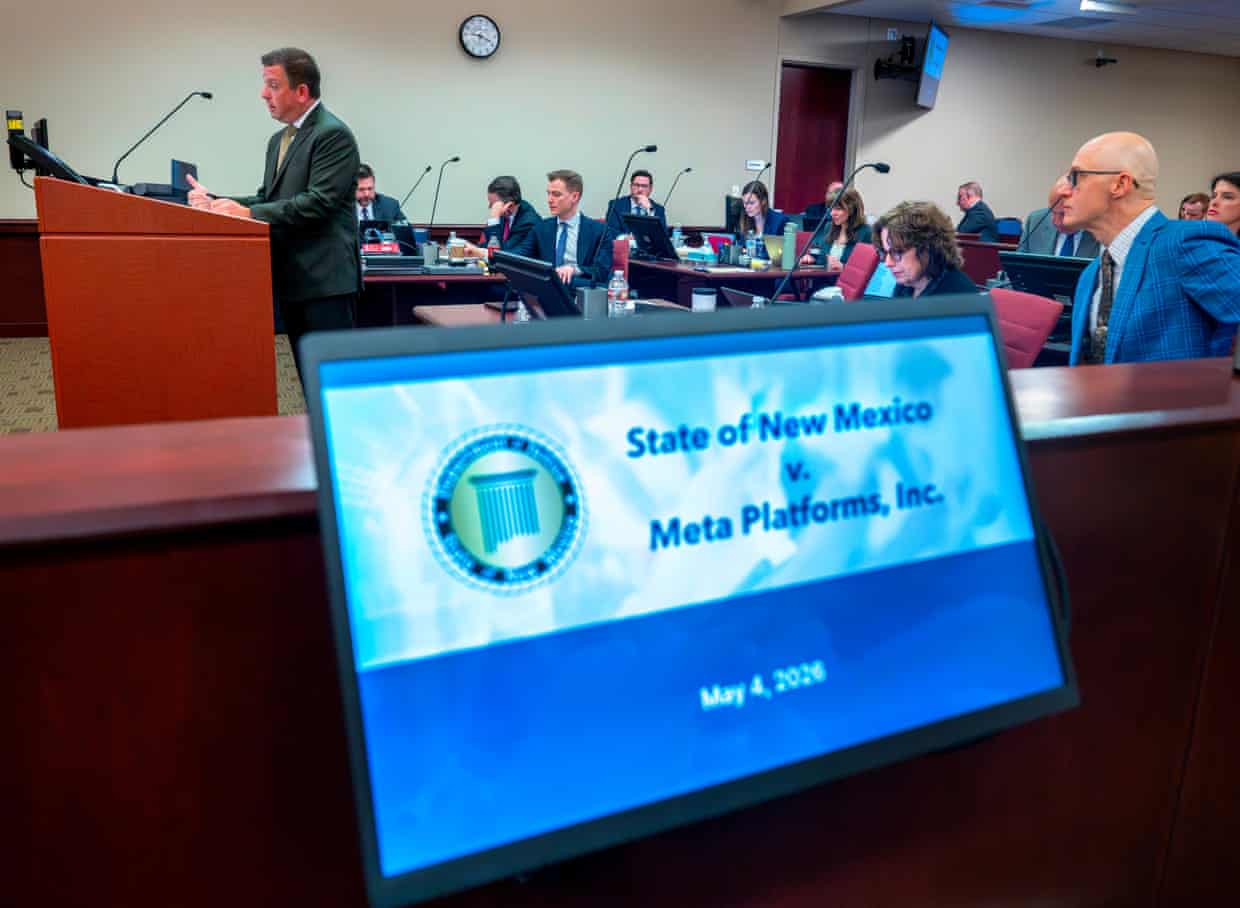
Meta has returned to court in the US this week for the second phase of a lawsuit brought by Raúl Torrez, New Mexico’s attorney general, following a March verdict that found the company liable for child safety failures and imposed a $375m fine. On Monday, the state petitioned for a legal sanction against the company, a monetary penalty 10 times the original amount, and a sweeping, drastic overhaul of Meta’s child safety protocols.In the second part of the landmark case, known as the remedies phase, the state is asking for Meta to be declared a public nuisance and for the judge to order the company to pay $3.7bn in an abatement plan. The money would fund programs for law enforcement, mental health services and educators

US and tech firms strike deal to review AI models for national security before public release
The US government has struck deals with Google DeepMind, Microsoft and xAI to review early versions of their new AI models before they are released to the public.The Center for AI Standards and Innovation (CAISI), part of the US Department of Commerce, announced the agreements on Tuesday, saying the review process would be key to understanding the capabilities of new and powerful AI models as well as to protecting US national security. These collaborations will help the federal government “scale (its) work in the public interest at a critical moment”, the agency said in a press release.“Independent, rigorous measurement science is essential to understanding frontier AI and its national security implications,” said Chris Fall, CAISI director.CAISI is an agency meant to facilitate collaboration between the tech industry and the federal government in developing standards and assessing risks for commercial AI systems
OpenAI president’s ‘deeply personal’ diary becomes focus in Musk’s case against Altman
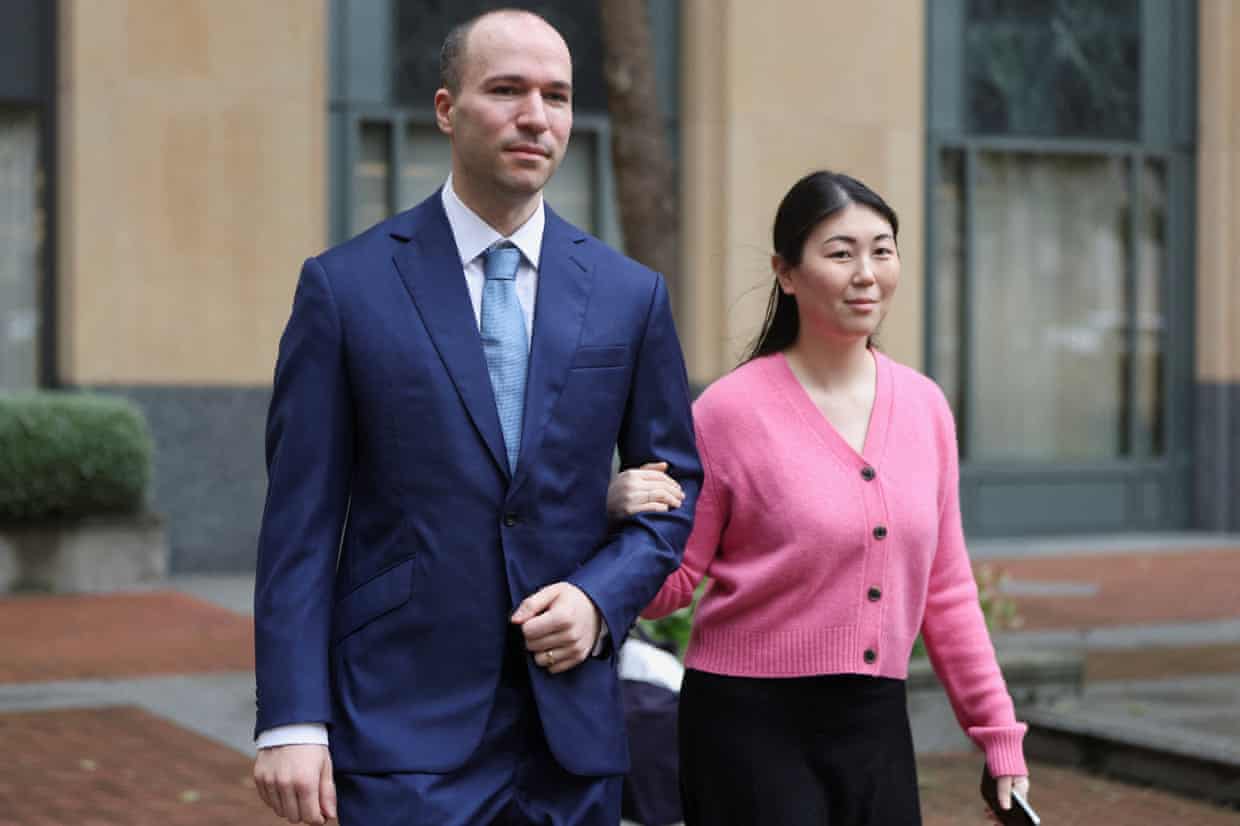
As Elon Musk’s case against OpenAI entered its second week, focus shifted to the company’s president, Greg Brockman. Over the course of several hours on Monday and Tuesday, Brockman faced questions about his emails, texts and one piece of evidence that has become central to the trial: his personal diary.Musk’s lawsuit revolves around his allegation that Brockman, OpenAI and its CEO, Sam Altman, violated the founding agreement of the artificial intelligence firm by turning it into a for-profit entity. Musk argues that Altman and Brockman also unjustly enriched themselves in the process, essentially taking Musk’s money while deceiving him about their true intent for the business. He is seeking Altman and Brockman’s removal, the undoing of the for-profit restructuring and $134bn, which Musk wants distributed to OpenAI’s non-profit
Ken Eason obituary
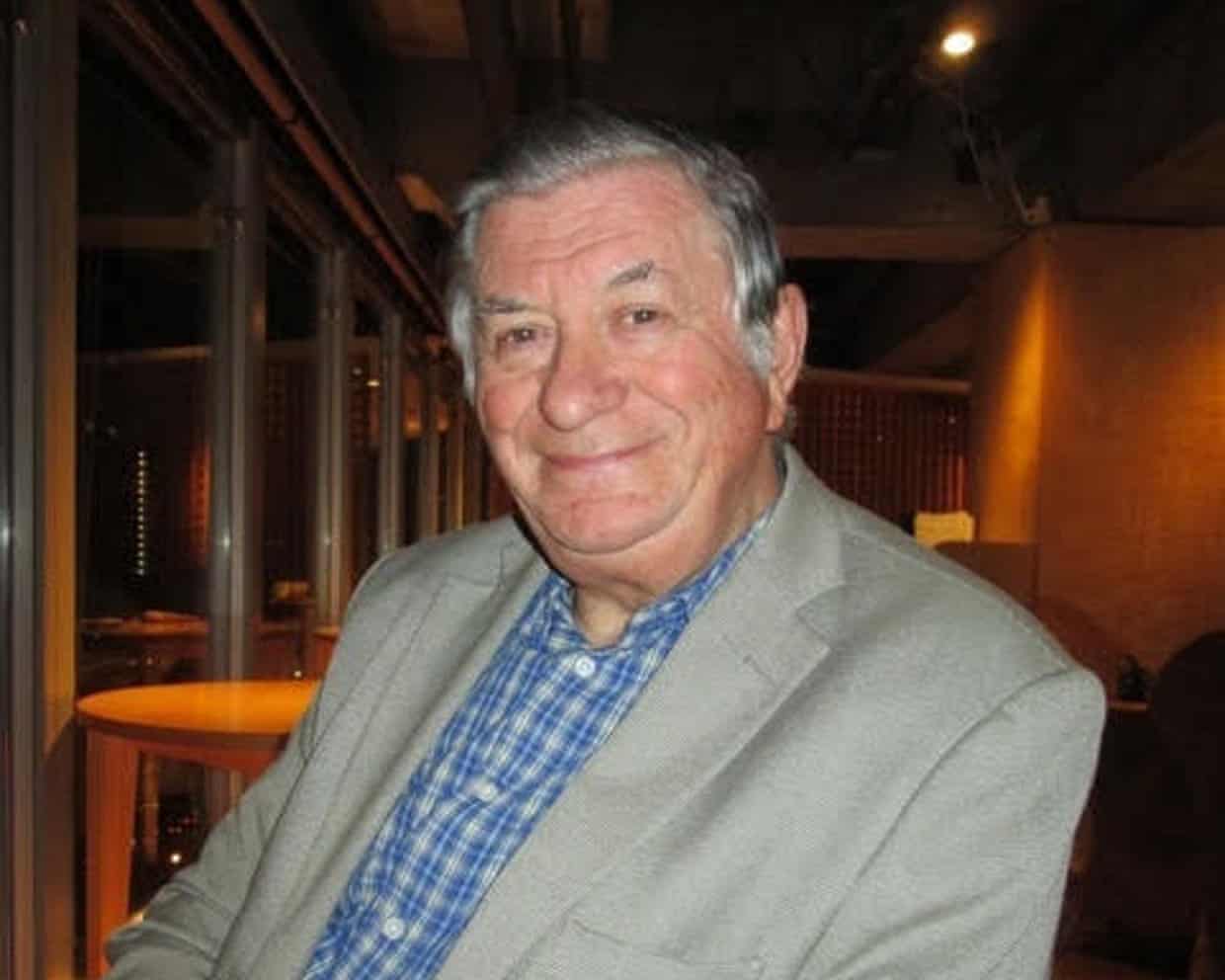
My friend and former colleague Ken Eason, who has died aged 83, was an eminent academic. He specialised in the study of how the introduction of computer technology affects managers and employees in organisations, often with unexpected consequences.Much of his work took place at Loughborough University, where he was involved in the formation in 1970 of the university’s Human Sciences and Advanced Technology (HUSAT) Institute, which carried out some of the earliest research on human-computer interaction.He was the institute’s deputy director until succeeding its founder, Brian Shackel, as its director in 1992, holding that position until Husat was disbanded in 1996. Thereafter he was professor of cognitive ergonomics at Loughborough until his retirement in 2002
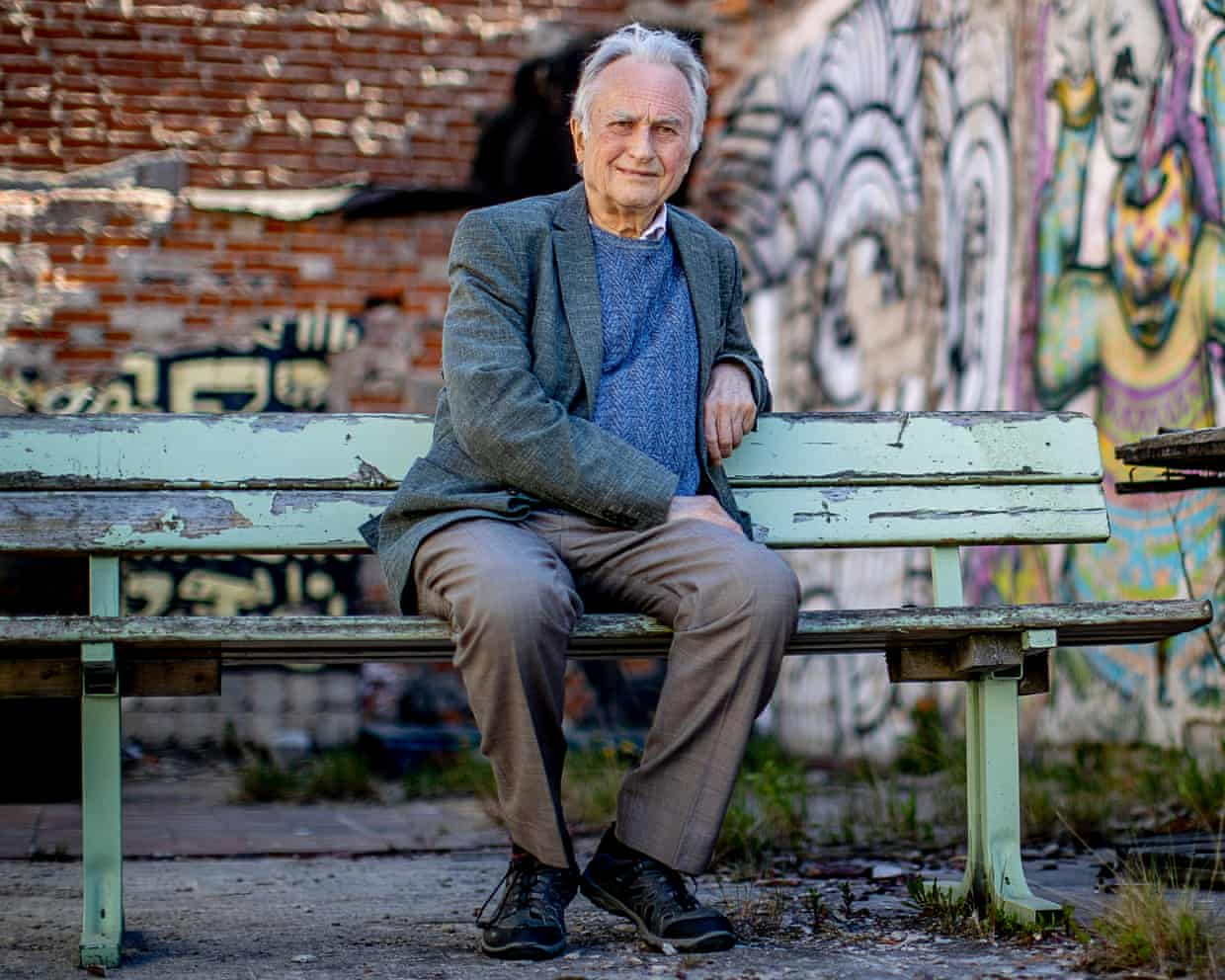
Richard Dawkins concludes AI is conscious, even if it doesn’t know it
When Richard Dawkins met Claudia it was like a whirlwind romance. Over three days last week, a conversation bounced between the evolutionary biologist and the AI bot he called Claudia. “She” wrote poems for him in the manner of Keats and Betjeman and laughed at his “delightful” jokes. Dawkins gently admonished Claudia to avoid showing off. Together, they reflected on the sadness of the AI’s possible “death”

GameStop shares fall 10% after CEO skirts questions over eBay acquisition details
GameStop’s shares fell more than 10% on Monday as questions emerged about how the company would finance its surprise $55.5bn bid for eBay.In an interview with CNBC, Ryan Cohen, GameStop’s CEO, skirted repeated inquiries about how the video games retailer could afford the deal, saying he didn’t understand the questions.A letter published on GameStop’s website outlines a half-cash, half-stock proposal to acquire eBay at $125 a share, using about $9.4bn in “cash on hand”, and a $20bn in potential debt financing from TD Securities

Fertiliser shortages will have ‘dramatic’ effect on global food prices, warns farming boss

Trainline says Middle East tensions hitting European rail bookings
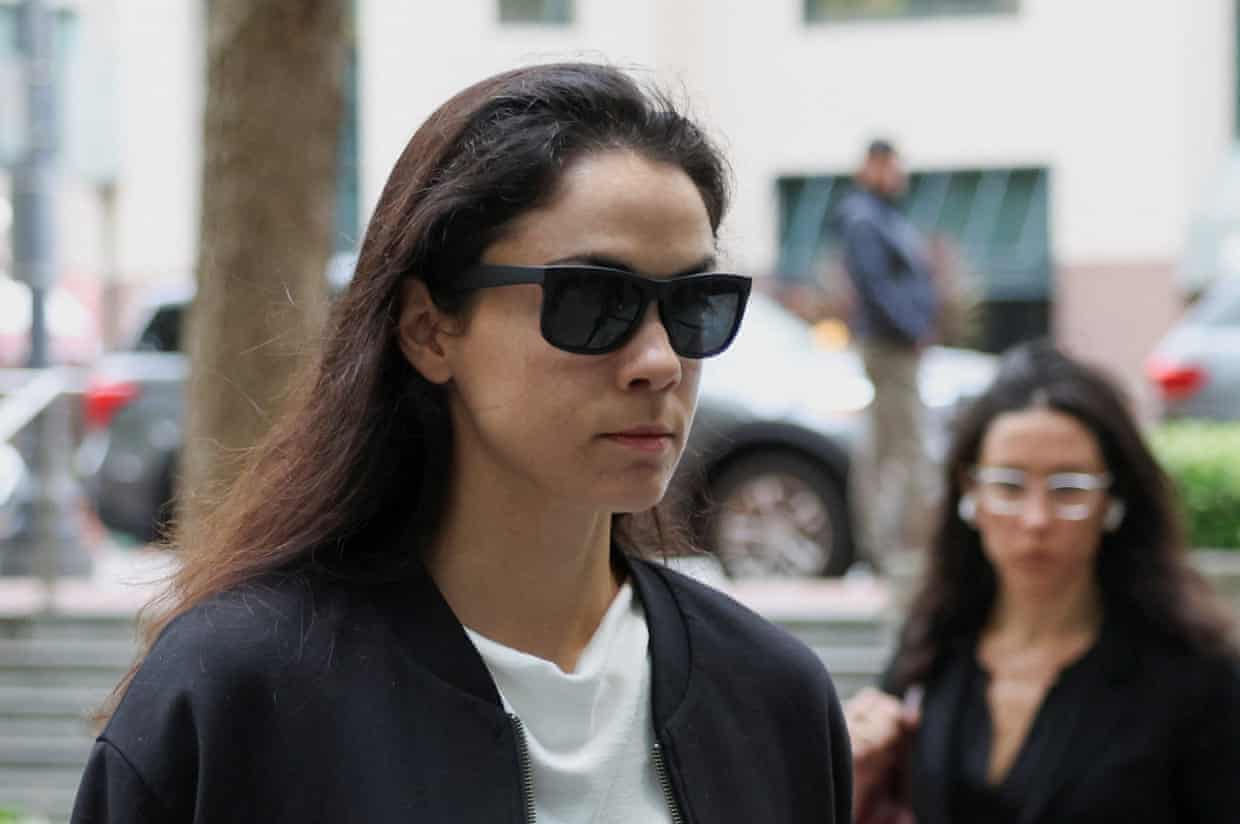
Shivon Zilis, mother of four of Elon Musk’s children, testifies in OpenAI trial
No flattery please, Claude: I’m British | Brief letters

Runner dies after medical emergency during 253-mile ultramarathon in Arizona
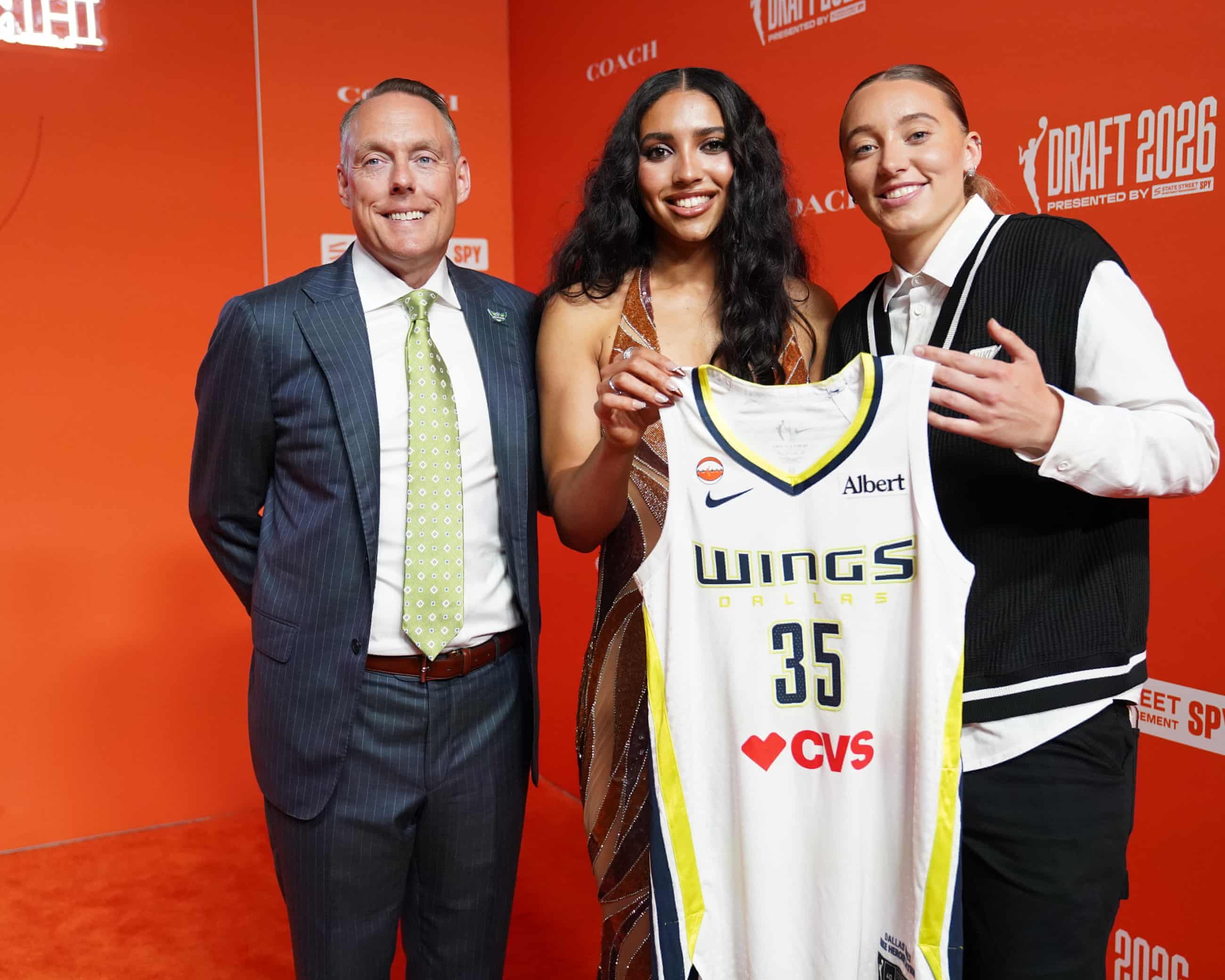
A UConn reunion and Caitlin Clark’s return: WNBA storylines to follow in season 30 | Jordan Robinson