Russell on F1 Australian GP pole in Mercedes lockout as Verstappen crashes out
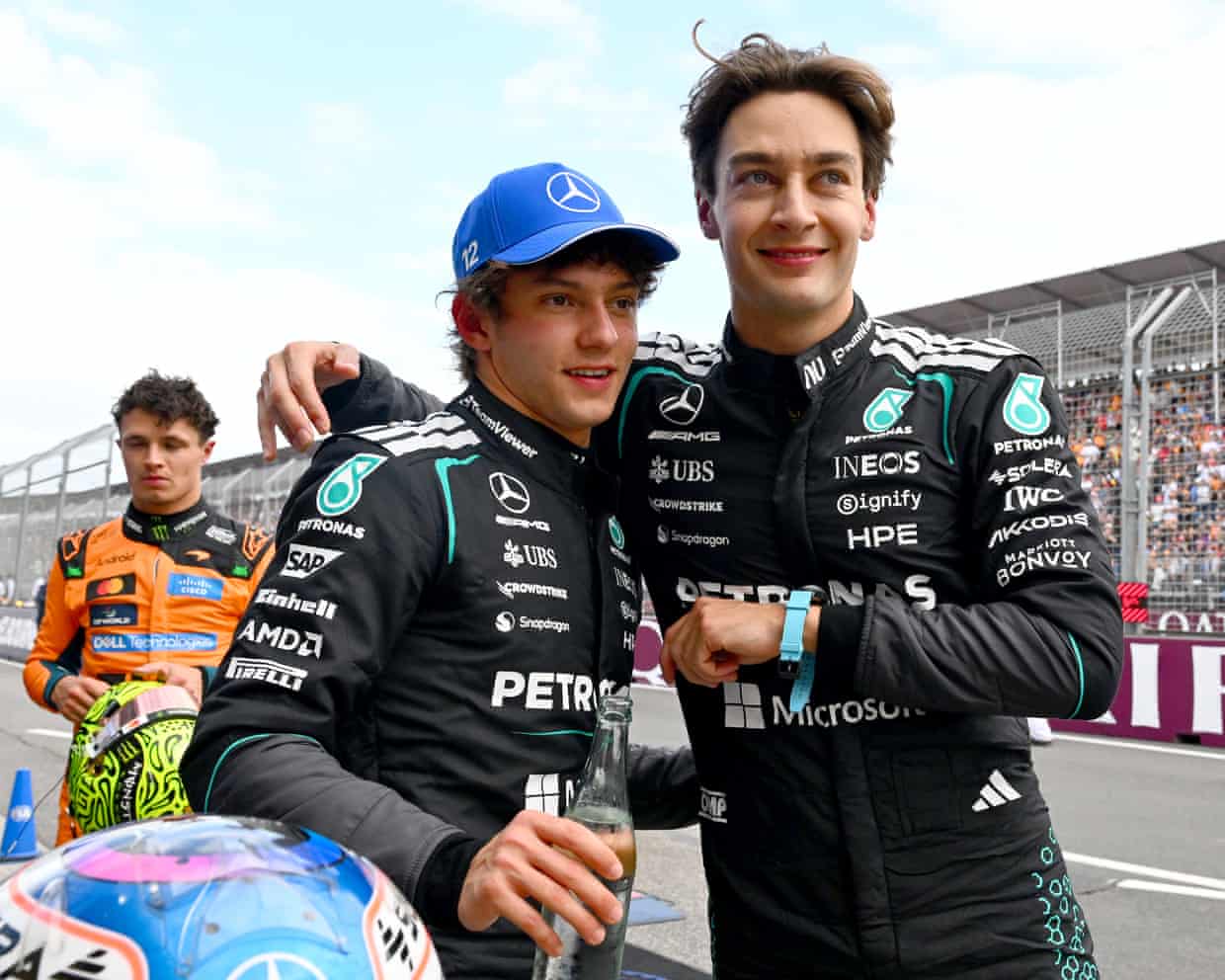
When the talking finally stopped and the time came to lay down the cards in qualifying for the season-opening Australian Grand Prix, Formula One was forced to face two rather uncomfortable truths as the sport entered its new era in Melbourne.The first will sit well with all at Mercedes at least, if less so elsewhere across the grid.Their front-row lockout achieved by an ominously dominant George Russell and his teammate, Kimi Antonelli, ended the pre-season phoney war with a bluntly emphatic stamp of complete authority.The team had attempted to play down their perceived advantage but at Albert Park, that they were top dogs was impossible to deny.Russell and Antonelli, finally off the leash, were all but running amok; their nearest competitor, Isack Hadjar in the Red Bull, was almost eight-tenths of a second behind the pole time in third place.
There is no indication his teammate, the four-time world champion Max Verstappen, would have got much closer had he not endured a disastrous opening in crashing out before setting a timed lap,His rear axle locked up under braking in circumstances that left the Dutchman perplexed as to why and did nothing to improve his opinion of the new formula,Alongside Red Bull the other two teams in what was referred to as the big four were all languishing almost a second down on Mercedes,The local boy Oscar Piastri out-qualified his world champion teammate, Lando Norris, for McLaren; they were fifth and sixth respectively but both were over eight-tenths back,Norris’s final session was blighted after running over a cooling fan that had dropped off Antonelli’s Mercedes.
Ferrari’s pre-season promise was not up to matching Mercedes, over the single lap at least, with Charles Leclerc in fourth and Lewis Hamilton seventh.With the swathe of regulations changes implemented this season, including new chassis and engines, there was an expectation some teams would emerge stronger than others but the march Mercedes have stolen is, on this form, something of a chasm.Russell’s quiet confidence proved justified and he executed with clinical assurance, his position as favourite going into the season absolutely confirmed.One team having an advantage at the onset of new regulations is far from unusual in F1.Indeed Mercedes made a similar statement of intent at the opening of the new regulations of 2014, a formula dominated by the engine and in turn by the Silver Arrows.
It is expected and considered part and parcel of the sport, but far less well received and what will cause concern for all was the driver reaction to how these new regulations played out, their having been met with a wide chorus of disapproval.Fears that the energy management required, with the cars now powered in an almost 50-50 split between internal combustion and electrical energy, would prove detrimental in qualifying proved all too real with drivers including Norris, Verstappen and Hamilton dismissive of what the first of that trio described as F1’s worst cars to drive.Russell was more circumspect, as was Antonelli, as would any driver hungrily eyeing a title with the class of the field as their ride, but it is a harsh reality that F1 must consider.It is very hard to sell a sport where almost all its protagonists are gnashing their teeth and wailing at how much they really don’t like doing the sport they love.Verstappen has warned he would leave if he ceases to enjoy driving and that is not an idle threat.
There will be more to be learned come Sunday’s race and in the forthcoming rounds as the track layout at Melbourne, with a paucity of heavy-braking zones, was always going to put the energy management issue under the spotlight.Nonetheless, this will cause a brow-furrowing at F1 in equal and opposite measure to the broad, relaxed grins at Mercedes.Both F1 and the FIA have stated they can and will intervene should it be necessary.Further down the grid, having had their F1 entry formally approved just over 12 months ago, and starting the team from scratch, Cadillac will take no little pride in making it to qualifying in Melbourne.The car is off the pace with Sergio Pérez and Valtteri Bottas in 18th and 19th but they are at least in the race, with the intent of building up as the season progresses.
Audi, who are also making their debut in F1 having taken over the former Sauber team and are manufacturing their own engines, made an impressive opening, with Gabriel Bortoleto taking an excellent 10th and Nico Hülkenberg 11th.After a torrid week Aston Martin’s terrible opening to the season continued.On Thursday the team principal, Adrian Newey, admitted his drivers Fernando Alonso and Lance Stroll would be unable to complete more than 25 or 15 laps respectively in a race for fears of receiving permanent nerve damage because of a severe vibration problem from the Honda engine.Worse followed with two battery unit failures in the underpowered and unreliable engine in practice leaving them with only two functioning units and no further replacements.On Saturday, Stroll could then not take part in qualifying because of a further engine problem, while Alonso managed 17th, in front of only the two Cadillacs on pace.
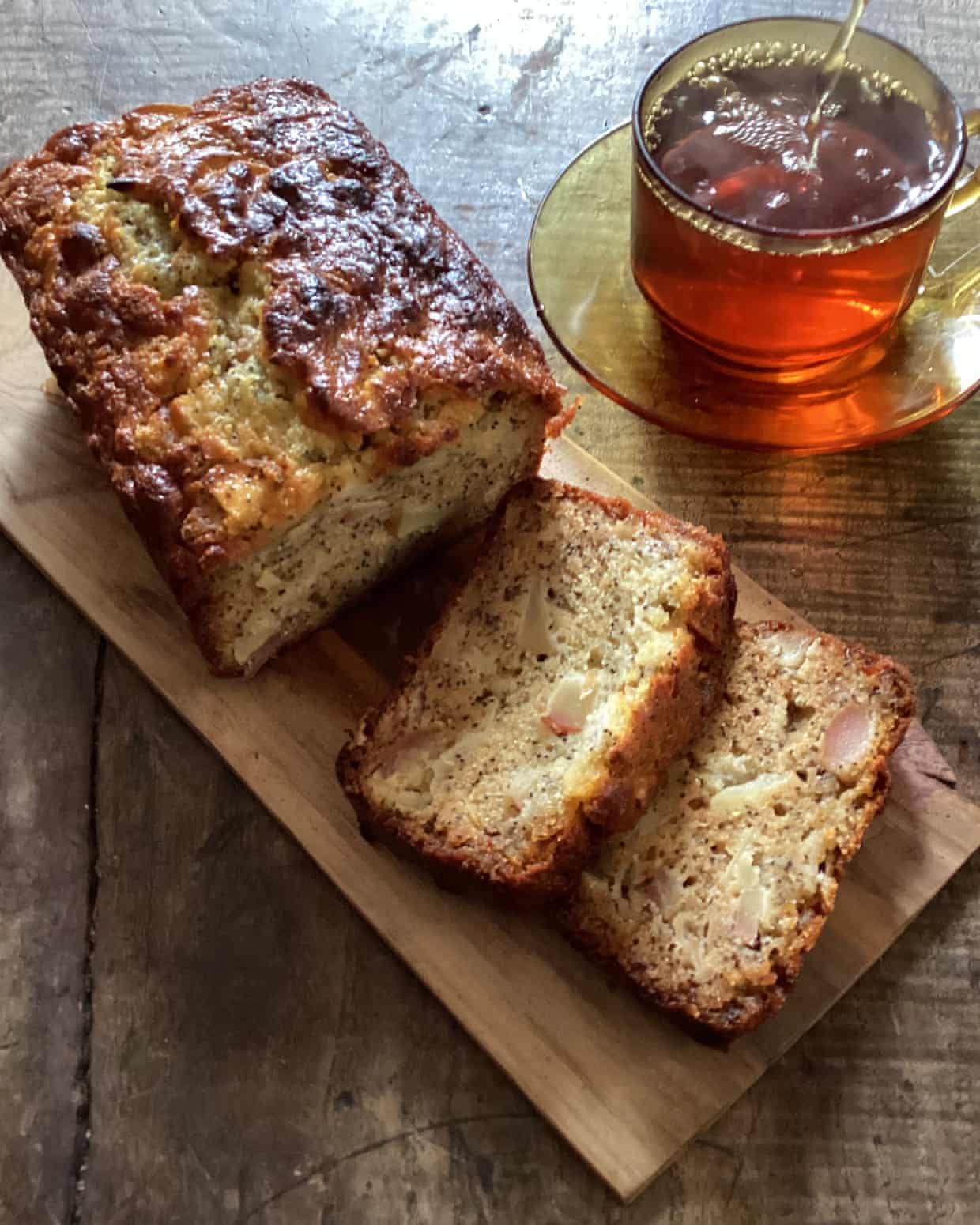
Rachel Roddy’s recipe for apple, honey and poppy seed cake | A kitchen in Rome
Honey is, among other things, a successful embalming agent. It is also a humectant, which isn’t an eager cyborg, but one of many short-chained organic compounds that are hygroscopic, meaning they attract and hold water, which in turn prevents hardening and encourages softness. Other hardworking humectants are glycerine, which is what keeps face creams creamy and hydrating, and sorbitol, which ensures toothpaste can be squeezed and smeared all over the sink and on the mirror. Honey, though, is the humectant that’s most suitable for this week’s recipe: a one-bowl, everyday cake inspired by my neighbour’s Polish honey cake, miodownik, combined with the tortino di mele e papavero (apple and poppy seed cake) enjoyed at a station bar in Bolzano.Not only does honey keep the cake moist, its sweetness comes largely from fructose, which is naturally sweeter than refined sugar, so the perception of sweetness is much greater even when less is added
My whey: dairy milk back on menu as protein boom cuts demand for plant-based alternatives
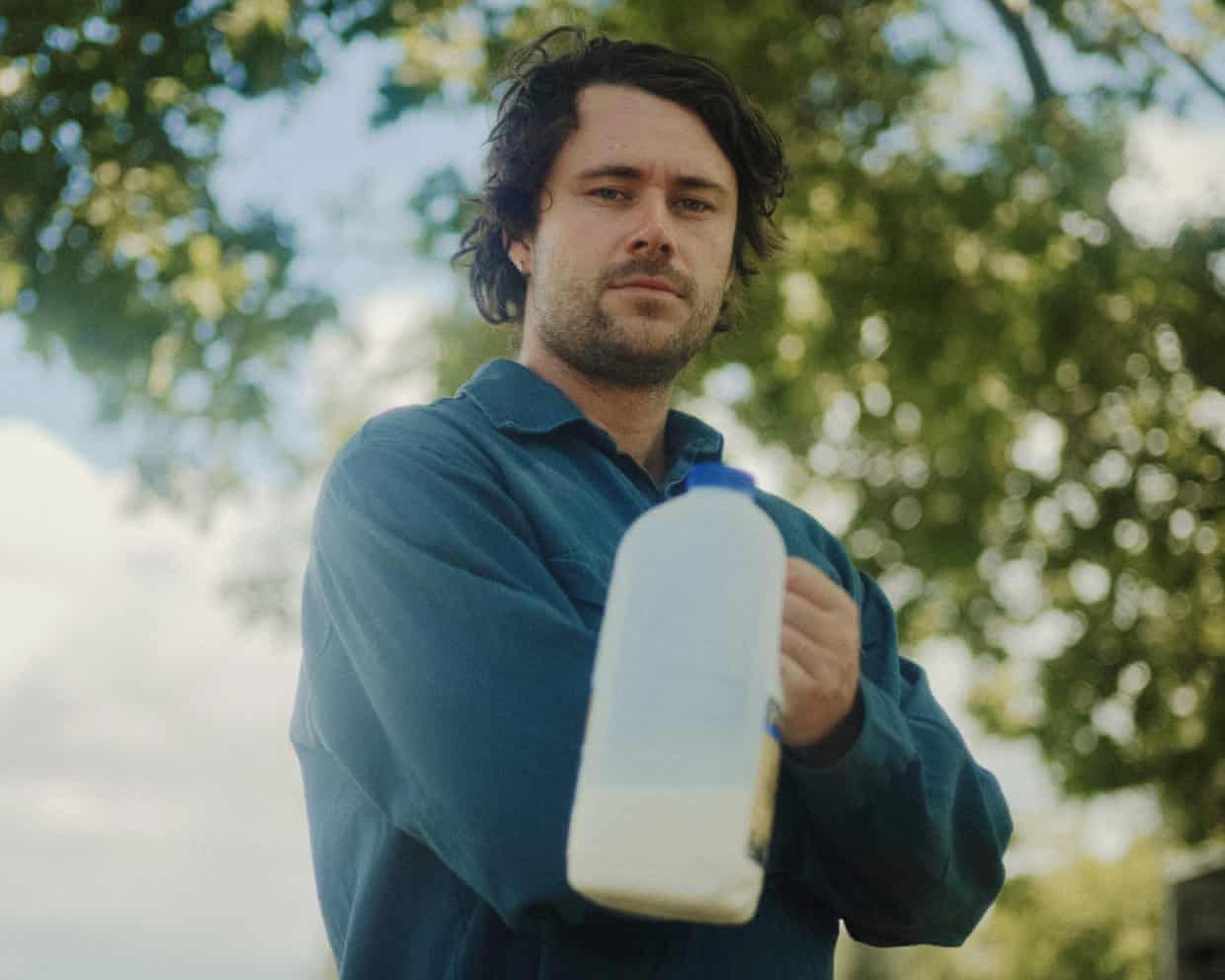
Gabriel Morrison hadn’t touched dairy milk for a decade until he read the ingredients label on his cheap carton of oat milk.“It’s [so much] canola oil and you imagine that in your glass, and imagine discovering that much olive oil, you’re like, that’s actually really gross,” he says.“I was just like, ‘ooft, I should stop this’.”The 28-year-old cinematographer had exclusively drunk soy, then almond, then oat milks since 2015 but had started worrying about processed foods – despite expert reassurance.In early 2025, with his housemate already buying cheaper dairy, he gave the old classic another look
It’s crunch time! Gala apples and nashi pears among Australia’s best-value fruit and veg for March
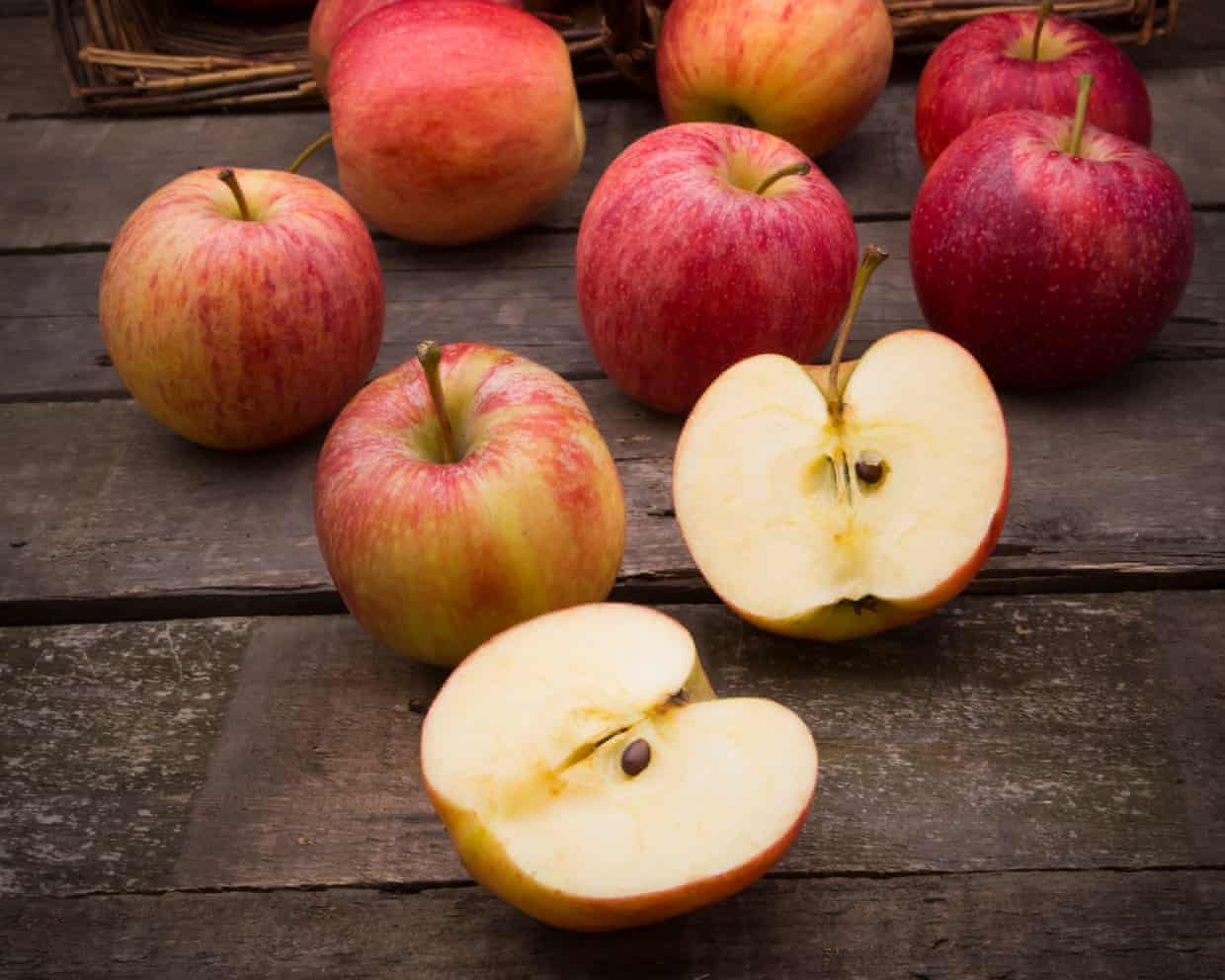
It’s a core month for pome fruit, with apples, pears and quince all heralding the start of autumn. “The first cab off the rank is the gala – a big sweet and juicy apple,” says Graham Gee, senior buyer at the Happy Apple in Melbourne.Granny smith, jazz and kanzi apples will come in during March too, and “Australia’s most popular variety, the pink lady, generally starts in April,” he says.Royal gala apples are between $5 and $8 per kilo at supermarkets. They’re $7 to $9 per kilo at Sydney’s Galluzzo Fruiterers, and Gee is selling them for about $3 to $5 per kilo; Spudshed in Perth is selling bags of prepacked new season apples for $3
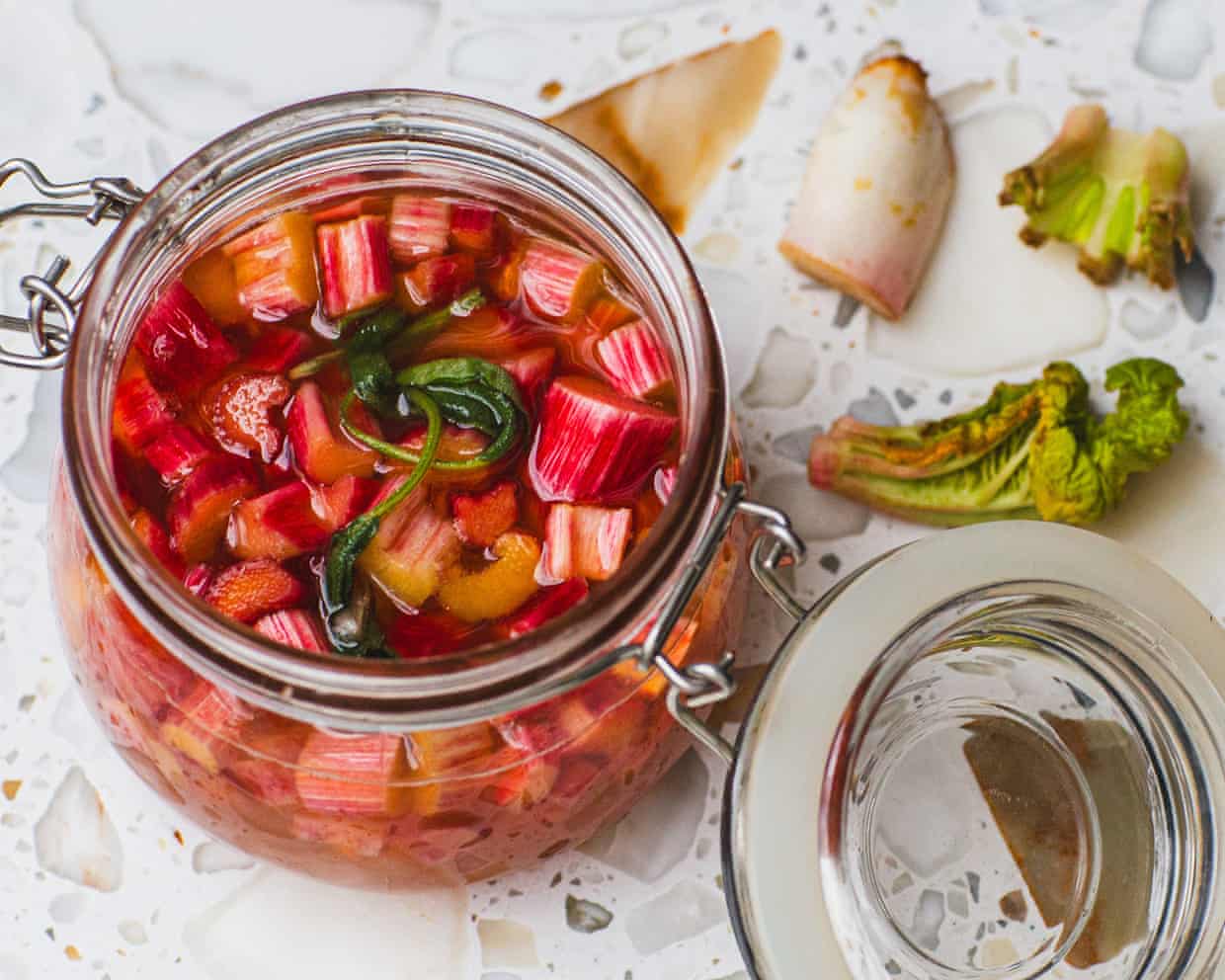
How to turn limp rhubarb into tasty jam – recipe
Rachel de Thample is one of my food heroines. She’s the author of six books, and has also been course director of the College of Naturopathic Medicine’s natural chef diploma, head of food for Abel & Cole and commissioning editor of Waitrose Food Illustrated, among so much else. She trained with the likes of Marco Pierre White, Heston Blumenthal and Peter Gordon, and now teaches fermentation and gut health at River Cottage HQ, where I cut my own teeth in teaching eco-gastronomy more than 20 years ago. While researching honey fermenting recently, I came across her recipe in River Cottage’s Bees & Honey Handbook, which I’ve adapted here so you can make as much as you like using a variety of aromatics.The Guardian’s journalism is independent
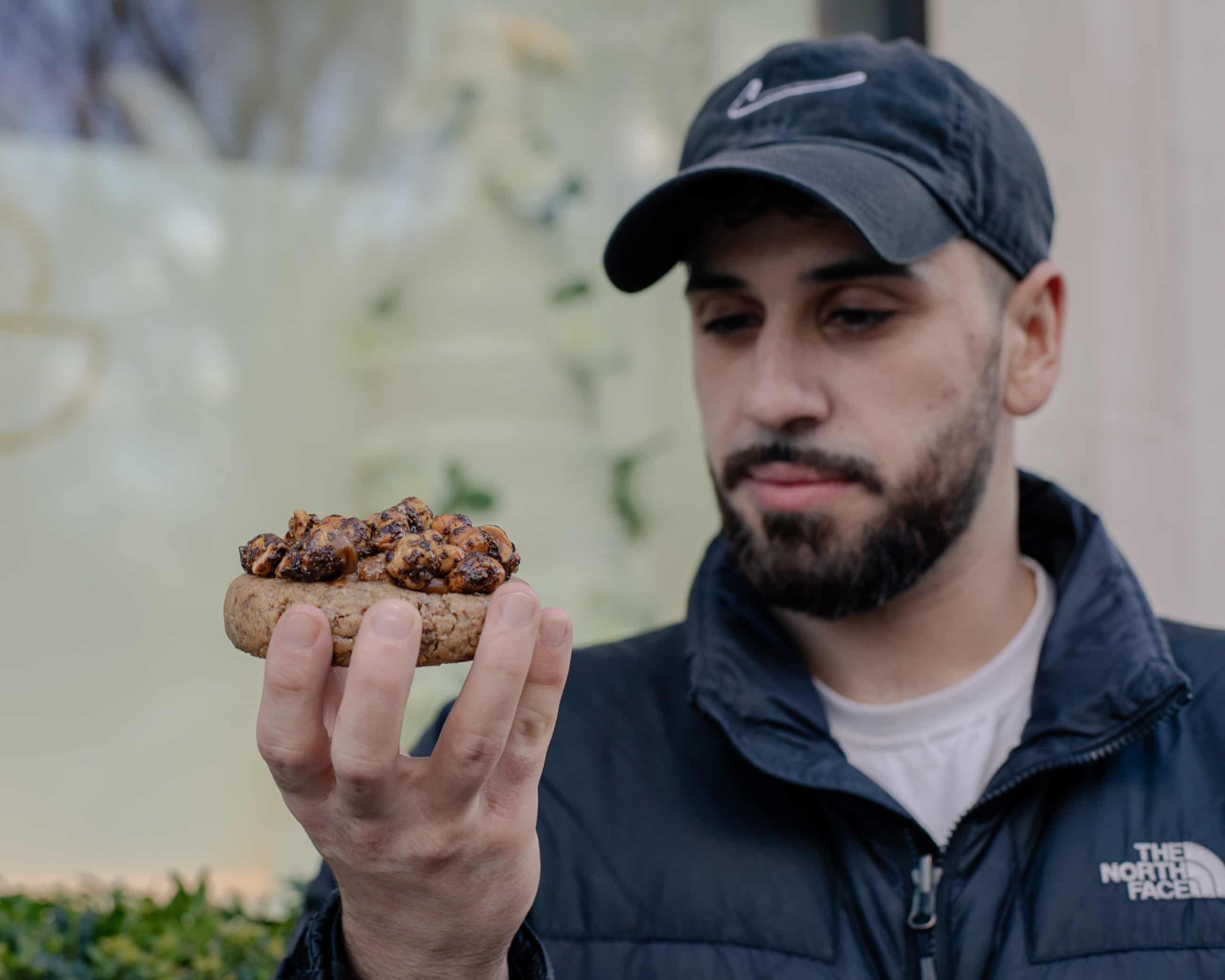
£25 for a cookie? What the baffling luxury bakery boom tells us about Britain
Amid a cost of living crisis, pricey patisserie is all the rage – and not just in London. Our reporter goes on a crawl to find out if a tart can really be worth £45There was a time when you could get a stuffed vanilla cream slice or a neon-pink Tottenham cake for about £1 on the leafy, residential corner of Hackney, east London, where I stand today. But the branch of Percy Ingle bakery that was here for nearly 50 years is gone. In its place sits Fika, a cafe where a cinnamon bun costs £4.20 and a pistachio croissant will set you back nearly £5
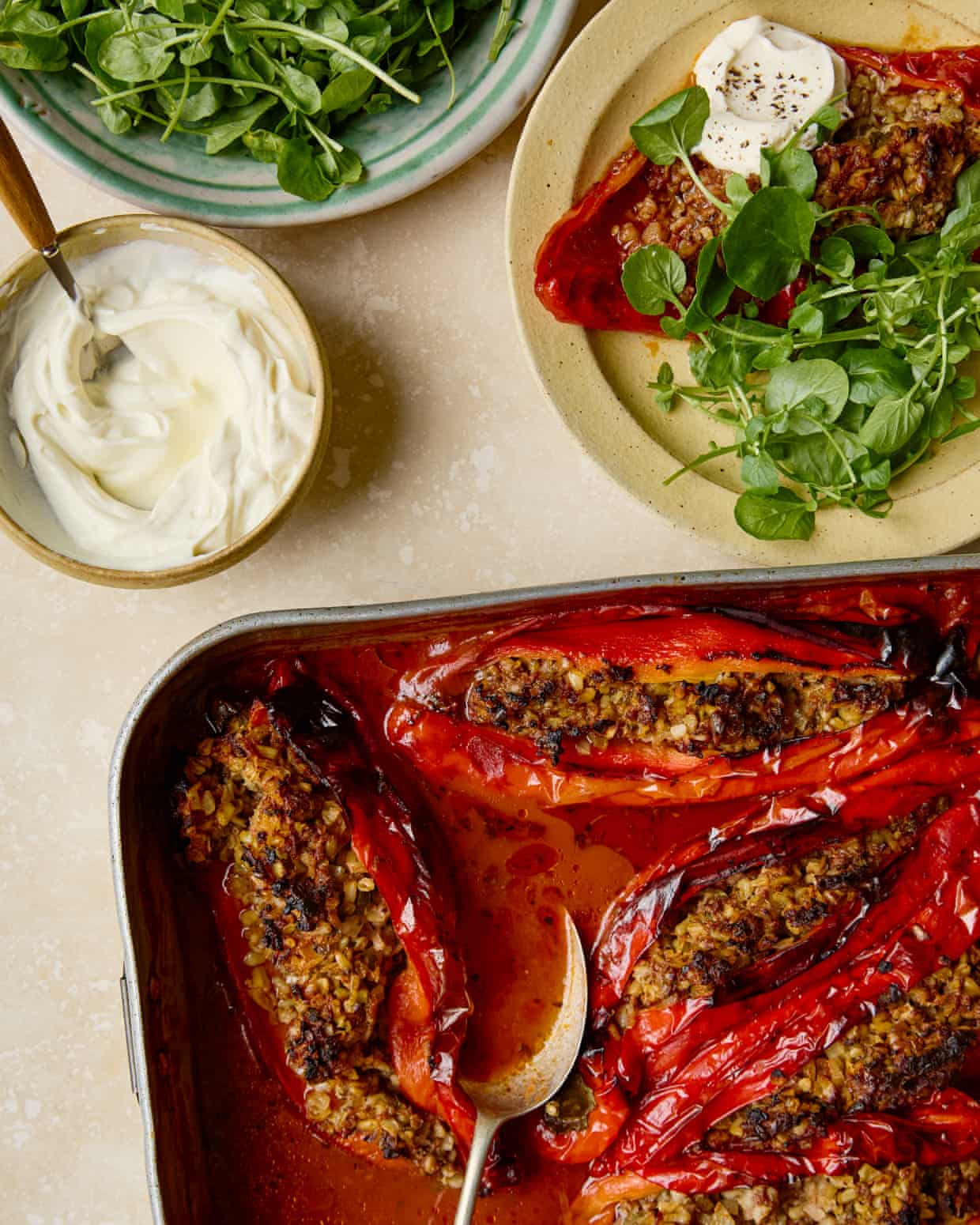
Stuffed peppers and aubergine dip: Sami Tamimi’s recipes for savoury Palestinian snacks
I still remember, when I was a kid, the end of spring and early summer when markets in Jerusalem and across Palestine overflowed with freshly harvested freekeh. As you approached, the air carried a smoky, earthy aroma. Freekeh is an ancient grain, a staple across the Middle East and Turkey, made from green wheat roasted over open fires to burn off the husks, which gives it the characteristic nutty flavour. The name comes from the Arabic freek, meaning “to rub”, which describes how the grains are cleaned, dried, cracked and stored for the year.Throughout the Middle East and Palestine, mahashi (stuffing vegetables) is a true labour of love, creating dishes that are designed to be shared
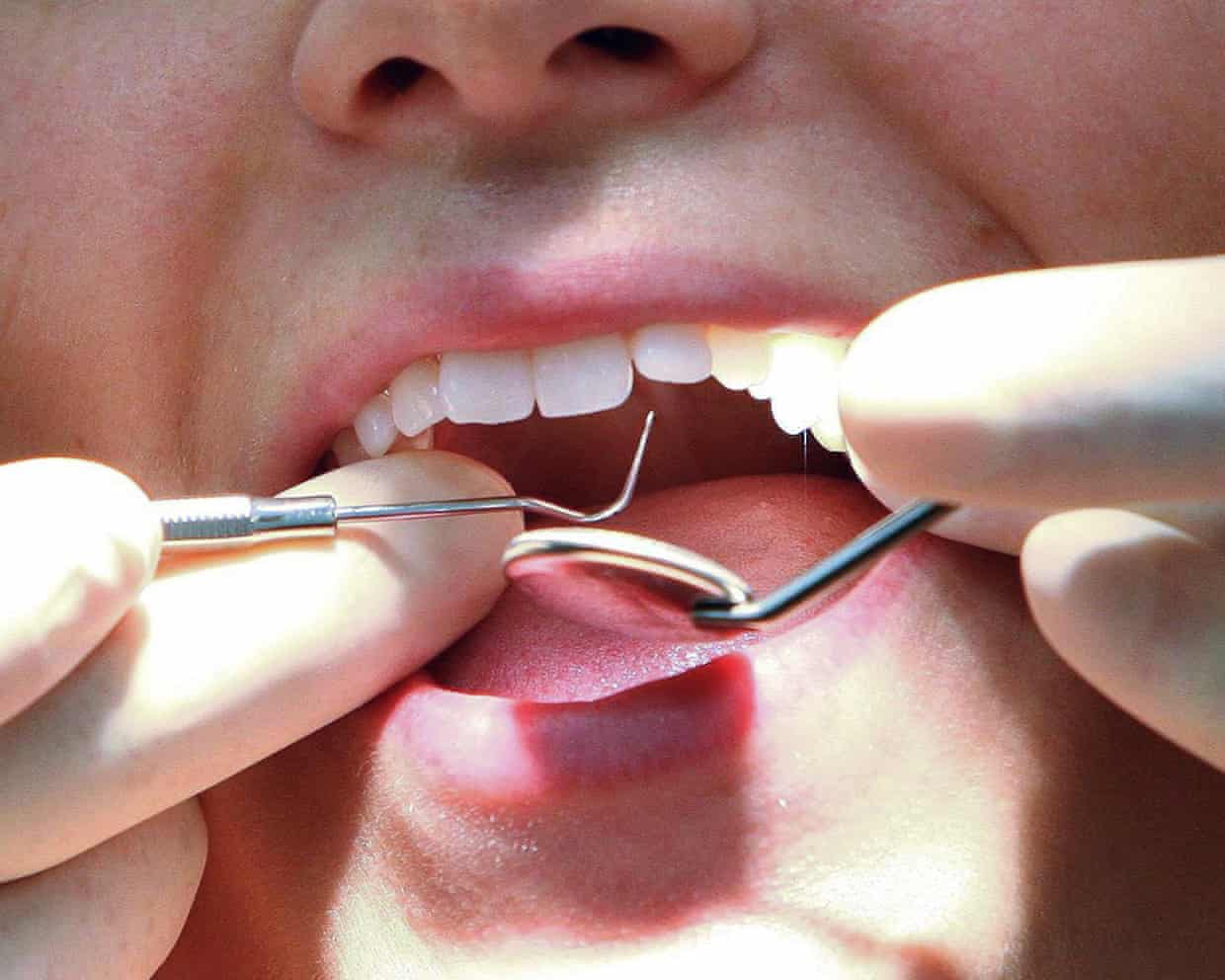
UK’s private dentistry market faces review after price jumps of more than 23%
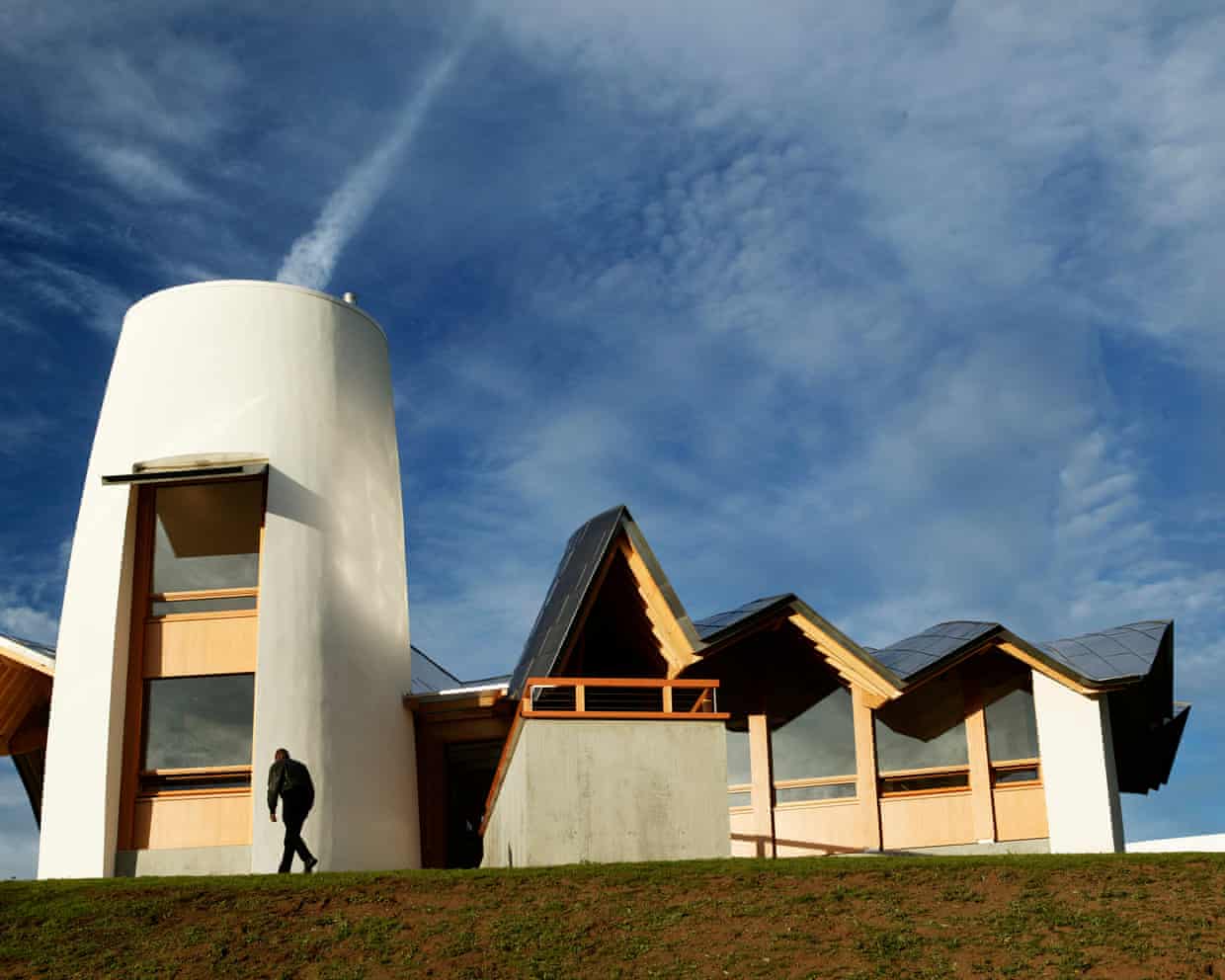
‘A space of their own’: how cancer centres designed by top architects can offer hope

UK government ‘effectively allowed’ child sexual abuse, campaigners say

Circumcision classed as potentially harmful practice in new CPS guidance
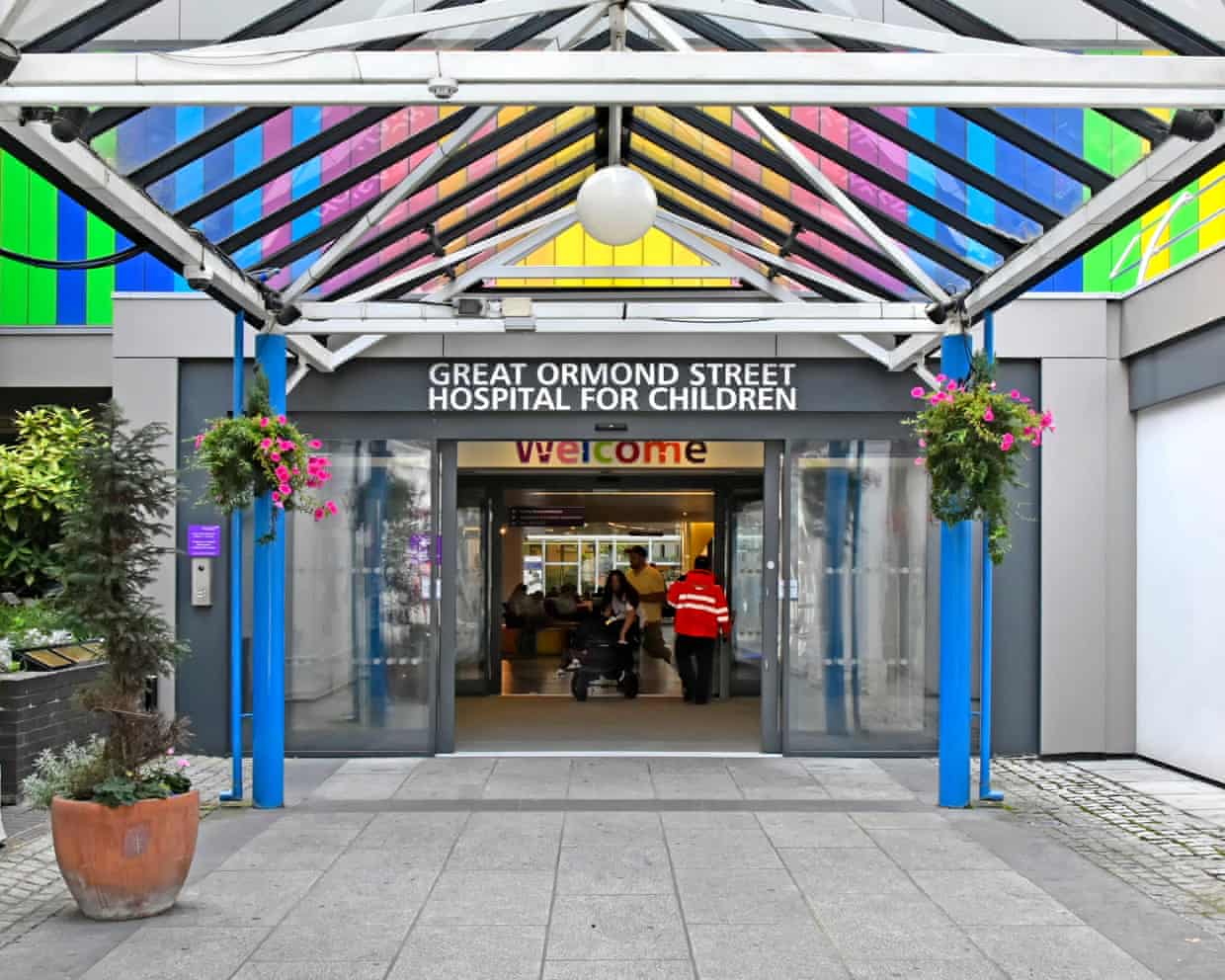
Scientists laud potentially life-changing drug for children with resistant form of epilepsy
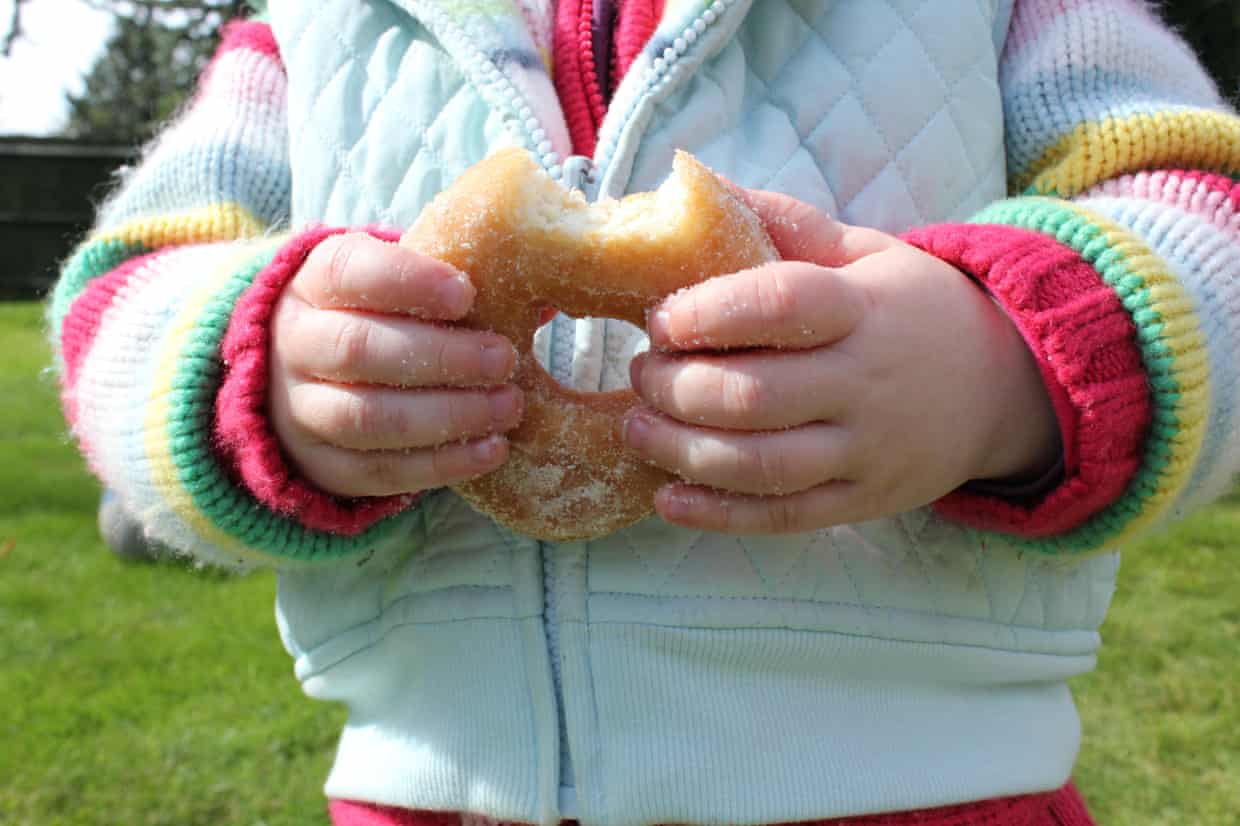
More than 220m children will be obese by 2040 without drastic action, report warns