Bangladesh boycott brings a sad reality to T20 World Cup countdown | Taha Hashim
The R Premadasa Stadium in Colombo may be hosting a one-day international series at the moment, but the real show begins in less than two weeks.The venue has been dressed with branding for the upcoming men’s T20 World Cup, co-hosted by Sri Lanka and India: a banner hangs out the front, an image of the trophy accompanied by a simple tagline: “Feel the thrill”.This, of course, is how it should be as you approach a global tournament, a real buzz as the world is welcomed on to an island.Spotted in the stadium during Sri Lanka’s second ODI against England on Saturday was a poster reading: “We will repeat 2014”, a nod to their tournament victory 12 years ago, a crowning moment for the departing Kumar Sangakkara and Mahela Jayawardene.With Italy among the 20 teams competing, the upcoming showpiece looks like a genuinely global event unlike the more exclusive 50-over version.
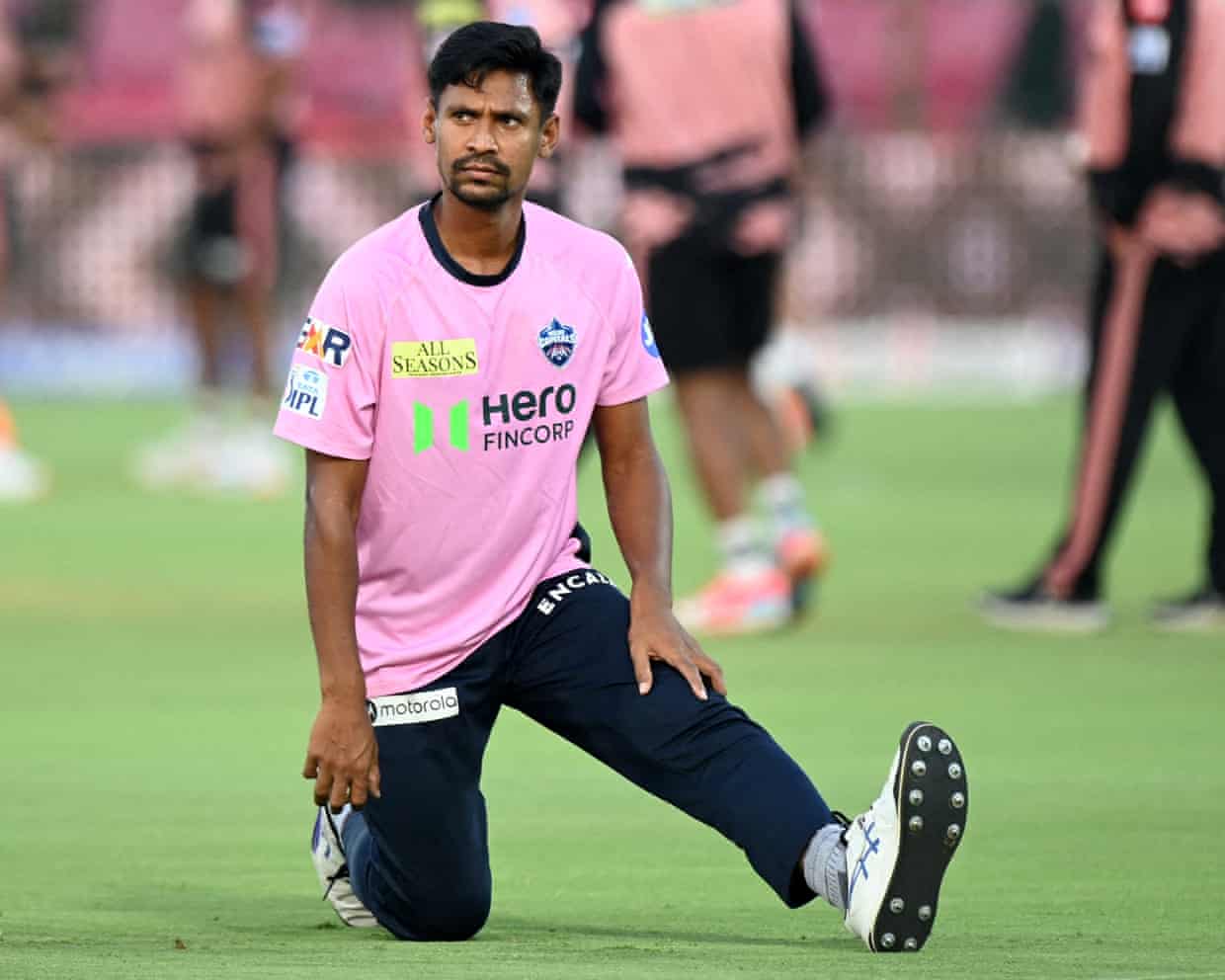
Of course, the reality is far from joyous.The weekend brought confirmation of a change to the final lineup, with the International Cricket Council announcing the absence of Bangladesh after the country’s cricket board ruled out travelling to India.Scotland will feature instead, late beneficiaries as the swirling force of subcontinental politics meets a governing body lacking in credibility.The episode began when the Bangladesh quick Mustafizur Rahman was discarded by Kolkata Knight Riders at the start of the month, the Indian Premier League franchise having been told to do so by the Board of Control for Cricket in India.Devajit Saikia, the board secretary, stated vaguely that it was “due to recent developments”.
Tensions between the two nations had already escalated.The removal of Rahman came weeks after the killing of Dipu Chandra Das – a Hindu factory worker accused of blasphemy – by a mob in northern Bangladesh.Protests followed across the border, where Sheikh Hasina – the ousted Bangladesh prime minister – resides in exile.Shah Rukh Khan, the Bollywood megastar and KKR owner, was met with attacks by religious and political figures in India for his franchise’s signing.The Bangladesh Cricket Board’s response was swift after Rahman’s removal.
Citing advice from the Bangladesh government, it highlighted “concerns regarding the safety and security of the Bangladesh contingent in India” and refused to play in the country,The ICC’s statement on why it did not oblige is lengthy,It considered “all security assessments conducted … all of which indicated there was no threat to Bangladesh players, media persons, officials and fans at any of the tournament venues in India”,There was plenty of dialogue with the BCB, it explained, and it was “not feasible to make changes so close to the tournament”,It claimed that to do so “could set a precedent that would jeopardise the sanctity of future ICC events and undermine its neutrality as a global governing body”.
Naturally, you wonder why such detail was not provided when India did not travel to Pakistan for the Champions Trophy last year,The governing body’s press release to close that saga was brief, simply stating that Pakistan and India would not visit one another in ICC events during the current rights cycle,No explanation was offered as to why this had come about, how it had been decided, what exact concerns India had with touring Pakistan, who had visited their neighbouring country at the 2023 World Cup,The “sanctity of future ICC events” is a particularly tragicomic line,The Champions Trophy decision did “set a precedent”, forming a hybrid model that has already turned ICC tournaments into a joke.
India set up shop in Dubai for the duration of their Champions Trophy triumph last year while other sides flew in and out of two countries, the brilliance of Rohit Sharma’s side overshadowed by the lopsidedness of the whole thing.With the Women’s World Cup hosted in India last year, Pakistan’s matches were shifted to wet-season Colombo, where five matches were washouts.“Neutrality” is another curious term within the statement.It is always worth a reminder that the current ICC chair is Jay Shah, previously the honorary secretary of the BCCI and son of Amit Shah, India’s home minister and longtime confidant of Narendra Modi.Pakistan’s matches in the upcoming World Cup will all be played in Sri Lanka, adding to the farce.
Yet Mohsin Naqvi, chair of the Pakistan Cricket Board and the country’s interior minister, has cast doubt over the side’s participation following Bangladesh’s removal, claiming that the final call lies with the government.The spirit of 1996 has long disappeared.Sri Lanka, in the midst of civil war, were World Cup co-hosts back then, too.While Australia and West Indies forfeited their fixtures in Colombo after the bombing of a bank in the city weeks before the start, to prove the island was safe, a combined India-Pakistan XI took to the field against Sri Lanka at the Premadasa Stadium on the eve of the tournament.Wasim Akram and Sachin Tendulkar were among the names involved in a show of solidarity, South Asians united.
It’s a historical event that does not get spoken about enough.The American writer Mike Marqusee was there that day, witnessing Akram and Tendulkar embrace after they combined to dismiss Romesh Kaluwitharana.“It was hard to believe that not twenty-four hours earlier Indian and Pakistani troops were exchanging fire across the disputed Kashmir border,” he wrote in War Minus The Shooting.“Not for the only time that day, I felt a lump in my throat.” That memory is worth clinging to.

My cultural awakening: A Queen song helped me break free from communist Cuba
Listening to Brian May’s multi-tracked epic on a battered cassette player when I lived in repressive Havana inspired lit a spark of rebellion inside meThroughout my childhood and teenage years growing up in 80s Cuba, Fidel Castro’s presence, and the overt influence of politics, was everywhere – on posters, on walls, in speeches that could last four hours at a stretch. The sense of being hemmed in, politically and personally, was hard to escape.I had been raised to believe in communism, and for a long time I did. I even applied twice to join the Young Communist League, only to be rejected for not being “combative” enough: code for not informing on others. Friends were expelled from university or jailed for speaking too freely and my family included people in the military and police, so I had to be careful not to endanger them
From Saipan to Take That: your complete entertainment guide to the week ahead
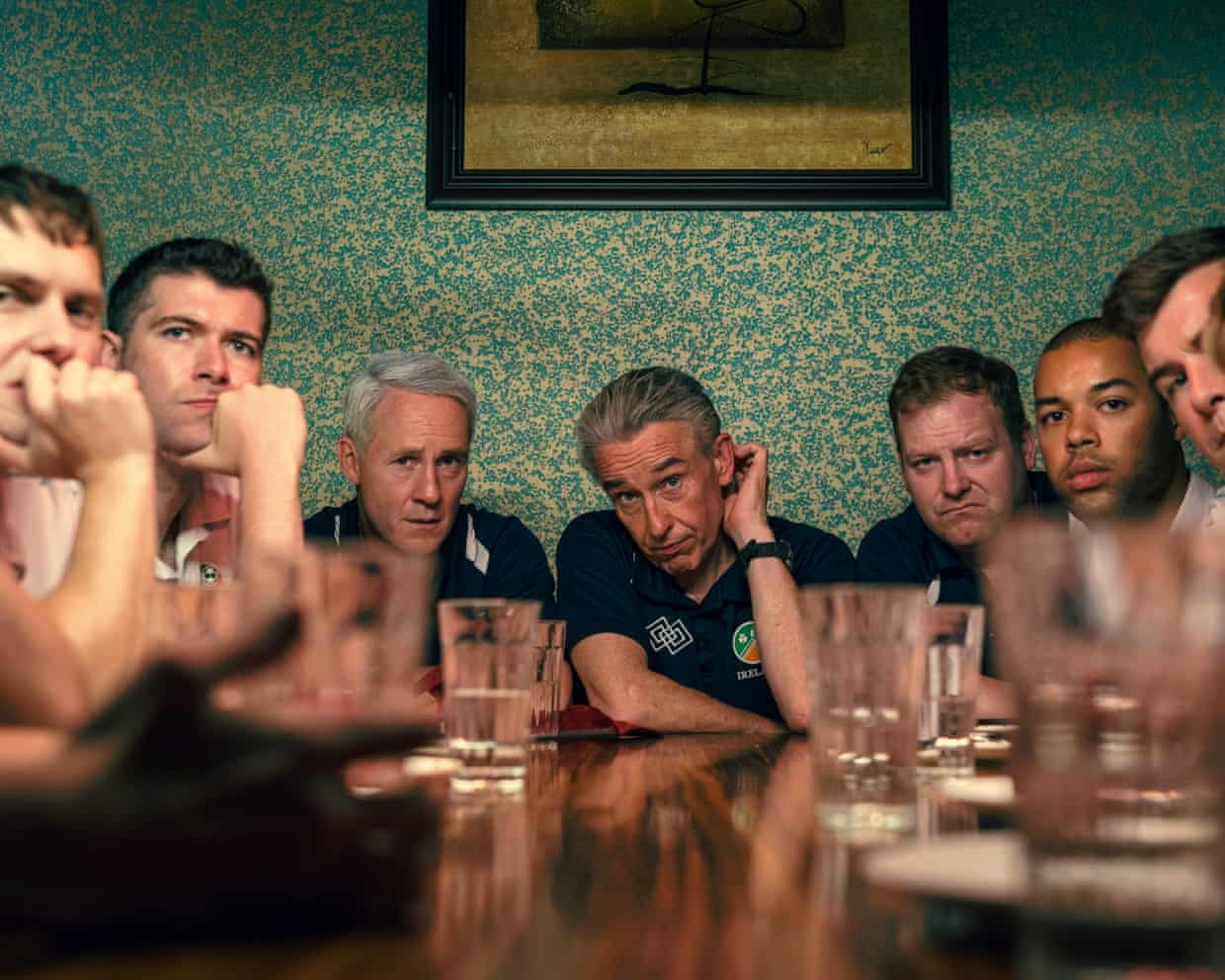
SaipanOut now As the Irish national team descend on a small island in the Pacific to prepare for the 2002 World Cup, an epic falling out between manager Mick McCarthy (Steve Coogan) and top player Roy Keane (Éanna Hardwicke) is looming, in this sports drama loosely based on the infamous real-life spat.No Other ChoiceOut nowKorean auteur Park Chan-wook (Oldboy) enlists Squid Game’s Lee Byung-hun to lead this dark comedy about a man who has recently been made redundant but is so committed to reclaiming his role that he feels he has “no other choice” but to resort to murder.H Is for HawkOut nowBased on the novel by Helen Macdonald, this drama sees Claire Foy play a woman mourning the loss of her father become on the idea of training a hawk. This project isn’t necessarily a natural fit with her life as a graduate fellow at Cambridge. Directed by Philippa Lowthorpe and also starring Brendan Gleeson and Lindsay Duncan
Tell us your UK town of culture nomination
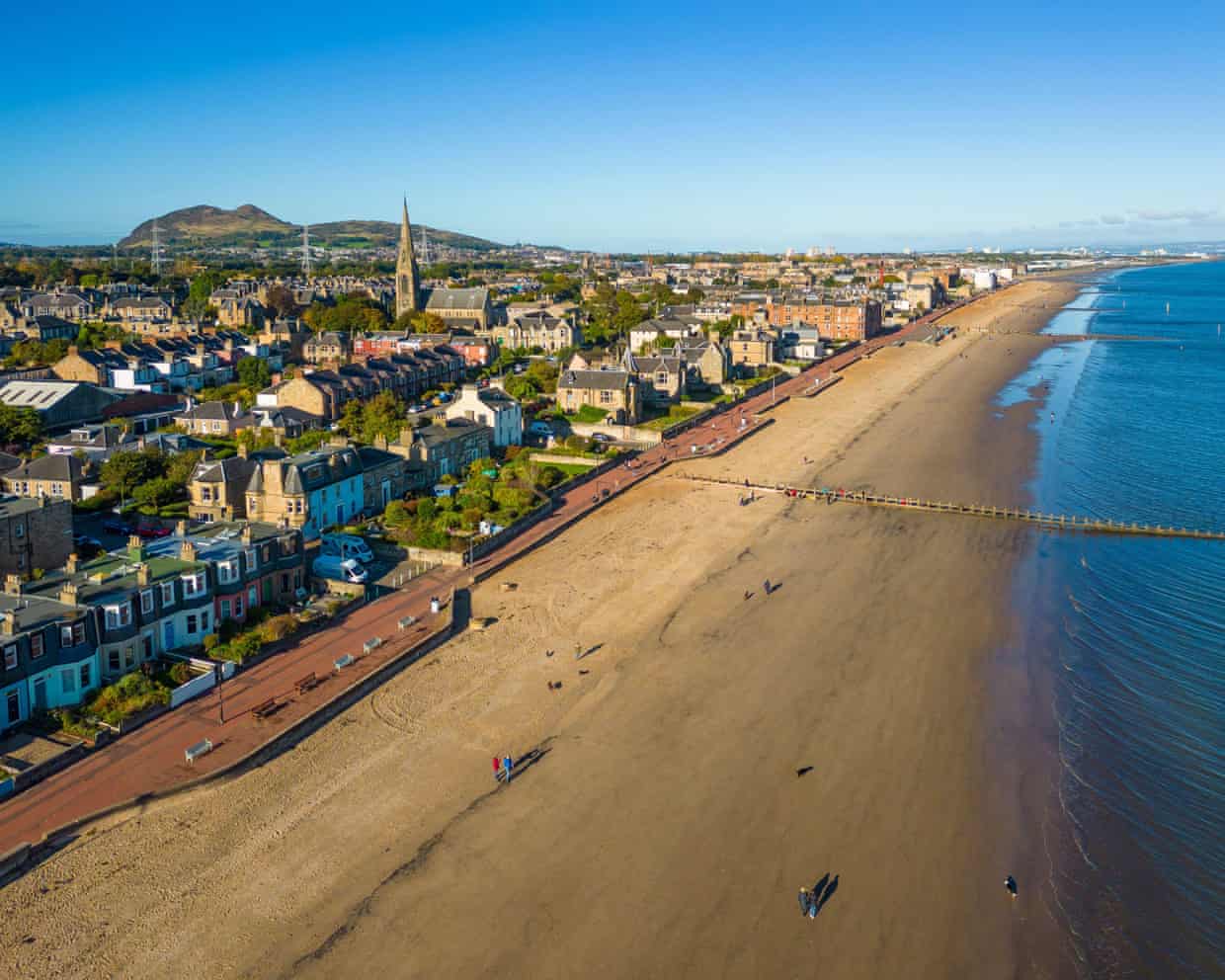
With the search for the UK’s first town of culture under way, we would like to hear your suggestions.Guardian writers’ own nominations include Ramsgate in Kent, Falmouth in Cornwall, Abergavenny in Monmouthshire, and Portobello in Edinburgh. Which town would you nominate, and why?You can tell us your choice for the first UK town of culture using this form.Please include as much detail as possible. Please note, the maximum file size is 5
‘The Village of the Damned was shot here – then George Harrison bought a house’: our UK town of culture nominations
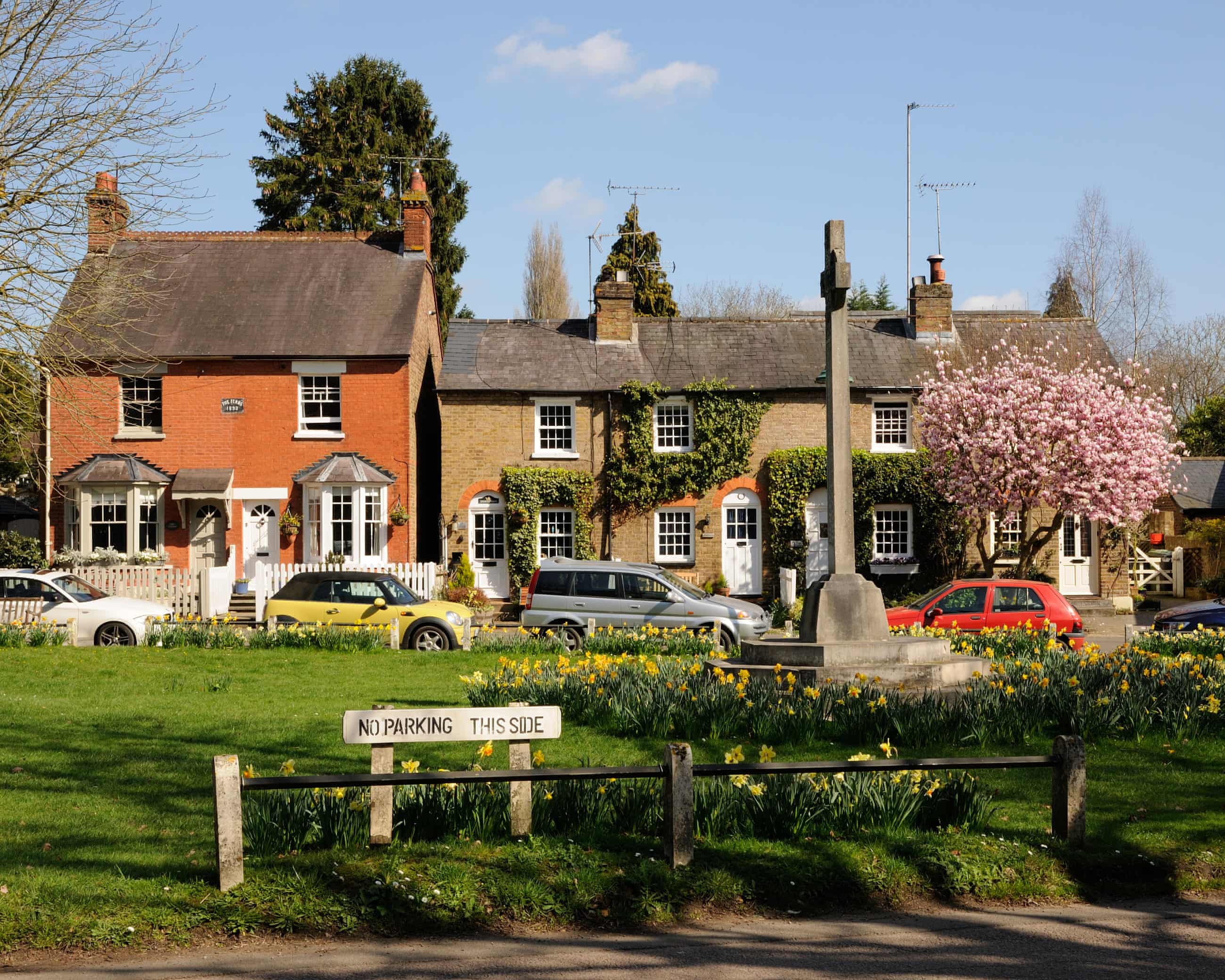
With the search for the country’s first town of culture under way, Guardian writers pick their favourite spots for art, architecture, food, festivals, music and celeb spottingWhy did Caesar, Saint Augustine, Hengist and Horsa make Ramsgate their first port of call on assorted crusading trips to England? Proximity to France? Easy landing beaches beneath the cliffs? The lively arts scene?Probably – pending new archaeological finds – the first two, yet there’s little doubt that this bit of Thanet has long been hopping. Van Gogh, Turner, Pugin, Tissot and Sambourne wielded brushes on its streets. Dickens everyone already knows about, but other local scribblers include Anthony Buckeridge, Russell Hoban and Frank Muir. Sir Moses Montefiore transformed one area of town into a glorious slice of Georgian Jewish splendour; the brainchildren of other mad and sublime architects are dotted all about. The harbourside Home for Smack Boys, a charitable home for orphans and fishing apprentices, is the best church I know
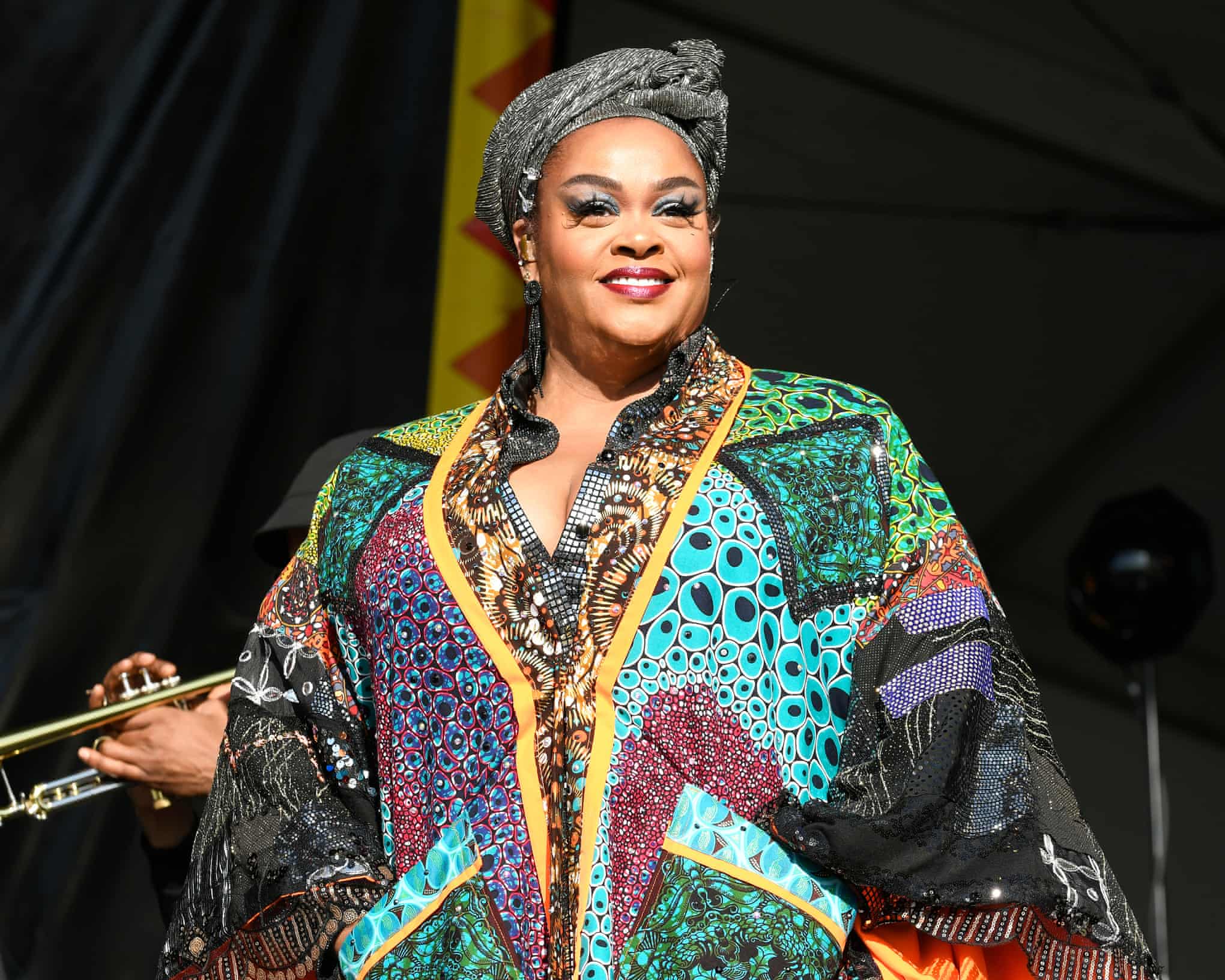
R&B star Jill Scott: ‘I like mystery – I love Sade but I don’t know what she had for breakfast’
The neo-soul singer and actor answers your questions on being taken to a go-go club as a child, training as an English teacher and getting mistaken for footballer Jill ScottIn a recent interview you gave an invaluable life lesson which involved a go-go bar and your mother’s love. What are your tips for living life between adversities? Integrity411My mother’s ex-husband was a questionable man and after he picked me up from elementary school he used to take me to a go-go bar where ladies were dancing in their panties. I was a child, so I thought: how nice for them, I hate getting dressed too! They dance all day and then some nice people put money in their panties. The ladies would give me milk or Coca-Cola and give me a dollar, so I wanted to be a go-go dancer when I grew up. At that age I didn’t know there was anything wrong with me going there and I learned not to judge people so quickly
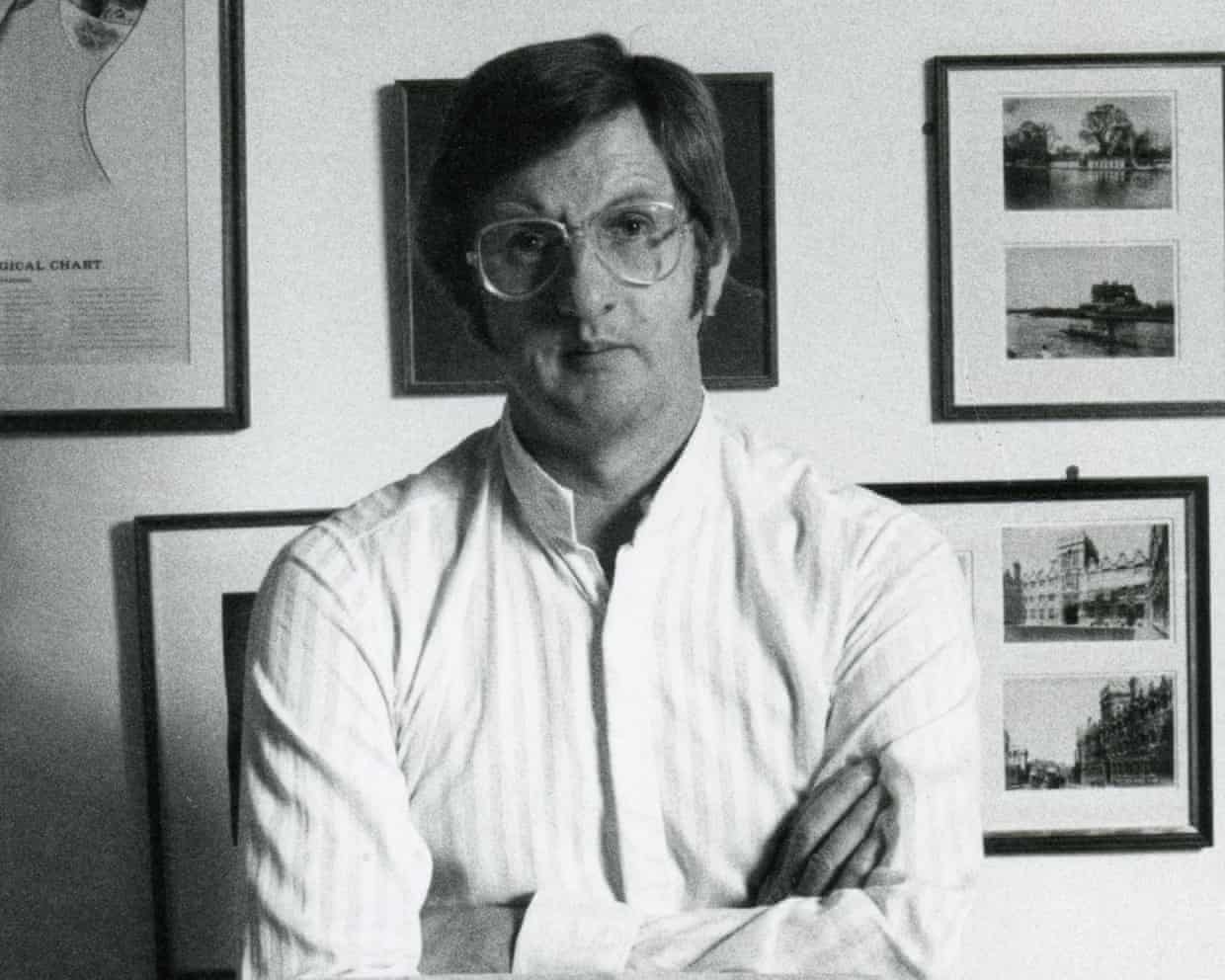
Letter: Colin Ford obituary
Colin Ford was a most supportive critic. In 2006 I was invited to speak about Virginia Woolf and Photography at the Women’s Library in London. Part of my paper was about Julia Margaret Cameron, Woolf’s great aunt, and her many influences on Woolf’s writing and photography.Already then the world expert on Cameron, Colin was in the audience, having trekked all the way to Whitechapel on a wet weekday evening. Terrified that I might misconstrue or misrepresent Cameron in front of him, I fumbled the slide projector
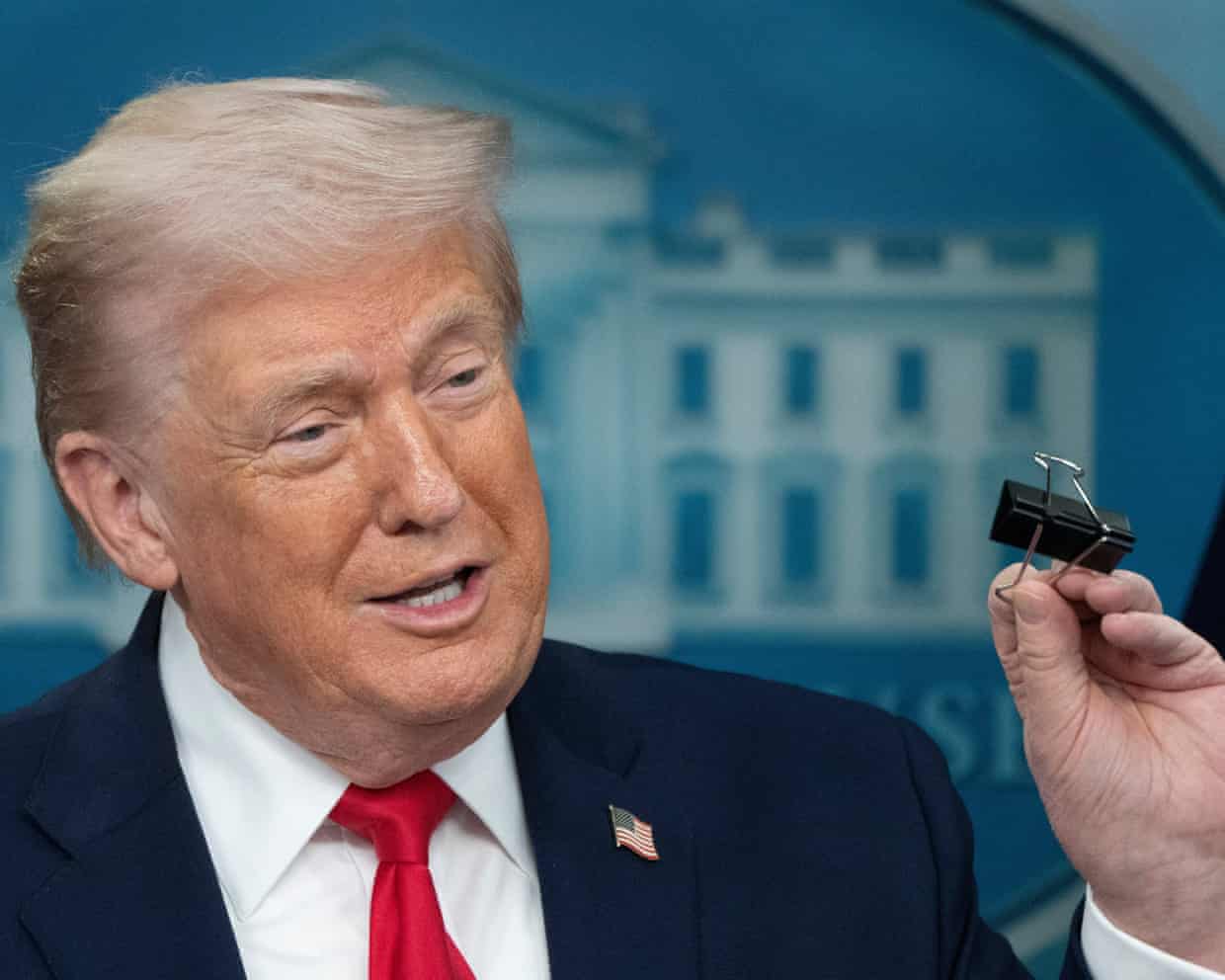
Gold soars past $5,100 an ounce, silver hits new record on tariff and US shutdown fears – as it happened

UK’s biggest private hospital provider Spire in talks on sale to private equity

EU launches inquiry into X over sexually explicit images made by Grok AI

Georgia leads push to ban datatcenters used to power America’s AI boom
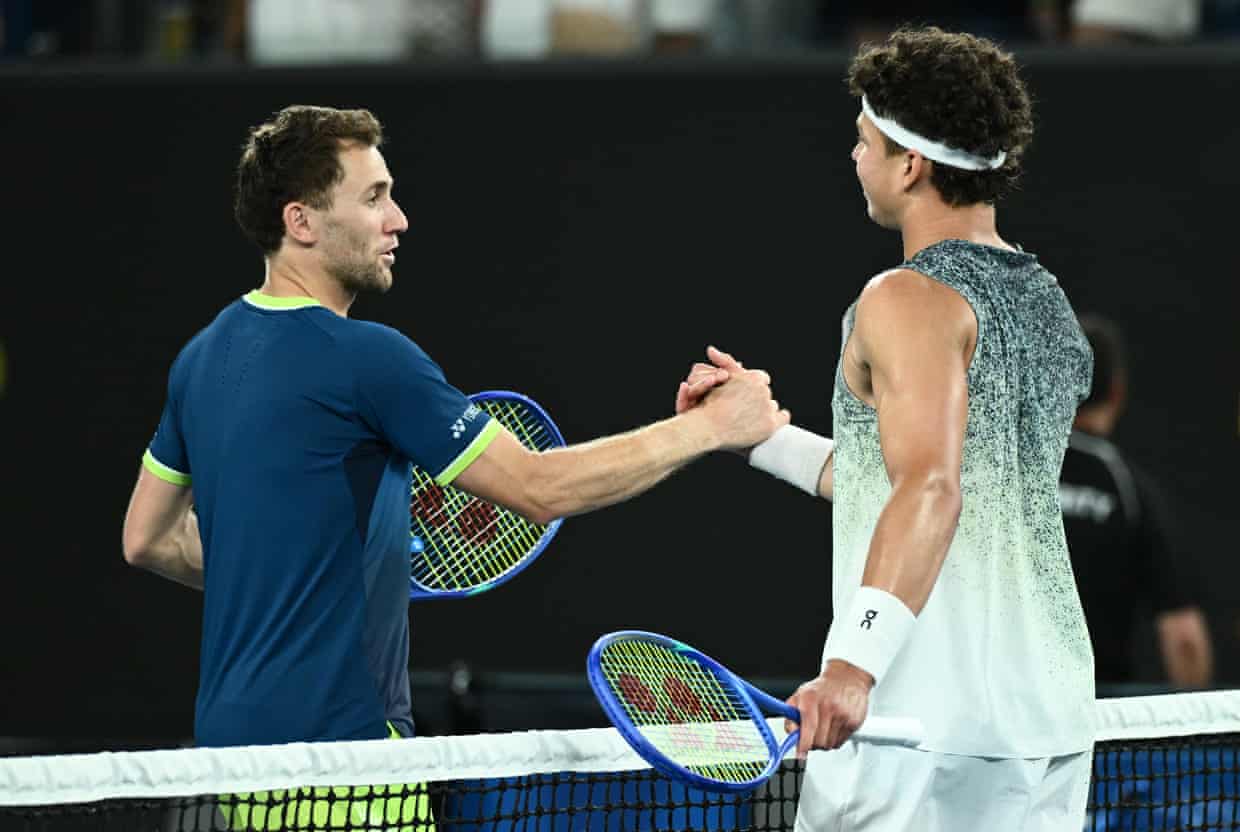
Ruud makes timely exit from Australian Open as Shelton storms into last eight
Always in reserve: Dawson’s moment beckons at T20 World Cup after decade ‘on call’ for England