Ruud makes timely exit from Australian Open as Shelton storms into last eight

Casper Ruud suffered a frustrating 3-6, 6-4, 6-3, 6-4 defeat to Ben Shelton in the fourth round of the Australian Open on Monday night, but the silver lining of the three-time grand slam finalist’s loss is that he will finally be able to return home.Ruud, the 12th seed, has had one eye on events back home during his time in Melbourne owing to the fact that his wife, Maria, is heavily pregnant with their first child and is due to give birth this weekend.Ruud had repeatedly stated that he would withdraw and immediately begin the long journey home to Norway if she went into labour during the tournament.Ruud said last week: “She’s due later in the tournament, so we’ll see.It’s not until the final weekend of the tournament, the due date.
It’s not a guarantee that you’ll make it there but you never know, she can come earlier,If I get the call, if she goes into labour I’ll jump on the first flight home for sure,”Although Ruud was solid in the first three rounds and his opening set against Shelton, the seventh seed, he was completely outplayed by the American in the final three sets,Once Shelton’s devastating serve kicked into gear, the 23-year-old played with freedom, winning an incredible 29 of his 30 net points in the match and returning uncharacteristically well,The first nine days in Melbourne have been marked by the top players establishing a historic hegemony as each of the top six seeds in the men’s and women’s draws reached the quarter-finals for the first time in the Open era.
The early rounds have been some of the most uneventful in recent memory at the tournament, with nearly all of the main title contenders advancing through the early rounds with minimal problems,The victors on Monday were led by Jannik Sinner, the two-time defending champion, who comfortably navigated his first meeting with his Italian compatriot Luciano Darderi, the 22nd seed, returning to the last eight with a 6-1, 6-3, 7-6 (2) win,Sinner’s full-body cramps in the heat during his third round recovery against Eliot Spizzirri had been one of the few real moments of jeopardy for the top title contenders on either tour during the first week, but in warmer conditions in the late afternoon Sinner was dominant,Novak Djokovic, meanwhile, did not even take to the court,On Sunday night, his highly anticipated encounter with the 20-year-old Jakub Mensik was scuppered after the Czech was forced to withdraw.
Mensik, one of the most talented young players on the tour and the 16th seed, had beaten Djokovic, his idol, to win the Miami Open last year.Iga Swiatek did drop one set earlier in the tournament, but after being forced to a third set in her third round match against the 31st seed, Anna Kalinskaya, she responded to Kalinskaya’s 6-1 set with a dominant 6-1 demolition of her own.She had no such problems on Monday, rolling through the Australian qualifier Maddison Inglis 6-0, 6-3.The straightforward victories for the top players mean that the quarter-finals are heavily stacked with talent, particularly the women’s draw.Swiatek will rekindle her fierce rivalry with the fifth seed, Elena Rybakina, in the quarter-finals, one of the premier rivalries of women’s tennis.
Amanda Anisimova, the fourth seed, will play her American compatriot Jessica Pegula.In the top half, the two-time champion Aryna Sabalenka takes on the 18-year-old American Iva Jovic and Coco Gauff will face the veteran 12th seed, Elina Svitolina.In the men’s draw, Carlos Alcaraz and Sinner remain far ahead of the pack, but the rest of the top seven have at least put themselves in the conversation.The sixth seed, Lorenzo Musetti, who defeated the ninth seed, Taylor Fritz, will face Djokovic, while Sinner will duel with Shelton in a rematch of their 2025 semi-final.

Ignore the snobbery and get into blended whisky
We have Robert Burns to thank for perhaps the greatest poem about any dish ever – a poem so good that it inspires an entire nation to dedicate an evening of each year to eating haggis, even though most people find it kind of gross.The Guardian’s journalism is independent. We will earn a commission if you buy something through an affiliate link. Learn more.No? If the “Great Chieftan o’ the Puddin-race” were that delicious, we’d all be eating it all the time, surely? And yet Burns’ Address to a Haggis is enticing enough to dispel any such doubts just once a year
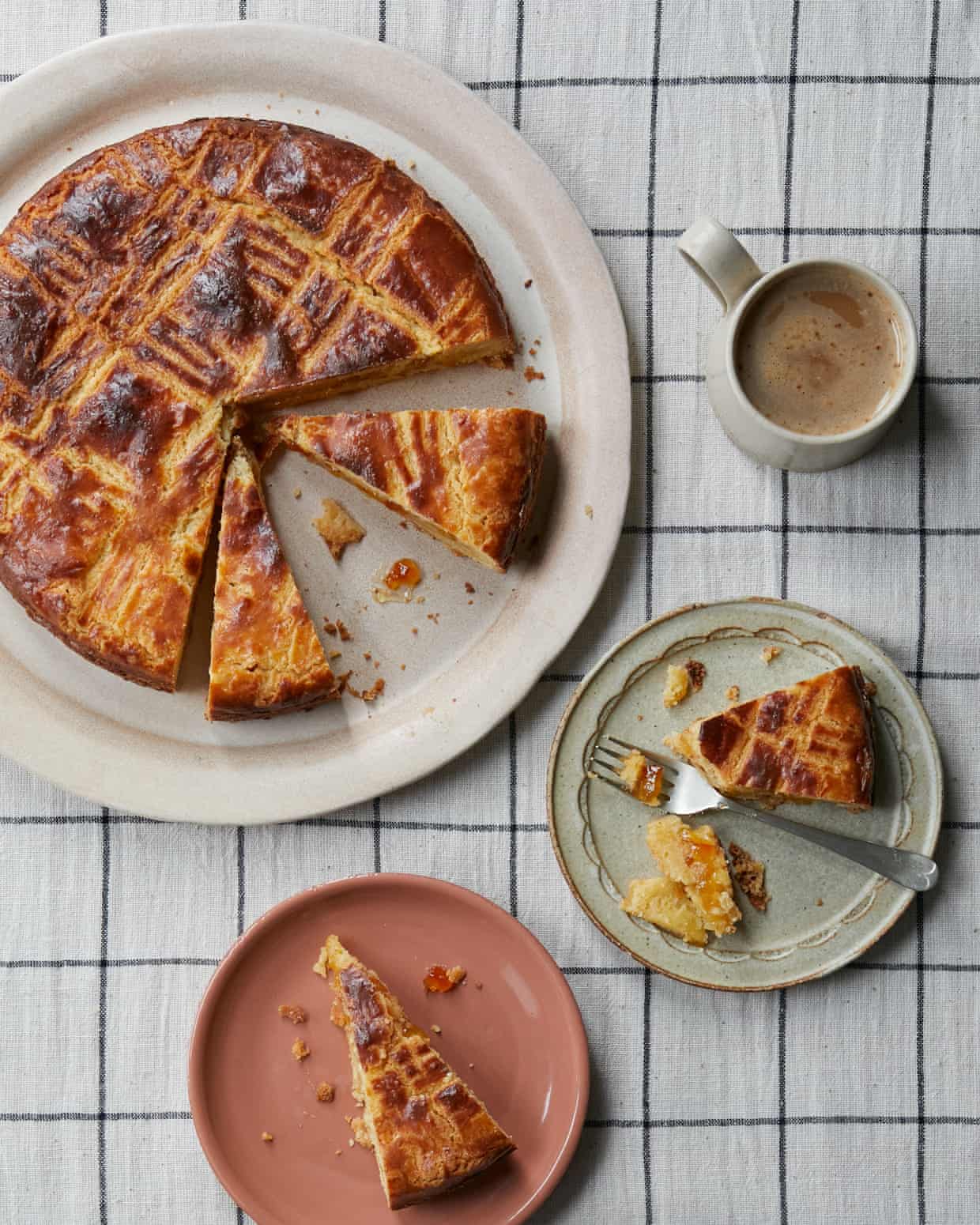
Helen Goh’s recipe for Breton butter cake with marmalade | The sweet spot
A Breton butter cake is a proud product of Brittany’s butter-rich baking tradition: dense, golden and unapologetically indulgent. True to its origins, my version uses salted butter, with an added pinch of flaky salt to sharpen the flavour. It also takes a small detour from tradition: a slick of marmalade brings a fragrant bitterness, while a handful of ground almonds softens the overall richness and lends a tender crumb. The result is still buttery and luxurious, but with a brighter, more aromatic edge.Brief stints in the freezer help firm up the dough between layers, making it easier to spread the marmalade without disturbing the base

Gordon Ramsay says tax changes will make restaurants ‘lambs to the slaughter’
The celebrity chef Gordon Ramsay has accused the government of cooking up a kitchen nightmare at restaurants across the country with tax changes that he says will make hospitality businesses “lambs to the slaughter”.Ramsay, whose company operates 34 restaurants in the UK including Bread Street Kitchen, Pétrus and Lucky Cat, said the industry was “facing a bloodbath”. He said restaurants were closing every day as a result of rising business rates, which came on top of higher energy, staffing and ingredient costs and little growth in consumer spending.“I’ve never seen it so bad,” Ramsay told the Standardnews site. “When I look ahead to April, when the budget measures come in, I think those of us in hospitality are lambs to the slaughter
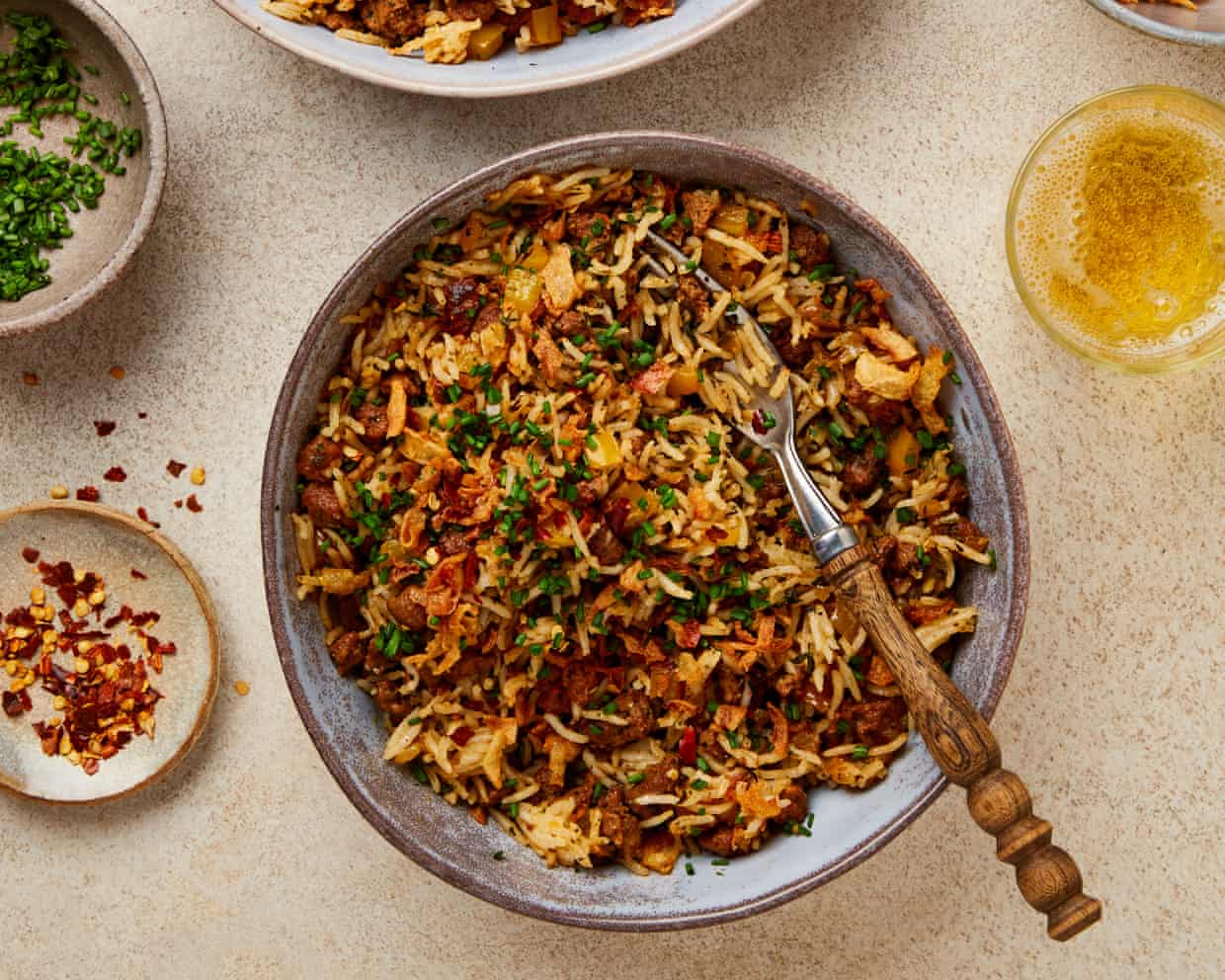
No more sad sandwiches and soggy salads: here’s how to make a proper packed lunch
Even if you have no truck with Blue Monday, Quitter’s Day or any of the other new-year wheezes concocted by enterprising marketeers, the last weeks of January can feel like a bit of a confused slog. Seasonal colds and lurgies abound. The weather is generally at its rain-lashed and blackly overcast worst. Well-intentioned attempts at self-improvement or abstemiousness are starting to creak in the face of a desire for whatever scraps of midwinter comfort we can find.Nowhere is this more apparent than when it comes to food and, more specifically, the daily puzzle of how to have something nourishing as a working lunch

Rum is booming but only Jamaican classics have the true funk
After Hurricane Melissa hit Jamaica last October, rum lovers anxiously awaited news from the island’s six distilleries. Hampden Estate, in the parish of Trelawney to the north, was right in the hurricane’s path, and the furious winds deprived its historic buildings of their roofs and the palm trees of their fronds. Then came more alarming rumours: the dunder pits had overflowed.The Guardian’s journalism is independent. We will earn a commission if you buy something through an affiliate link
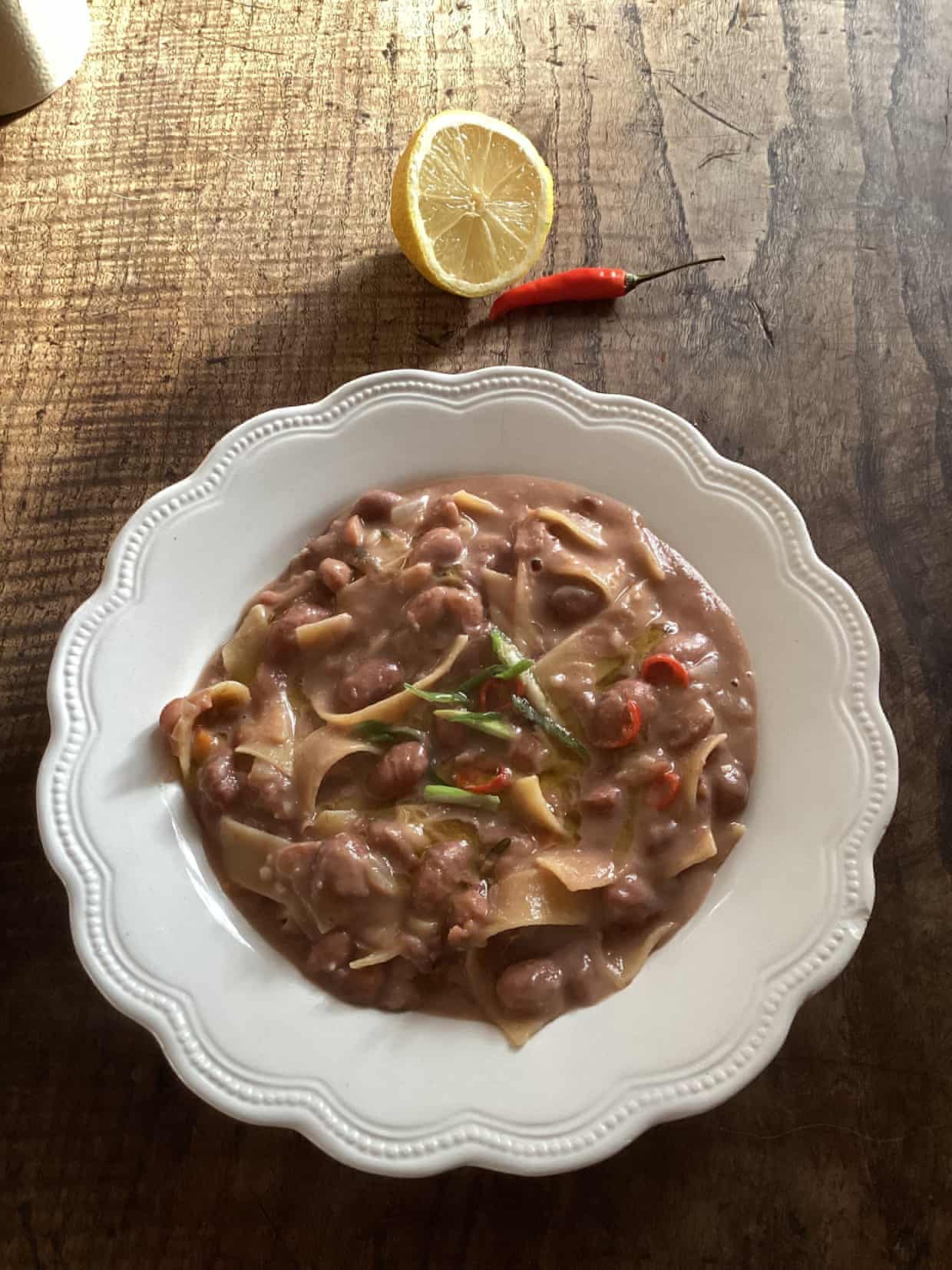
Rachel Roddy’s recipe for pasta e fagioli with coconut, spring onion, chilli and lemon | A kitchen in Rome
Throughout the 1990s and into the early 2000s, under the banner of story, art and folklore, the Roman publishing house Newton Compton published a series of 27 books about regional Italian cooking. Some, such as Jeanne Carola Francesconi’s epic 1965 La Cucina Napoletana, were reprints of established books, while others were specially commissioned for the series. There is considerable variation; some of the 20 regions occupy 650 densely filled pages, sometimes spread over two volumes, while other regions have 236 pages with larger fonts, with everything in between. All of which is great, although I can’t help feeling affectionate towards the regions with 14-point font.In the face of the vast variation of regional culinary habits, knowledge and rituals, I also feel affectionate towards the common traditions; those that are specific to a place, but at the same time that cross local and national borders, as well as for the stories of the ingredients

My cultural awakening: A Queen song helped me break free from communist Cuba
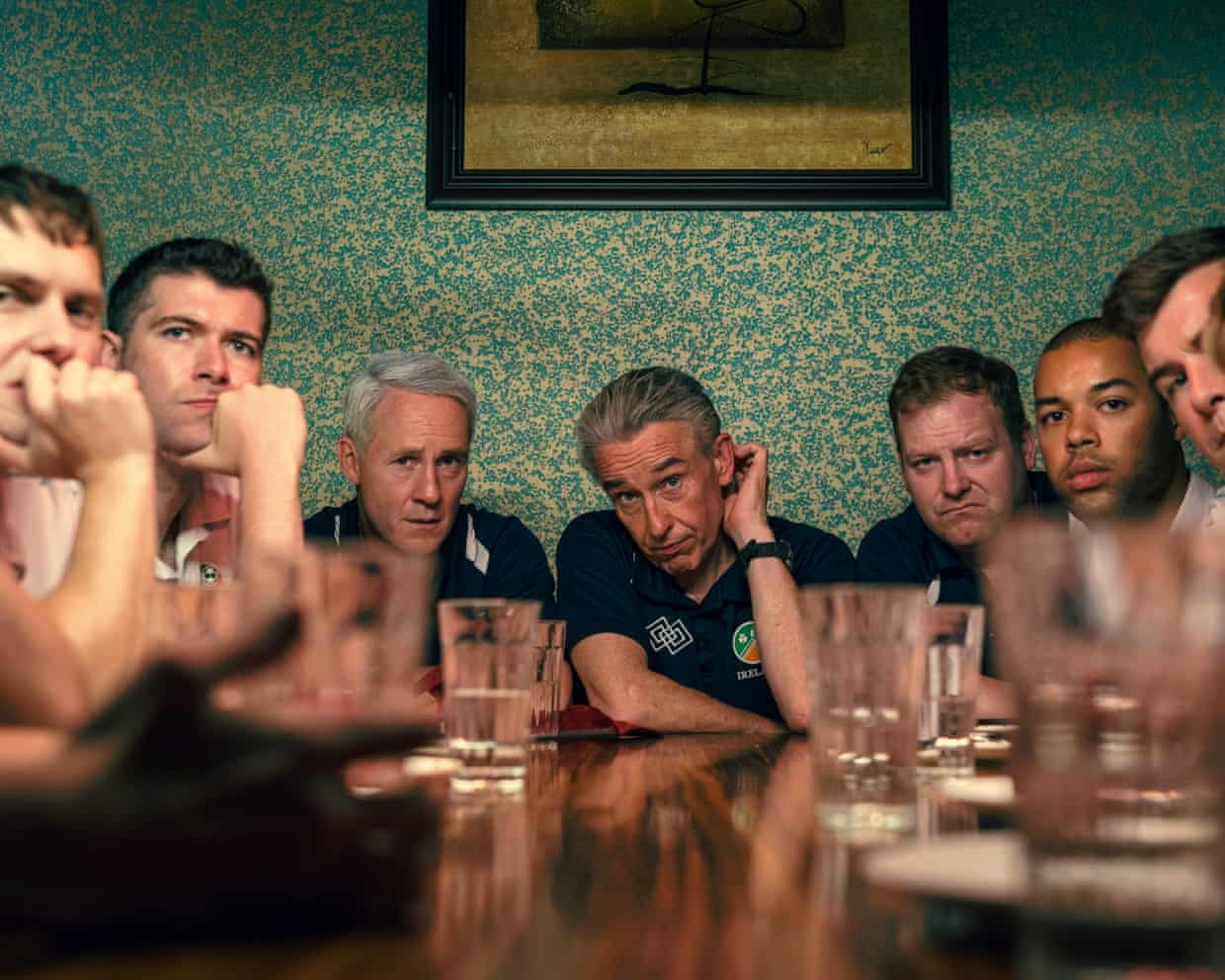
From Saipan to Take That: your complete entertainment guide to the week ahead

Tell us your UK town of culture nomination

‘The Village of the Damned was shot here – then George Harrison bought a house’: our UK town of culture nominations

R&B star Jill Scott: ‘I like mystery – I love Sade but I don’t know what she had for breakfast’

Letter: Colin Ford obituary