Hans Herrmann obituary
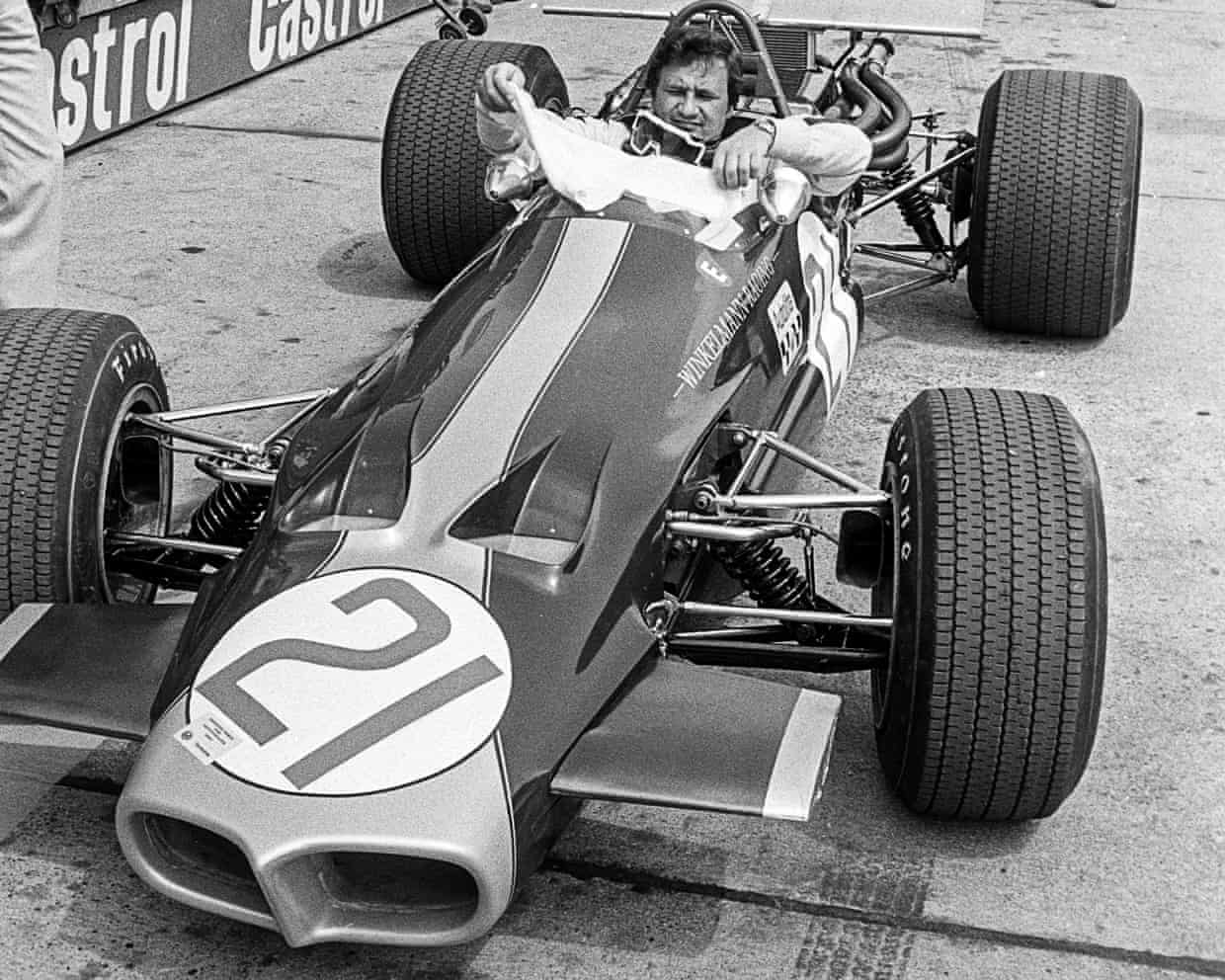
Before leaving his home in Stuttgart to compete in the 24 Hours of Le Mans in the summer of 1970, the German racing driver Hans Herrmann promised his wife, Magdalena, that if he won, he would retire from the cockpit.This was his 14th attempt at the French sports car classic and, at 42, he was not expecting to have to honour his pledge.But win he did.He and his co-driver, Richard Attwood, a former Jaguar apprentice, held the lead in their Porsche 917K for the last 12 hours of a race run on a rain-drenched track so treacherous that only seven cars out of 51 starters were able to reach the finish.It was the last event in a career that had seen Herrmann, who has died aged 97, compete in 19 Formula One grands prix for various teams, including Mercedes-Benz, for whom he finished third in the 1954 Swiss Grand Prix on the fast and tricky Bremgarten circuit in Bern.
But it was in the great endurance races that he excelled, his win at Le Mans preceded by outright victories in the Targa Florio, the 12 Hours of Sebring and the Daytona 24 Hours, and by two class wins in the Mille Miglia,He was also famous for his spectacular crashes, including one during the 1959 German Grand Prix at the superfast Avus circuit in Berlin, when the brakes failed on his BRM as he neared the end of a three-mile straight at 180mph,The car somersaulted several times, destroying itself,In the era before the use of safety belts, Herrmann was thrown out of the cockpit,“I knew I was a dead man,” he said.
Spectators were amazed when he got up and walked away with only cuts and bruises.A celebrated near-miss came in the 1954 Mille Miglia, a race run from Brescia to Rome and back over 1,000 miles of Italian roads.While trying to maintain his class lead in an open-cockpit Porsche, Herrmann approached a level crossing whose barrier had just been lowered.Banging his co-driver in the back to force him to duck, he lowered his own head as the car shot under the barrier a few seconds before a train arrived.Herrmann was born in Stuttgart, into a family that owned a cafe and bar.
At 17, in the final weeks of the second world war, he was drafted into the Waffen-SS but escaped on his way to a posting, along with several other teenage conscripts, and made his way back home, where he began work as an apprentice baker and pastry cook.He acquired his first car, a pre-war BMW, via the black market.In 1952 he made his competition debut in a regional rally at the wheel of a new Porsche 356 coupe, in which he was soon winning his class in the Deutschland rally.The official Porsche team had noticed his talent and it was with their 550RS sports cars that he took his class wins in two successive Mille Miglia races in 1953 and 1954.Those results aroused the interest of Alfred Neubauer, the Mercedes-Benz team manager, who was supervising the company’s postwar return to top-line motor racing.
Herrmann was added to Neubauer’s roster of drivers for 1954, and at that year’s French Grand Prix he was the third driver as the team made its return with a trio of spectacular streamlined W196 cars,Juan Manuel Fangio and Karl Kling finished first and second in the silver machines, while Herrmann made the fastest lap in the race before retiring with engine problems,He raced in four more grands prix that year, finishing third in Bern and fourth at Monza,But the arrival of Stirling Moss in the team for 1955 pushed Herrmann down the pecking order, and a bad crash during a practice session at Monaco left him with cracked vertebrae and broken ribs,After Mercedes’ withdrawal at the end of that season he rejoined Porsche, sharing a class win at Sebring with Wolfgang von Trips.
Offered a drive with Ferrari in the Targa Florio, he finished third, co-driving with Olivier Gendebien.With Porsche in 1956 he came third with Jean Behra at Le Mans and fourth with Umberto Maglioli in the Nürburgring 1000km.While his career in Formula One petered out, in sports cars and hill climbs he remained highly competitive, particularly with Porsche, whom he rejoined in 1960 after a couple of seasons with the Turin-based Abarth team.That year he teamed up with Jo Bonnier to win the Targa Florio and with Gendebien to win at Sebring.Returning to Sebring in 1968, he won with Jo Siffert in a 907.
In 1968 he was one of five drivers who shared a 907 to win the 24-hour race at Daytona.His weekend of glory at Le Mans in 1970 was preceded in the same event a year earlier by an epic duel for the lead in the final hour between his Porsche 908 and Jacky Ickx’s Ford GT40.It ended with victory for Ickx by 120 metres after almost 5,000 km of racing, the closest finish in the race’s history.A year later he had his revenge, in a 600hp 12-cylinder 917K entered by Porsche Salzburg and painted in the red and white colours of Austria.For Porsche, it was the first of 19 wins in the world’s most famous sports car race.
After retiring from the track, Herrmann set up a car accessories company and often appeared at events such as the Goodwood Festival of Speed and the recreated Mille Miglia, demonstrating the Mercedes and Porsches with which he had made his name.In 1991 he and his wife were kidnapped and released after payment of a ransom; the kidnappers were never identified.He was introduced to Magdalena by his fellow driver Von Trips at the Nürburgring in 1960.She survives him, with their sons, Dino and Kai, and a grandson.Hans Herrmann, racing driver, born 23 February 1928; died 9 January 2026
MPs criticise behaviour of senior DWP officials over carer’s allowance scandal
MP’s have criticised the “absolutely unacceptable behaviour” of senior welfare officials over the carer’s allowance scandal in which hundreds of thousands of unpaid carers were unfairly landed with huge debts.Sir Peter Schofield, the permanent secretary at the Department for Work and Pensions, came under fire on Wednesday from a select committee, which accused him of giving out “a lot of blancmange” over the DWP’s response to the scandal.An independent review into the overpayments scandal published in November found that longstanding and “unacceptable” systemic DWP leadership failures, poor benefit design and unlawful internal staff guidance were at the root of the problems.As well as inadvertently running up debts of thousands of pounds, carers who received overpayments often felt so desperate they contemplated suicide, the review found. It described the system as like being “at the whim of a faceless machine”
Alan Woodhouse obituary
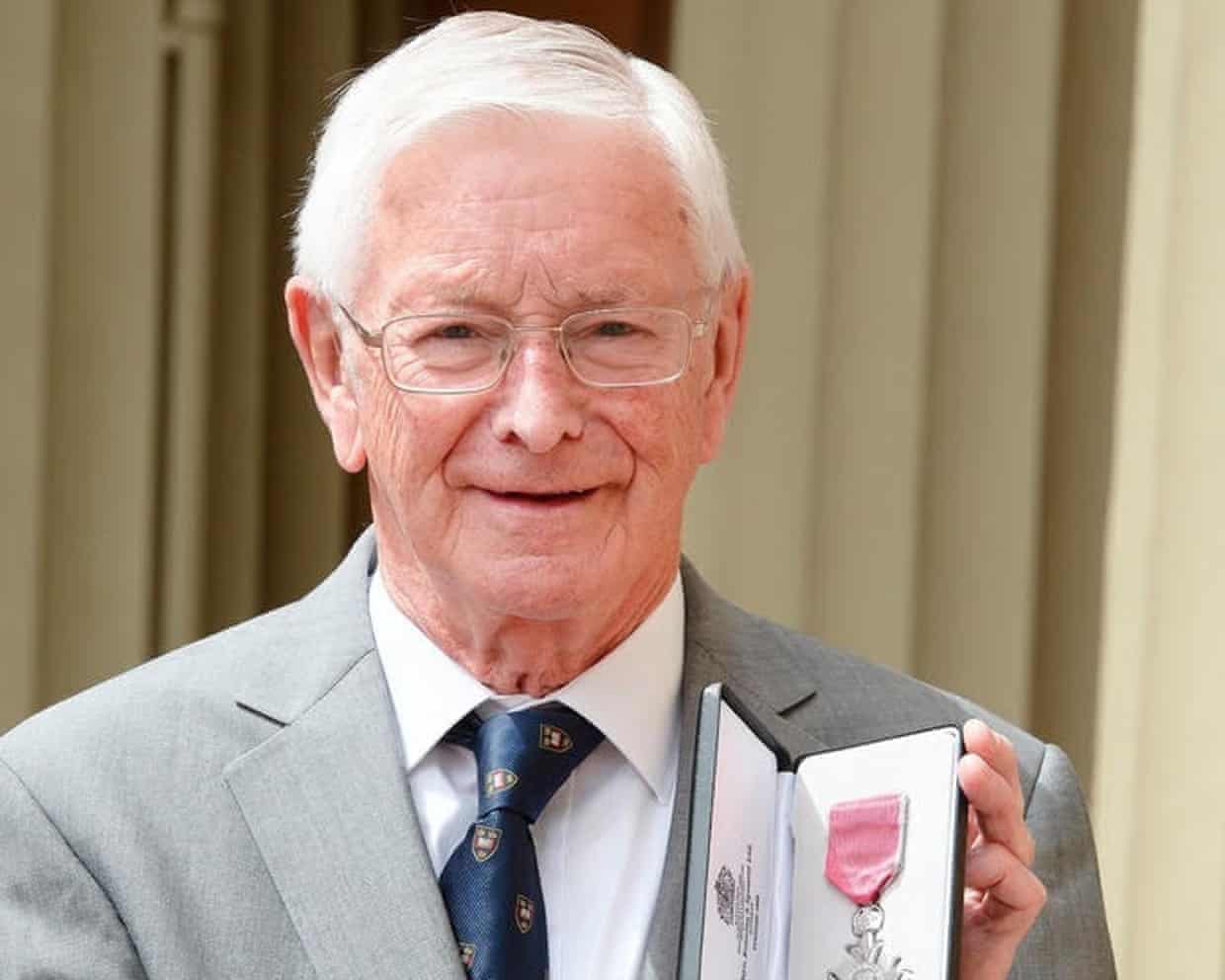
My friend Alan Woodhouse, who has died aged 92, was the longest serving Samaritans volunteer in the history of the organisation, which offers support to anyone struggling to cope or at risk of taking their own lives.Alan joined the Liverpool and Merseyside branch when it was founded in 1960, and was still answering telephones there 60 years later. He was appointed MBE for his service in 2017 and retired in 2020.Samaritans was founded in 1953 in London by the Rev Chad Varah. Its second branch was set up in the crypt of St Nicholas Church, Liverpool Pier Head, and when it opened on 1 March 1960 Alan staffed the first overnight shift
The return of measles: how a once-vanquished disease is spreading again
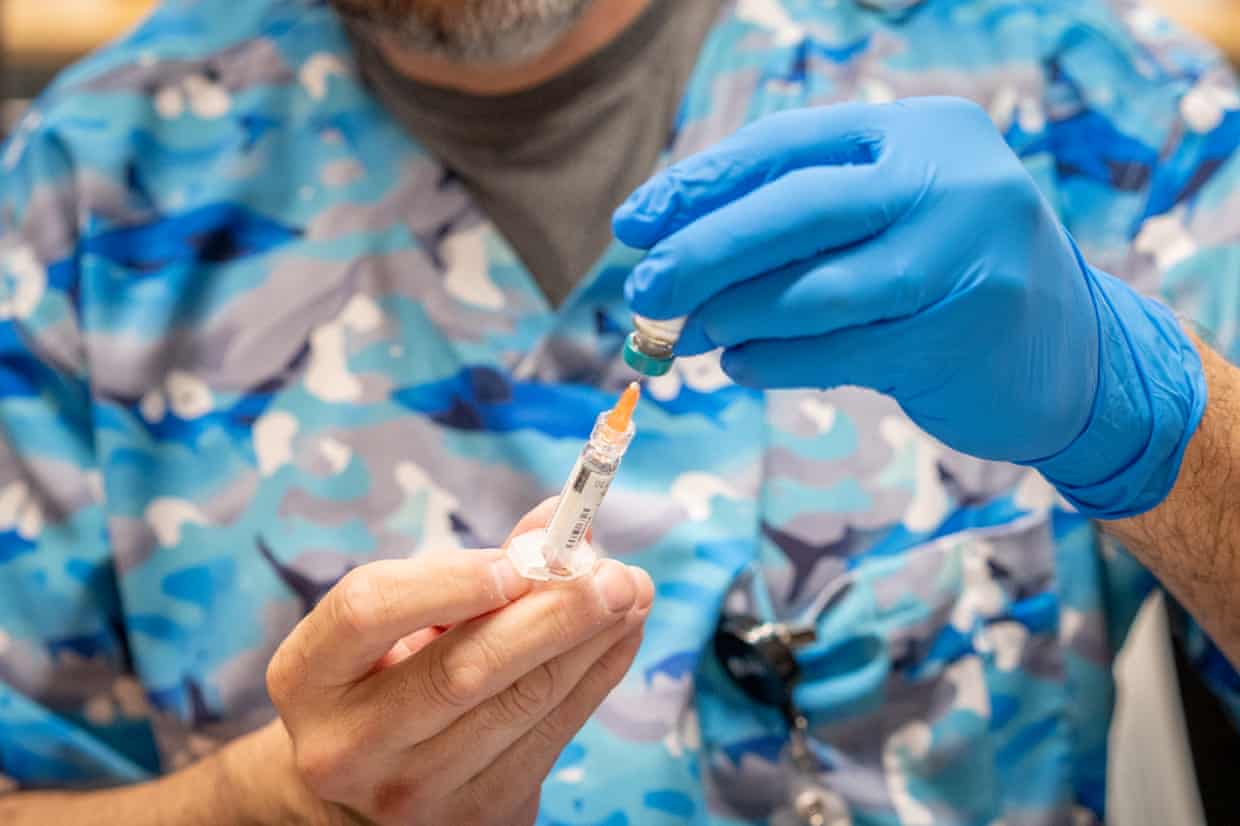
The measles outbreak in South Carolina now stands at 664 cases, more than doubling in a few weeks, officials said this week. The highly contagious virus has also spread onward to North Carolina, Ohio and Washington state, and similar outbreaks are unfurling in Arizona and Utah as well.The outbreak, which first began in Texas a year ago this week, has spread to most US states – and as the US passes the one-year mark, its measles-elimination status will probably end, a symbol indicating an expected wave of year-round preventable disease. The outbreak has been plagued by misinformation, with Robert F Kennedy Jr, secretary of the US Department of Health and Human Services and longtime vaccine critic, framing measles vaccination as a personal choice and promoting unproven treatments.The vast majority of those infected are children, and most of them did not receive the measles, mumps, and rubella (MMR vaccine)
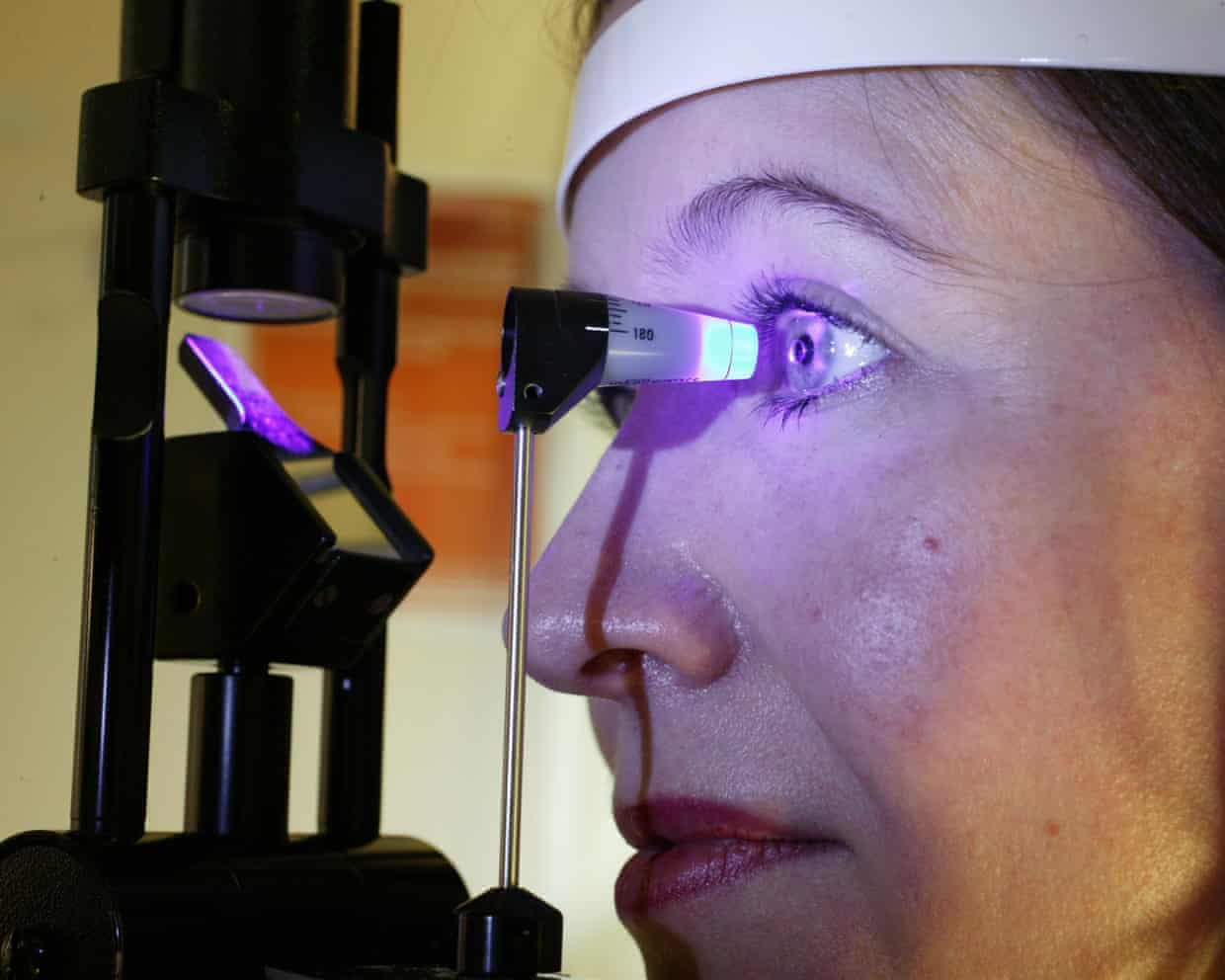
UK glaucoma cases will rise to 1.6m by 2060 amid ‘demographic timebomb’, experts say
New estimates predict at least 1.6 million people in the UK will be living with glaucoma, the leading cause of irreversible blindness worldwide, by 2060.The figure is much higher than the current 1.1 million people estimated to have the condition, research published in the British Journal of Ophthalmology suggests.The sharp rise will be driven by an increasingly ageing population and growth in the proportion of higher-risk ethnically diverse groups, prompting a need for an expansion in eye health services to meet demand
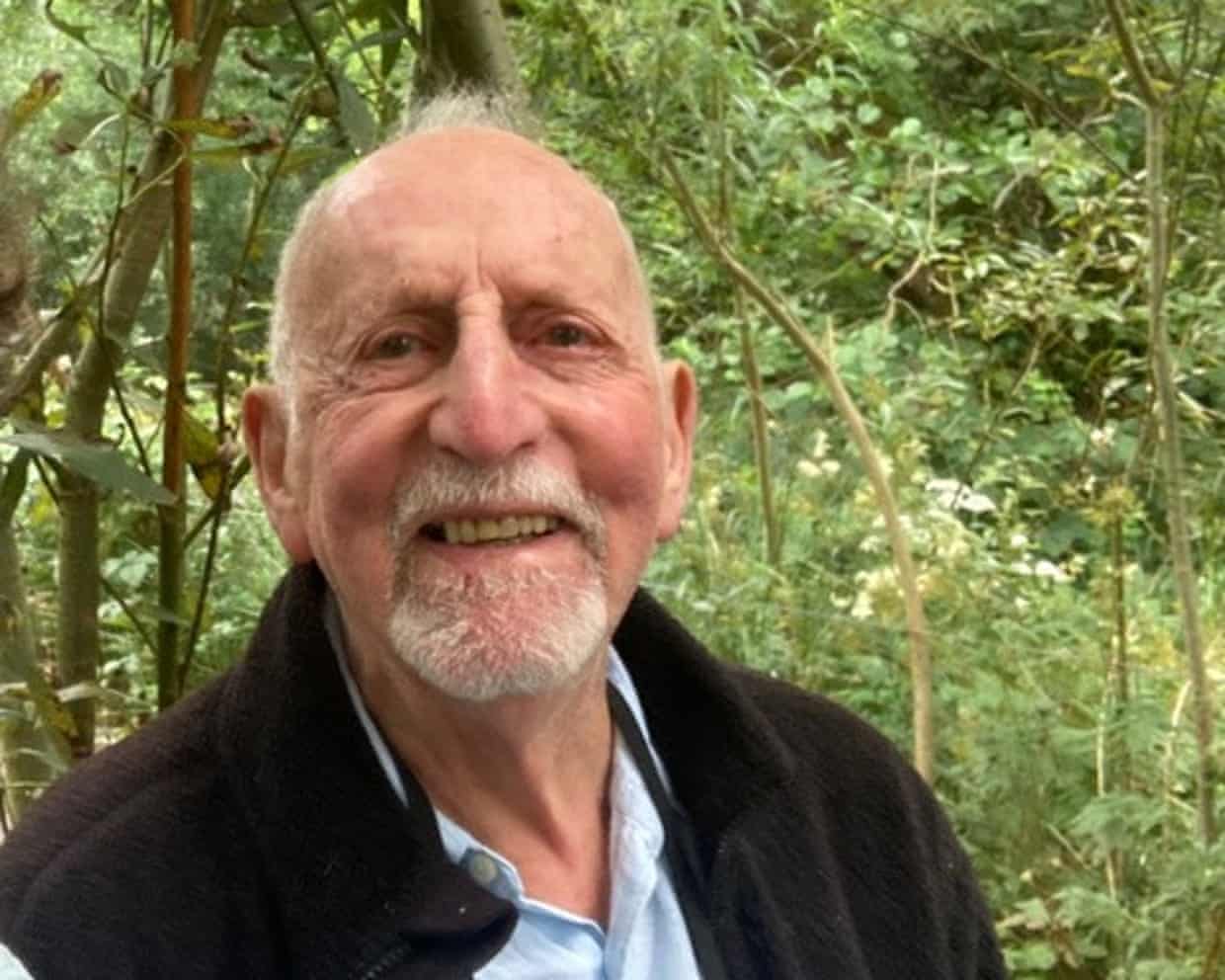
Michael Baron obituary
The London solicitor Michael Baron, who has died aged 96, was instrumental in changing the lives of autistic people for the better. At a time when autism was little known or understood, in 1962 he co-founded the UK’s leading autistic charity. As its first chair, he was the driving force in publicising the condition and raising funds.He helped set up the world’s first autism-specific school in 1965 and the first residential community for autistic adults in 1974. As one of a group of lawyers, he campaigned for the Education (Handicapped Children) Act in 1970, which gave all children, regardless of disability, the right to an education

Educational background key indicator of immigration views in UK, study finds
Rightwing movements are struggling to gain support among graduates as education emerges as the most important dividing line in British attitudes towards politics, diversity and immigration, research has found.A study from the independent National Centre for Social Research (NatCen) found people with qualifications below A-level were more than twice as likely to support rightwing parties compared with those with qualifications above.The Demographic Divides report says: “A person with no educational qualifications had around 2 times the odds of voting for either the Conservatives or Reform UK than someone with a university degree or higher. This is independent of other factors, including financial precarity, so those without a degree are more likely to support rightwing parties in the UK even after adjusting for their financial situation.“If one wanted to predict whether a person voted for parties of the right in the UK, knowing their educational background would give them a very good chance of making a correct prediction
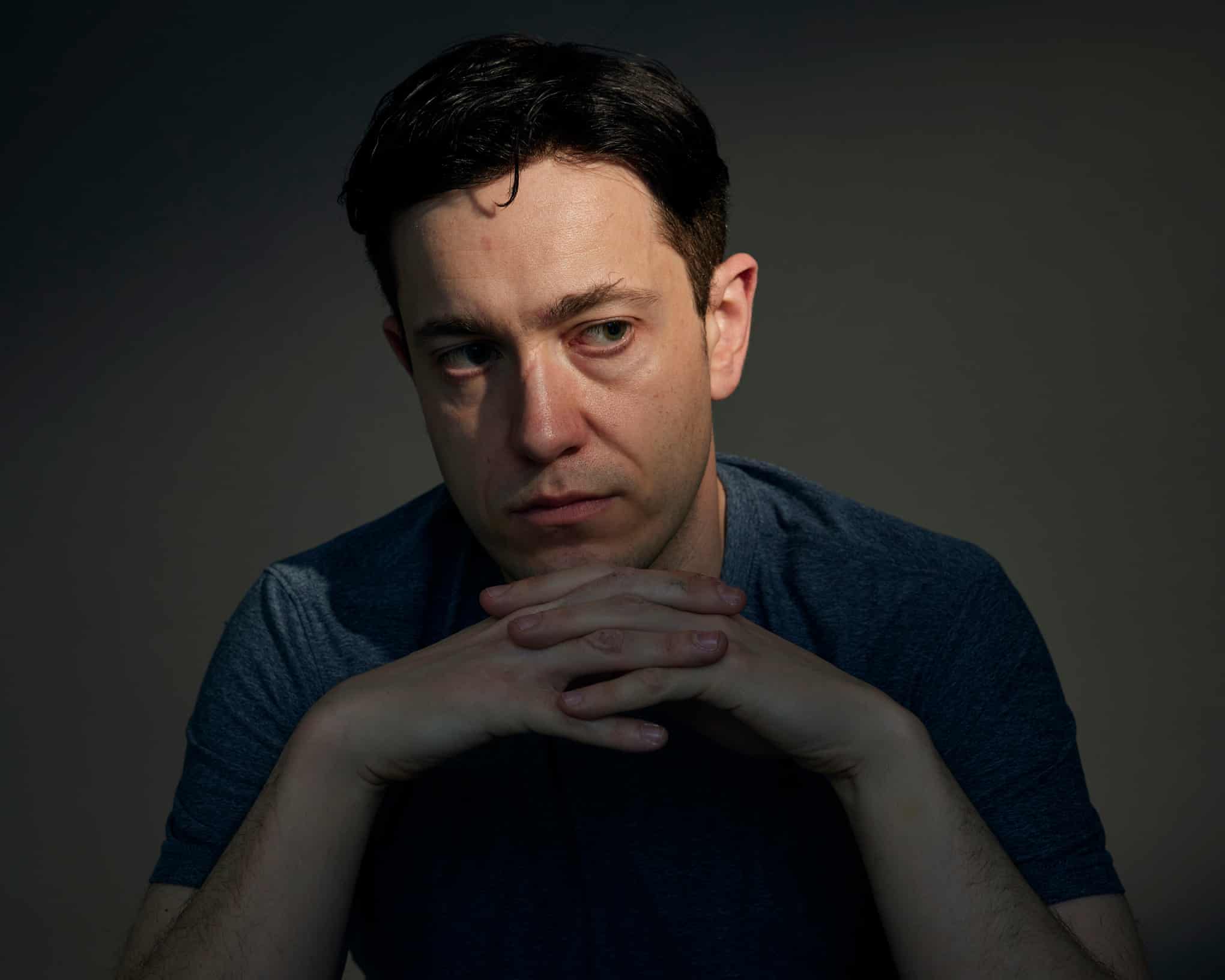
Ed Zitron on big tech, backlash, boom and bust: ‘AI has taught us that people are excited to replace human beings’

Deactivate your X account – you won’t miss it when it’s gone | Letter

‘Still here!’: X’s Grok AI tool accessible in Malaysia and Indonesia despite ban
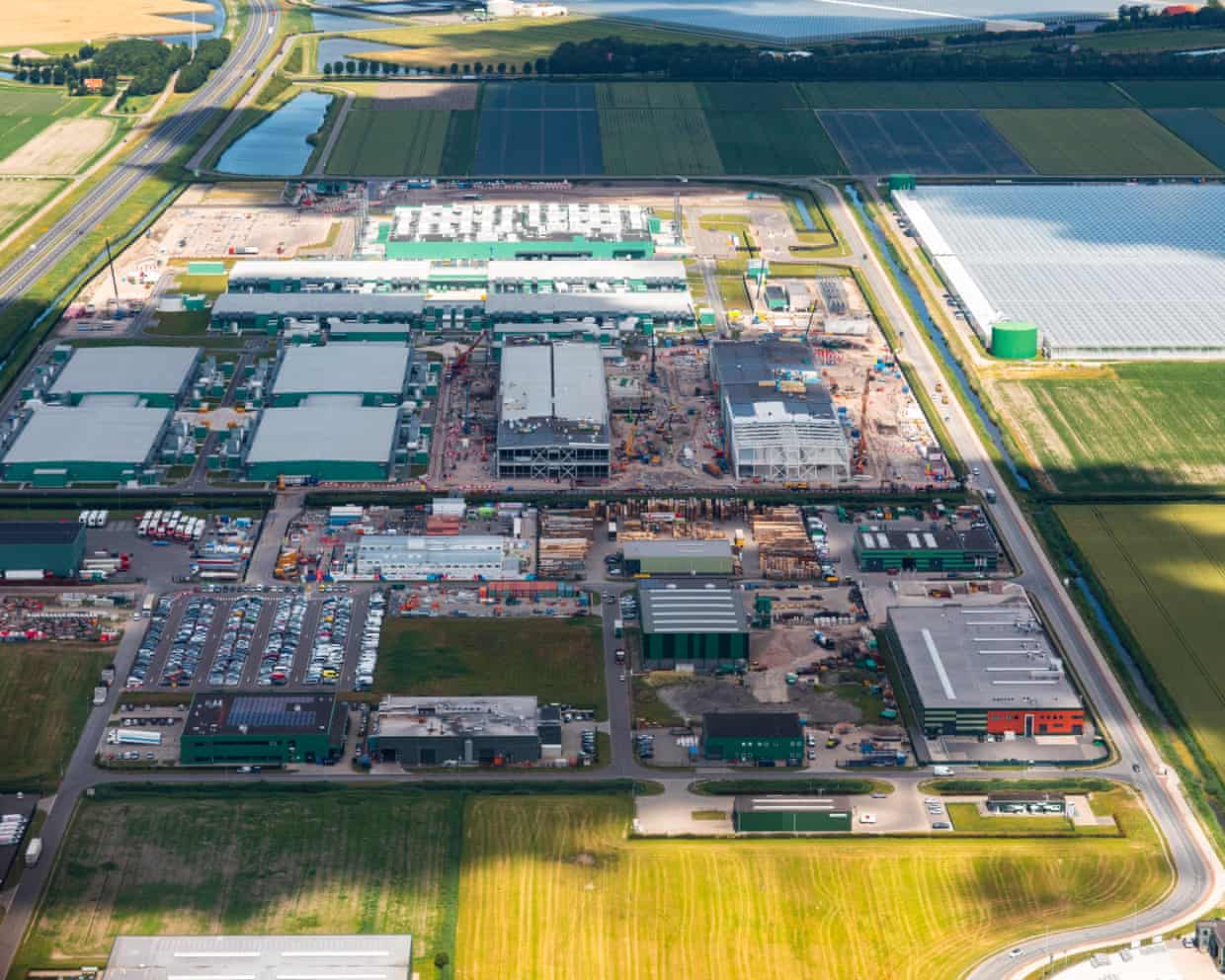
‘We could hit a wall’: why trillions of dollars of risk is no guarantee of AI reward
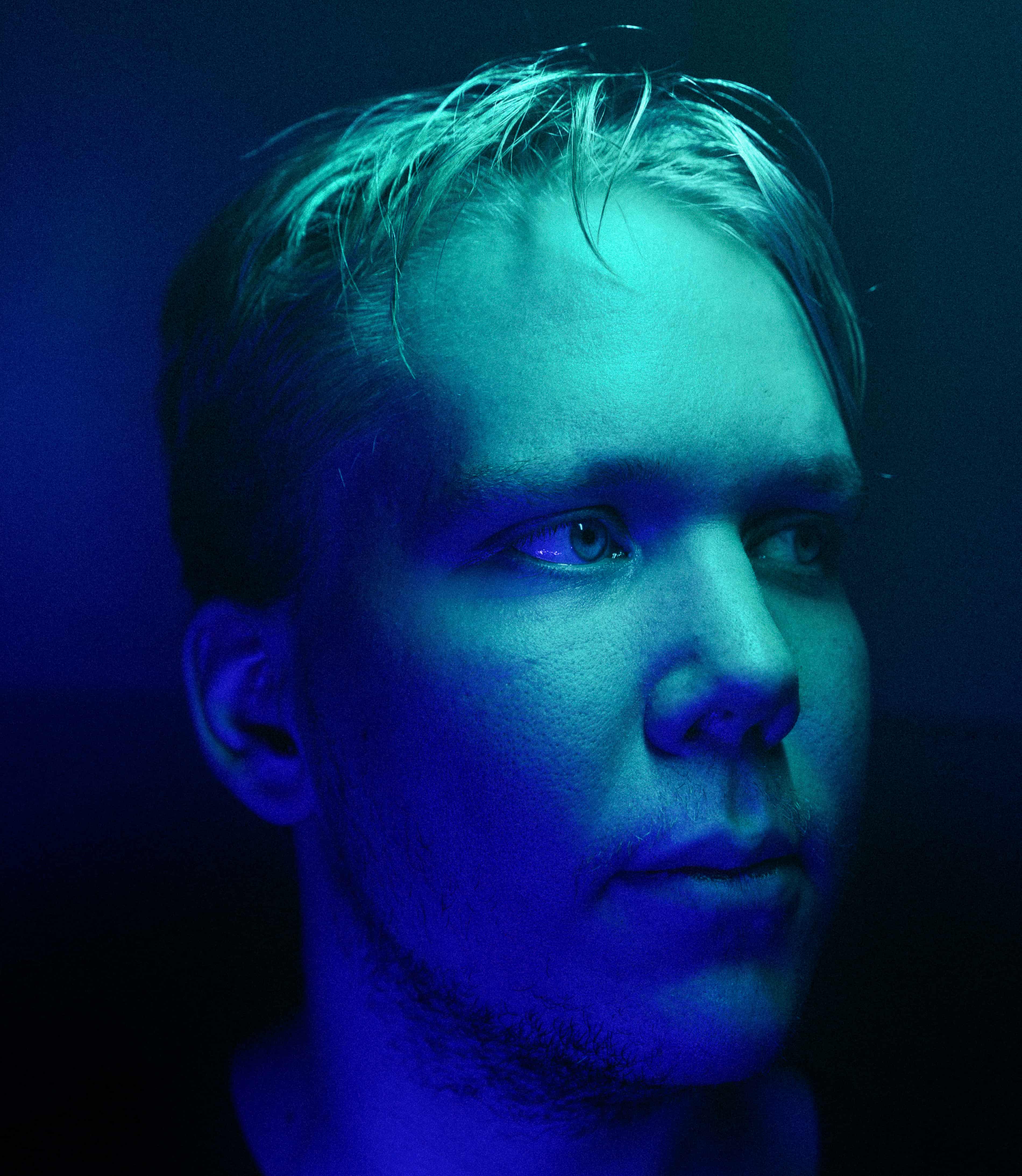
He called himself an ‘untouchable hacker god’. But who was behind the biggest crime Finland has ever known?

China blocks Nvidia H200 AI chips that US government cleared for export – report