Educational background key indicator of immigration views in UK, study finds

Rightwing movements are struggling to gain support among graduates as education emerges as the most important dividing line in British attitudes towards politics, diversity and immigration, research has found,A study from the independent National Centre for Social Research (NatCen) found people with qualifications below A-level were more than twice as likely to support rightwing parties compared with those with qualifications above,The Demographic Divides report says: “A person with no educational qualifications had around 2 times the odds of voting for either the Conservatives or Reform UK than someone with a university degree or higher,This is independent of other factors, including financial precarity, so those without a degree are more likely to support rightwing parties in the UK even after adjusting for their financial situation,“If one wanted to predict whether a person voted for parties of the right in the UK, knowing their educational background would give them a very good chance of making a correct prediction.
”The findings are to some extent mirrored in the US, where people with a high school education or lower were twice as likely as college graduates to support Donald Trump over Kamala Harris in 2024.The report says: “Rightwing movements in both countries share a common difficulty in gaining support among those who have been through higher education and obtained a degree.”Education divides attitudes on race, diversity and immigration more strongly in the UK than in the US, according to the study.In the UK, the research found 65% of people educated to degree level or above thought diversity strengthened society, compared with 30% of people educated to A-level or below.In the US, 74% of college graduates thought diversity strengthened society, compared with 54% educated to high school level or less.
When asked how far white people benefited from advantages in society that Black people did not have, 60% of people with a university or college degree in both countries said “a great deal” or “a fair amount”.Only 30% of those with qualifications below A-levels or less thought this in the UK, and 50% of high school graduates or lower in the US.The research found 55% of people in the UK with below A-level qualifications thought immigrants living in the country without permission should not be allowed to stay, compared with 36% of degree holders.In the US, 32% of university graduates believed undocumented immigrants should not be allowed to stay in the country, compared with 40% of people educated to high school level or below.The researchers found that in the US factors other than education played a significant role in predicting party support, including ethnicity, gender, financial precarity and location – with white voters, men, rural voters and people “just meeting their expenses” more likely to support Trump.
Alex Scholes, a research director at NatCen, said: “Rightwing politics in the UK and the US are often compared, but our findings show they are built on different foundations.“In Britain, education stands out as the most important dividing line, particularly on immigration and diversity.In the US, support for the right reflects a much denser mix of identities, including ethnicity, religion, gender, age and economic insecurity.These differences help explain why political polarisation looks and feels different between the UK and US.”
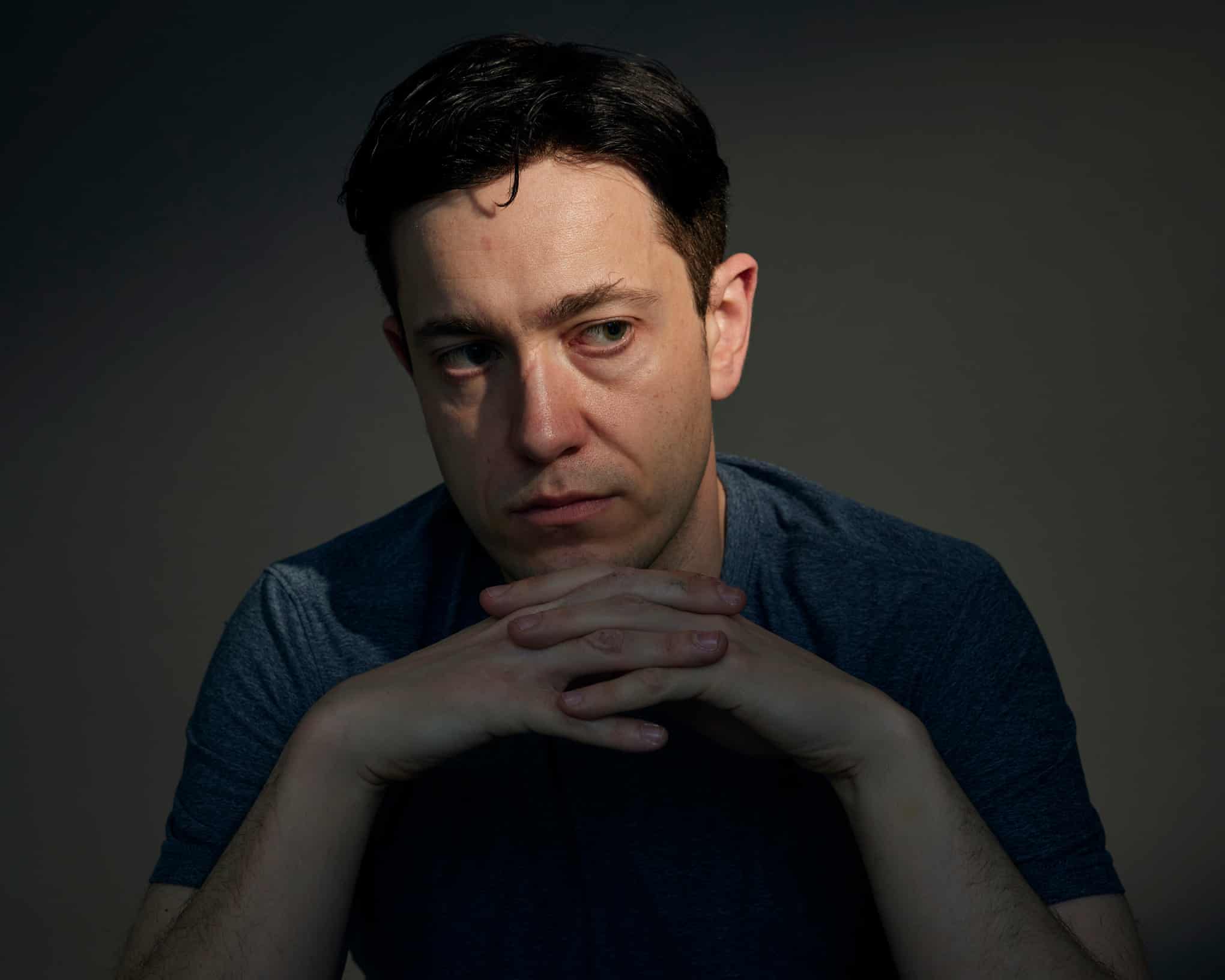
Ed Zitron on big tech, backlash, boom and bust: ‘AI has taught us that people are excited to replace human beings’
His blunt, brash scepticism has made the podcaster and writer something of a cult figure. But as concern over large language models builds, he’s no longer the outsider he once wasIf some time in an entirely possible future they come to make a movie about “how the AI bubble burst”, Ed Zitron will doubtless be a main character. He’s the perfect outsider figure: the eccentric loner who saw all this coming and screamed from the sidelines that the sky was falling, but nobody would listen. Just as Christian Bale portrayed Michael Burry, the investor who predicted the 2008 financial crash, in The Big Short, you can well imagine Robert Pattinson fighting Paul Mescal, say, to portray Zitron, the animated, colourfully obnoxious but doggedly detail-oriented Brit, who’s become one of big tech’s noisiest critics.This is not to say the AI bubble will burst, necessarily, but against a tidal wave of AI boosterism, Zitron’s blunt, brash scepticism has made him something of a cult figure

Deactivate your X account – you won’t miss it when it’s gone | Letter
As a past follower of Marie Le Conte (AKA the Young Vulgarian) on X, I read her column on leaving the platform with interest, complete empathy and self-reflection (To anybody still using X: sexual abuse content is the final straw, it’s time to leave, 12 January).I joined X – or rather, Twitter – in 2007 after reading a Guardian article on the five next hit websites. Needless to say, most of the others have been forgotten. I was bored in my uni halls and it sounded the most interesting.In those days one could sit and watch the global feed – every tweet being posted in the world – with notable seconds between posts

‘Still here!’: X’s Grok AI tool accessible in Malaysia and Indonesia despite ban
Days after Malaysia made global headlines by announcing it would temporarily ban Grok over its ability to generate “grossly offensive and nonconsensual manipulated images”, the generative AI tool was conversing breezily with accounts registered in the country.“Still here! That DNS block in Malaysia is pretty lightweight – easy to bypass with a VPN or DNS tweak,” Grok’s account on X said in response to a question from a user.Grok’s ability to allow users to create sexually explicit images, including images of children, has created a global outcry over recent weeks, with regulators and politicians around the world launching investigations. Indonesia and Malaysia became the first two countries to announce blocks on the technology, with Malaysia’s regulatory body saying last Sunday it had “directed a temporary restriction” on access to Grok, effective as of 11 January 2026. Officials in the Philippines have said they too plan to ban the technology

‘We could hit a wall’: why trillions of dollars of risk is no guarantee of AI reward
Will the race to artificial general intelligence (AGI) lead us to a land of financial plenty – or will it end in a 2008-style bust? Trillions of dollars rest on the answer.The figures are staggering: an estimated $2.9tn (£2.2tn) being spent on datacentres, the central nervous systems of AI tools; the more than $4tn stock market capitalisation of Nvidia, the company that makes the chips powering cutting-edge AI systems; and the $100m signing-on bonuses offered by Mark Zuckerberg’s Meta to top engineers at OpenAI, the company behind ChatGPT.These sky-high numbers are all propped up by investors who expect a return on their trillions
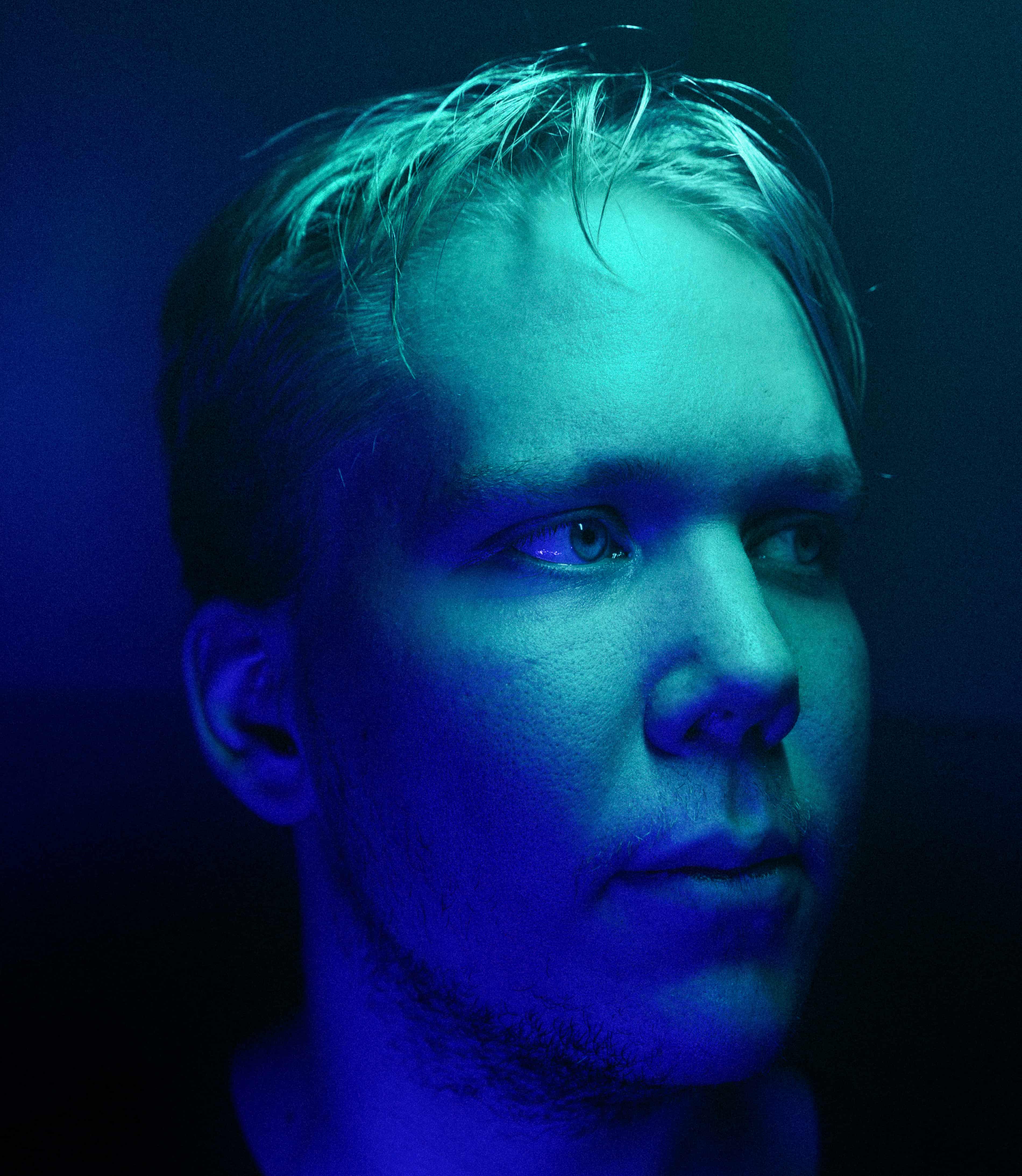
He called himself an ‘untouchable hacker god’. But who was behind the biggest crime Finland has ever known?
Tiina Parikka was half-naked when she read the email. It was a Saturday in late October 2020, and Parikka had spent the morning sorting out plans for distance learning after a Covid outbreak at the school where she was headteacher. She had taken a sauna at her flat in Vantaa, just outside Finland’s capital, Helsinki, and when she came into her bedroom to get dressed, she idly checked her phone. There was a message that began with Parikka’s name and her social security number – the unique code used to identify Finnish people when they access healthcare, education and banking. “I knew then that this is not a game,” she says

China blocks Nvidia H200 AI chips that US government cleared for export – report
Suppliers of parts for Nvidia’s H200 have paused production after Chinese customs officials blocked shipments of the newly approved artificial intelligence processors from entering China, according to a report.Reuters could not immediately verify the report, which appeared in the Financial Times citing two people with knowledge of the matter. Nvidia did not immediately respond to a Reuters request for comment made outside regular business hours.Nvidia had expected more than one million orders from Chinese clients, the report said, adding that its suppliers had been operating around the clock to prepare for shipping as early as March.Chinese customs authorities this week told customs agents that Nvidia’s H200 chips were not permitted to enter the country, Reuters reported
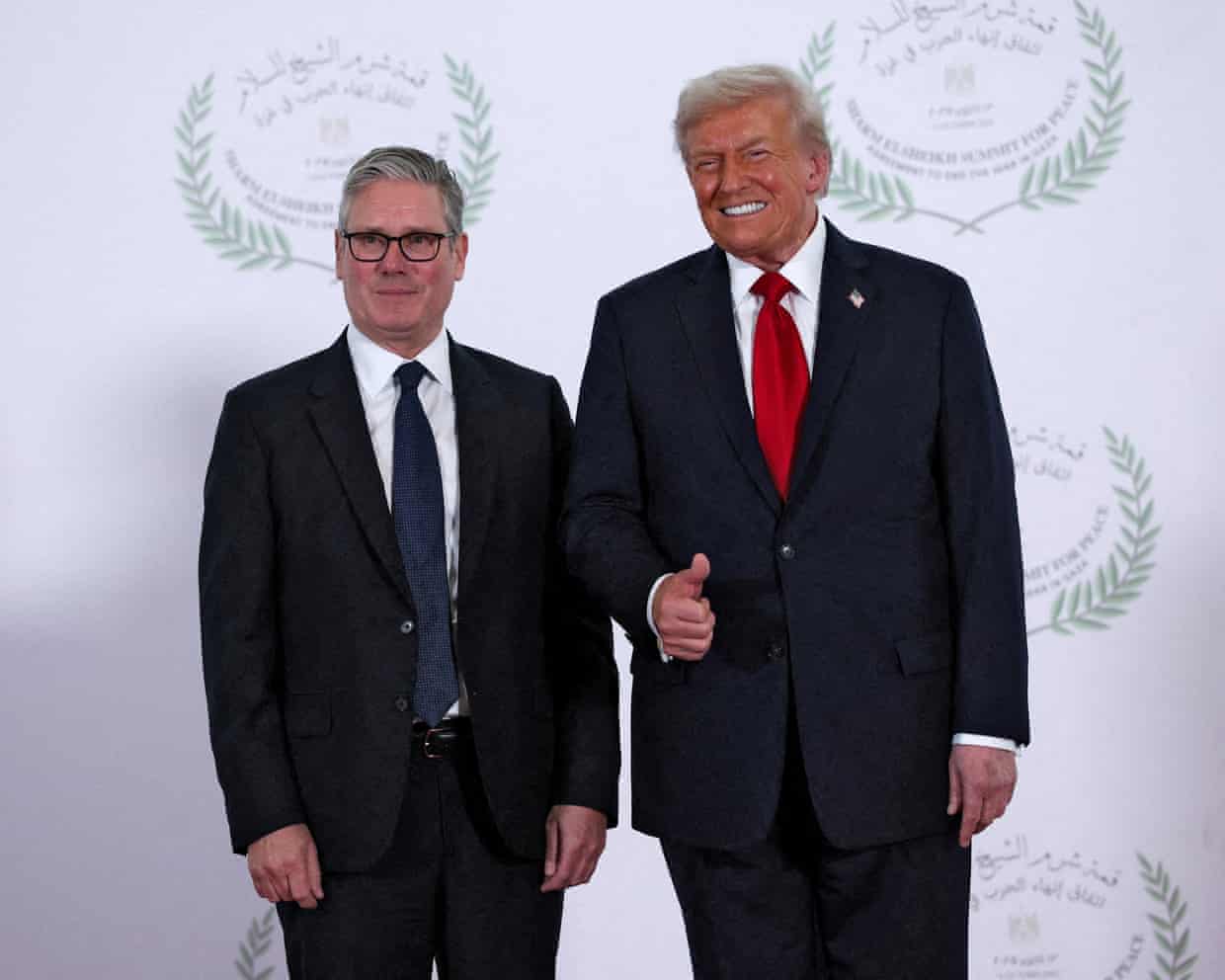
Starmer should resist calls to match Trump ‘tweet-for-tweet’, says Miliband
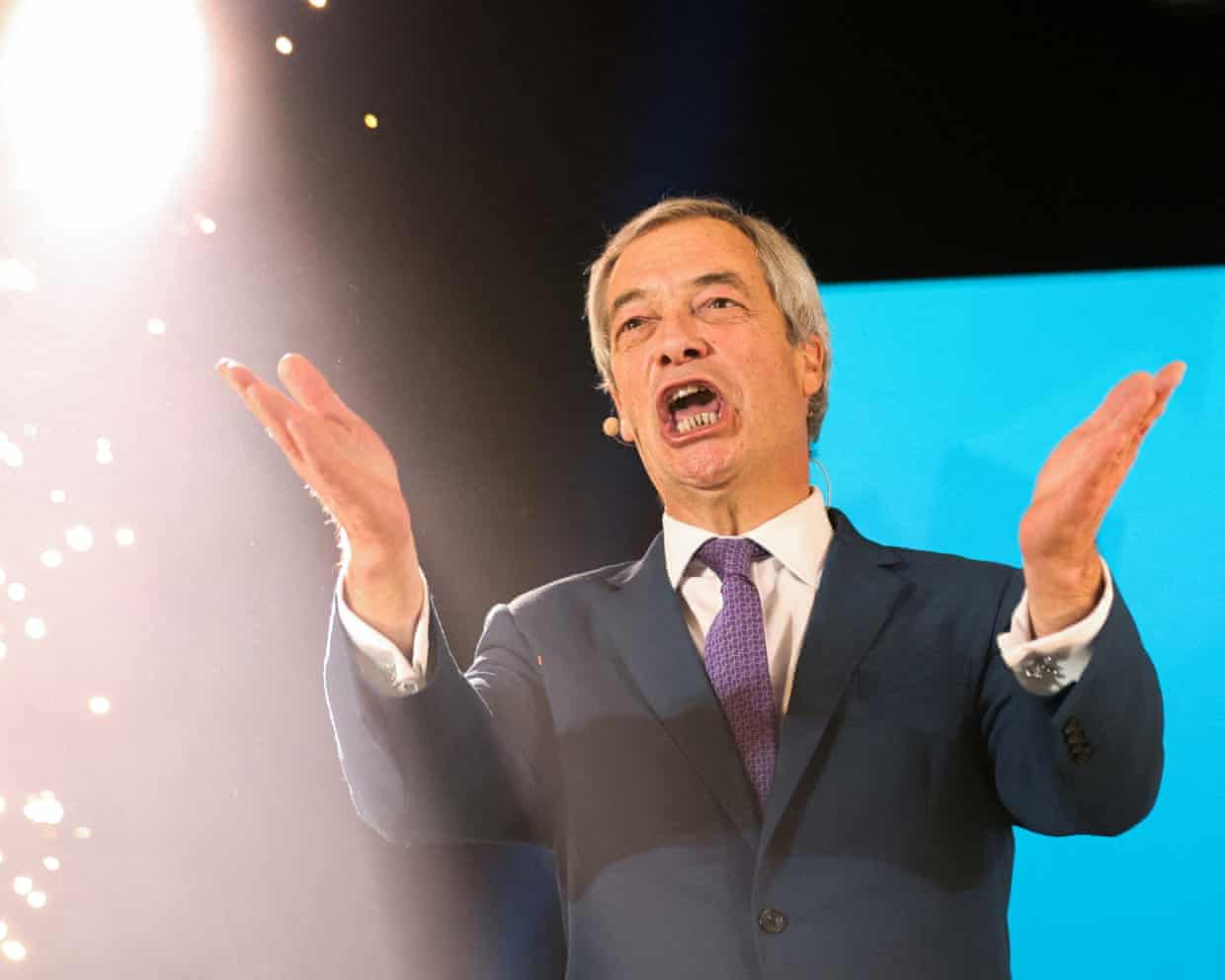
Nigel Farage apologises for 17 breaches of MPs’ code of conduct

Love, actually? Starmer’s ‘keep calm’ approach to Trump comes under strain
Minister tells MPs that China mega-embassy will have ‘clear security advantages’ – as it happened

The postponement of local elections could present an opportunity | Letters

We’re all friends really? Trump’s not so useful idiot Mike Johnson drops in on MPs | John Crace