England ruthlessly privatised cricket – Australia embraces it with constant public displays of affection | Emma John
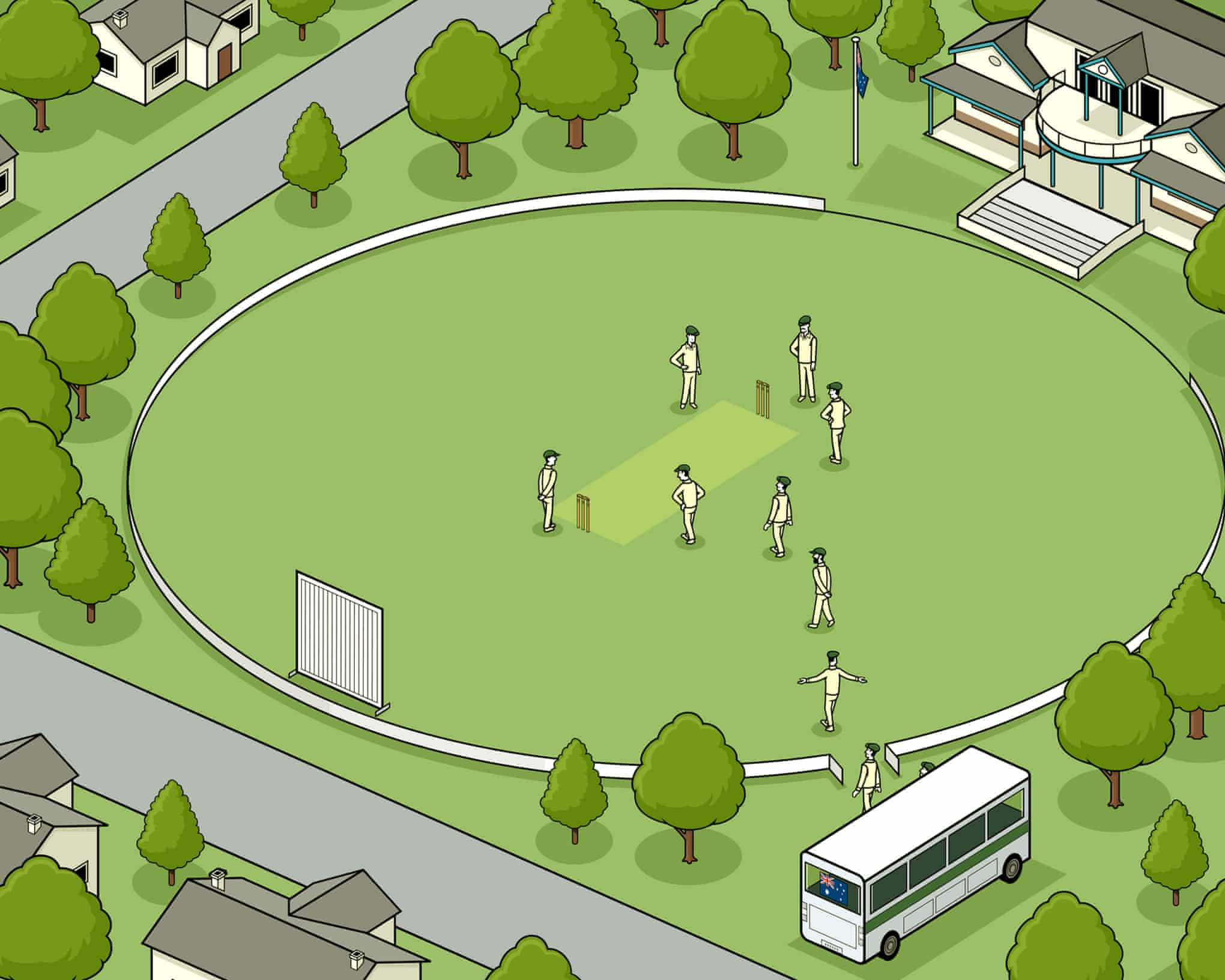
The drive to Bowral in New South Wales takes you through some of Australia’s most English countryside,Pastoral hills roll right up to the roadside and finish in grassy verges, flecked with yellow and white wildflowers,Alliums stand sentinel around vibrant lawns,Even the eucalypts are cosplaying as beech and oaks,You might be in Hampshire, if it weren’t for the dazzling sun.
Just a few roads from the high street – storefronts full of fancy cookware and country casuals – is the Bradman Oval,This small ground, with its pre-loved outfield, has become a pilgrimage stop for the Australian cricketing faithful,Head out to the middle and you’re walking across the sacred turf where Sir Don honed his skills,Stand at the crease, look past the white picket fence, and you can see the family homes where he grew from boy to man, on Shepherd Street and Glebe Street respectively,The village feel gives the ground a surprising charm and familiarity – especially to the England fan.
We grow up with the narrative that Australian cricket has always reflected its red-rock interior: a place where hard men toil on hard wickets, Bradman being the hardest of the lot.But an Ashes trip – if you can spare some time from the gladiatorial Test grounds and Barmy Army beer joints – is an excellent check and challenge to images conjured solely from the imagination, and a landscape seen purely through the lens of a remote rivalry.For me, travelling solo across four states, cricket has proven a constant companion, meaning this large continent has never felt lonely.Beneath the pink-granite mountains of the Gawler Ranges, a six-hour drive from Adelaide, I checked into an empty motel expecting a lonesome evening in its dining room and instead found myself immersed in the joyous family atmosphere of a Wudinna Cricket Club post-match hang.In the parks and pubs, cricket remains the dominant summer pastime and subject of conversation.
In the Grampians of western Victoria, whose peaks are better known for their world-class climbing, I constantly witnessed pick-up games in the backyards and paddocks of the cafes and restaurants, or mums and dads tossing up hit-mes to tiny toddlers holding miniature bats.There was beach cricket in the Perth suburbs, and on one Melbourne city beach I even saw a game played waist-high in the waves.These constant public displays of affection are matched in the stands and on the airwaves.Channel 7, the terrestrial broadcaster of the Ashes, had the entire series available on demand for repeat viewing, session by session, a gesture offering significant added value for matches that ended too quickly.The Big Bash, which overlaps with the international summer, creates a festival atmosphere around the sport: rather than cannibalising attendances, it has contributed to them.
Last week, a combined 105,767 spectators added up to a record crowd for the new year’s matches at the MCG and Optus stadium.Cricket’s truly public nature in Australia is perhaps epitomised by their major Test grounds, which are owned by state-appointed trusts, government agencies or, in the case of Adelaide Oval, the people of South Australia itself.They are not run for the benefit of venture capitalists, nor for the members of private clubs, but for the very people who enjoy (or might one day enjoy) the sport they host.It all throws England’s ruthless privatisation of cricket into sharper focus.The hiving off of a common and popular field game by the elite is, after all, one of the foundational moments in its history, thanks to the aristocrats who formed Marylebone Cricket Club and immediately copyrighted the laws of cricket.
The English game’s far more recent retreat behind televisual paywalls, its disappearance from state schools and its eager adoption of “elastic” market pricing for tickets – which only ever stretches one way – has yet to be mitigated.In the meantime, Australia becomes a land of counter-envy – a place where English cricket fans travel to experience a cricketing culture that the “old country” once believed to be a major marker of its identity, and vital bond with its colonies.There’s an inherent irony in this reversed nostalgia.Perhaps it’s how French winemakers feel about the cuttings of vines that were planted here in the 19th century, and ended up being the rare survivors of that ancient viticultural legacy when the phylloxera blight raged through Europe’s vineyards.Like cricket, they still thrive here.
The wines they make are, similarly, big winners.It’s possible, in this country, to travel four hours into the Victorian countryside to a town with a population of just over 100, and find locals so passionate about their local sporting hero, Johnny Mullagh, that they have transformed the old bank into a charmingly child-friendly museum about the 1868 Aboriginal XI tour of England.Even here, space is set aside for a quick bowl in the front yard – or you can head up the road to the ground where Mullagh played, and where a small cairn halfway up a hill across the road marks the spot to which he hit his longest six.As for Bowral’s Bradman Museum – incorporating the hallowed Bradman Oval – it hasn’t stopped striving for excellence since it was founded nearly four decades ago.To be fair, you’d expect nothing less from somewhere that celebrates a man with a Test average of 99.
94.Its most recent new addition is an impressive permanent exhibit celebrating the women’s game, and a female hall of fame.Like the Johnny Mullagh Interpretive Centre, it is majority-staffed by volunteers.And yet it remains open 364 days a year, and sees visitors arrive from far and wide on every one of those.It may be no surprise to see Australians taking cricket seriously, but it is an education to travel through a country where the game is so readily available and publicly embraced.
English perceptions of Australian cricket may often have been distorted by distance and prejudice but, up close, there’s plenty to learn,

US economy added fewer jobs than forecast in December, but January interest rate cut very unlikely – as it happened
Newsflash: The US economy added fewer jobs than expected last month.America’s non-farm payroll rose by 50,000 in December, missing forecasts of a 60,000 rise.Employment continued to trend up in food services and drinking places, health care, and social assistance, the Bureau of Labor Statistics reports, while retail trade lost jobs.That shows a hiring slowdown, compared with the previous month; the BLS now estimates that 56,000 jobs were created in November, 8,000 fewer than its first estimate of 64,000.Time to wrap up!Hiring held firm in the US last month, official data showed, amid uncertainty over the strength and direction of the world’s largest economy

High costs, falling returns: what could go wrong for Trump’s Venezuela oil gamble?
Donald Trump has laid claim to billions of dollars’ worth of Venezuelan crude this week, which at a stroke has handed the world’s biggest consumer of oil up to 50m barrels – but his ambitions are far greater.The White House said Venezuela would be “turning over” the nearly $3bn (£2.3bn) of crude stranded in tankers and storage facilities before it is sold on the international market and after that the US plans to control all the country’s oil sales “indefinitely”.For the Trump administration, the seizure is the first move in taking control of Venezuela’s vast crude reserves, estimated to represent almost a fifth of the proven reserves on Earth, in a push to cut the oil price to $50 a barrel.But experts have been quick to point out that the crude cargo grab could be the last easy win for the president, with no quick or cheap fix to reignite the country’s oil production

Charity watchdog opens inquiry into City & Guilds’ sale of business arm
The Charity Commission has opened a statutory inquiry into City & Guilds’ sale of its qualification awards business to a private company last year.The announcement has been made after the Guardian revealed last month how City & Guilds bosses were handed million-pound bonuses after the charity privatised its business arm.The payments – which are understood to include a £1.7m award for the chief executive, Kirstie Donnelly, and £1.2m to the finance director, Abid Ismail – emerged after reports of how the privatised City & Guilds business has also embarked on a £22m cost-cutting drive and is shrinking its UK workforce after being sold by its charity owner to PeopleCert, an international certification company

Starmer rules out EU financial services alignment talks
Keir Starmer will exclude financial services from negotiations on closer alignment with the EU, prompting a sigh of relief from Brexit-weary City lobbyists.A government spokesperson said officials would continue to explore cooperation “where it is in our economy’s interest”, but it is understood there will be no push for City firms to return to the Brussels rulebook.The exclusion, first reported by the Financial Times, comes despite City bosses having largely backed EU membership in the run-up to the 2016 referendum and later warning of widespread disruption and job losses moving to the continent. Today, however, few are keen to face another period of uncertainty and potential unwinding of post-Brexit changes.UK regulators have been under pressure to dismantle a series of EU-era rules that politicians argue have hampered competitiveness and growth
Sainsbury’s blames ‘significant headwinds’ for drop in Argos sales at Christmas
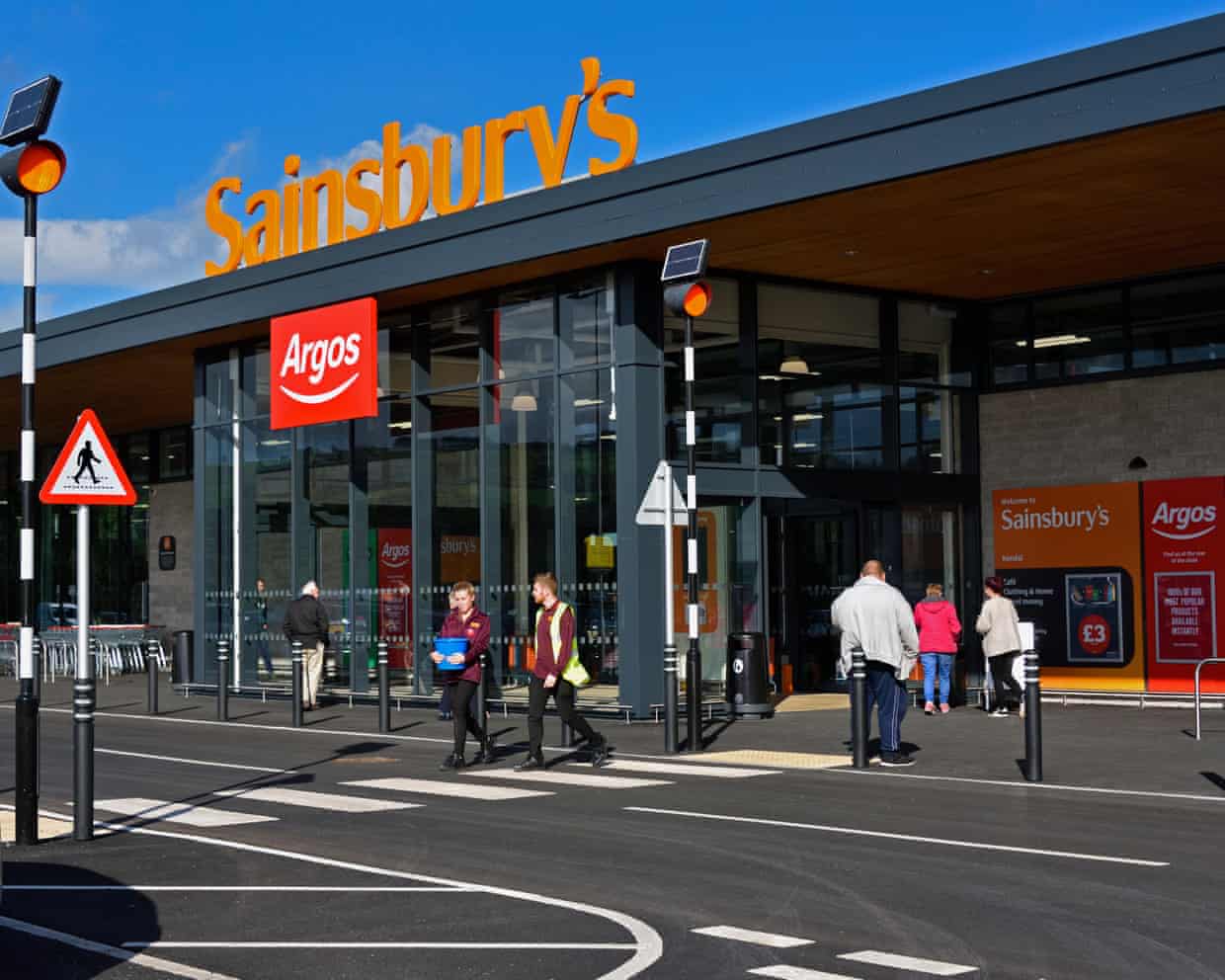
Sainsbury’s has blamed “significant headwinds” from weak consumer confidence, heavy online competition and widespread discounting for a fall in sales at its Argos chain over the all-important Christmas quarter.The UK’s second-largest grocer said its supermarkets increased sales by 3.4% at established stores in the three months to 3 January but Argos sales fell 1% in the period.Argos, which has more than 600 stores and 400 collection points, most of which are within Sainsbury’s outlets, performed particularly badly in the crucial final six weeks, with total sales down 2.2% compared with the Sainsbury’s chain’s 4
Mining firms Rio Tinto and Glencore restart $260bn merger talks
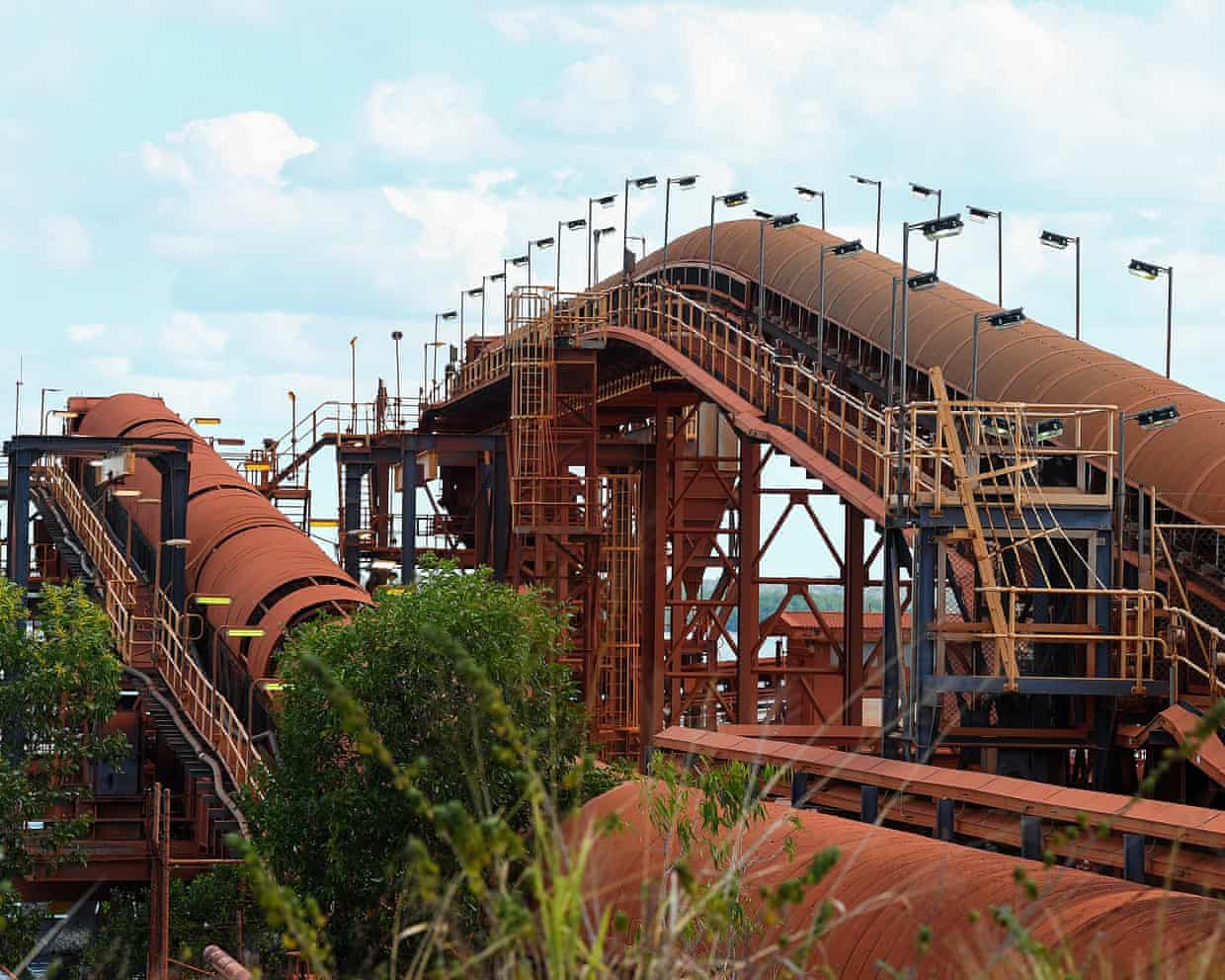
Rio Tinto and Glencore have restarted talks over a merger that would create the world’s largest mining company.The talks come almost a year after previous discussions between the two mining companies collapsed. If a deal is agreed, it would create a global mining business with an enterprise value of more than $260bn (£193bn).The two companies said on Friday that they were in “preliminary discussions” about a “possible combination of some or all of their businesses, which could include an all-share merger”.Rio Tinto, which has an enterprise value of $162bn, said the deal under discussion would potentially result in it acquiring Glencore
UK politics: Reform UK mayoral candidate apologises for Lammy ‘go home’ tweet – as it happened
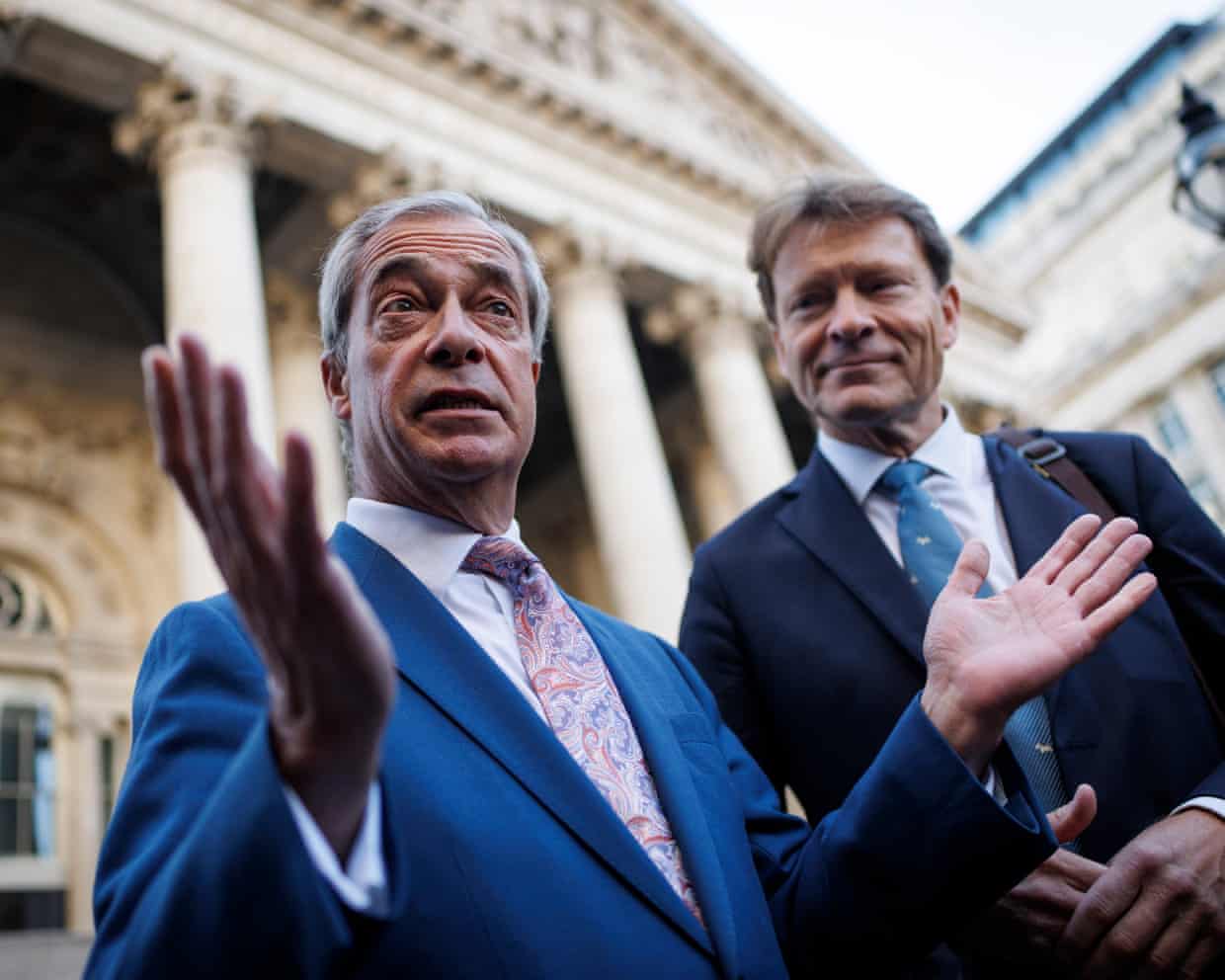
Lib Dems call on Reform MPs to donate income from X to charity amid Grok row

Home Office tells Gaza academic his bid to bring family to UK not urgent
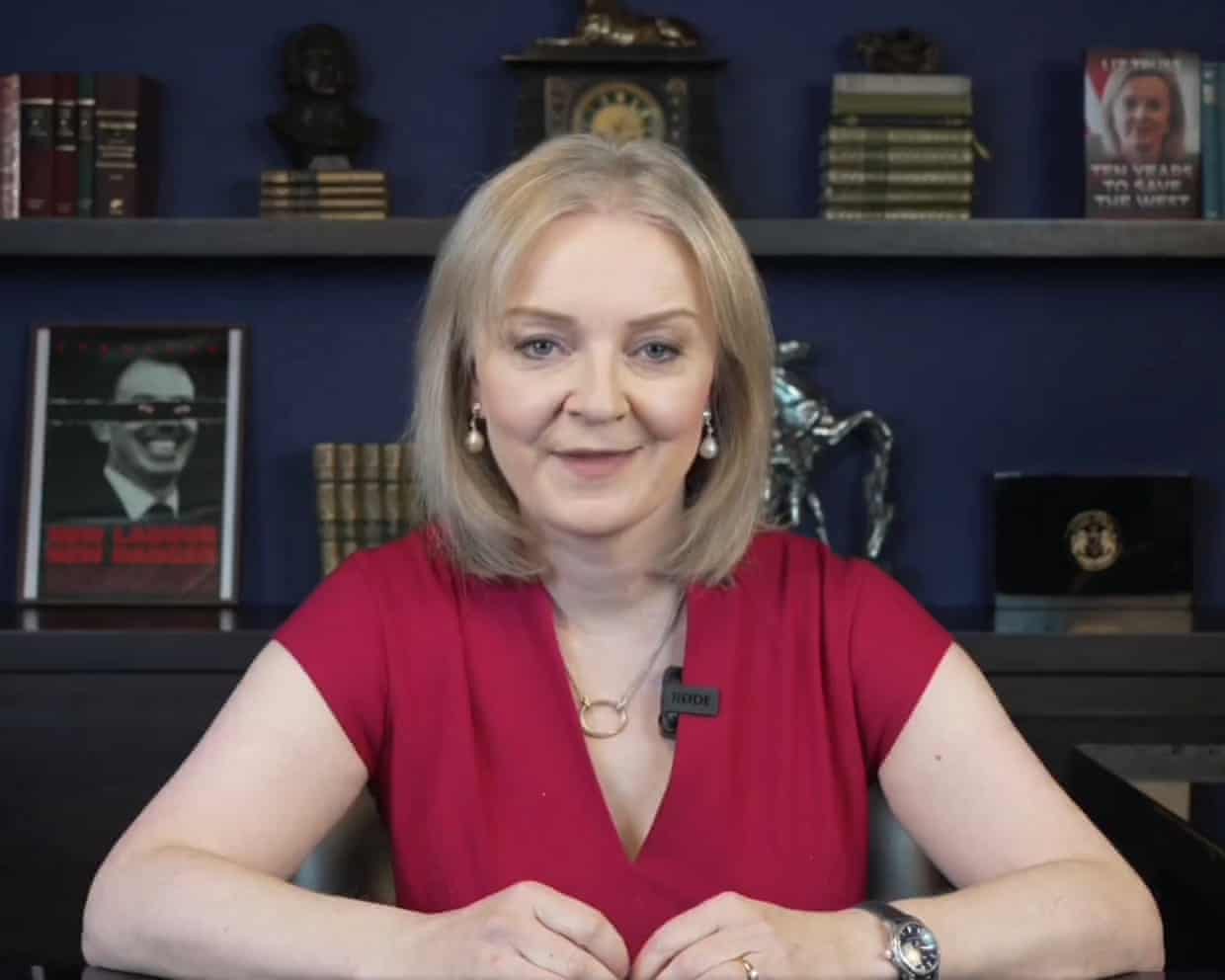
The world is in chaos. So thank God for the UK’s lone fixed point: Liz Truss
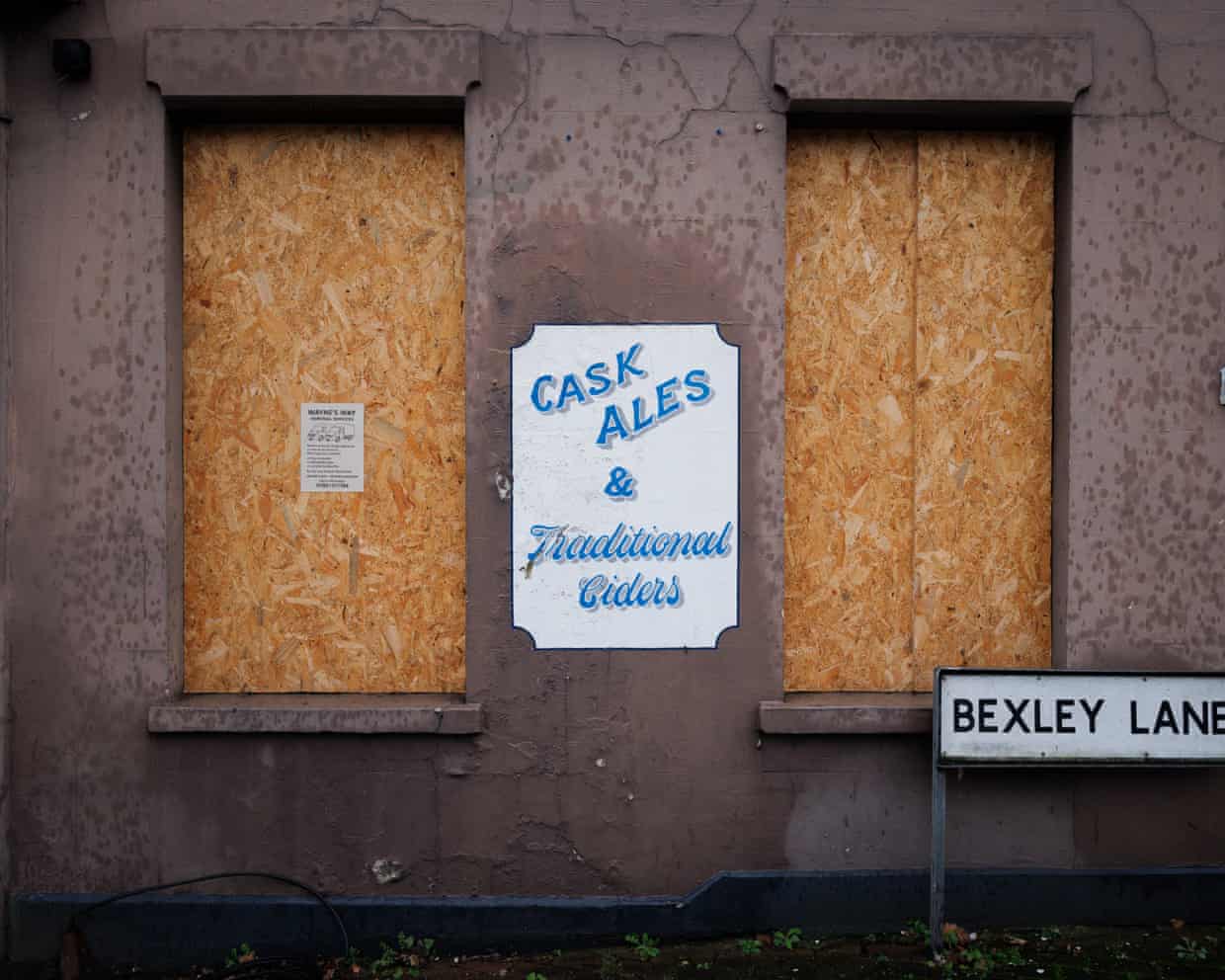
Labour’s swift pubs U-turn shows government learning – and repeating Treasury mistakes

Software tackling deepfakes to be piloted for Scottish and Welsh elections