The world heard JD Vance being booed at the Olympics. Except for viewers in the US | Bryan Armen Graham
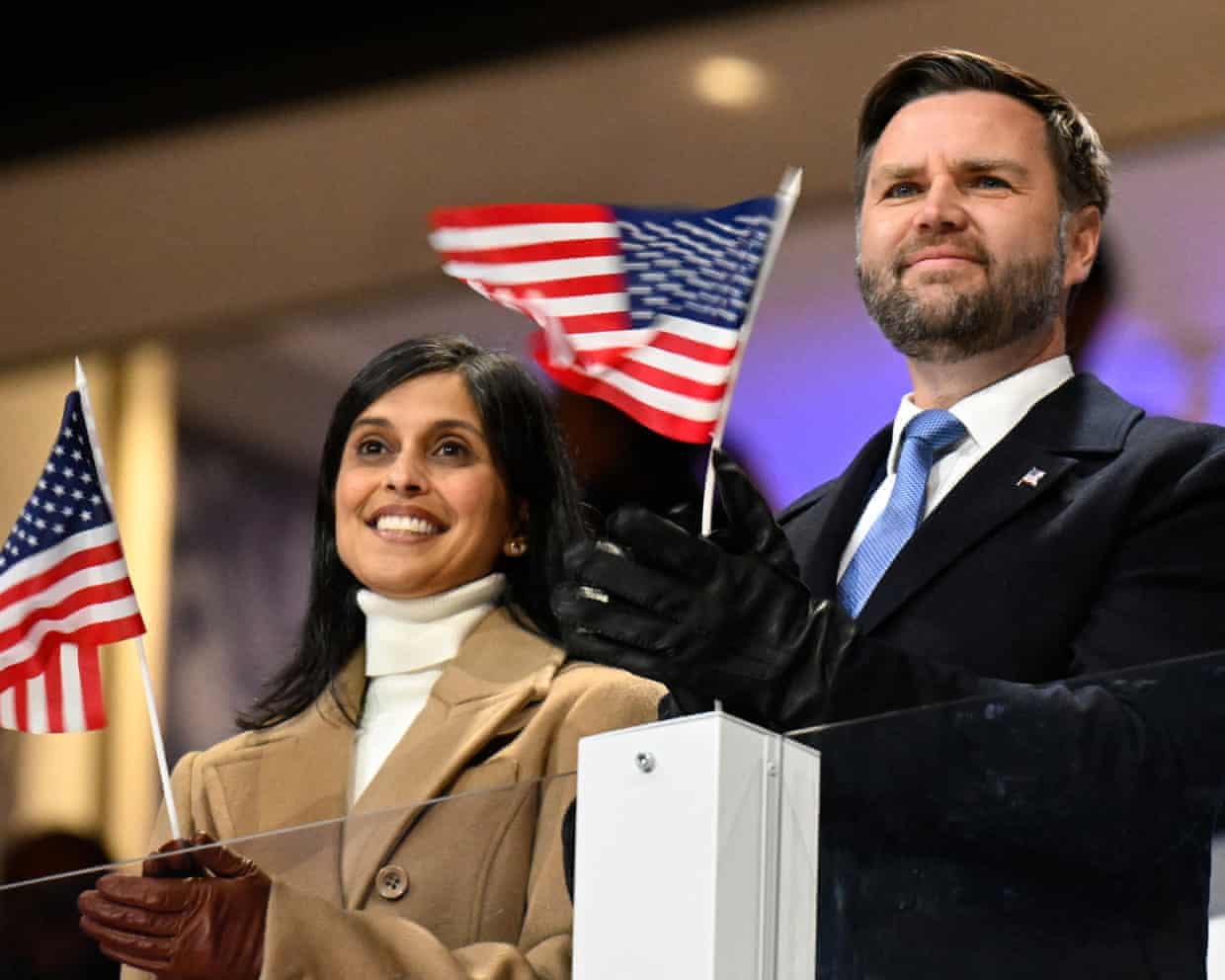
The modern Olympics sell themselves on a simple premise: the whole world, watching the same moment, at the same time.On Friday night in Milan, that illusion fractured in real time.When Team USA entered the San Siro during the parade of nations, the speed skater Erin Jackson led the delegation into a wall of cheers.Moments later, when cameras cut to US vice-president JD Vance and second lady Usha Vance, large sections of the crowd responded with boos.Not subtle ones, but audible and sustained ones.
Canadian viewers heard them.Journalists seated in the press tribunes in the upper deck, myself included, clearly heard them.But as I quickly realized from a groupchat with friends back home, American viewers watching NBC did not.On its own, the situation might once have passed unnoticed.But the defining feature of the modern sports media landscape is that no single broadcaster controls the moment any more.
CBC carried it.The BBC liveblogged it.Fans clipped it.Within minutes, multiple versions of the same happening were circulating online – some with boos, some without – turning what might once have been a routine production call into a case study in information asymmetry.For its part, NBC has denied editing the crowd audio, although it is difficult to resolve why the boos so audible in the stadium and on other broadcasts were absent for US viewers.
But in a broader sense, it is becoming harder, not easier, to curate reality when the rest of the world is holding up its own camera angles,And that raises an uncomfortable question as the United States moves toward hosting two of the largest sporting events on the planet: the 2026 men’s World Cup and the 2028 Los Angeles Olympics,If a US administration figure is booed at the Olympics in Los Angeles, or a World Cup match in New Jersey or Dallas, will American domestic broadcasts simply mute or avoid mentioning the crowd audio? If so, what happens when the world feed, or a foreign broadcaster, shows something else entirely? What happens when 40,000 phones in the stadium upload their own version in real time?The risk is not just that viewers will see through it,It is that attempts to manage the narrative will make American broadcasters look less credible, not more,Because the audience now assumes there is always another angle.
Every time a broadcaster makes that trade – credibility for insulation – it is a trade audiences eventually notice.There is also a deeper structural pressure behind decisions like this.The Trump era has been defined in part by sustained hostility toward media institutions.Broadcasters do not operate in a vacuum; they operate inside regulatory environments, political climates and corporate risk calculations.When presidents and their allies openly threaten or target networks, it is naive to pretend that has no downstream effect on editorial choices – especially in high-stakes live broadcasts tied to billion-dollar rights deals.
But there is a difference between contextual pressure and visible reality distortion.When global audiences can compare feeds in real time, the latter begins to resemble something else entirely: not editorial judgment, but narrative management.Which is why comparisons to Soviet-style state-controlled broadcasting models – once breathless rhetorical exaggerations – are starting to feel less hyperbolic.The irony is that the Olympics themselves are built around the idea that sport can exist alongside political tension without pretending it does not exist.The International Olympic Committee’s own language – athletes should not be punished for governments’ actions – implicitly acknowledges that governments are part of the Olympic theater whether organizers like it or not.
Friday night illustrated that perfectly.American athletes were cheered, their enormous contingent given one of the most full-throated receptions of the night.The political emissaries were not universally welcomed.Both things can be true at once.Crowd dissent is not a failure of the Olympic ideal.
In open societies, it is part of how public sentiment is expressed.Attempting to erase one side of that equation risks flattening reality into something audiences no longer trust.And if Milan was a warning shot, Los Angeles is the main event.Since Donald Trump’s first term, American political coverage around sport has fixated on the micro-moments: Was the president booed or cheered? Did the broadcast show it? Did he attend or skip events likely to produce hostile crowds? The discourse has often felt like a Rorschach test, filtered through partisan interpretation and selective clips.The LA Olympics will be something else entirely.
There is no hiding from an opening ceremony for Trump.No ducking a stadium when the Olympic Charter requires the host country’s head of state to officially declare the Games open.No controlling how 200 international broadcasters carry the moment.If Trump is still in the White House on 14 July 2028, one month after his 82nd birthday and in the thick of another heated US presidential campaign, he will stand in front of a global television audience as a key part of the opening ceremony.He will do so in California, in a political environment far less friendly than many domestic sporting venues he has appeared in over the past decade.
And he will do it in a city synonymous with the political opposition, potentially in the back yard of the Democratic presidential candidate.There will be some cheers.There will almost certainly be boos.There will be everything in between.And there will be no way to make them disappear.
The real risk for American broadcasters is not that dissent will be visible.It is that audiences will start assuming anything they do not show is being hidden.In an era when trust in institutions is already fragile, that is a dangerous place to operate from.The Olympics have always been political, whether through boycotts, protests, symbolic gestures or crowd reactions.What has changed is not the politics.
It is the impossibility of containing the optics.Milan may ultimately be remembered as a small moment – a few seconds of crowd noise during a long ceremony.But it also felt like a preview of the next phase of global sport broadcasting: one where narrative control is shared, contested and instantly verifiable.The world is watching.And this time, it is also recording.
People with dementia are still people, with joys and interests of their own | Letters
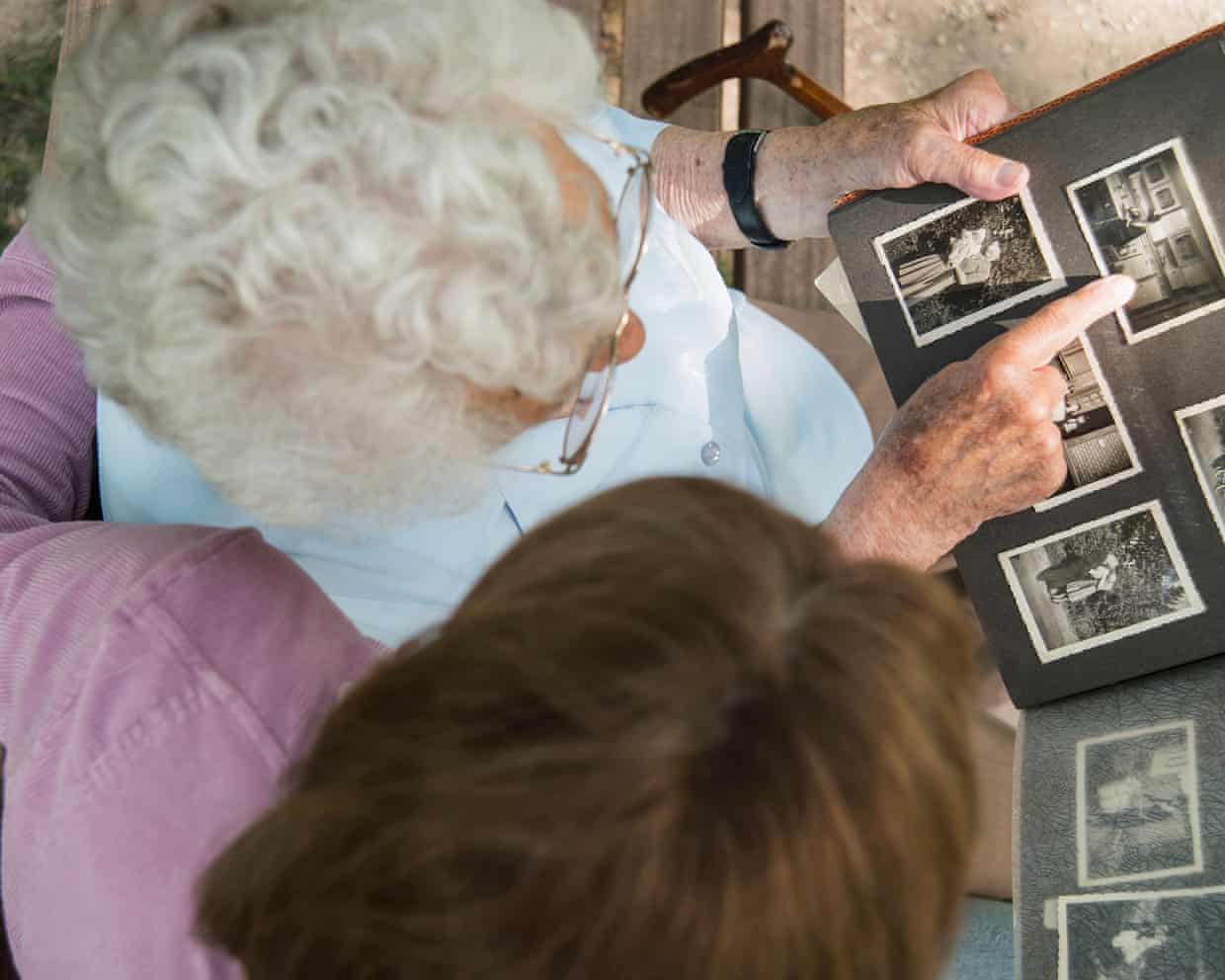
Well said, Jo Glanville (Reading was the key to breaking through the fog of my parents’ dementia, 1 February). Our mother lived with vascular dementia for many years, but she wasn’t “dead” or “as good as dead”. Far too many people believe this, even people whose loved ones have had dementia, and it’s a dangerous belief that undermines the rights of people who are already extremely vulnerable.Mum was alive and herself right to the end, even when she had become bedbound and crippled, even when somebody who could once have chatted for England barely spoke any more. But in those last few years, when she could no longer read for herself, Dad or I (or my brothers when they visited) read to her every day, and even when she didn’t say much, I could tell by the expression on her face whether she was enjoying it or not

NHS hiring bans in cancer units shortsighted and dangerous, doctors warn
Hospitals have banned units that diagnose and treat cancer from hiring doctors as part of an NHS cost-cutting drive, despite the growing demand for care.Exactly half of the UK’s 60 specialist cancer treatment centres had a freeze on recruiting clinical oncologists imposed on them during 2025, more than double the 13 (23%) seen the year before.Similarly, more than a third (36%) of the 160 radiology departments – which perform and analyse scans – were subjected to a ban last year on hiring clinical radiologists, up from 19% in 2024, according to information supplied by 138 of the UK’s 160 such units.The Royal College of Radiologists, which collected the figures, warned that the dramatic rise in staffing freezes could lead to “dangerous” delays in cancers being spotted and treated.Dr Stephen Harden, the RCR’s president, criticised the bans as “shortsighted”, bad for patients, damaging to NHS personnel’s morale and likely to cost more money in the long term
Most statin side-effects not caused by the drugs, study finds
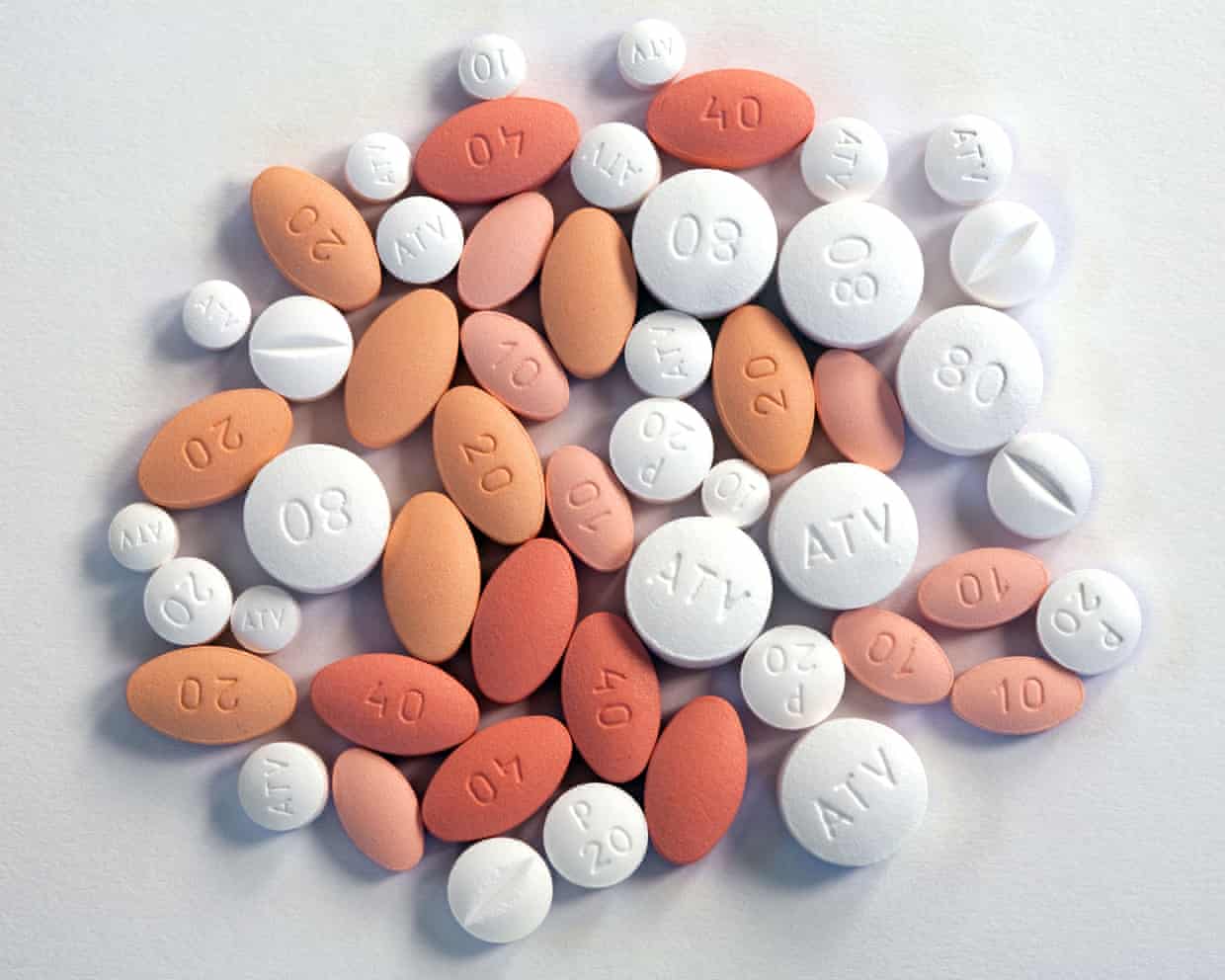
Almost all side-effects listed for statins are not caused by the drugs, according to the world’s most comprehensive review of evidence.Other than the well-known risks around muscle pain and diabetes, only four of 66 other statin side-effects listed on labels – liver test changes, minor liver abnormalities, urine changes and tissue swelling – are supported by evidence. And the risks are very small, according to the systematic review and meta-analysis published in the Lancet.Statins have been used by hundreds of millions of people worldwide over the last three decades and are proven to reduce heart attacks, strokes and cardiovascular deaths. At the same time, millions have been put off the drugs amid long-running safety concerns, with statin labels listing dozens of possible side-effects

Alton Towers to test excluding people with autism and ADHD from disability fast lane
People with attention deficit hyperactivity disorder (ADHD), anxiety and autism will be prevented from using fast-lane disability queueing passes at Alton Towers during a trial over the February half-term holidays.Merlin Entertainments, which runs the theme park in Staffordshire, provides a “ride access pass” to visitors who have difficulty queueing due to a disability or medical condition.The pass allows guests to book a slot on a virtual queueing system for themselves and up to three companions. They are then allowed to wait for their turn away from often crowded queues.But the company said disabled visitors with “additional accessibility needs” have said the digital pass “simply isn’t working for them, particularly as demand has grown and queue times for these guests have increased”
Violence is part and parcel of how prisons function | Letter
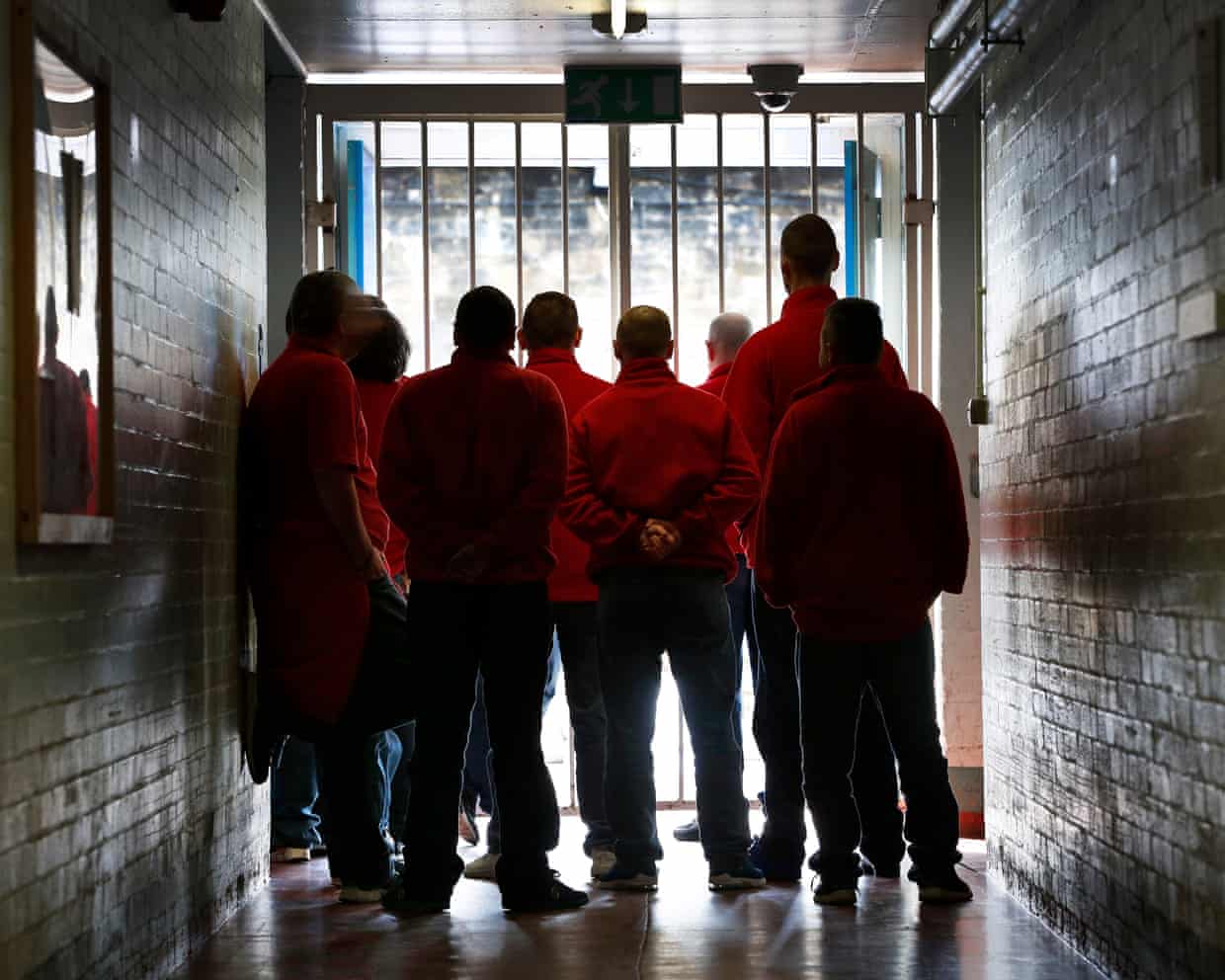
Alex South’s article (Death on the inside: as a prison officer, I saw how the system perpetuates violence, 13 January) limits the scope of prison violence to individual acts by focusing on prisoner-on-prisoner homicides. But violence is part and parcel of how prisons function.Hundreds of people die in prison each year, the majority by suicide, medical neglect or drugs. Even if we focus on homicides, they reveal how violence operates at an institutional level. Last year, the inquest of Sundeep Ghuman exposed how it was multiple failures by the prison, not just the actions of his cellmate, that led to his unlawful killing
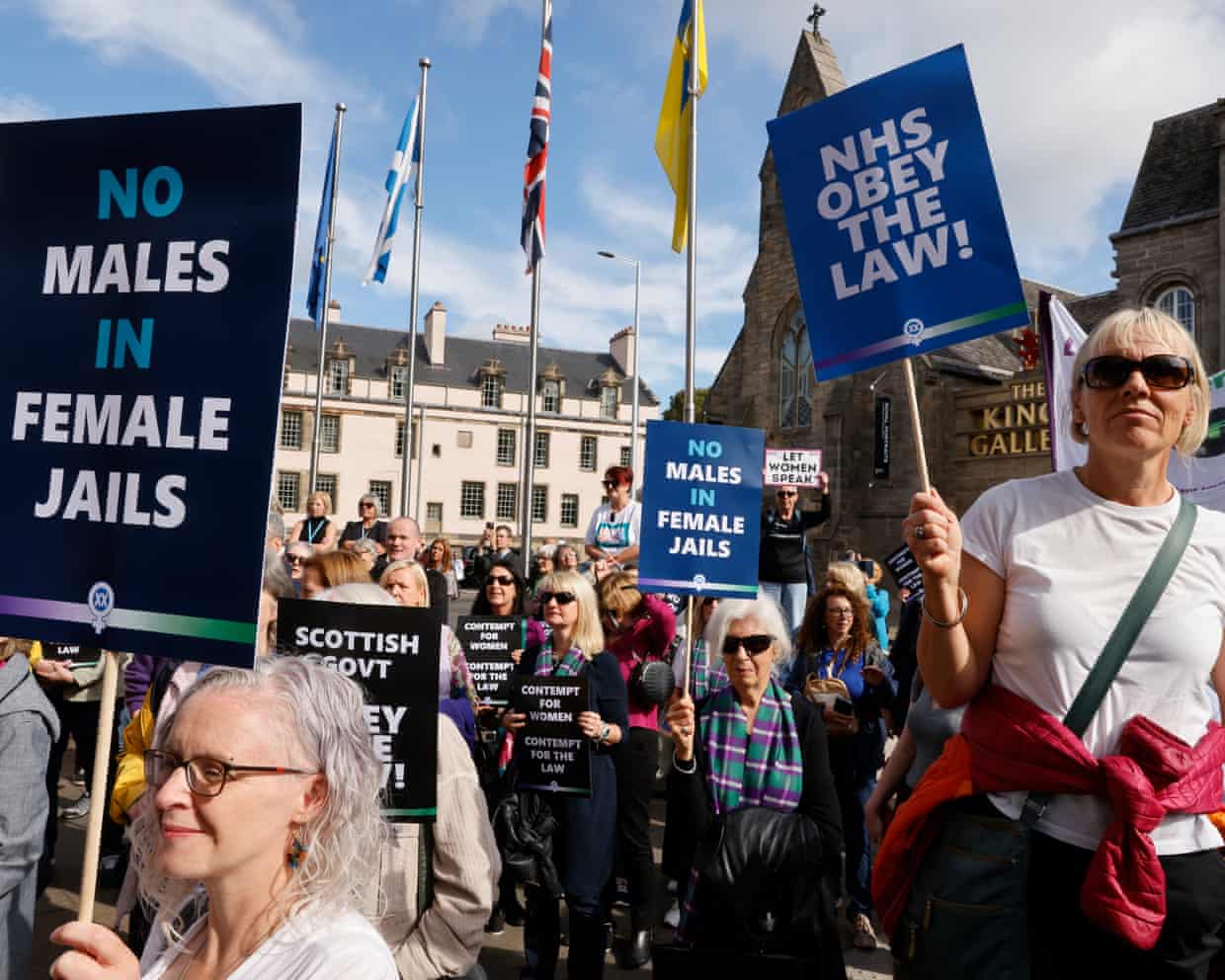
Blanket rule on trans women in men’s prisons would deny their identity, says Scottish government
A blanket rule to house transgender women in men’s prisons, even when they pose no risk to others, would be a “fundamental denial” of their identity, the Scottish government has argued.Placing a trans inmate in a prison that does not align with their lived gender runs counter to the aims of rehabilitation, Gerry Moynihan KC said on Thursday as he set out Scottish ministers’ position that a blanket rule on where prisoners are housed could contravene obligations under the European convention on human rights.In its latest court battle with the SNP government, For Women Scotland is challenging guidance that says trans prisoners should be housed according to individual risk assessment, which the group argues is contrary to the supreme court’s ruling on women-only spaces.For Women Scotland brought the original challenge that resulted in last April’s landmark ruling that the definition of a woman in equalities law refers to biological sex.Arguing that the supreme court decision was “not a universal proposition” but only for the purposes of the Equality Act, Moynihan said: “Where a transgender prisoner does not pose an article 8 problem, does not threaten the rights of others – are we to have an absolute rule that says that they must be accommodated in a prison of their sex?“Why? The sole reason is that they are to be classified as a man

‘It has to be amazing’: Liberty links with Bridgerton as it capitalises on maximalist trend
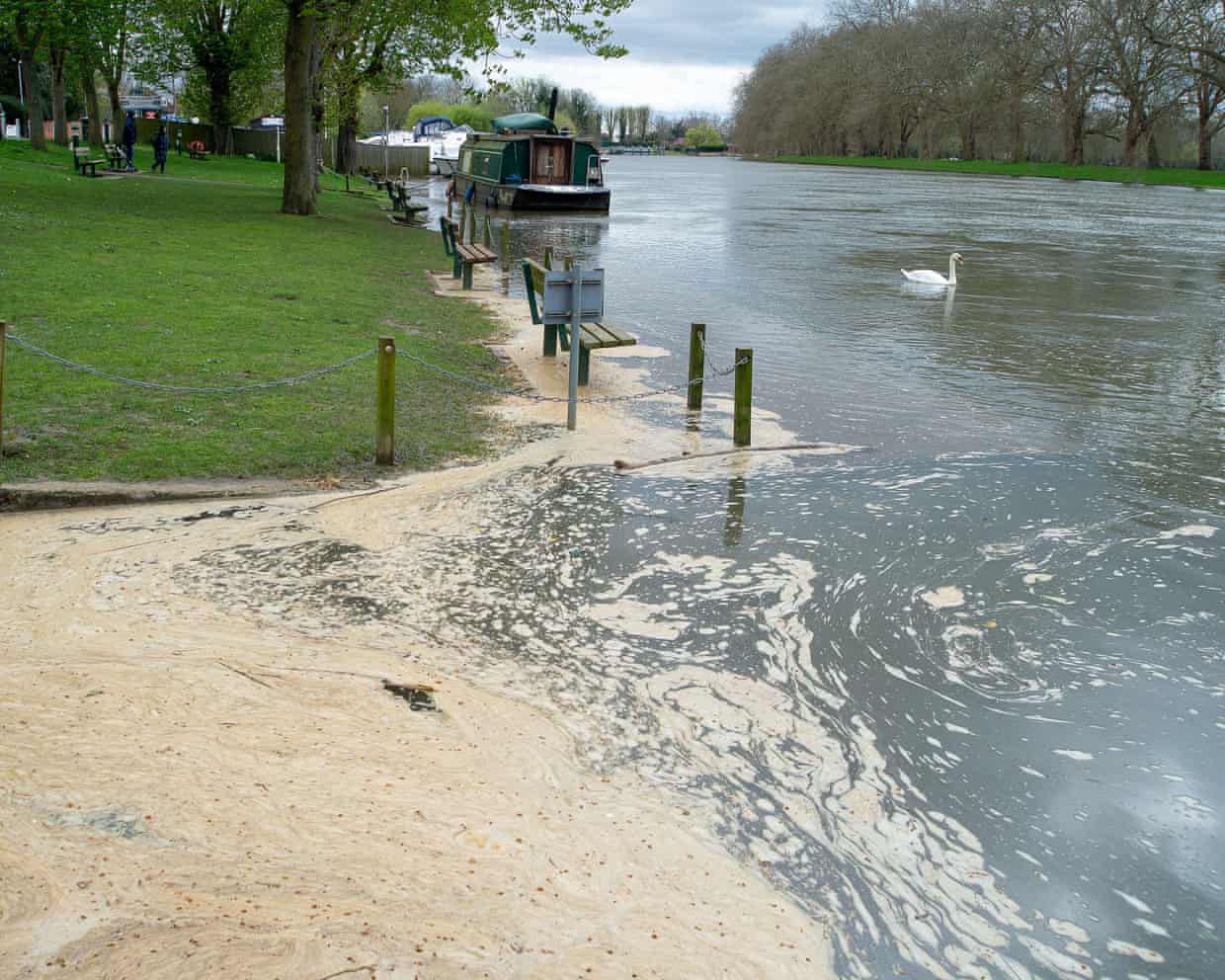
Water bosses in England exploiting bonus loophole face crackdown
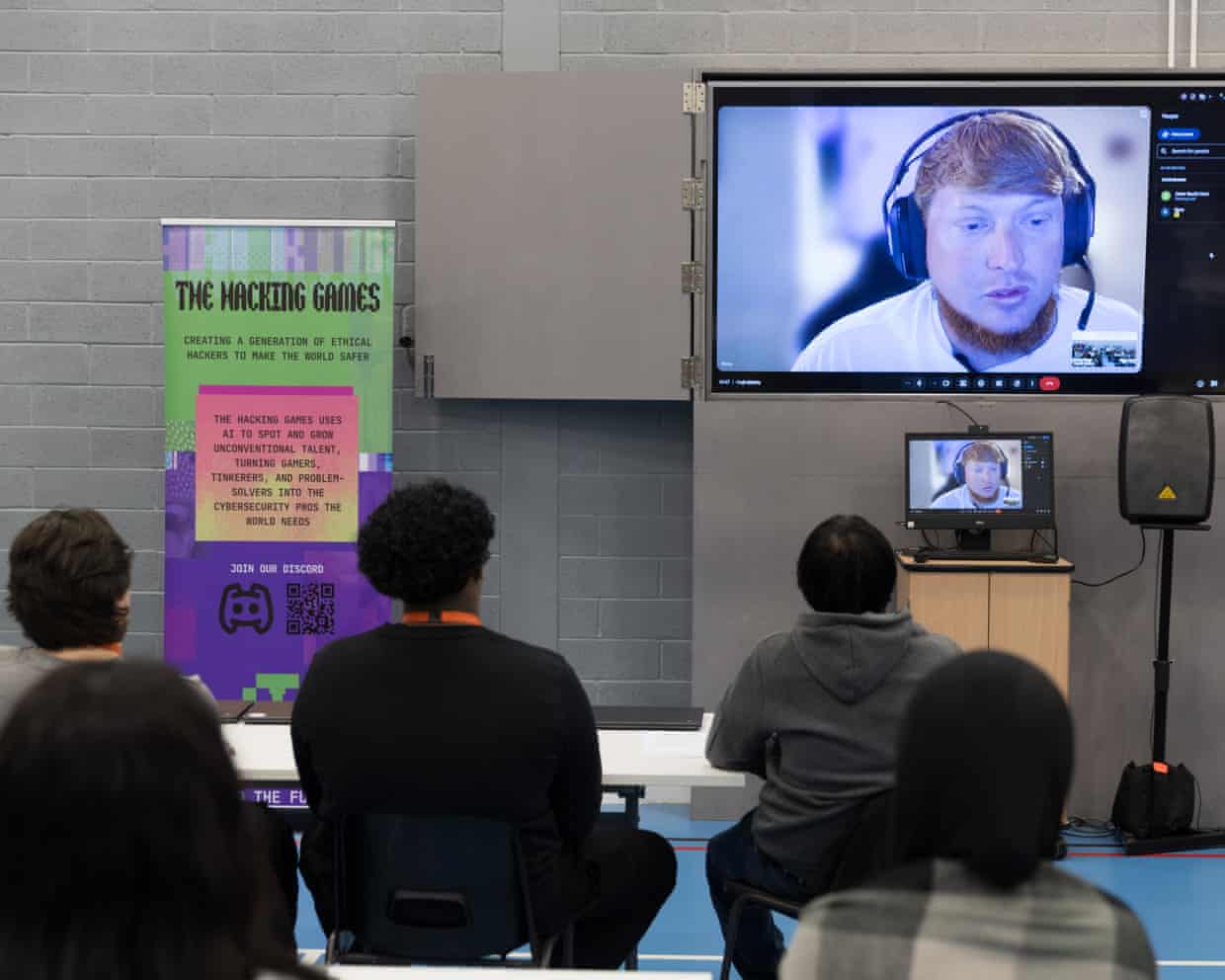
‘I fell into it’: ex-criminal hackers urge Manchester pupils to use web skills for good
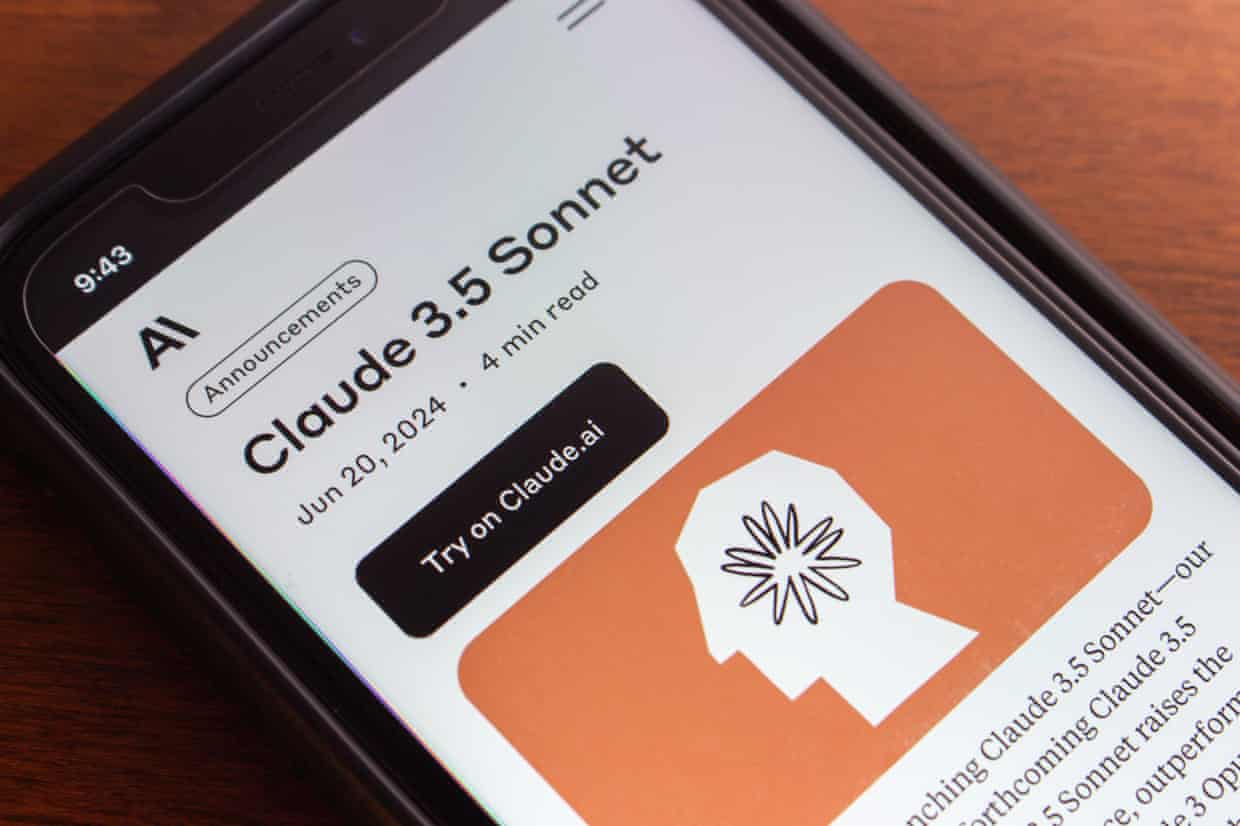
Battle of the chatbots: Anthropic and OpenAI go head-to-head over ads in their AI products
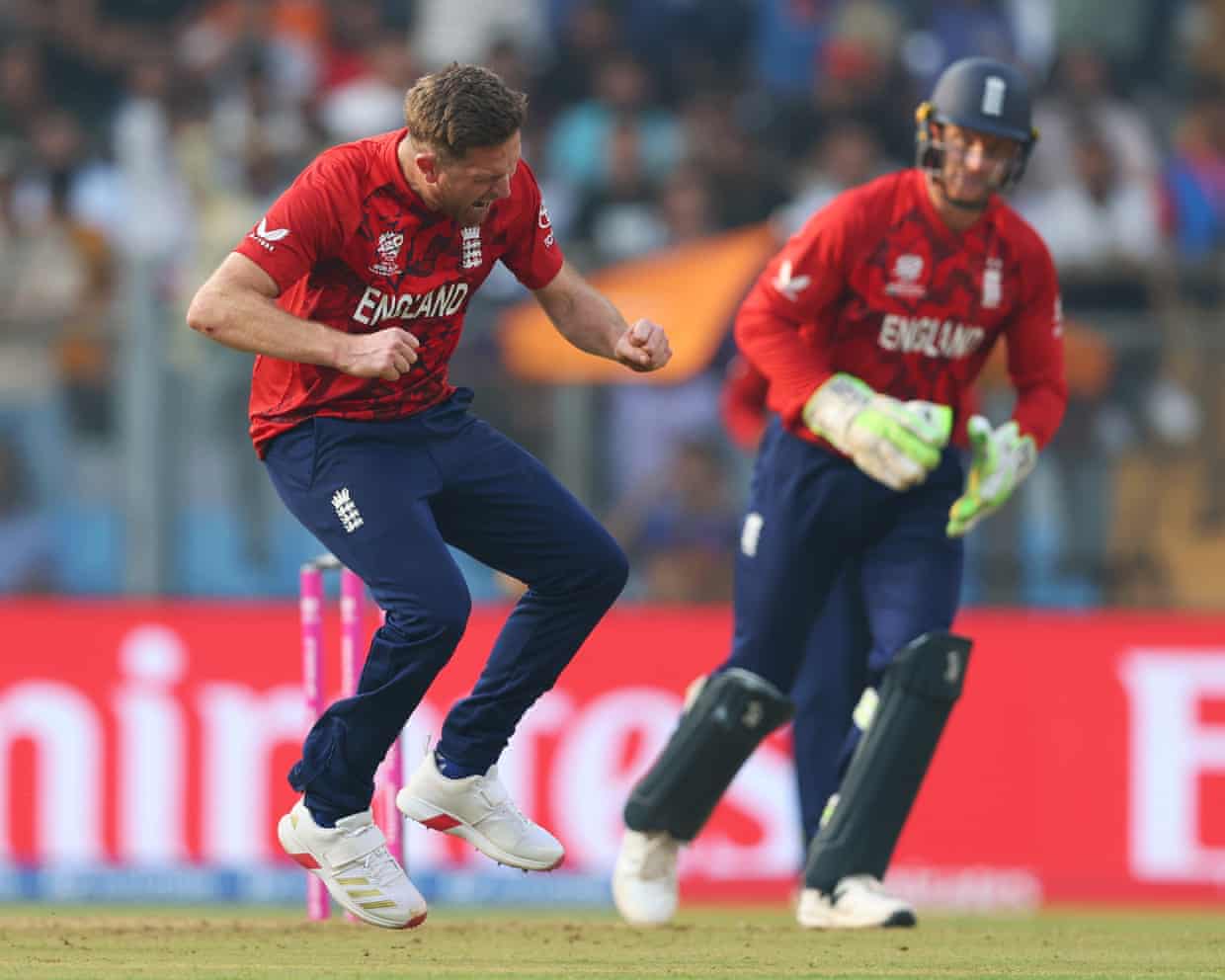
England v Nepal: Men’s T20 World Cup 2026 – live updates
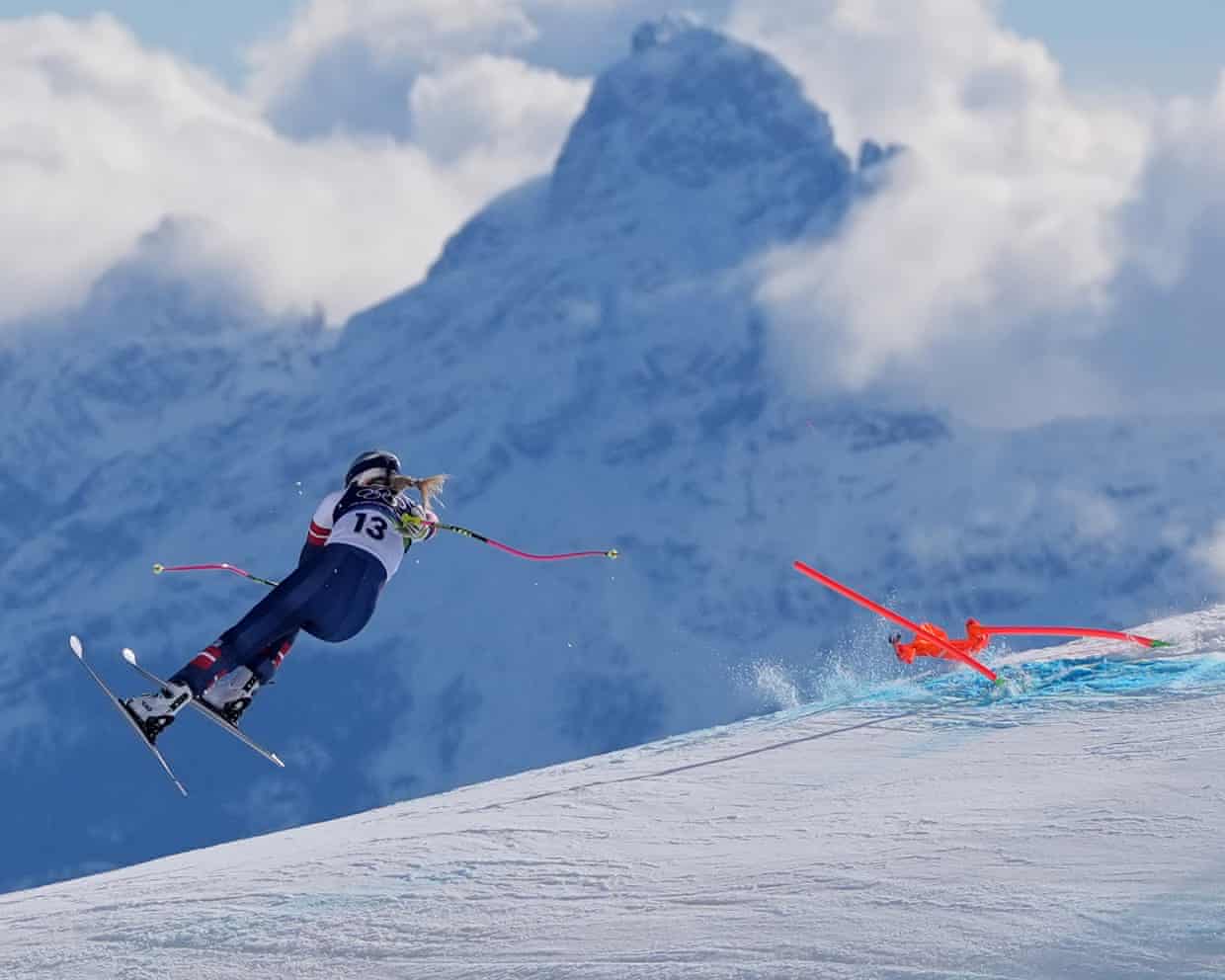
Winter Olympics 2026: Vonn crashes on downhill run, snowboarding and more – live