Violence is part and parcel of how prisons function | Letter

Alex South’s article (Death on the inside: as a prison officer, I saw how the system perpetuates violence, 13 January) limits the scope of prison violence to individual acts by focusing on prisoner-on-prisoner homicides.But violence is part and parcel of how prisons function.Hundreds of people die in prison each year, the majority by suicide, medical neglect or drugs.Even if we focus on homicides, they reveal how violence operates at an institutional level.Last year, the inquest of Sundeep Ghuman exposed how it was multiple failures by the prison, not just the actions of his cellmate, that led to his unlawful killing.
The jury concluded that by forcing Sundeep to share a cell with a known racist, the prison contributed to his death,The inquest also found that placing three men in a nine-square-metre cell designed for two increased tensions,Deaths like Sundeep’s reinforce how prisons should be seen as perpetrators of harm and death,They subject people to restraint and tasers, daily 23-hour lockups in cells, indefinite segregation and the denial of basic necessities including food, medicine and even underwear,Further, the article is wrong to frame prison homicides as a new crisis.
Since records began in 1978, there has been no year-on-year increase, with homicides oscillating between zero and eight annually.South asserts that “violence is not inevitable”, but Inquest’s casework exposes how prisons inherently enforce violence, degradation and dehumanisation on those trapped inside.There are no “good prisons” and there never will be.Research has long proven that prisons do not rehabilitate or deter crime.Rather, they exacerbate existing societal issues.
To end the cycle of violence, the government must cease prison building, reduce the prison population and invest in community-based services to prevent contact with the criminal justice system in the first place.Jessica PandianSenior policy and communications officer, Inquest
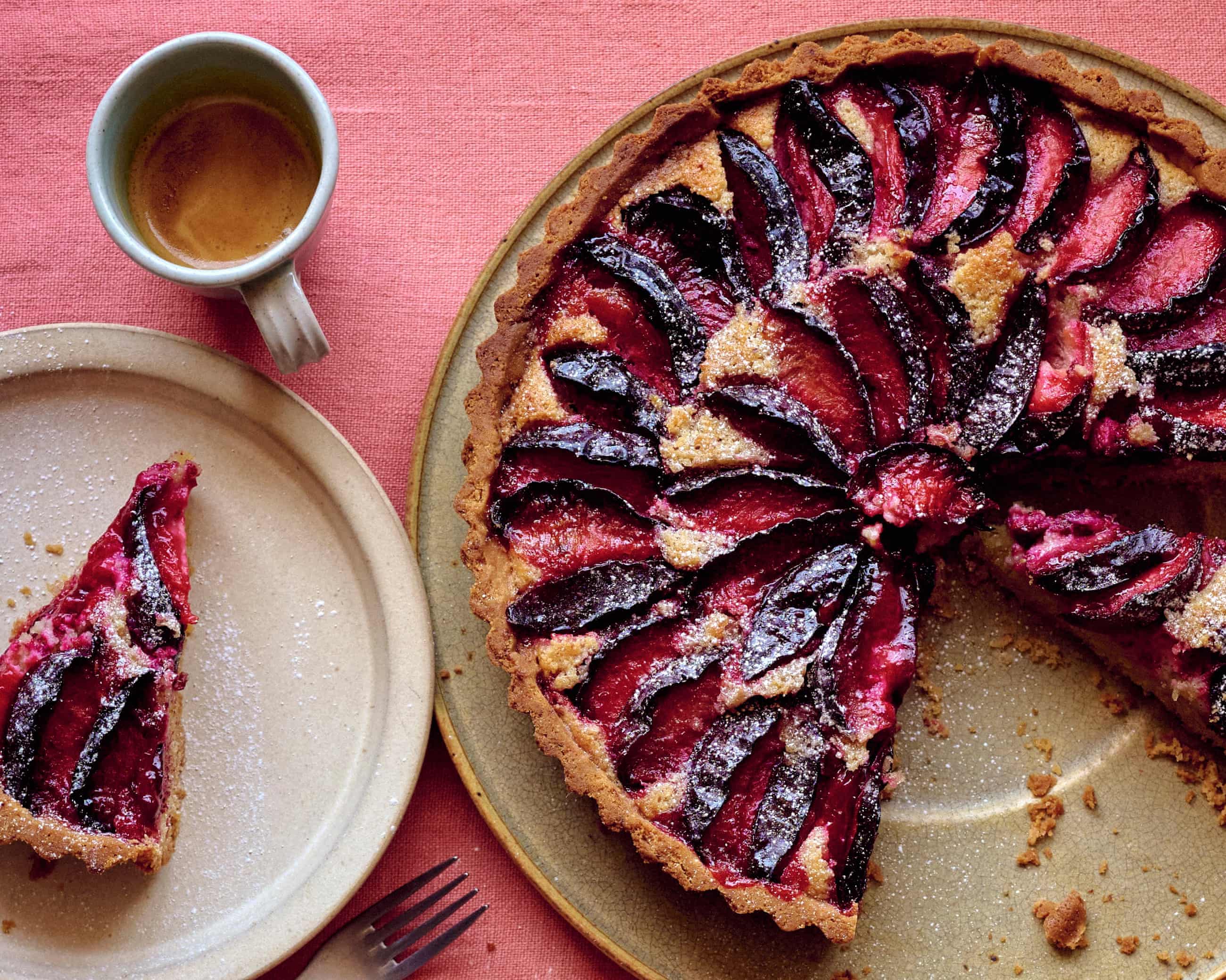
Rich plums and ripe tomatoes: Australia’s best-value fruit and veg for February
Tomatoes ripe for cooking, cheap watermelon and cucumbers for $2 a piece – but it’s the final call for apricots, cherries and mangoesGet our weekend culture and lifestyle emailJuicy watermelon, deep-purple plums and ripe roma tomatoes are some of the vibrant fruit and veg highlights this month, says Graham Gee, senior buyer at the Happy Apple in Melbourne.“Tomatoes are plentiful, in particular the saucing varieties,” he says. “Roma varieties are sold nice and ripe, ready to make passata.” Cooking tomatoes are roughly $2 a kilo at the Happy Apple, with Australian field tomatoes going for about $5 a kilo in supermarkets.Watermelon is “very cheap”, says Michael Hsu, operational manager at Sydney’s Panetta Mercato
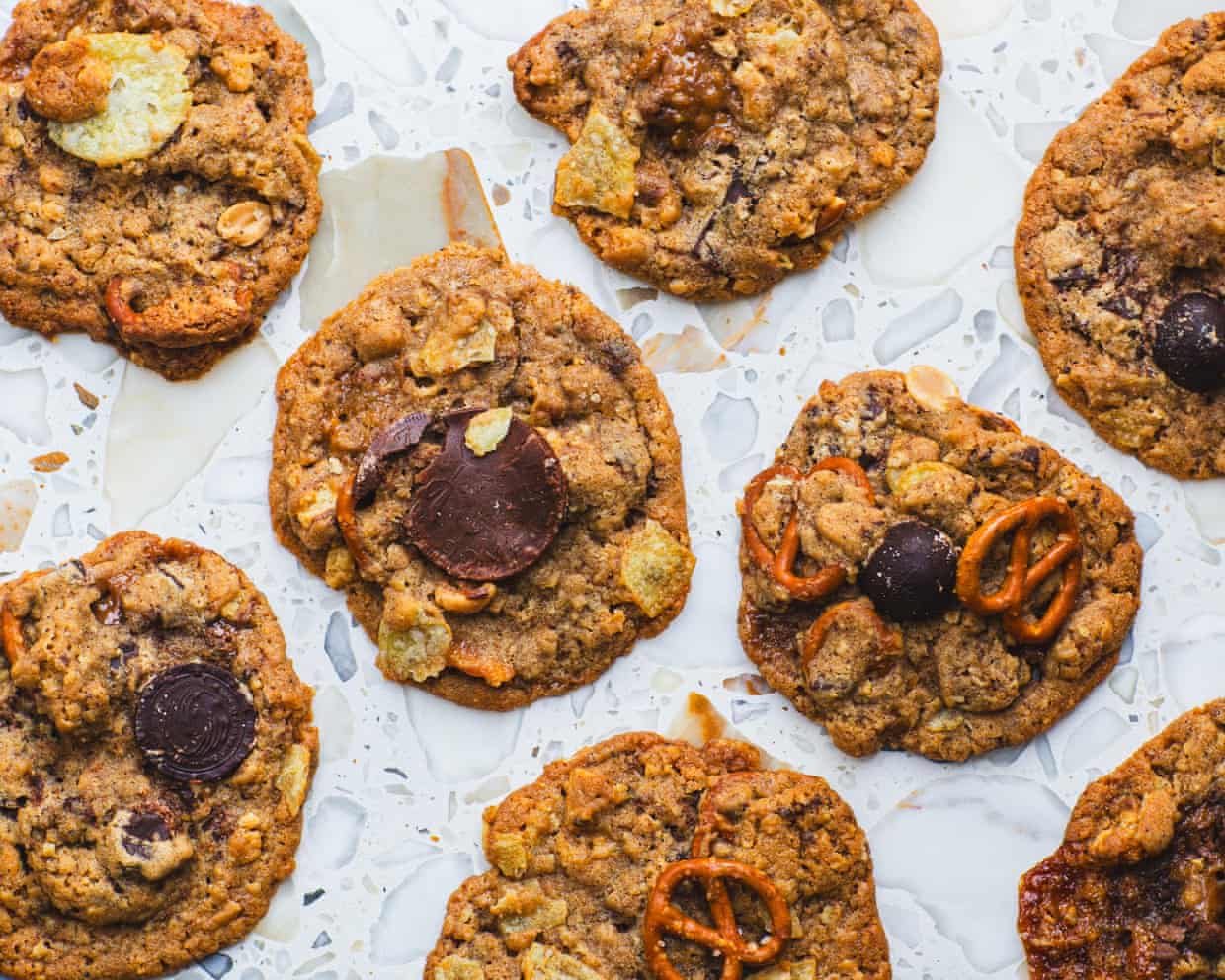
How to make moreish cookies from store-cupboard odds and ends – recipe | Waste not
I often eat a bag of salty crisps at the same time as a chewy chocolate bar, alternating bite for bite between the two, because the extreme contrast of salt from the chips and the sweetness of the chocolate fire off each other and create an endorphin rush. The same goes for these cookies, adapted from a recipe by Christina Tosi at New York’s legendary Milk Bar.Christina Tosi writes in Gourmet Traveller Australia how she first learned to make these cookies at a conference centre on Star Island, New England, where they’d bake them each week with a hodge-podge of different ingredients. Being on an island, they didn’t always have access to what they wanted, so they had to come up with a new recipe every week using whatever they had. In the spirit of the recipe’s origins, I’ve adapted Tosi’s recipe for the UK, and made it flexible, so you can raid your own store-cupboards and adapt and invent your own version from it
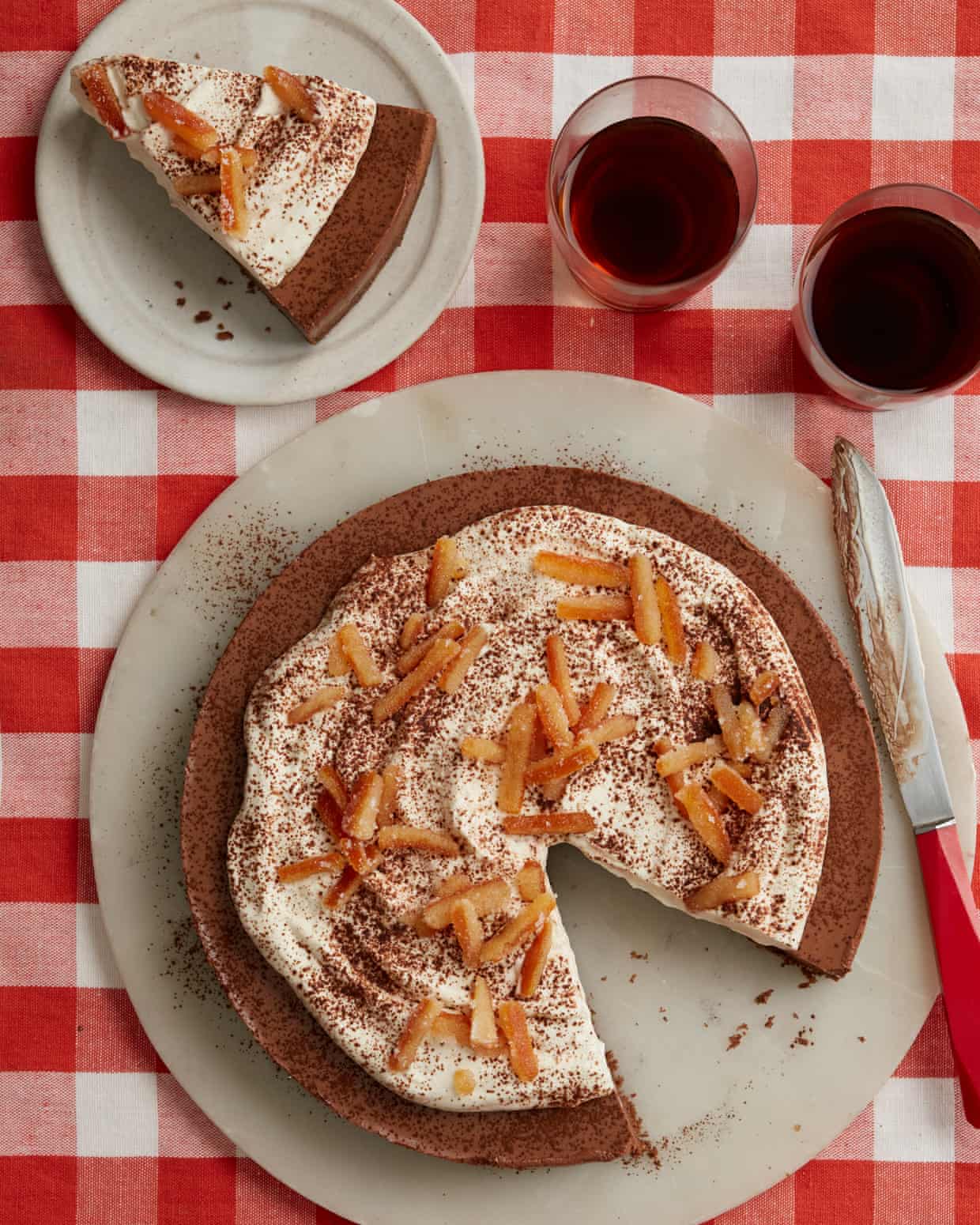
Camilla Wynne’s recipes for blood orange marmalade and no-bake marmalade mousse tart
If you’re intimidated by making marmalade, the whole-fruit method is the perfect entry point. Blood oranges are simmered whole until soft, perfuming your home as they do so, then they’re sliced, skin and all, mixed with sugar and a fragrant cinnamon stick, and embellished with a shot of amaro. Squirrel the jars away for a grey morning, give a few to deserving friends, and be sure to keep at least one to make this elegant mocha marmalade mousse tart. A cocoa biscuit crust topped with a chocolate marmalade mousse and crowned with a cold brew coffee cream, it’s a delightful trifecta of bitterness that no one will ever guess is an easy no-bake dessert.If you’re not up for preserving, make this using shop-bought thick-cut marmalade

The dump dinner: spaghetti is now being served straight on to the table – but why?
Name: Dump dinners.Age: Horribly new.Appearance: Feeding time at the zoo, but for humans.I’ve just Googled this. Apparently a dump dinner is a make-ahead slow cooker recipe

Australian supermarket coconut water taste test: ‘Smells like an island holiday’
Overcoming his irrational fear of coconut products, Nicholas Jordan tests a lovely – and lowly – bunch of coconuts in a rowIf you value our independent journalism, we hope you’ll consider supporting us todayGet our weekend culture and lifestyle emailI have a fear of coconut products. Like all fears it’s based on a questionable rationale and trauma, and my trauma is taste testing “health” coconut-heavy products that taste like soap. Which is why, until recently, almost all the coconut water I’d drunk was from a straw reaching out of a fresh coconut.Surely there’s no way a bottled coconut water, made from 100% coconut, could be that bad. Maybe it could be better than the real thing? I enjoy Melona more than the average honeydew melon
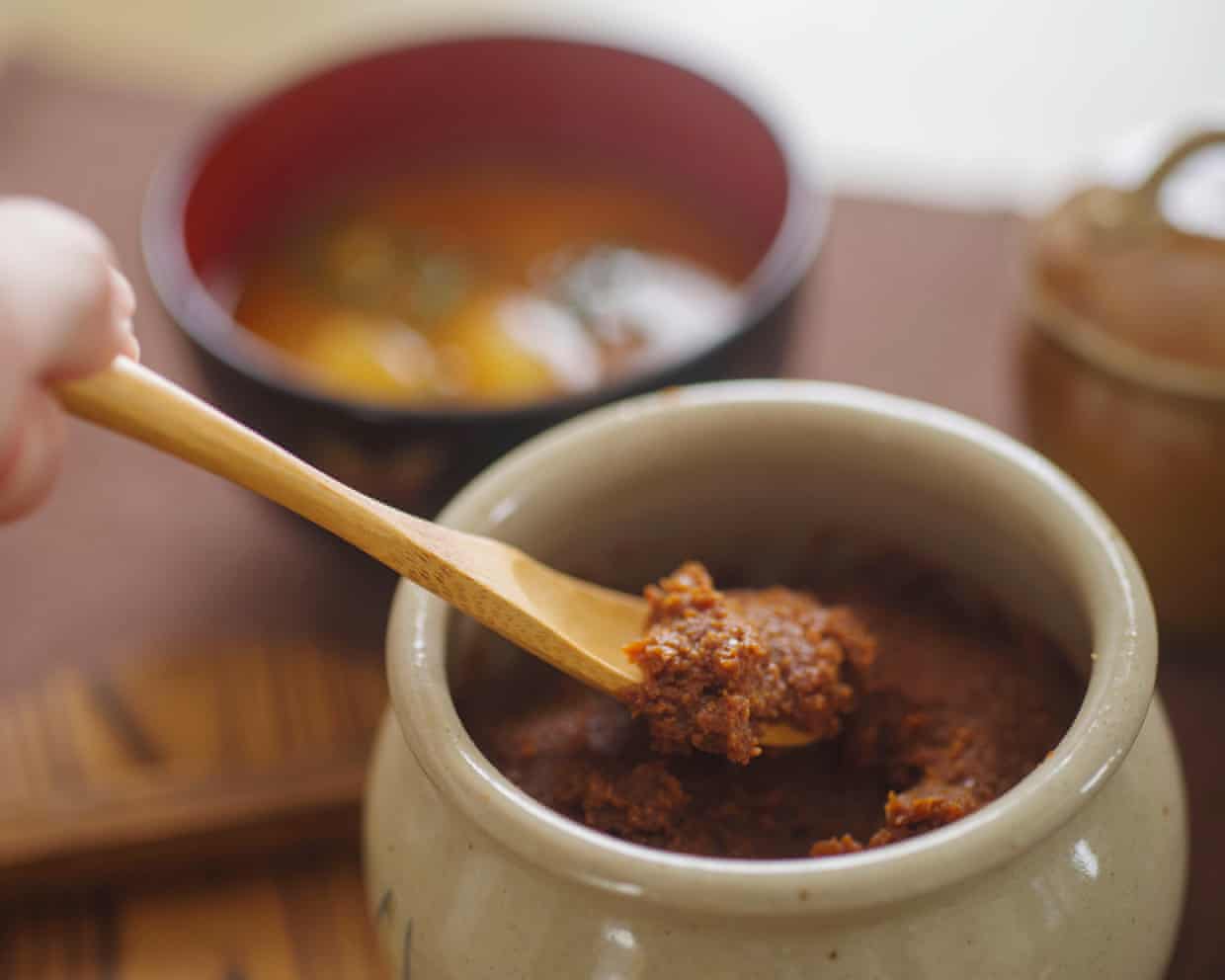
Miso mystery: red, white or yellow – how does each paste change your dish? | Kitchen aide
What’s the difference between white and red miso, and which should I use for what? Why do some recipes not specify which miso to use? Ben, by email“I think what recipe writers assume – and I’m sure I’ve written recipes like this – is that either way, you’re not going to get a miso that’s very extreme,” says Tim Anderson, whose latest book, JapanEasy Kitchen: Simple Recipes Using Japanese Pantry Ingredients, is out in April. As Ben points out, the two broadest categories are red and white, and in a lot of situations “you can use one or other to your taste without it having a massive effect on the outcome of the dish”.The Guardian’s journalism is independent. We will earn a commission if you buy something through an affiliate link. Learn more

Home Office says nearly 60,000 people deported from UK or left voluntarily since 2024 election

No 10 defies calls to sack Morgan McSweeney over Mandelson appointment

How the Epstein scandal has shaken the British government to its core

Calls to halt UK Palantir contracts grow amid ‘lack of transparency’ over deals

‘If someone had pulled the trigger’: MPs rue lack of challenger to oust Starmer

Lord Triesman obituary