‘I really was one of those bandwagon fans’: meet Katharina Nowak, F1’s youngest race president
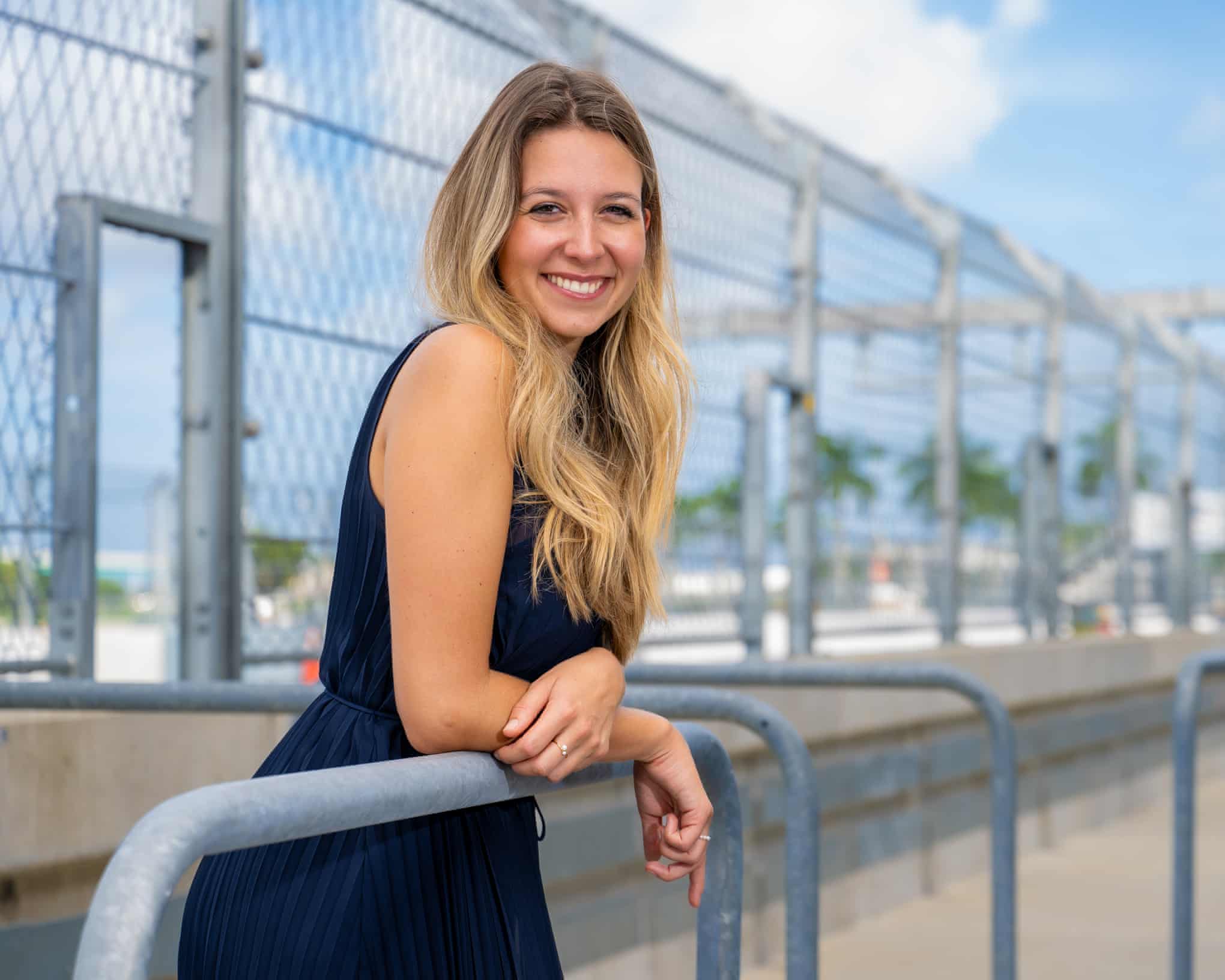
Before her first Miami Grand Prix in charge, Nowak opens up on F1’s boom time in the US and flying the flag for women in the sportThere is an air of buoyant confidence about Katharina Nowak that is striking but also understandable given the robust state of Formula One in the United States and at the Miami Grand Prix, where the 29-year-old who is at the helm of the race believes the sport only has more to come.“F1 is at its strongest right now that we’ve seen, the interest in F1 is still going up and will go further,” she says in the buildup to this weekend’s meeting in Florida.“From my seat at the table, we are seeing the interest continue to grow.“Obviously 2022, when we launched the Miami GP, was a perfect storm but last year ESPN reported record-breaking viewership numbers in the United States for 22 out of the 24 races.We’ve seen it in our success in our ticket sales this year that, there is strong demand for the Miami GP and for F1.
”Nowak was appointed as president of the Miami GP last year, making her at a then 28 the youngest person to hold such a post in F1.Notably she is also one of only two women to to do so, alongside Emily Prazer, the president of the Las Vegas GP, which is run by F1’s owners.Nowak has worked at the Miami GP since its first race in 2022, when a new, glamorous city-based race in the US held in the immediate aftermath of the Covid pandemic made for unprecedented interest and demand.There was debate whether that enormous interest would return as the novelty wore off and, with the addition of the Las Vegas GP alongside the US GP in Austin, whether the US could sustain three meetings.Yet on the eve of the fifth race in Miami, which has a contract until 2041, Nowak sees only positive signs in the market F1 has long coveted.
Every race here has sold out and this year will be no different with demand greater than predicted,“Our ticket sales have really been the defining factor in that this year our renewal numbers were higher than they’ve been in the past years,” she says,“We’ve been pacing ahead of our targets every single month since we went on sale,”Perhaps most interestingly for someone in such a senior position in F1, Nowak comes very much from the vanguard of what some would argue represents the future of the sport,She grew up in Austria and admits to knowing about F1 only really from spending summers with her grandparents and uncles as a little girl and being aware of this “really loud sport” they would watch – a somewhat fleeting association until F1 came to the Hard Rock Stadium, where she was working and where she threw herself at the chance to join the F1 project.
“I’ve actually grown into F1,While I knew what the sport was and I remember summers sitting in front of the TV, I didn’t understand it fully and have a respect for it like I do now,” she says,“I really got an understanding for the sport and respect for the sport while watching [the Netflix documentary series] Drive to Survive,“So I really was one of those bandwagon F1 fans that jumped on once Drive to Survive came out and that gave me an even more a better introduction into working in F1 than I could have probably gotten otherwise,”This may well irk purists, but it is part of the new reality of F1 and its success.
Nowak, who came to the sport though Drive To Survive, is an ideal choice to maintain its dynamic in the US, not least given the demographics Miami is appealing to are exactly those F1 has been targeting.Its sales are a 49-51 split in women to men and skewed toward a young audience.For a young race and a young audience, no one here really cares how they came to the sport, only that they are enjoying it.Innovation remains key, Nowak believes, and this year the circuit has reacted to feedback including adapting a section of the coveted Miami marina and its fake water for general admission tickets.Miami, however, faces pressure from its US counterparts, not least in that Las Vegas’s night race on the streets of Sin City is laying claim to be the glamour destination of the three, possibly creating something of a rivalry given they are in competition for attention.
“I get asked that quite a bit,” says Nowak.“I always have to say that I actually don’t think there is.Credit goes to F1 for allowing each of the promoters around the calendar to really have their own identity and show off who they are in their own way.We’re seeing more and more new audiences coming to the GP.So I think we’ve got more than enough room for all three of us races to continue to succeed and grow in the United States.
”Nowak is confident, then, on the eve of her first weekend leading the show in Miami.It is a position from where she feels she can also make a difference in what remains a male-dominated arena.F1 is changing and Miami, in more ways than one, is very much part of it.“I do feel a certain responsibility for the women of our organisation but also the women in the other motorsport roles to show them that it is possible and what it takes to get here,” she says.“There are 250 women that work for Hard Rock Stadium, the Miami Dolphins and the Miami Grand Prix.
So for those women alone I feel a responsibility and accountability to support and continue to lift them up like others have done for me.”
Raise tax on alcohol and junk food to cut deaths from liver disease, experts say
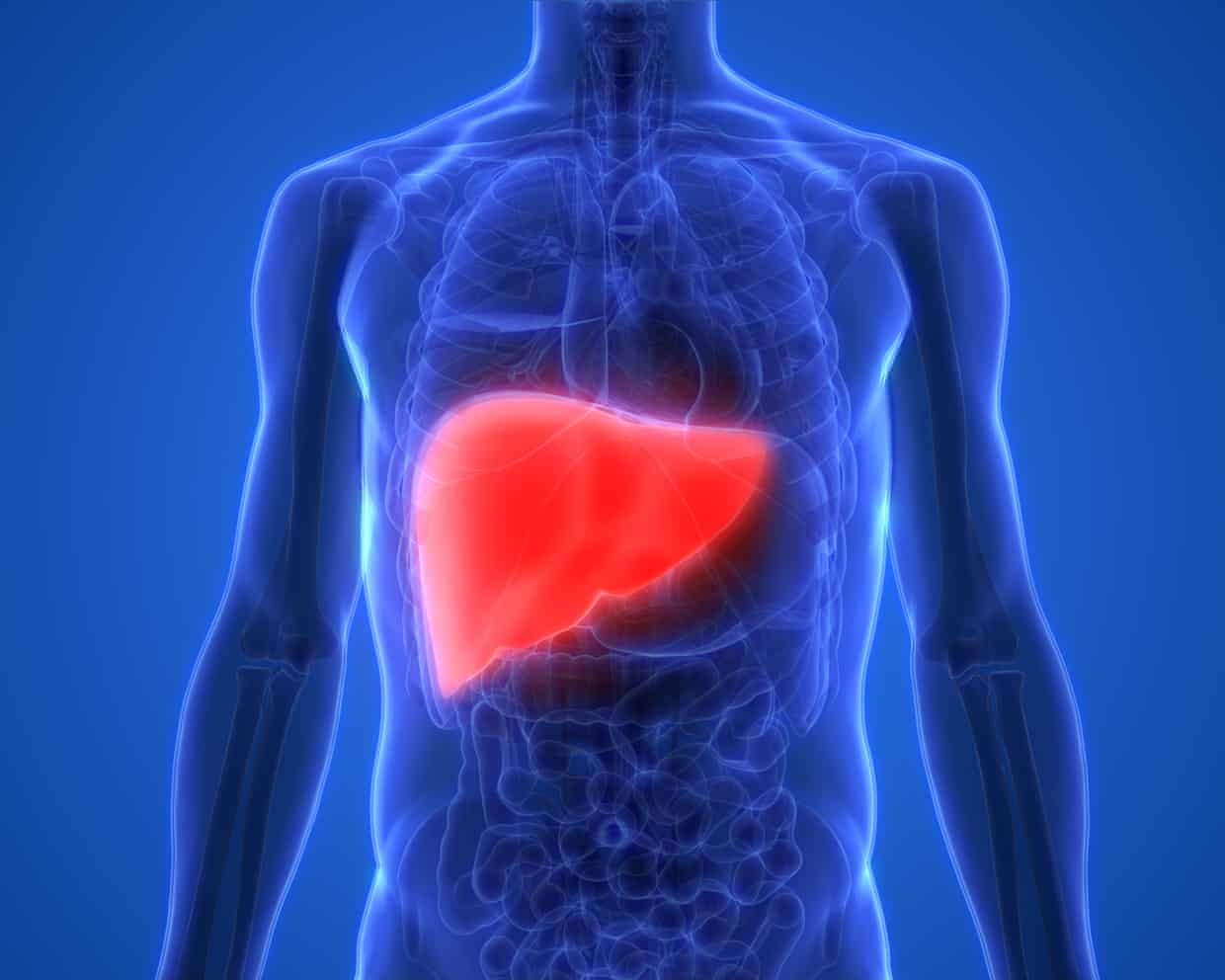
Governments in Europe should impose much higher taxes on alcohol and unhealthy food to tackle the continent’s 284,000 deaths a year from liver disease, experts say.Taxes on those products should rise sharply enough for the money raised to cover the huge costs they place on health services, the criminal justice system and social services.The call for tough action on common causes of serious liver disease comes from a commission of experts from the European Association for the Study of the Liver and the Lancet medical journal.They are urging governments in Europe to ensure all alcoholic products carry health warnings and stop under-18s being targeted with online advertisements for alcoholic drinks and junk food.Bold steps are needed to combat “an escalating and unsustainable burden of liver disease”, the commission says in a report published on Wednesday in the Lancet

Trial of non-invasive endometriosis scan boosts hopes for quicker diagnosis
A non-invasive scan for endometriosis has shown promising results in a trial, boosting hopes for far quicker diagnosis.The trial, which included 19 women with the condition, suggests that an experimental radiotracer, called maraciclatide, can “light up” endometriosis on a scan. The current need for a surgical investigation is seen as a major obstacle to timely diagnosis, with women in England typically waiting nearly a decade.Prof Krina Zondervan, head of department at the Nuffield Department of Women’s and Reproductive Health (NDWRH) at the University of Oxford, and co-lead on the study, said: “The most prevalent subtype of endometriosis currently evades reliable detection, leaving women no choice for diagnosis other than invasive surgery. If these results are confirmed in larger phase 3 studies, imaging with maraciclatide could transform clinical research and practice and potentially empower the development of treatments for women across the globe

Leasehold ban in England and Wales unlikely before next general election, minister says
A ban on new leasehold properties in England and Wales is unlikely to come into force until after the next election, the housing minister has said, as he defended the government’s piecemeal attempts to dismantle the system.The long-promised end would take years to “switch on”, Matthew Pennycook said, even though the ban of leaseholds on new houses was passed in 2024 and the government intends to pass one on new flats soon.Pennycook was giving a speech defending the government’s approach to bringing a de facto end to the feudal-era system after years of complaints from leaseholders about crippling service charges and crumbling buildings. He said the process needed to be rolled out slowly to avoid undermining housing supply and falling into legal pitfalls.“I think it’s highly likely that we don’t switch on the ban in this parliament,” he told reporters afterwards

The use of advanced practitioners in the NHS is no reason to fear for patient safety | Letters
I am an advanced clinical practitioner in acute respiratory medicine, and the British Medical Association’s (BMA) characterisation of practitioners like me as unsafe “substitute doctors” demands a response (Safety fears as UK hospitals use nurses to cover for doctors due to shortage of medics, 25 April).Every shift, I assess and manage patients with severe chronic obstructive pulmonary disease exacerbations, pulmonary embolisms, pneumonia and acute respiratory failure, taking clinical responsibility in a consultant-led multidisciplinary team, underpinned by a master’s-level qualification and over a decade of specialist experience. This is not doctor substitution. This is advanced practice: a distinct, evidence-based clinical role that enhances patient care rather than compromising it.The cases cited in your article (at Rotherham general hospital and a GP practice) represent failures of organisational governance, not evidence that advanced practitioners are inherently unsafe
The landlords’ view of the rental market | Letters
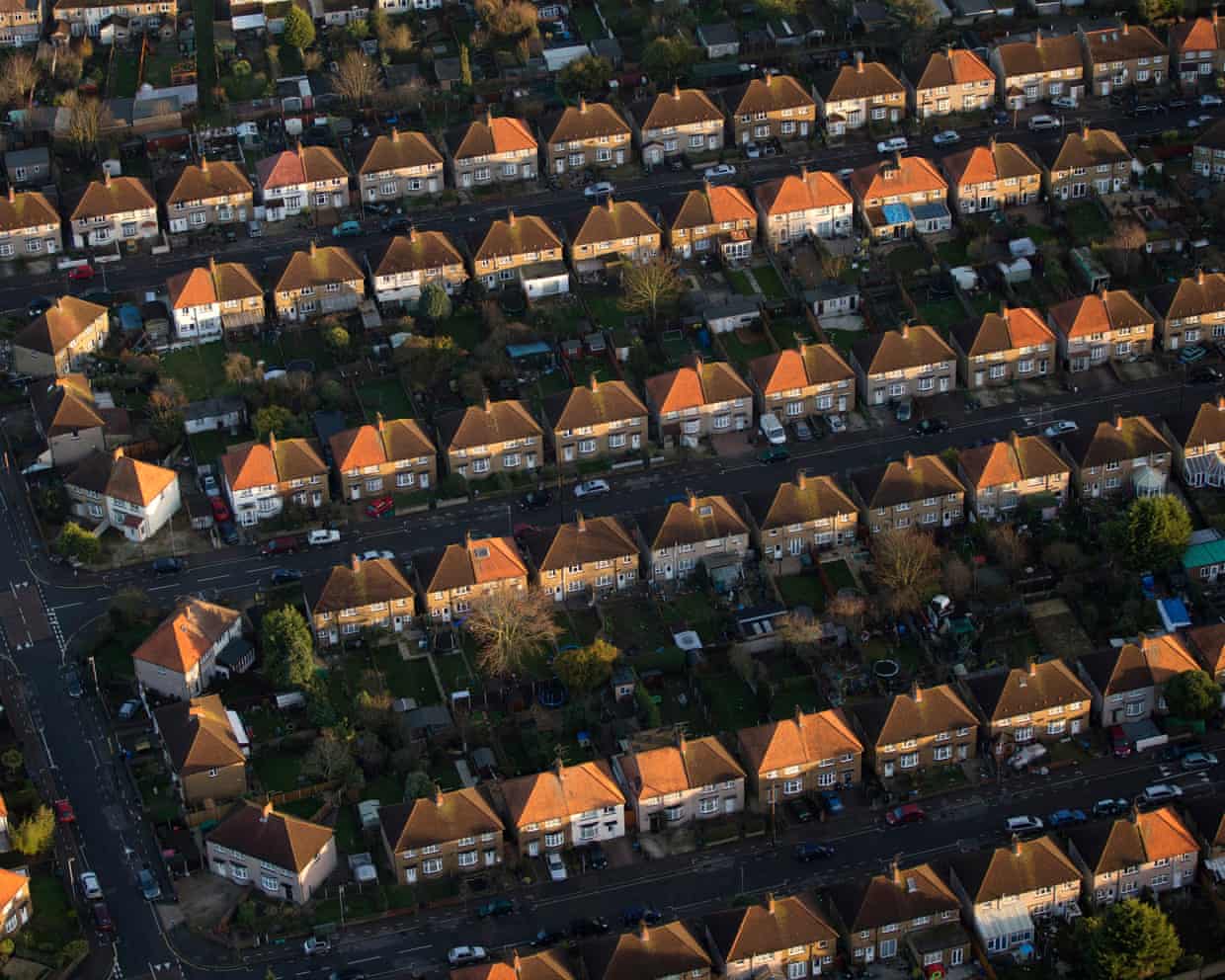
Your article on landlords (I thought landlords were unchallengeable – until I met one of mine at a party, 22 April) paints them as shadowy figures wielding quiet power, but the reality is often more ordinary – and more complicated. I’m an “accidental landlord”. In my 40s, after working long hours to buy a modest home, I became seriously ill with chronic fatigue and had to move back in with my parents. Letting my house wasn’t about exploitation; it was about survival – covering a mortgage I could no longer sustain through work.Over time, I reinvested carefully, and I now own a small number of properties

Swearing banned by one in five councils in England and Wales, report on ‘busybody’ fines shows
One in five local councils have banned swearing under new “busybody” orders, up from one in 20 councils in 2022.A new report by the Campaign for Freedom in Everyday Life has found that public spaces protection orders (PSPOs) – originally intended to tackle serious antisocial behaviour – are being used by councils in England and Wales to criminalise a wide range of everyday activities, including standing in groups, shouting and picking up stones.“Councils have introduced a swathe of bizarre bans that will turn ordinary people into unwitting criminals,” said Josie Appleton, the director of the group. “Councils have used PSPOs – which allow them to ban any activity they judge to have a ‘detrimental effect on the quality of life’ – to introduce over 1,000 new laws, each of which can contain dozens of separate restrictions.“These orders are not subject to democratic or legal scrutiny: they can be brought through by a single unelected council officer, and do not require public consultation or full council assent

Adam Coleman escapes from rugby purgatory to the peaks with Bordeaux
‘I really was one of those bandwagon fans’: meet Katharina Nowak, F1’s youngest race president
Trial or error? Lancashire bear brunt as county game adjusts to new substitute rules | Ali Martin

Cricket Australia’s BBL sell-off on hold after Queensland joins NSW in rejecting plans

AFL player Nathan O’Driscoll opens up on depression and mental health struggles

LIV Golf poised to inform players that Saudi funding will end this year