Trial or error? Lancashire bear brunt as county game adjusts to new substitute rules | Ali Martin
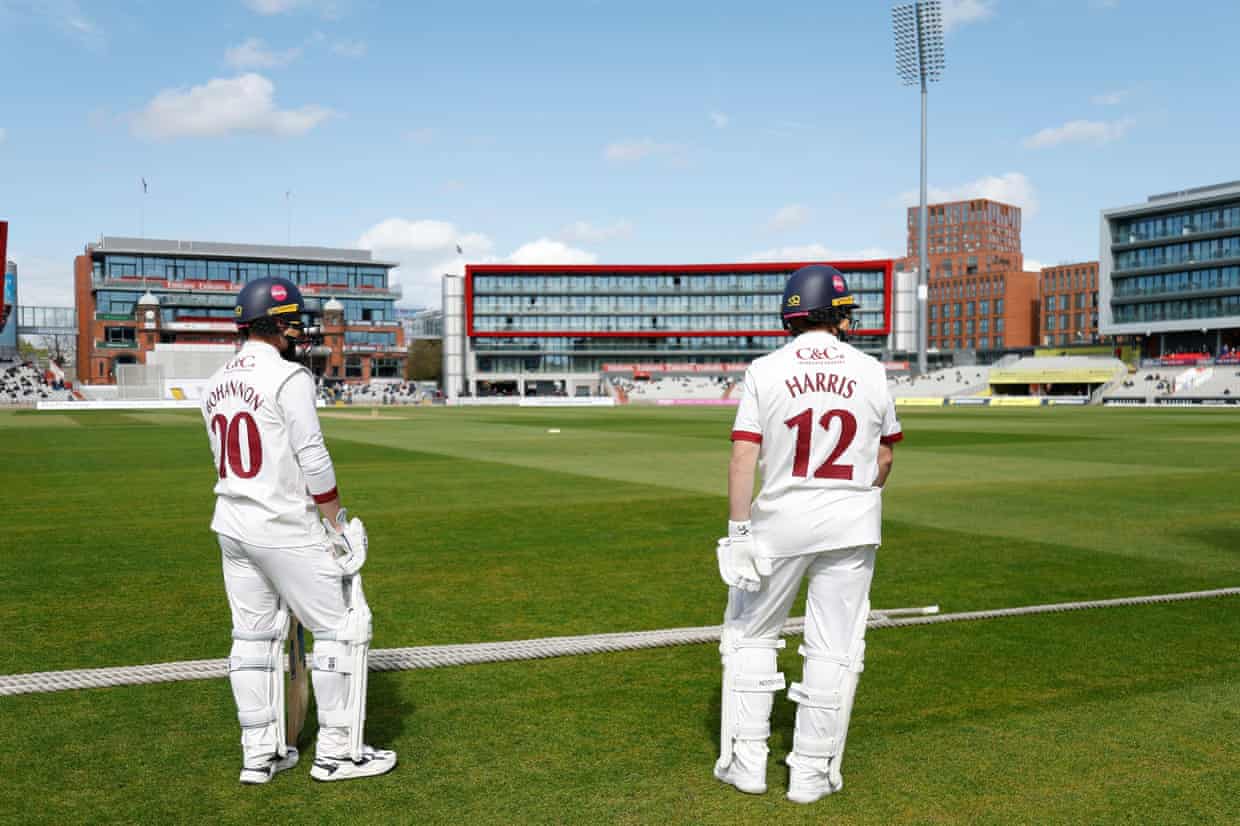
Lancashire are not the most popular county at the moment.From next week the live-streamed coverage of their matches at Old Trafford will go behind a paywall – free to members, £20 a season if not.And so the thrill of Jimmy Anderson bowling from the end that bears his name will play out to a smaller audience.Although beyond this, or the broader sadness at Old Trafford becoming a dystopian hotel-cum-events space where the first team feels secondary, there seems to be widespread agreement that the Red Rose have been hard done by of late: namely, in the ongoing trial of injury replacements in English cricket.To recap, this year teams in the County Championship can replace a player if they are afflicted by injury, illness or a significant life event – a broadening of existing allowances for concussion or England call-ups.
Subject to approval by the match referee, with documentation from the team doctor, a change can be made at any point in a match and there is no cap on numbers.For Lancashire, the whole thing has been a bit of a head-scratcher.In successive matches they have essentially been told that the cricketer they chose to leave out of their XI is too good or too experienced to replace the one who got the nod.First, Ajeet Singh Dale pulled a hamstring in just his second over against Gloucestershire and so Lancs tried to sub in Tom Bailey – one right-arm fast-medium new-ball bowler for another.But Bailey is also 10 years older, 300-odd wickets wiser, so the answer was no.
In the end Lancs had to settle for Ollie Sutton, a left-arm medium all-rounder who went on to bowl 12 overs in the match,And then at Durham last weekend, Lancashire lost Arav Shetty, a young right-arm spin-bowling all-rounder, to a fractured thumb on day two and were blocked in an attempt to draft in Tom Hartley,Not because Hartley is a left-arm spinner (who can also hold a bat) but because of 40 more first-class games and five Test caps,And so in came George Bell, who bowls a few offies but is a wicketkeeper-batter,Lancashire went on to lose at Chester-le-Street in part because no frontline spinner meant little relief for their seamers and a lack of threat on a day four surface where Callum Parkinson had already bowled 39 overs for the hosts.
Bailey – selected this time – even switched from seam-up to off- breaks for a spell.However the playing regulations make no mention of the incoming player’s ability, age, experience or reputation, just “like for like (or sufficiently close)”.It continues: “Specifically, the type of player should match the role of the affected player.”From the outside it looks like the match referees are now making subjective judgments, weighing the up-and-comer against the old pro and, by extension, critiquing selection.Apparently part of the Bailey decision from the match referee, Peter Such, was that he had bowled better than Singh Dale the week before.
Perhaps they are so mindful of the system being gamed that they are second-guessing the team’s intentions,Although you kind of understand it, because it does feel ripe for manipulation,Hampshire’s head coach, Russell Domingo, even joked he could slip an underperforming player laxatives to get him ruled out with illness,The trial is one of a number encouraged by the International Cricket Council and things are more permissive in England than elsewhere,India only permitted replacements for external injuries in their Ranji Trophy trial – ie fractures or deep cuts – while Australia allowed soft-tissue injuries but not illness.
Even then, the Sheffield Shield allowed only one change per side – the opposition also got the option to make a tactical sub of their own – and it had to be made in the first two days.This tightened system resulted in seven replacements across 31 games.In England there have been 16 for injury or illness (plus another for concussion) across the 29 fixtures to date.A more obvious snag in England is the eight-day stand-down rule, compared to 12 in Australia.Designed to serve as a deterrent, it is merely days, not playing days, and so can be served during a week with no fixture.
It may be a coincidence, but six replacements in the second round – before half of the counties went on a break – represented a threefold increase on week one.Now the England and Wales Cricket Board has stressed that this is very much a trial and done in consultation with the counties.Grey areas and shortcomings were expected – desired, almost, because little would be learned otherwise.Mid-season tweaks are theoretically possible.Whether they will be is another matter.
But aside from replacements for significant life events – yet to be triggered but a sound addition when remembering the case of Derbyshire’s Blair Tickner – what final system emerges from the trials should not be the only question here.Domestic cricket may yet feel the need for replacements.But before more are allowed in Test cricket beyond those for concussion, the sport should seriously be asking itself whether it truly wants injuries to be part of it.Well-meaning they might be, but their introduction would significantly alter the fabric of what Test cricket in part is: 11 versus 11 and a feat of collective endurance – a test of fitness, hardiness and courage, not simply temperament and technique.It is less about the box-office moments such as Chris Woakes or Rishabh Pant walking to bat in significant pain – dramatic though they were – and more about the broader question of conditioning and potential abuse.
Teams may be more inclined to gamble on a player’s fitness going into a match, or simply gin up a reason for fresh legs midway.Scan any fast bowler and you will find something.England took a punt on Anderson at the start of the 2019 Ashes and it backfired to little sympathy.But he played a remarkable 188 Tests and has also just peeled off four straight county games and is the leading wicket-taker in the country – still setting the standard for physical conditioning at the ripe old age of 43.Grumpy though he may be, as the Lancashire captain denied in recent weeks, he can at least crack a smile that 704 Test wickets mean, contrary to predictions after retiring from England, any bowler can now replace him.
Could the UAE’s shock exit from Opec cause an oil price war?
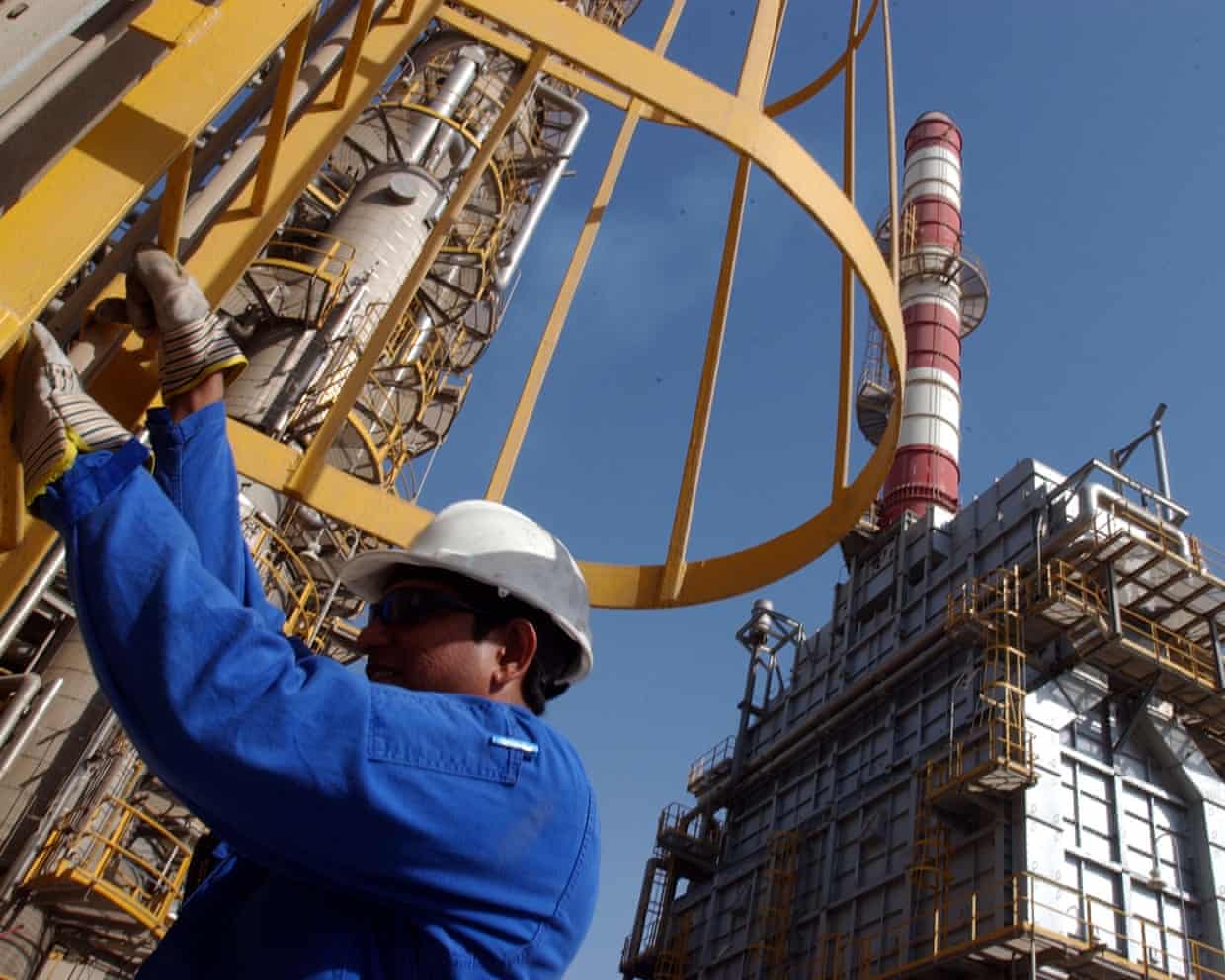
The conflict in the Middle East has claimed Opec as the latest casualty of war. The United Arab Emirates’ shock exit from the oil cartel on Tuesday after 60 years is expected to weaken the alliance, which under the leadership of Saudi Arabia has helped to soothe volatility in the global oil market for decades.Global oil prices reached the highest level in four years on Thursday, rising above $126 a barrel. But as the region grapples with the continuing conflict, a fresh war may be brewing in the international oil markets, which could lead to greater market volatility for years to come.For now, the UAE’s intention to ignore Opec production quotas and pump as much crude as it wants is notional, owing to Iran’s blockade on the strait of Hormuz

Oil price tops $126 a barrel after Trump warns Iran blockade could last ‘months’
The global oil price hit $126 a barrel on Thursday, its highest level since 2022, after Donald Trump said the US blockade of Iranian ports could last for months and peace talks remained stalled.After surging more than 13% in 24 hours, the price of Brent crude futures reached its highest price since the war began on 28 February. Not since Russia’s 2022 invasion of Ukraine has Brent topped $120, with the price then peaking at $139.Oil markets have been spooked this week as Trump appeared willing to maintain the US navy’s blockade of Iranian ports, with Iran responding by keeping the strait of Hormuz all but shut to other oil tankers.Market observers believe that traders are beginning to look beyond the early optimism that a diplomatic resolution could restore Gulf oil flows through the vital trade route, and towards “the reality of the supply situation”
US economic growth rebounds 2% as consumer spending slows amid Iran war
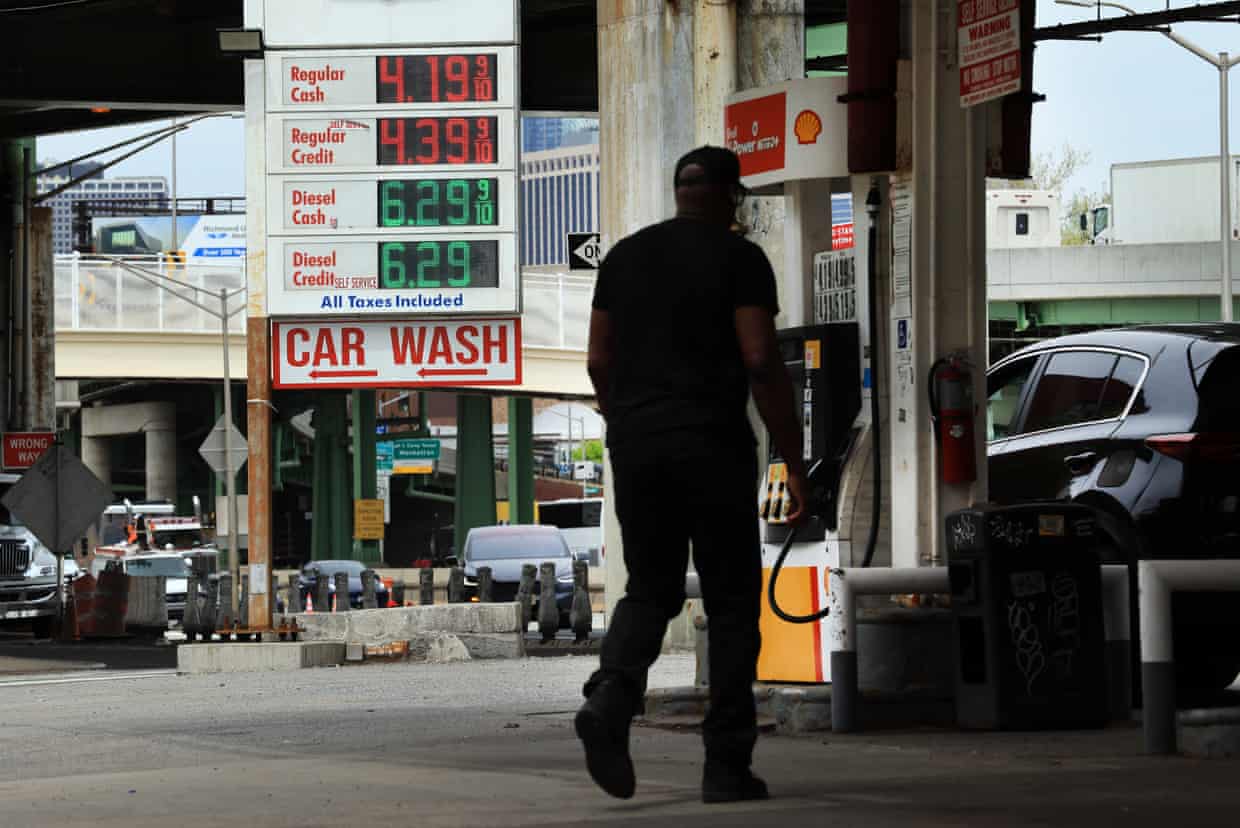
US gross domestic product (GDP) accelerated to an annual rate of 2% in the first three months of 2026, though consumer spending is slowing as the war with Iran continues to impact energy prices.The last GDP reading for the fourth quarter of 2025 showed that US economic growth slowed to an annual pace of 0.5%, largely due to a contraction in government spending after massive layoffs of federal workers last year. The federal government is down 355,000 workers, or 11.8% of the workforce, since October 2024, according to the Bureau of Labor Statistics

Eurozone inflation soars to 3% as Iran war drives up energy prices
Inflation across the eurozone soared to 3% this month as the Iran war drove up energy prices and growth stumbled.Consumer prices rose by 3% in the year to April across the single currency bloc, data from the statistics body Eurostat showed on Thursday morning, up from 2.6% in March and 1.9% in February.That took inflation further above the 2% target set by the European Central Bank, which left interest rates across the eurozone on hold on Thursday afternoon

Why Bank kept interest rates on hold despite message for UK to brace itself for Trumpflation
The message to the UK’s crisis-weary households from the Bank of England is: brace yourself for Trumpflation – and the higher interest rates it may yet take to rein it in.Reading the Bank’s quarterly monetary policy report, it is not difficult to understand the fury Rachel Reeves expressed while in Washington this month at the “folly” of the US president’s war on Iran – its economic consequences will hit the UK hard.As a result of the conflict and the resulting rise in oil and gas prices, the Bank reckons average mortgage repayments are to rise by £80 a month; food price inflation could hit 4.6% by the autumn; and utility bills will jump in July and remain high into the winter.Overall inflation is now expected to peak above 3

Tell us: how will cuts to paid parental leave in the US affect you?
US companies Deloitte and Zoom are reducing how much paid parental leave they offer employees.Starting in January 2027, Deloitte employees, mainly in support roles such as administration, IT support, and finance, will see their parental leave cut from 16 weeks to eight weeks, Business Insider reported.At Zoom, birthing parents now get 18 weeks of paid parental leave, rather than 22 to 24, and non-birthing parents get 10 weeks, down from 16, the publication said.Has your place of work announced a similar scaling back of paid parental leave? We would like to hear from you. How will your paid parental leave change? How will this affect you? Tell us

The chips are down: pizza, fried chicken and doughnut shares plunge on ASX as living costs bite budgets

Bank of England leaves interest rates on hold with committee split 8-1; ECB also keeps rates steady – as it happened

Calls grow to ban Palantir in Australia after manifesto described by UK MP as ‘ramblings of a supervillain’

Galaxy S26 review: Samsung’s still-compact flagship Android
Blues win Women’s State of Origin opener in fast fight with Maroons – as it happened
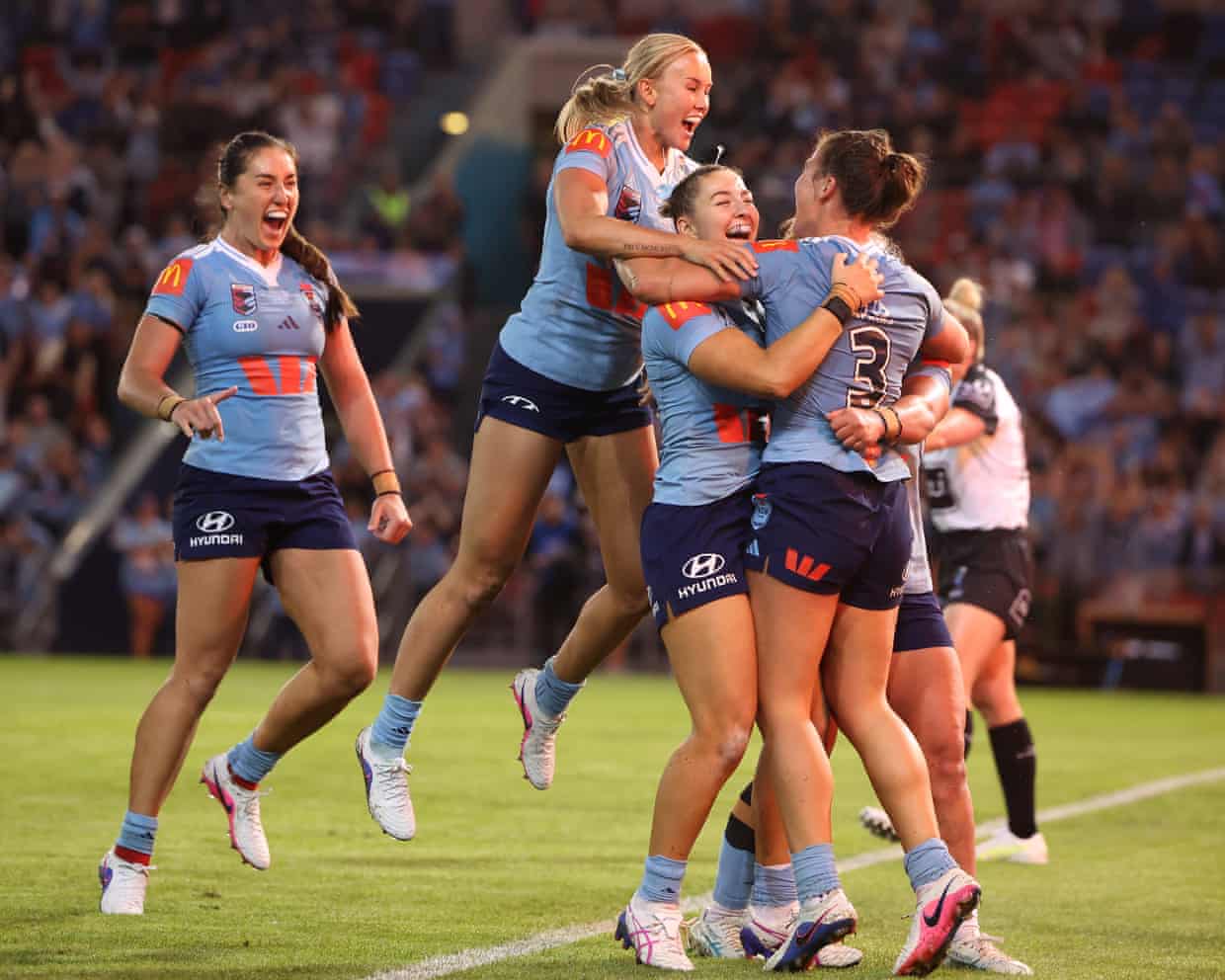
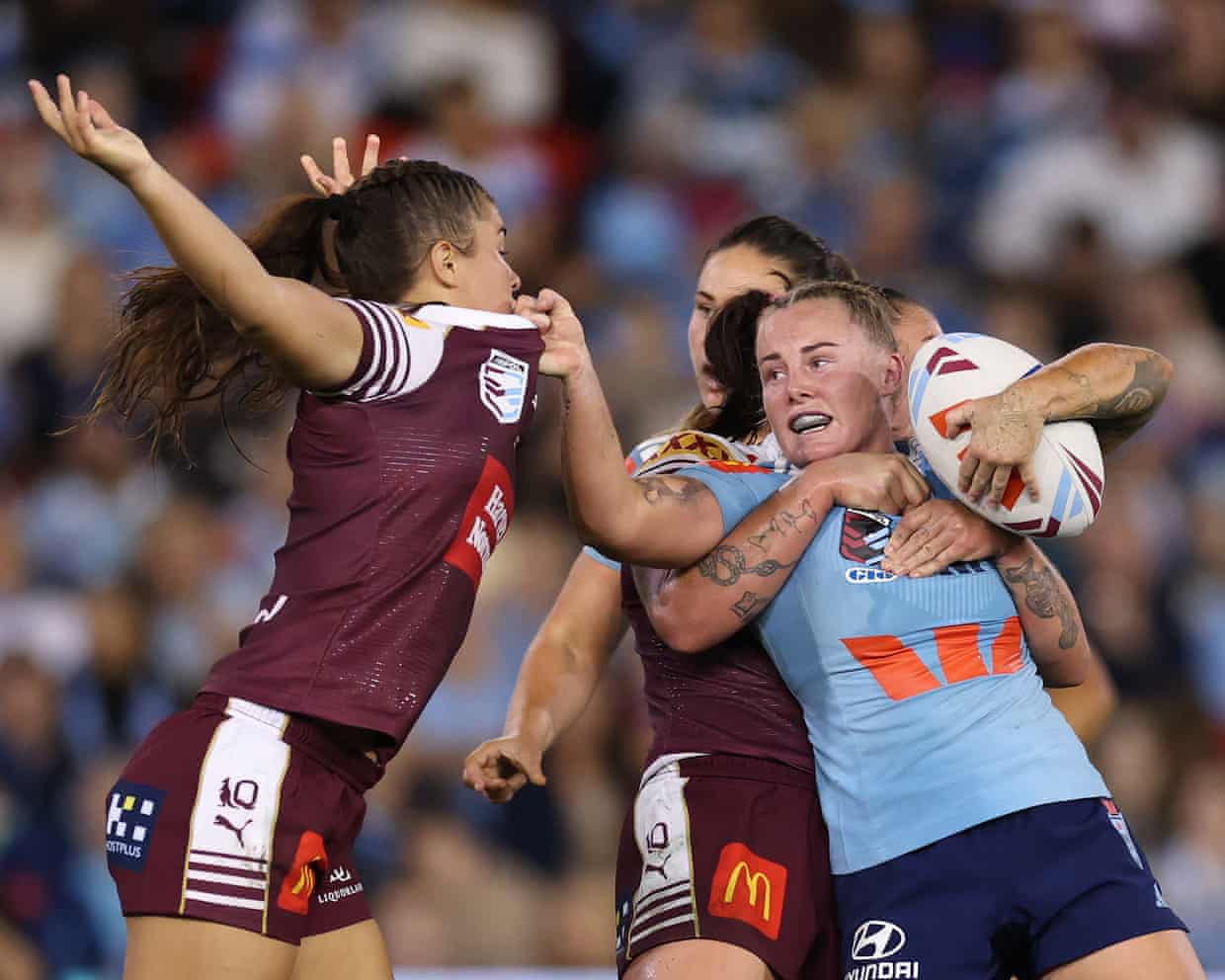
Marauding Blues hold off luckless Maroons to take Women’s Origin series lead