Depression candy and death stares: inside the secret world of the tennis locker room
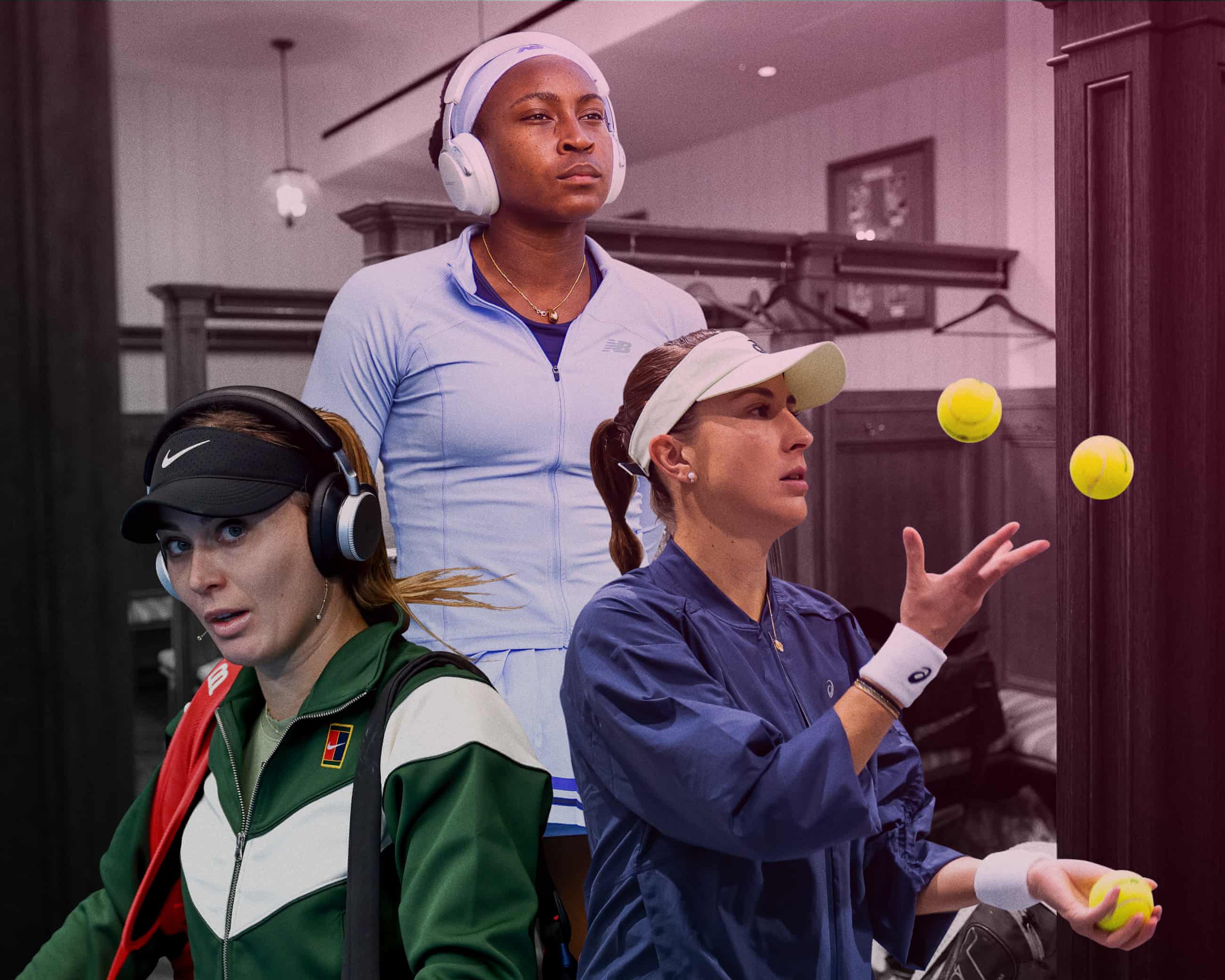
Coco Gauff, Belinda Bencic and Jannik Sinner give an insight into what really goes on behind the scenes in the loneliest communal space in sportBack in the locker room after a successful first-round performance at the Australian Open in January, Coco Gauff caught a glimpse of a friendly face across the room.The player was scoffing sweets soon after a match, prompting Gauff to joke things must have gone well for her on court.That laughter was not returned, for the player was stewing after a miserable day on court: “They were, like, ‘No, this is depression candy,’” says Gauff, wincing.Part of the job description is sharing locker rooms around the world with the same people they are charged with battling on the court, an arrangement that can lead to awkward interactions for all involved.For many, such as Paula Badosa, part of the preparation for matches includes avoiding eye contact at all costs.
“That’s the thing we do, I think, all of us,” she says, smiling,“We try to avoid it and just say hi,That day you avoid the conversation and eye contact for sure,”Gauff concurs: “[With] the people I know really well, it’s not really that awkward,We’ll talk and be, ‘OK, see you out there,’ and that’s fine.
But always with people you don’t know, you don’t know whether to say hi to them or not.I’m someone who usually always says hi, but the responses vary.And I understand – get in the moment.”For Belinda Bencic, the situations where she and her opponents are grouped closely together, such as sharing a golf cart en route to the court, are more uncomfortable than sharing a locker room.Still, even she cannot avoid the strangeness of some of these scenarios: “Sometimes you are doing your hair or getting ready for the match and your opponent is right there,” she says.
“You don’t know if you should say small talk or not,Everyone is different,Some players are very relaxed – we are talking – and some players don’t want to talk to you before the match,”The awkwardness does not merely extend to the opponent that day,As Gauff’s faux pas in Melbourne illustrated, dozens of players pass in and out of the locker room after their matches each day, meaning it is a minefield of emotion.
Some players are in tears after an excruciating defeat and others are raging,Sometimes it is impossible to know exactly what happened,“The worst thing about sharing a locker room is seeing someone, knowing they played, but not knowing how the score went,” says Gauff,“You don’t know what mood they’re in,I always find that hard to navigate.
”After spending so much of their lives in communal locker rooms from their junior days, players quickly become used to these interactions.Madison Keys does not know any other way: “I quite enjoy it because even though you’re sharing a locker room with your opponents, you’re also sharing a locker room with friends,” she says.“There have been moments where I know that either myself or other players have had really tough moments and you always have someone around you who can give you a hug and talk you through it.There is that immediate support.I guess other sports have that, but it’s your own teammates.
It’s nice there’s an immediate sense of community versus [being] isolated.”One obvious way to minimise awkward interactions is to spend as little time as possible in the environment.Jannik Sinner has perfected the art of getting in and out as quickly as possible: “When I started to come on tour, I was on-site a lot,” he says.“I would spend a lot of time in the locker room, a lot of time in the restaurant area.Now I’m a bit different.
Especially on training days, I come here [and] when the training is over or I eat something very fast here, then I leave or I leave straight away.”Stefanos Tsitsipas believes most players are on good terms with each other, but observes that some are less willing to greet when they cross paths.He is particularly unimpressed by people who interact differently once they achieve a modicum of success.“One thing I don’t understand is how they develop a bit of an attitude and a bit of an ego once they make one or two good results.Their whole personality changes.
I wouldn’t say arrogant – perhaps some of them.“I just wish more weren’t attached to their results and to what they do that determines who they are.I love humble people.That’s one of the reasons I admire Giannis Antetokounmpo a lot.He’s achieved so much through basketball.
He’s one of the most humble athletes I’ve ever met and spent time with.I wish more tennis players were like that.”Others have no problems with their peers.Daniil Medvedev says his coaches, Rohan Goetzke and Thomas Johansson, often tell him stories about how messy relations between players used to be.“I heard from them that 20 years ago it was as toxic as it could be,” he says.
“I was shocked.I was, like: ‘But that’s why you guys finish your careers early because it’s constant pressure.’He told me some stories where from when you wake up you’re already under pressure.Going to the locker room, you’re under pressure.”Nowadays, Medvedev says, the locker room is far more peaceful and largely drama free.
The sport is a melting pot of different cultures, customs and background, but, according to Bencic, along with a potent serve, groundstrokes and a cool head under pressure, a key quality for a top player is tact and discretion.“It can be a little bit awkward if someone has had a bad day or just lost or something, then someone else comes in and is all happy,” she says.“It’s a shared space, so you have to really also be a little bit respectful to everyone else.Just be respectful and normal.”
Bill banning people born after 2008 from buying tobacco clears UK parliament
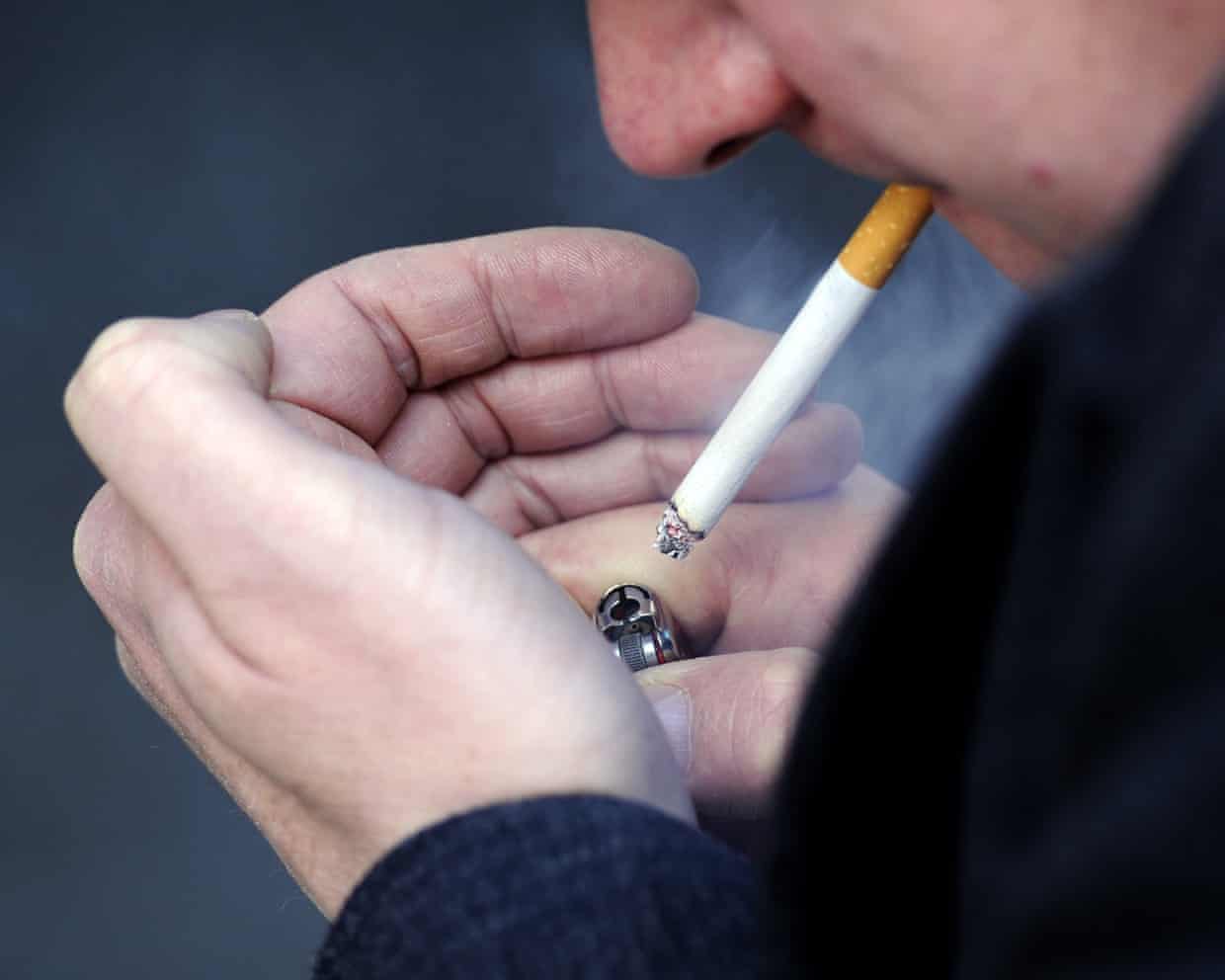
A bill banning anyone born after 2008 from buying tobacco in the UK has completed its progress through parliament in a move that ministers hope will create a “smoke-free generation”.Under the tobacco and vapes bill anyone born on or after 1 January 2009 will never be able to be legally sold tobacco across the UK, in an effort to save lives and reduce the burden on the NHS.The bill will become legislation when it receives royal assent next week. Its long journey through both houses of parliament began when it was introduced on 5 November 2024 and ended on Tuesday, when the House of Lords approved amendments made by MPs in House of Commons.Ministers hope it will end the sale of tobacco products altogether over time and break the cycle of addiction and the disadvantages associated with tobacco

Man admits rape and religiously aggravated assault after court confrontation
A man who racially abused a Sikh woman as he raped her has pleaded guilty to the assault after being confronted in court by a member of the public.John Ashby pleaded guilty to rape, religiously aggravated assault, intentional strangulation, and robbery of the woman at her home in Walsall.Ashby initially pleaded not guilty but unexpectedly changed his pleas after he was sworn at by a member of the public in Birmingham crown court.The 32-year-old, of no fixed abode, asked to see his barrister and changed his pleas about an hour after being sworn at and told to “sort your shit out” by a member of public who approached the dock.The victim, who is in her 20s, was due to give evidence on Tuesday

Gut microbiome can reveal risk of Parkinson’s, scientists say
Changes to microbes that live in the gut can identify people at greater risk of Parkinson’s disease long before symptoms develop, according to work that also raises hopes for new therapies.Researchers discovered signature changes in the gut microbiome that are more pronounced in people with a genetic risk for Parkinson’s and even more stark in those diagnosed with the disease.The signature could help doctors spot patients at risk of Parkinson’s years before they display clear symptoms and suggests that healthier diets and treatments that reshape the microbiome might prevent or delay the disease.Prof Anthony Schapira, the head of clinical and movement neurosciences at University College London and lead investigator on the study, said it was the first time a microbial signature in Parkinson’s patients had been seen in people with a genetic susceptibility but had yet to develop symptoms. The signature appears to become stronger as the disease progresses

Trustpilot hosts reviews of illegal casinos, raising concern among MPs
Trustpilot, the reviews website that offers to “find a company you can trust”, is hosting ratings of illegal casinos, raising concerns in Westminster about the potential risks posed to consumers.Unlicensed casino operators linked to financial harm, addiction and even suicide have flooded the UK market in recent years, often targeting people who are trying to limit their gambling by “self-excluding” from licensed operators.Despite this, Trustpilot hosts reviews of some of the largest unlicensed sites, exposed in a recent investigation into the illegal Santeda casino network by the Guardian and Investigate Europe, as if they were legitimate businesses.Analysis by the Guardian found reviews for brands including Santeda’s MyStake, Velobet and Goldenbet, which do not have a licence from the Gambling Commission.Offering gambling services without a licence from the regulator is a criminal offence
‘It’s soul-destroying’: struggle to house vulnerable children can leave breaking law as only option
The sinking feeling is familiar now, says Anna*. It’s Friday, the clock is ticking, and there is a vulnerable child in her care for whom – despite hitting the phones for days – she cannot find a place. Once the foster carers have been exhausted, and the registered private children’s homes begged, there is nothing for it but to look elsewhere.“It always seems to be on a Friday that you are struggling to place a child,” says the social worker. “They need somewhere safe tonight

The fight against medical misogyny has a long way to go | Letters
I welcome the relaunched women’s health strategy (Streeting relaunches women’s health strategy to tackle ‘medical misogyny’, 14 April) but with caution. The system appears responsive, but the root causes in health inequality outcomes remain untouched.It names urgent issues many women have long experienced: navigating the gynaecology referral queue that would stretch over 191 miles (if waiting in person), medical gaslighting, delayed diagnoses and systemic bias.However, Wes Streeting’s tenacity on centering all women’s “voices”, and ensuring that no woman is left fighting to be heard isn’t convincing, particularly when women of colour have been crying out loud for years, with little to no change in our reproductive health outcomes.Many of us know what that feels like: seeing a GP about severe period pain and trying to explain how it disrupts our life

Tui cuts profit forecast as effects of Iran war cost travel group €40m

UK inflation rises to 3.3% amid biggest jump in fuel prices in more than three years

UK firms to face tougher checks on export licences to bolster sanctions on Russia

City watchdog faces legal action over £9.1bn compensation scheme for car loan victims
Takeaway coffee sales plunge as fuel and living costs dent Australian spending. Is the economy next?

Trump’s Fed chair pick says he’ll maintain independence – but won’t say president lost 2020 election