UK inflation rises to 3.3% amid biggest jump in fuel prices in more than three years
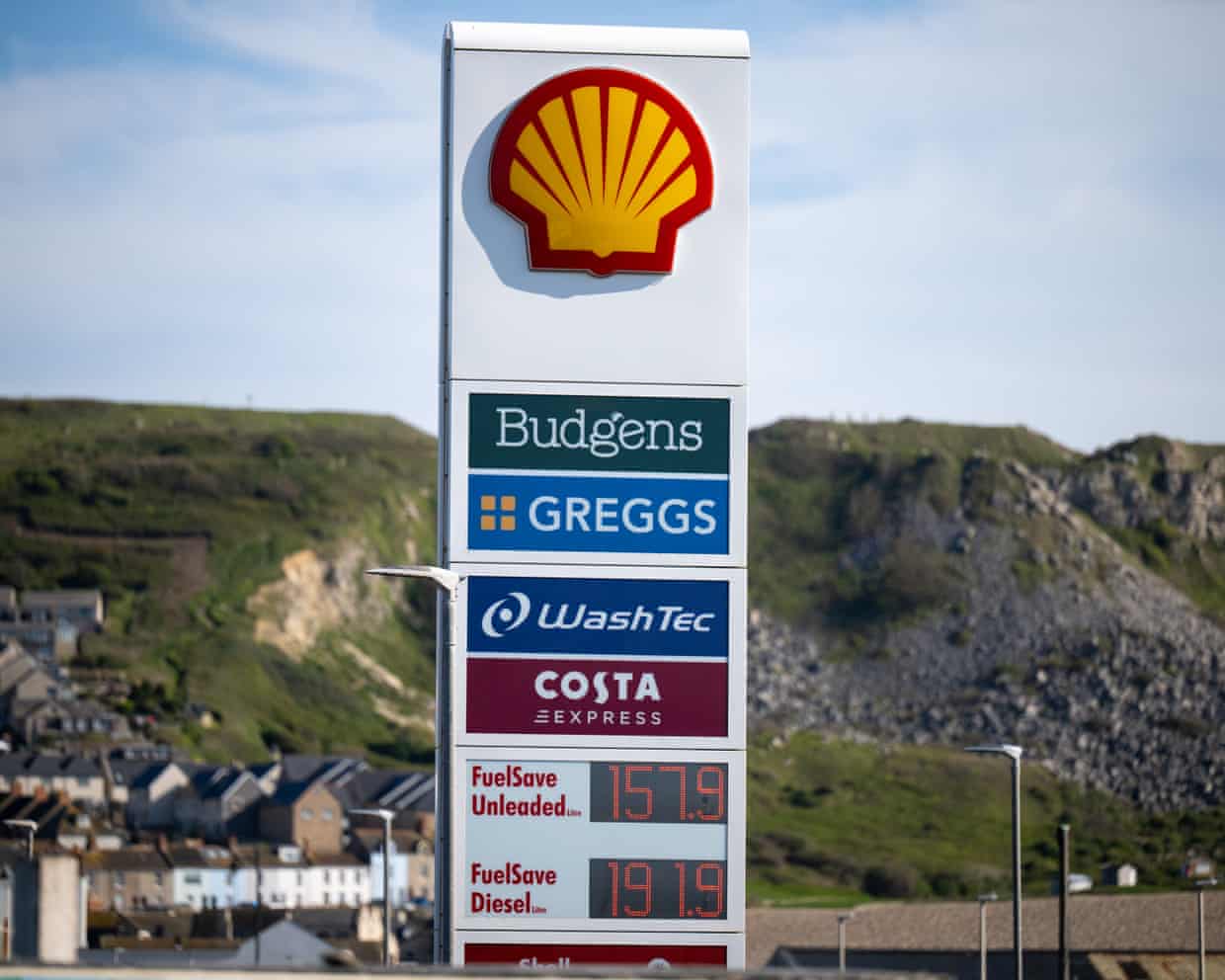
UK inflation accelerated to 3,3% in March after the Iran war triggered the biggest jump in fuel prices for more than three years,In the first official snapshot of the damage to living standards in Britain from the US-Israeli war on Iran, the Office for National Statistics (ONS) said the consumer prices index increased last month from a rate of 3% in February,The rise matched the forecasts by City economists,Grant Fitzner, the ONS chief economist, said: “Inflation climbed in March, largely due to increased fuel prices … Air fares were another upward driver this month, alongside rising food prices.
”Petrol and diesel prices have soared since the start of the Middle East conflict, reflecting a jump in the global oil price to close to $100 a barrel as the closure of the critical strait of Hormuz throttles energy supplies.Against a volatile backdrop in the war, the International Monetary Fund has warned that Britain faces the sharpest growth slowdown and joint highest inflation rate in the G7 this year amid the threat of a global recession.March’s headline rate of inflation remains above the 2% target set by the government.The Bank of England left interest rates unchanged last month while warning that a prolonged conflict and disruption to global energy markets could force it to raise borrowing costs to stop high inflation from becoming entrenched.Before the war, inflation had been predicted to fall sharply in April as measures announced in Rachel Reeves’s autumn budget, including cuts to energy bills, come into effect.
However, while a drop to almost 2% had been predicted, forecasters now anticipate inflation will remain stubbornly high this year amid the mounting economic damage from the war.The chancellor said the government was taking action to protect consumers from price increases.“This is not our war, but it is pushing up bills for families and businesses.That’s why it’s my number one priority to keep costs down,” Reeves said.“Our economic plan is the right one and has put us in a stronger position to support families in the face of this new crisis.
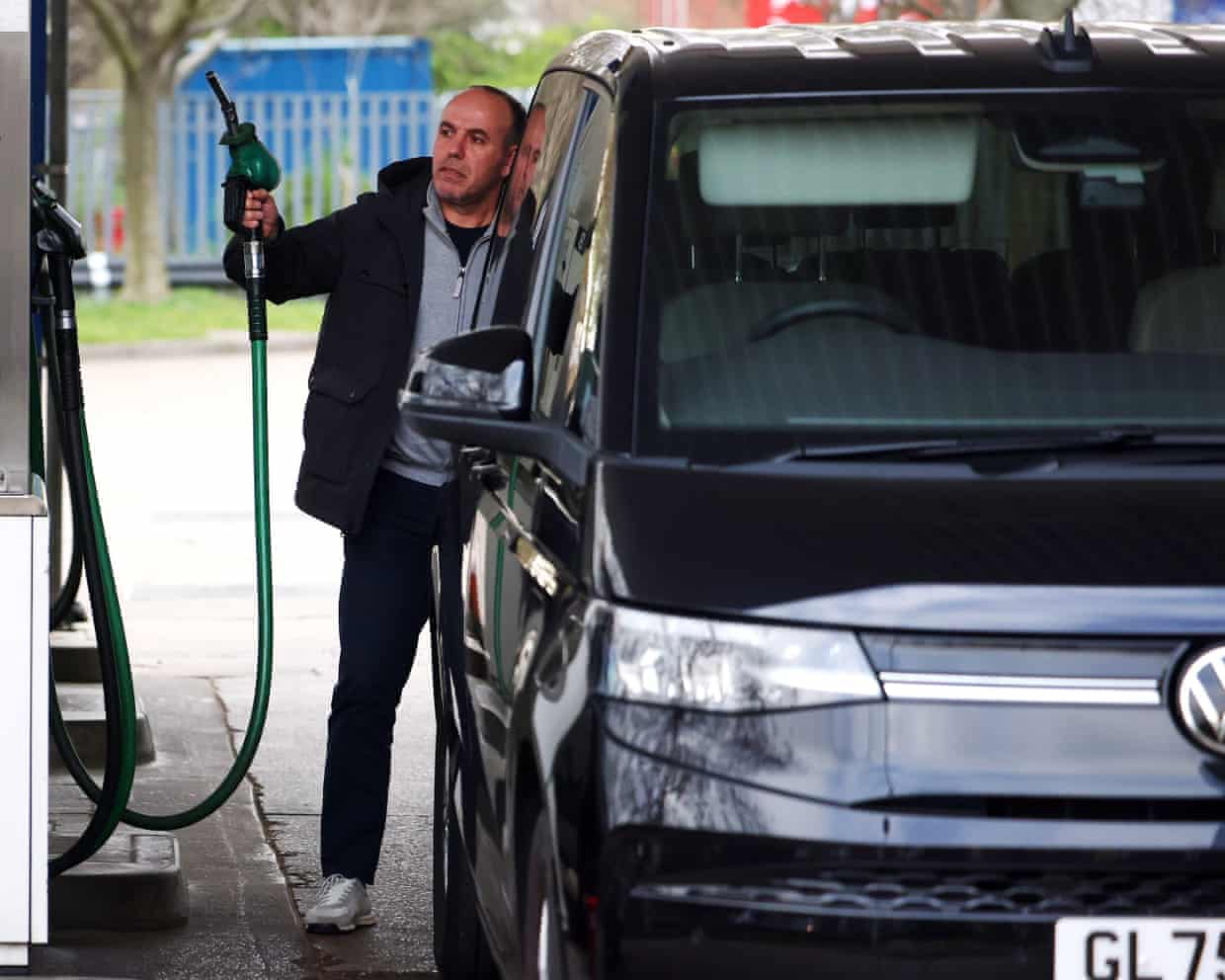
”The latest snapshot from the ONS showed overall transport prices – including motor fuel costs and air fares – rose by 4.7% in the year to March, up from 2.4% in the 12 months to February, hitting the fastest annual rate since December 2022.The average price of petrol rose by 8.6p a litre between February and March to 140.
2p, the highest level since August 2024.Diesel prices rose by 17.6p a litre to 158.7p, the highest since November 2023.Food price inflation climbed from 3.
3% to 3.7%, driven by chocolate and confectionery prices before Easter, as well as meat, fish and soft drinks.The Food and Drink Federation has predicted the rate could hit 9% by December, as the closure of the strait of Hormuz hits global fertiliser supplies.The ONS said the only significant offset came from clothing costs, where prices rose by less than this time last year.Highlighting cooling inflationary pressures in the UK before the Iran war started, core inflation – which excludes more volatile energy, food, alcohol and tobacco – eased to 3.
1%, down from 3.2% in February.Economists said headline inflation would probably fall back in April as the government’s measures to cut energy bills come into effect.However, they predicted the rate would no longer drop close to 2%, as the mounting hit from the Middle East conflict pushes in the opposite direction.Households are also expected to face a rise in energy bills in July when the Ofgem price cap is next updated.
Martin Beck, the chief economist at WPI Strategy, said: “How far inflation rises from here will depend heavily on developments in the Middle East.“If recent signs of diplomatic progress translate into a sustained easing in tensions and energy supplies normalise, inflation could peak at about 3.5-4% this summer.But a renewed escalation could just as easily push inflation towards 5%.”The Bank of England has said it remains too soon to know if the rise in the headline rate risks inflationary pressures becoming entrenched in the economy, as a weak growth outlook and elevated unemployment limit the potential for workers to demand higher pay increases and for businesses to pass on higher costs.
Financial markets predict at least one rise in interest rates this year, although they anticipate the Bank will continue to keep borrowing costs on hold at its next policy meeting on 30 April.
Middle East war ‘could wipe out 75% of chancellor’s budget headroom’; UK inflation climbs to 3.3% – as it happened
Oil prices have gone back above $100 a barrel again.Reversing earlier declines, Brent crude is now 2.1% ahead at $100.57 a barrel, after Iran seized two ships in the strait of Hormuz, tightening its grip on the strategic waterway. Overnight, Donald Trump extended the two-week ceasefire between the US and Iran, until Tehran comes up with a peace proposal
Ryanair to close check-in 20 minutes earlier amid concern over Europe border queues
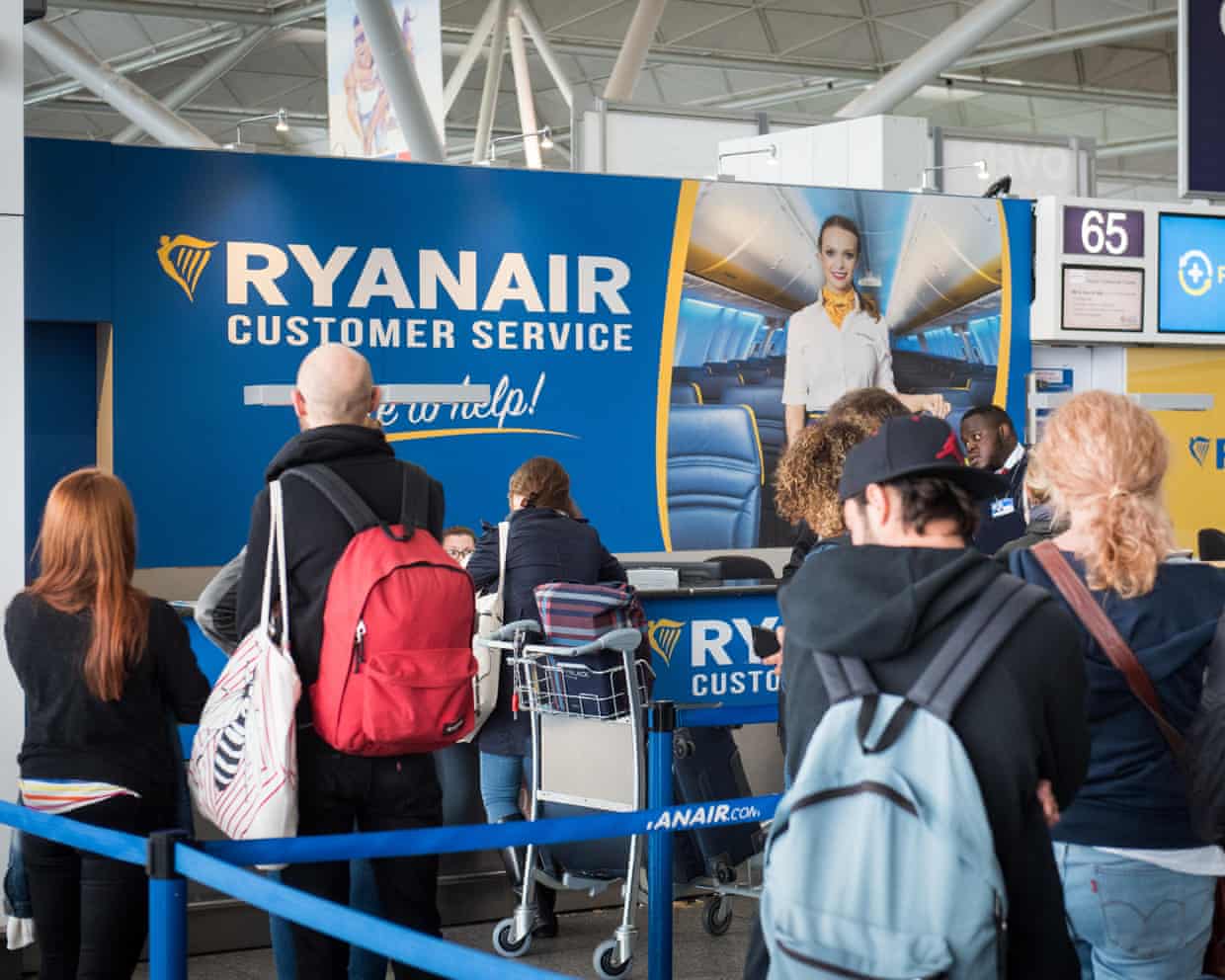
Ryanair will close airport check-in desks 20 minutes earlier to avoid passengers missing flights, it has announced, amid concern over border queues in Europe.The budget airline, which carries 200 million passengers annually, will require all passengers dropping bags or checking in at the airport to do so one hour before take-off rather than the current 40-minute deadline.Ryanair said the change, which will take effect from November, would give more time for passengers to clear airport security and passport control and reduce the number who miss flights through being stuck in queues.While the move was not prompted by the introduction of Europe’s entry-exit system (EES), which requires most non-EU citizens to provide biometric data at the border, the airline said the system had been a factor in increasing passport queues.Waits of several hours have been reported at some airports in the phased introduction of EES since October

‘Get back to work’: Amazon faces fresh scrutiny over workplace safety record
Amazon, one of the world’s largest employers, has for years faced scrutiny over its safety record. When Billy Foister, a 48-year-old worker, died after a heart attack inside one of the tech giant’s warehouses in September 2019, managers were accused of telling staff to “get back to work”.When another worker died this month at a distribution center in Troutdale, Oregon, an Amazon spokesperson claimed they had collapsed from an “existing medical issue”. They denied a report that a nearby employee was told: “Please get back to work.”As Donald Trump’s administration continues to overhaul federal government oversight of workplace safety, workers inside Amazon and labor advocates say the company’s injury rates, and how it treats injured workers, remain a problem

Anthropic investigates report of rogue access to hack-enabling Mythos AI
The AI developer Anthropic has confirmed it is investigating a report that unauthorised users have gained access to its Mythos model, which it has warned poses risks to cybersecurity.The US startup made the statement after Bloomberg reported on Wednesday that a small group of people had accessed the model, which has not been released to the public because of its ability to enable cyber-attacks.“We’re investigating a report claiming unauthorised access to Claude Mythos Preview through one of our third-party vendor environments,” said Anthropic.Bloomberg said a “handful” of users in a private online forum gained access to Mythos on the same day Anthropic said it was being released to a small number of companies including Apple and Goldman Sachs for testing purposes.It reported that the unnamed users got to Mythos through access that one of them had as a worker at a third-party contractor for Anthropic and by deploying methods used by cybersecurity researchers

Lando Norris backs Max Verstappen to stay in F1 after drivers win rule changes
Lando Norris has said he believes Max Verstappen will continue to race in Formula One but that it would be “a miss” for the sport if the four-time world champion did decide to leave owing to his dissatisfaction with the way this season’s new regulations have affected how drivers race.Verstappen has been outspoken in his dislike of the new regulations and their focus on electrical energy management that now makes up almost 50% of the car’s power output. He has intimated he might leave the sport but, with the rules having been adjusted by the FIA in an effort to address concerns of all drivers this week, Norris felt the Dutchman would remain in F1.“Hopefully things get better and I just saw that he said he wants to win the fifth world championship at the minute, so I’m sure he’ll stay longer than people say,” Norris said.The McLaren driver, who is the defending world champion, noted, however, that it would very much be F1’s loss if Verstappen left because he was disenchanted

Lewis Moody ‘picking up baton’ left by Doddie Weir with MND fundraising cycle ride
The former England captain Lewis Moody has said he is “picking up the baton” left by Doddie Weir after announcing plans to lead a 500-mile, seven-day cycling challenge this summer to raise funds for the fight against motor neurone disease.Moody will be joined by many of his fellow 2003 World Cup winners, including Jonny Wilkinson, Mike Tindall and Ben Kay, as well as his teenage sons on a journey from Newcastle to the Allianz Stadium in Twickenham, with all proceeds going to the My Name’5 Doddie Foundation.The former Leicester, Bath and British & Irish Lions forward became the latest retired player to be diagnosed with MND, which he revealed last October, with the disease having claimed the lives of Weir and the former rugby league international Rob Burrow in the past four years.The My Name’5 Doddie Foundation has raised more than £23.5m to fund MND research, and Moody has committed to continuing the former Scotland international’s legacy in fighting a disease that results in six new diagnoses each day in the UK alone

South Africa struggling to secure UK TV deal to screen England Test series

‘Tennis is about being fluid’: How Iga Swiatek is drawing on her time with Rafael Nadal to regain No 1 spot

‘Two are stronger than one’: Boston Marathon duo praised for helping struggling runner cross finish line

London Marathon organisers believe two-day event could bring £400m economic boost

Ryder Cup tickets hit record Europe high at £434 a day in Ireland next year

Victor Wembanyama concussed after face-first fall in Spurs’ loss to Trail Blazers