McCullum must be held to account even if England end Ashes with another win | Barney Ronay
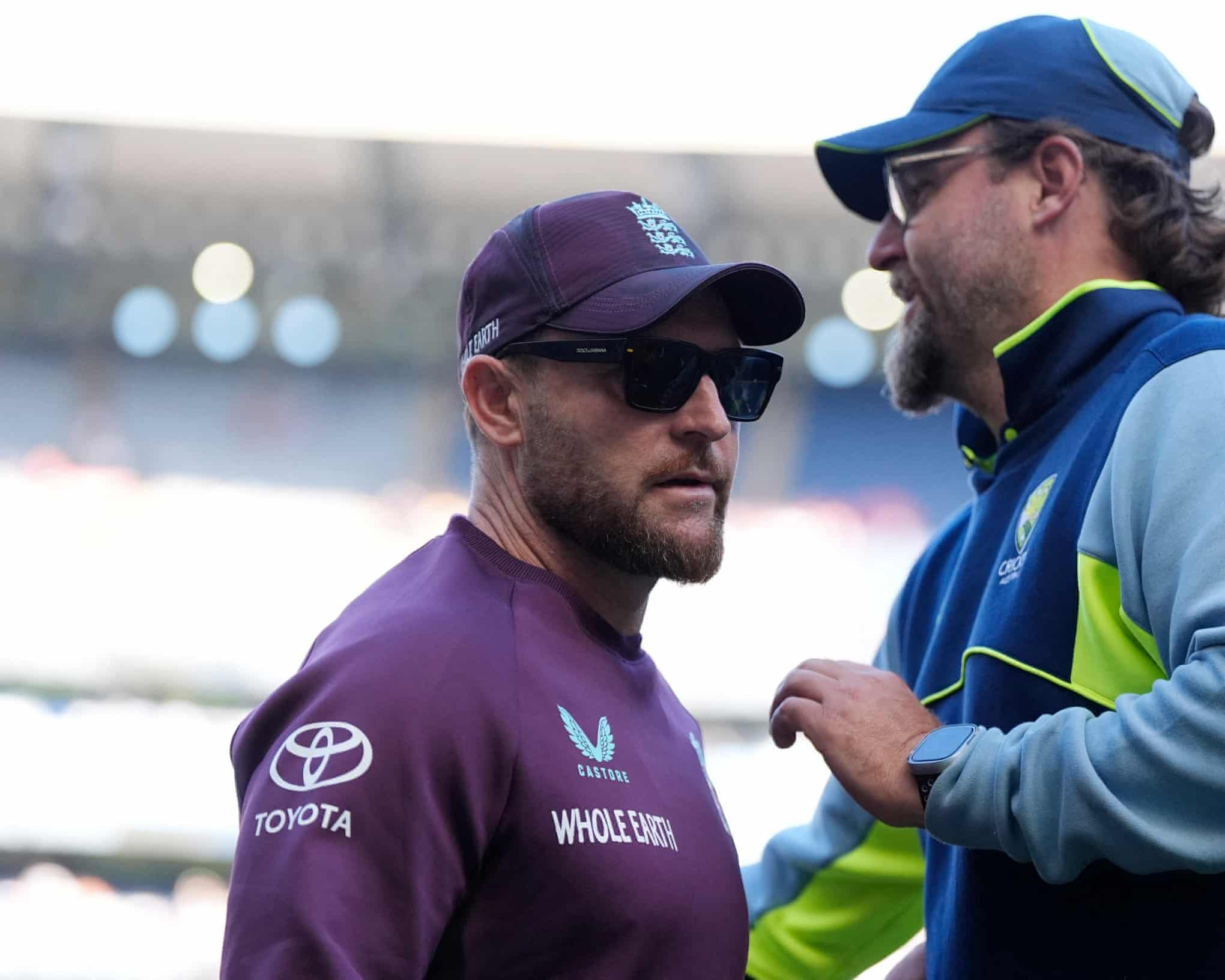
A 3-2 series scoreline may make it hard to change coach but you don’t reward a failure of planning because the players clawed a bit back when it was too lateThere’s a good origins-story-style video in the Sky Sports masterclass archive.Filmed at Edgbaston in 2016, it shows the blue-sky brothers, Brendon McCullum and Rob Key, back when the world was still young, looking sharp and chiselled, laughing and joshing on the outfield, and nominally discussing how to bat in T20 cricket.And yes, the chemistry, well, the chemistry is overpowering.It almost feels like a romantic intrusion, the viewer cast as gooseberry.This is Coldplay kiss-cam energy.
This is like watching Bacall and Bogart fall in love on screen.You know how to whistle don’t you, Keysey? You just put your lips together and enter into a transcendent game state.Mainly the clip is a useful basic primer on McCullum’s own anti-philosophy of cricketing success.How, Key asks, does he prepare himself? Well, it’s about getting into a really relaxed state.And after that maintaining the really relaxed state.
There is technical stuff.“I try to hit it over there, sometimes over there, sometimes over there.” He has fast hands.What’s the deal with fast hands? “I don’t really know.” How about the pull shot? What’s that all about? “I think I … I don’t even know how I play it … I think it’s more of a … swivel.
”It is no great revelation that a McCullum masterclass should have no deep intellectual content, that it’s a bit like watching your dad explain how to make a cup of tea.This is why it’s a good video.McCullum was for a while the No 1-ranked T20 player in the world.And this is what Key is bringing out, the beauty of high talent meets mental clarity.A random bloke telling you he just whacks it is meaningless.
The hammer of the Indian Premier League doing this is interesting, as it is when McCullum says his method is transferable because “in Test cricket I never really had a defensive game that was going to sustain against quality bowling”.Sound familiar, as a method? This is insight, the power of knowing both your strengths and your limits.Still though.And throwing forward, would you ask this same masterclasser to plan, coach, and detail-manage an Ashes tour? And not just ask, but insist, because McCullum didn’t actually apply for the job in the first place.When that fails in a fug of slack planning, would you then ask the same person to try again? To change and to learn, when the pare-it-back life is his entire methodology?By now McCullum has long since begun to feel like a corporate motivational speaking event that got out of hand.
The morning routine guy,The how to fold your T-shirts guy,The one-simple-trick guy,He can be good and valuable,But there’s no need to ask him to run the entire global corporate accounting practice.
This is also why McCullum must now be held to account under normal rules of success and failure, whatever the endgame to this zombified tour, starting with Sydney this weekend.There is an argument that this is a match both Australia and England might be better served, structurally, by losing.Australia to speed the process of rebuilding an ageing team, England to focus minds on the live content of this series.The talk already is that a 3-2 scoreline would make it very hard to change coach or managing director.Winning two Tests in Australia, after failing to win any of the previous 18.
This is a real thing.It is at least a convincing cover for a fudge, given that sacking people costs money and effort and is no guarantee of an uptick.It would also be a mistake to get distracted by what happens on the way out.Nothing has changed.The job for McCullum and Key was to oversee the environment, to prep the details.
You don’t reward a failure of planning because the players were good enough to claw it back once that part had gone.It will be hard to maintain this clarity should England avoid defeat in Sydney.There are so many distractions already.Even the Australian reaction to losing at its great secular cathedral of sport, its temple of chino shorts, has been misleadingly overblown.The MCG groundsman has been tried on the courthouse steps.
Greg Chappell has written an article about the death of warrior culture, about dishonour and disgrace, about crack-ball barbarians at the gates.This is all distractingly feelgood for English cricket.Maybe, in the end, the real Bazball was the Australians we annoyed along the way.Don’t be misled, either, by the fact that Melbourne was actually a good win, irrespective of the pitch furore.Don’t be distracted by the approach of a T20 World Cup, which, like London vape shops, tend to pop up in twos and threes every hundred yards or so.
Don’t be distracted, above all, by the fact that changing the coach will not solve the chronic structural problems of English cricket, its alienation, its invisibility, its elitism.In fact, this last bit is the whole point here.The appointment of convincing amateurs to the highest roles.The tolerance of slackness, jobs for the boys, PR-ing your own shortcuts.This is a huge amount of all that is wrong with the sport.
This is why there has to be accountability.What precedent does it set, what message does it send – other than, perhaps, an accurate one – if it turns out you can get away with not having proper warm-up games, not having a fielding coach, not having a pink-ball practice game for players who have yet to see a pink ball? Not to mention every other fine detail, right down to the reverse-cinderella-ing of Shoaib Bashir, replaced after all that by Will Jacks, a golf-bro utility man.If none of that matters, then nothing really matters.Even before Sydney there has been some revisionism.There has been talk that it was OK not to have practice games, because England didn’t have practice games before and won the first Test of those tours.
But this is more squint-past-the-detail stuff.It overlooks the fact those other opponents also didn’t have much prep, whereas Australia were cocked and ready.It overlooks the basic point that because you got away with not revising for one exam doesn’t mean you should never revise for any exams.The argument for retaining the current regime is that England can learn from this, that McCullum can add a grasp of detail to his inspirationalism.Paring it back, stripping it away: this has been his super-strength.
What would Baz with data briefings actually look like? The talk from Ben Stokes of weak men, the mid-series tough love, felt like an emergency attempt to drip some substance into the slack areas behind these baggy first principles.And Stokes is the key now.The captain will be asked to give his own tour review.A clear, impartial account could well leave McCullum dangling by a thread, and Key required to own up to a lack of oversight.If Stokes feels those above him can learn from this the current regime might hang on.
Sydney is an opportunity to win again.But it shouldn’t be permitted to cloud these facts.Or the need, above all, to feel like there are consequences, jeopardy, a forensic eye on performance; that this is above all a sport that still matters.
The best films of 2025 … you may not have seen
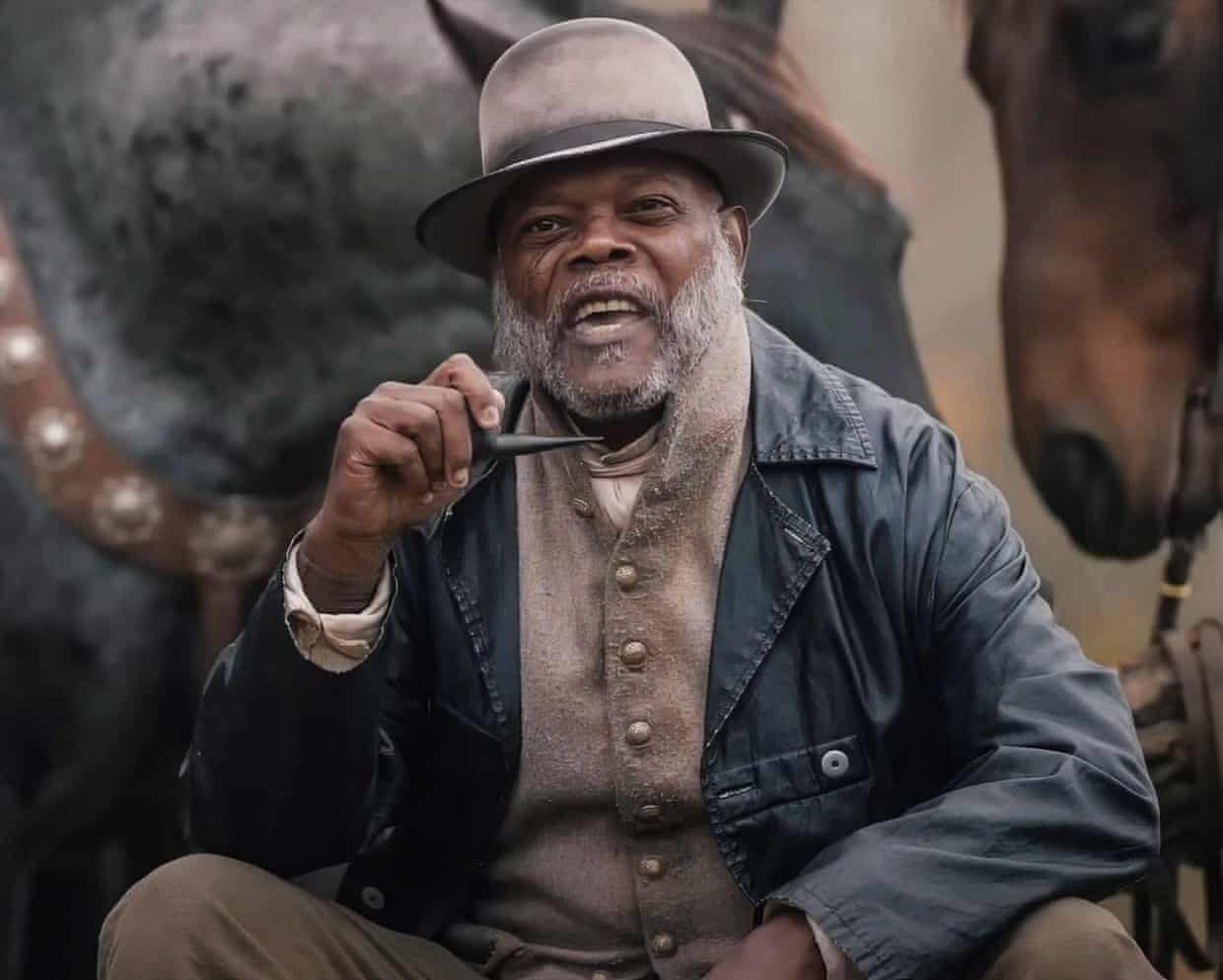
There’s something almost self-fulfilling about Endless Cookie being an overlooked gem. The crudely animated Canadian documentary, directed by two half-brothers occupying separate worlds between Toronto and Shamattawa First Nation, lives in and finds its voice in the ellipses between typical narrative beats. A fart, a toilet flush, mumbling asides and the squabble of children sharing the same room as Seth Scriver (who is white) he interviews his Indigenous brother Pete are among the overlooked moments that are usually left on a cutting-room floor. But they resonate in Endless Cookie, like life refusing to be silenced in a surrealist self-portraiture that delights in colouring outside the lines. Institutional violence and neglect, intergenerational trauma and over-policing in Indigenous communities are all visible, but often kept at bay

‘I once Bogarted a joint from a Beatle’: Stewart Copeland of the Police
Your 2025 album, Wild Concerto, stars birds and animals as soloists; what animal do you think best represents you, and why?The wolves of the Arctic Circle! Actually, no, no, no – the hyenas of the Skeleton Coast. Hyenas are very cool animals: they’re butt ugly, but they have extremely complex society, they’re very complex vocally, and they’re very strange animals. I don’t know whether I identify with them personally or not. OK, fuck that: let’s go back to the wolf, much more heroic.You’ve been touring your in-conversation show – what is the most common question you get from audiences?Someone always asks me about Spyro [1998 platformer Spyro The Dragon]
From Central Cee to Adolescence: in 2025 British culture had a global moment – but can it last?
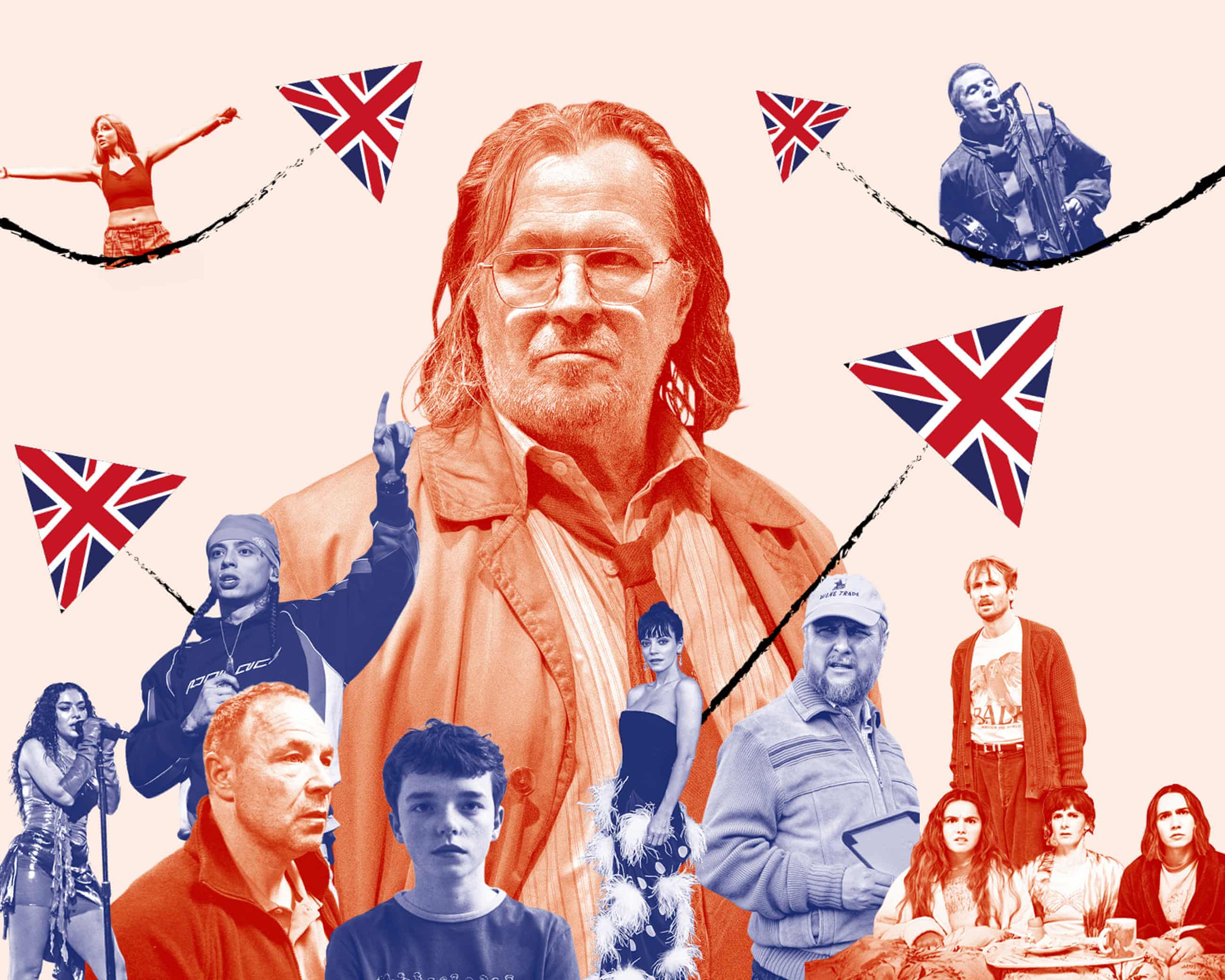
Despite funding cuts and shuttered venues, homegrown music, TV, film and, yes, memes have dominated the global zeitgeist over the past 12 years. Now this culture must be future-proofed from the forces of globalisationOn the face of it, British culture looks doomed. Our music industry is now borderline untenable, with grassroots venues shuttering at speed (125 in 2023 alone) and artists unable to afford to play the few that are left; touring has become a loss leader that even established acts must subsidise with other work. Meanwhile, streaming has gutted the value of recorded music, leading to industry contraction at the highest level: earlier this year the UK divisions of Warners and Atlantic – two of our biggest record labels – were effectively subsumed into the US business.In comedy, the Edinburgh fringe – the crucible of modern British standup, sketch and sitcom – is in existential crisis thanks to a dearth of sponsorship and prohibitively high costs for performers

The best songs of 2025 … you may not have heard
There is a sense of deep knowing and calm to Not Offended, the lone song released this year by the Danish-Montenegrin musician (also an earlier graduate of the Copenhagen music school currently producing every interesting alternative pop star). To warmly droning organ that hangs like the last streak of sunlight above a darkening horizon, Milovic assures someone that they haven’t offended her – but her steady Teutonic tenderness, reminiscent of Molly Nilsson or Sophia Kennedy, suggests that their actions weren’t provocative so much as evasive. Strings flutter tentatively as she addresses this person who can’t look life in the eye right now. “I see you clearly,” Milovic sings, as the drums kick in and the strings become full-blooded: a reminder of the ease that letting go can offer. Laura SnapesIn a year that saw the troubling rise of AI-generated slop music, there is something endlessly comforting about a song that can only have been written by a messy, complicated human

The Guide #223: From surprise TV hits to year-defining records – what floated your boats this year
Merry Christmas – and welcome to the last Guide of 2025! After sharing our favourite culture of the year in last week’s edition, we now turn this newsletter over to you, our readers, so you can reveal your own cultural highlights of 2025, including some big series we missed, and some great new musical tips. Enjoy the rest of the holidays and we’ll see you this time next week for the first Guide of 2026!“Get Millie Black (Channel 4), in which Tamara Lawrance gives a powerhouse performance as a loose-cannon detective investigating a case in Jamaica. The settings are a tonic in these dreary months, and the theme song (Ring the Alarm by Shanique Marie) is a belter. But be warned: the content of the final, London-set episode goes to some dark places.” – Richard Hamilton“How good was Dying For Sex! This drama about a terminally ill woman embarking on an erotic odyssey was so funny and sad and true and daring

My cultural awakening: a Turner painting helped me come to terms with my cancer diagnosis
My thyroid cancer arrived by accident, in the way life-changing things sometimes do. In May of this year, I went for an upright MRI for a minor injury on my arm, and the scan happened to catch the mass in my neck. By the following month, I had a diagnosis. People kept telling me it was “the good cancer”, the kind that can be taken out neatly and has a high survival rate. But I’m 54, and my dad died of cancer in his 50s, so that shadow came down on me hard

London stock market ending best year since 2009 at record high – business live

One pub a day closed permanently in England and Wales in 2025

The office block where AI ‘doomers’ gather to predict the apocalypse
AI showing signs of self-preservation and humans should be ready to pull plug, says pioneer
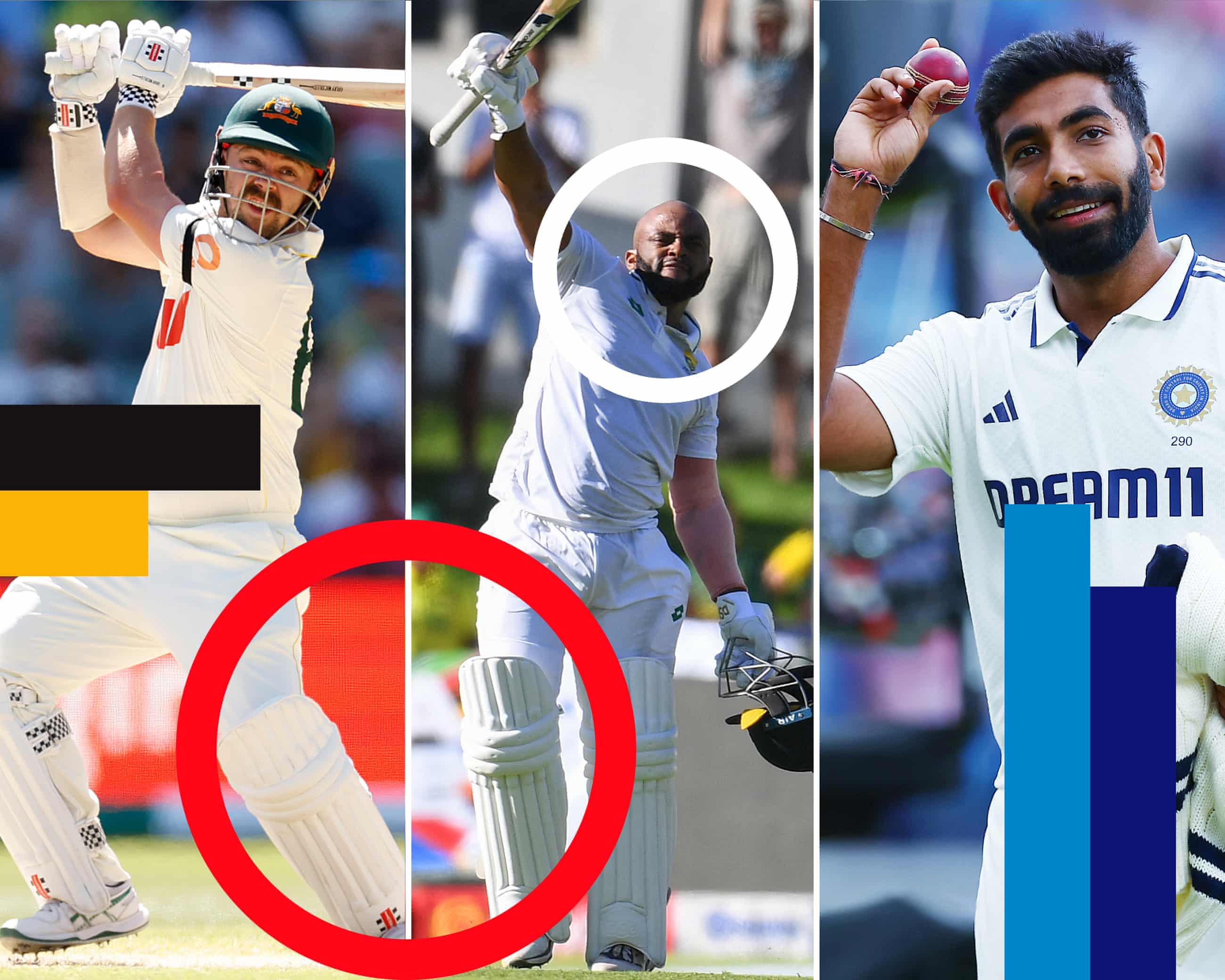
The Spin | The men’s Test cricket team of the year: from Travis Head to Jasprit Bumrah
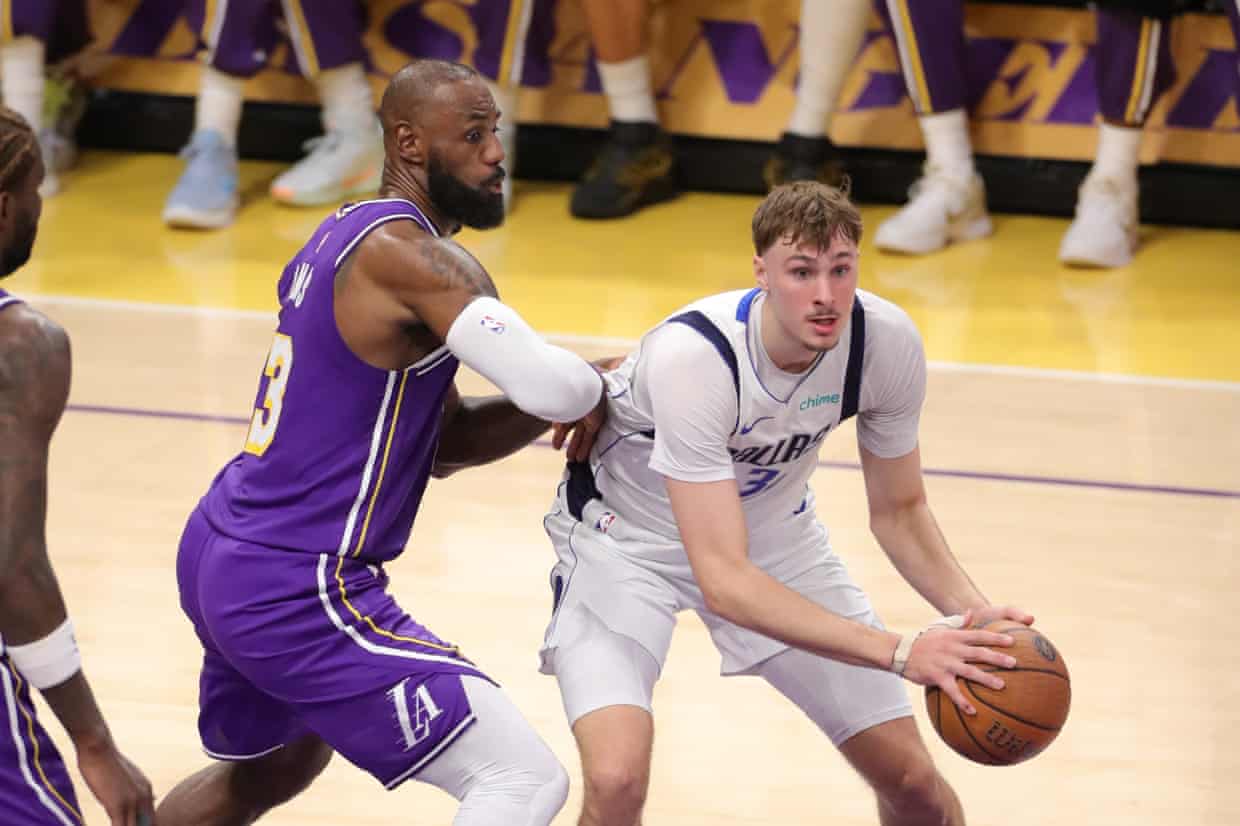
Life after LeBron James: who will inherit the NBA’s future?