‘Cool Hand’ to ‘Panda Man’: the power or pitfalls of a darting nickname
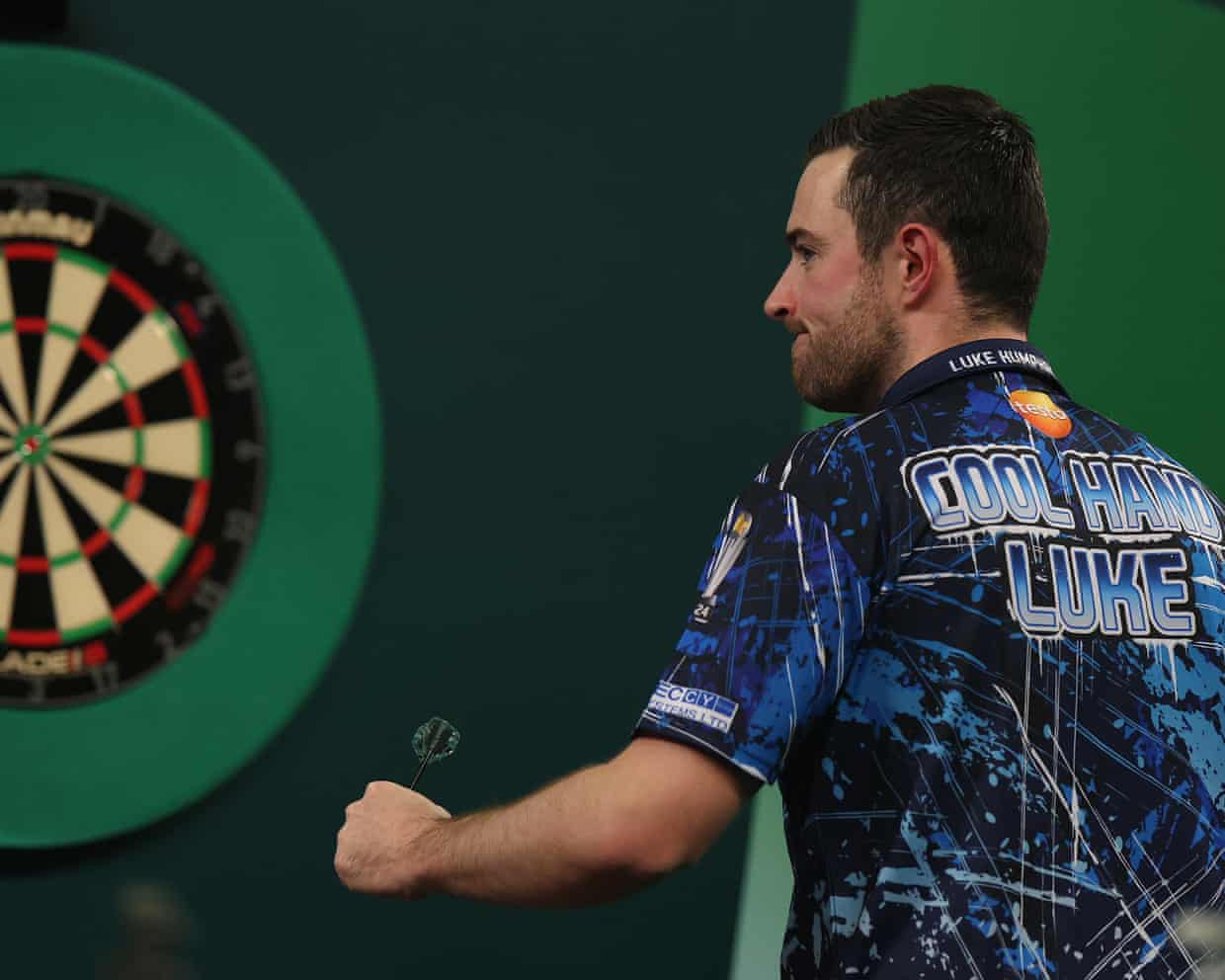
It’s September 2017, and a humble Challenge Tour quarter-final at the Robin Park Leisure Centre in Wigan is about to change the course of darting history.Luke Humphries and Martin Lukeman are two promising young throwers making their way on the Professional Darts Corporation’s second-tier tour, dreaming of the big time.But there’s one problem.Humphries has styled himself “Cool Hand”, based on the 1967 Paul Newman film that to date he has still never watched.Lukeman, meanwhile, has decided to call himself “Cool Man”: less catchy, doesn’t really scan, but still just about works.
And though the pair are firm friends, when the draw in Wigan pits them against each other, they decide that this best-of-nine match will settle matters once and for all.Winner gets the nickname.Loser has to think of something else.How different might the undulating paths of these two men have been had Lukeman and not Humphries won that match? Of course, Lukeman has had a perfectly fine career: finalist in the Grand Slam last season, a couple of promising runs in the other majors.But the man they now call “Smash” has also struggled for consistency at the highest level.
He goes on a hot streak and then fades for months,What he so sorely lacks – in those big pressure moments – is a little coolness,By contrast, Humphries and his nickname have proven a perfect fit for each other: a stage identity and a sporting identity that have fused together so perfectly that they may as well be one and the same,He’s unflappable, unerring, keeps his calm under pressure, keeps plugging away on that 60-bed,“It was fate,” he later remembered of the Lukeman game.
And perhaps the lesson here is that in a sport so built on persona and self-projection, there is often a lot more to a darting nickname than a little coloured thread on the back of a shirt,When new players register with the Professional Darts Players’ Association before their first tournament, among the details they are asked to enter is the nickname they will carry with them into their careers,And look, quite a few appear to have gone with the first thing that came to mind as they were filling out the form,Ross Smith is “Smudger”, Luke Woodhouse “Woody”, Josh Rock “Rocky”,Mervyn King is “The King”.
Ryan Meikle, a barber, is known as “The Barber”.Which is fine.Not everyone has to be an all-singing, all-dancing brand.There are the inevitable puns: Darren “Ice Cold” Beveridge, “Beau and Arrow” Greaves, Jan “Double” Dekker.There are the players whose have carried their nicknames into darts from a previous life.
Jonny Clayton has been known as “The Ferret” ever since his days as a jackalling scrum-half for Pontyberem.Chris Dobey got the name “Hollywood” from his mates in Bedlington because of the way he dressed.For players from the more peripheral countries of the darting universe, their inevitable fate is to be assigned a name based on their nationality.Krzysztof Ratajski, “The Polish Eagle”.Antonio Alcinas, “El Dartador”.
Nitin Kumar, “The Royal Bengal”.Xiaochen Zong of China is known as “The Panda Man”, which probably isn’t going to date that well.But the most catchy and consequential nicknames are very often the product of a more polished and collaborative process.When new players arrive on tour they and their agents will often meet with the PDC’s publicity department to discuss how they want to be branded and marketed.Nicknames and walk-on songs will be thrown around the room to see what sticks.
Daryl Gurney’s nickname “Superchin” was a suggestion from his agent.He still doesn’t like it.But he’s stuck with it now.Broadcasters will often have a say as well: it was a Sky Sports production manager called Peter Judge who came up with the idea of calling Phil Taylor “The Power” after hearing the song of the same name by Snap! on a CD.The commentator Dan Dawson dubbed Dirk van Duijvenbode “the Aubergenius” due to his previous job on an aubergine farm.
Which brings us neatly to the final category: the nicknames deemed too hot for television.Earlier this year the Australian player Tim Pusey got a sternly-worded communique from the PDC that his long-standing nickname of “The Magnet” would no longer be acceptable to a global family audience.The same fate befell the young Devon player Owen Bates, whose attempt to dub himself “The Master” were also kiboshed by the fun police.All guffawing aside, the perfect darting nickname is more than a catchy jingle.For Peter “Snakebite” Wright and Eric “The Crafty Cockney” Bristow, for Ted “The Count” Hankey and Andy “The Viking” Fordham, it was an entire personality, a source of power, a character expressing to the world – and their opponents – how they wanted to be perceived.
For modern players like Stephen “The Bullet” Bunting and Luke “The Nuke” Littler, it has become an intrinsic part of their commercial armoury, used to sell everything from replica shirts to children’s lunchboxes to pet bandanas.Increasingly we live in an age where the professional athlete is a kind of personal brand.In this respect – as in so many others – darts was ahead of the curve.

Caesareans overtake natural vaginal births in England for first time, NHS data finds
Births through caesarean section have overtaken natural vaginal births in England for the first time, NHS data has revealed.Last year, 45% of births in England were through caesareans, 44% were through natural vaginal births and 11% were assisted with instruments such as forceps or ventouse, according to the data published on Tuesday.More than four in 10 caesareans, also known as C-sections, carried out by NHS England were elective, planned operations.For women under the age of 30, the most common method of delivery was natural vaginal birth, and for women aged 30 and over caesareans were the most common.For women aged 40 and over, 59% of births were through C-sections
Resident doctors in England begin five days of strike action
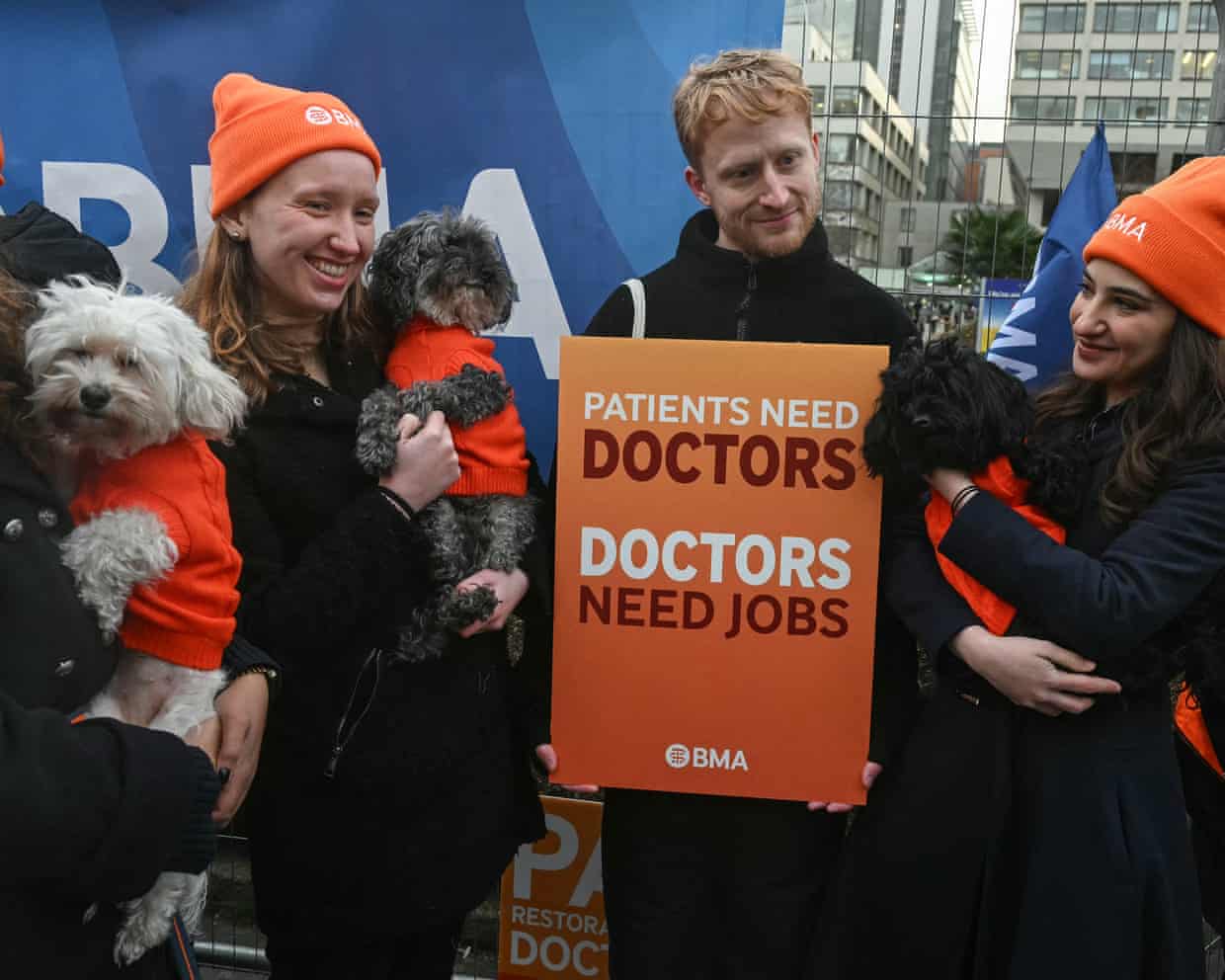
Resident doctors in England have begun five days of strike action after rejecting the government’s latest offer to resolve the long-running dispute over pay and jobs.The British Medical Association (BMA), and the health secretary, Wes Streeting, met on Tuesday in a final attempt to reach an agreement, but failed to do so.It means that resident doctors – formerly known as junior doctors – will remain on strike until 7am on Monday.The latest offer from the government would have increased the number of training places to enable early career doctors to start training in their chosen medical speciality, but not increased their pay for the current financial year.Resident doctors, who make up about half of all NHS doctors, overwhelmingly rejected the offer in a BMA survey last week, with 83% voting against it on a 65% turnout
The Guardian’s Hope appeal raises more than £350,000 for charities
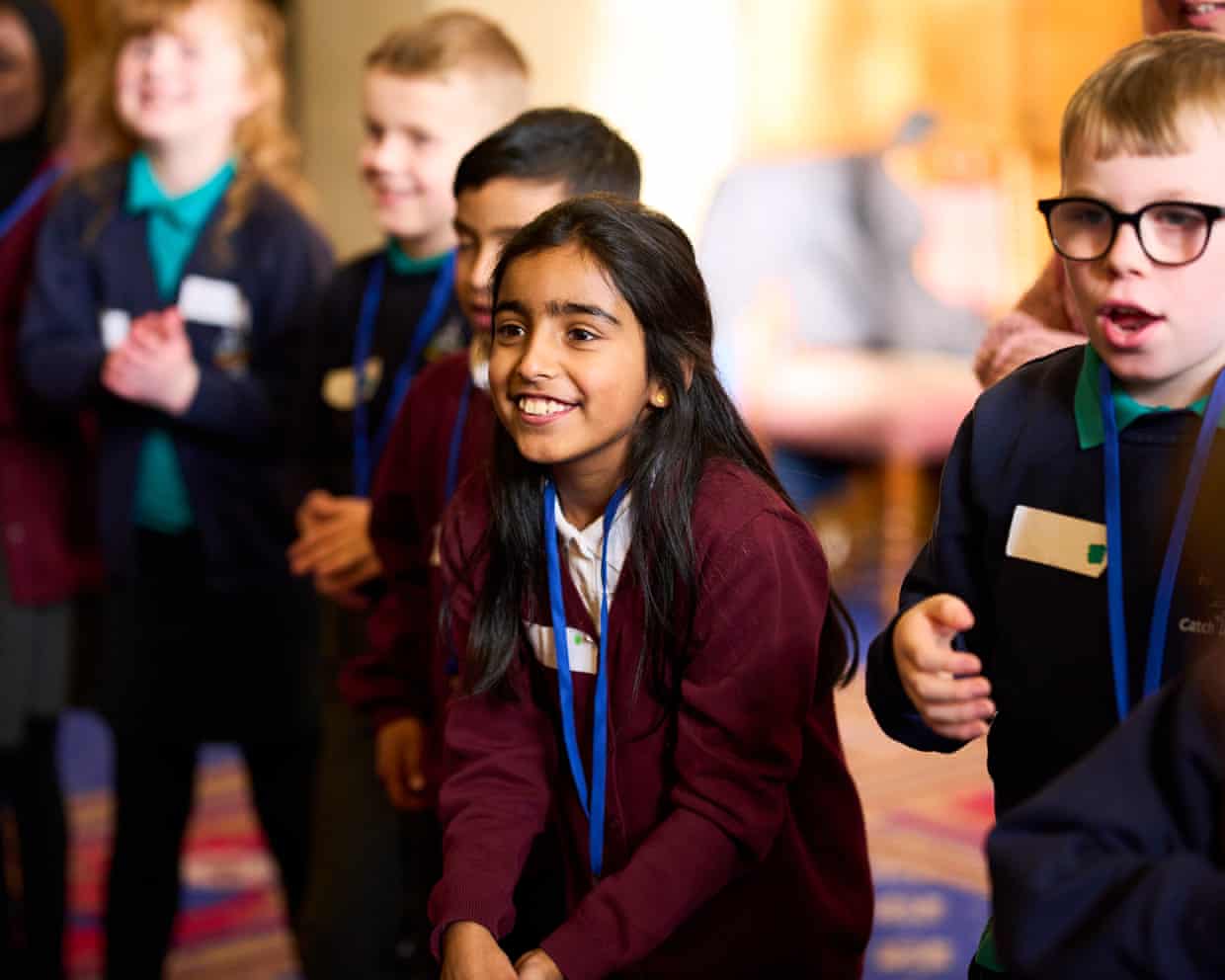
The Guardian’s Hope appeal has raised more than £350,000 for inspirational grassroots charities that bring divided communities together, promote tolerance and positive change, and tackle racism and hatred.The figure, raised in less than two weeks, includes more than £30,000 donated during the annual telethon last Saturday, when more than 40 journalists including John Crace, Polly Toynbee and Simon Hattenstone were on hand to take readers’ calls.The 2025 appeal is raising funds for five charities: Citizens UK, The Linking Network, Locality, Hope Unlimited and Who Is Your Neighbour?Against a backdrop of extremist violence and rhetoric, growing demonisation of migrants, harassment and abuse of charities, and the re-emergence of “1970s-style racism”, our partner charities are delivering practical projects designed to promote empathy, build trust and establish common values.Coverage to date has featured a Citizen’s UK “Walk of Hope” turning anger into community pride, Back on the Map’s work to revitalise a neighbourhood after far-right riots in 2024, and The Linking Network’s programme uniting primary schoolchildren from different faiths and backgrounds.“Thank you to the Guardian readers for your incredible generosity
Adults in England with eating disorders wait up to 700 days for treatment, report finds
Adults with eating disorders in England are waiting up to 700 days for vital treatment, according to a report.The stark figures were revealed in the first report of the National Audit of Eating Disorders (NAED), which looked at access to eating disorder services across the country.The audit, commissioned by the Healthcare Quality Improvement Partnership and funded by NHS England, found there were more community teams to support children than there were for adults.On average, adults with eating disorders had to wait twice as long as children for an assessment, and more than 10 times as long for treatment, the report found.The eating disorder charity Beat said the “growing disparity” between child and adult services was “particularly worrying”
Wes Streeting and resident doctors urged to agree to mediation to end strikes
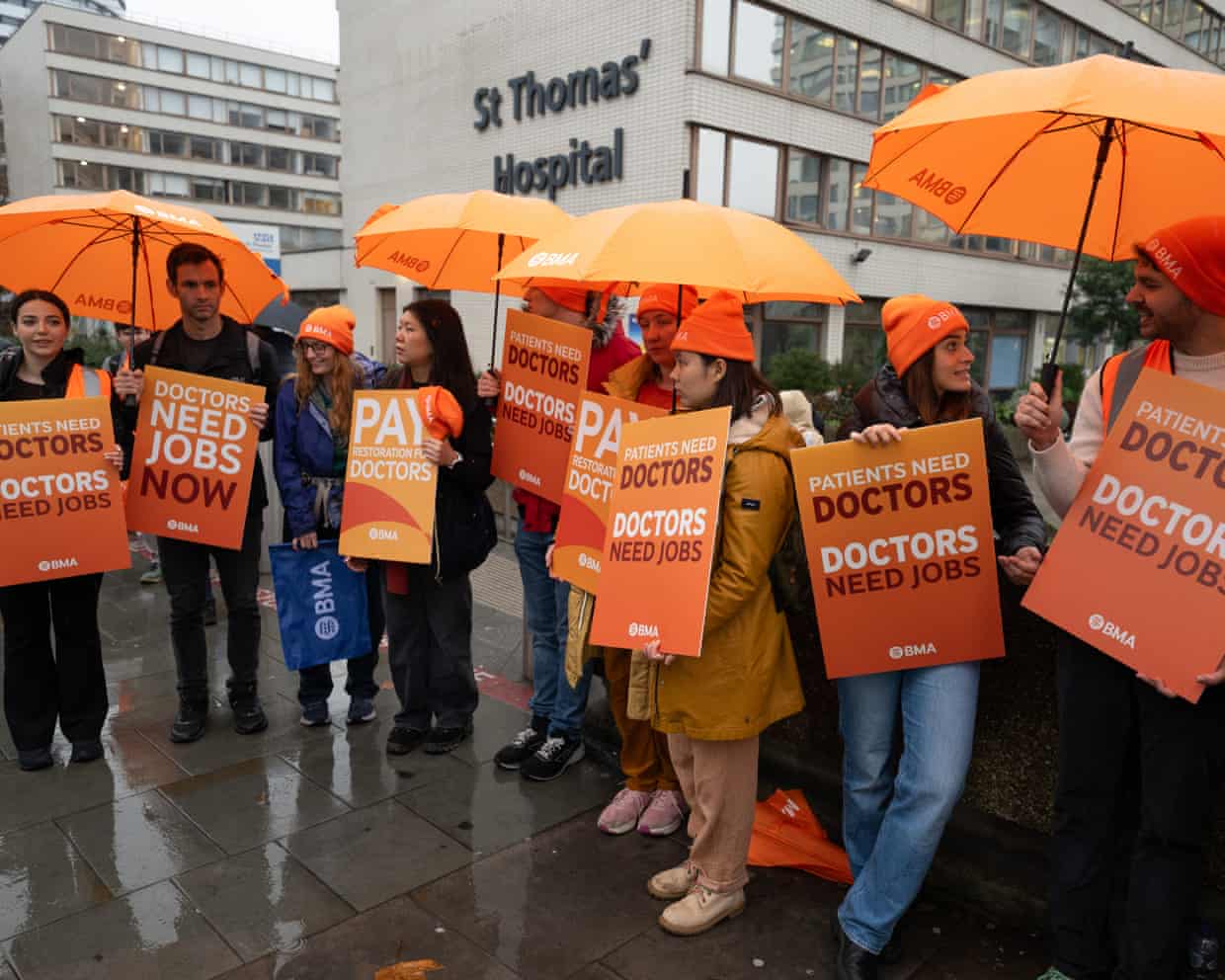
Exasperated NHS bosses have urged Wes Streeting and the British Medical Association to agree to independent mediation to end industrial action by resident doctors, who will begin their latest strike on Wednesday.The health secretary and the doctors union have been told to embrace the idea in order to urgently break the deadlock in their increasingly bitter dispute that health service bosses say is making patients “collateral damage”.An arbitrator could work to bridge the gap between them and resolve the 33-month-long dispute in England, the NHS Confederation, which represents hospital bosses, said.Thousands of resident – formerly junior – doctors in England will strike from 7am on Wednesday for five days in their 14th strike action since 2023.Hospitals have cancelled tens of thousands of tests and treatments to help them cope with the extra pressure they will be under until the strike ends at 7am next Monday 22 December
Striking resident doctors are digging in. History suggests this will go on and on
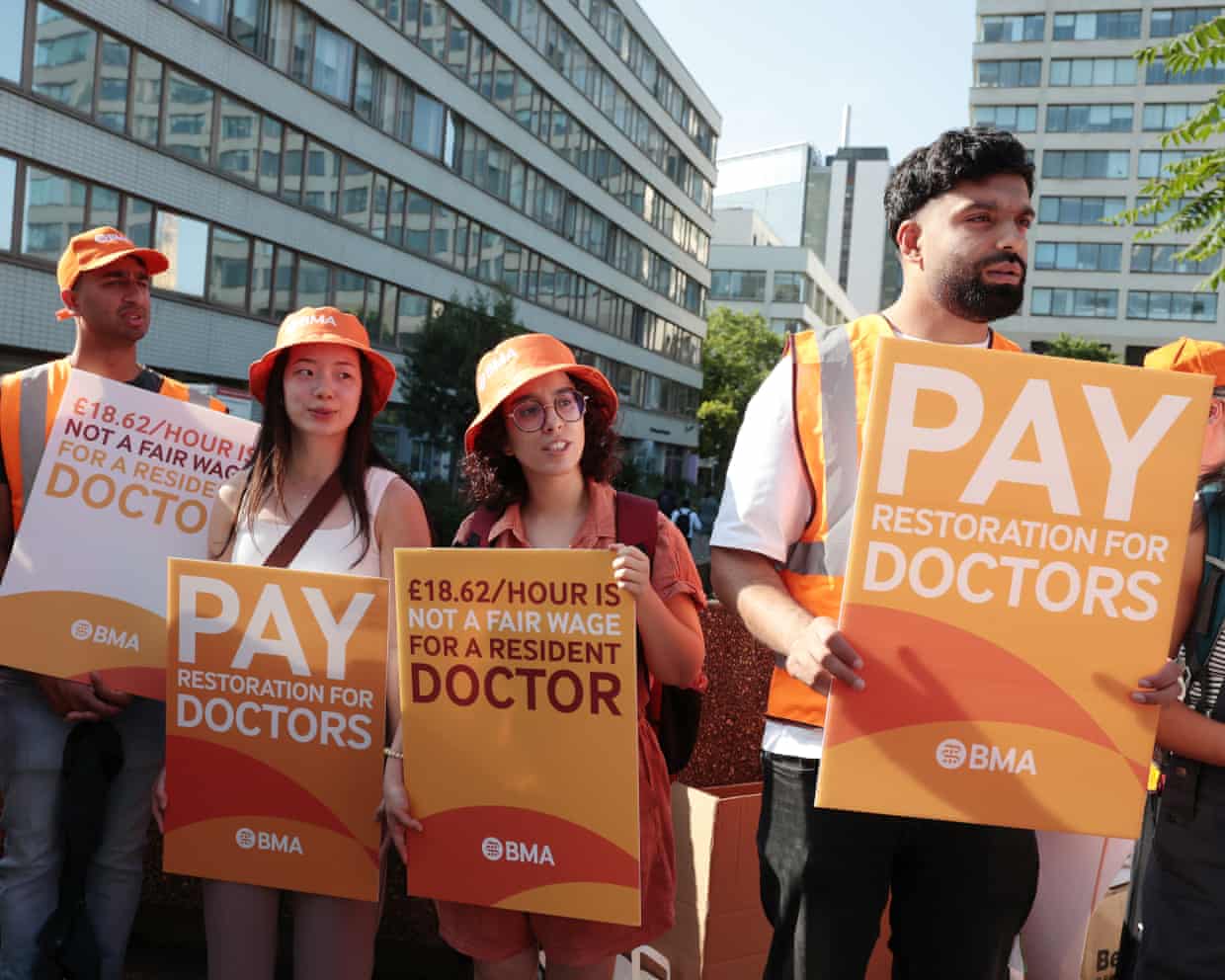
There are an array of numbers relating to the NHS that, it’s safe to assume, make Wes Streeting wince.Take, for example, the number of hospital tests and treatments people in England are waiting for – 7.42 million – and the number of people who need them – 6.24 million. Both have come down since Labour took power 17 months ago but still remain near worst-ever highs
UK to bring forward review of EV sales targets from 2027 to next year
Inflation drop makes Bank of England early Christmas present to Reeves almost a certainty
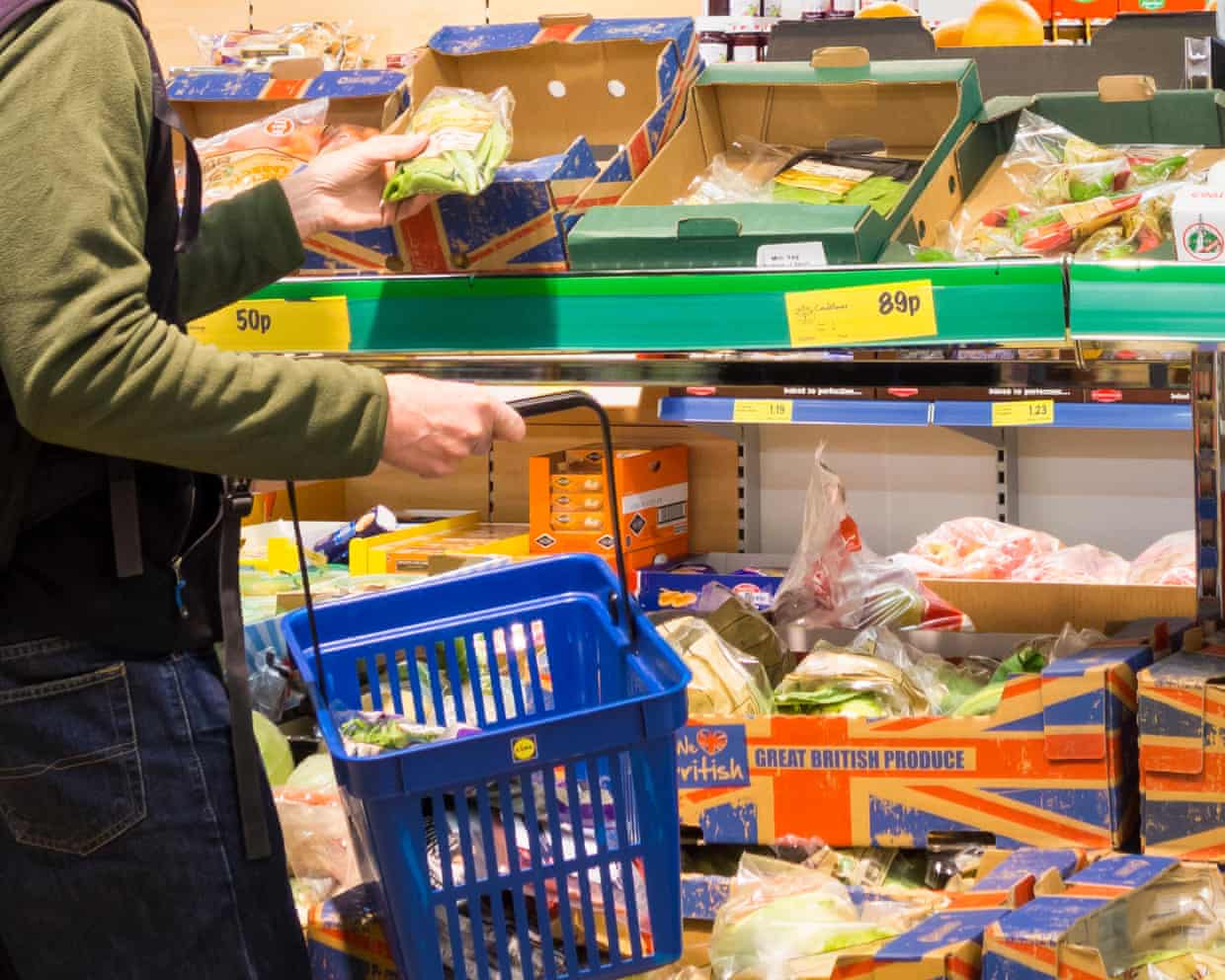
UK inflation falls sharply to 3.2% amid slowdown in food price rises
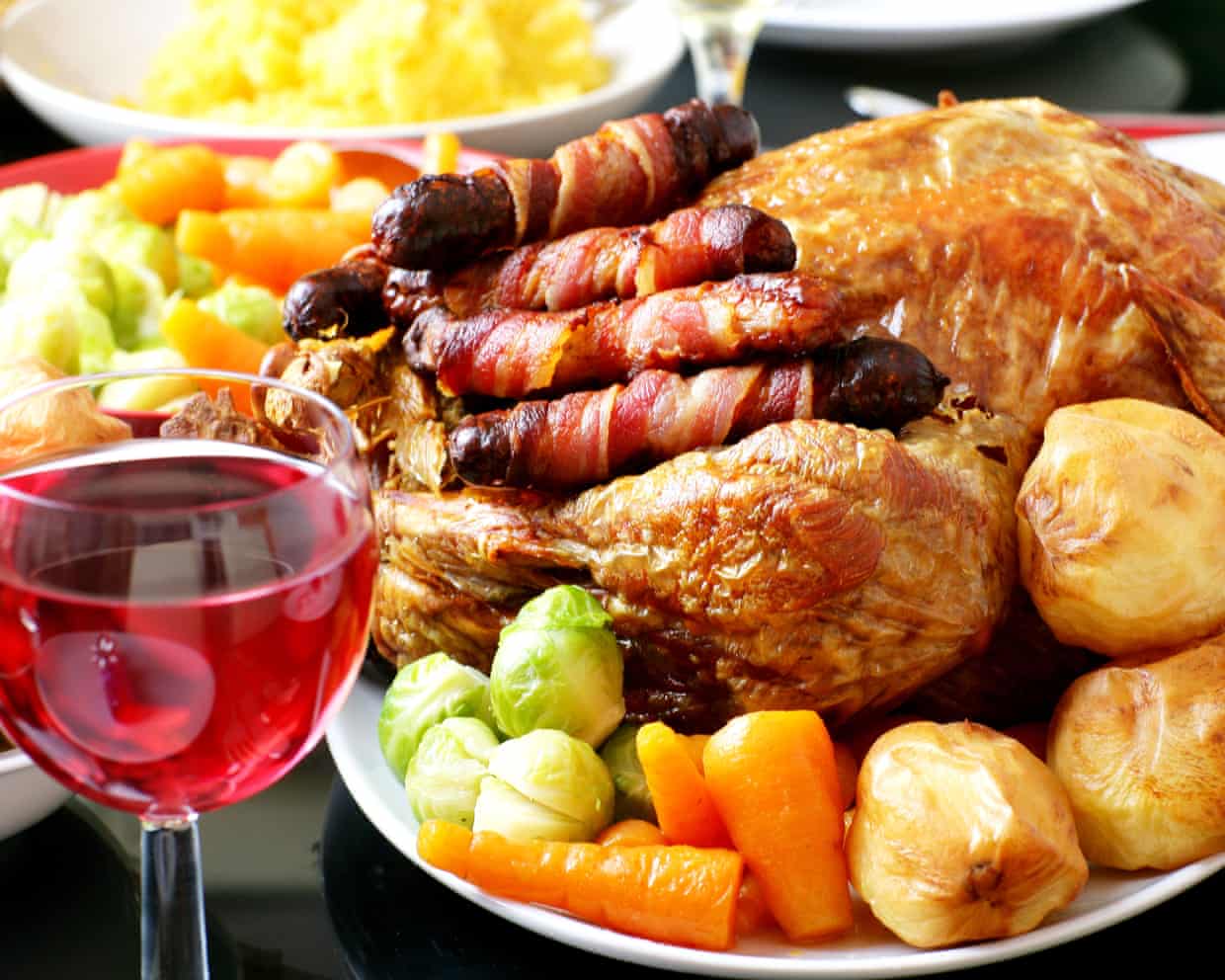
Christmas dinner and festive treats up to 70% more expensive, reports Which?
Rate hikes, rising inflation and difficult decisions: key takeaways from Jim Chalmers’ budget update

EU plans to water down ban on new petrol and diesel cars