Striking resident doctors are digging in. History suggests this will go on and on
There are an array of numbers relating to the NHS that, it’s safe to assume, make Wes Streeting wince.Take, for example, the number of hospital tests and treatments people in England are waiting for – 7.42 million – and the number of people who need them – 6.24 million.Both have come down since Labour took power 17 months ago but still remain near worst-ever highs.
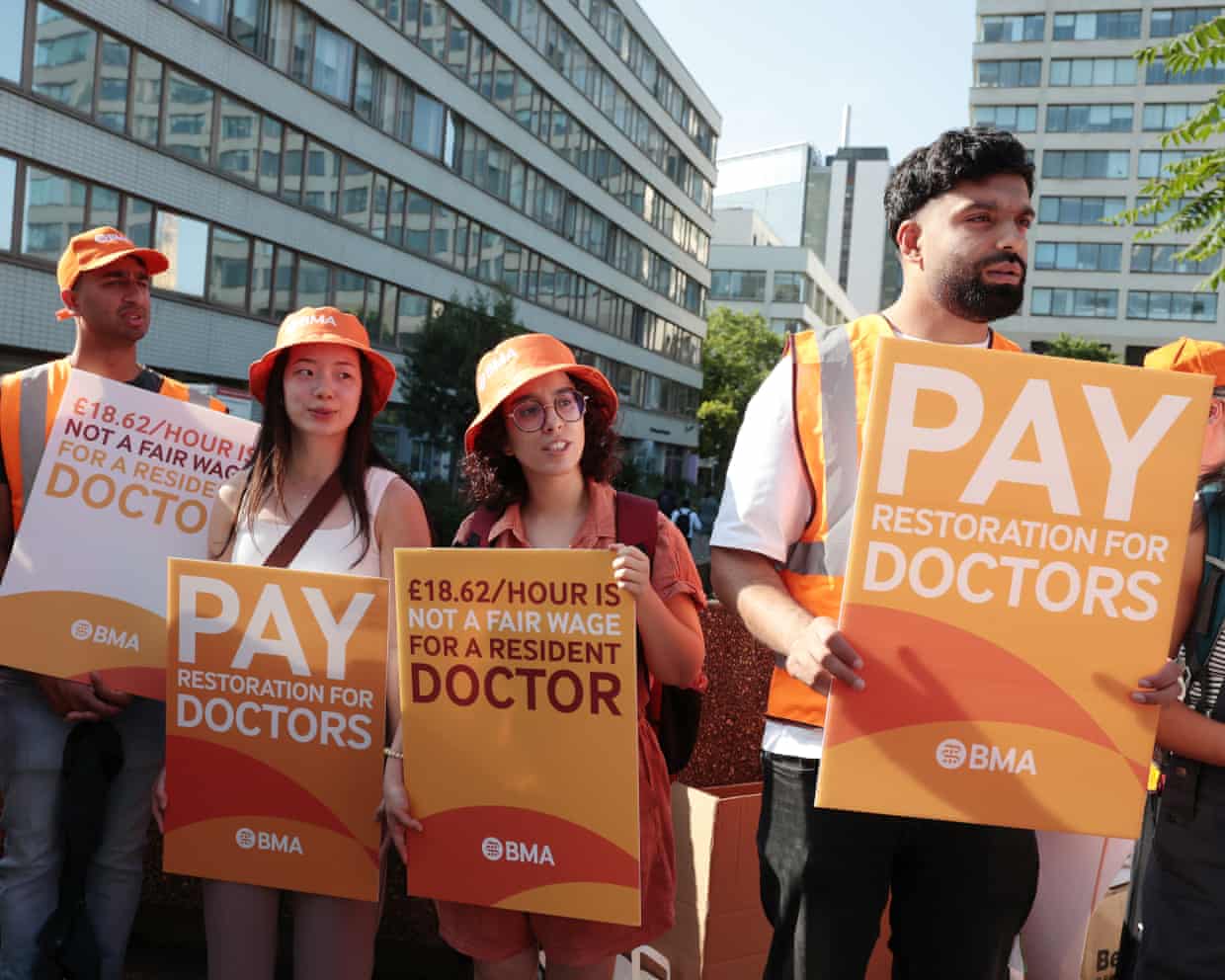
There is also the proportion of A&E patients across the UK who are routinely cared for in corridors, waiting rooms or backs of ambulances because hospitals are so overcrowded: 18%.There is also the estimated number of very unwell people in England who die every year because it takes too long to find them a bed: 16,600, according to the Royal College of Emergency Medicine.All very worrying statistics.Wednesday brings another set of sobering statistics for the health secretary.It will be day one of the 14th strike that resident doctors in England have staged over the last 33 months in an effort to win what is now a 26% pay rise.
The five days involved will be the 55th, 56th, 57th, 58th and 59th days of what NHS bosses privately fear could, without a dramatic change, become a “never-ending” dispute.In September last year Streeting recalled to the New Statesman how he had managed to end the strikes by those who were then called junior doctors, courtesy of a 22.3% pay rise over two years.“I managed to do within three weeks what they [the Conservatives] had failed to do over more than a year, which was to agree a deal with the junior doctors.”So he thought.
However, the peace – and the pause in the doctors’ campaign of industrial action – proved short-lived,A year on from that false dawn, the medics now known as resident doctors went on strike again, in July this year, for the first time under Labour,That was in pursuit of their new goal – a further 26% pay rise, albeit staged over several years,Thousands of doctors below the level of consultant went on strike for five days then and another five days last month and are now withdrawing their labour for another five days,Streeting says the British Medical Association is being unreasonable; the BMA, the doctors union, blames him for not rewarding medics properly for their vital work.
After eight strikes under the Tories and now three under Labour, the prospects of a settlement look as distant as at any point in the last 33 months.“At this rate, this is going to drag on and on and on all next year unless something changes.It’s never-ending,” said one NHS official.His comments reflect the beleaguered mood in a service that yet again has had to cancel tens of thousands of appointments and operations, ask senior doctors to cover more junior colleagues’ shifts and plead with the public to come to A&E over the next five days only if absolutely necessary.Streeting, a politician with a talent for pithy phrase-making, has deployed a lexicon of outrage when describing the strikes.
This latest stoppage could prove to be “the Jenga piece” that leads to the NHS collapsing, given the intense pressure that winter diseases are putting on it, he said.The parlous state of the public finances mean he cannot give the residents the 26% they are seeking, he has explained repeatedly.He has made three offers to expand the number of training places for resident doctors to pursue their chosen medical specialty and avoid them being left jobless.They have rejected all three, the latest by 83% to 17% in a survey this week.Progress towards a settlement seems elusive.
Streeting is winning the PR battle.During the Tories’ time in office a clear majority of voters backed the pay demands.But after their 22.3% rise, the worm of public opinion has turned: YouGov reported last week that 33% support the strikes and 58% oppose them.However, he is not winning the hearts and minds of those who matter most – the doctors.
BMA sources say Streeting’s increasingly dramatic comments, as residents voted on his latest offer, hardened attitudes and made it more likely to produce a no vote,One BMA source said: “There’s a determination that they don’t want to be pushed around by the government or told what to do,For some time the [government’s] thinking appears to have been that the BMA is out of step with doctors,This [83% v 17%] result means they will have to reassess that and in the new year open the door to a discussion on a multi-year pay deal,”Their 13 strikes so far have pushed two governments to give them pay rises well above inflation.
They have also led Streeting to double, then double again – from 1,000 to 2,000, then 4,000 – the number of specialist training places for doctors to apply for,But the resident doctors remain immoveable, especially on the 26%,The BMA’s legal mandate to strike runs out on 6 January,Streeting and NHS chiefs hope that when they then seek members’ approval for a further six-month campaign of strikes, that enough doctors – strike-weary and tired of losing money when they refuse to work – say no,The history of this long, increasingly fractious dispute suggests they should hope but not expect that to happen.

Water levels across the Great Lakes are falling – just as US data centers move in
The sign outside Tom Hermes’s farmyard in Perkins Township in Ohio, a short drive south of the shores of Lake Erie, proudly claims that his family have farmed the land here since 1900. Today, he raises 130 head of cattle and grows corn, wheat, grass and soybeans on 1,200 acres of land.For his family, his animals and wider business, water is life.So when, in May 2024, the Texas-based Aligned Data Centers broke ground on its NEO-01, four-building, 200,000 sq ft data center on a brownfield site that abuts farmland that Hermes rents, he was concerned.“We have city water here

Boost for artists in AI copyright battle as only 3% back UK active opt-out plan
A campaign fronted by popstars including Elton John and Dua Lipa to protect artists’ works from being mined to train AI models without consent has received a boost after almost every respondent to a government consultation backed their case.Ninety-five per cent of the more than 10,000 people who had their say over how music, novels, films and other works should be protected from copyright infringements by tech companies called for copyright to be strengthened and a requirement for licensing in all cases or no change to copyright law.By contrast, only 3% of people backed the government’s initial preferred tech company-friendly option, which was to require artists and copyright holders to actively opt out of having their material fed into data-hungry AI systems.Ministers subsequently dropped that preference in the face of a backlash. Artists who have opposed any dilution of their copyright include Sam Fender, Kate Bush and the Pet Shop Boys

Google AI summaries are ruining the livelihoods of recipe writers: ‘It’s an extinction event’
This past March, when Google began rolling out its AI Mode search capability, it began offering AI-generated recipes. The recipes were not all that intelligent. The AI had taken elements of similar recipes from multiple creators and Frankensteined them into something barely recognizable. In one memorable case, the Google AI failed to distinguish comments on a Reddit thread from legitimate recipe sites and advised users to cook with non-toxic glue.Over the past few years, bloggers who have not secured their sites behind a paywall have seen their carefully developed and tested recipes show up, often without attribution and in a bastardized form, in ChatGPT replies

UK Treasury drawing up new rules to police cryptocurrency markets
Cryptocurrencies will be regulated in a similar way to other financial products under legislation coming into force in 2027.The Treasury is drawing up rules that will require crypto companies to meet a set of standards overseen by the Financial Conduct Authority (FCA).Ministers have sought to overhaul the crypto market, which has ballooned in popularity as a way of investing money and making payments.Cryptocurrencies have not been subject to the same regulation as traditional financial products such as stocks and shares, which means that in many cases consumers do not enjoy the same level of protection.The government said the new rules would make the crypto industry more transparent, boost consumer confidence and make it easier to detect suspicious activity, impose sanctions and hold companies accountable
YouTube channels spreading fake, anti-Labour videos viewed 1.2bn times in 2025
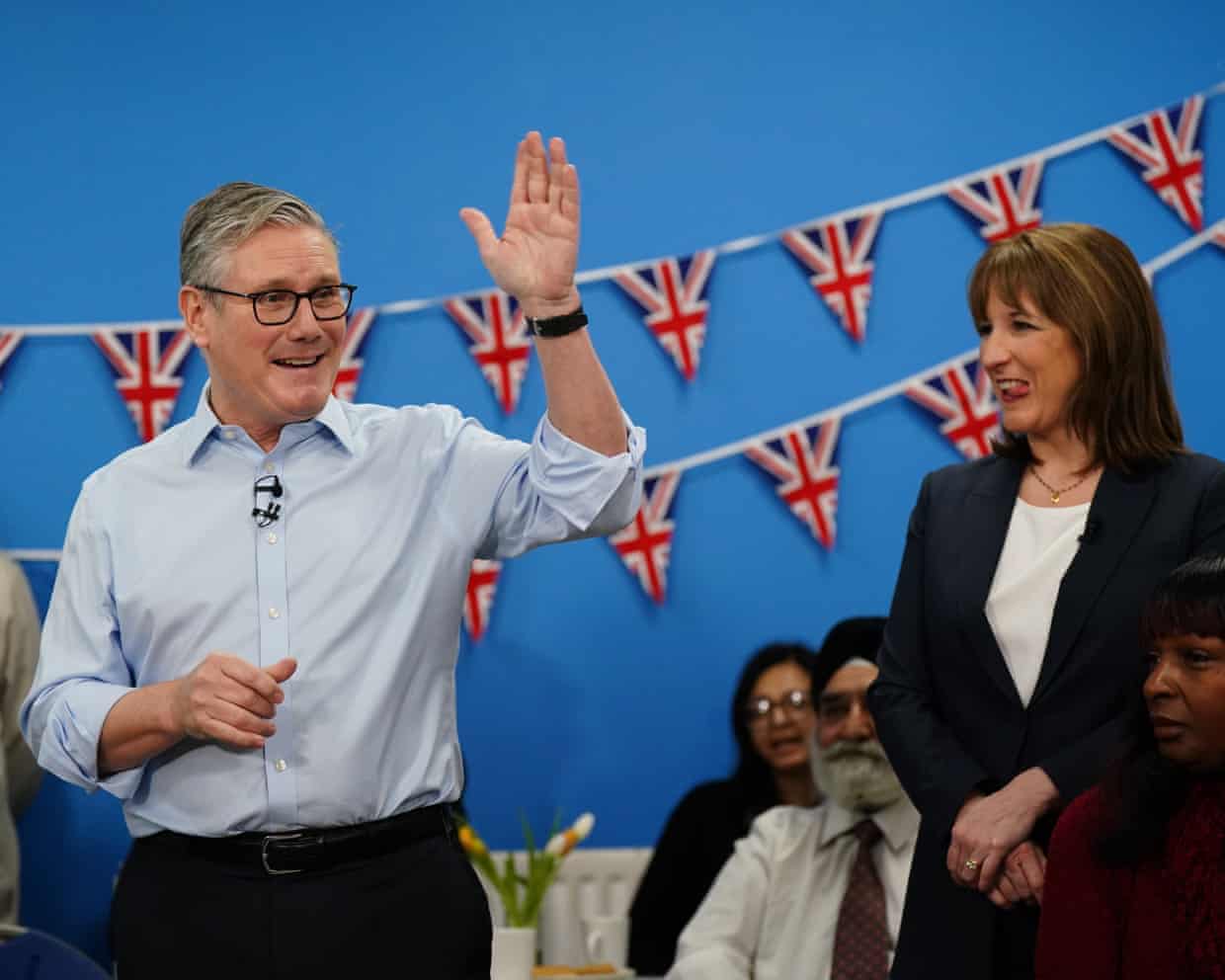
YouTube channels spreading fake, anti-Labour videos have amassed more than a billion views this year, as opportunists attempt to use AI-generated content to profit from political division in the UK.More than 150 channels have been detected in the last year that promote anti-Labour narratives, as well as outright fake and inflammatory accusations about Keir Starmer.A study seen by the Guardian has found the channels have accumulated 5.3m subscribers and have created more than 56,000 videos, with a total of almost 1.2bn views in 2025
Gavin Newsom pushes back on Trump AI executive order preempting state laws
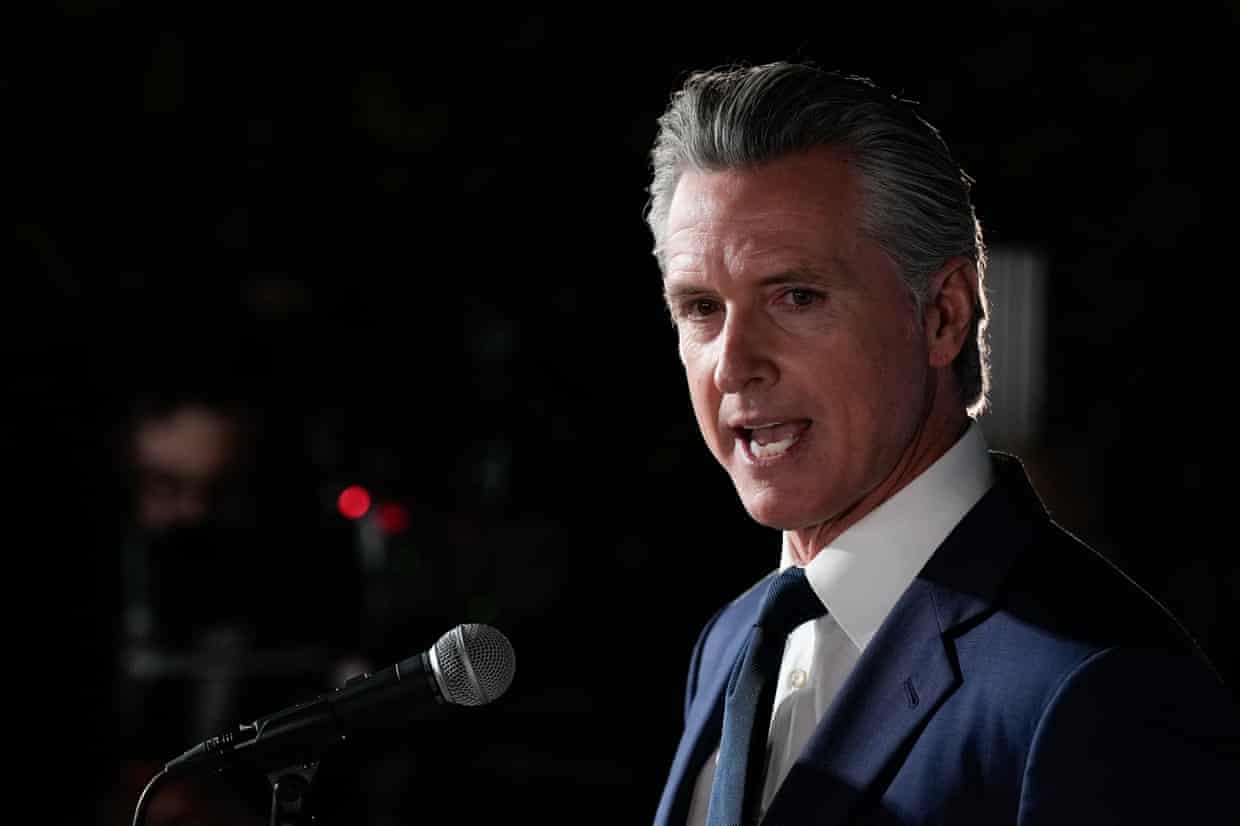
The ink was barely dry on Donald Trump’s artificial intelligence executive order when Gavin Newsom came out swinging. Just hours after the order went public Thursday evening, the California governor issued a statement saying the presidential dictum, which seeks to block states from regulating AI of their own accord, advances “grift and corruption” instead of innovation.“President Trump and David Sacks aren’t making policy – they’re running a con,” Newsom said, referencing Trump’s AI adviser and crypto “czar”. “Every day, they push the limits to see how far they can take it.”Trump’s executive order is a major victory for tech companies that have campaigned against legislative barriers to developing and deploying their AI products

UK to bring forward review of EV sales targets from 2027 to next year
Inflation drop makes Bank of England early Christmas present to Reeves almost a certainty

UK inflation falls sharply to 3.2% amid slowdown in food price rises

Christmas dinner and festive treats up to 70% more expensive, reports Which?

Rate hikes, rising inflation and difficult decisions: key takeaways from Jim Chalmers’ budget update
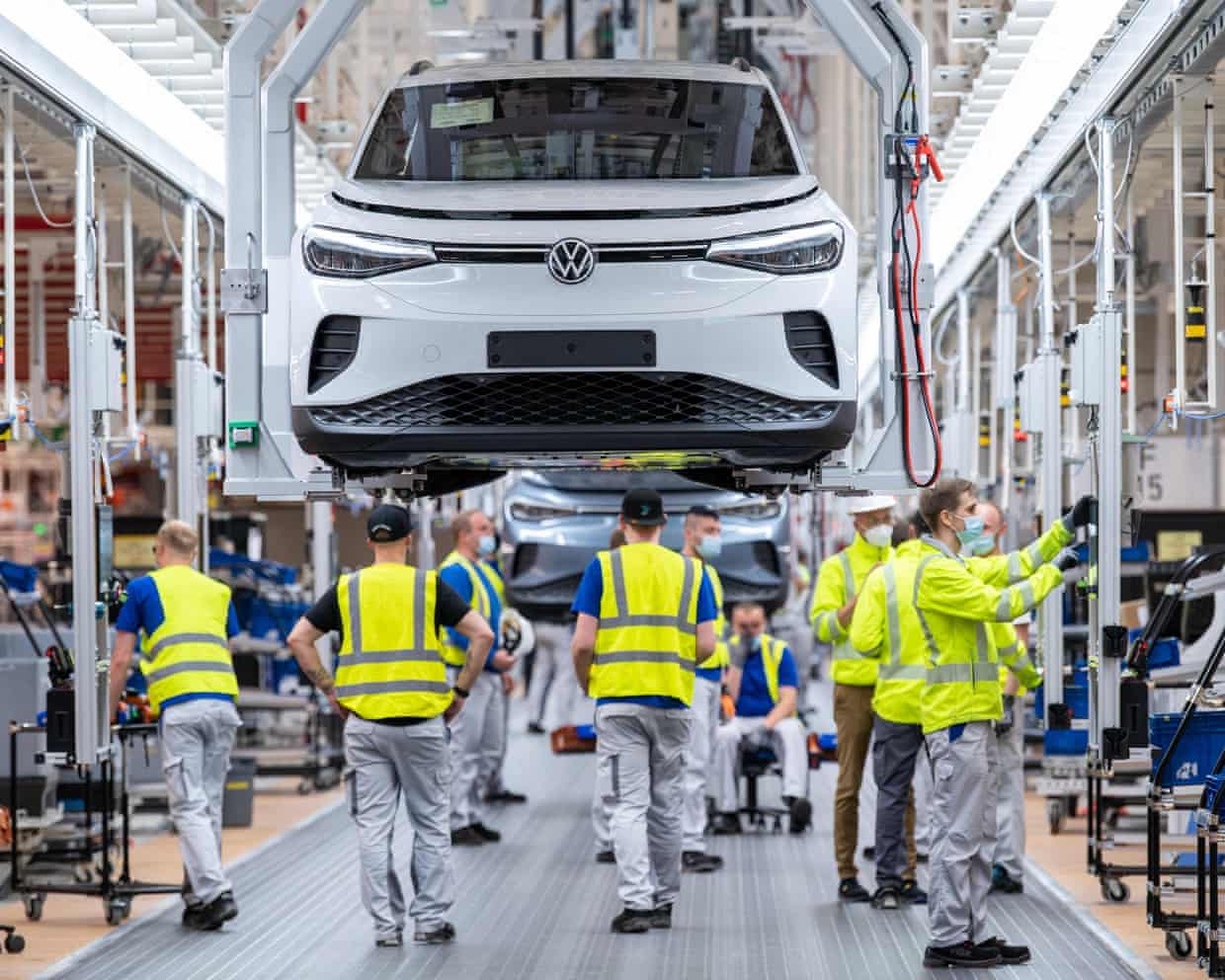
EU plans to water down ban on new petrol and diesel cars