Quarter of healthy years lost to breast cancer are due to lifestyle factors, research finds
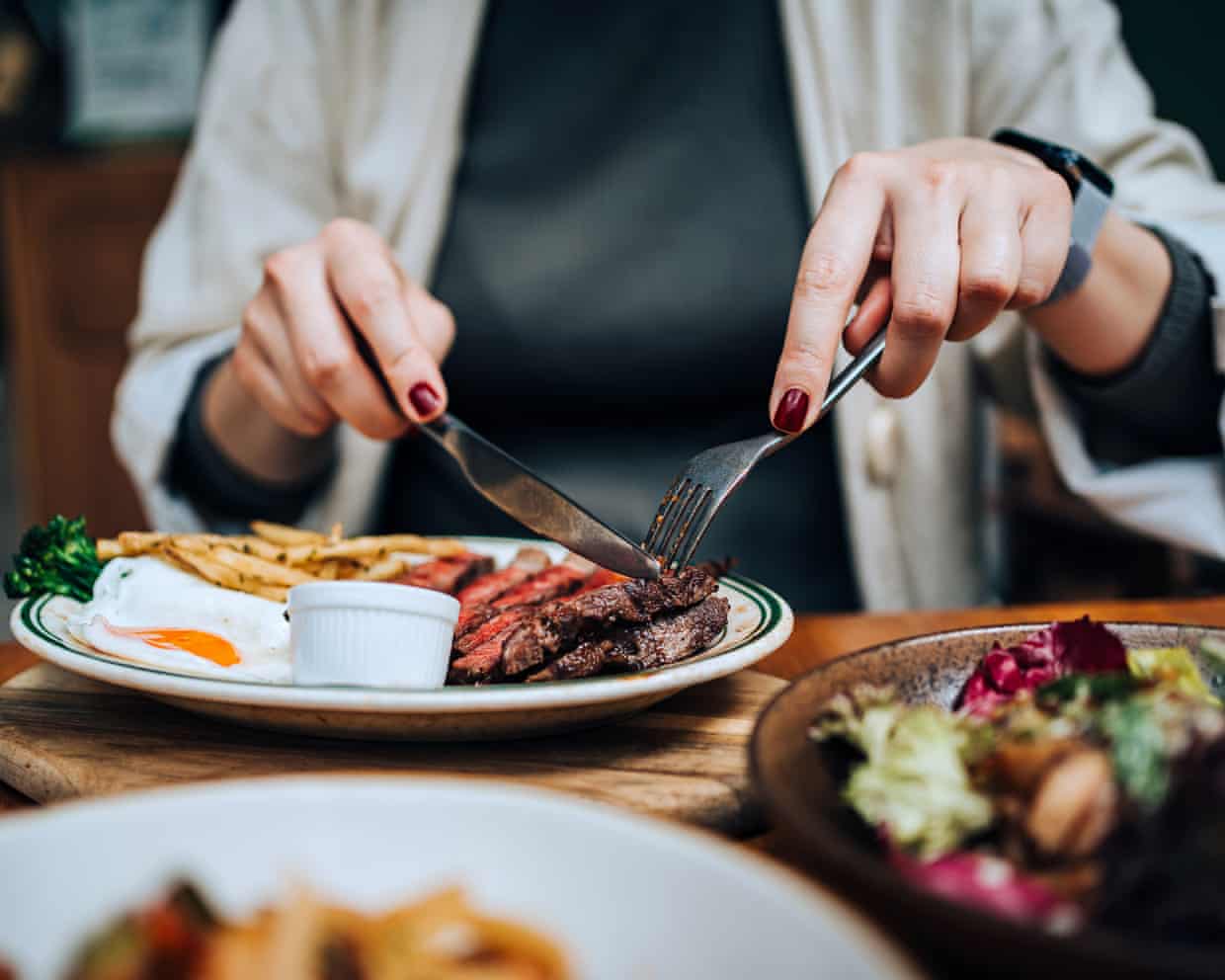
More than a quarter of healthy years lost to breast cancer are due to lifestyle factors such as red meat intake and smoking, according to the largest study of its kind.The study, published in the Lancet Oncology, used data from population-based cancer registries to produce a comprehensive analysis of breast cancer and its risk factors.The data used, spanning from 1990 to 2023 from more than 200 countries, was also used to produce forecasts of trends regarding breast cancer up to 2050.In the UK, about one in seven women will develop the disease in their lifetime.New breast cancer cases in women are predicted to rise by a third globally, from 2.
3m in 2023 to more than 3.5m in 2050, according to the analysis by the Global Burden of Disease Study Breast Cancer Collaborators.The findings also suggest that maintaining a healthy lifestyle, including not smoking, doing sufficient physical activity, lowering red meat consumption, and having a healthy BMI may prevent more than a quarter of healthy years lost to illness and premature death due to breast cancer worldwide.The figures follow previous research by Cancer Research UK, which found that more than four in 10 UK cancer cases were preventable through lifestyle changes.Kayleigh Bhangdia, from the Institute for Health Metrics and Evaluation (IHME) at the University of Washington and lead author of the study, said: “Breast cancer continues to take a profound toll on women’s lives and communities.
While those in high-income countries typically benefit from screening and more timely diagnosis and comprehensive treatment strategies, the mounting burden of breast cancer is shifting to low- and lower middle-income countries where individuals often face later-stage diagnosis, more limited access to quality care and higher death rates that are threatening to eclipse progress in women’s health.”The analysis found that, globally in 2023, three times as many new breast cancer cases were diagnosed in women aged 55 or older compared with women aged 20-54 (161 cases per 100,000 women, compared with 50).But the rates of new cases in women aged between 20 and 54 have risen by nearly a third (29%) since 1990, while rates in older women have not changed substantially.In 2023, 28% of the global breast cancer burden (6.8m years of healthy life lost to disability, illness and early death) was linked to six potentially modifiable risk factors.
High red meat consumption had the biggest impact (linked to nearly 11% of all healthy life lost), followed by tobacco use including secondhand smoke (8%), high blood sugar (6%), high body mass index (4%), high alcohol use and low physical activity (both 2%),Claire Rowney, the chief executive of Breast Cancer Now, said: “This new global study is a stark reminder that breast cancer is a disease that continues to take and rip apart far too many lives, not just here but around the world,“We’re determined to realise our bold ambition that by 2050, everyone with breast cancer will live and live well, and we’re accelerating progress through building global collaborations with researchers and funders, as together we can go further, faster to ensure that every woman, no matter where she lives, can access early diagnosis, effective treatment and the support she needs,”Sophie Brooks, health information manager at Cancer Research UK said: “These figures are a sad reminder of the heavy toll breast cancer continues to take on women around the world,“Prevention remains a key way to reduce rates, with a significant number of cases globally linked to preventable factors like smoking, overweight and obesity, and alcohol.
”
Quarter of healthy years lost to breast cancer are due to lifestyle factors, research finds
More than a quarter of healthy years lost to breast cancer are due to lifestyle factors such as red meat intake and smoking, according to the largest study of its kind.The study, published in the Lancet Oncology, used data from population-based cancer registries to produce a comprehensive analysis of breast cancer and its risk factors.The data used, spanning from 1990 to 2023 from more than 200 countries, was also used to produce forecasts of trends regarding breast cancer up to 2050. In the UK, about one in seven women will develop the disease in their lifetime.New breast cancer cases in women are predicted to rise by a third globally, from 2

Scotland becomes first UK country to legalise water cremations
Scotland has become the first part of the UK to legalise hydrolysis, an environmentally friendly alternative to cremation or burial, reflecting increasing demand for more sustainable funeral arrangements.Also known as water cremation or aquamation, the process is already available in many parts of the world, and regulations approved by the Scottish parliament on Monday mark the most significant change to funeral law since cremation was introduced in 1902.Replicating the natural process of decomposition that occurs after burial, but over a much shorter period of time, hydrolysis uses a strong alkaline solution to break down the body of the deceased person.The body is immersed in water and 5% alkaline, such as potassium hydroxide, for three to four hours in a pressurised metal cylinder and heated to about 150C (300F).This dissolves the body tissue, leaving only bones, which are then dried and pulverised into white dust
UK surgeon cleared of antisemitism criticises GMC’s plan to challenge ruling
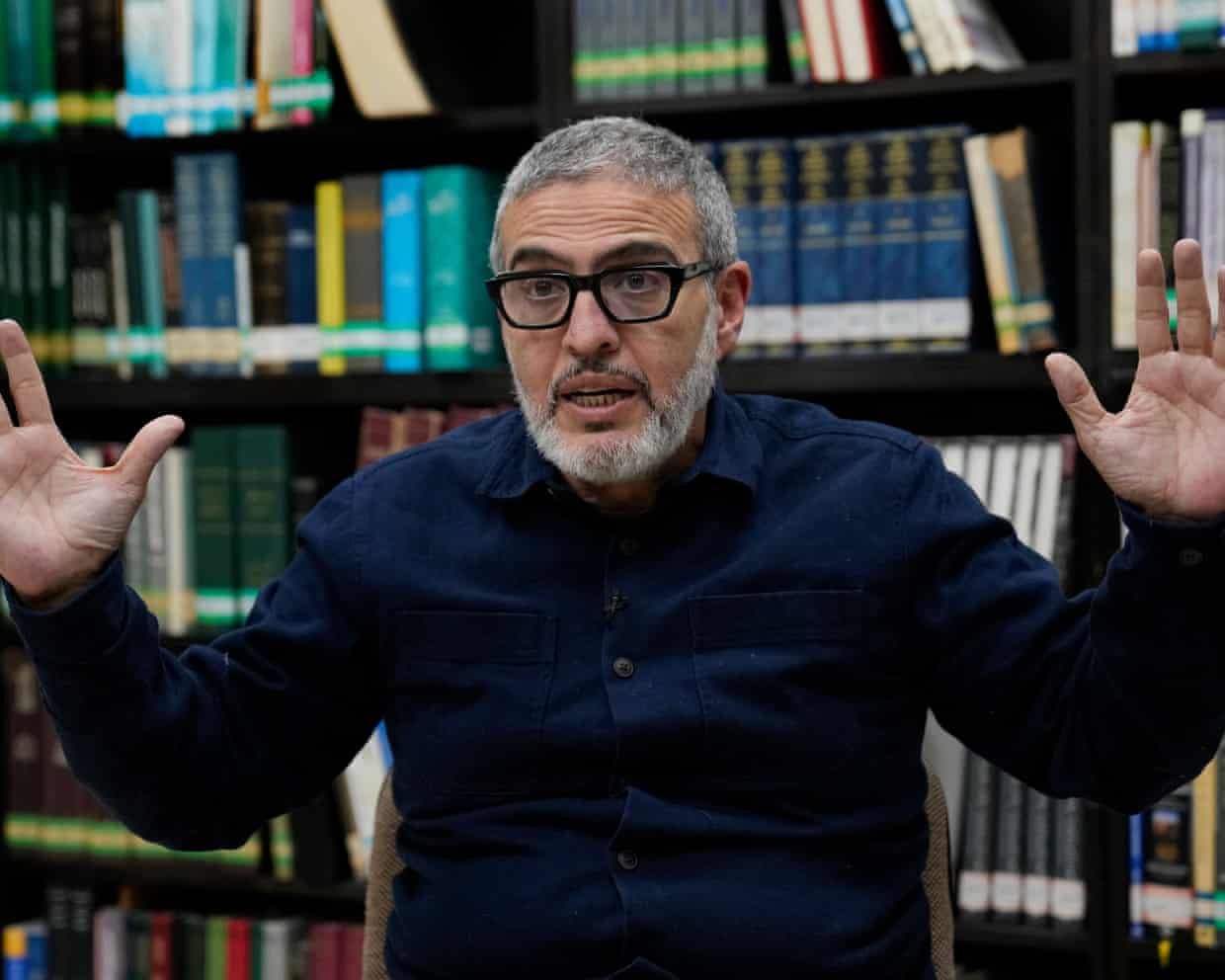
A surgeon who was cleared by a tribunal of alleged antisemitism and support for terrorism has accused his regulator of seeking a “politically acceptable” outcome after it announced it would appeal against the decision to the high court.Dr Ghassan Abu-Sittah, who gave testimony to the international criminal court on Israel’s assault on Gaza and is the rector of the University of Glasgow, was cleared of misconduct by the Medical Practitioners Tribunal Service (MPTS) in January.But the decision to appeal by the General Medical Council (GMC), which brought the case after a complaint by the lobby group UK Lawyers for Israel (UKLFI), means he is trying to crowdfund £150,000 to defend himself again.“When the MPTS rejected the allegations, I felt that a two-year period of continuous harassment and attempts to undermine my credibility, including my evidence before the ICC [international criminal court] and ICJ [international court of justice], had finally come to an end.” said Abu-Sittah

Labour council accuses minister of ‘moral bankruptcy’ over social care dispute
The housing, communities and local government secretary has been accused by a Labour council of showing “arrogance, indifference and moral bankruptcy” towards children in social care.In an unusually forthright attack, Labour leaders of Hartlepool council said they were “furious and appalled” at Steve Reed after a meeting with him last week. A cross-party delegation had asked the secretary of state for £3m to help alleviate the growing cost of social care.The town in County Durham is one of the most deprived in England. It has the third highest number of children in care per capita in the country

Most senior council officers in England say building work hit by delays
Almost two-thirds of senior council officers have said they are seeing construction projects delayed, despite the key role of local authorities in creating the wave of new housing and infrastructure promised by Labour.Before Rachel Reeves’s spring forecast on Tuesday, a survey of senior council officers showed that 40% do not think the local authority they work for is well placed to follow through on its construction plans.Local authority finances have been under sustained pressure for more than a decade. Labour recently announced a shake-up of the funding formula for England’s local councils, to redirect resources from affluent parts of the country towards more deprived areas.Among those surveyed, 64% reported project delays, with as many as 94% calling for more certainty about future financing – such as multi-year funding settlements

Three in four women unaware menopause can trigger new mental illness, poll finds
Nearly three-quarters of UK women do not know menopause can trigger a new mental illness, polling shows.This lack of understanding is so acute that the Royal College of Psychiatrists has launched its first targeted “position statement” to raise awareness about menopause and mental health.A YouGov poll, commissioned by the college, which represents more than 20,000 psychiatrists, found that only 28% of women know a new mental illness can be associated with menopause. In contrast, 93% of women associate menopause with hot flushes and 76% with reduced sex drive.As a result, many women are not seeking or receiving vital help, the RCPsych’s report says

The Guide #232: From documentary shock to Bafta acclaim – how the screen shaped our understanding of Tourette’s

From The Testament of Ann Lee to Gorillaz: your complete entertainment guide to the week ahead

Pulp have the last word in Adelaide festival saga with triumphant opening gig

Seth Meyers on Team Trump’s Iran threats: ‘These guys speak like they’ve been hit on the head’

How to keep free entry to UK museums and galleries | Letters

‘You’re sweet – and I’m old!’: Billy Porter and Sam Morrison on teaming up for a comedy about love and death