UK surgeon cleared of antisemitism criticises GMC’s plan to challenge ruling
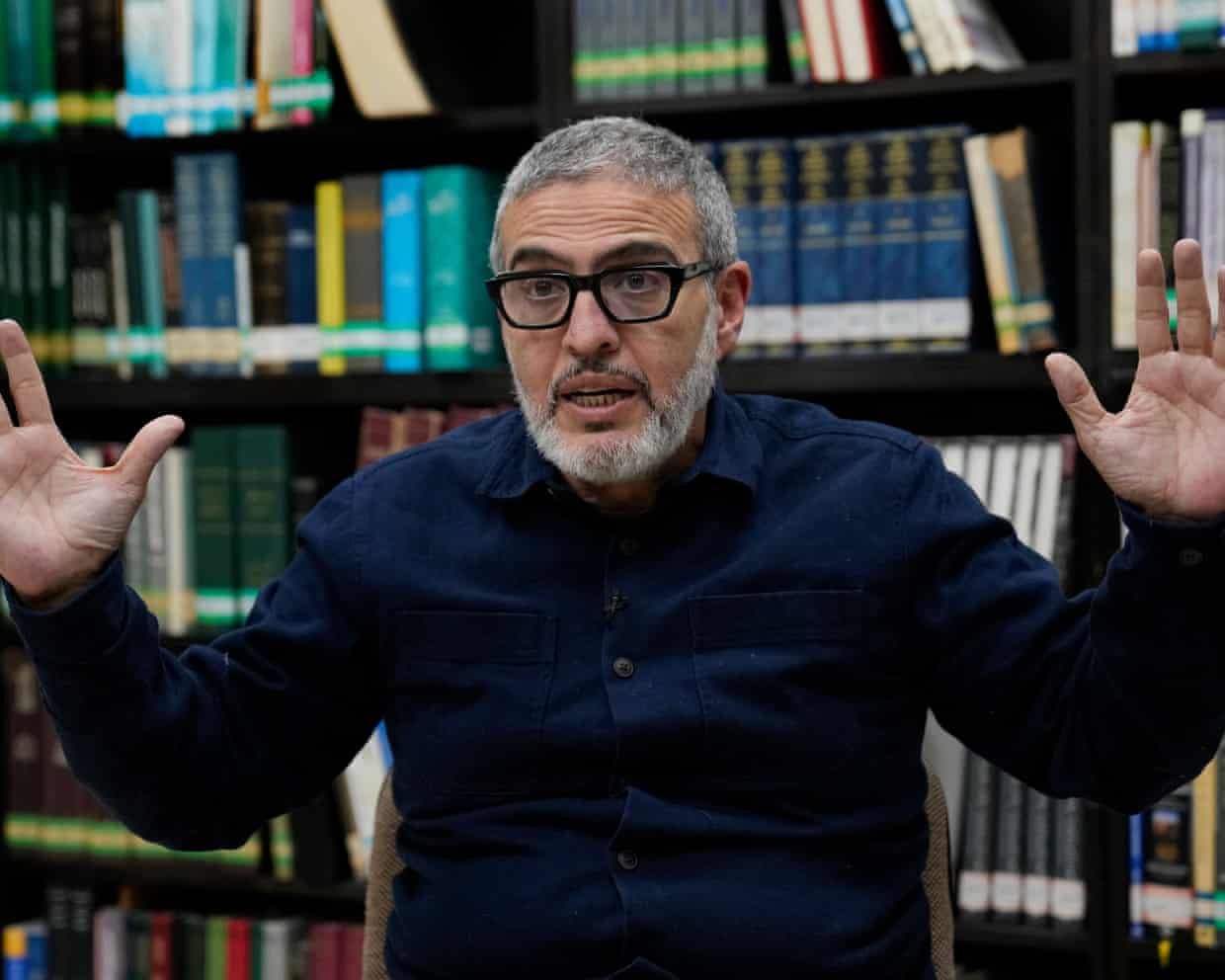
A surgeon who was cleared by a tribunal of alleged antisemitism and support for terrorism has accused his regulator of seeking a “politically acceptable” outcome after it announced it would appeal against the decision to the high court.Dr Ghassan Abu-Sittah, who gave testimony to the international criminal court on Israel’s assault on Gaza and is the rector of the University of Glasgow, was cleared of misconduct by the Medical Practitioners Tribunal Service (MPTS) in January.But the decision to appeal by the General Medical Council (GMC), which brought the case after a complaint by the lobby group UK Lawyers for Israel (UKLFI), means he is trying to crowdfund £150,000 to defend himself again.“When the MPTS rejected the allegations, I felt that a two-year period of continuous harassment and attempts to undermine my credibility, including my evidence before the ICC [international criminal court] and ICJ [international court of justice], had finally come to an end.” said Abu-Sittah.
His case was initially heard by an interim orders tribunal, which said it was “unable to accept the GMC’s submission that there was a risk that Dr Abu-Sitta would discriminate against Jewish or Israeli patients because the only evidence before the tribunal on this point suggested the contrary”.He was then cleared at a full hearing at the MPTS.“What the GMC is saying is that it will keep going until it gets the decision it deems politically acceptable,” said Abu-Sittah.“The significant cost of pursuing this appeal, borne by fee-paying GMC members, raises serious questions about the degree of external political pressure being exerted on the regulator.”The government has said it intends to remove the GMC’s right of appeal, something the regulator’s chief executive, Charlie Massey, told a parliamentary committee in January that it was “reconciled to”.
The change has been in the pipeline for years, with a 2018 review describing a perception that the regulator was “having two opportunities to make its case – first in putting its case for a sanction to the MPTS and then appealing the MPTS decision if it doesn’t ‘agree’ with the GMC’s view”.The case against Abu-Sittah related to a newspaper article he wrote for a Lebanese newspaper and two posts on X.Ian Comfort, the chair of the panel, said the tribunal did not “cherrypick” quotes from the article but considered it in its entirety and could not identify anything that was antisemitic or supportive of terrorism or violence.The barrister said the tweets, which related to Hamas and the Popular Front for the Liberation of Palestine, could not be seen as inciting or supporting violence or terrorism.Abu-Sittah said: “I do not, and have never, supported violence against civilians.
The allegations made against me were rejected by the tribunal and, in my view, form part of a broader attempt to discredit my professional and humanitarian work,”He said he had received an “outpouring of support from Jewish colleagues, patients and even Israeli co-workers who submitted testimonials to the GMC tribunals”,A GMC spokesperson said exercising its right of appeal “is something we do with great care and only after detailed consideration,Our focus is protecting the public, and we are satisfied given the nature of the allegations that it is right that we appeal,”A spokesperson for UKLFI said: “UKLFI has nothing to do with the GMC’s appeal of the Medical Practitioners Tribunal Service decision.
“UKLFI has made its own complaint to the Professional Standards Authority, about the way the GMC prosecuted the case against Dr Abu-Sittah, and about the decision of the MPTS.For example, the GMC failed to present most of the evidence to the MPTS regarding Dr Abu-Sittah’s course of conduct in commemorating and supporting terrorism.”

UK firms in Middle East face heightened threat from Iran hackers, agency warns
UK businesses with a presence in the Middle East have been urged to step up vigilance against cyber threats from Iran after US-Israeli attacks.The National Cyber Security Centre (NCSC) said there was “almost certainly” a heightened risk of an indirect cyber threat for organisations that had offices, or supply chains, in the Middle East.The UK’s cybersecurity agency said Iran remained a threat despite an extensive bombing campaign that has devastated the country’s political and military leadership, including the death of its supreme leader, Ayatollah Ali Khamenei.“Iranian state and Iran-linked cyber actors almost certainly currently maintain at least some capability to conduct cyber activity,” said the NCSC.The agency said in an alert published on Monday that there was “likely” no significant change in the direct cyber threat from Iran to the UK, but organisations should prepare for the risk of collateral damage from Iran-linked hacktivists
US military reportedly used Claude in Iran strikes despite Trump’s ban
The US military reportedly used Claude, Anthropic’s AI model, to inform its attack on Iran despite Donald Trump’s decision, announced hours earlier, to sever all ties with the company and its artificial intelligence tools.The use of Claude during the massive joint US-Israel bombardment of Iran that began on Saturday was reported by the Wall Street Journal and Axios. It underlines the complexity of the US military withdrawing powerful AI tools from its missions when the technology is already intricately embedded in operations.According to the Journal, US military command used the tools for intelligence purposes, as well as to help select targets and carry out battlefield simulations.On Friday, just hours before the Iran attack began, Trump ordered all federal agencies to stop using Claude immediately

Datacentre developers face calls to disclose effect on UK’s net emissions
Datacentre developers are facing pressure to reveal whether their projects will increase the UK’s net greenhouse gas emissions, amid concerns the sites could double national electricity demand.Campaign groups have written to the UK technology secretary, Liz Kendall, warning that the energy required by new AI infrastructure poses a “serious threat to efforts to decarbonise the electricity grid”.Developers should demonstrate that their projects will not cause an increase in the UK’s overall CO2 emissions or local water scarcity, as part of a forthcoming national policy statement (NPS) on datacentres, the letter says.“Without these commitments, such vast electricity use will inevitably generate vast climate emissions,” the campaigners write.The letter is signed by Foxglove, a group that campaigns against big tech dominance, and five other non-governmental organisations including the environmental campaign group Friends of the Earth
OpenAI to work with Pentagon after Anthropic dropped by Trump over company’s ethics concerns
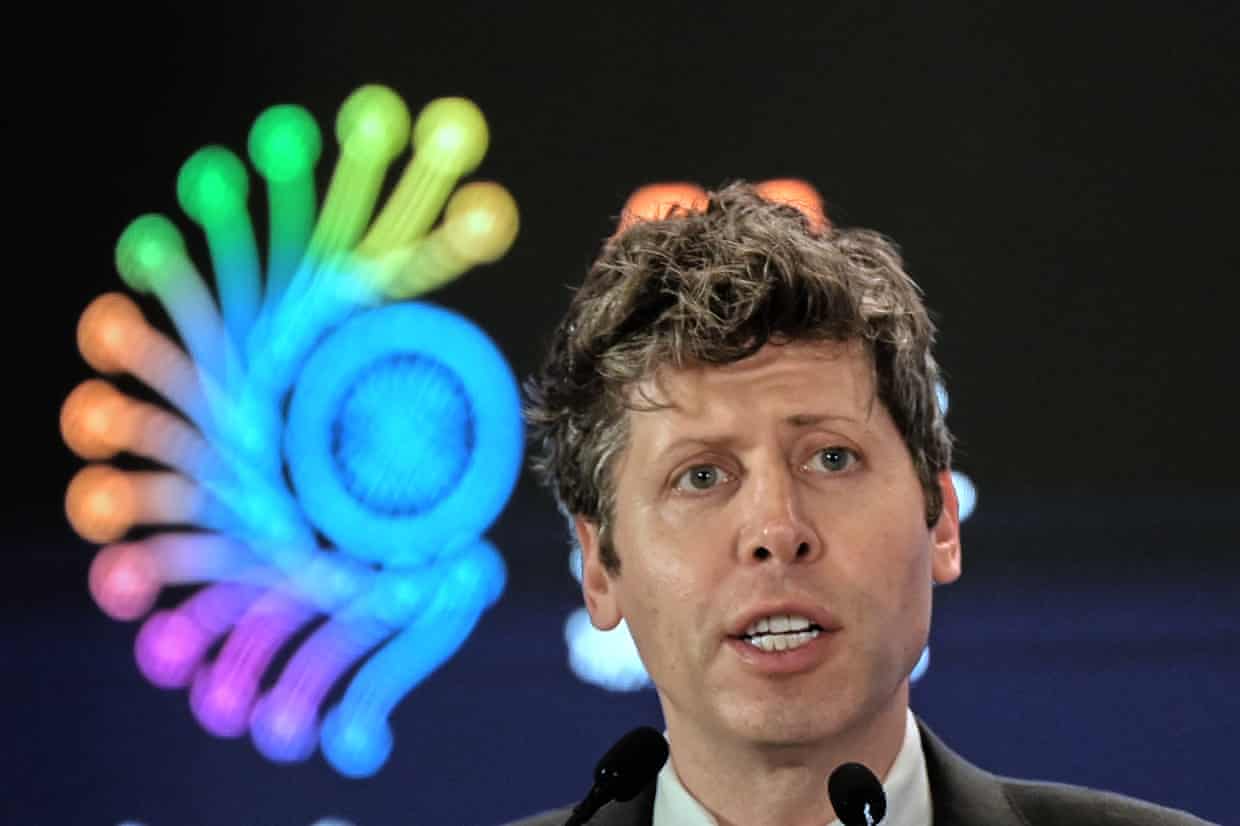
OpenAI said it had struck a deal with the Pentagon to supply AI to classified US military networks, hours after Donald Trump ordered the government to stop using the services of one of the company’s main competitors.Sam Altman, OpenAI’s CEO, announced the move on Friday night. It came after an agreement between Anthropic, a rival AI company that runs the Claude system, and the Trump administration broke down after Anthropic sought assurances its technology would not be used for mass surveillance – nor for autonomous weapons systems that can kill people without human input.Announcing the deal, Altman insisted that OpenAI’s agreement with the government included assurances that it would not be used to those ends.“Two of our most important safety principles are prohibitions on domestic mass surveillance and human responsibility for the use of force, including for autonomous weapon systems,” Altman wrote on X
Her husband wanted to use ChatGPT to create sustainable housing. Then it took over his life.
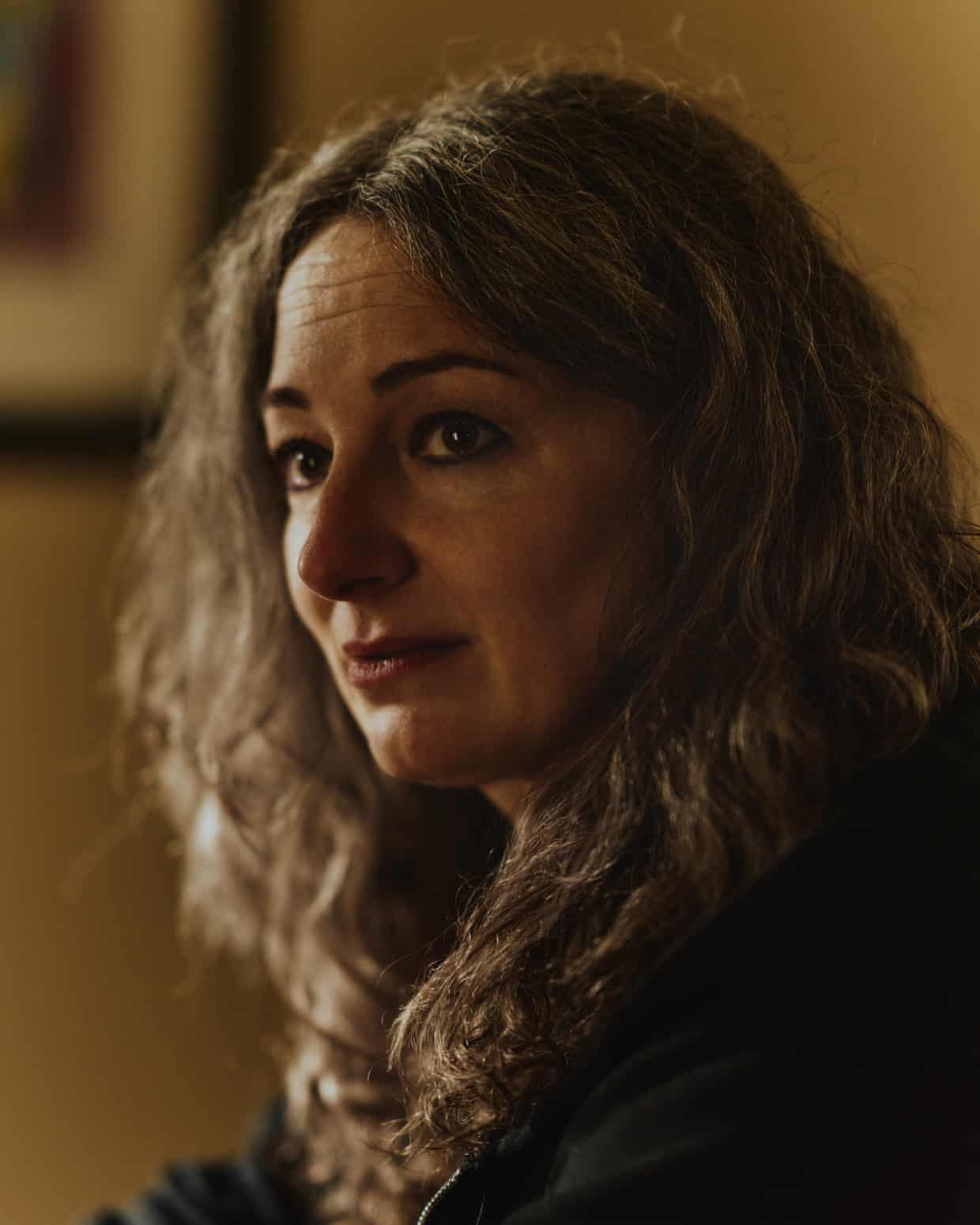
On 7 August, Kate Fox received a phone call that upended her life. A medical examiner said that her husband, Joe Ceccanti – who had been missing for several hours – had jumped from a railway overpass and died. He was 48.Fox couldn’t believe it. Ceccanti had no history of depression, she said, nor was he suicidal – he was the “most hopeful person” she had ever known

Suicide forum found to be in breach of Online Safety Act after failing to block UK users
A suicide forum linked to deaths in Britain has been ruled provisionally in breach of the Online Safety Act after it failed to properly block access to UK users when ordered to do so last year.Ofcom, the online regulator, said it could now apply to the courts to demand internet service providers block access to the site in the UK. This will depend on how the site, which also faces fines, responds over the next 10 days.Coroners had been raising concerns about the links between the forum and suicides in the UK since at least 2019, campaigners said. The family of 17-year-old Vlad Nikolin-Caisley, from Southampton, said he took his own life in 2024 after using the site, which Ofcom is not naming
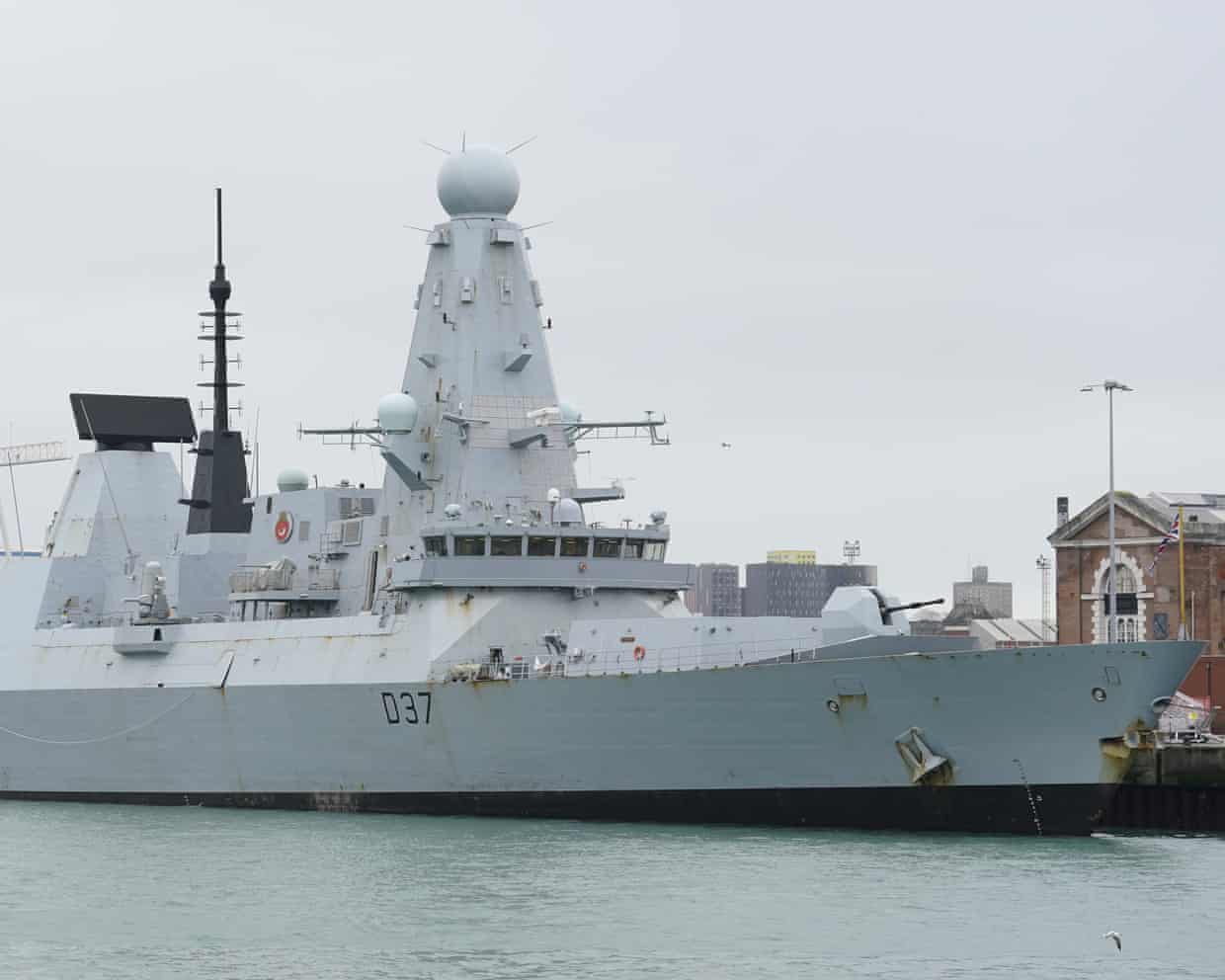
UK considering sending warship to Cyprus; government to charter flight from Oman ‘in the coming days’– as it happened
Labour to scrap government power over elections watchdog amid fears of abuse
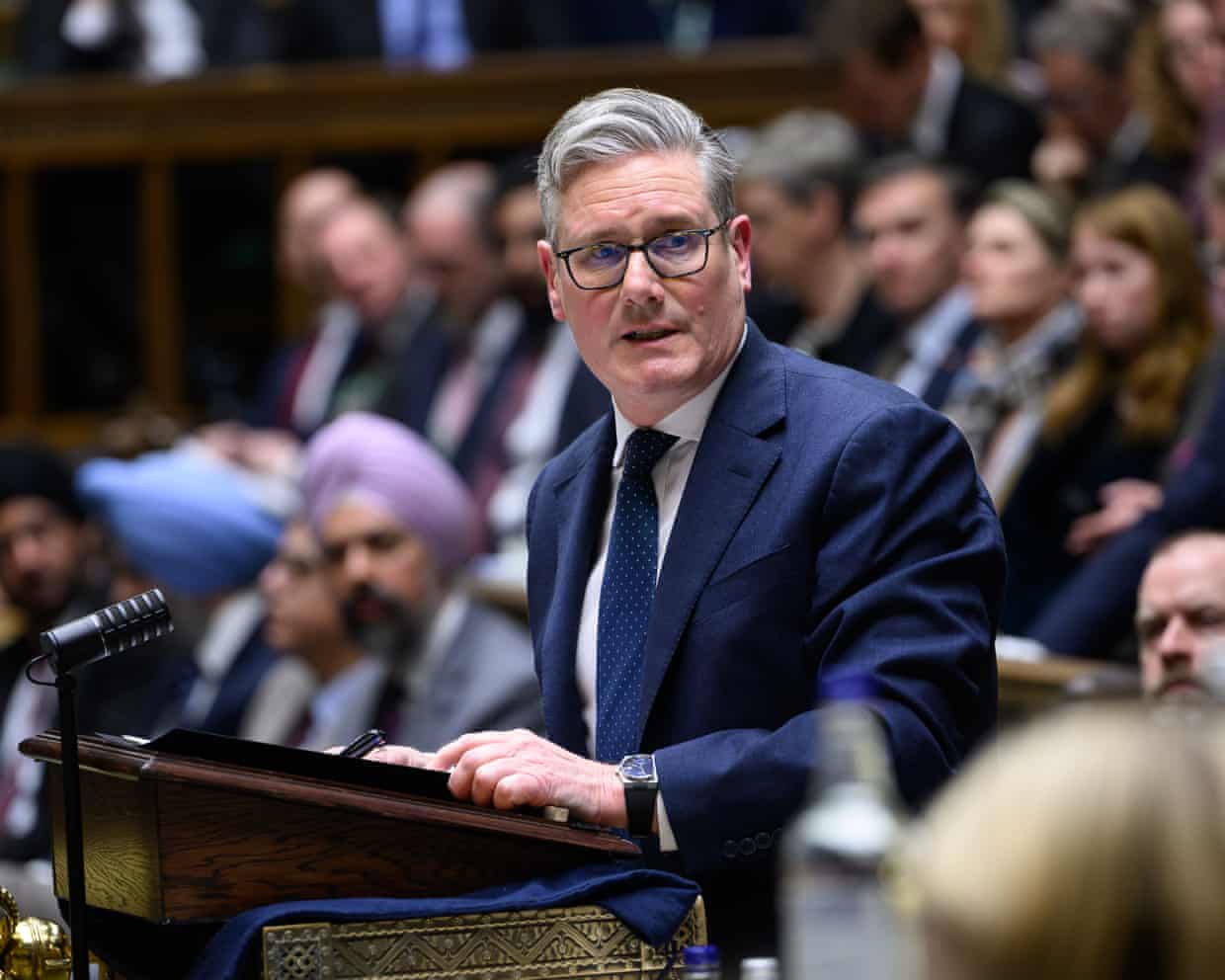
Starmer vows to avoid ‘mistakes of Iraq’ that have haunted Labour for decades
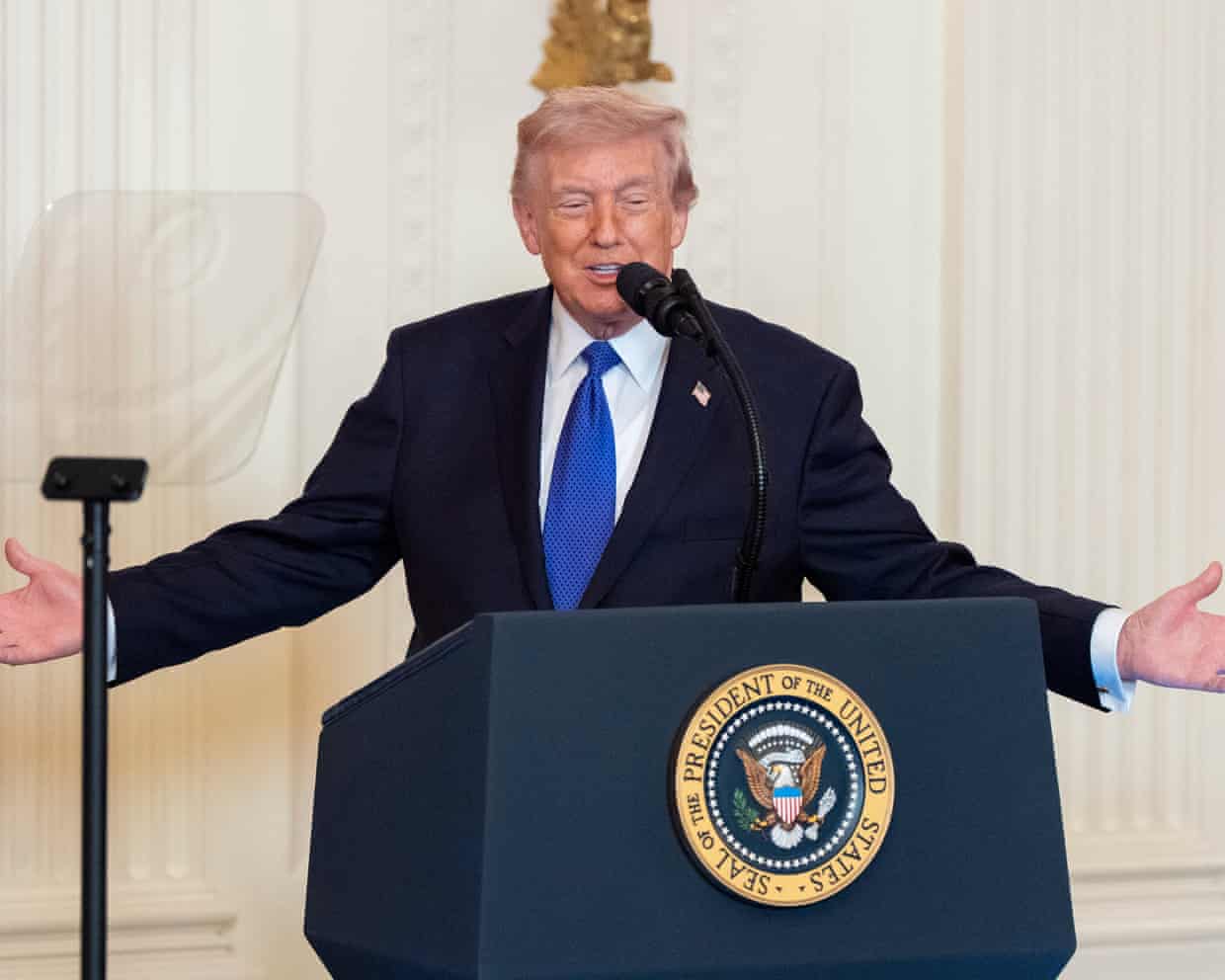
After failing to win the peace prize, Trump turns his focus to Nobel prize for war | John Crace
Ken Weetch obituary
Immigrants aren’t our enemies, Zia Yusuf | Letter