Calls for heart disease clinics to be rolled out NHS-wide to address ethnic disparity in treatment

A pilot programme aimed at diagnosing heart disease among people from ethnic minority backgrounds should be rolled out across the whole of the NHS, the doctors behind the initiative have urged,Aortic stenosis is a condition where the aortic valve, which controls blood moving from the heart to the body, starts restricting blood flow,This causes it to become narrow, resulting in symptoms such as shortness of breath and chest pain,Although about 300,000 people across England are estimated to be living with the condition, evidence suggests that people from ethnic minority backgrounds are less likely to receive treatment after diagnosis,Black patients were 48% less likely to undergo a procedure to replace their aortic valve than white patients, with south Asian patients 27% less likely, a study by researchers from the University of Leicester found.
To address the disparity, two rapid access valve assessment clinics have been set up in south London in collaboration between Guy’s and St Thomas’ NHS foundation trust and King’s College hospital, in areas with a high population of people from ethnic minority backgrounds and also where treatment rates for valve disease were known to be low.Those identified as having a heart murmur by their GP or at a screening event were then referred to either clinic where they received treatment.“Despite significant advancements in valve disease treatments over the last 20 years, a lot of heart valve disease still goes undetected,” said Ronak Rajani, a consultant cardiologist and professor of cardiovascular imaging at Guy’s and St Thomas’ NHS foundation trust and King’s College London.“This is particularly true for people from the global majority and living in economically deprived areas, where there is inequity of diagnosis and treatment.”Rajani added: “We launched the community rapid access valve clinics to close this healthcare gap by putting the clinics in areas where treatment for valve disease is lower than expected.
By bringing these clinics into the community, we are seeing people who might otherwise not know they had heart valve disease.We are diagnosing them quicker and offering them treatment if needed.This reduces health complications and saves the NHS money.”The pilot, which has been running for six months, has screened 168 patients with more than half (55%) being from a minority ethnic background.Of those screened, 57% had valve disease or other clinically significant findings, while more than a third (35%) were found to have at least moderate valve disease requiring further treatment or surveillance.
Given the success seen so far, Rajani and the team have called for the scheme to be expanded across NHS England.“I would advocate for these community rapid access valve clinics to be replicated across the country, where we know the same issues exist, to close the healthcare inequality gap,” Rajani said.“This would be a pioneering approach to deliver heart valve care and tackle a problem in the UK, and globally.”Dr Sonya Babu-Narayan, clinical director at the British Heart Foundation, said: “Projects like these are helping to break down barriers, giving people easier access to the heart valve treatment and care they need, when they need it.“Cardiovascular disease is a major driver of inequalities in life expectancy across the UK.
It’s not good enough that in 2026, a person’s chance of living a long, healthy life is still shaped by factors such as their postcode or ethnicity.“Research we’ve supported has also found stark disparities in access to life-saving aortic valve treatment, with women, South Asian and Black people, and people living in more deprived communities less likely to receive the diagnosis and care they need.An NHS spokesperson said: “We know there are health inequalities when it comes to heart disease, and more needs to be done to understand the potential barriers to treatment, which is why the NHS is funding a number of rapid access valve assessment clinics across the county to help patients who have suspected valve disease to be diagnosed more quickly and get appropriate treatment.“It is fantastic to see the clinic at Guys and St Thomas is building on this work to provide specialist support for communities in south London and reduce inequalities, while improving diagnosis rates and people’s experiences of care.”
Calls for heart disease clinics to be rolled out NHS-wide to address ethnic disparity in treatment
A pilot programme aimed at diagnosing heart disease among people from ethnic minority backgrounds should be rolled out across the whole of the NHS, the doctors behind the initiative have urged.Aortic stenosis is a condition where the aortic valve, which controls blood moving from the heart to the body, starts restricting blood flow. This causes it to become narrow, resulting in symptoms such as shortness of breath and chest pain.Although about 300,000 people across England are estimated to be living with the condition, evidence suggests that people from ethnic minority backgrounds are less likely to receive treatment after diagnosis.Black patients were 48% less likely to undergo a procedure to replace their aortic valve than white patients, with south Asian patients 27% less likely, a study by researchers from the University of Leicester found

Labour risks election wipeout unless it improves Britain’s high streets, study finds
Labour will be “washed away in a tide of discontent” at the next general election unless it tackles the decline of Britain’s high streets, a study has warned, as Guardian analysis lays bare the changing face of town centres.Research by the University of Southampton found people feel high streets have declined more than any other part of their local area over the past decade as household brands collapsed and shoplifting rose.Improving shopping precincts was the third most important local issue for voters, behind good healthcare and reducing crime, according to polling conducted by YouGov.Reform UK supporters were more likely than anyone else to say their area had significantly declined, underlining what researchers called a “deep sense of place-based resentment” towards Westminster.Labour MPs say they are increasingly alarmed by the state of high streets, which for many voters have become symbolic of whether their area is prospering – and have been a focus of business backlash over the significant increases to business rates in November’s budget

Criminal Cases Review Commission refers indefinite sentences of five men for appeal
Five men have had their indefinite sentences under the imprisonment for public protection (IPP) scheme, or its equivalent for children, referred for appeal.The decision by the Criminal Cases Review Commission (CCRC) was made in light of the court of appeal quashing three prisoners’ indeterminate sentences on the basis that their young age and level of maturity was not properly taken into account when they were sentenced.IPPs were introduced in 2005 to indefinitely detain serious offenders perceived to be a risk to the public. Detention for public protection (DPP) sentences were the equivalent imposed on people under 18 who were considered dangerous. Both regimes were scrapped in 2012 but without retrospective effect

‘You’d be ashamed to bring someone here’: The struggling billionaire-owned high street that shows Reform’s road to No 10
Under blue skies and bunting, the whole of County Durham seemed to turn out for the young Queen Elizabeth II. They lined the streets in their thousands, waving flags and marvelling at the grand royal procession weaving past their newly built homes.It was 27 May 1960 and the recently crowned queen was officially opening the town of Newton Aycliffe on her first provincial tour after the birth of her third child, Andrew Mountbatten-Windsor, three months earlier. A 16-page commemorative pamphlet, priced at two shillings and sixpence, records the local Light Infantry buglers playing to the giddy crowd.The message was clear: Newton Aycliffe, a town built from scratch from the rubble of the second world war, heralded a new postwar Great Britain, a country that would give its people a modern, prosperous quality of life, free from the squalor of its bomb-scarred cities

Seven out of 10 UK mothers feel overloaded, research reveals
Seven out of 10 mothers in the UK feel overloaded and almost half have a mental health issue such as anxiety or depression, new research has revealed.The survey of mothers’ experiences in 12 European countries also found that most of those in Britain still do the majority of household tasks and caregiving work alone, and that the UK was among the worst for motherhood disadvantaging a woman’s career.The grim picture that emerged from the report, by the pan-European campaign group Make Mothers Matter, prompted calls for GPs and NHS maternity and health visiting services to routinely ask mothers about their mental wellbeing and provide much more help to those who need it.Make Mothers Matter surveyed 800 mothers in each of 12 European countries about the psychological impact of giving birth and dealing with the pressures of motherhood.It found that:71% of UK mothers feel overloaded – 4% more than the 67% European average47% of UK mothers suffer from mental health issues, including burnout, compared with 50% in Europe as a whole31% of UK respondents felt motherhood had a negative effect on their career, higher than the 27% average, with Ireland the highest on 36%However, it also found some measures by which mothers in the UK find it easier to balance work and caring

‘Keep slaying the dragon inside’: Simon Armitage pens poem for World Cancer Day
Cancer is a subject the poet laureate Simon Armitage has always shied away from. “I find it very daunting,” he said. “I’ve lost friends and family to cancer.”But when he was commissioned to write a poem to mark World Cancer Day, he was forced to confront the realities of the disease. “I think I saw part of my task as being slightly demystifying and maybe de-mythologising or de-demonising cancer a little bit to myself,” Armitage said

Bundee Aki start in doubt for Ireland’s Six Nations opener against France over ‘disrespect’

Talent, tech and grit: how Team GB’s Big Tricks and Adrenaline dept got its mojo back

Australian Open 2026: Ben Shelton v Jannik Sinner – as it happened

‘Fascism is here now’: the US athletes pushing back on Trump’s America
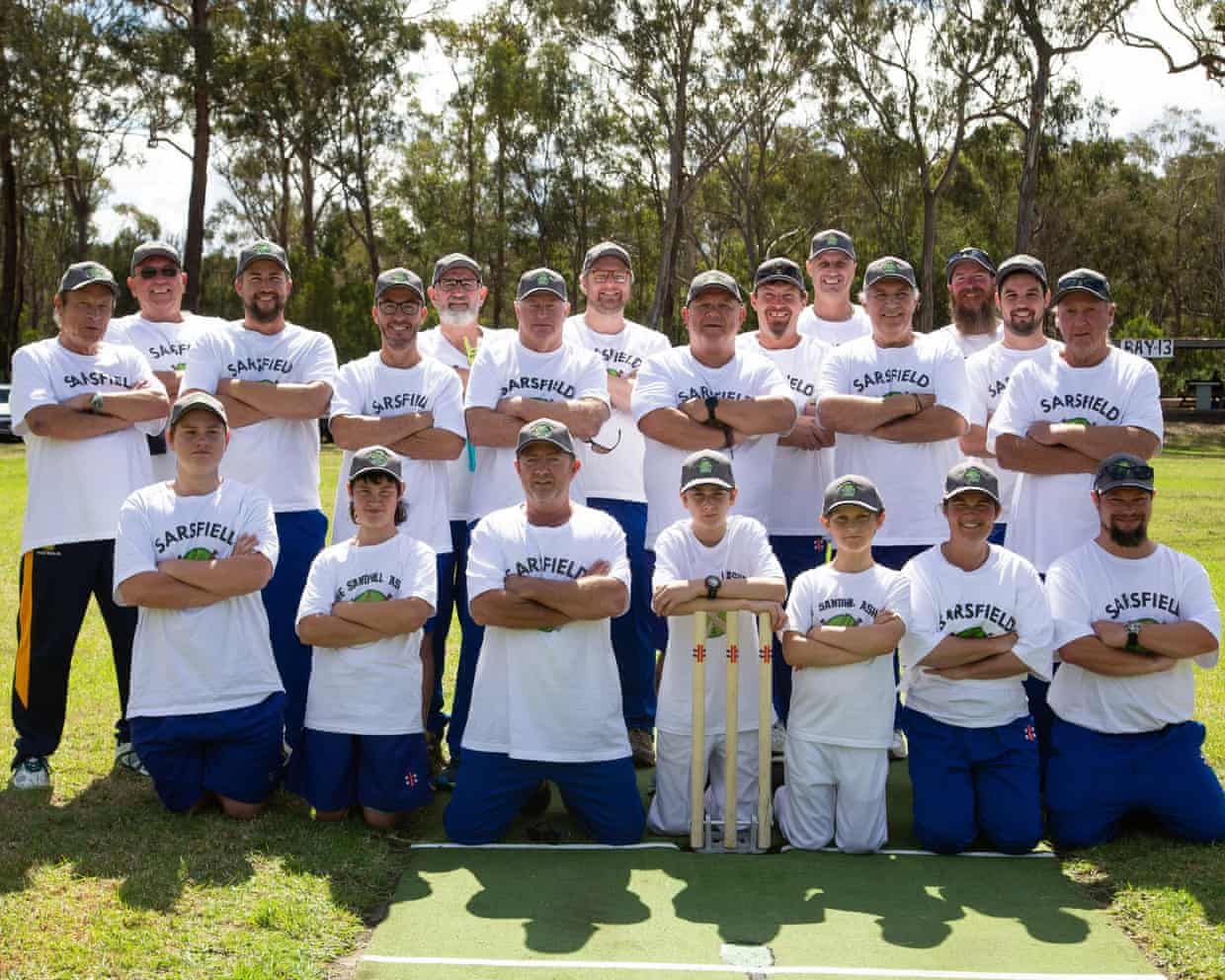
The Spin | How Sandhill Ashes cricket match helped to rebuild a community ravaged by bushfire

Zuffa Boxing says it will save the sport – but the fine print shows that fighters may pay the price