Love, actually? Starmer’s ‘keep calm’ approach to Trump comes under strain

In his account of Tony Blair’s years in power, The New Machiavelli, Jonathan Powell sets out two opposing strategies for any British prime minister in dealing with their counterpart in the White House.The first, he says, is “cutting a bella figura” – parading for show – by openly criticising the US president, for which he gives the example of the French.The other, and the approach preferred by Powell, is to do diplomacy in private and build a close relationship, in the hope of having greater influence.These days, Powell is Keir Starmer’s national security adviser and his closest, most influential lieutenant on world affairs.That his prescription for the UK’s strategy towards Donald Trump is so close to the prime minister’s natural instincts goes some way to explaining that.
At his Downing Street press conference on Monday, Starmer said that he was determined to find a “pragmatic, sensible and sustained” route through the latest crisis – and would prefer “calm discussion” with the US president rather than “gesture politics” that could damage the relationship,Yet within 24 hours of his measured address, Trump had set off another diplomatic bomb – this time by launching an extraordinary broadside against the UK’s Chagos deal, which he had previously warmly endorsed,At the same time, Trump posted an AI-generated image on his Truth Social platform of him in the Oval Office with European leaders including Starmer, presenting them with a map showing Greenland, Canada and Venezuela covered in the US flag,Starmer says “being pragmatic does not mean being passive” and that mature alliances are “not about pretending differences don’t exist; they are about addressing them directly, respectfully”,But his entire Trump strategy– already called into question by some political opponents – is under more intense scrutiny than ever, with polls suggesting public disapproval over his handling of the US president is mounting.
Ed Davey, the leader of the Liberal Democrats, the third biggest party in the House of Commons, has described Trump as “a bully” and suggested he behaves as “an international gangster”.“The only way to deal with a bully is to stand up to them,” he added.Privately, some inside the ruling Labour party agree.However, Starmer’s cabinet ministers swung in behind his “keep calm and carry on” strategy.Darren Jones, his chief secretary, said the prime minister had been “very clear” that he disagreed with Trump over Greenland but had shown that “private, proper” diplomacy worked on issues such as tariffs and Ukraine.
“It’s noisy, I understand that, it’s challenging, it’s not normal for geopolitical discussion to be handled in this way,But British diplomacy is working,” Jones told the BBC,Douglas Alexander, the Scotland secretary, told Channel 4 News: “I would rather have Keir Starmer in charge right now than Richard Curtis,We all watched Love Actually at Christmas,It’s a great film, but it’s not a very effective guide to how to do international diplomacy.
“Of course there will be politicians who are able to have either angry posts on social media or demand the PM do this or that, but I for one feel a sense of relief that in serious times we have a serious leader in Downing Street.”Even some cabinet ministers who are privately critical of Starmer’s approach domestically defended his strategy, suggesting that while it was the harder course at home, it was also the right one for the UK’s national interest.One cabinet minister said: “I have no doubt that Keir’s private reaction was that he was as horrified as the rest of us.But I’m not sure what we’d gain from saying publicly what we all are feeling so viscerally at the moment … we have to see how this all unfolds.”Another source said: “I don’t think we’d gain very much from attacks just to get some headlines for a day or two, only to cause irreparable damage to a partnership that’s so important to us, and to our national security”.
However, others said they wanted to see how the chaos unleashed by Trump unfurled, saying that any attempts to take Greenland by force would be a gamechanger.“We’re in completely uncharted territory,” said another cabinet minister.“I totally understand why people are looking at Macron and Carney and saying ‘Starmer, why can’t we be a bit more like that?’“Keir may reach a point where he has to recalibrate, or we have to urge him to do so.But for now we have to get behind him.”Another government source added: “People want the prime minister to have a good relationship with the US.
But I definitely think that if Trump gets even more unpredictable we will have to reassess”.But even if Trump is volatile, it appears senior figures in his administration are trying to limit the damage.In what looked like an attempt to smooth over US-UK relations, the US House speaker, Mike Johnson, on Tuesday told the UK parliament he had spoken “at length” to the president and that his mission in London was to “help calm the waters”.In Davos, where European leaders lined up to condemn Trump’s “new colonialism”, his commerce secretary, Howard Lutnick, told Rachel Reeves, the UK finance minister: “We love you.We do.
”“Thank you very much,” Reeves responded.“The feeling is mutual.” Love, actually? For now, perhaps, at the top of the UK government.But Starmer may yet find his heart is broken.
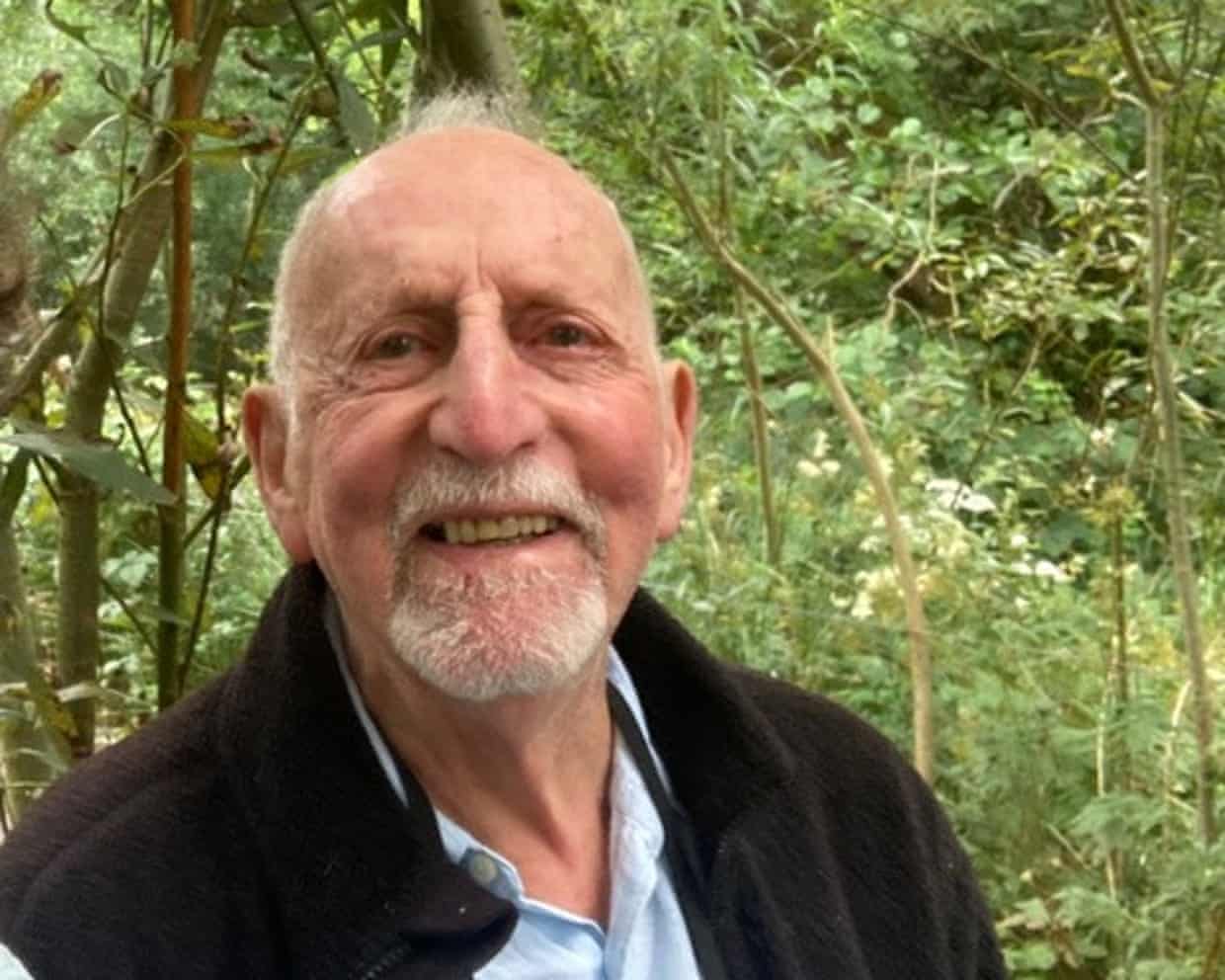
Michael Baron obituary
The London solicitor Michael Baron, who has died aged 96, was instrumental in changing the lives of autistic people for the better. At a time when autism was little known or understood, in 1962 he co-founded the UK’s leading autistic charity. As its first chair, he was the driving force in publicising the condition and raising funds.He helped set up the world’s first autism-specific school in 1965 and the first residential community for autistic adults in 1974. As one of a group of lawyers, he campaigned for the Education (Handicapped Children) Act in 1970, which gave all children, regardless of disability, the right to an education

Educational background key indicator of immigration views in UK, study finds
Rightwing movements are struggling to gain support among graduates as education emerges as the most important dividing line in British attitudes towards politics, diversity and immigration, research has found.A study from the independent National Centre for Social Research (NatCen) found people with qualifications below A-level were more than twice as likely to support rightwing parties compared with those with qualifications above.The Demographic Divides report says: “A person with no educational qualifications had around 2 times the odds of voting for either the Conservatives or Reform UK than someone with a university degree or higher. This is independent of other factors, including financial precarity, so those without a degree are more likely to support rightwing parties in the UK even after adjusting for their financial situation.“If one wanted to predict whether a person voted for parties of the right in the UK, knowing their educational background would give them a very good chance of making a correct prediction
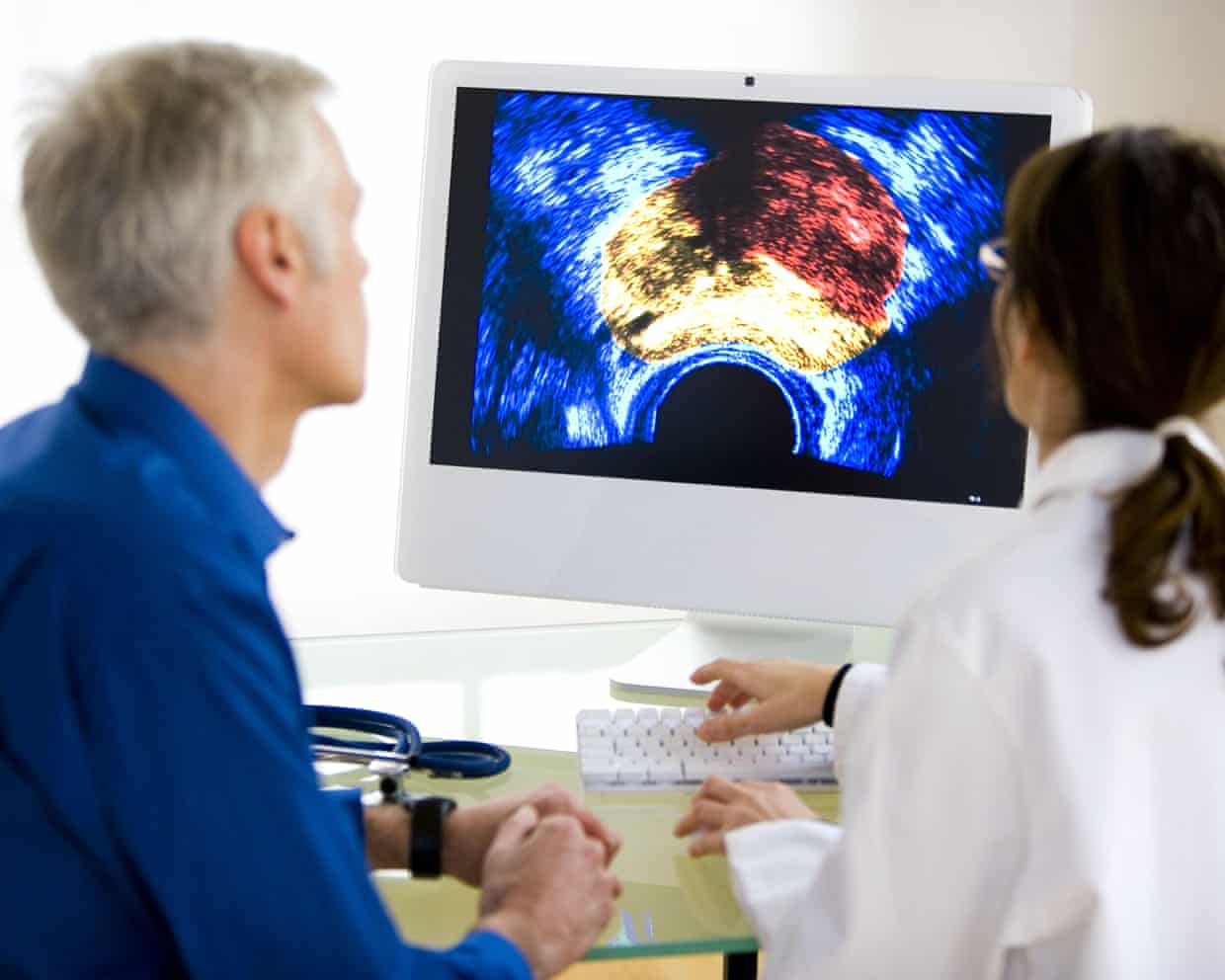
Prostate cancer is most commonly diagnosed cancer across UK, study finds
Prostate cancer is now the most commonly diagnosed form of cancer across the UK, surpassing breast cancer, according to a leading charity.There were 64,425 diagnoses of prostate cancer in 2022, an analysis of NHS figures by Prostate Cancer UK found, and 61,640 new cases of breast cancer.The analysis found there to be a discrepancy at which stage men with prostate cancer were diagnosed, with 31% of men in Scotland diagnosed with prostate cancer at stage 4, compared with 21% of men in England.About one in eight men across the UK will be affected by prostate cancer in their lifetimes, with approximately 12,200 deaths each year caused by the disease.One in four black men will be diagnosed with prostate cancer in their lifetimes

Don’t rely on BMI alone when diagnosing eating disorders in children, says NHS England
A child’s body mass index should not be the key factor when deciding which under-18s get help for an eating disorder, the NHS has told health professionals.The new guidance from NHS England to GPs and nurses follows criticism that over-reliance on BMI has led to children who have an illness such as anorexia or bulimia being misdiagnosed and missing out on care.“Single measures such as BMI centiles should not be a barrier to children and young people accessing early and/or preventative care and support,” it says.Other factors, such as changes in behaviour by the young person and concerns raised by their family, should help guide decision-making, according to the document. It was welcomed by Beat, an eating disorders charity, and the Royal College of Psychiatrists, both of which helped draw it up

The inside track on curbing UK prison violence | Letters
Alex South’s harrowing account of violence in prisons (Death on the inside: as a prison officer, I saw how the system perpetuates violence, 13 January) deserves more than our sympathy – it demands we recognise these murders and assaults not as symptoms of a broken system, but as a foghorn blaring warnings about fundamental failures.I work in prisoner rehabilitation. I see what South describes from the other side: men whose “scaffolding” is indeed flimsy, who have accumulated trauma before and during incarceration. But I also see what happens when that changes. Our service users work in cafes, bakeries and bike shops, not because we believe in the redemptive power of bread or bicycles, but because meaningful work and purposeful activity are the foundations of desistance
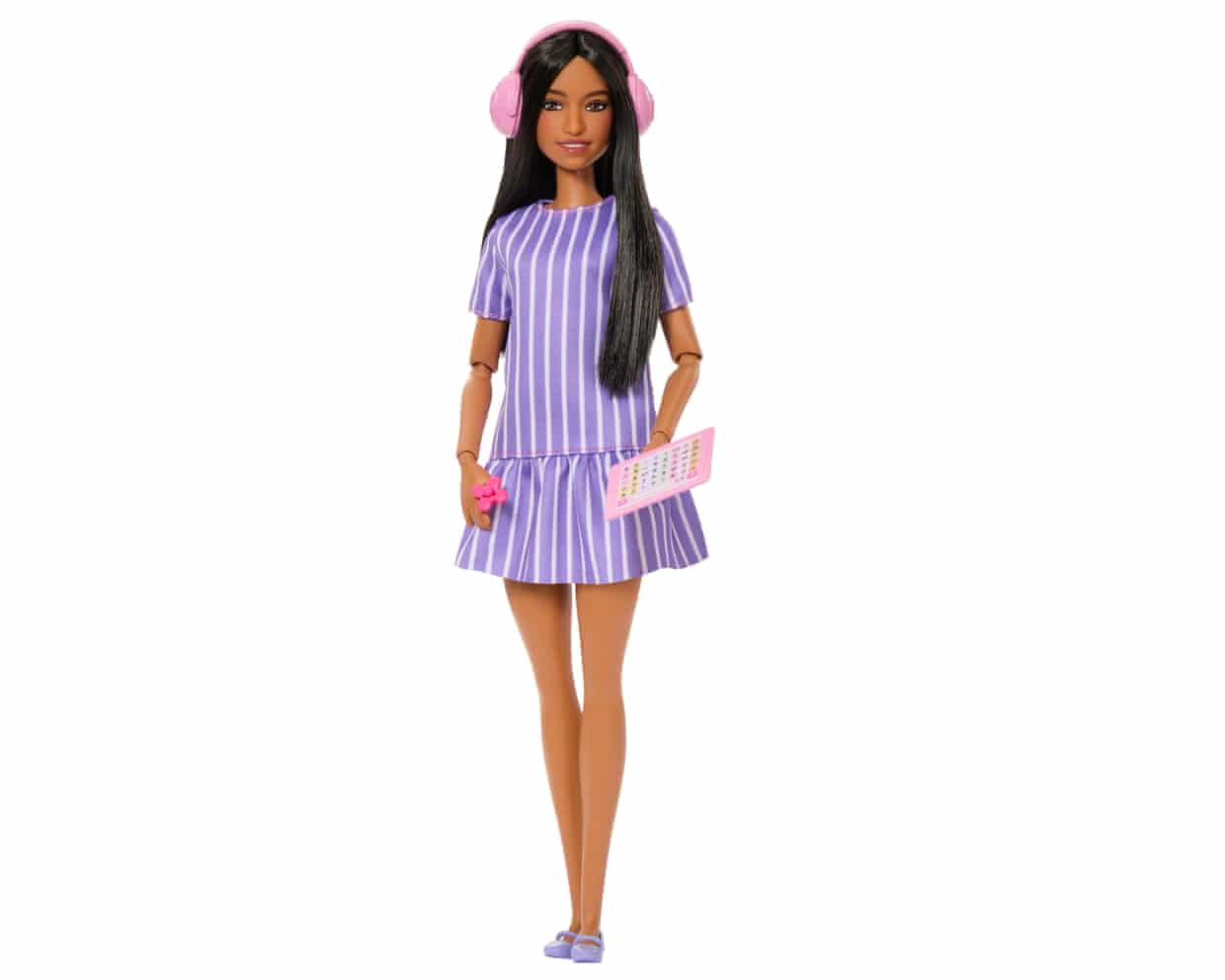
She’s just autistic Barbie – let children play | Letters
As the parent/carer of autistic children, I’m pleased that my kids have more visibility in mainstream culture with the launch of the “autistic Barbie” doll (Mattel launches its first autistic Barbie, 12 January). For the kids, they’re interested, but, given my youngest’s penchant for graffiti, “autistic Barbie” will be drawn all over and resemble “weird Barbie” in no time.I’ve found it hard to share this pleasure, having seen my academic and activist colleagues slam the doll. I completely understand their reasoning. Of course it lacks nuance to use visible accessories to represent a hidden disability
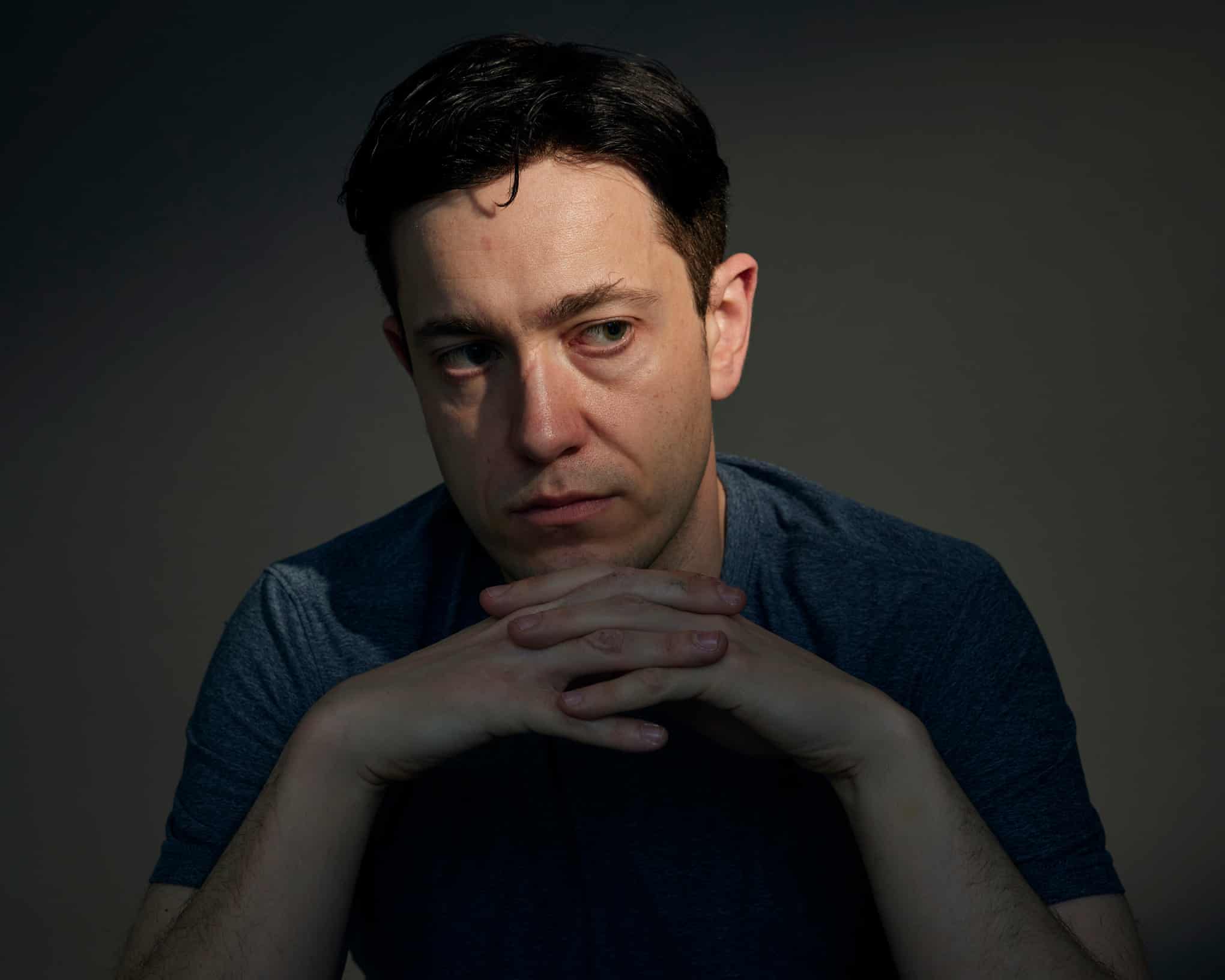
Ed Zitron on big tech, backlash, boom and bust: ‘AI has taught us that people are excited to replace human beings’

Deactivate your X account – you won’t miss it when it’s gone | Letter

‘Still here!’: X’s Grok AI tool accessible in Malaysia and Indonesia despite ban

‘We could hit a wall’: why trillions of dollars of risk is no guarantee of AI reward
He called himself an ‘untouchable hacker god’. But who was behind the biggest crime Finland has ever known?

China blocks Nvidia H200 AI chips that US government cleared for export – report