Starmer should resist calls to match Trump ‘tweet-for-tweet’, says Miliband
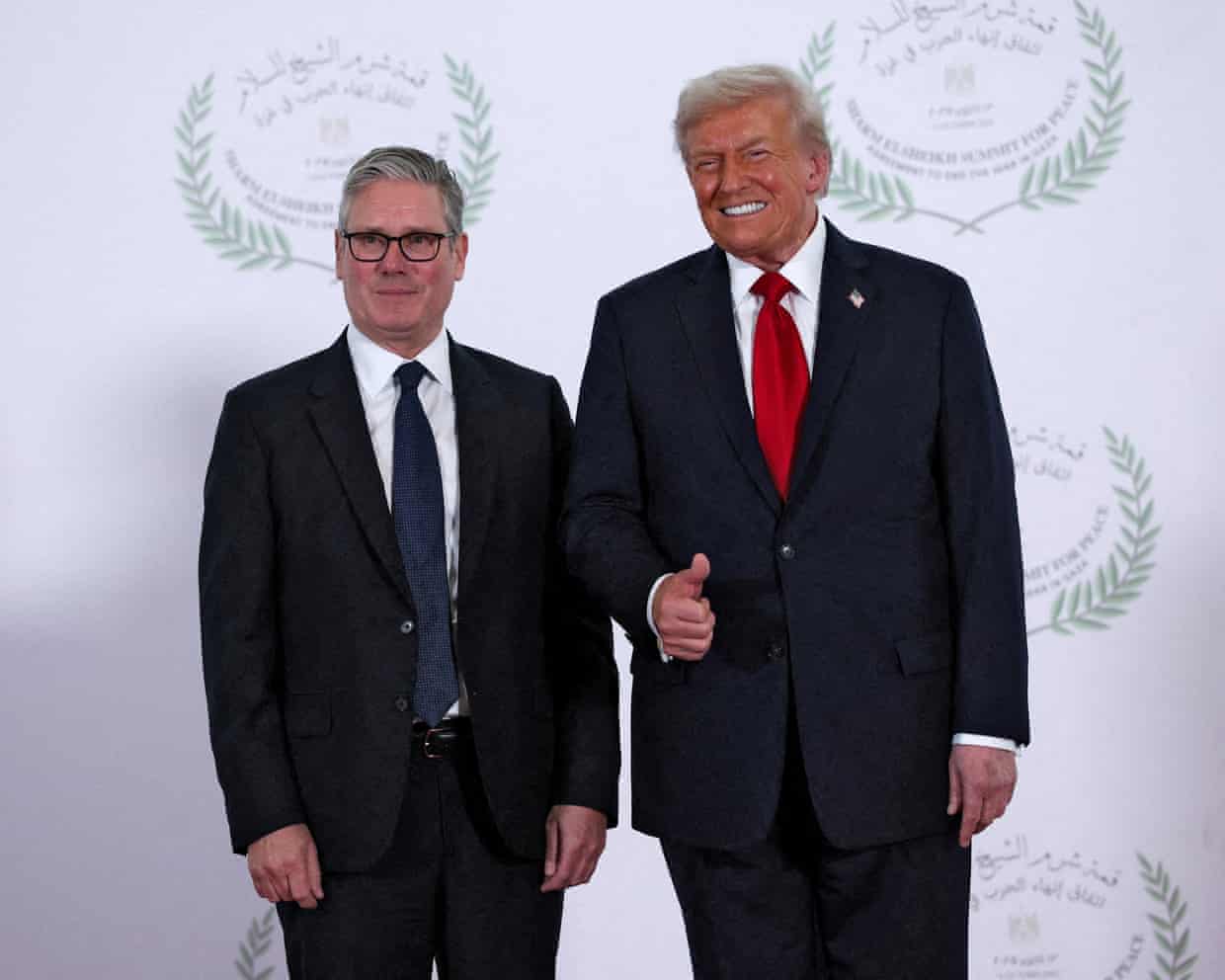
Britain would be in a “much worse” position if Keir Starmer had done what others were calling on him to do by matching Donald Trump “tweet-for-tweet”, a UK cabinet minister has said.Defending the prime minister’s handling of the deepening diplomatic crisis over Greenland and the US president’s threat of levying tariffs on the UK and other Nato allies, the energy secretary, Ed Miliband, declined to say if Britain would respond in kind.Speaking before Trump’s arrival at the World Economic Forum in Davos, Miliband, a former Labour leader, also told the BBC that Starmer was not travelling to the summit because there were “all kinds of other things that he’s doing”.“The bigger picture here is that the prime minister is, I think, navigating a really difficult international situation with great skill and in our national interest,” he told BBC Radio 4’s Today programme.“I know some people will want to say: ‘Why hasn’t the prime minister been matching Donald Trump tweet-for-tweet?’ All of that.
I honestly say to you, we would be in a much worse position as a country,He has shown calm leadership, which got us the first trade deal with the US, which got us the lowest tariff,”Trump last week threatened to impose tariffs on countries that did not “go along” with his plan to annex Greenland, increasing pressure on European allies who have opposed his effort to take over the Arctic territory,Relations also appeared to worsen after the US president later suggested Britain’s decision to cede the Chagos Islands to Mauritius – which he described as an act of “great stupidity” – was among the reasons for him wanting to take over Greenland,While Britain has adopted a cautious early approach to the Greenland crisis, other states have begun to adopt a different stance.
European leaders lined up on Tuesday to condemn Trump’s “new colonialism” and warn that the continent was facing a crossroads as the US president said there was no going back on his goal of controlling Greenland.The French president, Emmanuel Macron, told the World Economic Forum that it was “not a time for new imperialism”, criticising the “useless aggressivity” of Trump’s vow to levy tariffs on countries that oppose a US takeover of Greenland.Trump is due on stage on Wednesday afternoon in Davos after using a wide-ranging White House press conference on Tuesday evening to express uncertainty about Nato members coming to the defence of the US and repeat his claim that the country needs Greenland for security purposes.He confirmed he would be travelling to Switzerland, saying “we have a lot of meetings scheduled on Greenland” and “I think things are going to work out pretty well”.Downing Street said there would be “engagement on all levels”, but would not speculate on potential discussions when asked on Tuesday whether the UK delegation would speak with the US at the event.
Starmer’s government also faced calls from opposition figures to hit back at Trump after new data showed that UK inflation rose to to 3.4% in December.Daisy Cooper, the Liberal Democrat Treasury spokesperson, said on Wednesday: “Trump’s threat of new tariffs is hanging over British families and businesses like the sword of Damocles, risking yet another cost of living hit.That’s one more reason why the government must stand up to Trump, force him to back down, and protect Britain from a new wave of price rises.”
Michael Baron obituary
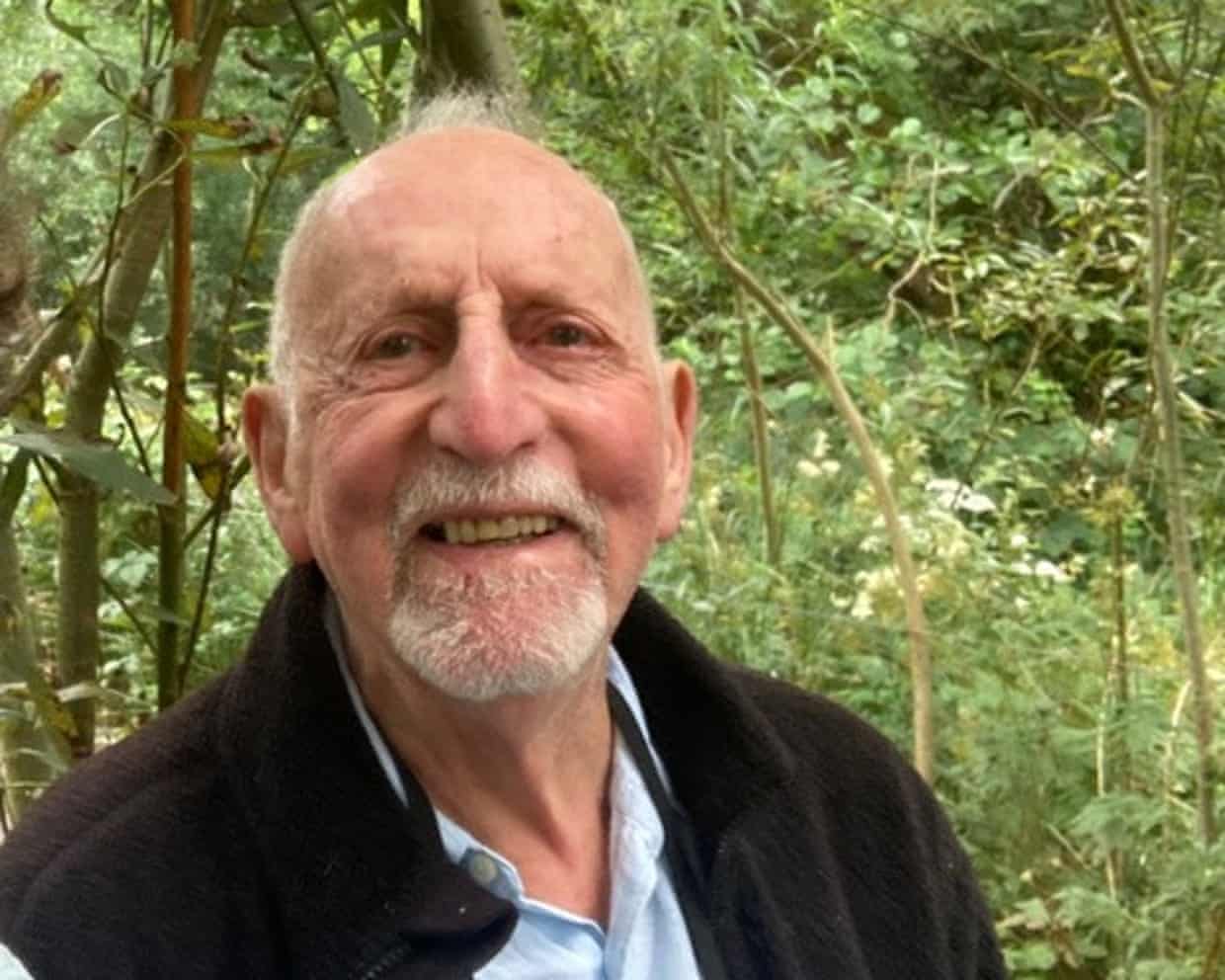
The London solicitor Michael Baron, who has died aged 96, was instrumental in changing the lives of autistic people for the better. At a time when autism was little known or understood, in 1962 he co-founded the UK’s leading autistic charity. As its first chair, he was the driving force in publicising the condition and raising funds.He helped set up the world’s first autism-specific school in 1965 and the first residential community for autistic adults in 1974. As one of a group of lawyers, he campaigned for the Education (Handicapped Children) Act in 1970, which gave all children, regardless of disability, the right to an education
Educational background key indicator of immigration views in UK, study finds
Rightwing movements are struggling to gain support among graduates as education emerges as the most important dividing line in British attitudes towards politics, diversity and immigration, research has found.A study from the independent National Centre for Social Research (NatCen) found people with qualifications below A-level were more than twice as likely to support rightwing parties compared with those with qualifications above.The Demographic Divides report says: “A person with no educational qualifications had around 2 times the odds of voting for either the Conservatives or Reform UK than someone with a university degree or higher. This is independent of other factors, including financial precarity, so those without a degree are more likely to support rightwing parties in the UK even after adjusting for their financial situation.“If one wanted to predict whether a person voted for parties of the right in the UK, knowing their educational background would give them a very good chance of making a correct prediction
Prostate cancer is most commonly diagnosed cancer across UK, study finds
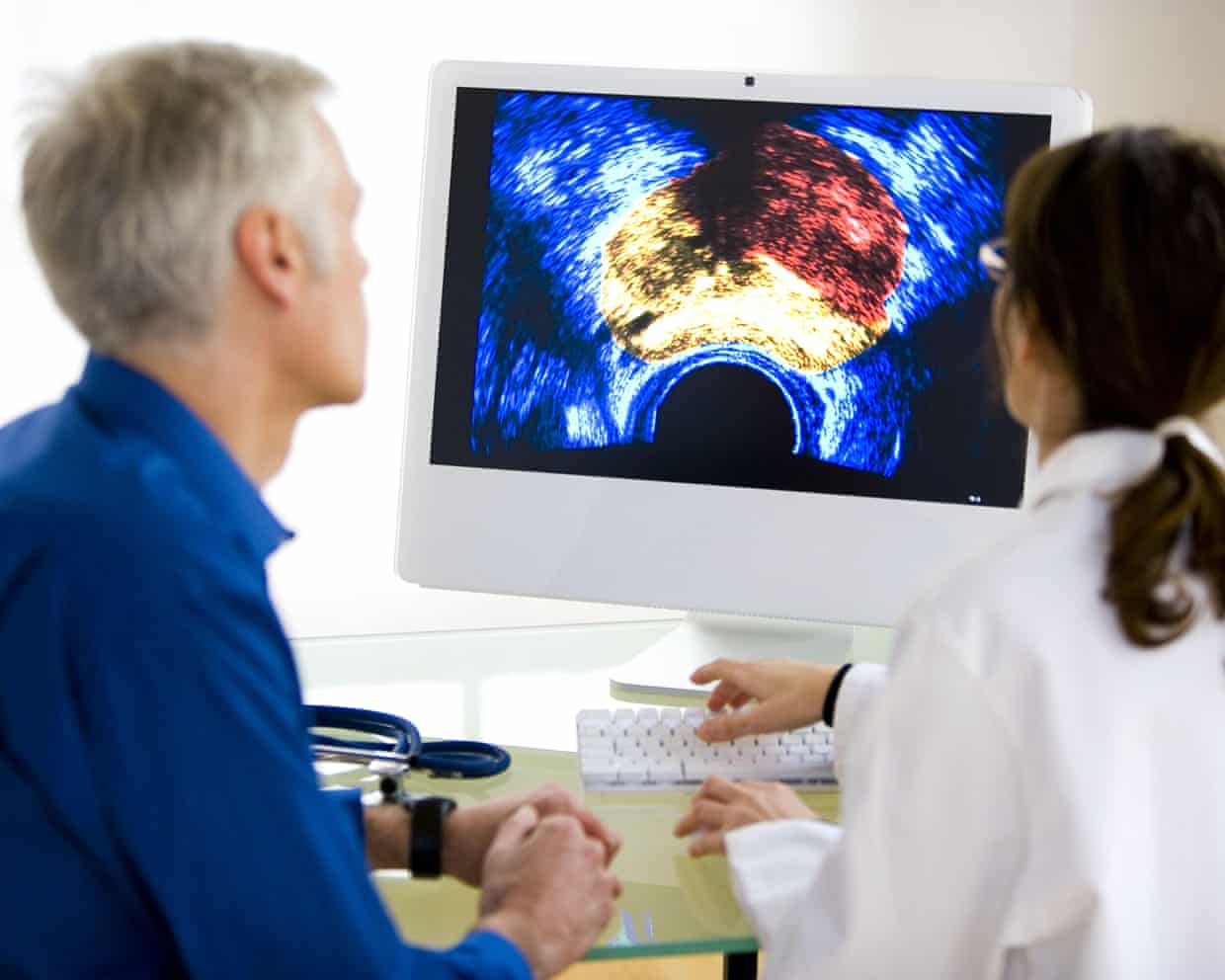
Prostate cancer is now the most commonly diagnosed form of cancer across the UK, surpassing breast cancer, according to a leading charity.There were 64,425 diagnoses of prostate cancer in 2022, an analysis of NHS figures by Prostate Cancer UK found, and 61,640 new cases of breast cancer.The analysis found there to be a discrepancy at which stage men with prostate cancer were diagnosed, with 31% of men in Scotland diagnosed with prostate cancer at stage 4, compared with 21% of men in England.About one in eight men across the UK will be affected by prostate cancer in their lifetimes, with approximately 12,200 deaths each year caused by the disease.One in four black men will be diagnosed with prostate cancer in their lifetimes

Don’t rely on BMI alone when diagnosing eating disorders in children, says NHS England
A child’s body mass index should not be the key factor when deciding which under-18s get help for an eating disorder, the NHS has told health professionals.The new guidance from NHS England to GPs and nurses follows criticism that over-reliance on BMI has led to children who have an illness such as anorexia or bulimia being misdiagnosed and missing out on care.“Single measures such as BMI centiles should not be a barrier to children and young people accessing early and/or preventative care and support,” it says.Other factors, such as changes in behaviour by the young person and concerns raised by their family, should help guide decision-making, according to the document. It was welcomed by Beat, an eating disorders charity, and the Royal College of Psychiatrists, both of which helped draw it up
The inside track on curbing UK prison violence | Letters
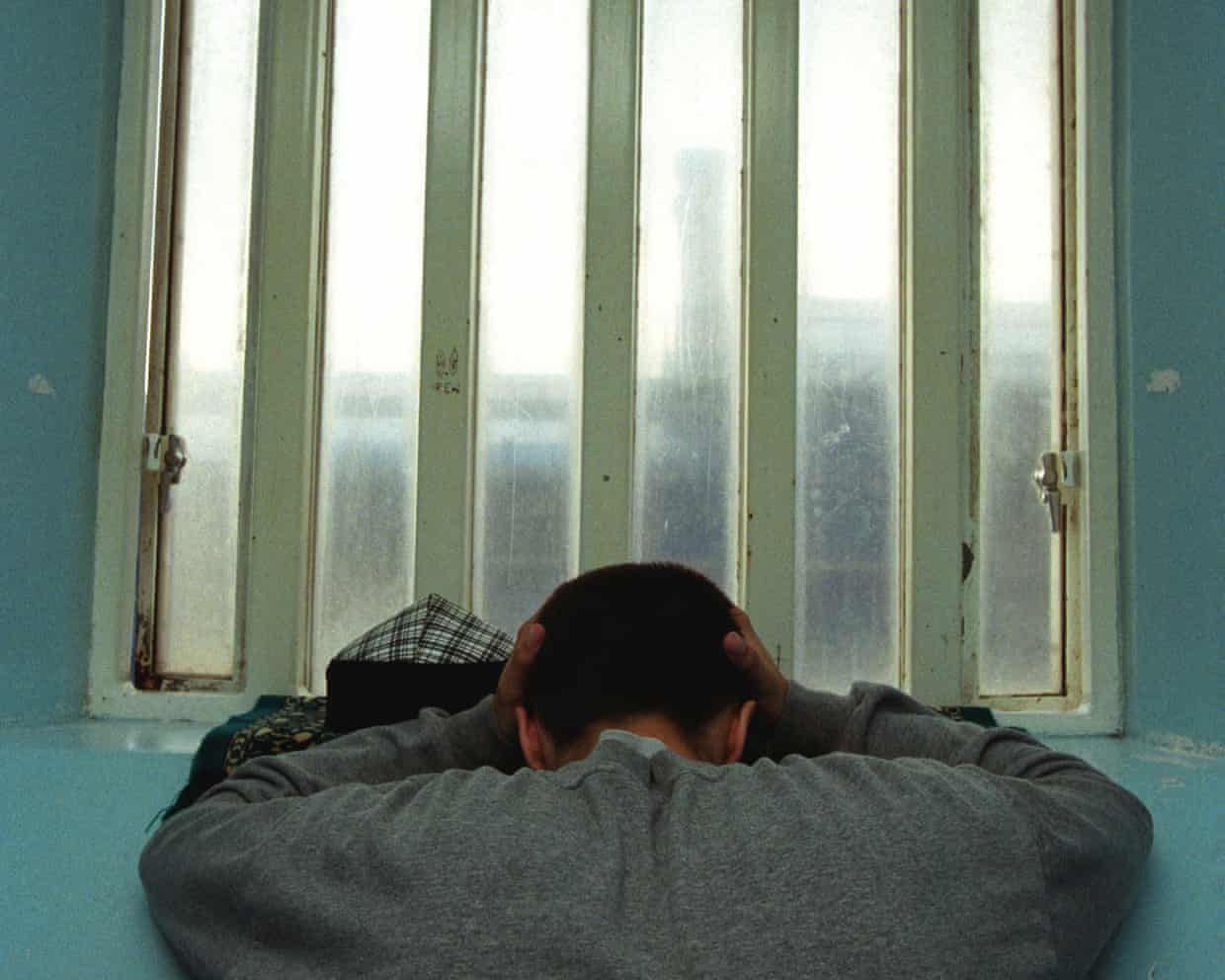
Alex South’s harrowing account of violence in prisons (Death on the inside: as a prison officer, I saw how the system perpetuates violence, 13 January) deserves more than our sympathy – it demands we recognise these murders and assaults not as symptoms of a broken system, but as a foghorn blaring warnings about fundamental failures.I work in prisoner rehabilitation. I see what South describes from the other side: men whose “scaffolding” is indeed flimsy, who have accumulated trauma before and during incarceration. But I also see what happens when that changes. Our service users work in cafes, bakeries and bike shops, not because we believe in the redemptive power of bread or bicycles, but because meaningful work and purposeful activity are the foundations of desistance
She’s just autistic Barbie – let children play | Letters
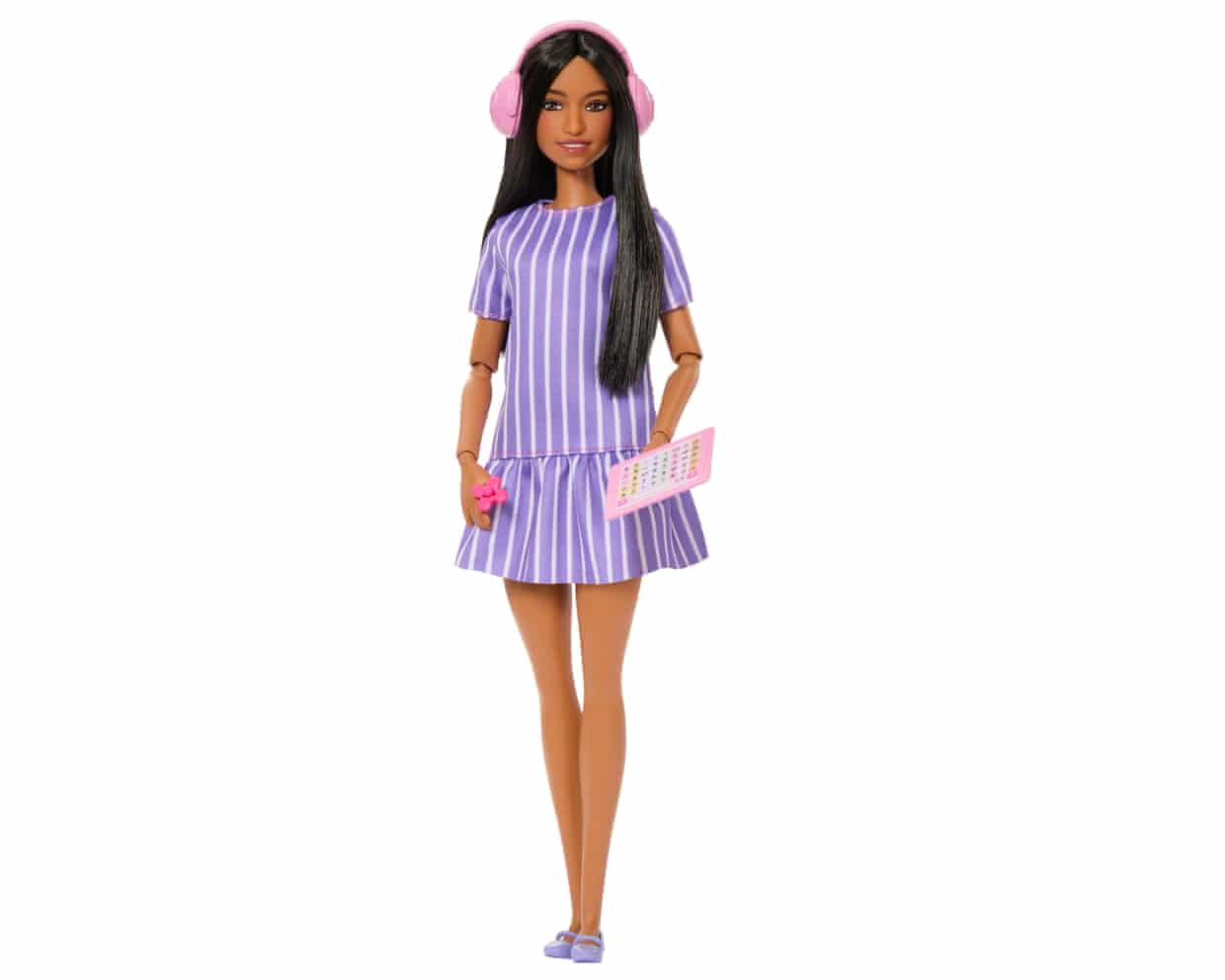
As the parent/carer of autistic children, I’m pleased that my kids have more visibility in mainstream culture with the launch of the “autistic Barbie” doll (Mattel launches its first autistic Barbie, 12 January). For the kids, they’re interested, but, given my youngest’s penchant for graffiti, “autistic Barbie” will be drawn all over and resemble “weird Barbie” in no time.I’ve found it hard to share this pleasure, having seen my academic and activist colleagues slam the doll. I completely understand their reasoning. Of course it lacks nuance to use visible accessories to represent a hidden disability
Nato chief urges ‘thoughtful diplomacy’ after US treasury secretary’s jibe at Denmark
Next buyout saves footwear brand Russell & Bromley but 400 jobs likely to be lost
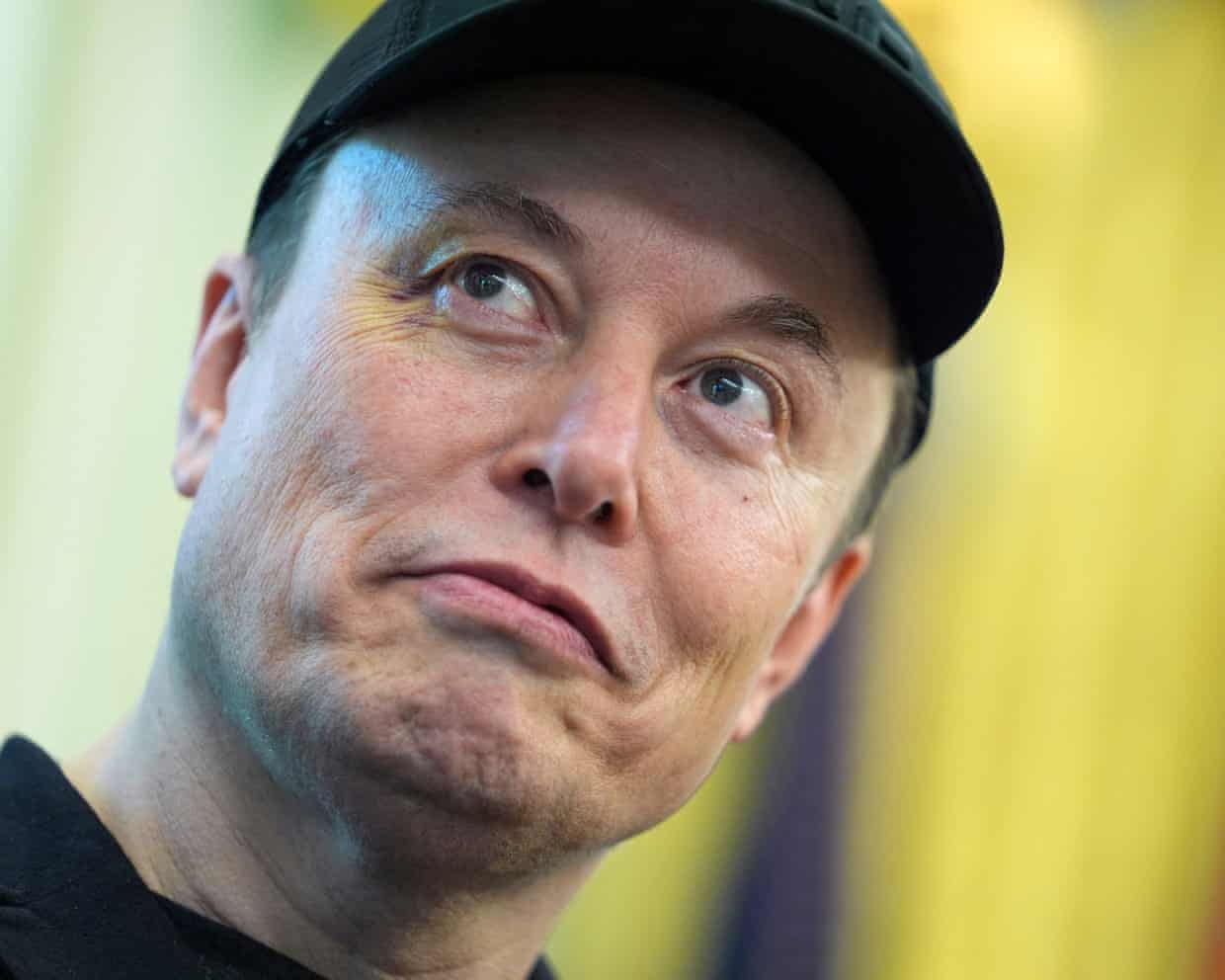
Elon Musk floats idea of buying Ryanair after calling CEO ‘an idiot’
Tell us: has a chatbot helped you out of a difficult time in your life?
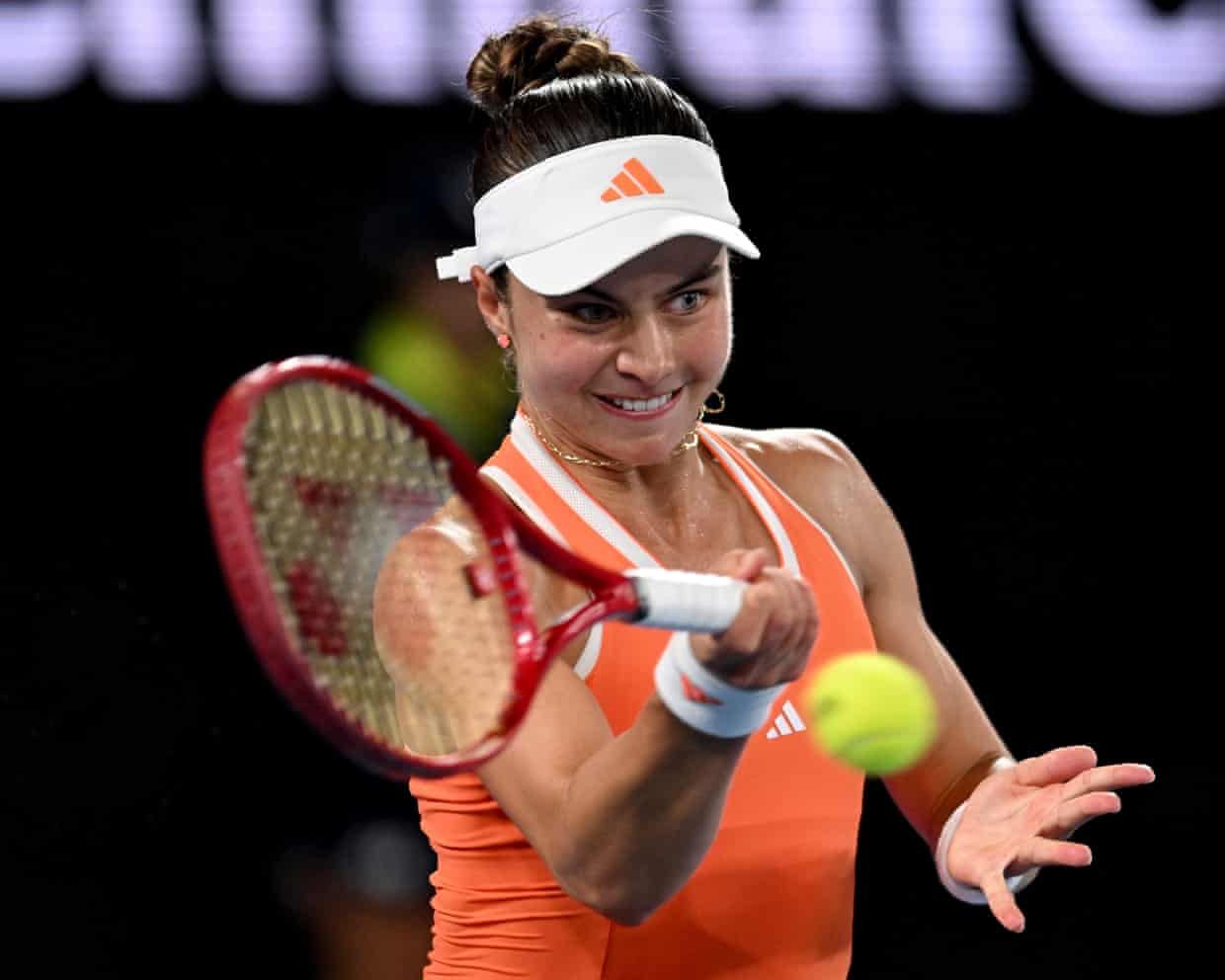
Australian Open 2026: De Minaur, Zverev, Tiafoe and Andreeva win, Raducanu out – as it happened
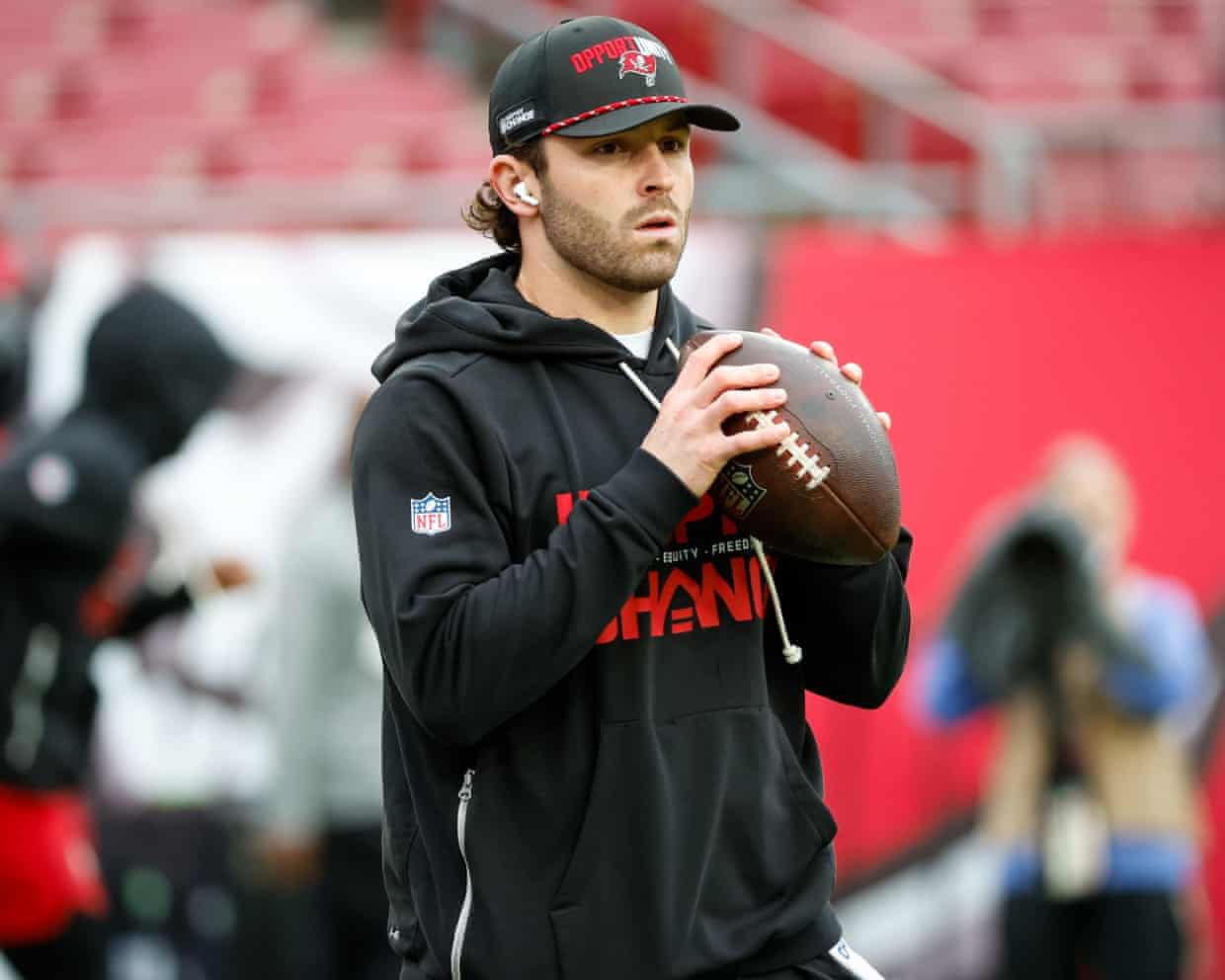
Mayfield claps back at former coach Stefanski and says Browns treated him like ‘garbage’