Shortage of NHS stroke specialists resulting in thousands dead or disabled, say doctors
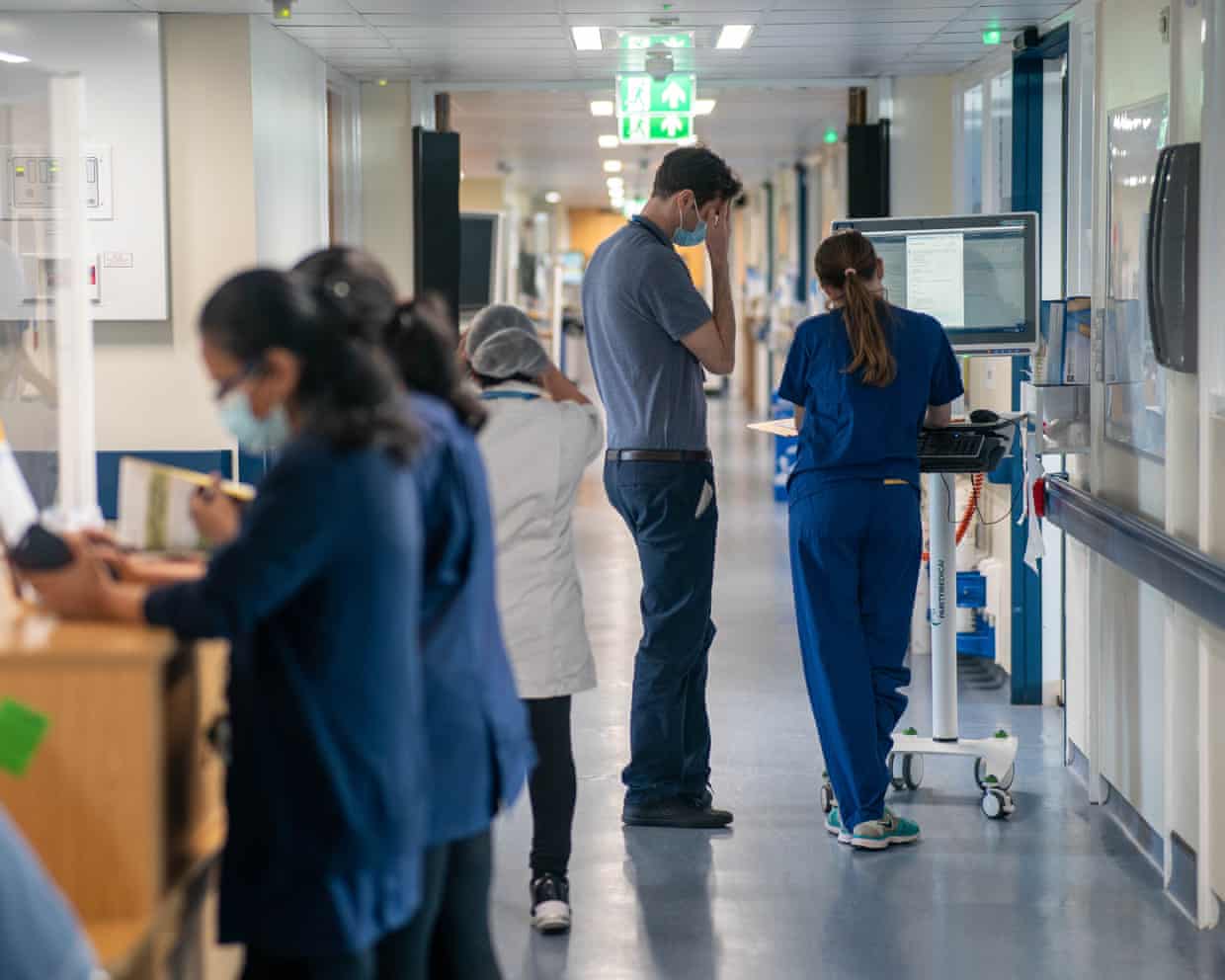
Thousands of people who have had a stroke are ending up severely disabled or dying because the NHS has too few specialists to treat them quickly enough, senior doctors are warning.A chronic shortage of stroke consultants across the NHS means that patients are suffering horrendous consequences because of delays in getting clot-busting drugs and surgery, they said.“People are either dying or living with disability unnecessarily because they’re not getting the correct evaluation and treatment by the right expert at the right time,” Prof David Werring, the past president of the British and Irish Association of Stroke Physicians (BIASP), told the Guardian.Many hospitals cannot urgently diagnose stroke patients and give them time-critical treatment to maximise their chances of a full recovery “because we haven’t got enough consultants”, Werring said.“The shortage means that when people have an acute stroke, they cannot be sure of receiving an expert consultant opinion to get the right diagnosis and the right treatment at the right time.
”About 100,000 people across the UK have a stroke each year.Between 10,000 and 20,000 of them died or sustained a serious disability because of treatment delays linked to staff shortages, said Dr Sanjeev Nayak, a senior stroke specialist at Royal Stoke hospital.“It is heartbreaking to see the real and avoidable impact that workforce shortages have on patient outcomes.In my experience workforce shortages directly lead to avoidable disability and, in some cases, avoidable death,” said Nayak, a consultant interventional radiologist.“It is reasonable to estimate that around 10-20% of stroke patients each year are left avoidably dead or more disabled than they otherwise would have been because of delays in the system.
Those delays are multifactorial, but workforce shortages – in stroke physicians, nurses [and other staff] – are a major, repeatedly identified contributor.“Given that stroke affects around 100,000 people a year in the UK, this translates into many thousands of patients annually whose outcomes could have been materially better with timely access to adequately staffed stroke teams.”Nayak pointed to the annual reports produced by the Sentinel Stroke national audit programme team based at King’s College London, which assess the NHS’s performance in England, Wales and Northern Ireland against official guidelines for stroke care.Its most recent report found that it took four hours and 11 minutes to get someone who had had a stroke to hospital in 2024-25, longer than in 2023-24 and more than 90 minutes longer than a decade ago.And just 46.
5% of stroke patients last year were admitted to a specialist stroke unit within four hours of their arrival in hospital, about level with the previous year but down more than 10 percentage points on a decade ago,New research undertaken by BIASP has shown that longstanding gaps in the stroke medical workforce are getting worse, despite the ageing population and unhealthy lifestyles leaving more people needing hospital treatment after a stroke,Its survey of the 100 hospitals in England that provide acute stroke care found that:70% of stroke units are short of at least one consultant in stroke care, and many are two down,53 of 84 hospitals that responded had vacancies for a total of 96 consultants,The NHS relies heavily on locum doctors to fill holes in the workforce caused by the difficulty in recruiting new consultants.
10% of the NHS’s 423 substantive (permanent) consultants are due to retire in the next five years, exacerbating the existing shortage.Together the results revealed “a significant worsening in the workforce position in the NHS in England”, with more unfilled vacancies than previously thought, Werring said.The lack of consultants meant that some smaller hospitals did not have a senior specialist on duty around the clock to decide on the care of stroke patients who arrived in the evenings, overnight or at the weekend, said Dr Louise Shaw, BIASP’s current president.“That’s very unacceptable,” Shaw said.“All patients admitted to a hospital with an acute stroke should have access to an immediate stroke consultant opinion and advice on their care.
And at the moment that’s not available.”Key stroke treatments such as thrombolysis (using clot-busting drugs) and mechanical thrombectomy – surgery to remove a blood clot from the brain – were extremely time-critical, Nayak said.“When services are understaffed, patients miss treatment windows altogether or are treated too late, resulting in far worse neurological outcomes that could have been prevented … Delays in specialist assessment or transfer to a thrombectomy centre can mean the difference between independent recovery and devastating, lifelong disability – or not surviving at all.”Werring said hospitals in rural, coastal and more deprived areas were most likely to have a shortage of stroke consultants.Patients were being denied “time-critical, life-changing” treatment because of staff shortages, the Stroke Association said.
“We know harm is happening because there simply aren’t enough stroke specialist staff,”The situation revealed by BIASP’s audit threatens Labour’s chances of fulfilling its pledge to cut deaths from heart disease and stroke by 25% by 2035,Labour’s plan for change last year said: “We want to see fewer lives being lost to the biggest killers, including cancer, cardiovascular disease and stroke, and suicide,This means diagnosing and treating patients earlier,”The Department of Health and Social Care (DHSC) is drawing up a plan, which will be published this year, to deliver the 25% ambition.
England-wide guidelines say stroke patients should receive “seamless, joined-up care at every stage” of their NHS treatment.The DHSC did not respond directly to BIASP’s findings.A spokesperson said the NHS had 7,000 more doctors than the same time last year.“And our upcoming workforce plan will set out how we ensure the NHS has the right people in the right places, with the right skills to care for patients when they need it.“We are committed to improving stroke prevention, treatment and recovery, including by setting new national standards for how cardiovascular disease care should be delivered across the NHS.
”The number of people in the UK who have a stroke is expected to rise from 100,000 to 151,000 a year by 2035, Stroke Association analysis has found.
Full-blown agony: my battle against the mysterious pain of cluster headaches
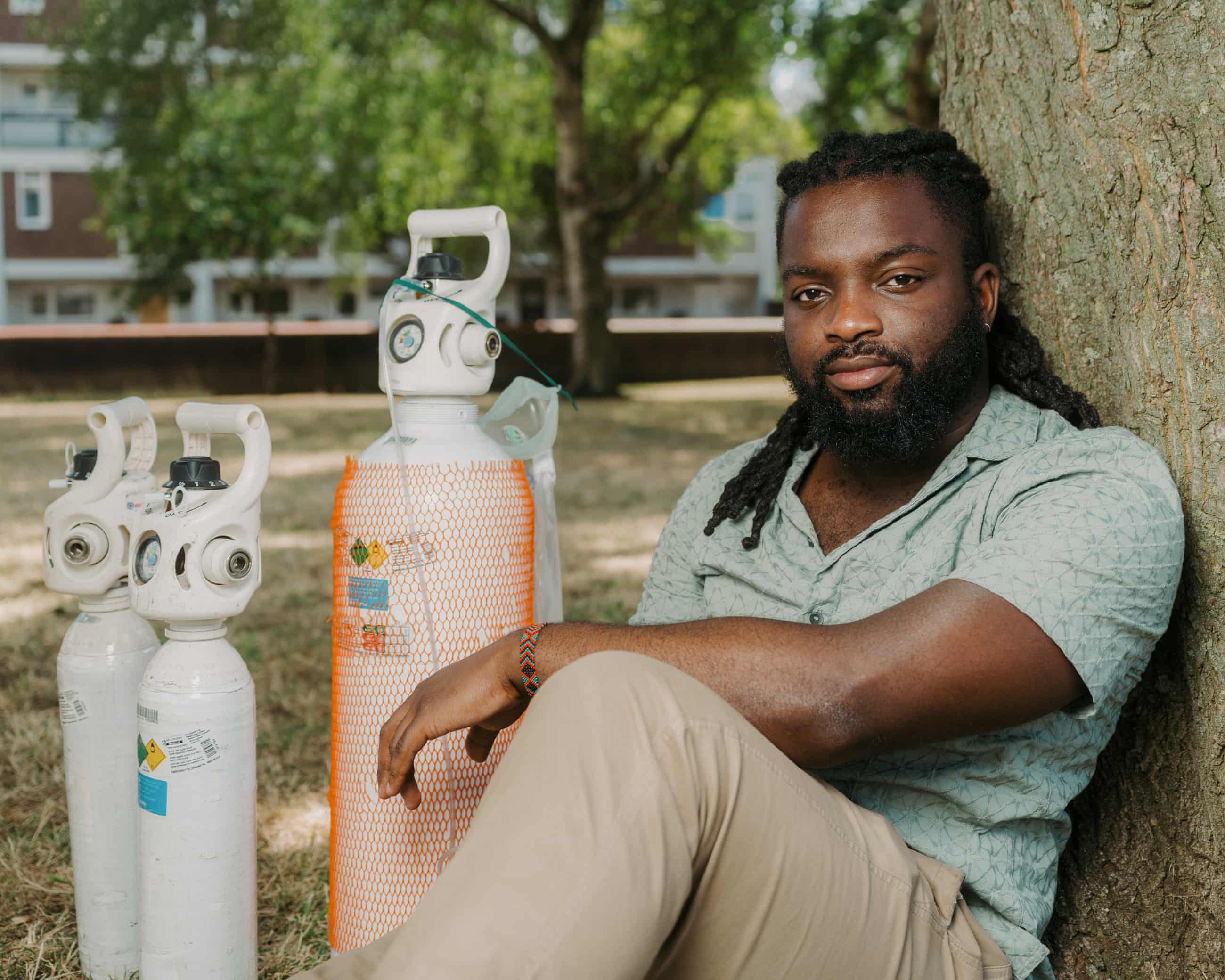
They can hurt more than broken bones or pancreatitis. But with the right drugs and therapies, relief is possible from this debilitating and often misunderstood conditionIt was a dreary Monday morning in September 2016, and I was working as a teacher, trying to settle a new year 7 class, when a sharp pain bloomed behind my right eye. It was followed by quick jolts, like electric shocks. As each class came and went, the pain eased and then returned with greater intensity. Four times that day I left a teaching assistant with worksheets and ran to the school bathroom to douse my face with cold water

Brain injuries linked to cognitive issues in domestic violence survivors, Australian study finds
An Australian-first study has strengthened evidence that intimate partner violence can cause lasting brain injuries, leading to memory loss, learning changes and other long-term cognitive problems.A Monash University study published in the Journal of Neurotrauma found that survivors of domestic violence who experienced repeated head impacts or non-fatal strangulation were more likely to show behavioural and cognitive changes, including impaired memory.The impact of brain injuries has become widely recognised in professional sport, where repeated concussions have been linked to chronic traumatic encephalopathy (CTE) and other neurodegenerative conditions. Guardian Australia has extensively reported on concussion in sport, coverage that contributed to a Senate inquiry and an AFL class action.Researchers and advocates said the study highlights a need for greater awareness of brain injury when screening and supporting survivors of intimate partner violence, so they can receive appropriate treatment

Starmer urged to scrap ‘outdated’ law limiting power to stop new gambling premises
Keir Starmer has been urged to abolish an “outdated” rule that limits the power of communities to prevent bookmakers and 24-hour slot machine shops from opening on high streets.In a letter to the prime minister, nearly 300 politicians and campaigners called for an end to the “aim to permit” policy, introduced when Tony Blair’s Labour government liberalised gambling laws in 2005.The rule places a legal obligation on licensing authorities such as councils or the Gambling Commission to err on the side of allowing new gambling premises.“Our high streets are being hollowed out by a surge of betting shops and 24/7 slot-machine venues, while local people are left powerless,” said the Labour MP Dawn Butler, who coordinated the letter.She said the aim to permit rule had left councils powerless to refuse licence applications, even in the face of local opposition

Guardian Hope appeal raises more than £800,000 for charities tackling division
Donations to the Guardian’s Hope appeal have passed the £800,000 mark as generous readers continue to support inspirational grassroots charities that promote tolerance and tackle division, racism and hatred.The 2025 Guardian appeal is raising funds for five charities: Citizens UK, the Linking Network, Locality, Hope Unlimited Charitable Trust and Who is Your Neighbour?The Hope appeal, which is entering its final few days, supports charities offering positivity and common purpose against an backdrop of extremist violence and harassment, anti-migrant rhetoric, and the re-emergence of “1970s-style racism”.One donor told us by email: “I support all efforts to rebuild community links and cohesion. With lived experience of racism (current and past), I never want it to stain our country again.“Hate and division are making our communities less safe for all of us
US to slash routine vaccine recommendations for children in major change experts say creates doubt
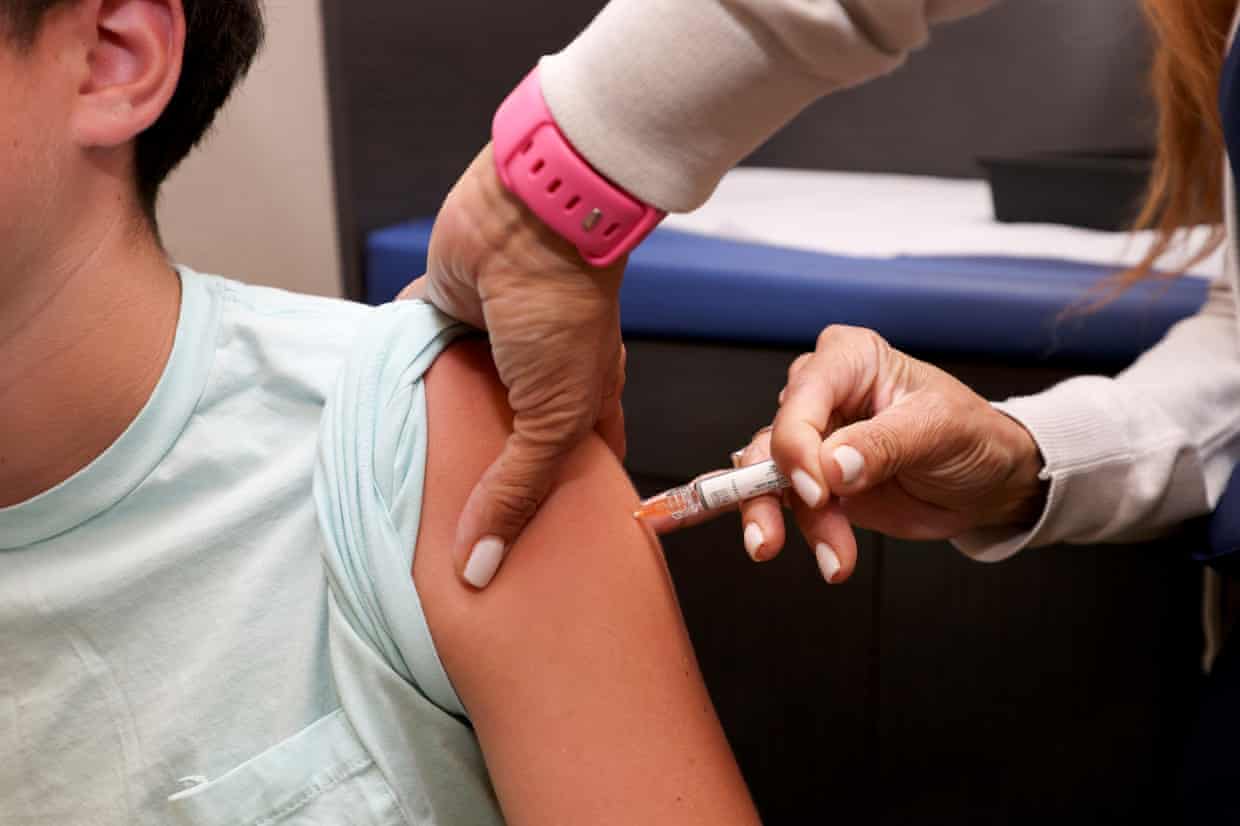
The Trump administration will slash routine vaccine recommendations during childhood from 17 to 11 jabs – the biggest change to vaccines yet under the purview of longtime vaccine critic Robert F Kennedy Jr.The changes, which US health officials announced on Monday afternoon and are effective immediately, will erode trust and reduce access to vaccines while allowing infectious diseases to spread, experts said.“The goal of this administration is to basically make vaccines optional,” said Paul Offit, an infectious diseases physician at Children’s Hospital of Philadelphia and a former member of the advisory committee on vaccines for the US Food and Drug Administration (FDA). “And we’re paying the price.”The CDC will now recommend one dose of the HPV vaccine instead of two
Shortage of NHS stroke specialists resulting in thousands dead or disabled, say doctors
Thousands of people who have had a stroke are ending up severely disabled or dying because the NHS has too few specialists to treat them quickly enough, senior doctors are warning.A chronic shortage of stroke consultants across the NHS means that patients are suffering horrendous consequences because of delays in getting clot-busting drugs and surgery, they said.“People are either dying or living with disability unnecessarily because they’re not getting the correct evaluation and treatment by the right expert at the right time,” Prof David Werring, the past president of the British and Irish Association of Stroke Physicians (BIASP), told the Guardian.Many hospitals cannot urgently diagnose stroke patients and give them time-critical treatment to maximise their chances of a full recovery “because we haven’t got enough consultants”, Werring said. “The shortage means that when people have an acute stroke, they cannot be sure of receiving an expert consultant opinion to get the right diagnosis and the right treatment at the right time

UK housebuilding in deepest slump since 2020 lockdowns; stock market rally falters amid geopolitical tensions – business live

FCA fines two former Carillion directors for misleading investors before collapse

Grok’s deepfake images which ‘digitally undress’ women investigated by Australia’s online safety watchdog

Elon Musk’s xAI announces it has raised $20bn amid backlash over Grok deepfakes

Injured Stokes to spend final day of Ashes tour watching from SCG pavilion
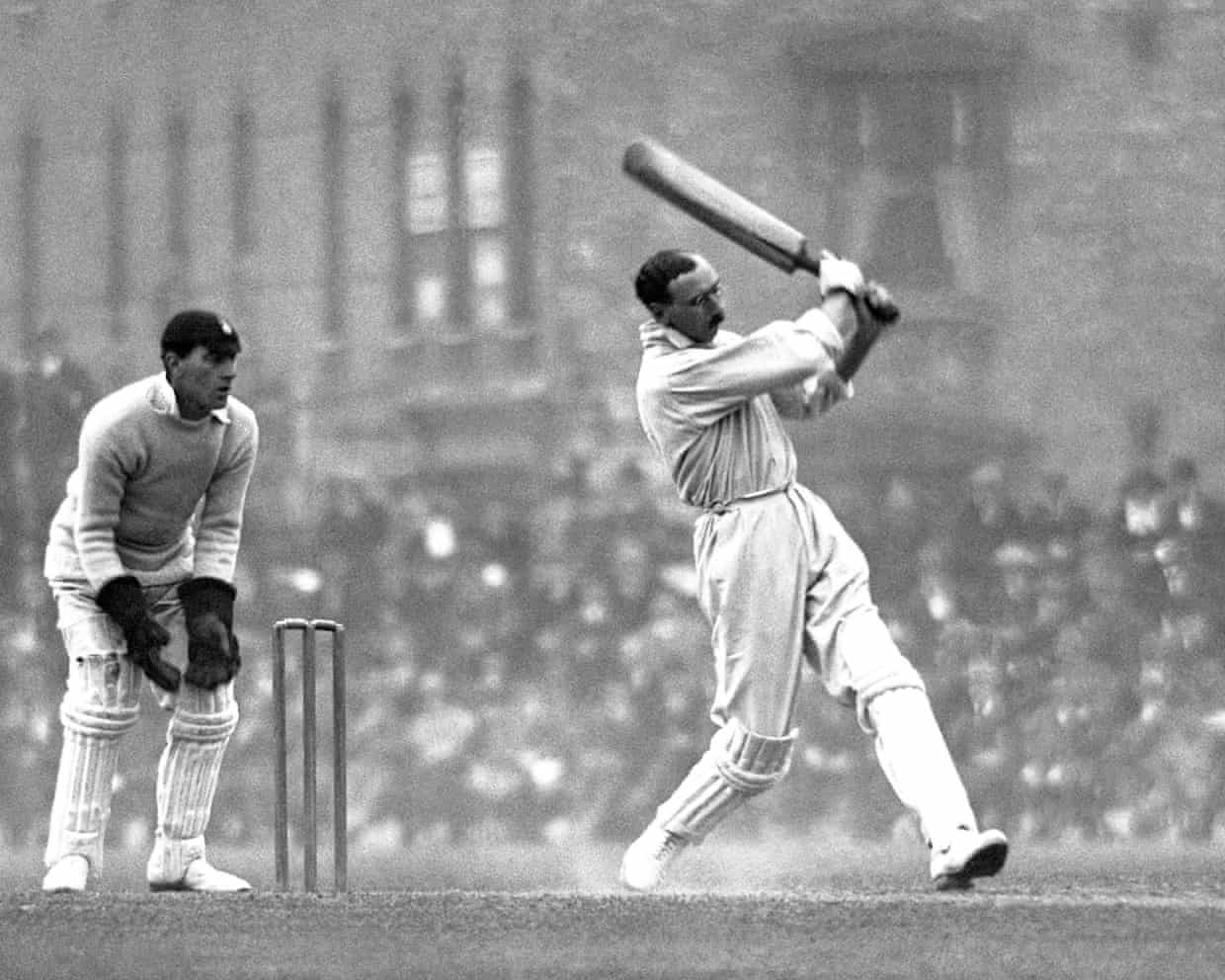
The Spin | Revealed after 100 years: how a corrupt official robbed Percy Fender of the England captaincy