Brain injuries linked to cognitive issues in domestic violence survivors, Australian study finds

An Australian-first study has strengthened evidence that intimate partner violence can cause lasting brain injuries, leading to memory loss, learning changes and other long-term cognitive problems.A Monash University study published in the Journal of Neurotrauma found that survivors of domestic violence who experienced repeated head impacts or non-fatal strangulation were more likely to show behavioural and cognitive changes, including impaired memory.The impact of brain injuries has become widely recognised in professional sport, where repeated concussions have been linked to chronic traumatic encephalopathy (CTE) and other neurodegenerative conditions.Guardian Australia has extensively reported on concussion in sport, coverage that contributed to a Senate inquiry and an AFL class action.Researchers and advocates said the study highlights a need for greater awareness of brain injury when screening and supporting survivors of intimate partner violence, so they can receive appropriate treatment.
Georgia Symons, a Monash University neuroscientist and senior author of the study, said the research compared women who had experienced unsafe relationships with those who had not, and found notable similarities to the brain trauma seen in athletes,Sign up: AU Breaking News email“Essentially, what we found is that those with six or more brain injuries, head impacts or non-fatal strangulation had worse learning and memory outcomes than those who hadn’t experienced brain injuries from intimate partner violence,” Symons said,“While we didn’t directly study or compare to the injuries experienced by athletes, and brain injuries in this setting are unique, the changes we found have previously been seen as a result of sports concussions,”While many participants did not meet the clinical threshold for impairment, she said they still showed significant difficulties,“They struggled with memory loss, learning difficulties and cognitive function compared to the other cohort,” she said.
The study found that 84.2% of participants who had experienced brain injury in the context of intimate partner violence had suffered both non-fatal strangulation and a mild traumatic brain injury or concussion.A 2018 study found that 40% of family violence victims presenting to Victorian hospitals over a 10-year period had experienced a brain injury, though researchers warned the figure was likely higher because many survivors do not seek medical care.In 2024, two Australian women who had endured years of partner abuse were diagnosed with CTE – the first cases in the country linked to domestic violence.Reidar Lystad, a research fellow at the Australian Institute of Health Innovation who has studied sports concussions, said domestic violence survivors were a major group at risk, alongside athletes and military veterans.
“Literature from the sports field tells us that the cumulative impact of repeated trauma is associated with long-term health consequences like neurodegenerative diseases,” Lystad said.“There’s an increased risk of not just chronic traumatic encephalopathy, but also other forms of dementia.”Lystad said there were growing concerns that the threshold for long-term brain damage may be lower than previously thought, but remains difficult to measure.“If domestic violence is being perpetrated over time, that becomes an increased risk for the development of neurodegenerative disease,” he said.“For those patients, referral to specialists with expertise in brain injury is critical.
It’s not an issue that’s unique to the sporting population any more.”Phillip Ripper, chief executive of violence prevention organisation No To Violence, said women subjected to repeated concussions and strangulation through family violence were far less likely to be identified, diagnosed or supported than athletes, despite often experiencing more severe and repeated trauma.“There is an enormous gap in awareness and understanding of the severe, often lifelong impacts these injuries have on victim-survivors’ memory, cognition, wellbeing and capacity to rebuild their lives,” Ripper said.“Non-fatal strangulation in particular must be recognised as a critical warning sign.”Ripper said these injuries were preventable if violence was stopped at its source.
“Preventing these devastating harms requires governments and communities to act decisively – identifying men’s use of violence earlier, responding consistently, and holding men accountable before patterns of coercive control escalate into repeated brain injury and life-threatening harm.” In Australia, the national family violence counselling service is on 1800 737 732.In the UK, call the national domestic abuse helpline on 0808 2000 247, or visit Women’s Aid.In the US, the domestic violence hotline is 1-800-799-SAFE (7233).Other international helplines may be found via www.
befrienders.org.
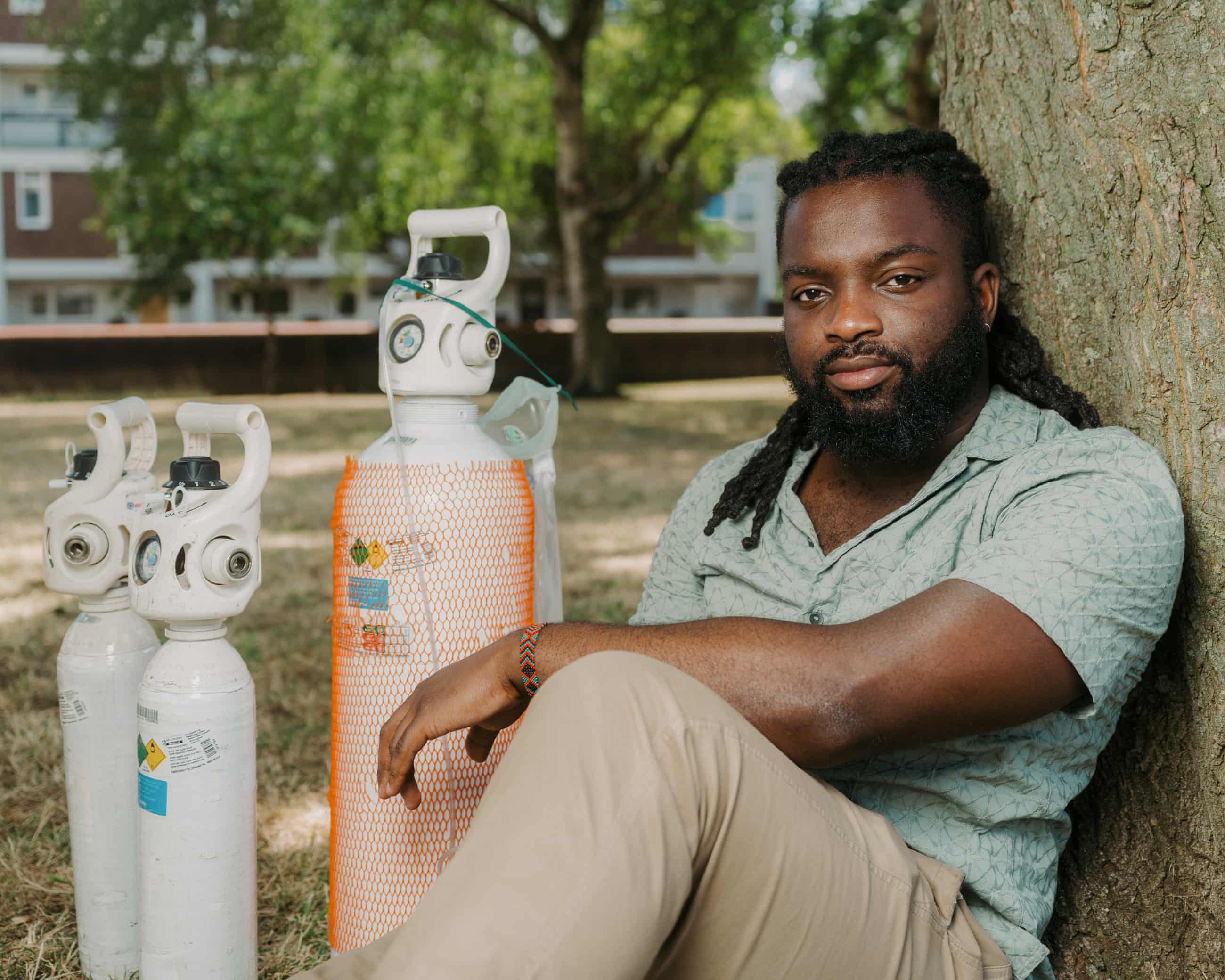
Full-blown agony: my battle against the mysterious pain of cluster headaches
They can hurt more than broken bones or pancreatitis. But with the right drugs and therapies, relief is possible from this debilitating and often misunderstood conditionIt was a dreary Monday morning in September 2016, and I was working as a teacher, trying to settle a new year 7 class, when a sharp pain bloomed behind my right eye. It was followed by quick jolts, like electric shocks. As each class came and went, the pain eased and then returned with greater intensity. Four times that day I left a teaching assistant with worksheets and ran to the school bathroom to douse my face with cold water
Brain injuries linked to cognitive issues in domestic violence survivors, Australian study finds
An Australian-first study has strengthened evidence that intimate partner violence can cause lasting brain injuries, leading to memory loss, learning changes and other long-term cognitive problems.A Monash University study published in the Journal of Neurotrauma found that survivors of domestic violence who experienced repeated head impacts or non-fatal strangulation were more likely to show behavioural and cognitive changes, including impaired memory.The impact of brain injuries has become widely recognised in professional sport, where repeated concussions have been linked to chronic traumatic encephalopathy (CTE) and other neurodegenerative conditions. Guardian Australia has extensively reported on concussion in sport, coverage that contributed to a Senate inquiry and an AFL class action.Researchers and advocates said the study highlights a need for greater awareness of brain injury when screening and supporting survivors of intimate partner violence, so they can receive appropriate treatment

Starmer urged to scrap ‘outdated’ law limiting power to stop new gambling premises
Keir Starmer has been urged to abolish an “outdated” rule that limits the power of communities to prevent bookmakers and 24-hour slot machine shops from opening on high streets.In a letter to the prime minister, nearly 300 politicians and campaigners called for an end to the “aim to permit” policy, introduced when Tony Blair’s Labour government liberalised gambling laws in 2005.The rule places a legal obligation on licensing authorities such as councils or the Gambling Commission to err on the side of allowing new gambling premises.“Our high streets are being hollowed out by a surge of betting shops and 24/7 slot-machine venues, while local people are left powerless,” said the Labour MP Dawn Butler, who coordinated the letter.She said the aim to permit rule had left councils powerless to refuse licence applications, even in the face of local opposition

Guardian Hope appeal raises more than £800,000 for charities tackling division
Donations to the Guardian’s Hope appeal have passed the £800,000 mark as generous readers continue to support inspirational grassroots charities that promote tolerance and tackle division, racism and hatred.The 2025 Guardian appeal is raising funds for five charities: Citizens UK, the Linking Network, Locality, Hope Unlimited Charitable Trust and Who is Your Neighbour?The Hope appeal, which is entering its final few days, supports charities offering positivity and common purpose against an backdrop of extremist violence and harassment, anti-migrant rhetoric, and the re-emergence of “1970s-style racism”.One donor told us by email: “I support all efforts to rebuild community links and cohesion. With lived experience of racism (current and past), I never want it to stain our country again.“Hate and division are making our communities less safe for all of us
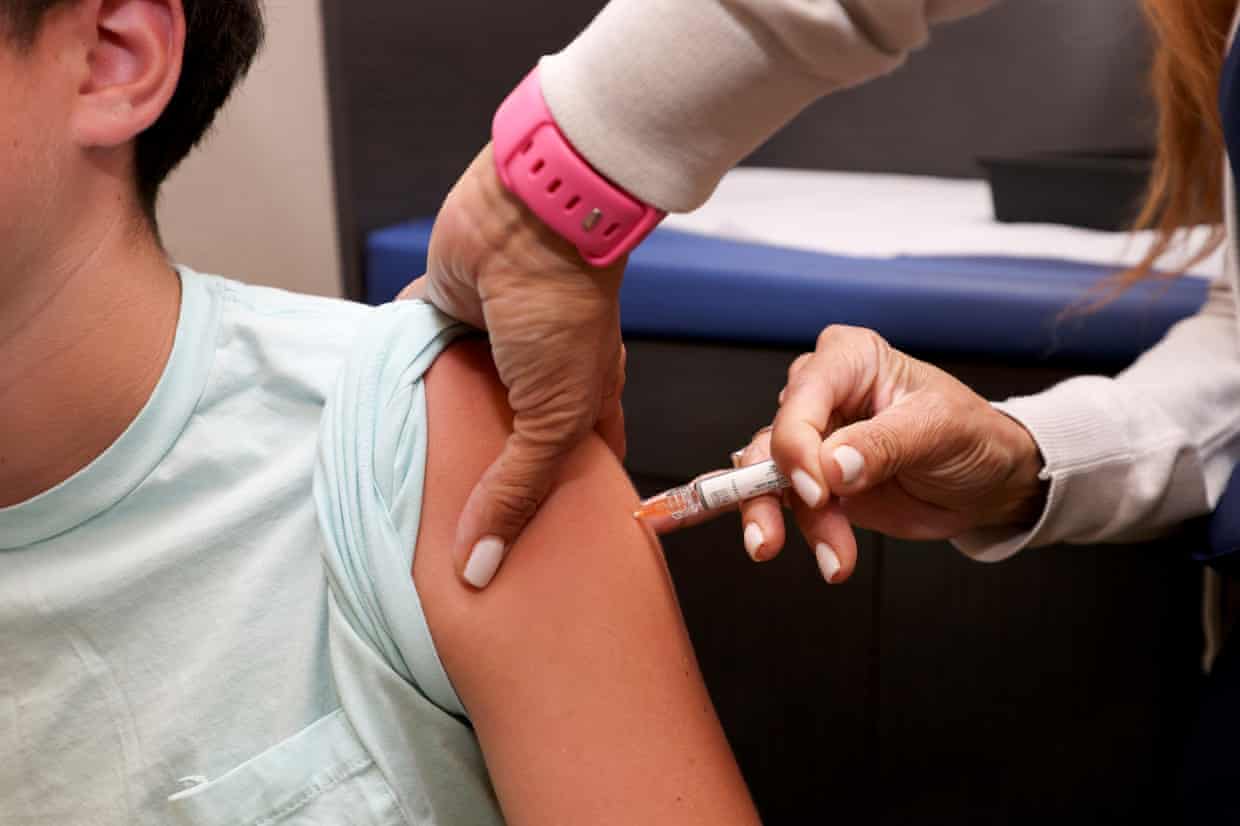
US to slash routine vaccine recommendations for children in major change experts say creates doubt
The Trump administration will slash routine vaccine recommendations during childhood from 17 to 11 jabs – the biggest change to vaccines yet under the purview of longtime vaccine critic Robert F Kennedy Jr.The changes, which US health officials announced on Monday afternoon and are effective immediately, will erode trust and reduce access to vaccines while allowing infectious diseases to spread, experts said.“The goal of this administration is to basically make vaccines optional,” said Paul Offit, an infectious diseases physician at Children’s Hospital of Philadelphia and a former member of the advisory committee on vaccines for the US Food and Drug Administration (FDA). “And we’re paying the price.”The CDC will now recommend one dose of the HPV vaccine instead of two
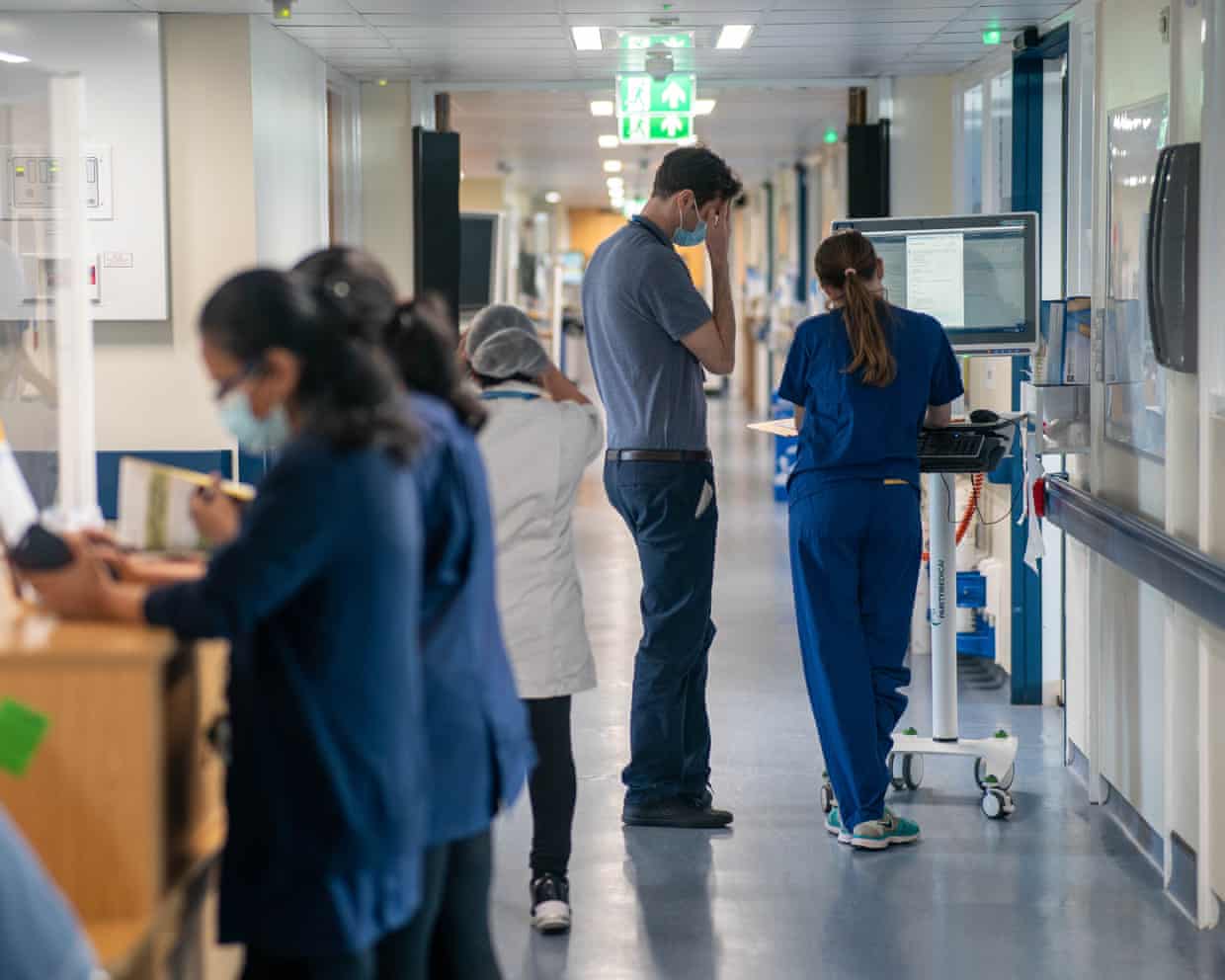
Shortage of NHS stroke specialists resulting in thousands dead or disabled, say doctors
Thousands of people who have had a stroke are ending up severely disabled or dying because the NHS has too few specialists to treat them quickly enough, senior doctors are warning.A chronic shortage of stroke consultants across the NHS means that patients are suffering horrendous consequences because of delays in getting clot-busting drugs and surgery, they said.“People are either dying or living with disability unnecessarily because they’re not getting the correct evaluation and treatment by the right expert at the right time,” Prof David Werring, the past president of the British and Irish Association of Stroke Physicians (BIASP), told the Guardian.Many hospitals cannot urgently diagnose stroke patients and give them time-critical treatment to maximise their chances of a full recovery “because we haven’t got enough consultants”, Werring said. “The shortage means that when people have an acute stroke, they cannot be sure of receiving an expert consultant opinion to get the right diagnosis and the right treatment at the right time

Rukmini Iyer’s quick and easy recipe for roast sweet potato, feta and butter bean traybake | Quick and easy

Overnight oats, spinach pie and cheesy corn muffins: Alexina Anatole’s recipes for make-ahead breakfasts

How to make the perfect breakfast tacos – recipe | Felicity Cloake's How to make the perfect …

Poon’s at Somerset House, London WC2: ‘The tofu dip alone is worth booking a table for’ – restaurant review | Grace Dent on restaurants

Benjamina Ebuehi’s recipe for yoghurt panna cotta with banana and tahini crumble | The sweet spot

How to turn the dregs of a bottle of beer into cheesy rolls – recipe | Waste not