Resident doctors accuse Keir Starmer of sabotaging talks to end pay and jobs dispute

Resident doctors have accused Keir Starmer of damaging the prospects of a deal to end their pay and jobs dispute by threatening to cut 1,000 new jobs for medics in the NHS.The claim from the British Medical Association leaders came just before the Thursday deadline given by the prime minister for the union to accept the government’s final offer.Barring a late change of heart by the BMA, resident doctors in England will stage a six-day strike from 7am on Tuesday.The union’s resident doctors committee last week rejected the government’s detailed plan to end their long-running dispute.It included a pledge to increase the number of places available in specialist medical training by up to 4,500 over the next three years to help more early-career doctors start training in their chosen speciality.
About 1,000 doctors were due to step into those roles from this August.However, Wes Streeting, the health secretary, has told the BMA that those 1,000 extra slots in specialist training will be scrapped unless it accepts the deal.Talks will continue on Thursday aimed at averting next week’s strike.But there is little optimism on either side that it will be called off.NHS bosses fear it will severely disrupt services, especially as it will fall during the Easter school holidays when many staff will be off.
Dr Jack Fletcher, the chair of the BMA’s resident doctors committee, wrote in a letter to the health secretary on Wednesday: “The political rhetoric – threatening to remove training places – coupled with the way the government has communicated the offer, has needlessly and avoidably inflamed the dispute, ultimately pushing the chance of a deal further away.A final offer followed by threats that parts of the offer may be withdrawn is not the way to end this dispute.”The threat to remove 1,000 of the 4,500 jobs has heightened fears among residents that they will not be able to progress into specialist training this year, he added.Starmer wrote in the Times on Tuesday that the BMA would be reckless if it did not accept the government’s “historic deal”.Rejection would also mean resident doctors miss out on an above-inflation pay rise this year.
Starmer gave the union until Thursday to rethink its position and accept the offer.Streeting also wrote to all of England’s 75,000 resident doctors advising them to accept.The Department of Health and Social Care (DHSC) did not immediately respond to Fletcher’s letter, which outlines the issues on which the BMA and government remain far apart.They include whether resident doctors should receive £700m extra in “progression pay” over one, two or three years – and the BMA’s demand for pay deals until 2029 to insulate them from the effects of inflation.The BMA opened a new front against the government this week by deciding to ballot other types of hospital doctor, including consultants, about striking over “inadequate”pay and threatening to coordinate strikes.
A DHSC spokesperson said: “It is disappointing that the BMA has decided to press ahead with strikes next week, despite conversations we have been having in recent days in a bid to protect the NHS from strikes,“This government offered resident doctors a generous deal to improve their pay, career progression and working lives that would have seen resident doctors on average 35,2% better off than they were four years ago,“Because the BMA resident doctors committee has not agreed to call off these strikes and put an offer to members, we will now not be able to deliver the 1,000 extra training places which the BMA asked for,”“These posts would have gone live this month, but as systems now need to prepare for strikes and more uncertainty, it simply won’t be operationally or financially possible to launch these posts in April in time to recruit for this year - this won’t impact the overall number of resident doctors and the NHS will be there for patients when they need it.
”

‘It’s all fear and headlines’: energy traders race to keep pace with volatile oil markets
On the weekend that US-Israeli drones first began to rain down on Tehran, energy traders across the world’s major financial centres began to redraw their strategies.When they returned to their trading desks on that March Monday morning, they found oil and gas prices spiking amid a market nightmare made real: the unprecedented shutdown of the vital trade route through the strait of Hormuz.“I had been telling our oil trader for weeks to be ready for a war with Iran,” said one trading analyst at a major European energy company.“But he didn’t see it. The market was oversupplied, and prices were already looking higher than they should, so he shorted the market
Trussonomics still haunts parties’ economic promises in run-up to UK local elections | Phillip Inman
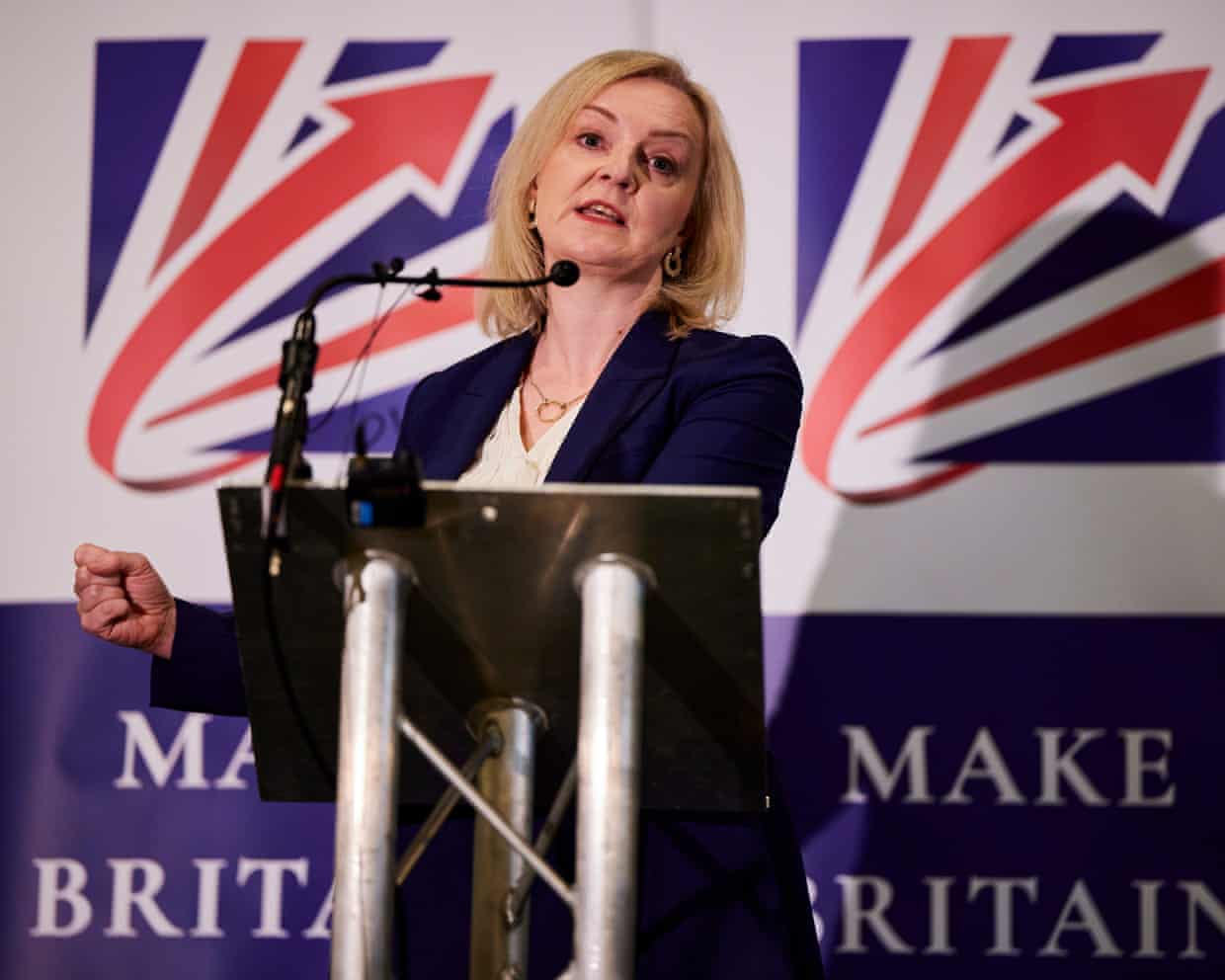
As local and regional elections across the UK loom into view, it is clear the spectre of Trussonomics lives on. The Greens, Reform UK, Your Party, Restore Britain, the Conservatives and even the Liberal Democrats cannot help making extravagant spending promises, often paid for by cutting something or borrowing more that, they argue, will have no negative economic consequences.Or if they do, the costs will be borne by people and businesses they do not care about.Only Keir Starmer and his cabinet colleagues seem to be immune to the hysterical demands for the UK government to somehow reconfigure the way the economy operates without any spillovers, unintended consequences or extra costs that nullify the supposed gains derived from the original policy.Liz Truss promised huge tax cuts worth £45bn paid for with extra borrowing and welfare “efficiencies”
UK’s leading AI research institute told to make ‘significant’ changes
The UK’s leading AI research institute has been told to make “significant” changes by its main source of taxpayer funding.The Guardian revealed last week that the board of the Alan Turing Institute was reminded of its legal duties by the charity watchdog after a whistleblower complaint.The UK Research and Innovation (UKRI) body, which awarded the ATI a five-year, £100m funding package in 2024 and is its largest single source of funds, said it had conducted a review of the institute and found it underperforming in terms of strategy and delivering value for money.“The review concluded that overall strategic alignment and value for money are not yet satisfactory,” the UKRI said.Last summer, the government made clear that it expected a strategic overhaul at the nominally independent organisation and indicated the need for management changes, adding that its funding could be reviewed
Google to tap into gas plant for AI datacenter in sharp turn from climate goals
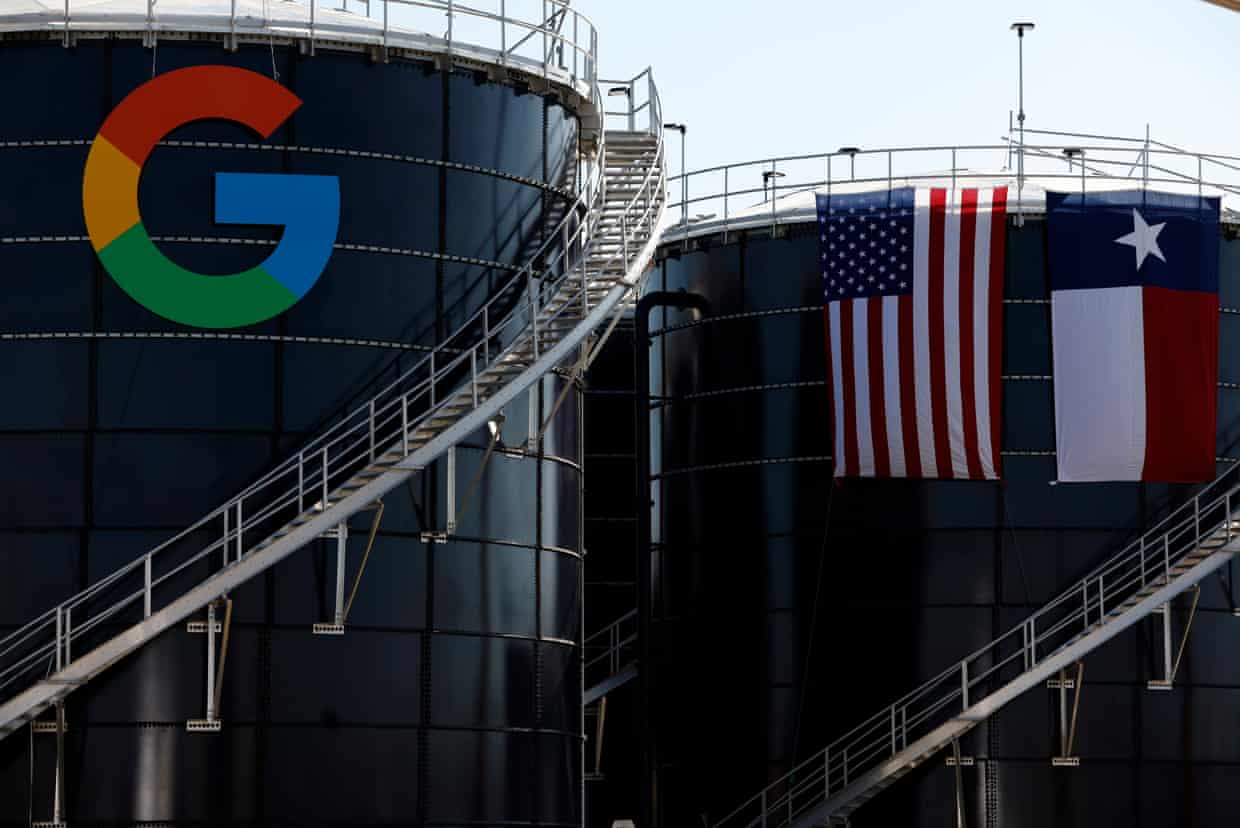
Google’s plan for a partnership with a natural gas power plant that could provide energy for one of its datacenters in Texas was unearthed by new research and confirmed by the company. The move is part of an ongoing about-face for the tech giant, which once pledged to be carbon neutral by 2030 and has long been seen as a pioneer in clean energy.The gas power plant is slated to be built in Armstrong county, a sparsely populated area in the Texas panhandle. According to a report by the research organization Cleanview, the project is being led by Crusoe Energy, which partnered with Google to develop the datacenter campus known as “Goodnight”, named after a nearby town.Crusoe filed for a permit in January to build the 933-megawatt power plant on the site of the Goodnight campus, which showed the facility would operate off the grid and provide energy to at least two buildings on the campus, according to Cleanview
The Boat Races 2026: Cambridge men cruise to victory, Oxford women end losing streak – as it happened
With Luke McLaughlin’s report in, that’s all from me. Thanks for tuning in.Jamie Laing offers his commiserations to Cambridge’s men before realising his mistake. The crew get up on the platform and Noam Mouelle – now a four-time winner of the race – leads the celebrations.Time for the presentation: Oxford’s women are up on the stage

Oxford women and Cambridge men seal Boat Race triumphs in choppy waters
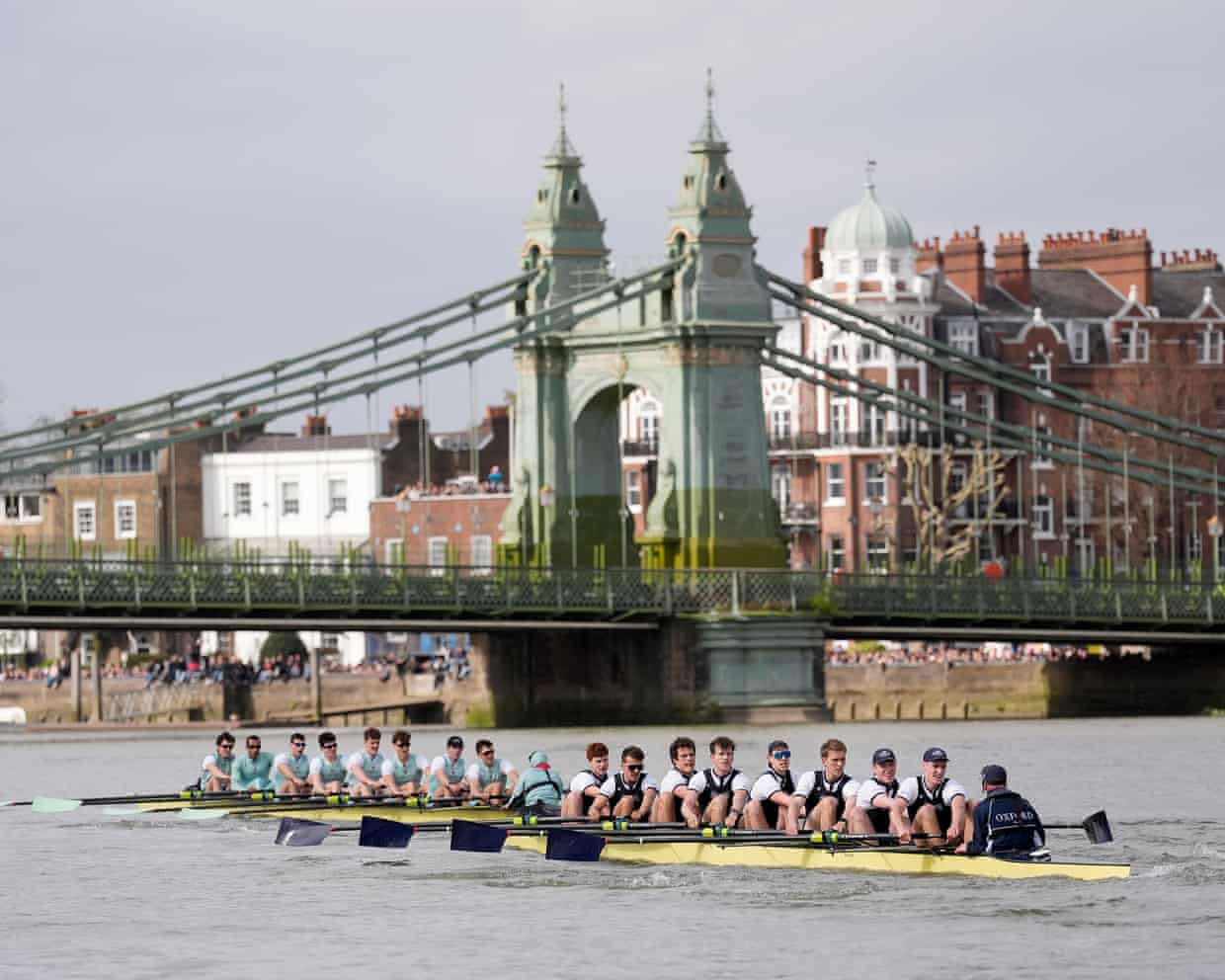
Oxford’s women ended eight years of Cambridge dominance in their Boat Race with a sensational performance led by the Olympic medallist Heidi Long, while Cambridge overpowered their dark-blue rivals in the men’s race for a fourth consecutive win.On a windy and largely overcast day in London, Oxford’s women forged a lead as soon as the first race of the day sped away from Putney and led by about six seconds at Hammersmith Bridge. Tens of thousands of fans cheered the boats on from the riverside, lining the 6.8km course all the way.The water was exceptionally rough in the later part of the course and Matt Moran, the Cambridge cox, steered into calmer waters at the Surrey bend, taking the inside line and forcing Oxford to respond

Put away the Aperol and raise a glass to Hugo spritz, the drink of the summer

Helen Goh’s recipe for ricotta, rum and raisin cake | The sweet spot

Cocoa-crazy: chocolate-infused liqueurs deserve their own moment

Baked cheesy smoked haddock and lemon icebox pudding: Henry Harris’ alternative Easter lunch

Rachel Roddy’s Easter cannelloni with spinach, peas, ricotta and mozzarella – recipe

As Australian food prices rise, ‘robust’ cauliflower and cabbage are April’s best value fruit and veg