Boost for artists in AI copyright battle as only 3% back UK active opt-out plan
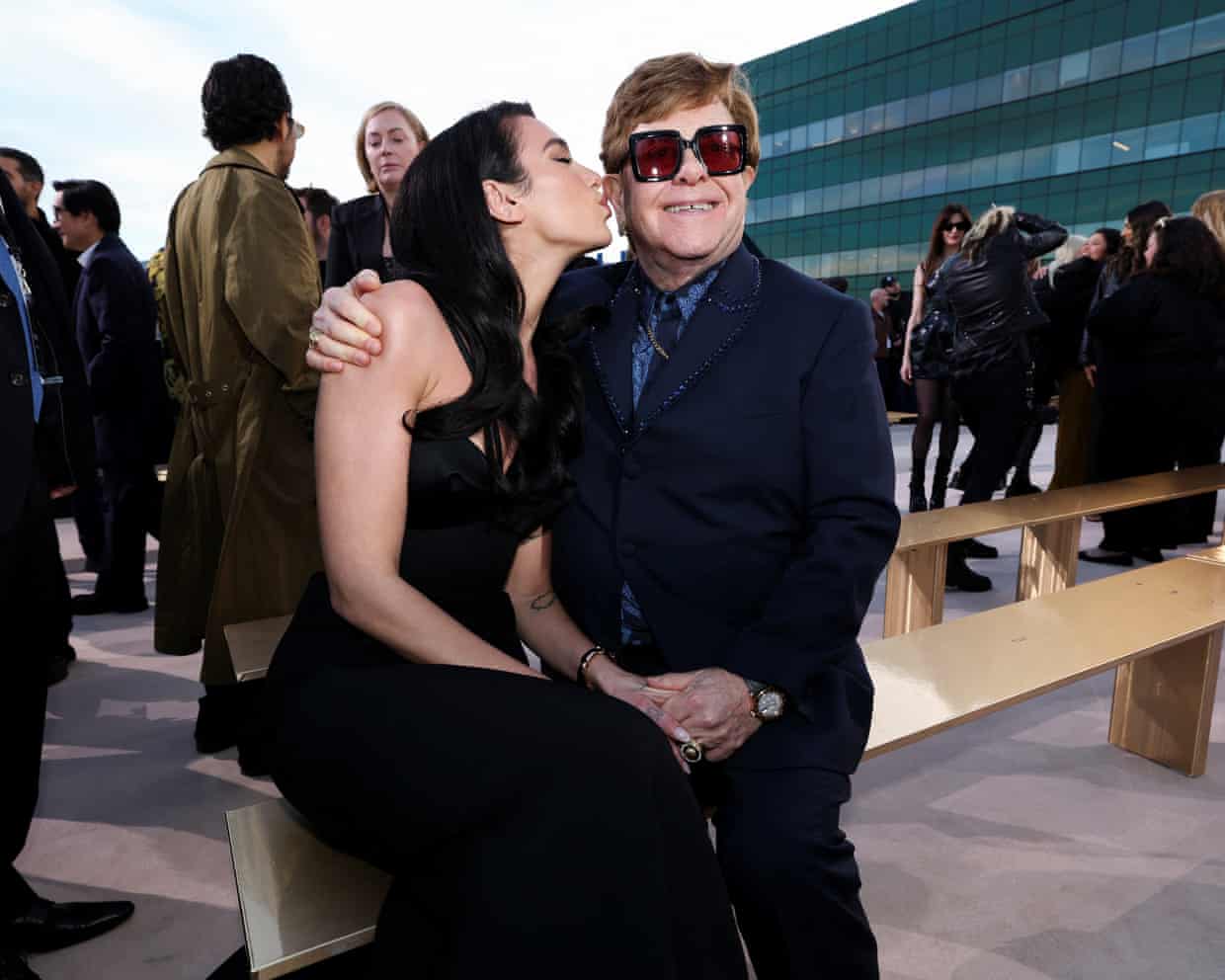
A campaign fronted by popstars including Elton John and Dua Lipa to protect artists’ works from being mined to train AI models without consent has received a boost after almost every respondent to a government consultation backed their case,Ninety-five per cent of the more than 10,000 people who had their say over how music, novels, films and other works should be protected from copyright infringements by tech companies called for copyright to be strengthened and a requirement for licensing in all cases or no change to copyright law,By contrast, only 3% of people backed the government’s initial preferred tech company-friendly option, which was to require artists and copyright holders to actively opt out of having their material fed into data-hungry AI systems,Ministers subsequently dropped that preference in the face of a backlash,Artists who have opposed any dilution of their copyright include Sam Fender, Kate Bush and the Pet Shop Boys.
Campaigners to protect artists’ copyright have voiced fears that ministers have paid too much attention to US tech companies’ interests.The US president, Donald Trump, has said: “We have to allow AI to use that [copyrighted] pool of knowledge without going through the complexity of contract negotiations,” and warned international governments not to “make rules and regulations that … make it impossible” for AI companies to do business.Last month Paul McCartney stepped up the campaign to protect copyright by releasing a new recording, which was almost entirely silent save for some ambient clattering in the studio as a protest against copyright theft by AI companies.Liz Kendall, the secretary of state for science, innovation and technology, told parliament on Monday there was “no clear consensus” on the issue and the government would “take the time to get this right”, and promised to make policy proposals by 18 March 2026.“Our approach to copyright and AI must support prosperity for all UK citizens, and drive innovation and growth for sectors across the economy, including the creative industries,” she said.
“This means keeping the UK at the cutting edge of science and technology so UK citizens can benefit from major breakthroughs, transformative innovation and greater prosperity.“It also means continuing to support our creative industries, which make a huge economic contribution, shape our national identity and give us a unique position on the world stage.”But campaigners for copyright holders said the consultation response set a clear course for the government to take.“This is an overwhelming show of support for the commonsense position that AI companies should pay for the resources they use, and a total rejection of the government’s ‘preferred option’ of handing AI companies the work of the UK’s creatives for free,” said Ed Newton-Rex, a composer and campaigner for copyright fairness.“Liz Kendall should listen to the people and rule out changing copyright law to benefit AI companies.
”Owen Meredith, the chief executive of the New Media Association, urged Kendall to rule out any new copyright exception and end the uncertainty created by “this prolonged process”.“This will send a clear message to AI developers that they must enter into licensing agreements with the UK’s media and creative copyright owners, unlocking investment and strengthening the market for the high-quality content that is the most valuable ingredient in producing safe, trustworthy AI models,” he said.Last month, Kendall indicated she was sympathetic to artists’ demands not to have their copyrighted works scraped by AI companies without payment and wanted to “reset” the debate.“People rightly want to get paid for the work that they do,” she said, and “we have to find a way that both sectors can grow and thrive in future”.

George Osborne joins OpenAI: ex-chancellor adds tech post to his CV
The former UK chancellor George Osborne is joining OpenAI to lead the ChatGPT developer’s relationships with governments around the world.He will head a division known internally as OpenAI for Countries, through which the San Francisco artificial intelligence startup works with governments on national-level AI rollouts.The former Conservative politician will add the role to his growing portfolio of positions which include: chair of the British Museum; adviser to the cryptocurrency exchange Coinbase; and host of a podcast with the former Labour minister Ed Balls.Osborne is moving on from his role as senior managing director at Evercore, which acquired the investment bank Robey Warshaw in July where he was partner, and will be based in London rather than Silicon Valley.His hiring by OpenAI is the latest sign the big US tech firms are becoming increasingly focused on boosting AI adoption by national governments

Deals put UK-US trade relationship in the spotlight | Letters
Far from costing British lives, as Aditya Chakrabortty suggests (What will be the cost of Keir Starmer’s new medicines deal with Donald Trump? British lives, 11 December), the UK-US medicines agreement is designed to support NHS patients by improving access to new and innovative treatments.The agreement raises the baseline threshold used by the National Institute for Health and Care Excellence to assess the cost-effectiveness for new medicines, enabling more treatments to be considered for NHS use.It does not retrospectively increase the price of existing branded medicines. It also caps repayment rates for newer medicines at no more than 15% from 2026 to 2028, replacing an unpredictable system that has hampered investment and patient access to cutting-edge treatments.The UK has fallen behind international competitors in both life sciences investment and access to innovative medicines

Ministers ‘break word’ on protecting nature after weakening biodiversity planning rule
The government has broken its promise to protect nature by weakening planning rules for housing developers, groups have said.While developers once had to create “biodiversity net gain” (BNG), meaning creating 10% more space for nature on site than there was before the building took place, the housing minister Matthew Pennycook announced exemptions to this rule on Tuesday.Under the new rules developments under 0.2 hectares are exempted from the policy. Analysis from the Wildlife Trusts has found that this means a combined area across England the size of Windsor forest will now not be restored for nature

UK politics: Employment rights bill set to become law after Lords backing – as it happened
The House of Lords has passed the employment rights bill. Last week Tory and cross-bench peers defeated the government over one aspect of the bill – a last-minute addition lifting the cap on compensation paid to people who win a case for unfair dismissal – but that defeat was overturned on Monday and this afternoon peers debated the bill again. This time the Tories and cross-benchers dropped their opposition to the measure, and the bill as agreed by the Commons was approved without a division.That means it will now get royal assent very shortly.Lord Sharpe of Epsom, the Conservative spokesperson, told peers that a letter from business groups released by the government yesterday, in which the business groups urged peers to pass the bill, showed that ministers had “misrepresented” the compromise deal unveiled last month
Penitent Tice tussles with The Unbearable Lightness of His Being | John Crace
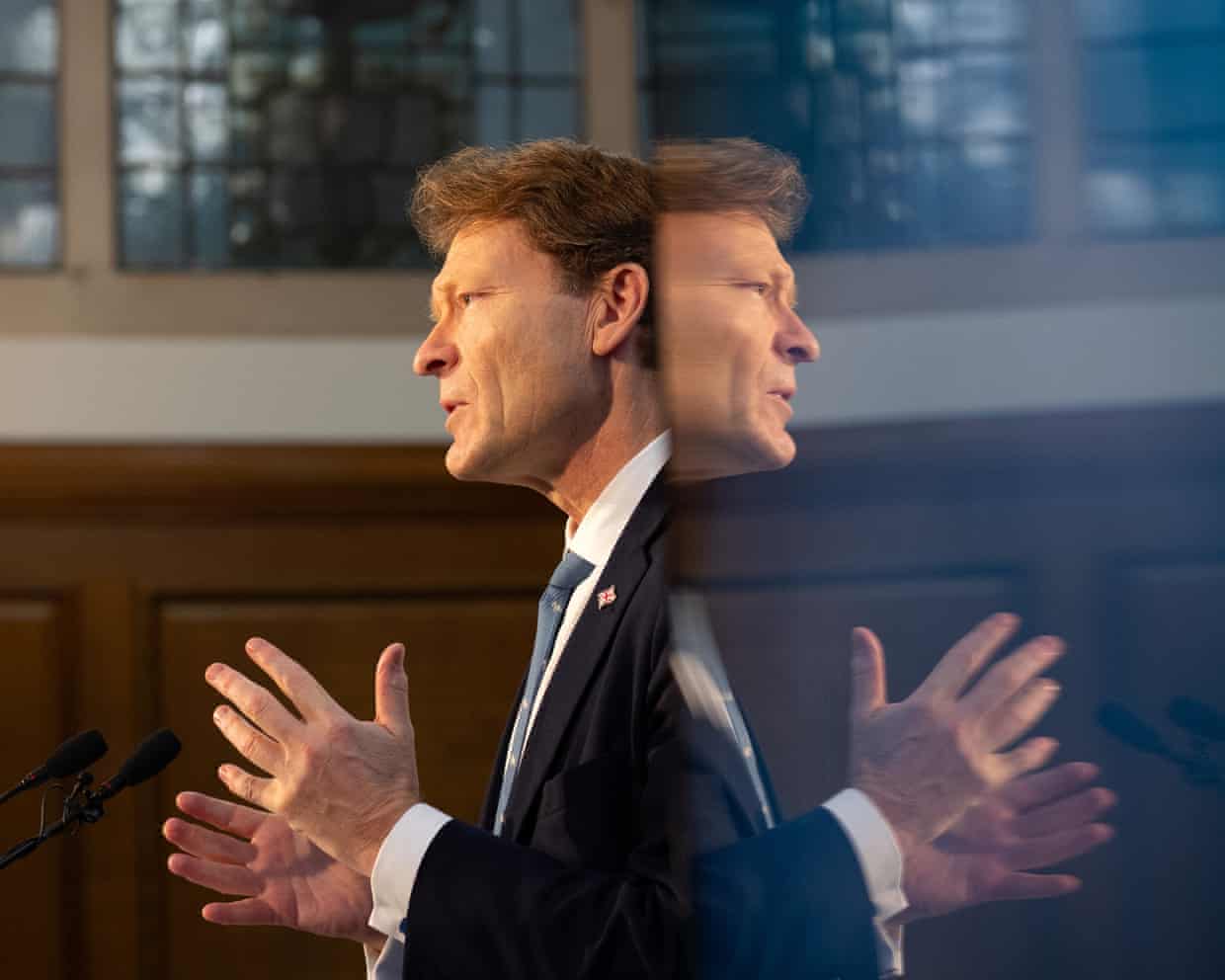
Call it a Christmas miracle. For this was the day when Richard Tice sent in his application to become a fully paid-up member of Woke. The day the Reform deputy leader tried to break free from his role as the perennial sidekick. An insignificant blot on the Nigel Farage landscape. When he tried to show he was able to think his own thoughts
How far must UK go to fend off threat of foreign interference in its elections?
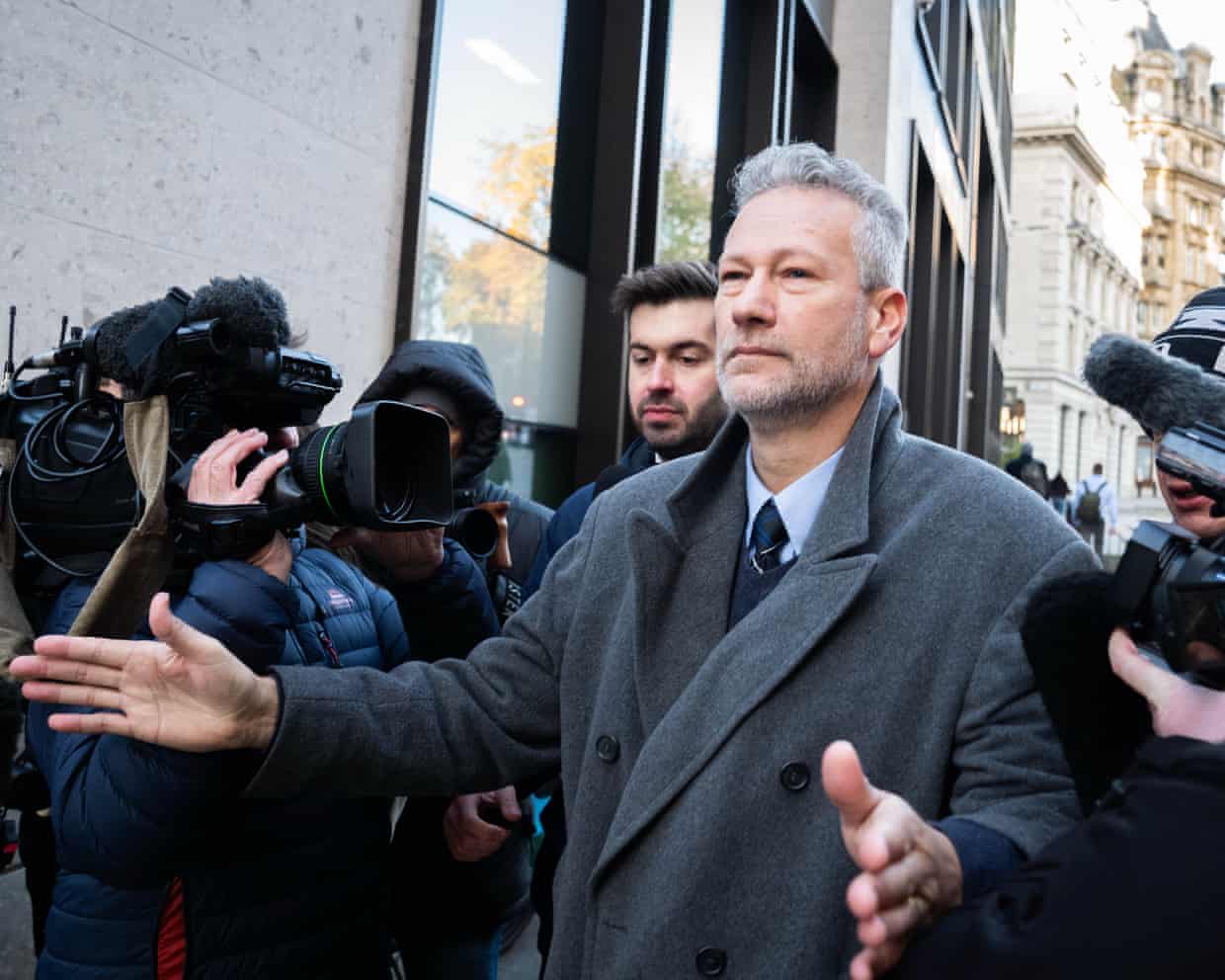
Russia has been attempting to meddle with western democracy for years, but successive governments led by Boris Johnson and others have insisted that the UK’s electoral system can withstand its influence.That argument was recently blown apart by the conviction of former Reform politician Nathan Gill, jailed for 10 years for accepting bribes to advance Russian arguments.And now Steve Reed, the cabinet minister responsible for elections, has admitted there are worries that the UK’s “firewall” against foreign interference may not be strong enough as he ordered an independent review.The decision is clearly partly motivated by the chance to score political points against Reform UK over its links to the Russian bribe case. And yet there is no doubting the reality of the threat, even if it has until recently been ignored

All about the baby cheeses: how to curate a festive cheeseboard to remember

How to make nesselrode pudding – recipe | Felicity Cloake's Masterclass

Festive food for less: Christmas dinner with all the cost trimmings
The 12 condiments of Christmas
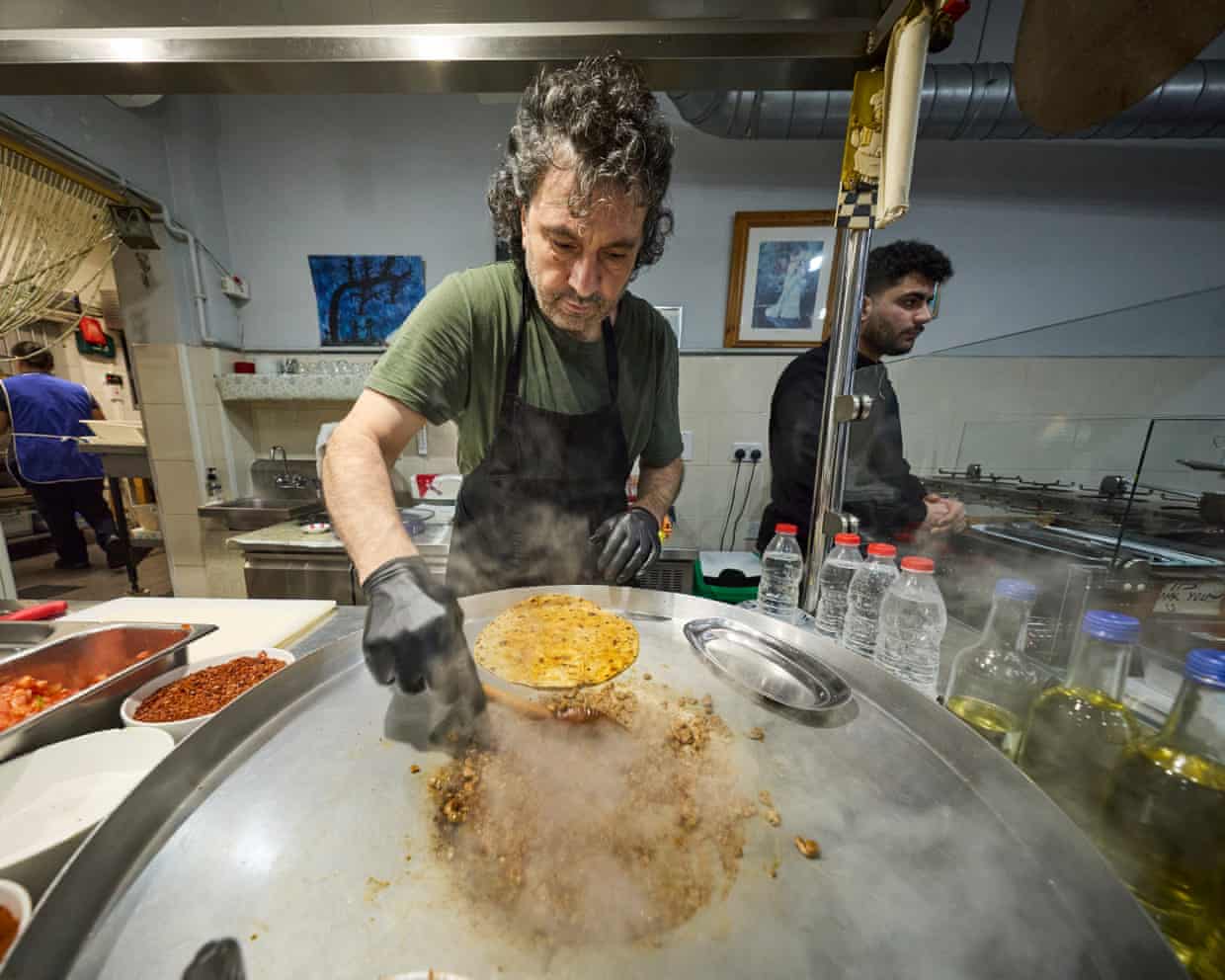
‘Every chef should train here’: Turkish restaurant ranks fourth on list of London’s top food spots

Ho, ho, Hamburg: bringing the flavours of a true German Christmas market home