
Lidl and Iceland ads are first banned under new UK junk food rules
Lidl and Iceland have become the first companies to have ads banned after the introduction of rules cracking down on the marketing of junk food in the UK.The Advertising Standards Authority (ASA) has been policing the ban on ads featuring junk food on TV before 9pm, and in paid online advertising at any time of the day, since 5 January.On Wednesday the ASA said ads from the two supermarkets that appeared on Instagram and the Daily Mail website had broken the new rules, which prohibit items deemed high in fat, salt and sugar (HFSS) from being promoted as part of the government’s effort to tackle rising childhood obesity.Lidl Northern Ireland paid Emma Kearney, a popular beauty and lifestyle influencer known online as Baby Emzo, to create an Instagram post promoting the supermarket’s bakery products.The video post included a tray of pain suisse, a French pastry filled with vanilla cream and chocolate chips, which a complainant to the ASA said was a “less healthy” food product that broke the UK rules

Iran war escalation could trigger global recession, IMF warns
A further escalation in the Iran war could trigger a global recession that would affect the UK more than any of the other G7 nations, the International Monetary Fund has warned.Against an increasingly volatile backdrop, the Washington-based fund said the economic damage from the Middle East conflict was steadily rising as it cut its growth forecasts for 2026 based on the impact of the war so far.In its half-yearly update, the IMF said the UK would suffer the sharpest growth downgrade and joint highest inflation rate in the G7 this year, even if the fallout from soaring energy costs can be contained by the middle of 2026.However, under a worst-case “severe scenario”, involving a drawn-out war and persistently higher energy prices, it said the world would face “a close call for a global recession” for only the fifth time since 1980.The IMF’s warning prompted the UK chancellor, Rachel Reeves, into the British government’s harshest rebuke yet to President Trump

Bosses say AI boosts productivity – workers say they’re drowning in ‘workslop’
Ken, a copywriter for a large, Miami-based cybersecurity firm, used to enjoy his job. But then the “workslop” started piling up.Workslop is an unintended consequence of the AI boom. It’s what happens when employees use AI to quickly generate work that seems polished – at least superficially – but is in fact so flawed or inaccurate that it needs to be heavily corrected, cleaned up or even completely redone after it’s passed on to colleagues.For Ken, the problem started after his company’s CEO laid off several of his colleagues and mandated that remaining workers use AI chatbots, saying it would boost their productivity

AI companies make powerful tech – but they’re also savvy marketers
Hello, and welcome to TechScape. I’m your host, Blake Montgomery, the Guardian’s US tech editor, writing to you from my happy village in Pokopia.Artificial intelligence companies make powerful products. They also make outlandish claims.Last week, Anthropic released Claude Mythos, an AI model focused on cybersecurity, which has inspired widespread thrill and panic over how capable it is said to be

Welcome to The Hotspot, our new newsletter on sport’s relationship with the climate crisis
We delve into the best stories on how sport is changing around the climate crisis, and what can be done to navigate a way forwardTo subscribe to The Hotspot, just visit this pageNelson Mandela said: “Sport can create hope where once there was only despair.” Too optimistic? In 2026, almost certainly. Sport is still a common language, uniting unlikely groups like an all-powerful Esperanto, but it is in trouble.The pitches we play on, rivers we swim, seas we surf, mountains we climb, parks we run in, air we breathe – all are being degraded by the burning of fossil fuels as the climate crisis turns the sporting landscape upside down.Which is why The Hotspot, the Guardian’s new fortnightly newsletter on sport and the climate crisis, is here

Nicky Henderson on Constitution Hill and the yips: ‘The best jumper you’ll ever see and he lost it’
The venerated trainer could not find a guru in the world to cure one of the greatest hurdlers in history but a surprise switch to the Flat promises a career swansongNicky Henderson is 75 years old and, after almost half a century of training horses, he has seen everything in the strange and compelling world of racing. But the extraordinary and still evolving story of his great old horse Constitution Hill makes even Henderson pause in his study. It’s a sunlit afternoon in Lambourn and we’ve just left the mighty but complex horse in his stable.Standing next to Henderson for a photoshoot, Constitution Hill had been typically calm. He then took a slow walk outside before, having waited patiently for lunch, the horse ambled inside for a good feed

The Breakdown | Will Bath or anyone else stop the Bordeaux Bègles juggernaut in Europe?

Ben Stokes plays down talk of McCullum disagreement but plans ‘different’ path to success
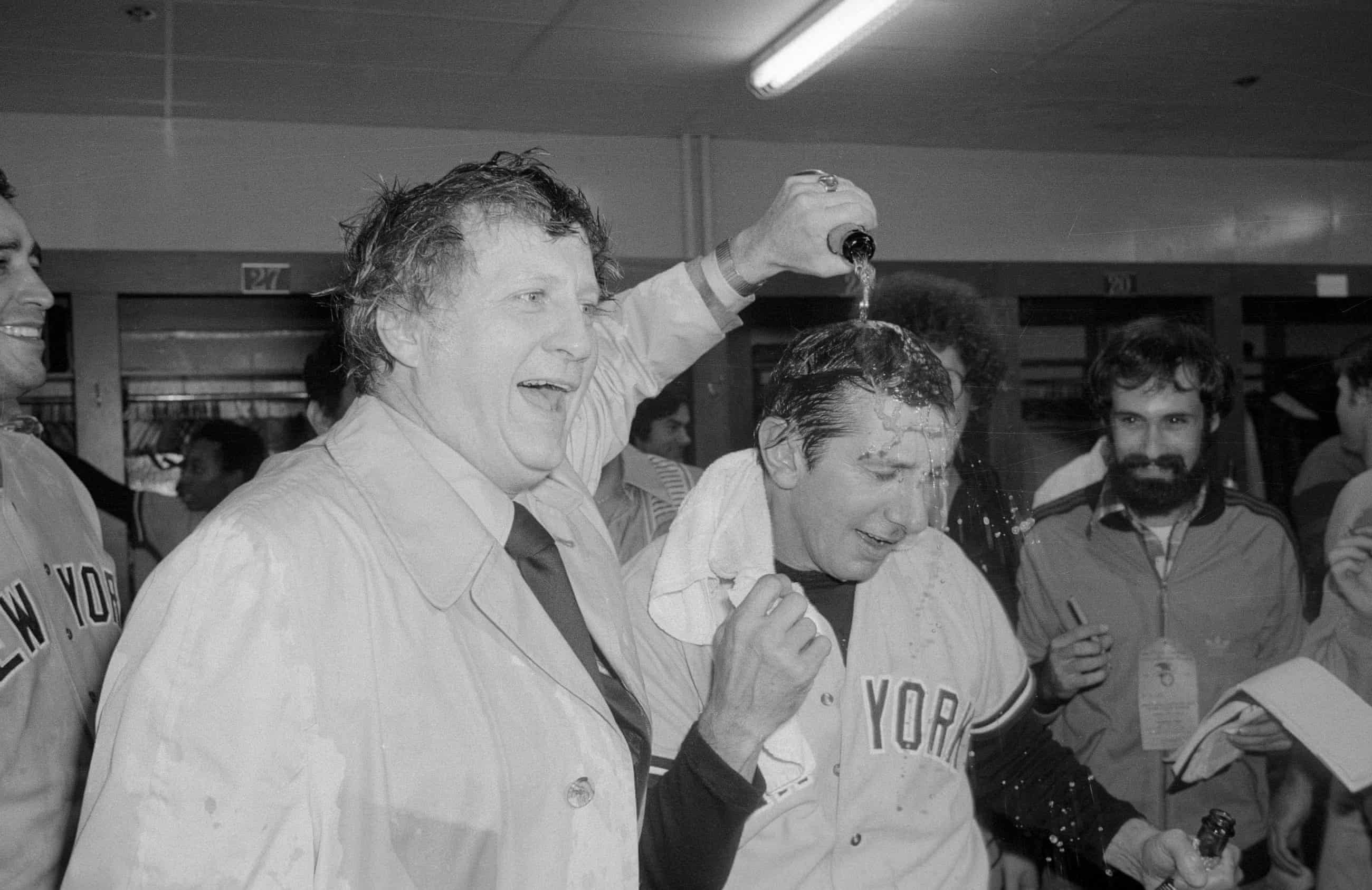
Boss of the Bronx: the turbulent reign of George Steinbrenner, baseball’s ultimate showman

The Masters, the Premier League run-in, the National: is there a better sporting month than April? | Sean Ingle

Azzi Fudd taken first in WNBA draft by Dallas Wings in UConn reunion with Paige Bueckers

WNBA draft: Azzi Fudd goes No 1, UCLA smash record and Flau’jae Johnson traded – as it happened