Shaun Murphy v Wu Yize: World Snooker Championship final day one – live

As for Wu, I’d be staggered if he ends his career without winning this event more than once.I’d be lying if I said he isn’t my favourite – the way he plays, it’s impossible to take your eyes off him.He attacks the game in the way we should all attack life, however trepidatious we feel, and if it doesn’t work out, he quickly gets over himself, heals, then has at it again.Mates: if ever you’re stuck, think Wu.Shaun, of course, won this title unseeded, aged just 22, in 2005.
Since then, he’s lost four finals, but he’ll fancy himself – ok, he almost always fancies himself – this time around.Already a triple crown champion, he knows that if he can add a second one of these, he’ll ascend another level in the annals of the game, not quite up there on tier two with your Selbzeseses, Williamseseseses and Hingginses of this world, but above pretty much everyone else.Team sports offer us a simple life: we pick one or one picks us, the end.Individual sports, though, are different: on the one hand, who we enjoy doesn’t describe us in the same way but, on the other, it allows us the gift of wanting the best for everyone, the tribalism still present but with all of us gathered as one.It is not, for example, necessarily easy to vibe with Shaun Murphy, his smarts that make the soul sing sometimes encroaching into smarms that make the teeth itch.
But no one can challenge what he’s given to this thing of ours, love of the game – yes, and love of himself, a valuable lesson – radiating through him and into us.He wants a second world title as badly as anyone has ever wanted anything, and should he get it, his smooth, natural, beautiful style will deserve it and then some.Wu Yize, meanwhile, is a very different character, a fearless and improvisational maverick whose strut is sometimes undermined by nerves.If Zhao Xintong, last year’s champion, is early Beatles, all smiles, mischief and revolutionary pop perfection, he is Bob Dylan, an edgy, incendiary, compelling talent who leaves nothing out.At just 22, he has plenty of improving still to do and, had you asked me even two weeks ago I’d have said I didn’t think he was quite ready to claim the big pot – he only took his first ranking title in November, having been sapped by the occasion in his first two final appearances.
But here we are and here he is, after getting by Mark Selby and, somehow, Mark Allen, almost in spite of himself.The beauty of a long match is the potential for fluctuations in form and dominance, but Wu will know that there are few more bullying front-runners than Shaun who, when grooved as he is now, is capable of almost anything on a 12x6.Similarly, though, it won’t have escaped Shaun’s attention that he is facing a one-off capable of seeing and executing shots others do not and cannot.And, either way, though it’s impossible to say with any confidence who’ll be celebrating tomorrow evening, the legend or the future legend, the big winner is already clear: us.Play: 1pm BST

Woman’s fight for sterilisation raises questions over access to procedure
A psychologist who was denied sterilisation on the NHS has successfully challenged the decision after taking her case to the health ombudsman, raising questions over how accessible the procedure should be.Leah Spasova spent years seeking an operation to prevent pregnancy by blocking the fallopian tubes. Many argue that barriers faced by women, from funding refusals to stricter eligibility criteria, amount to unequal treatment compared with men seeking vasectomies, and limit bodily autonomy.However, others say tighter controls reflect legitimate medical concerns, including the procedure’s relative risk, its permanence, and evidence that some patients later regret the decision.In 2024-25, 10,793 female sterilisations were carried out, down 22% on a decade ago, while there were 26,385 vasectomies, up 16% year on year
‘I am invoking Martha’s rule’: how a woman saved her father from near death in hospital
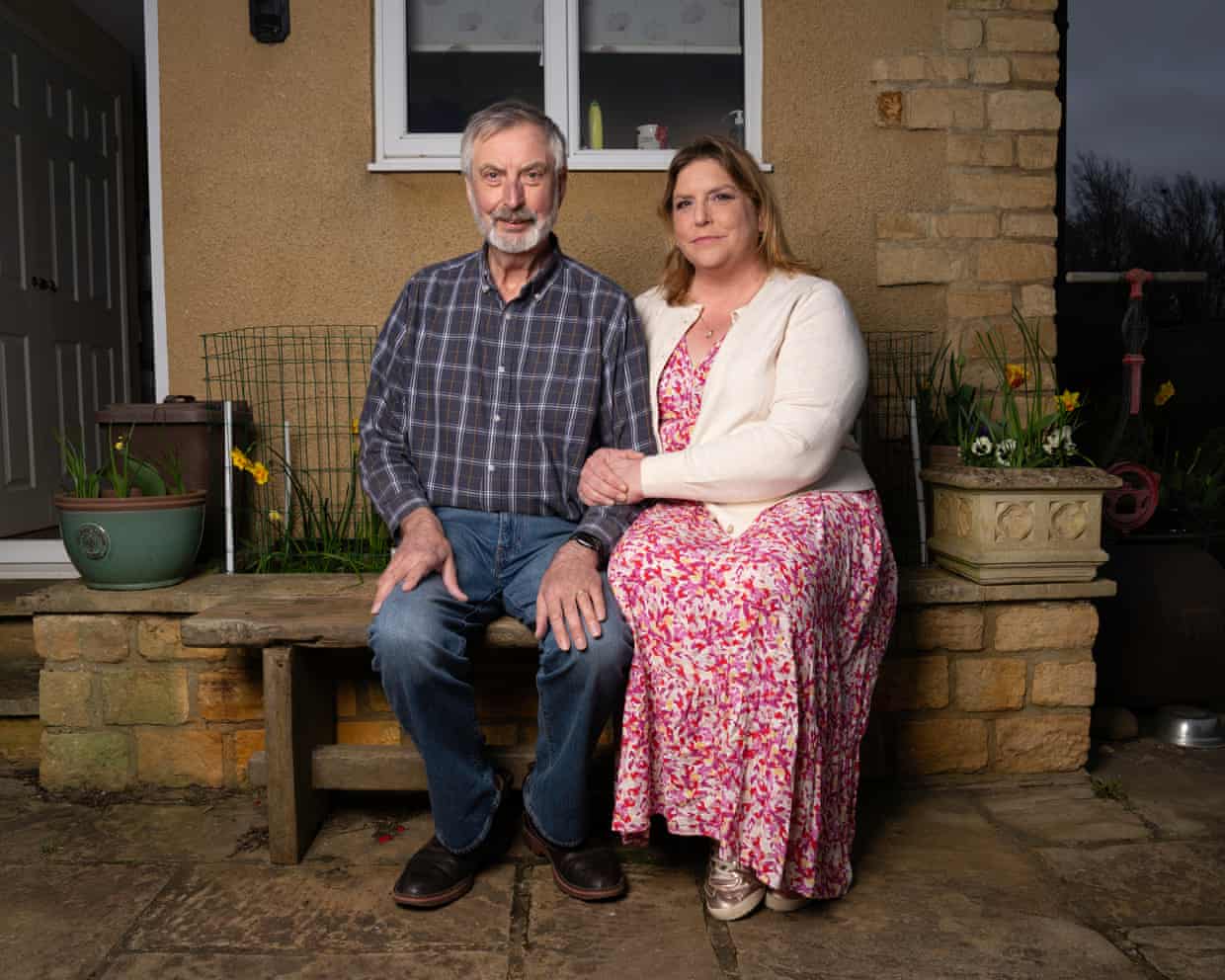
For six awful days last summer, as her father, David, got progressively sicker in the cardiac ward of the John Radcliffe hospital in Oxford, Karen Osenton would read the poster above his bed telling patients about their right under Martha’s rule to ask for a second opinion.Her father, a retired engineer in his early 70s who was normally extremely fit, was by then thin, jaundiced and could barely lift his head from the pillow. But his bed was right beside the nurses’ station, surely they would notice if he needed more urgent treatment?David had first gone to his GP more than a month earlier complaining of extreme breathlessness, and over the following weeks he had become increasingly thin and weak with suspected heart failure. But it had taken repeated visits to the accident and emergency ward, being sent home each time, before he was finally given a bed in a specialist cardiac unit last July.“Every day we saw him he got worse,” says Karen, a teacher from Aynho, in West Northamptonshire

Martha’s rule may have saved more than 500 lives in England since 2024
More than 500 people have received potentially life-saving care thanks to Martha’s rule, which gives hospital patients the right to seek a second opinion about their health.They were moved to intensive care or a specialist unit after they, a loved one or a member of NHS staff triggered the patient safety mechanism, which the NHS in England began using in 2024.Martha’s rule lets patients, relatives and staff call a helpline run by the hospital if they are worried about the person’s condition or treatment and ask for a “rapid review” of their care.In the 18 months between September 2024 and February 2026, a total of 524 adults and children about whom concerns had been raised were moved to an intensive care or high-dependency unit, a specialist hospital or a specialist ward at the hospital where they were already an inpatient.Wes Streeting, the health secretary, said the figures proved that Martha’s rule is “already having a life-saving impact”

Solicitors report late flood of no-fault evictions before ban in England
Solicitors say they have been inundated with requests to serve last-minute section 21 no-fault eviction notices before they are banned when the Renters’ Rights Act comes into force in England on Friday.The legislation, which has been hailed as the biggest change to renting in a generation, bans no-fault evictions, limits rent increases and abolishes fixed-term tenancies.On the eve of the new rules, solicitors said they were working long hours to keep up with the sudden demand for eviction notices, while Citizens Advice said thousands of people facing a no-fault eviction had approached it for help in the last month.In March, the service helped 2,335 people dealing with a no-fault eviction, up 16% on the same time last year, as well as more than 1,800 people dealing with disrepair such as damp and mould, and more than 1,000 with rent increases.Thackray Williams, a London- and Kent-based law firm, said it had received a wave of last-minute instructions from landlords looking to evict their tenants and sell their properties because of the legislation

Why routine cancer tests have age limits | Brief letters
Jane Ghosh asks why the NHS’s routine screening for bowel and breast cancer has upper age limits (Letters, 28 April). Screening – testing because of risk, not symptoms – stops when the chance of helping you drops below the chance of harming you. Diagnostic testing is done at any age.Dr John Doherty Stratford-upon-Avon, Warwickshire Re Jane Ghosh’s letter about the NHS stopping routine bowel and breast cancer testing after the early 70s, it’s important to know that people over the age thresholds can request a bowel cancer test every two years or breast cancer screening every three years. Remembering to do so is a different story
Raise tax on alcohol and junk food to cut deaths from liver disease, experts say
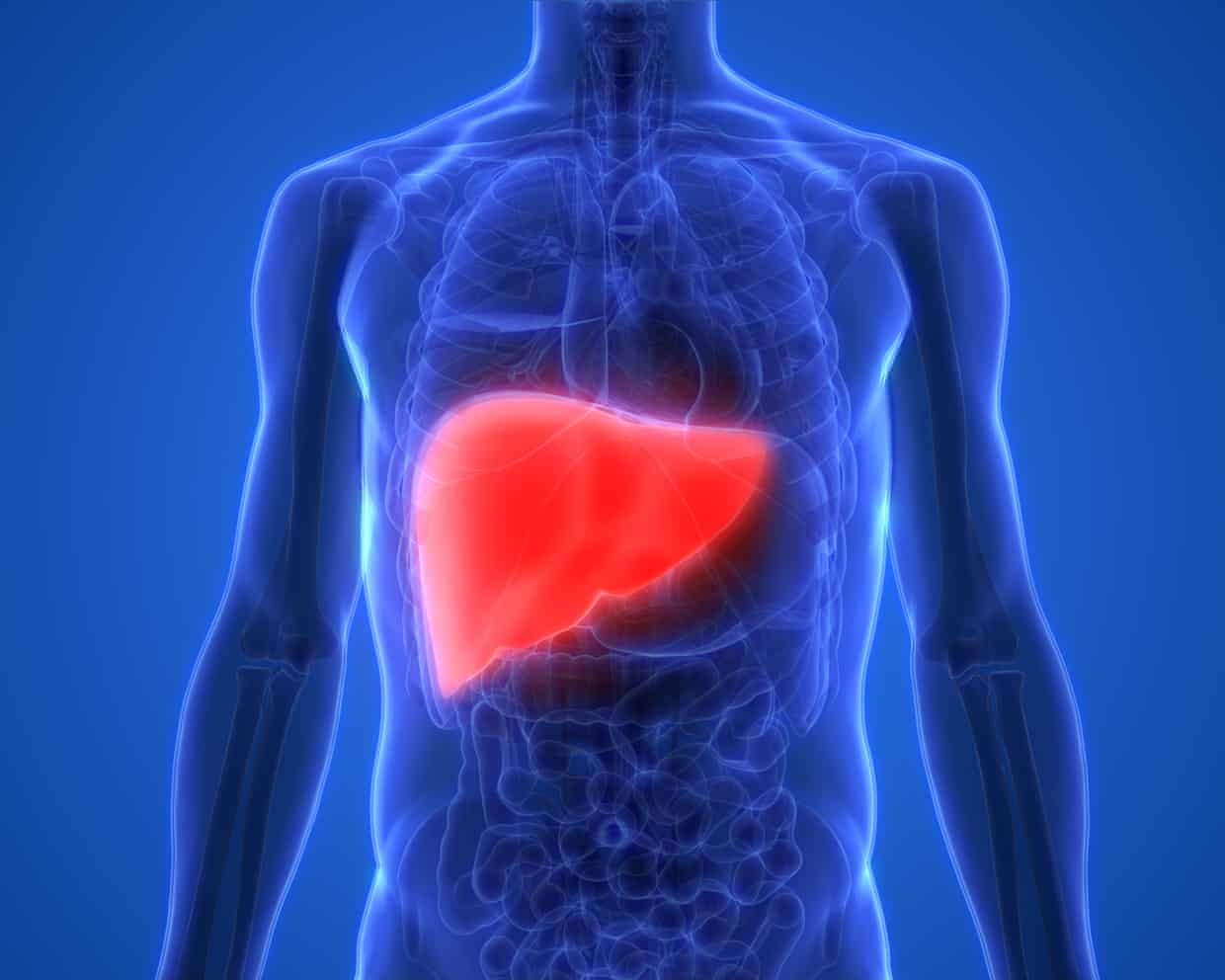
Governments in Europe should impose much higher taxes on alcohol and unhealthy food to tackle the continent’s 284,000 deaths a year from liver disease, experts say.Taxes on those products should rise sharply enough for the money raised to cover the huge costs they place on health services, the criminal justice system and social services.The call for tough action on common causes of serious liver disease comes from a commission of experts from the European Association for the Study of the Liver and the Lancet medical journal.They are urging governments in Europe to ensure all alcoholic products carry health warnings and stop under-18s being targeted with online advertisements for alcoholic drinks and junk food.Bold steps are needed to combat “an escalating and unsustainable burden of liver disease”, the commission says in a report published on Wednesday in the Lancet

The Devil Wears Prada 2 to Lenny Henry: your complete entertainment guide to the week ahead
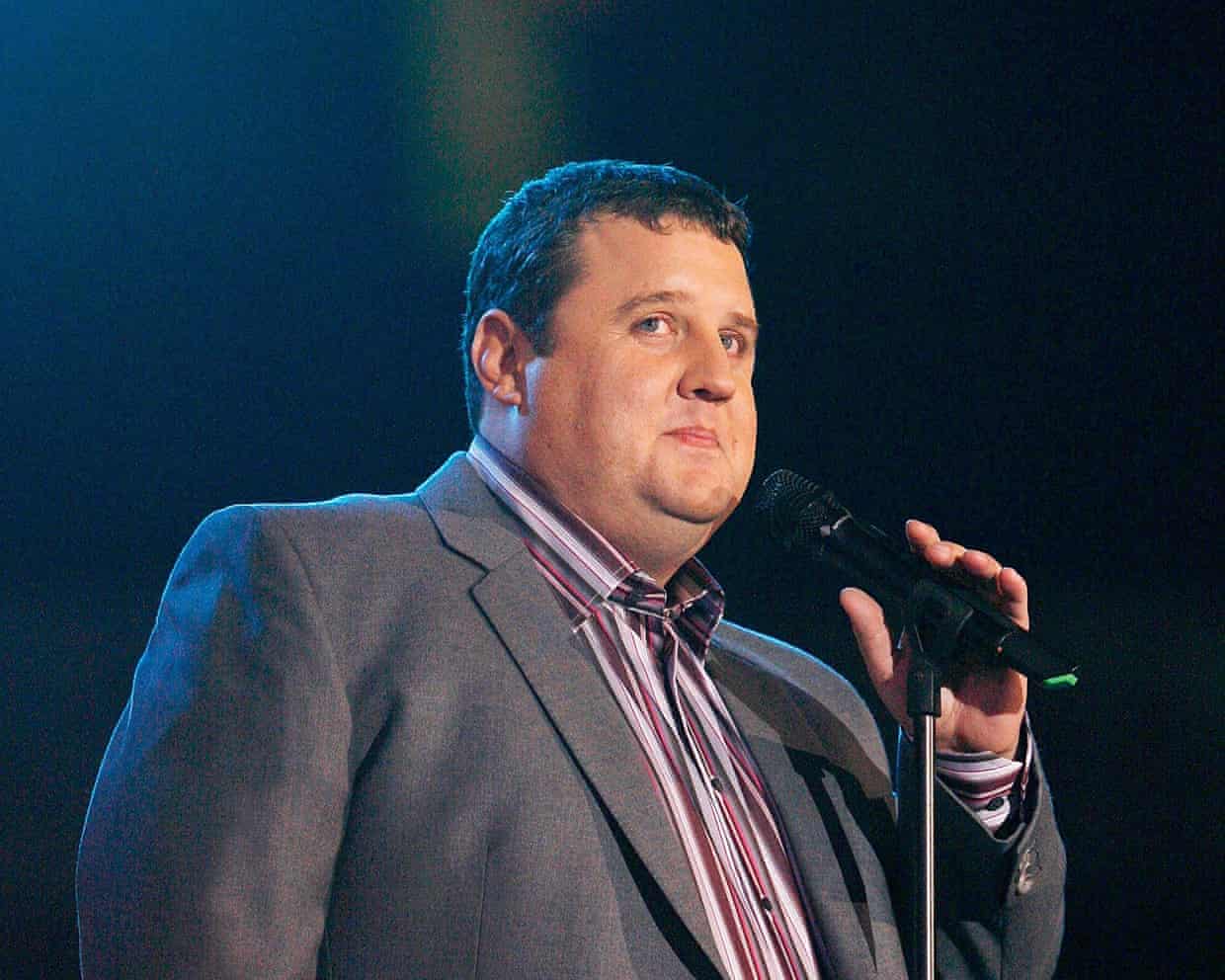
Peter Kay show stopped and 19-year-old in custody after ‘suspicious bag’ found

Jimmy Kimmel: ‘Trump has three wars going on right now – Iranians, Ukrainians and comedians’

The Guide #241: Wintour isn’t coming … and her Devil Wears Prada absence is for the best

Post your questions for Harry Potter and Fast Show star Mark Williams

Man who pocketed tiles from medieval priory as boy returns them 60 years later