Post your questions for Harry Potter and Fast Show star Mark Williams

Twenty-five years have now passed since the first Harry Potter film and, with the HBO reboot due out this Christmas, Warner Bros is ramping up the celebrations.Key among them is the unveiling of a new feature at the studio tour showcasing key moments, costumes and props from Harry Potter and the Philosopher’s Stone.And this is why Mark Williams is now taking your questions – although, as Potter purists will know, his character doesn’t actually appear in the first film.Arthur Weasley does, however, play a pretty big role in the other seven movies, so let’s muggle through regardless.In the movies, Williams plays the ministry of magic employee, husband to Julie Walters’ Molly Weasley and father of Ron, Ginny, Fred, George, Percy, Charlie and Bill – a role for which he had to dye his hair red.
“I turned into a fuzzy-haired ginger person,” he said in 2005, prompting Stephen Fry to ask him if the move was “for professional or sexual reasons?”Williams will be answering your queries about all things Potter, as well as about his career to date, from his early work with the Royal Shakespeare Company and National Theatre in England to his breakthrough on The Fast Show in the 1990s – his most famous character, which presumably still makes clothes shopping nightmarish.Of the slight lethargy at the start of his career, Williams, now 66, said, “I think it took longer for me to succeed because I’ve got a face like the corner of a crocodile handbag.”Other movie credits include Stardust, 101 Dalmatians, The Borrowers, Shakespeare in Love, A Cock and Bull Story, Albert Nobbs and Aardman’s Early Man.On the small screen, meanwhile, he’s been on Red Dwarf, Doctor Who, Carrie & Barry, Bottom, Saxondale, as Mr Beebe in the 2007 adaptation of A Room With a View and the lead in 140 episodes of Father Brown (as well as making a cameo as the same holy man in Sister Boniface Mysteries).Two further series of the show have recently started filming.
He also presented quizshow The Link in 2014 and 2015, and has fronted four documentary series about the UK’s industrial history, which taught him, he said, that “the human experience is that we often rely too heavily on the wrong things,The Victorians relied too heavily on coal, and they destroyed their cities and their children in the process,We’re no different today,We’ve been the same organism since Neolithic times,“We think we’re cleverer than our forebears, but we’re not.
We still bring up our children in the same haphazard way, and if there is more than one switch, we still don’t know which one turns the light on.The Americans spent millions of dollars trying to invent a pen that would work in space.Then the Russians went into orbit and found that the humble pencil worked perfectly well.”Post your questions for Williams by noon BST on Monday 4 May and we’ll publish them in June in our regular reader interview series.

‘I am invoking Martha’s rule’: how a woman saved her father from near death in hospital
For six awful days last summer, as her father, David, got progressively sicker in the cardiac ward of the John Radcliffe hospital in Oxford, Karen Osenton would read the poster above his bed telling patients about their right under Martha’s rule to ask for a second opinion.Her father, a retired engineer in his early 70s who was normally extremely fit, was by then thin, jaundiced and could barely lift his head from the pillow. But his bed was right beside the nurses’ station, surely they would notice if he needed more urgent treatment?David had first gone to his GP more than a month earlier complaining of extreme breathlessness, and over the following weeks he had become increasingly thin and weak with suspected heart failure. But it had taken repeated visits to the accident and emergency ward, being sent home each time, before he was finally given a bed in a specialist cardiac unit last July.“Every day we saw him he got worse,” says Karen, a teacher from Aynho, in West Northamptonshire

Martha’s rule may have saved more than 500 lives in England since 2024
More than 500 people have received potentially life-saving care thanks to Martha’s rule, which gives hospital patients the right to seek a second opinion about their health.They were moved to intensive care or a specialist unit after they, a loved one or a member of NHS staff triggered the patient safety mechanism, which the NHS in England began using in 2024.Martha’s rule lets patients, relatives and staff call a helpline run by the hospital if they are worried about the person’s condition or treatment and ask for a “rapid review” of their care.In the 18 months between September 2024 and February 2026, a total of 524 adults and children about whom concerns had been raised were moved to an intensive care or high-dependency unit, a specialist hospital or a specialist ward at the hospital where they were already an inpatient.Wes Streeting, the health secretary, said the figures proved that Martha’s rule is “already having a life-saving impact”

Solicitors report late flood of no-fault evictions before ban in England
Solicitors say they have been inundated with requests to serve last-minute section 21 no-fault eviction notices before they are banned when the Renters’ Rights Act comes into force in England on Friday.The legislation, which has been hailed as the biggest change to renting in a generation, bans no-fault evictions, limits rent increases and abolishes fixed-term tenancies.On the eve of the new rules, solicitors said they were working long hours to keep up with the sudden demand for eviction notices, while Citizens Advice said thousands of people facing a no-fault eviction had approached it for help in the last month.In March, the service helped 2,335 people dealing with a no-fault eviction, up 16% on the same time last year, as well as more than 1,800 people dealing with disrepair such as damp and mould, and more than 1,000 with rent increases.Thackray Williams, a London- and Kent-based law firm, said it had received a wave of last-minute instructions from landlords looking to evict their tenants and sell their properties because of the legislation

Austerity to blame for the fall in healthy life expectancy | Letters
A major cause of the fall in healthy life expectancy (People in UK spend fewer years in good health than a decade ago, study finds, 27 April) is austerity and the continued cuts to social and health spending. In our report Still Digging Deeper: The Impact of Austerity on Inequalities and Deprivation in the Coalfield Areas, which covers Scotland, England and Wales for the period 1984-2024, we highlight how public expenditure cuts since 1984 have disproportionately impacted coalfield areas of the UK.Since 2010, austerity has been stepped up, and we have calculated that welfare reforms and benefit cuts amounted to £32.6bn over the period of 2010-21. Furthermore, in 2025-26 coalfield local authorities had a combined funding gap of £447m
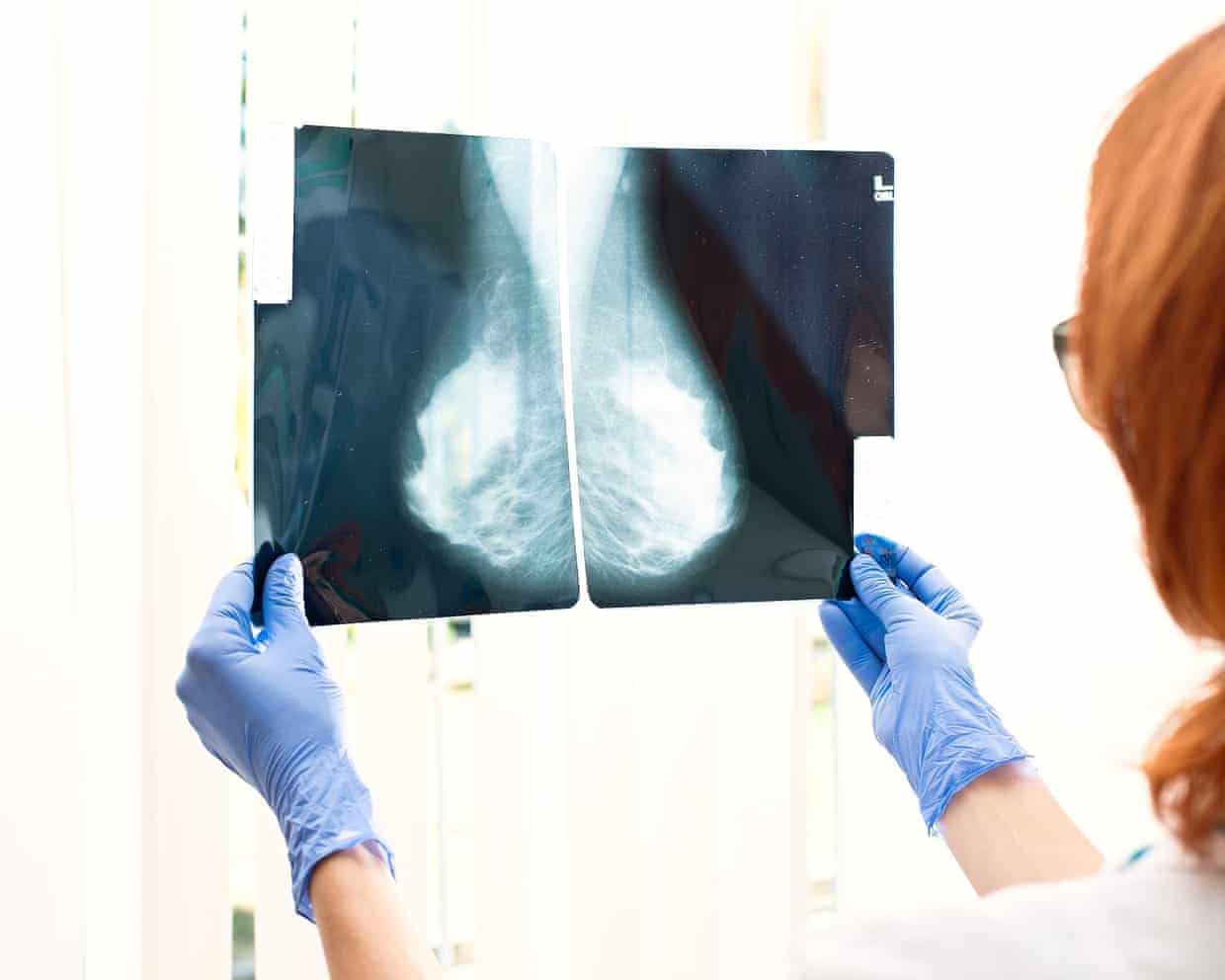
Why routine cancer tests have age limits | Brief letters
Jane Ghosh asks why the NHS’s routine screening for bowel and breast cancer has upper age limits (Letters, 28 April). Screening – testing because of risk, not symptoms – stops when the chance of helping you drops below the chance of harming you. Diagnostic testing is done at any age.Dr John Doherty Stratford-upon-Avon, Warwickshire Re Jane Ghosh’s letter about the NHS stopping routine bowel and breast cancer testing after the early 70s, it’s important to know that people over the age thresholds can request a bowel cancer test every two years or breast cancer screening every three years. Remembering to do so is a different story

UK researchers develop tool to identify people most at risk of obesity-related diseases
A new tool that can shed light on who is most at risk of obesity-related diseases could help identify people who would benefit most from weight-loss medications, researchers have said.Recent data suggests about two-thirds of adults in England are overweight or obese – a situation that has caused concern among health experts.Now researchers have developed a tool that, they say, offers an accurate and personalised approach to identifying those at risk of obesity-related conditions.They add it could be useful for prioritising who should receive interventions, such as weight-loss jabs, given that access on the NHS is limited and currently based simply on having a high body mass index (BMI) and particular obesity-related health problems.Prof Nick Wareham, of the University of Cambridge, a co-author of the study, said the measure was not about extending the use of particular therapies
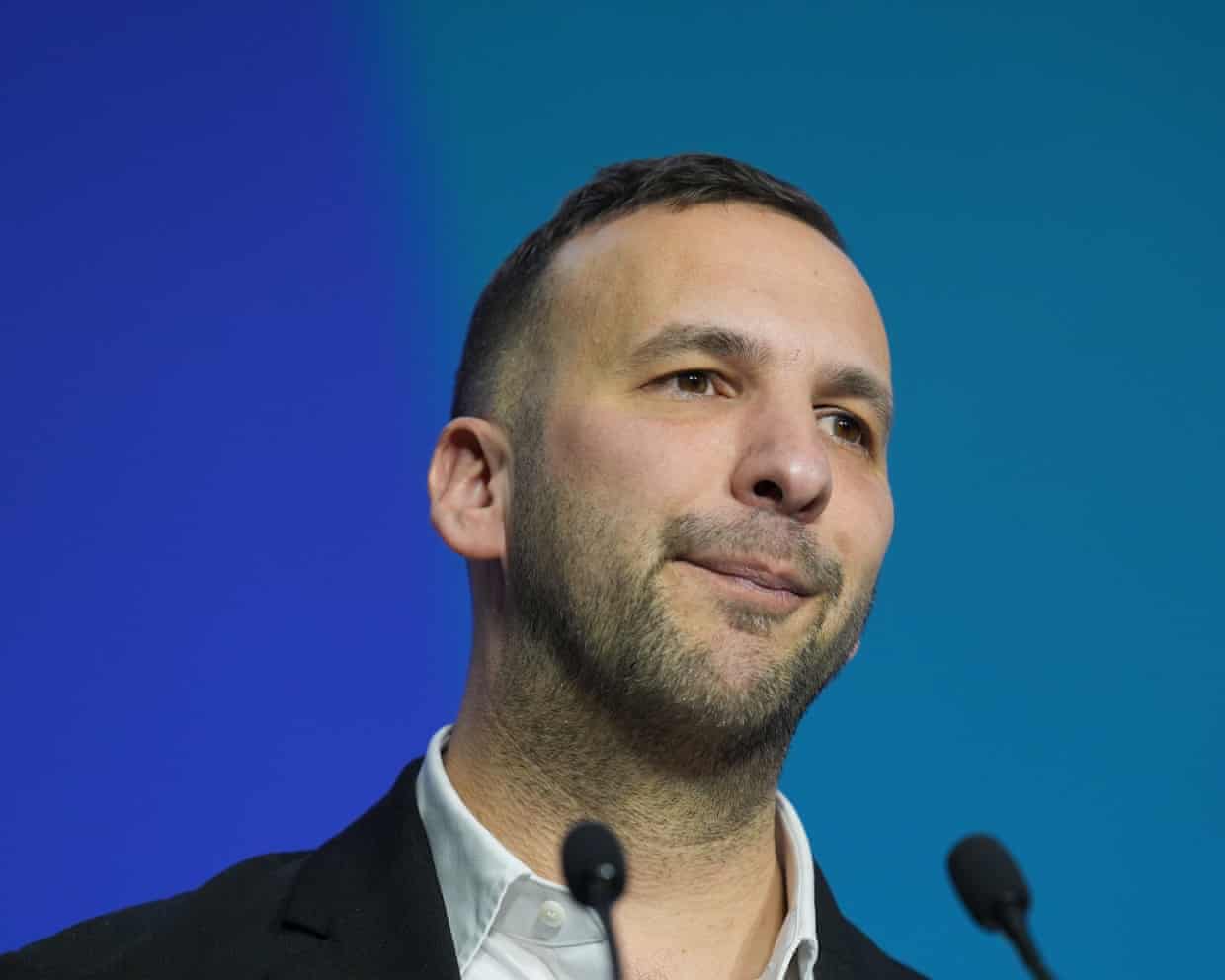
Starmer says Polanski ‘is not fit to lead a political party’ after Golders Green police criticism

‘No other plan comes close’: how Labour MPs turned to Burnham with Starmer on the brink

Andy Burnham has plan to return to Westminster ‘within weeks’, allies say

Foreign Office cuts will weaken oversight of international law, MPs warn
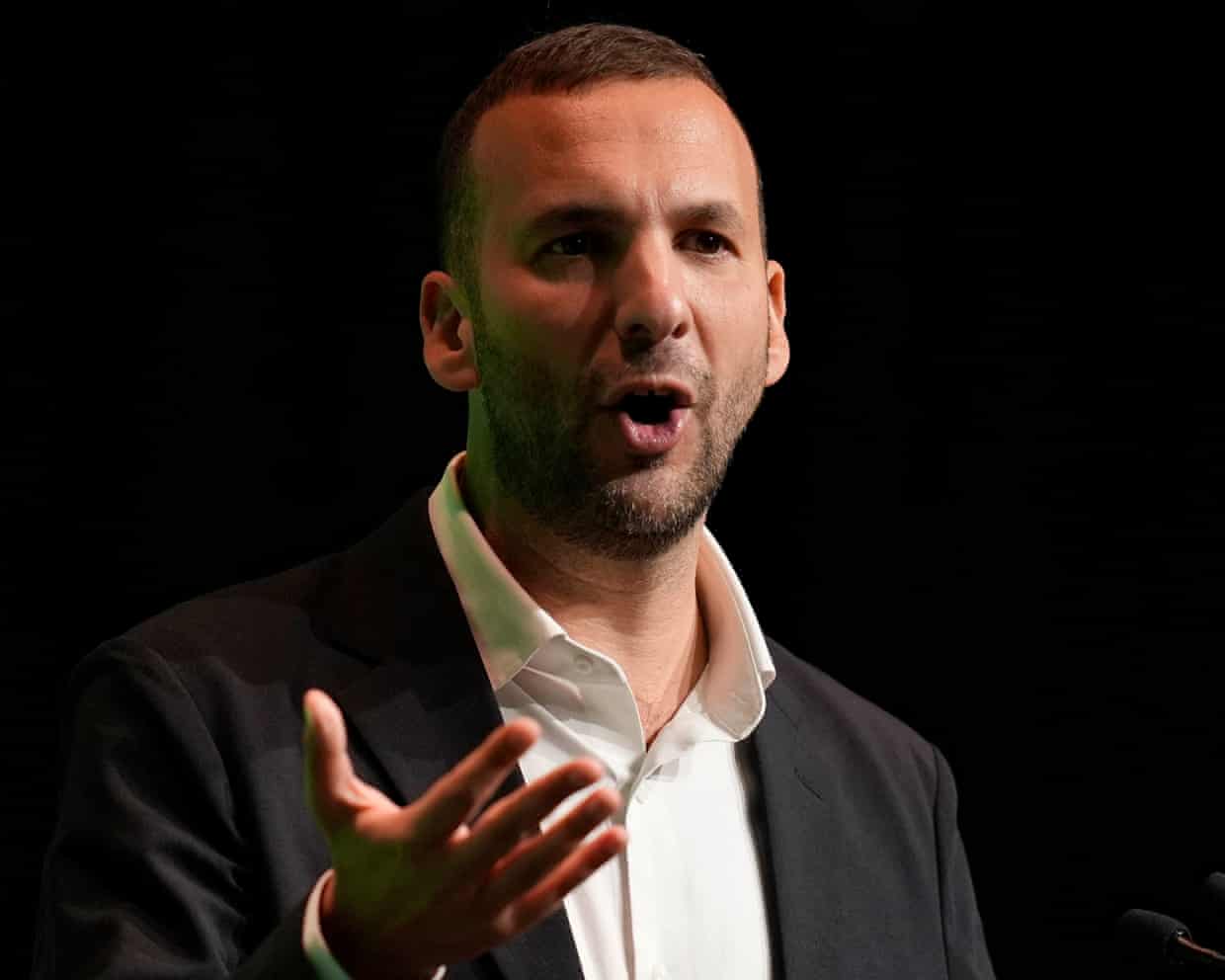
Zack Polanski apologises for sharing tweet criticising police at Golders Green stabbings

Zack Polanski apologises for sharing criticism of police response to Golders Green attack – UK politics live